

Understanding the Benefits of Campground Brokers Compared to Independent Sales Efforts for Campground Owners
Selling your campground is a big decision, and how you approach it can really impact your price, how quickly it sells, and the legacy you leave behind. You’ve got a few paths: working with a broker, selling it yourself, or finding a direct buyer. Each has its own set of trade-offs. This guide breaks down those options, showing you what campground owners stand to gain or risk with each. We’ll cover the “advantages of using a campground broker,” how to “sell a campground without a broker,” and what a “direct acquisition campground buyer” might look like. You’ll see how brokers bring value through their marketing reach, buyer vetting, and deal management. We’ll also explore the hidden complexities of selling independently, from marketing and negotiation to legal hurdles. Plus, we’ll look at how a direct buyer can offer a smoother transition focused on stewardship. This guide includes details on broker services, the pitfalls of selling solo, valuation methods, and comparison tables to clarify fees, timelines, control, and legacy. You’ll also find practical checklists and EAV-style comparison tables to help you get your documents ready, understand valuation, and ask the right questions when offers come in. By the end, you’ll be well-equipped to choose the selling route that best fits your financial goals and your personal priorities, like keeping your staff on board and ensuring your property is well cared for.
What Are the Key Advantages of Using Campground Brokers for Selling Your Campground?
Campground brokers bring focused marketing, established buyer networks, expert negotiation skills, and seamless transaction coordination. Together, these elements reduce market friction and significantly boost your chances of a successful sale at a higher price. Brokers possess specialized market knowledge and access to comparative data, which is crucial for setting competitive pricing and attracting buyers who truly understand campground operations. Their rigorous buyer qualification process and extensive networks often generate competitive interest, leading to stronger offers and fewer deals falling through. By centrally managing outreach, property tours, offers, and closing logistics, brokers free up your time and lighten the legal and administrative load during what is typically a complex sale process.
Brokers simplify your workload and maintain confidentiality, all while leveraging their relationships to connect with niche buyers. This expertise can often shorten the time your property is on the market, especially when matched with the right buyers who are ready to move through due diligence and financing efficiently. The next section dives into how brokers manage the sale process step by step.
How Do Campground Brokers Simplify the RV Park Sales Process?
Campground brokers streamline the entire sale process by managing everything from listing creation and targeted marketing to buyer screening, site tours, and offer management, all within a coordinated project plan. They develop compelling marketing materials and utilize industry-specific channels to reach specialized buyers, minimizing the time you need to spend on direct outreach. Brokers also pre-qualify potential purchasers based on their financial capacity, operational experience, and genuine intent, which significantly lowers the risk of deals falling apart and allows you to focus your attention on serious prospects. In practice, brokers schedule and conduct tours, gather and present offers, and negotiate terms to align buyer expectations with your priorities, then work closely with legal and escrow partners to keep the transaction on track.
This level of operational orchestration reduces distractions and emotional strain on you as the owner, naturally leading us to the next important area: the suite of services brokers typically offer and how those services translate into tangible seller outcomes.
What Broker Services Are Typically Included in Campground Real Estate Sales?
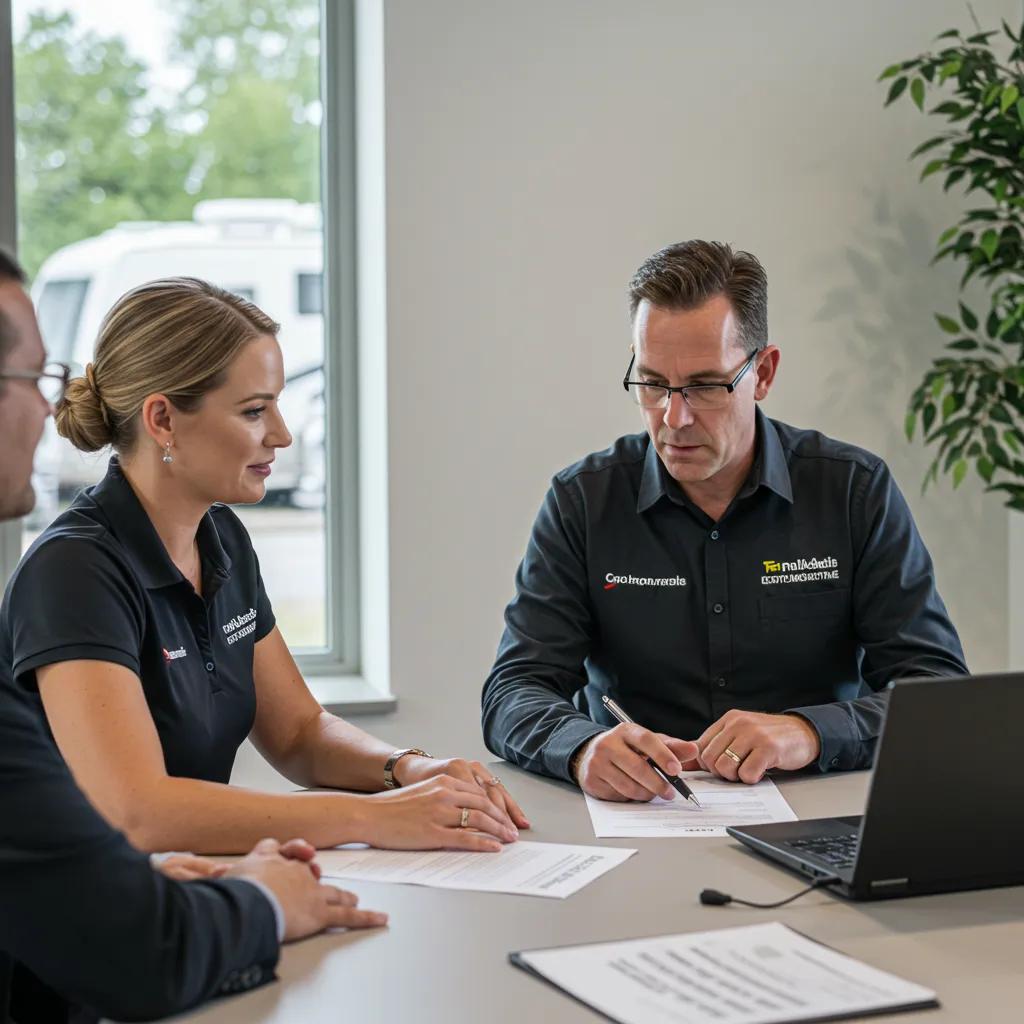
For campground sales, brokers commonly provide comprehensive services including market analysis, comparable sales research, marketing collateral development, targeted distribution, buyer outreach, and the coordination of due diligence and closing tasks. They position your property strategically in the market to identify key buyer segments and craft offering memoranda that effectively highlight revenue streams and property amenities. Brokers also manage property tours, ensure confidentiality agreements are in place, and act as your principal negotiator during the offer evaluation phase. Finally, they serve as the central point of contact, liaising with escrow, title companies, attorneys, and lenders to manage all closing logistics and required disclosures.
These services significantly reduce your workload and mitigate risk while improving the quality of potential buyers. This brings us to a crucial consideration: how broker fees impact your net proceeds and when those fees are truly justified.
How Do Broker Fees and Commissions Affect Your Sale?
Broker fees are essentially compensation for the marketing, negotiation, and transaction management services provided. They are typically structured as a percentage commission or a hybrid fee. While these costs do reduce your net proceeds, they can often be offset by achieving a higher sale price or a faster closing. When a broker successfully cultivates competitive bidding among qualified buyers, you may realize a price premium that more than covers the commission expense. Conversely, if your campground could close quickly with a direct buyer on favorable terms, the gross commission costs might represent an unnecessary reduction in your proceeds. To accurately assess the financial benefit of engaging a broker, it’s essential to calculate your net proceeds by subtracting estimated commissions, closing costs, and any other adjustments from the agreed-upon sale price.
Understanding these fee trade-offs helps you determine if a broker’s expertise is worth the investment, given your specific priorities. This ties directly into the value brokers bring through their networks and buyer qualification processes in reducing deal risk.
Introductory table: Broker services compared across attributes and typical outcomes.
This table clearly illustrates how broker services translate into concrete benefits for sellers and clarifies where commission expenses deliver direct value. The next section shifts focus to the alternative path of selling independently and the common challenges you might encounter.
What Challenges Do Campground Owners Face When Selling Independently?
Selling independently, often referred to as For Sale By Owner (FSBO), can expose you to limited distribution channels, negotiation disadvantages, and substantial legal and due diligence demands. These factors can prolong the time your property is on the market and increase overall risk. Owners frequently underestimate the specialized marketing required to reach campground investors or operators and may struggle to present historical revenue and operational data in a way that builds buyer trust. Without a formal buyer qualification process, private sellers can waste valuable time on unqualified prospects or face financing failures just before closing. These operational and legal burdens often mean that independent sales end up requiring you to hire outside advisors for transaction tasks that a broker would typically manage.
Why Is Selling a Campground Privately More Complex Than It Seems?
Private sellers often discover that campgrounds have very specific documentation requirements—site maps, utility records, permits, occupancy histories, and clear revenue trails—that buyers expect to see before they commit. Zoning and environmental issues can surface during the due diligence phase, and resolving these matters frequently requires the help of external consultants. Preparing professional financial statements and occupancy reports is essential to justify your valuation assumptions. Many owners find they need to invest significant time and resources to compile these records, or risk receiving lower offers and enduring protracted negotiations.
Anticipating these documentation needs upfront can help avoid surprises and supports a stronger valuation. This leads us into a discussion about the marketing and negotiation difficulties that commonly arise in FSBO scenarios.
What Marketing and Negotiation Difficulties Arise in Independent Sales?
Independent sellers often lack access to niche buyer channels and may not prepare marketing materials to their full potential, leading to limited visibility and lower-quality inquiries. Without a broker’s experience in negotiation, owners can also find it challenging to structure offers that effectively balance price, contingencies, and transition terms, potentially resulting in lengthy counteroffer periods or missed opportunities. Professional photography, clear Profit & Loss statements, and targeted outreach to campground operators or portfolio buyers can significantly reduce these risks, but they require time and expertise that many owners may not possess.
Improving marketing and negotiation outcomes often necessitates third-party support, which naturally connects to the legal and due diligence burdens that private sellers must manage on their own.
How Do Legal and Due Diligence Requirements Impact Private Sellers?
Legal and due diligence tasks—such as title review, environmental assessments, lease audits, permit verification, and required disclosures—place significant responsibilities on private sellers. If mishandled, these can lead to deals falling apart or expose sellers to post-closing liabilities. Buyers expect clear titles, documented utilities, and proof of compliance; providing these typically requires the involvement of attorneys, surveyors, and sometimes environmental consultants. Engaging qualified advisors early can prevent delays and protect your property’s value, although it does add cost and coordination overhead to the independent sale path.
Preparing these legal packages thoroughly reduces buyer friction and invites more qualified offers. This brings us to direct-acquisition alternatives and how they differ from working with brokers or selling independently.
How Does the Direct Acquisition Model by GatherGrounds Differ from Brokers and Independent Sales?
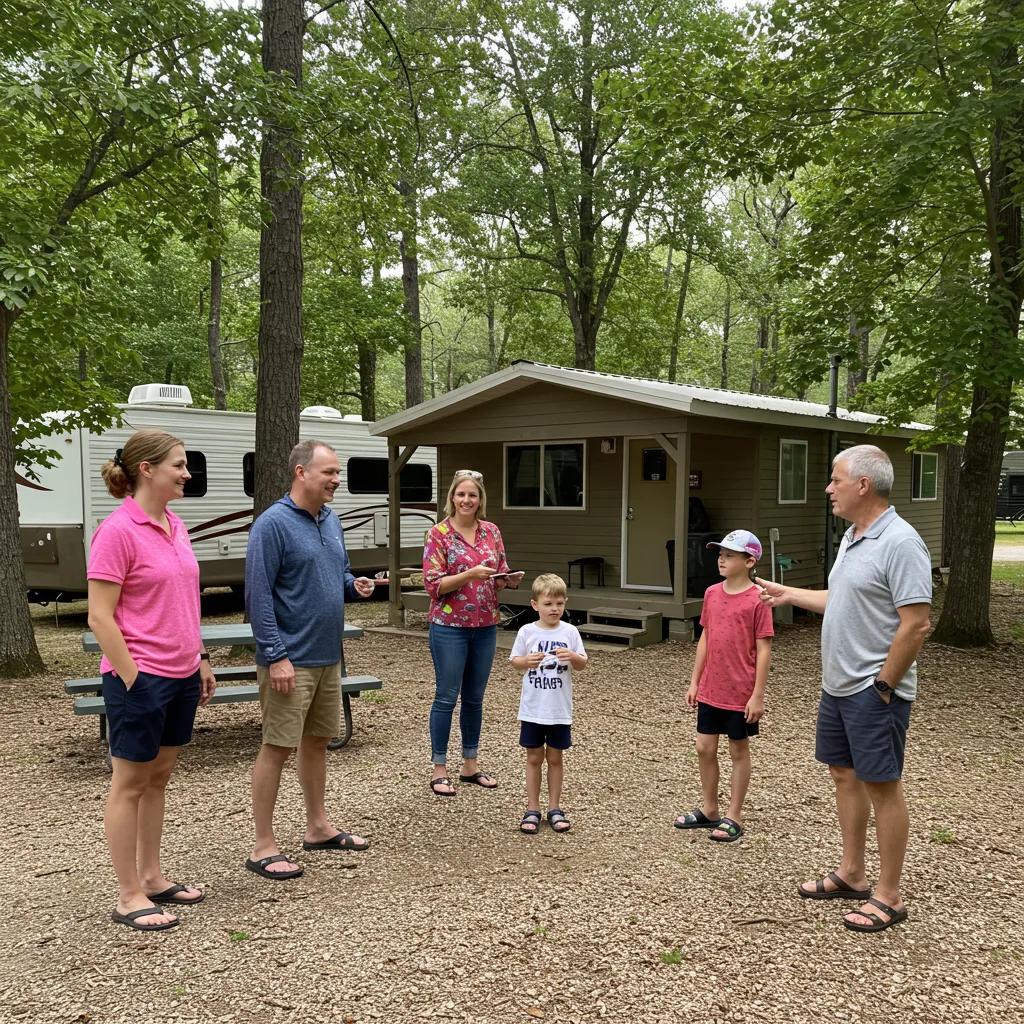
Direct acquisition buyers, like GatherGrounds Resorts, offer a buyer-centric approach where you communicate directly with the acquiring operator, cutting out intermediaries and often accelerating decision-making. This model places a strong emphasis on stewardship and the continuity of your property’s legacy. The GatherGrounds approach is built around Family-Owned Stewardship, direct communication with owners and operators, thoughtful transition planning, and a commitment to investing in property improvements post-acquisition. This model can be particularly appealing to sellers who prioritize preserving their legacy, ensuring staff continuity, and facilitating a smooth handover, rather than solely maximizing an auction-style price outcome.
Direct negotiation with a clearly defined acquirer reduces approval layers and makes timelines more predictable. Furthermore, stewardship-focused buyers often commit to operational continuity and property investment that protect both staff and guest experiences. The next subsection will explain what the family-owned stewardship model entails in practice.
What Makes GatherGrounds’ Family-Owned Stewardship Unique?
GatherGrounds Resorts views acquisitions as an act of stewardship, treating each campground’s traditions and guest community as valuable assets to be honored and nurtured, rather than assets to be stripped for short-term gain. This family-owned approach typically involves respectful transition conversations, a commitment to preserving staff roles, and investment in infrastructure improvements that align with the property’s unique character. Sellers seeking an alternative to institutional buyers or brokered auctions may find this ethos particularly reassuring because it explicitly prioritizes legacy preservation and guest experience as key outcomes of the sale.
This stewardship orientation often influences the deal structure and transition terms, and that practical benefit ties directly to the advantages of direct communication with a buyer, which the next subsection will explore.
How Does Direct Communication Benefit Campground Owners?
Dealing directly with a buyer eliminates the multiple approval layers common in institutional acquisitions and brokered offers, enabling faster responses, clearer negotiations, and fewer contingent conditions. Direct communication shortens decision cycles because you are conversing directly with the actual operator or decision-maker, which reduces ambiguity in timelines and conditions. This clarity helps you plan staff transitions and guest communications more effectively and lowers the probability of surprise deal-killing contingencies.
Faster and clearer negotiations naturally lead into the procedural steps GatherGrounds uses to ensure a thoughtful and smooth transition, which we outline below.
What Is the Process for a Thoughtful and Smooth Transition with GatherGrounds?
GatherGrounds’ direct acquisition process begins with an initial, no-obligation conversation to assess fit and timing. This is followed by collaborative due diligence that respects staff and guest continuity, and culminates in a transition plan that stages the operational handover and outlines targeted property investments. The process typically includes discussions about staff onboarding, guest communication strategies, and a prioritized list of infrastructure investments aimed at modernizing amenities while preserving the campground’s core identity. This stepwise approach minimizes operational disruptions and helps maintain revenue continuity throughout the sale period and beyond.
Owners who value stewardship and continuity will find direct acquisition terms that emphasize human-centered transition planning particularly relevant when considering valuation and offers, which the next section addresses.
How Can Accurate Campground Valuation Maximize Your Sale Price?
Accurate valuation is key to defining a reasonable asking price, managing buyer expectations, and signaling professionalism. Rigorous valuation methods—income capitalization, comparable sales, and replacement cost—each explain value from different perspectives and guide negotiation. Buyers and brokers use the income approach to convert stabilized net operating income into value, comparables to benchmark against recent transactions, and replacement cost to assess potential upside or downside relative to asset reproduction. A transparent valuation supported by solid documentation reduces buyer pushback and shortens the negotiation phase.
Sellers who prepare clean Profit & Loss statements, occupancy histories, and capital improvement records present a stronger case for higher valuations, which in turn attract more serious buyers and better offers. The following subsection summarizes common valuation methods in an EAV-table format.
Introductory table: Valuation methods compared with required data and practical uses.
What Valuation Methods Do Buyers and Brokers Use for Campgrounds?
Buyers and brokers primarily rely on the income approach for operating campgrounds, focusing on stabilized net operating income and appropriate capitalization rates to derive value. Comparable sales are used when reliable local transactions exist, but the limited number of comps in niche markets can make this method less precise. Replacement cost serves as a secondary check to ensure the value is not below the cost to reconstruct the asset. Each method requires specific datasets—NOI schedules, occupancy records, capital expenditure histories—that sellers should be prepared to provide to substantiate their pricing.
Presenting multiple valuation perspectives strengthens credibility and helps buyers converge on an offer, which ultimately reduces time on market and supports better outcomes.
How Does Proper Valuation Influence Buyer Interest and Offers?
Properties that are correctly priced attract qualified buyers by balancing perceived upside with realistic financials. This tends to increase showings and result in stronger, cleaner offers. Overpricing can reduce buyer traffic and prolong the time your property is on the market, undermining your negotiating leverage. Conversely, underpricing might lead to a quick sale but could leave money on the table. Demonstrable financial records and transparent assumptions encourage buyers to focus on deal structure and transition terms rather than questioning the fundamental value, which shortens due diligence and accelerates closing.
Because valuation shapes both price and buyer behavior, sellers should take financial housekeeping seriously before listing. This leads us to the recommended preparation steps in the next subsection.
What Financial Preparation Steps Should Sellers Take Before Listing?
To maximize valuation and reduce due diligence friction, sellers should assemble audited or well-organized Profit & Loss statements, occupancy and reservation histories, documented capital improvements, site maps, utility records, and permits. Engaging a CPA to clean up historical financials, compiling guest metrics, and documenting deferred maintenance and capital expenditures helps buyers accurately model future income. Preparing these items upfront minimizes requests during diligence, shortens timelines, and signals professional readiness to both buyers and brokers.
Organized financial packages support any sale path—brokered, private, or direct acquisition—and set the stage for clearer offers and smoother closings. The next section compares selling options side-by-side in an EAV format.
Introductory comparison table: Selling options compared across practical attributes.
What Are the Comparative Benefits and Drawbacks of Brokers, Independent Sales, and Direct Acquisition?
Each selling method presents distinct risk/reward profiles: brokers can secure competitive pricing but charge commissions; independent sales preserve control but demand significant owner time and expertise; direct acquisition offers speed and stewardship but may not maximize auction-like price outcomes. Brokers create market exposure that can trigger premium offers; FSBO preserves confidentiality and avoids commissions but can struggle to reach specialized buyers; direct acquirers like GatherGrounds Resorts emphasize smooth transitions and post-sale investment but may present a single-buyer dynamic where price optimization depends heavily on negotiation.
We outline specific trade-offs to help you select the best option based on your priorities, such as net proceeds, timeline, and legacy protection. The next subsection quantifies differences in fees, time, and control.
How Do Fees, Time to Sell, and Control Differ Among Selling Options?
Brokered sales typically involve commission percentages that reduce net proceeds but can shorten market time if the broker effectively finds competing buyers. Independent sales avoid commissions but often extend the time to sale due to limited outreach capabilities. Direct acquisition can yield speed and lower transaction friction because negotiations are directly with a single buyer, although the absence of competitive bidding may affect the final price. Control varies: FSBO gives owners maximum control, brokers mediate exposure and confidentiality, and direct buyers negotiate terms directly with sellers, who must then assess the trade-offs between speed and price.
Understanding these metrics helps owners prioritize what matters most—maximizing price, minimizing time, or preserving legacy—and leads into a review of the risks versus rewards for each method.
What Are the Risks and Rewards of Each Selling Method?
Brokered sales reward owners with broader exposure and professional negotiation, but they carry the risk of commission costs and potential conflicts of interest if not carefully managed. Independent sales reward owners with fee savings and control, but they pose risks from limited buyer reach, potential legal missteps, and emotional fatigue. Direct acquisition rewards include faster closings and stewardship assurances, while risks may include potential price concessions compared to open-market competitive bidding. Assessing buyer qualifications and aligning deal structure with seller priorities can mitigate these risks across all paths.
Choosing the right method depends on balancing tangible financial outcomes with intangible priorities. The next subsection addresses non-financial effects like legacy and staff transitions.
How Does Each Option Affect Legacy Preservation and Staff Transition?
Legacy preservation and staff continuity depend more on the buyer’s intent and the contractual transition terms than on the sale channel itself, although the channels do influence the types of buyers available. Brokers can surface institutional buyers or operators with varying priorities; private sales may attract local buyers who value continuity; and direct-acquisition buyers like GatherGrounds often prioritize stewardship and staff retention as integral parts of their acquisition philosophy. Sellers should include specific transition clauses, employment offers, or phased handover schedules in their agreements to protect staff and guest experiences, regardless of the sale route.
Carefully negotiated transition agreements and explicit buyer commitments are effective tools for safeguarding legacy and staff continuity across all selling approaches, which dovetails into current market trends shaping buyer behavior.
What Current Market Trends Affect Campground Sales and Broker Services in 2025?
In 2025, campground sales are significantly influenced by increased participation in outdoor recreation, shifting buyer demographics toward younger campers seeking modern amenities, and ongoing consolidation by acquisitive operators and portfolio buyers. These trends elevate the value of amenities like glamping, reliable connectivity, and EV charging, and they intensify buyer competition for well-positioned properties. Brokers who adapt by marketing amenity-driven revenue potential and targeting emerging buyer profiles can unlock premium valuations, while buyers focused on stewardship look for operational continuity and community fit.
Understanding these trends helps sellers prioritize improvements and effectively position their campground to the right buyer cohort. The next subsection explores demographic shifts and evolving buyer preferences.
How Are Demographic Shifts Influencing Campground Buyer Profiles?
Younger campers and millennial families are driving demand for tech-enabled amenities, curated experiences, and diverse lodging options. This shifts buyer preference toward properties that can command higher per-site revenue through differentiated offerings. These demographic changes directly influence revenue forecasting and capitalization assumptions that buyers and brokers use in their valuation models. Sellers who highlight amenity investments and experience-driven revenue streams appeal to a broader pool of buyers and can more easily justify modernization capital expenditures in price negotiations.
Amenity-focused buyer demand connects directly to which upgrades yield the highest returns, a topic discussed next.
What Emerging Amenities Are Increasing Campground Value?
Amenities such as glamping units, reliable high-speed connectivity, EV charging stations, and work-friendly public spaces significantly increase per-site revenue potential and broaden market appeal. Small capital expenditure improvements like upgraded bathhouses, site hardening, and differentiated lodging options often produce measurable revenue uplifts. Buyers and brokers increasingly evaluate properties based on amenity-driven revenue per available site and guest experience metrics, which can materially affect offers.
Identifying the right amenity investments informs valuation and buyer targeting strategies. The following subsection considers how acquisition activity is shaping the broader landscape.
How Is Acquisition Activity Shaping the Campground Sales Landscape?
Rising acquisition activity by both portfolio buyers and family-owned operators is compressing market supply and pushing buyers to act more quickly on well-positioned assets. Portfolio buyers may offer standardized processes and operational efficiencies, while family-owned acquirers often emphasize stewardship and property-level care. Increased acquisition activity improves seller options but also heightens the importance of buyer qualification and alignment with seller non-financial objectives, such as legacy preservation.
Market dynamics thus favor sellers who prepare professionally and can articulate both financial and non-financial value. This leads us to the final practical owner questions in the FAQ section below.
Frequently Asked Questions
What Should Campground Owners Consider When Choosing Between Selling Methods?
When deciding on a selling method, campground owners should carefully evaluate their financial goals, desired timeline, and priorities regarding legacy preservation. Each method—brokered sales, independent sales, and direct acquisition—offers distinct advantages and challenges. Owners should consider factors such as market exposure, control over the sale process, and the potential for competitive offers. Additionally, understanding the implications of each method on staff continuity and guest experience can help align the sale with personal and business values.
How Can Campground Owners Prepare Their Property for Sale?
Preparing a campground for sale involves several key steps. Owners should organize financial records, including profit and loss statements, occupancy rates, and maintenance histories, to present a clear picture of the property’s value. Enhancing curb appeal through minor renovations or landscaping can also attract buyers. Additionally, documenting operational procedures and guest experiences can help convey the campground’s unique selling points. Engaging a professional for a pre-sale inspection can identify potential issues that may need addressing before listing.
What Role Does Market Timing Play in Selling a Campground?
Market timing can significantly impact the sale of a campground. Selling during peak camping seasons or when demand for outdoor recreation is high can lead to better offers and quicker sales. Owners should monitor market trends, including buyer demographics and economic conditions, to identify optimal selling windows. Engaging a broker with local market expertise can provide insights into timing strategies and help owners position their property effectively to attract the right buyers.
What Are the Benefits of Engaging a Real Estate Attorney During the Sale Process?
Engaging a real estate attorney during the sale process can provide valuable legal protection and guidance. Attorneys can help navigate complex legal requirements, draft and review contracts, and ensure compliance with local regulations. They can also assist in addressing any zoning or environmental issues that may arise during due diligence. Having legal support can reduce the risk of disputes and ensure that the transaction proceeds smoothly, ultimately protecting the seller’s interests throughout the process.
How Can Campground Owners Assess Buyer Qualifications Effectively?
Assessing buyer qualifications is crucial to ensure a smooth transaction. Owners should request financial documentation, such as proof of funds or pre-approval letters, to verify a buyer’s ability to complete the purchase. Additionally, understanding the buyer’s operational experience and intentions for the property can help gauge their suitability. Engaging a broker can streamline this process, as they often have established buyer qualification protocols and can filter out unqualified prospects, saving owners time and effort.
What Should Sellers Know About Post-Sale Responsibilities?
After the sale of a campground, sellers may have ongoing responsibilities depending on the terms of the sale agreement. This can include providing training to new owners, assisting with the transition of staff, or fulfilling any contractual obligations related to the sale. Sellers should clarify these responsibilities during negotiations to avoid misunderstandings later. Understanding post-sale commitments can help ensure a smooth transition for both the seller and the new owner, preserving the campground’s reputation and operational continuity.
What Is a Campground Broker and How Do They Help Sellers?
A campground broker is a specialized real estate professional who markets your property, identifies and vets potential buyers, advises on pricing strategies, negotiates offers on your behalf, and coordinates the entire transaction through to closing. Brokers are most valuable when your property requires targeted exposure to niche buyers, when you prefer to maintain confidentiality, or when complex deal structuring and competitive bidding can materially increase your sale proceeds.
Key broker services include:
- Targeted Marketing: Reaching specialized buyer pools with tailored marketing materials.
- Buyer Qualification: Vetting buyers for financing and operational expertise to reduce deal fall-throughs.
- Transaction Management: Coordinating due diligence, attorneys, and closing logistics.
How Long Does It Typically Take to Sell a Campground Using Different Methods?
Typical timeframes vary: brokered sales often require more time for marketing but can close within a timeframe dependent on buyer financing and market competition. Independent sales can be prolonged due to outreach limitations. Direct acquisition may close the fastest when buyer and seller alignment is achieved quickly. Key factors influencing the time to close include financing availability, the complexity of due diligence (environmental, zoning), and the quality of documentation provided by the seller.
Realistic timelines depend on market conditions and your preparation level, so owners should factor in documentation readiness and buyer type when estimating timelines. Tax implications are another topic sellers commonly raise.
What Are the Tax Implications of Selling a Campground Privately or Through a Broker?
Tax implications primarily center on capital gains, depreciation recapture, and potential installment-sale strategies. These matters require consultation with a qualified CPA or tax advisor. The sale structure—whether it’s an asset sale or a sale of equity—affects tax treatment and net proceeds, and depreciation recapture can create significant taxable income if not planned for. Professional tax planning before marketing helps mitigate surprises and allows sellers to evaluate net proceeds across different sale options.
Consulting a CPA early in the process enables sellers to align deal structure with their tax objectives, which also helps in preparing transition plans for staff and guests.
How Can Sellers Ensure a Smooth Transition for Staff and Guests?
Sellers can ensure a smooth transition by thoroughly documenting current operations, communicating early with staff about potential timelines, including transition employment offers or retention bonuses, and establishing clear guest communication plans to preserve bookings and reputation. Contractual transition terms—such as temporary management agreements, phased handovers, or explicit employment commitments—help protect staff and the guest experience.
Clear transition agreements and open communication reduce operational disruption and support long-term property success under new ownership, aligning with many sellers’ non-financial goals.
For sellers considering alternatives to brokers or a public listing, direct-acquisition buyers provide a pathway that prioritizes family-owned stewardship, direct communication, thoughtful transitions, and post-sale investment in property improvement. GatherGrounds Resorts explicitly positions its core offering as the direct acquisition of campgrounds and RV parks from owners, emphasizing Family-Owned Stewardship, Direct Acquisition, Thoughtful Transition, Investment in Property, and support for sellers seeking alternatives to brokers or large investment firms. Owners interested in exploring a stewardship-oriented sale can initiate a no-obligation conversation to assess fit and timing with a buyer focused on respectful transitions and property investment.
Conclusion
Choosing the right selling method for your campground can significantly impact your financial outcomes and legacy preservation. Campground brokers offer specialized expertise and market access, while independent sales provide control but come with inherent risks. Direct acquisition models like GatherGrounds prioritize stewardship and smooth transitions, appealing to owners focused on continuity. Explore your options today to find the best path for your unique needs.