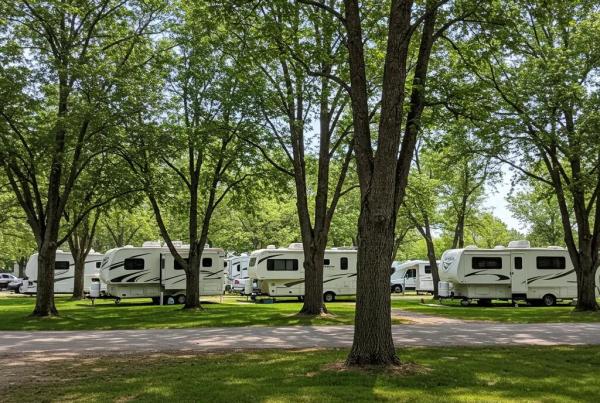
How to Effectively Prepare and Sell Your Campground for Quick Profits
Getting your campground ready to sell for top dollar means making sure its condition, finances, and market timing are all aligned so buyers can confidently assess its worth and close the deal quickly. This guide will walk you through how to figure out your campground’s market value using NOI and cap rate methods, get your financial records in order for the last 3–5 years, and make smart property improvements that boost per-site value and occupancy. You’ll learn practical steps for getting your operations and legal matters squared away, understand the differences between selling through a broker versus directly to a buyer, and discover a clear, buyer-focused path for selling directly to a family-owned company like GatherGrounds Resorts that values preserving your campground’s legacy. This article covers eight key areas: accurate valuation techniques, pre-sale preparation checklists, a step-by-step direct-sale process to GatherGrounds Resorts, comparisons of broker versus direct sales, current 2025 market trends, financial strategies to maximize profits, essential closing documents, and anonymized case studies showing smooth transitions. Throughout, you’ll find easy-to-follow lists, EAV comparison tables, and specific advice on how NOI, cap rate, and per-site benchmarks influence sale outcomes.
How Do You Accurately Value Your Campground or RV Park?
To accurately value your campground or RV park, you need to define its worth based on its income-generating potential and compare that performance against market standards. The primary method is the income approach, which converts your Net Operating Income (NOI) into value by dividing it by a market capitalization rate (cap rate). This gives you a market-driven estimate that buyers use to compare investments. A precise valuation shows you where improvements will have the biggest impact on per-site value and highlights which operational metrics—like occupancy, ancillary revenue, and utility cost control—most influence buyer offers. Understanding these valuation methods will prepare you for negotiations and make it easier to present your financials for due diligence.
What Are the Key Valuation Methods for Campgrounds?

The main ways to value a campground include the Income Approach, Sales Comparables, and Replacement Cost. Each method is best suited for different situations depending on the data available and the specific characteristics of your property. The Income Approach focuses on NOI and cap rate, offering a standardized perspective for buyers when your park has stable cash flows. Sales Comparables use recent local sales data to establish per-site benchmarks, which is useful for parks comparable in land and amenities. Replacement Cost estimates value when income data is scarce or for newer properties with significant development potential. The best method for you will depend on the quality of your data, your park’s seasonality, and whether it’s more amenity-driven or land-focused.
Which Factors Most Influence Campground Market Value?
The factors that most significantly influence your campground’s market value are the number and type of sites, occupancy rates and revenue per available site, and the quality of essential infrastructure like sewer, water, and electrical hookups. Other important considerations include modern guest amenities, the efficiency of your reservation system, and the length of your local operating season, all of which impact achievable revenue and operating margins. Buyers also consider location-specific demand drivers, such as proximity to attractions and regional labor costs, when comparing properties. Knowing which factors buyers prioritize will help you sequence your improvements for the greatest valuation impact.
How Can Modern Amenities Increase Your Campground’s Worth?
Adding modern amenities can increase your campground’s value by boosting occupancy, allowing for higher nightly rates, and reducing operational friction for both guests and staff, which in turn improves NOI and buyer interest. Upgrades like high-speed Wi-Fi, reliable hookups, updated bathhouses, and streamlined online reservations can lead to immediate revenue increases and better guest retention, creating measurable gains in per-site value. Investing in targeted, high-return amenities—rather than extensive renovations—often yields the best short-term valuation increases. Thoughtful amenity improvements signal to buyers that your park is equipped to meet the expectations of today’s travelers, which can lead to lower cap rates and more competitive offers.
How to Get a Free, Confidential Campground Valuation from GatherGrounds Resorts
A free, confidential valuation can quickly give you a clear picture of your market value and identify high-impact improvements. Typically, we’ll need information like your site count, recent profit and loss statements, occupancy history, and photos of your infrastructure. GatherGrounds Resorts offers a confidential valuation process where we screen properties against our acquisition criteria—such as parks with 130+ sites and those located in the Upper Midwest—so you receive an estimate based on what active buyers are willing to pay. Providing concise financials and a property summary will speed up our review and help us deliver a practical valuation range that you and potential buyers can use to set negotiation expectations. This valuation is designed to be no-pressure and to maintain your confidentiality throughout our initial discussions.
What Steps Should You Take to Prepare Your Campground for a Profitable Sale?
Preparing your campground for sale involves prioritizing financial transparency, making targeted physical improvements, streamlining operations, and ensuring legal readiness so buyers can move from interest to offer swiftly. The key is to package clean, well-organized records and a prioritized improvement plan that focuses on high-return items that will boost NOI and per-site valuation. This approach reduces perceived buyer risk, speeds up due diligence, and leads to more competitive offers. Start by gathering essential documents, then implement short-term property and operational fixes that enhance the guest experience and operational clarity.
Which Financial Documents Are Essential for Selling Your Campground?
Buyers and lenders will expect to see 3–5 years of profit and loss statements, tax returns, and detailed occupancy and reservation records to verify revenue trends and seasonality. Utility bills, payroll records, vendor contracts, and documentation for ancillary income (like store sales, rentals, or special events) are crucial for distinguishing recurring revenue from one-time items, which is vital for accurate NOI adjustments. Providing a clean, well-organized package of these documents will reduce diligence time and build buyer confidence. Presenting these documents early can often shorten the selling timeline and support higher, evidence-based offers.
Essential financial documents include:
- Three to five years of P&L statements and business tax returns.
- Occupancy, reservation system exports, and nightly rate histories.
- Utility bills, payroll summaries, and vendor contracts.
How Can You Enhance Curb Appeal and Guest Experience Before Selling?
When enhancing curb appeal and guest experience before selling, prioritize visible, cost-effective changes like updating signage, improving landscaping, refreshing common areas, and upgrading bathhouses to make an immediate positive impression on buyers. Improving guest-facing technology, such as reservation systems and high-speed Wi-Fi, can increase occupancy potential and demonstrate your park’s readiness for modern travelers. Low-cost, high-impact fixes often include repainting, repairing pathways, and improving site markers to ensure your property looks its best during walk-throughs and inspections. Showing buyers before-and-after examples can directly support higher per-site valuations.
What Operational Efficiencies Should You Streamline for Buyers?
Streamlining your operational documentation—including Standard Operating Procedures (SOPs), seasonal staffing plans, vendor contact lists, and maintenance schedules—will reduce buyer friction and clarify recurring costs for NOI calculations. Demonstrating organized reservation reporting, documented checklists for peak-season staffing, and a clear history of capital expenditures will help buyers accurately model future performance. These operational packages lower perceived execution risk and make offers more likely to be clean and timely. Buyers value a transfer-ready operation that preserves guest experience and minimizes transitional disruption.
What Legal Considerations Must Be Addressed Before Selling?

Address issues related to title, zoning, permits, easements, and any lease or vendor obligations early on to prevent last-minute surprises that could delay closing. Environmental reports and documented compliance with local health and sanitation codes are often required, especially if improvements involve wastewater or campground infrastructure. Consulting with a real property attorney to resolve potential encumbrances and prepare assignment language for contracts can reduce contingency-driven renegotiations. Resolving common legal issues before listing will help maintain deal momentum and support a smoother closing timeline.
What Is the Step-by-Step Process to Sell Your Campground Directly to GatherGrounds Resorts?
Selling directly to a focused buyer like GatherGrounds Resorts follows a streamlined workflow: initial confidential submission, targeted evaluation, due diligence, offer and negotiation, and finally, closing and transition planning. This process is designed to reduce transaction friction by providing clear documentation and accommodating focused inspections, which speeds up the timeline and lowers marketing expenses. Sellers typically achieve faster certainty and incur fewer fees compared to broad-market listings, and our process emphasizes preserving your campground’s legacy while preparing it for modernization. Below is a practical step-by-step outline designed for sellers.
How Do You Initiate Contact and Submit Your Campground for Review?
To start, provide a concise property summary: include your site count, location region, key highlights from recent P&Ls, occupancy trends, and representative photos to expedite our initial screening. GatherGrounds Resorts reviews submissions against our acquisition criteria, such as parks with 130+ sites and those fitting our regional focus in the Upper Midwest, allowing for quick initial feedback. Providing clear, organized documents at this stage minimizes back-and-forth and helps us produce a realistic valuation estimate. Early engagement typically moves properties that match our strategic priorities into a focused review.
What Happens During Due Diligence and Property Evaluation?
Due diligence for direct buyers involves verifying financials, conducting site inspections, assessing infrastructure, and completing any necessary regulatory or environmental checks to confirm operating assumptions and capital needs. We will review your P&Ls, reservation exports, vendor contracts, and conduct on-site walk-throughs of utilities, hookups, and common facilities to estimate near-term capital expenditures. Typical timelines can vary, but focused direct acquisitions often compress diligence by prioritizing essential reports and negotiated inspection windows. Having requested documents prepared in advance will reduce delays and limit price adjustments driven by contingencies.
How Are Offers Made and Negotiated with GatherGrounds?
Offers from a direct buyer like GatherGrounds typically outline the price, contingencies, earnest money, and a proposed closing timeline. Negotiation levers can include transition support, staff retention, and the preservation of local traditions. As a seller, you can prioritize a firm close date, specific staff transition terms, or legacy elements that are important for community continuity during negotiations. GatherGrounds’ approach emphasizes thoughtful transition terms alongside price, which often accelerates agreement on non-price items that matter to retiring owners. Clear priorities from sellers help structure offers that balance speed and value.
What Are the Closing Steps and Timeline for a Smooth Sale?
Closing typically involves title transfer, settlement statements, assignment of vendor contracts, and coordination of final walkthroughs. The timing will depend on lender involvement and regulatory filings. For direct transactions, the timeline is often compressed because extensive marketing and showings are unnecessary. However, sellers must prepare clear documentation and provide access for final inspections. A coordinated closing checklist—including proration items and asset transfer lists—ensures a clean handover and minimizes post-closing disputes. Early planning for these steps helps both parties achieve a smooth transition.
How Does GatherGrounds Preserve Your Campground’s Legacy After Sale?
GatherGrounds is committed to preserving traditions and community relationships by retaining locally valued practices and often keeping a park’s name, while integrating key staff into transition planning. Our commitment to legacy preservation is paired with planned investments in modernization—such as amenity and infrastructure upgrades—so the park can meet contemporary guest expectations while honoring its history. Sellers concerned about community continuity can negotiate transition commitments and staff retention terms as part of the sale agreement. Clear assurances regarding legacy help sellers move forward confidently into retirement or pursue other plans.
Why Should You Sell Your Campground Directly to GatherGrounds Instead of Using a Broker?
Selling directly to a qualified buyer like GatherGrounds offers advantages in cost, speed, and control compared to a brokered listing, especially for owners seeking a low-friction, legacy-minded transition. This approach eliminates intermediary marketing and commission structures, which often shortens the time to close and reduces transaction expenses. GatherGrounds presents a direct-buy alternative that combines family-owned stewardship and a thoughtful transition approach with the operational capacity to modernize amenities post-closing. For many owners, a direct sale offers a simpler path to realize value while preserving the campground’s unique character.
What Are the Differences Between Broker Sales and Direct Buyer Transactions?
Broker sales typically offer broad market exposure and the potential for competitive bidding, but they come with listing commissions, longer marketing periods, and more showings. Direct buyer transactions, on the other hand, reduce fees, shorten timelines, and allow for targeted negotiation on transition terms. While brokers may achieve higher sale prices in active markets, the net proceeds after commissions and extended holding costs can narrow the advantage. Direct buyers like GatherGrounds prioritize certainty, confidentiality, and legacy-preserving terms that appeal to sellers planning retirement or seeking minimal disruption. The best route for you will depend on your priorities: maximum market reach versus speed and legacy control.
This comparison highlights clear trade-offs so you can decide based on net proceeds, timeline needs, and legacy outcomes.
How Can Selling Directly Save You Time and Broker Fees?
A direct sale eliminates broker commissions and most listing-related costs, typically saving sellers a substantial percentage of the gross price. It also reduces time in the market by eliminating extended showings and open listings. Sellers avoid ongoing operational costs and the risk of price erosion during a prolonged marketing period, often leading to a faster, more certain close. For owners seeking a clean transfer with defined transition terms, a direct buyer can deliver both speed and net savings while offering targeted post-sale investment in the property. Preparing your financials in advance maximizes these savings by shortening buyer diligence.
How Does GatherGrounds Ensure a Thoughtful and Pressure-Free Sale?
GatherGrounds approaches acquisitions as respectful transitions, focusing on confidentiality, clear communication, and flexible transition planning to minimize seller stress. Our acquisition approach, described as family-owned and legacy-preserving, emphasizes collaboration on staffing retention and community continuity, which helps reduce seller anxiety about change. The initial valuation and review process is confidential and designed to be no-pressure, allowing owners to explore options without full market exposure. These practices appeal to sellers who value legacy continuity and a smoother transfer process.
What Are the Current RV Park and Campground Market Trends Affecting Your Sale?
Current 2025 trends indicate sustained interest in outdoor hospitality, with rising RV travel and demand for upgraded amenities driving investor competition and influencing cap rate expectations. The market dynamic is driven by investor appetite for stabilized cash flows in experiential lodging, which compresses cap rates for well-located and modernized parks while widening spreads for assets needing capital. Sellers benefit when parks demonstrate strong NOI and potential for modernization. Regional nuances, especially in the Upper Midwest, affect seasonality and the selection of comparable properties.
How Is the Growing RV and Camping Industry Impacting Campground Sales?
The growth in RV and camping tourism is increasing buyer demand and placing a premium on parks that meet modern guest expectations, shifting value towards properties with strong reservation systems and appealing amenities. Increased demand heightens competition among investors and can shorten the selling timeline for desirable assets, particularly those with proven ancillary revenue streams. Sellers who invest strategically in guest-facing amenities and revenue diversification typically see stronger offers. Understanding these demand-side trends will help you position your improvements effectively before listing.
What Percentage of Campgrounds Are Expected to Change Ownership Soon?
Industry projections suggest that approximately 25% of parks may change ownership within the next five years, indicating a near-term turnover wave that is increasing buyer competition in many markets. This turnover dynamic means that sellers who prepare now with clean records and prioritized capital improvements can capture better terms while demand remains elevated. Timing your sale to align with buyer appetite for quality assets can significantly impact offers and closing speed. Early engagement with potential direct buyers can help secure favorable outcomes.
How Do Regional Factors in the Upper Midwest Influence Campground Value?
Factors specific to the Upper Midwest—such as shorter operating seasons, proximity to regional lakes and parks, and localized labor and utility costs—shape occupancy patterns and operating margins. These factors must be carefully considered when compiling comparable sales data. Buyers adjust per-site metrics for seasonality, adding or subtracting value based on the potential for extended-season infrastructure or strong local demand drivers. Understanding these regional adjustments will help you set realistic asking prices and prioritize improvements that extend the season or increase occupancy. Using local comps and seasonality adjustments will yield more accurate valuations.
What Future Trends Should Sellers Consider for Maximizing Profits?
Sellers should prioritize investments in reservation technology, high-speed internet, glamping or alternative lodging options, and sustainability measures that can extend the operating season and attract higher-paying guests. These trends influence buyer expectations and can justify lower cap rates for parks that demonstrate future-ready amenities and diversified revenue streams. Considering the ROI for each potential upgrade will help you focus capital where it will have the most impact on NOI. Anticipating buyer preferences will position your park for premium offers.
How Can You Maximize Your Campground Sale Profits Through Financial Preparation?
Maximizing your sale profits hinges on presenting a clear, well-documented financial picture and optimizing your NOI through cost control and revenue enhancement before the sale. The key is to separate recurring operational expenses from one-time costs, document all ancillary revenue streams, and present a normalized NOI for capitalization. By clarifying EBITDA adjustments and supporting revenue trends with exportable reservation data, sellers can reduce valuation discounts and support higher proposed market values. Preparing comparables and benchmarks will further refine your asking price.
What Financial Records Demonstrate Your Campground’s Profitability?
Key records include three to five years of P&L statements, business tax returns, occupancy and reservation exports, utility cost histories, and documentation of ancillary revenues such as store sales, rentals, or event fees. Buyers will analyze seasonality, revenue per available site, and one-time capital expenses to normalize NOI and forecast future earnings. Separating capital expenses from operations and annotating large, non-recurring items will improve credibility and support a higher valuation. Organized, labeled financials shorten diligence and strengthen negotiation positions.
How Does Net Operating Income Affect Your Campground’s Valuation?
NOI, which is operating revenue minus operating expenses (excluding debt service), serves as the numerator in the income approach valuation formula: Value = NOI / cap rate. Adjustments to NOI—such as normalizing for owner’s discretionary expenses or adding proven ancillary revenue—will directly increase the valuation when applied with a market cap rate. Demonstrating a stable or growing NOI with verifiable data reduces investor risk premiums and can lead to lower applied cap rates. Therefore, accurate NOI preparation is central to maximizing your sale proceeds.
What Are Common Pricing Benchmarks for Campgrounds in 2025?
Common 2025 benchmarks include per-site valuation ranges that vary widely by location and amenities. Cap rates are often observed in the 8%–10% range for stabilized parks, with higher-quality, amenity-rich properties potentially seeing lower cap rates. Per-site values depend on NOI, season length, and the amenity set; understanding where your park fits relative to local comps will help you set realistic asking prices. Presenting benchmark data alongside your normalized NOI will help buyers and lenders align on valuation rationale. Transparency regarding your assumptions builds trust during negotiations.
How Can You Use Market Comparables to Set a Competitive Asking Price?
Compile recent nearby sales, normalize per-site metrics for differences in season length and amenities, and adjust for deferred maintenance and infrastructure quality to create a defensible set of comparables. Use per-site pricing, cap rate conversions, and NOI comparisons to triangulate a competitive asking price that reflects both market reality and your park’s potential after planned improvements. Clearly document the rationale for any adjustments to reduce negotiation friction. Solid comparables will underpin confident pricing and faster offers.
What Documents and Information Do You Need to Complete a Successful Campground Sale?
Completing a sale requires assembling legal, financial, and operational documents in a clear index so the buyer can perform efficient due diligence and close on schedule. The process involves providing a documented, redacted package that balances confidentiality with the buyer’s need for verification, which accelerates offer confidence. Sellers who prepare title, permits, and a closing checklist in advance can minimize last-minute issues and preserve deal momentum. Below are the core documents and packaging tips.
Which Legal Documents Are Required for Selling an RV Park or Campground?
Core legal documents include title and deed records, any easement or right-of-way documentation, environmental reports if applicable, and copies of permits and licenses tied to campground operations. Leases, vendor agreements, and any long-term service contracts must be disclosed and described for assignment or novation. Resolving title issues and clarifying permissive uses before offers reduces contingency risk and prevents renegotiation. A well-prepared legal package will speed closing and reduce transaction costs.
How Should You Organize Financial and Operational Records for Buyers?
Organize your records into a logical folder index: financials (P&L, tax returns), operations (SOPs, staffing plans), assets (equipment lists, infrastructure maps), and contracts (leases, vendor agreements). Provide redacted personal information where necessary and create a cover sheet explaining document location and key line-item notes to make diligence efficient. Clear organization signals professional management and reduces buyer perceived risk, often translating into cleaner offers. A downloadable index or binder will streamline the process.
What Are the Common Closing Documents and Procedures?
Common closing items include a settlement statement, bill of sale for personal property, assignment of contracts, title transfer documents, and any required regulatory filings or license transfers. Coordination with a title company or closing agent ensures funds transfer, lien releases, and prorations are handled accurately. Plan for final walkthroughs, equipment inventories, and staff transition schedules to be completed shortly before closing. Anticipating these procedural steps will reduce last-minute delays and foster a smooth handover.
How Can Success Stories and Case Studies Help You Understand the Selling Process?
Short, anonymized case studies illustrate practical timelines, negotiation priorities, and post-sale outcomes that align with seller objectives—speed, certainty, and legacy preservation—making process expectations concrete. Storytelling, by describing the problem, action, and outcome, helps sellers map their own path and anticipate typical hurdles. Case vignettes also clarify which documentation and negotiations are most important, aiding preparation. Below are concise examples that highlight outcomes from direct acquisitions.
What Are Examples of Smooth Transitions with GatherGrounds Resorts?
One anonymized example involved a park with strong seasonal occupancy but deferred bathhouse upgrades. By providing three years of P&Ls and a prioritized capex list, the seller received a focused offer that included transition staffing plans and planned amenity investments. The acquisition emphasized maintaining the park name and community events while introducing reservation upgrades post-closing, illustrating a balanced legacy-plus-modernization outcome. Timely document delivery shortened diligence and closed the sale with minimal contingencies. This vignette shows how preparedness leads to smoother transitions.
How Have Previous Sellers Benefited from Direct Acquisition?
Sellers who accepted direct offers often cited faster closings, lower transaction costs, and structured transition support as primary benefits, enabling retirement or next steps without prolonged operations or stress. The direct approach reduced marketing exposure and simplified negotiations around staff retention and community commitments. Sellers received certainty on close timing and clarity on post-sale investment plans, which eased concerns about legacy and continuity. These outcomes demonstrate why many owners prefer direct, buyer-focused pathways.
What Lessons Can You Learn from Recent Campground Sales?
Key lessons learned include starting financial and legal preparation well before listing, prioritizing low-cost, high-impact property improvements, and engaging potential direct buyers early to assess fit and valuation expectations. Sellers should document recurring versus non-recurring expenses, maintain reservation exports, and prepare an operations binder to shorten buyer diligence. Understanding local comparables and being realistic about timeline expectations will position owners to choose the best route—broker or direct buyer—based on their personal and financial goals. Early preparation consistently yields better outcomes.
Three practical seller actions:
- Prepare 3–5 years of clean financials and reservation exports.
- Invest in targeted, high-ROI amenity fixes before listing.
- Engage direct buyers early to compare offers and timeline certainty.
These actions reduce risk and often increase net proceeds, creating a clearer path to a quick, profitable sale.
For sellers interested in a direct offer that balances legacy preservation with modernization investment, GatherGrounds Resorts explicitly offers an acquisition option called “Acquisition of existing campgrounds and RV parks from owners.” This product emphasizes family-owned stewardship, thoughtful transitions, and planned infrastructure improvements for parks that meet our acquisition criteria. Owners considering direct offers can request a confidential valuation and discuss transition priorities to evaluate fit.
Frequently Asked Questions
What are the benefits of selling my campground directly to GatherGrounds Resorts?
Selling directly to GatherGrounds Resorts offers several advantages, including reduced transaction costs, faster closing times, and a focus on legacy preservation. By eliminating broker fees and lengthy marketing processes, sellers can achieve a more streamlined sale. Additionally, GatherGrounds emphasizes maintaining community ties and traditions, which can be crucial for sellers concerned about the future of their campground. This approach allows for a smoother transition and ensures that the property continues to serve its community effectively.
How can I prepare my campground for a successful sale?
Preparing your campground for sale involves several key steps: enhancing curb appeal, organizing financial records, and addressing operational efficiencies. Start by making visible improvements, such as landscaping and facility upgrades, to attract buyers. Next, compile 3–5 years of financial statements and occupancy data to demonstrate profitability. Streamlining operations and ensuring legal compliance will also make your campground more appealing. A well-prepared property not only attracts more interest but can also lead to higher offers from potential buyers.
What should I expect during the due diligence process?
During the due diligence process, buyers will conduct a thorough review of your campground’s financials, operational practices, and physical condition. This typically includes verifying profit and loss statements, inspecting the property, and assessing compliance with local regulations. Buyers may also request additional documentation, such as vendor contracts and maintenance records. Being prepared with organized and transparent information can help facilitate a smoother due diligence phase, reducing the likelihood of delays or complications that could affect the sale.
How can I maximize the value of my campground before selling?
To maximize your campground’s value, focus on enhancing its revenue-generating potential and operational efficiency. Invest in high-ROI improvements, such as modern amenities that appeal to today’s travelers, and ensure that your financial records are clear and well-documented. Additionally, consider optimizing your pricing strategy based on market comparables and occupancy trends. By presenting a well-maintained property with strong financials, you can attract more competitive offers and achieve a higher sale price.
What are the common pitfalls to avoid when selling a campground?
Common pitfalls when selling a campground include inadequate financial preparation, neglecting property maintenance, and failing to understand market conditions. Sellers should avoid presenting disorganized financial records, as this can raise red flags for potential buyers. Additionally, overlooking necessary repairs or improvements can diminish buyer interest and lower offers. It’s also crucial to stay informed about current market trends to set a realistic asking price. Proper preparation and awareness can help you avoid these issues and facilitate a successful sale.
How does the current market trend affect campground sales?
The current market trend shows a growing interest in outdoor hospitality, driven by increased RV travel and demand for upgraded amenities. This trend can lead to heightened competition among buyers, potentially resulting in quicker sales and higher offers for well-maintained campgrounds. Sellers should leverage this demand by highlighting their campground’s unique features and modern amenities. Understanding these market dynamics can help sellers position their properties effectively and capitalize on favorable selling conditions.
What role does community legacy play in selling a campground?
Community legacy plays a significant role in selling a campground, especially for owners who have built strong ties with their local area. Buyers often seek properties that maintain community traditions and relationships, which can enhance the campground’s appeal. Sellers should communicate their commitment to preserving these aspects during negotiations. By emphasizing legacy preservation, sellers can attract buyers who value continuity and are willing to pay a premium for properties that align with their community-focused vision.
Conclusion
Successfully preparing and selling your campground can lead to quick profits by enhancing asset value and ensuring financial clarity. By understanding valuation methods and focusing on operational efficiencies, sellers can attract competitive offers while preserving their legacy. Engaging with GatherGrounds Resorts for a direct sale not only simplifies the process but also aligns with modern buyer expectations. Take the first step towards a profitable transition by requesting your free, confidential valuation today.