
Top 5 Resources to Discover Dog-Friendly Campgrounds Near You for Your Next Trip
Finding truly dog-friendly campgrounds near you starts with the right discovery tools and a clear checklist of pet amenities to prioritize. This guide explains which types of websites and apps help you locate dog-friendly campgrounds near me, how to verify pet policies, what on-the-ground amenities matter for dogs, and how to book with confidence. Many pet owners waste time on listings that say “pets allowed” but lack fenced dog areas, waste stations, or clear leash rules; this article solves that problem by pointing you to five reliable resource types and practical verification steps. You will get a ranked breakdown of discovery resources, a checklist for spotting real dog-friendly features, regional guidance with a local example in Durand, Michigan, an actionable packing and safety checklist, and a step-by-step booking walkthrough. Throughout, we use keywords like dog friendly campgrounds near me, pet friendly camping Michigan, and campgrounds with dog parks to help you find and reserve the right site for your next trip.
What Are the Best Websites and Apps to Find Dog-Friendly Campgrounds Near You?
These discovery tools are platforms or portals that aggregate campground listings and provide pet filters, maps, and reviews to locate dog-friendly campgrounds quickly. They work by combining searchable amenity tags (petsAllowed, dog park, pet-friendly cabins) with maps and user photos so you can shortlist sites that actually welcome dogs. Using these resources saves time and reduces booking friction because you can filter to show only listings that mention pet amenities and then cross-check policies. The next paragraphs explain which features to prioritize and how to use filters effectively to verify pet-friendly claims.
These resource types stand out for dog-friendly discovery:
- National reservation portals that list federal, state, and private campgrounds with searchable amenity tags.
- Crowd-sourced campsite directories with user reviews and photos highlighting pet amenities.
- Specialized pet-travel apps and directories that focus on dog-friendly filters and dog-specific reviews.
Each resource type delivers different benefits: reservation portals give availability and official rules, crowd-sourced directories supply real pet-owner feedback, and pet-focused apps surface dog-specific amenities faster. This leads into a concise comparison table of resource attributes to help you choose the best discovery tool for your needs.
Intro to comparison table for resources: the table below compares common resource types by the pet-related filters and verification features they typically offer.
This comparison shows how combining a portal’s official rules with user-sourced photos from directories uncovers real dog amenities. Next, learn which specific features on these resources indicate genuinely dog-friendly campgrounds.
Which Features Make These Dog-Friendly Camping Resources Stand Out?

A standout resource provides accurate pet filters, quality user photos, and links to campground policies so you can confirm specifics before booking. The core features that matter are filter granularity (petsAllowed, dog park, off-leash area), recent user photos showing dog areas, and direct access to campground policy text or contact details. Resources that aggregate vet or emergency clinic locations nearby add practical value for pet safety. Evaluating these features quickly narrows choices to campgrounds with reliable pet amenities and reduces surprises on arrival.
When a resource has strong filters and recent pet-owner photos, you gain confidence in the listing; the next section explains step-by-step how to use filters and validate listings effectively.
How to Use Apps and Directories to Filter Pet-Friendly Campsites Efficiently
Efficient filtering follows a simple workflow: search broadly, apply pet-specific filters, inspect photos and reviews, then verify with official sources or a phone call.
- Start with keywords like dog friendly campgrounds near me and apply filters for dog park, pet-friendly cabins, or petsAllowed.
- Review recent photos and reviewer comments for evidence of fenced dog areas or pet waste stations.
- Cross-check the campground’s official policy page or business listing to confirm leash rules and pet fees. If policy text is ambiguous, call the campground directly to confirm—this last step prevents misunderstandings at check-in.
This verification process prepares you to evaluate on-site amenities and policies in more detail, which we cover next.
How Can You Identify Campgrounds with Dog Parks and Pet Amenities?
Identifying genuinely dog-friendly campgrounds means looking beyond a “pets welcome” line to specific amenities that make stays safe and enjoyable for dogs. Key signals include fenced off-leash dog parks, pet waste stations, pet wash areas, dog-friendly trails, and pet-friendly cabin options. These meronym features—dog park, pet waste stations, dog-friendly trails—indicate the campground invested in dog comfort rather than treating pets as an afterthought. The table below catalogs typical amenities and how commonly they appear so you can prioritize what matters most for your dog.
Intro to amenity table: this table lists common dog-specific amenities, how often you’ll find them at campgrounds, and typical value to dog owners.
This table clarifies which amenities are worth prioritizing; next, learn what policy language you should scrutinize when a listing mentions pets.
What Amenities Should You Look for in Dog-Friendly Campgrounds?
Prioritize fenced off-leash areas, pet waste stations, accessible water access on trails, and pet-friendly cabin features like removable bedding surfaces. Fenced dog parks offer safe off-leash exercise and socialization opportunities, while pet waste stations make daily upkeep manageable. Trails that allow dogs and provide clear leash rules separate safe walking routes from wildlife-sensitive areas. Campgrounds that advertise pet-friendly cabins or RV hookups with nearby pet-friendly spaces reduce logistical friction for families traveling with dogs.
These amenity checks lead naturally to examining pet policies, because amenities and rules together define a practical dog-friendly experience.
How Do Campground Pet Policies Affect Your Dog-Friendly Camping Experience?
Pet policies dictate leash requirements, vaccination proof, potential breed or size restrictions, and additional fees—each of which changes daily logistics and campsite suitability for your dog. Clear policy language about leash rules and designated dog areas reduces surprises; conversely, vague wording often signals the need to call ahead. Vaccination or temperament requirements protect other guests and wildlife, while posted pet fees affect total trip cost. When policy and amenities align—such as confirmed fenced dog park plus explicit off-leash hours—you can plan activities confidently.
Understanding policy implications prepares you to select the right campground type and to book with clarity, as described in the regional recommendations next.
Where Are the Top Dog-Friendly Campgrounds in Michigan and Nearby Regions?
Regional options include a mix of private family campgrounds, state park systems with dog-permitted areas, and RV resorts that prioritize pet amenities in the Midwest. In Michigan and neighboring states, look for private campgrounds that emphasize family-friendly dog amenities and state-managed sites that clearly document pet rules. A compact comparison table below shows how to evaluate local options by the specific dog-friendly features they offer, helping you choose within your travel radius.
Intro to regional table: this table suggests how to assess nearby campgrounds by dog-friendly features and why each feature matters.
This comparison helps you scan local options quickly; below is a focused local example illustrating a well-rounded dog-friendly property.
What Makes Walnut Hills Family Campground a Leading Dog-Friendly Destination?
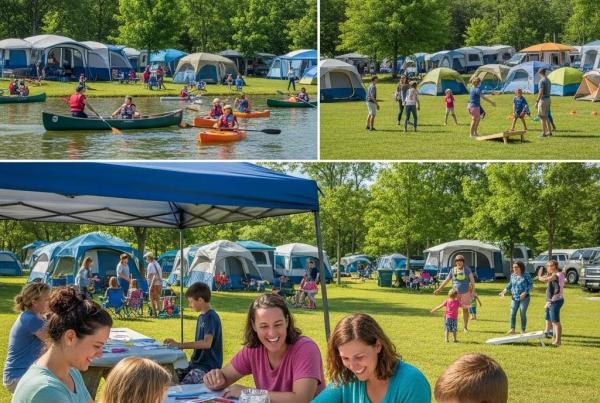
Walnut Hills Family Campground in Durand, Michigan, serves as a practical local example of a pet-oriented campground offering both family amenities and dog-specific features. The property includes a large dog park enabling off-leash exercise, pet-friendly cabin options, and supportive on-site facilities like a campground store and renovated bathrooms that reduce travel friction for guests with dogs. Additional family attractions—such as a swimming lake, Wibit water park, playgrounds, and sports facilities—mean owners can balance dog exercise with family activities. These combined amenities and family-focused ethos make Walnut Hills a model to compare against when searching for pet-friendly camping near you.
Highlighting Walnut Hills helps illustrate what to look for; the next subsection outlines how to consider other regional options if Walnut Hills isn’t your chosen destination.
Which Other Campgrounds in Michigan and Ohio Offer Great Dog-Friendly Options?
Across Michigan and Ohio, you will find a spectrum of options ranging from private family campgrounds with enclosed dog areas to state-managed sites with clear leash rules and lake access usable by dogs. Rather than specific names, evaluate nearby choices by whether they list fenced dog parks, pet waste stations, or pet-friendly cabins in their amenity list. When a campground mentions river or lake access alongside explicit pet rules, that often signals practical recreation opportunities for dogs. Always confirm policies directly if the listing omits details—this protects your schedule and avoids surprises on arrival.
Understanding local options and how to vet them leads into practical tips on packing and safety for canine camping trips.
What Essential Tips Should You Follow When Camping with Your Dog?
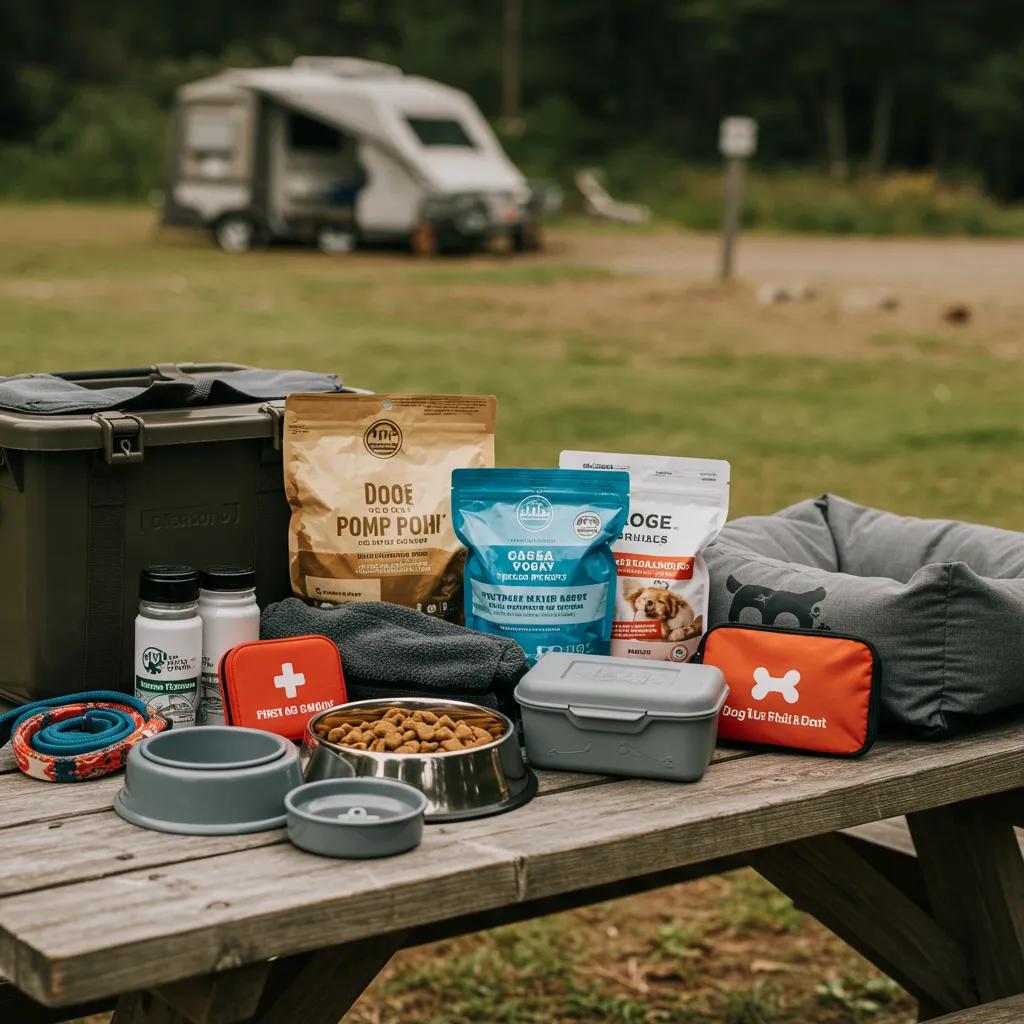
Successful dog-friendly trips combine the right gear, safety planning, and campsite etiquette to protect your dog and respect other guests. Pack essentials—food, bowls, leash, harness, ID tags, medications, and a pet first-aid kit—while planning for weather, hydration, and rest schedules. Observe campsite etiquette by following quiet hours, cleaning up waste promptly, and keeping dogs on leash where required. The list below provides a concise, copyable packing checklist to prepare your dog for camp life.
Packing checklist introduction: use this checklist to prepare and minimize on-site stress.
- Leash, harness, and visible ID tags to maintain control and identification.
- Food, measured portions, portable bowls, and any medications for the trip duration.
- Pet first-aid kit, vaccination records, and a familiar bed or crate for rest.
This checklist covers core needs; the following section explains daily safety practices to keep your dog healthy and happy.
What Should Be Included in a Dog-Friendly Camping Checklist?
A practical checklist includes daily essentials and contingency items such as extra water, collapsible bowls, tick and flea prevention, and a leash long enough for supervised play. Pack a sturdy crate or bed to provide a familiar resting place, and include waste bags and a small broom or towel for cabin or RV cleanliness. Photocopies or digital copies of vaccination records and a list of nearby veterinary clinics are crucial for emergencies. Together, these items reduce stress and make transitions between hiking, swimming, and resting smoother for both dog and owner.
These preparations lead into behavioral and safety tips to keep daily routines predictable and safe.
How Can You Ensure a Safe and Enjoyable Trip for Your Dog?
Safety practices include monitoring hydration, regulating exercise during hot weather, checking paws after hikes, and watching for signs of stress or overheating. Establish a daily routine of walks, play, and quiet time so your dog adapts to campsite life and avoids reactive behavior around other guests. Keep a list of local veterinary services on hand and confirm vaccination requirements before arrival. These safety habits protect your dog and help maintain positive relationships with campground staff and fellow campers.
After preparing your dog and planning safety, the final practical step is booking—covered next.
How Do You Book Your Stay at Dog-Friendly Campgrounds Like Walnut Hills?
Booking a dog-friendly campsite requires confirming site type, pet policy, and any additional fees before finalizing a reservation to avoid surprises at check-in. Start by filtering for pet-friendly site options, select site type (RV, tent, or pet-friendly cabin), review the listed pet policy language, and note any stated fees or restrictions. Save or screenshot the policy and reservation confirmation that references your pet. This structured approach minimizes confusion and ensures your reservation accommodates your dog’s needs.
The numbered booking steps below give a simple, reliable workflow for reserving a pet-friendly site.
- Apply pet filters on your chosen discovery tool to shortlist suitable campgrounds.
- Select specific site type (RV, tent, pet-friendly cabin) and check availability for your dates.
- Read the campground’s pet policy carefully, note fees/restrictions, and save confirmation.
- If wording is unclear, call the campground to confirm rules and request a pet note on the reservation.
These steps set you up to confirm rules before arrival; the next subsection explains where to find and preserve clear pet-policy documentation.
What Are the Steps to Reserve a Pet-Friendly Campsite or Cabin?
When reserving, always document the pet policy and include pet details in booking notes if possible, because written confirmation reduces disputes. Choose a site with the right proximity to dog areas, confirm any pet fees, and request a pet note on the reservation record to show at check-in. Keep screenshots or printed policy pages and your vaccination records accessible during travel. These reservation practices protect your plans and ensure staff recognize your pet-permission at arrival.
Where Can You Find Clear Pet Policies Before Booking?
Authoritative policy sources include the campground’s official website policy or FAQ, the business listing text, and direct staff communication; save screenshots for reference. Verify recent guest reviews for practical enforcement of the policy and cross-check for mentions of fenced dog parks or pet waste facilities. When policy language is vague or absent, calling or messaging the campground directly yields faster clarification and documents the response for peace of mind. These verification steps complete the booking process and prepare you for a smooth dog-friendly stay.
Frequently Asked Questions
What should I consider when choosing a dog-friendly campground?
When selecting a dog-friendly campground, consider the specific amenities that cater to pets, such as fenced dog parks, pet waste stations, and dog-friendly trails. Additionally, review the campground’s pet policies, including leash requirements and any breed restrictions. It’s also important to check for nearby veterinary services in case of emergencies. Prioritizing these factors will help ensure a safe and enjoyable experience for both you and your dog during your camping trip.
Are there any specific dog breeds that are typically restricted at campgrounds?
Many campgrounds have breed restrictions in their pet policies, often due to insurance requirements or safety concerns. Commonly restricted breeds may include those considered aggressive, such as Pit Bulls, Rottweilers, and Doberman Pinschers. It’s essential to check the specific campground’s pet policy before booking to ensure your dog is welcome. If you have a breed that may be restricted, consider contacting the campground directly for clarification and possible exceptions.
How can I prepare my dog for a camping trip?
Preparing your dog for a camping trip involves several steps. Start by ensuring your dog is comfortable with outdoor environments and has basic obedience training. Pack essential items such as food, water, a leash, and a first-aid kit. Familiarize your dog with their camping gear, like a crate or bed, to help them feel secure. Additionally, practice short hikes or outdoor activities to acclimate them to the camping experience, ensuring they are ready for the adventure ahead.
What are the best practices for keeping my dog safe while camping?
To keep your dog safe while camping, always supervise them, especially around water and wildlife. Ensure they are properly leashed in areas where required and maintain a routine for feeding, exercise, and rest. Monitor their hydration and check for signs of overheating, especially in warm weather. Additionally, keep a first-aid kit handy and know the location of the nearest veterinary clinic. These practices will help ensure a safe and enjoyable camping experience for your furry friend.
Can I leave my dog unattended at the campground?
Leaving your dog unattended at a campground is generally not recommended. Many campgrounds have policies against leaving pets alone, as it can lead to stress or anxiety for the animal and potential disturbances for other campers. If you need to step away, consider bringing a trusted friend to watch your dog or using a crate if your dog is comfortable with it. Always check the campground’s specific rules regarding unattended pets to avoid any issues during your stay.
What should I do if my dog gets lost while camping?
If your dog gets lost while camping, remain calm and start searching the immediate area. Call their name and use familiar commands to encourage them to return. Inform other campers and campground staff about the situation, as they can help keep an eye out. If your dog is microchipped, ensure your contact information is up to date. Consider using a GPS collar or tracking device for added security during future trips. Always have a recent photo of your dog on hand to share with others if needed.
How can I find dog-friendly campgrounds in other regions?
To find dog-friendly campgrounds in other regions, utilize specialized websites and apps that focus on pet-friendly travel. Search for campground directories that allow you to filter by pet amenities, such as fenced dog parks and pet-friendly cabins. Additionally, check local tourism websites or social media groups dedicated to pet owners for recommendations. Reading reviews from other pet owners can also provide valuable insights into the best dog-friendly options in your desired area.
Conclusion
Discovering dog-friendly campgrounds near you is made easier with the right resources and verification strategies, ensuring a safe and enjoyable experience for both you and your pet. By prioritizing essential amenities and understanding campground policies, you can confidently select the perfect site for your next adventure. Don’t miss out on the joy of camping with your furry friend—start exploring our recommended resources today. Your next unforgettable camping trip awaits!