
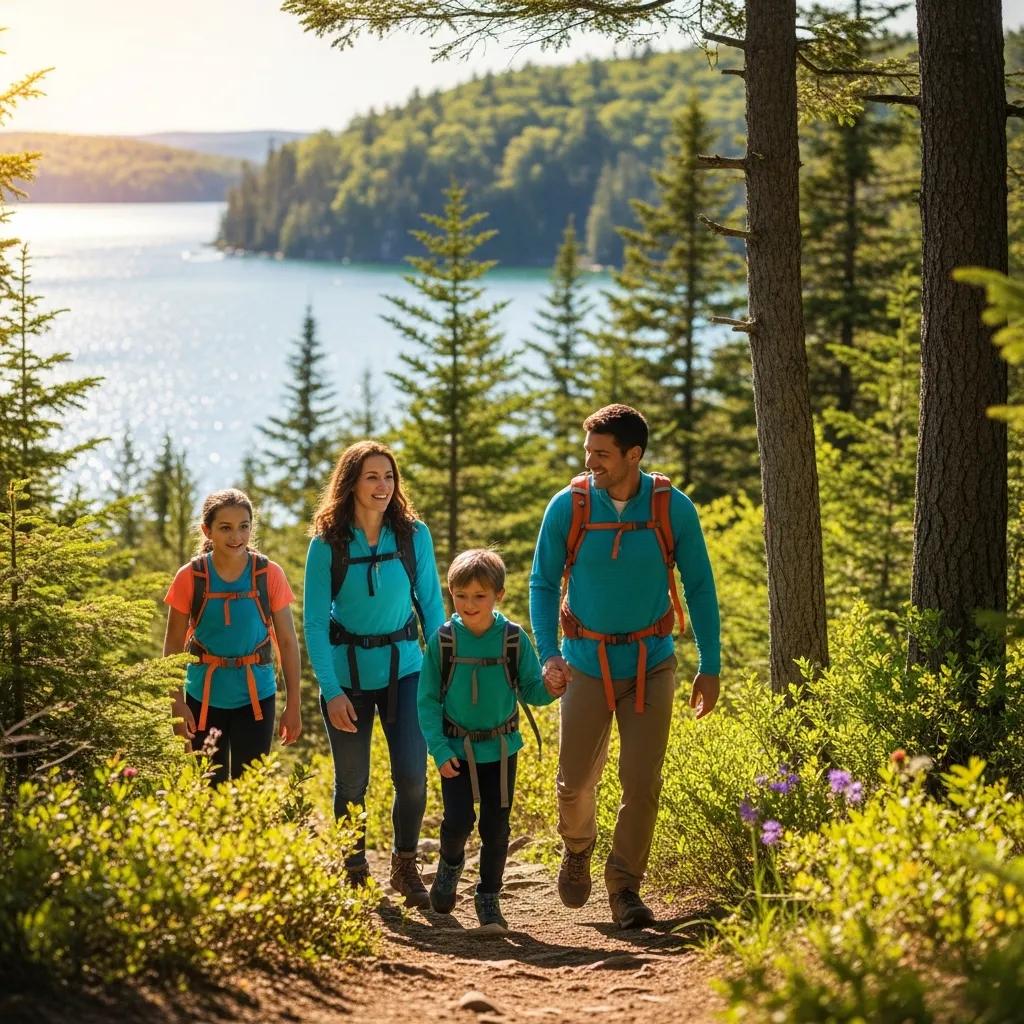
Find Michigan’s Best Family Hiking Campgrounds — A Friendly, Practical Guide to Trails, Campsites, and Kid-Approved Adventures
Michigan’s mix of wooded ridgelines, inland lakes, and wide-open public lands makes it an ideal spot for family hiking and overnight camping — whether you’re introducing kids to the trail or chasing longer loops. This guide helps you spot campgrounds with hiking trails in Michigan, plan family-friendly outings, and pick RV or tent sites that keep trailheads within easy reach. Along the way we highlight The Oaks Campground at GatherGrounds Resorts in Munith, Michigan, showing how its on-site amenities and nearness to Waterloo State Recreation Area make it a smart base for hiking-focused stays. Families often balance accessible routes with safe conveniences — this guide lays out trail access, packing checklists, safety tips, and booking advice so your trip runs smoothly. The article walks through why Michigan is great for hiking, top campground types and RV-friendly options, The Oaks’ access and amenities, nearby Waterloo trail opportunities, and simple planning steps to reserve your stay. We also weave in helpful keywords like campgrounds with hiking trails in Michigan, family-friendly hiking campgrounds Michigan, and camping near Waterloo State Recreation Area in clear, usable guidance.
Why Michigan Makes a Great Spot for Your Next Hiking and Camping Trip
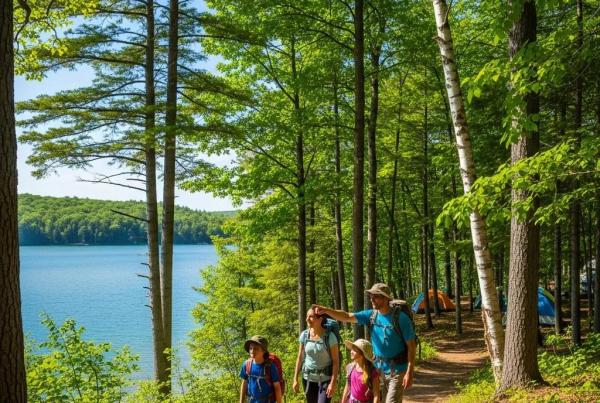
Michigan has a wide range of trail settings — from short lakeside loops to deeper forest networks — so families can pick outings that match skill and energy levels. Public lands, state recreation areas, and private campgrounds create dense trail access and varied scenery that suit hikers of all ages. Many campgrounds conveniently sit near day-use areas with restrooms, beaches, and playgrounds, which makes post-hike recovery and logistics easier for caregivers. And because many outdoor destinations are within a reasonable drive of regional cities, Michigan works well for weekend getaways and short breaks. Knowing these strengths helps families choose sites that balance easy trailheads, scenic payoff, and practical amenities when deciding where to camp.
Michigan’s advantages for hikers break down into practical benefits:
- Varied terrain: Choose from short lakeside strolls to deeper woodland loops to match your group’s ability and interest.
- Connected trail networks: Many campgrounds sit near state recreation areas or include on-site paths that link to larger trail systems.
- Family-focused amenities: Campgrounds commonly offer restrooms, play areas, and water access that simplify a day’s plans.
Why Michigan Campgrounds Work Well for Hikers

Many Michigan campgrounds sit next to state-managed recreation lands or private tracts that emphasize trail access and outdoor learning, which is great for families who want variety without long drives. Campgrounds that prioritize trails tend to have clear trailheads, mapped loops, and on-site features that support day hikes — picnic spots, secure gear storage, and family-focused spaces. For hikers, the mix of trail density and campground infrastructure lets families alternate hikes with water time or nature programs. When comparing sites, look for short connector trails, close proximity to large public lands, and facilities that cut turnaround time between hiking and campsite needs; that combo keeps trips enjoyable and efficient.
How Michigan Stacks Up Among U.S. Camping Destinations
Michigan regularly ranks well among U.S. camping destinations because it blends public acreage with private recreation options that support both day hikes and overnight stays. Widespread outdoor participation has driven better services and safety infrastructure, so families can expect maintained trails, clear maps, and campgrounds that welcome multi-generational groups. That maturity in facilities—mapped trails, interpretive resources, and family-friendly private campgrounds—means less guesswork and more reliable hiking-focused camping than you might find in less-developed regions.
What to Look for When Choosing the Best Hiking Campgrounds in Michigan
Picking the best hiking campgrounds in Michigan comes down to a few clear criteria: trail proximity, family-friendly features, RV access, scenery variety, and closeness to larger public lands. Top choices combine short, well-marked hikes with on-site amenities that support families. RV parks that score highly offer level sites, hookups, and easy parking close to trailheads. Below is a quick comparison of three common options families consider when planning hikes and overnight stays in Michigan.
Which Campgrounds Best Fit Families Looking to Hike?
When you’re hunting for family-friendly hiking campgrounds in Michigan, focus on sites with short loops, clear signage, and quick access to restrooms and play areas so kids stay comfortable. Many family camps have interpretive trails, lakeside strolls, and gentle terrain that reduce planning stress and keep kids engaged. Amenities like picnic shelters and fishing ponds extend the day’s options beyond hiking and offer safe alternatives when little legs need a break. Choosing a campground with built-in recreational choices helps families mix hikes with swim time or playground stops, which usually equals happier kids and more relaxed adults.
Where to Find RV Parks with Easy Hiking Access
RV campers should pick parks that advertise trail access or are just a short drive from trailheads — vehicle size and hookup needs affect campsite choice and parking plans. Look for level pull-through sites, potable water and electrical hookups, and clear rules about extra vehicles or trailers. Many RV-friendly parks place main campsites within walking distance or a short drive of trailheads, making it easy to get started on a day hike. Before you go, confirm how close campsites are to trails and whether the campground layout supports leaving hiking gear safely while you explore.
How The Oaks Campground Works as a Gateway to Michigan Hiking
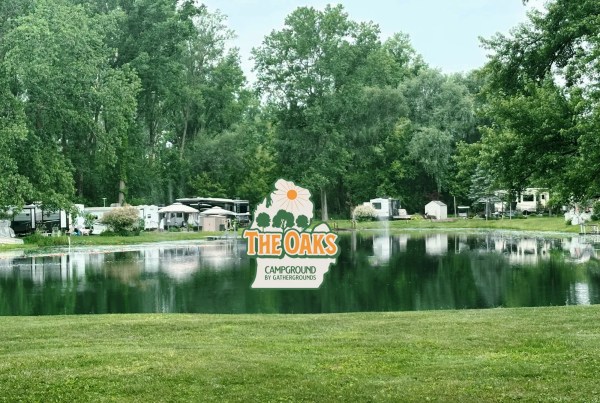
The Oaks Campground, from GatherGrounds Resorts, acts as a family-first gateway to nearby hiking by pairing on-site recreational trails with immediate access to Waterloo State Recreation Area. Located in Munith, Michigan (7800 Cutler Rd, Munith, MI 49259), The Oaks uses roughly 160 acres of on-site recreation and sits next to thousands of acres of public land at Waterloo, giving visitors a range of short- and long-hike options. Family-focused features — a swimming lake, fishing pond, playgrounds, and golf-cart-friendly trails — make it easy to rest, play, or cool off after trail outings. For families coming from places like Detroit or Ann Arbor, The Oaks offers convenient geography and a campground layout designed to support day hikes and longer loops. If you’re booking, the campground keeps an online reservation page and a public listing for location details; we cover those steps later in this guide.
Below is a quick EAV-style table of on-site and nearby access so you can judge trail suitability from The Oaks at a glance:
Which Trails Can You Reach from The Oaks Campground?
From the campground you can step onto on-site walking loops and golf-cart-accessible trails that work well as warm-ups or recovery walks with kids. For longer outings, nearby trailheads into Waterloo State Recreation Area are a short drive away, opening access to a wide variety of looped and point-to-point hikes across thousands of acres. Combining on-site paths with public trails gives families a range of options — short lakeside strolls for little ones, moderate forest loops for half-day adventures, and longer routes for experienced walkers. That mix makes it easier to plan days that alternate short and longer hikes while keeping logistics simple at the campsite.
Which Family-Oriented Amenities at The Oaks Help Your Hiking Day?
The Oaks supports family hiking with thoughtful amenities that cut prep time and increase comfort before and after trail outings. A swimming lake and fishing pond give everyone a refreshing option after a hike, while playgrounds and sheltered picnic areas offer safe places to rest and regroup. Golf-cart trails and campground circulation routes make it simple to move gear and children between sites and trailheads without heavy packing. Planned additions — like a Wibit water park scheduled for 2025 — show ongoing investment in family amenities that complement hiking visits and add low-effort recreation on rest days.
What Hiking Options Does Waterloo State Recreation Area Offer Near The Oaks?

Waterloo State Recreation Area provides large public acreage that, when paired with nearby private campgrounds, creates extended hiking opportunities for families and experienced hikers alike. The area contains short interpretive loops, longer mixed-use corridors, and varied habitats for wildlife viewing and seasonal interest. For campers at The Oaks, Waterloo supplies the larger-scale nature experience while the campground covers campsites and family conveniences. Knowing the trail types in Waterloo and how they connect to local access points helps families pick routes that match fitness, safety needs, and seasonal conditions.
Which Waterloo Trails Work Best for Families?
Families should choose short loops with clear signage, gentle grades, and nearby facilities like parking and restrooms to minimize stress and keep the group together. These routes often include points of interest — ponds, overlooks, or interpretive signs — that keep kids curious and give frequent break spots. Picking trails with reliable map coverage and designated parking simplifies logistics for caregivers, especially when managing young children and gear. Choosing family-friendly Waterloo routes makes it easy to balance exploration with the comforts of a nearby campground like The Oaks.
How Can Campers Get to and Navigate Waterloo’s Trails?
Campers at The Oaks can reach Waterloo by a short drive to established trailheads and parking, then use official recreation area maps and trailhead signage to choose loops that fit the day’s energy and time. For daytime outings, pack essentials into a small daypack and use the campground as a staging area for water, snacks, and emergency gear — this avoids shuttling large loads between trail segments. If a route crosses multiple parking points, plan pick-up logistics or pick loops that start and end at the same trailhead. Consulting posted maps and planning your route before you leave the campsite helps families stay on appropriate trails and return predictably.
How to Plan Your Family Camping Trip with Hiking in Michigan
Good family hiking trips start with realistic timelines, route choices matched to ages and fitness, and pared-back packing that supports safety and comfort. Start by picking a campground that fits your goals — on-site short trails for relaxed days or a site near a big recreation area for longer explorations — then build a flexible plan that swaps active hikes with lower-energy activities. Include weather checks, a map of nearby facilities, and an agreed turnaround time for hikes so pacing stays predictable for kids. This kind of planning reduces stress and helps you enjoy both hiking and campground downtime.
- Clothing layers: Pack moisture-wicking base layers and a waterproof outer layer for quick Michigan weather shifts.
- Footwear: Bring sturdy shoes with traction; a lightweight spare for kids helps when trails get wet or muddy.
- Hydration and snacks: Carry sufficient water and compact, high-energy snacks — plus a little extra for delays.
- Navigation and safety: Have a printed map, compass or a reliable navigation app, and a basic first-aid kit.
What Essential Hiking Gear Should You Pack for Michigan Trails?
Pack for safety, comfort, and simplicity: layers for temperature swings, supportive footwear for mixed surfaces, and easy-to-use hydration options. A compact first-aid kit (for blisters and small cuts), sun protection, and insect repellent are seasonal musts. For families with little ones, a child carrier or an all-terrain stroller can widen your route options and reduce fatigue. Choosing efficient, multi-use items trims pack weight and makes it easier to move between short on-site walks and longer trails in nearby parks.
Key Safety Tips for Family Hikes
Follow predictable safety habits: tell someone your route and expected return time, stay on marked trails, and set simple rules for kids like staying within sight of adults. Watch for seasonal hazards — muddy or icy stretches, more bugs, or sudden weather changes — and pick shorter routes or alternative activities when needed. Carry basic emergency supplies, know how to use your map or app, and keep water and snacks handy to avoid fatigue-related issues. These steps help keep outings fun and reduce the chance of preventable problems.
How to Book and Prepare for Your Hiking-Camping Stay at The Oaks Campground
Booking at The Oaks is set up for families and RV users seeking easy trail access and on-site amenities; the campground offers RV, tent, and seasonal sites that work for a range of group sizes and vehicle types. Reservations are made through the campground’s reservation page, and the public listing includes location details to plan your drive. Before you arrive, check site notes about vehicle size limits, hookups, and check-in steps so you pick a campsite that fits your hiking logistics and gear storage needs. The paragraphs below outline campsite options and arrival expectations to help you prepare.
Here’s a compact table comparing campsite types and how they fit hikers and families:
Which Camping Options Work Best for Hikers at The Oaks?
The Oaks offers RV, tent, and seasonal sites so hiking groups can select the balance they want between trail proximity and vehicle/storage needs. RV sites fit standard rigs and provide convenient space for staging day trips, while tent sites often sit closer to walking trails and shared amenities for quick departures. Seasonal sites give returning families a steady base for repeated visits and easy access to both on-site recreation and nearby public lands. Match your site choice to hiking priorities — immediate trail access versus vehicle hookups and storage — to keep your hiking days simple.
How to Reserve Your Site and What to Expect When You Arrive
Reserve at The Oaks by picking your site type and dates on the campground’s reservation page and preparing key details like vehicle length, number of campers, and any accessibility needs before booking. When you arrive, check-in will point out campsite maps, restroom locations, and nearby trailheads so you can plan same-day or next-day hikes. Early suggestions for your first day: take a short on-site walk to gauge kid pacing, confirm parking and secure spots for gear, and identify the nearest Waterloo trailhead for longer excursions. These steps speed the shift from arrival to adventure and help your family get the most time outdoors.
Frequently Asked Questions
What are the best times of year to hike in Michigan?
Late spring through early fall — roughly May to October — is the most comfortable window for family hikes. Spring brings wildflowers and fresh growth, summer gives long daylight for bigger days, and fall offers brilliant foliage. As the season cools, pack warmer layers and watch for changing trail conditions. Always check local forecasts before you head out.
Are there guided hiking tours available in Michigan?
Yes. Popular regions like Pictured Rocks and Manistee National Forest offer guided hikes led by experienced naturalists who point out flora, fauna, and geology. Many tour providers create family-friendly options and tailor routes to different ability levels. A guided trip can be a safe, educational way to explore new trails.
What wildlife might we see while hiking in Michigan?
Expect to see deer, foxes, raccoons, and a wide variety of birds — including herons and raptors — depending on habitat and season. In quieter, more remote areas you could glimpse black bears or coyotes. Observe wildlife from a distance, follow posted guidelines, and use binoculars for a better view without disturbing animals.
What tips help when hiking with children in Michigan?
Choose shorter, well-marked trails with features that interest kids — a pond, rocks to climb, or a lookout. Dress everyone in suitable footwear, pack snacks and plenty of water, and bring a small first-aid kit. Set simple rules about staying on the trail and within sight of adults, and make the hike fun with scavenger hunts or nature games.
Where can I find trail maps and info for Michigan hikes?
Trail maps are available from the Michigan Department of Natural Resources (DNR), local visitor centers, and outdoor retailers. Apps like AllTrails also offer user reviews, photos, and GPS navigation. For reliable route planning, combine official DNR resources with current user feedback.
Are there camping rules I should know about in Michigan?
Yes. Stick to designated camping areas, use fire rings where provided, and check for fire restrictions during dry periods. Practice Leave No Trace — pack out trash and minimize impacts. Always review local regulations for the park or campground you’ll visit so you’re prepared for any site-specific rules.
What should I do in an emergency while hiking?
Stay calm and assess injuries. If you can, provide basic first aid. Call 911 if you have service; if not, send someone to get help if it’s safe. Carry a map, compass, or GPS device to aid navigation back to safety, and tell a trusted person your plan and expected return time before you leave.
Conclusion
Michigan offers a wonderful mix of accessible trails, scenic variety, and family-friendly campgrounds that make outdoor time easy and memorable. Choosing the right basecamp — like The Oaks — gives you both on-site trail options and access to the larger Waterloo State Recreation Area for longer adventures. Use this guide to plan trips that balance hiking, downtime, and safe family fun. Ready to start? Check our recommended campgrounds and reserve the next family getaway today.