
What makes RV parks near Lansing, Michigan stand out? Discover The Oaks Campground’s family-friendly amenities and outdoor adventures
RV parks around Lansing blend practical comforts with instant access to diverse outdoor settings, creating stays that feel both easy and adventurous. This guide breaks down what “unique” looks like for area campgrounds—comparing amenity mixes, location benefits, family programming, and outdoor opportunities—so you can pick a site that fits your travel style. Many campers prioritize dependable hookups, safe kid-focused activities, and quick access to nearby trails and waterways; here we show how local parks meet those needs and highlight The Oaks Campground as a nearby example. You’ll find which amenities matter most for families, anglers, and long-stay guests; how proximity to Waterloo State Recreation Area widens your options; which on-site events make stays memorable; and practical steps to plan your visit. Read on for clear amenity comparisons, quick planning checklists, and actionable tips to turn a Lansing-area RV trip into a relaxed multi-day family escape.
What unique amenities do RV parks near Lansing, Michigan offer?
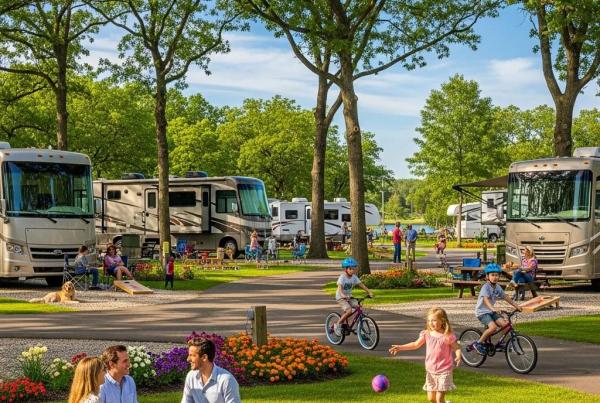
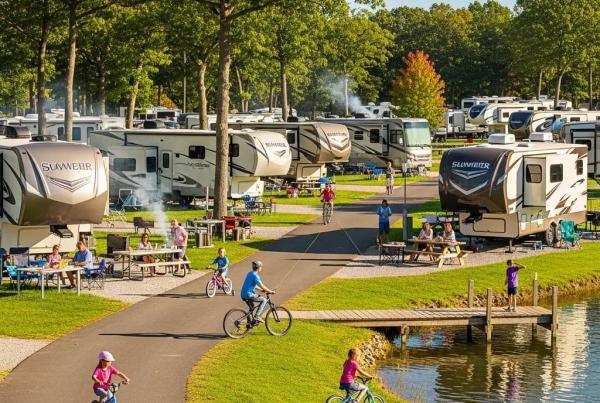
Campgrounds near Lansing typically combine several core amenity groups—site hookups and layout, water features and fishing access, trail and cart networks, plus family-focused facilities like playgrounds and pavilions—so different kinds of travelers find the experience they want. These features work together: reliable utilities let you stay longer, on-site water gives families quick play options, and trail systems let you explore without long drives. Knowing these categories helps you decide where to book and what to pack. Below is a concise overview of the standout amenities you’ll commonly find in the area.
Common unique amenities in Lansing-area RV parks include:
- Full-hookup RV sites with water, sewer, and electrical connections to support comfortable overnight and extended stays.
- On-site water features—private fishing ponds and planned water attractions—that provide easy, family-friendly recreation.
- Extensive golf-cart or multi-use trail networks so guests can explore the property without driving away from camp.
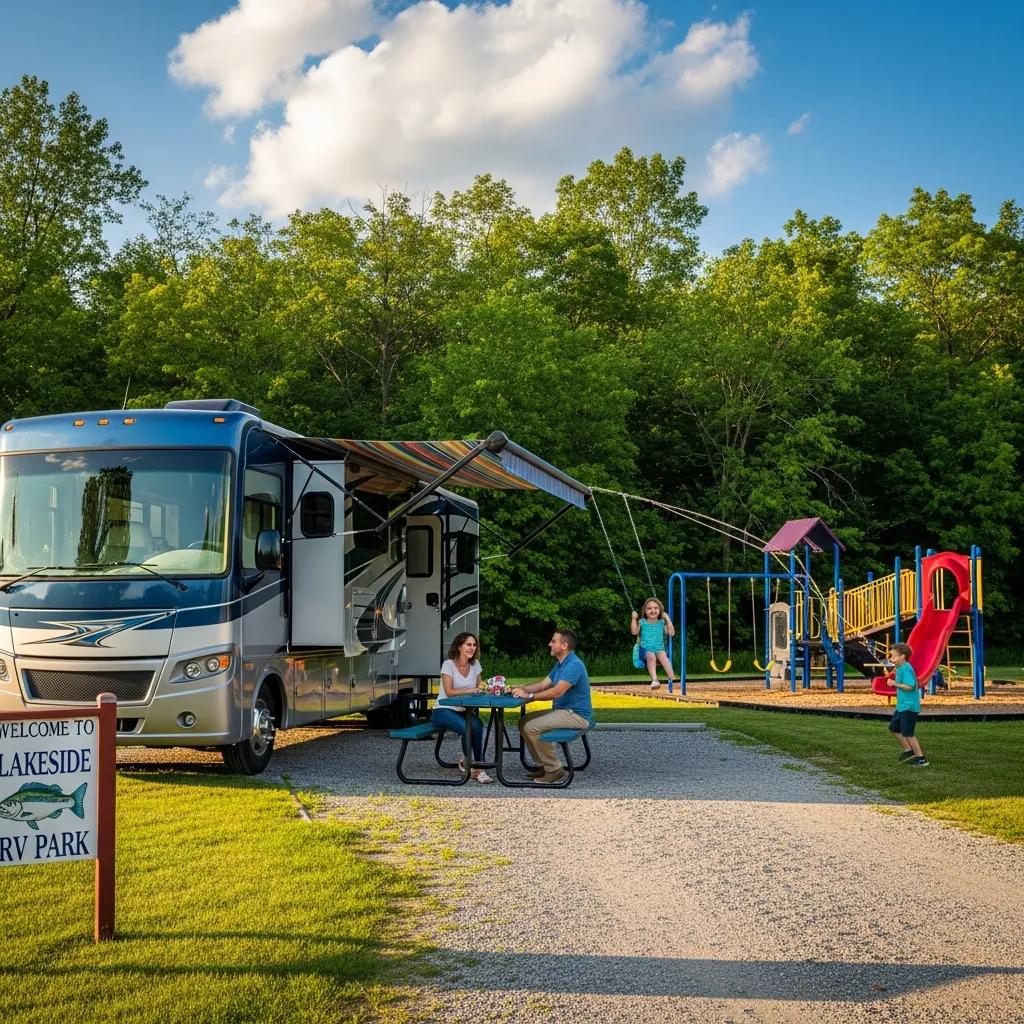
- Family facilities such as playgrounds, pavilions, and themed-event programming that encourage shared activities and gatherings.
- Camp stores and essential services that cut down on trips into town for basics.
- Large, well-spaced sites and seasonal options that fit different rig sizes and long-term visitors.
These amenity groups map directly to what visitors care about—comfort, convenience, recreation, and community—and they shape how you choose a campground and plan your itinerary. For a concrete example, The Oaks Campground includes full-hookup sites, a private fishing pond, and a wide network of golf cart trails; that combination shows how amenities translate into everyday guest experiences.
The following table compares amenity types by their key characteristic and the main benefit they deliver to campers.
How do The Oaks Campground’s full-hookup RV sites enhance your stay?
Full-hookup sites deliver three basic utilities—fresh water, sewer, and electrical service—so campers enjoy the infrastructure needed for comfortable short or long stays. Hookups cut daily maintenance, let you run appliances and climate control, and support onboard water systems—features families and seasonal guests especially appreciate. At parks that prioritize site quality, hookups come with roomy pads and level alignments to make parking and slideouts simple while leaving space for outdoor living. If you’re considering The Oaks Campground, its full-hookup layout supports family comfort and extended-stay convenience; check The Oaks reservation page to confirm site types and availability.
Compare hookup options to match your rig and needs:
- Standard hookup: water, sewer, 30/50 amp electrical at the pad.
- Premium hookup: larger pad, upgraded electrical access, and closer proximity to family amenities.
- Long-term hookup considerations: steady utility access and site orientation for shade and storage.
These differences affect comfort, power for appliances, and everyday livability during longer visits—so choose the hookup that fits your rig and how you plan to use the site.
What family-friendly features set The Oaks apart from other campgrounds?
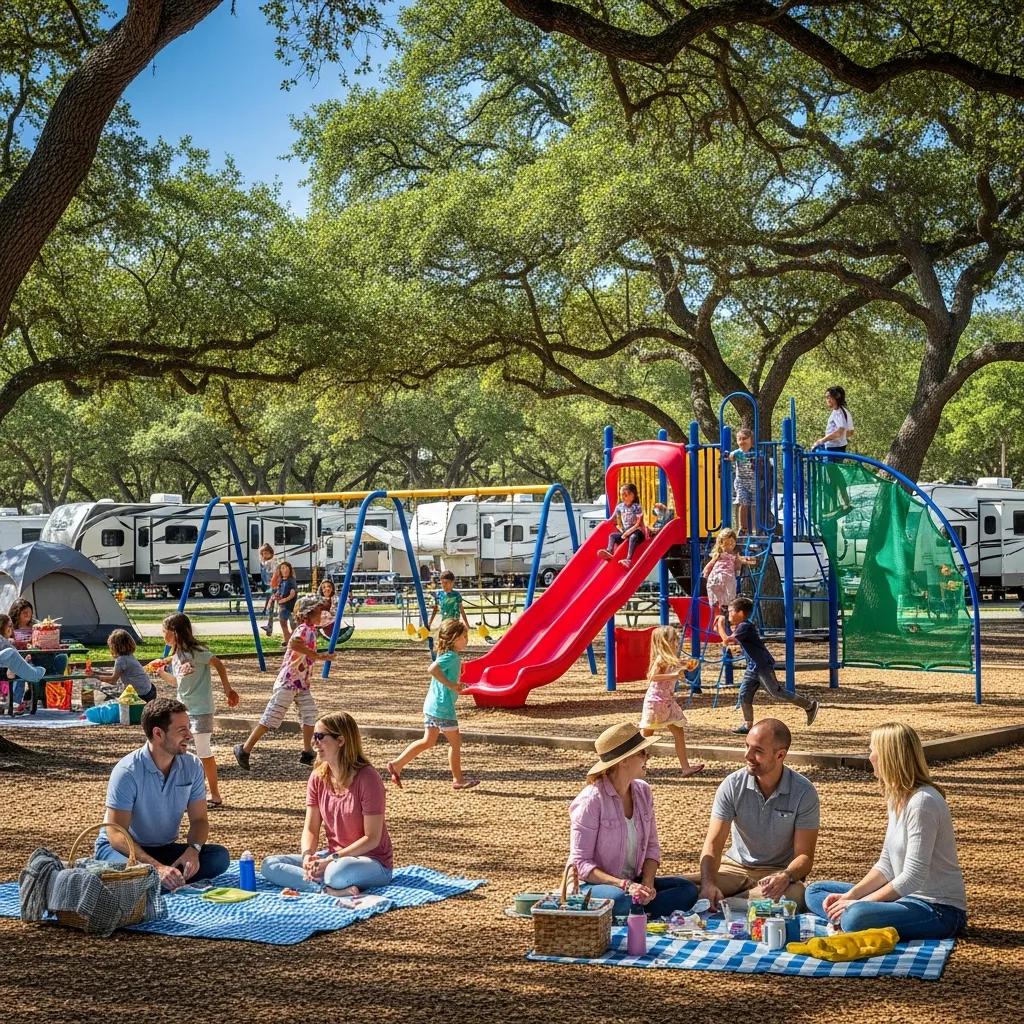
Family-focused campgrounds prioritize safe play zones, programmed activities, and gathering spaces that invite all ages to join in while making supervision simple. Typical features include visible or fenced playgrounds, covered pavilions for group meals and celebrations, on-site camp stores for quick essentials, and themed weekend programming so families don’t have to plan every detail. These conveniences ease the caregiving load and create a social rhythm that keeps guests coming back. The Oaks Campground’s family layout—playgrounds, pavilions, and regular themed events—shows how a thoughtful amenity mix keeps kids busy and lets adults relax or join in.
Families tend to pick campgrounds that balance safety and variety:
- Play equipment near camping clusters improves supervision.
- Pavilions offer weather-protected space for meals and kid-friendly gatherings.
- Camp stores and on-site services reduce errand time and support spontaneous outings.
Together, these features let families mix independent play with organized activities and form the backbone of memorable multi-day camping trips.
How does proximity to Lansing and local attractions make RV parks near Lansing special?
Being close to Lansing turns campgrounds into convenient bases for weekend getaways and multi-day regional exploration—offering rural access with easy urban day trips. Short drives from population centers make parks attractive for visitors who want nature without lengthy travel, while proximity to protected areas expands outdoor activity options. Camps near cities let you return to full services after a long day outside and mix on-site family programming with off-site adventures. The section below explains why access to Waterloo State Recreation Area is a standout advantage in this region.
Campgrounds near Lansing also serve as practical hubs for visitors arriving from different directions:
- Short drives make same-day arrival for evening programs possible and keep weekend planning flexible.
- Nearby urban amenities—grocery stores and medical services—are close enough to ease concerns during longer stays.
- Proximity to state recreation areas multiplies trail, water, and hunting opportunities.
These location benefits let campers pair the comforts of a managed park with the wider natural and cultural attractions of the Lansing area.
Why is access to Waterloo State Recreation Area a key advantage?
Waterloo State Recreation Area offers wide-ranging trails, lakes, and habitats ideal for hiking, paddling, and wildlife viewing—perfect complements to on-site campground activities. Campgrounds near Waterloo serve as practical staging areas: guests can pack day kits, launch early, then return to full-hookup sites and afternoon family programming. Seasonal timing matters—spring and fall are great for birding and fall color, while summer opens paddling and shoreline fun—so pick dates that match the activities you prefer. For nearby campers, combining managed campground amenities with Waterloo’s backcountry-style opportunities gives you a flexible stay that supports both relaxed family time and active day trips.
Planning tips for Waterloo visits:
- Check trail conditions and water levels before you go to plan hikes or paddles.
- Pack layered clothing and insect protection for spring and summer outings.
- Use your campground as a secure base for multi-day exploration to avoid frequent campsite moves.
These steps help you enjoy nearby natural resources while keeping the comforts of your RV close at hand.
What nearby attractions can enhance your RV camping experience?
Beyond state recreation areas, Lansing-region attractions offer cultural and family-day-trip options that pair nicely with campground stays. Museums, charming small-town downtowns, seasonal festivals, and nature preserves create half-day or full-day excursions so guests can alternate between on-site relaxation and off-site discovery. Smart day-trip planning—such as a morning hike followed by an afternoon museum visit—keeps drives manageable and makes the campsite the restful center of your vacation. Below are practical attraction types and ideas for guests using a campground near Lansing as their base.
Attractions to consider include:
- Regional nature preserves and state parks for hiking and wildlife viewing.
- Local historic towns and small museums for cultural exploration and dining.
- Seasonal fairs, harvest festivals, and community events for family entertainment.
These options let you build itineraries that alternate active outdoor days with low-key campsite afternoons, increasing overall variety and satisfaction.
What family activities and events are available at RV parks near Lansing, Michigan?
Many Lansing-area parks host family-friendly activities that appeal across ages, helping families make shared memories without doing all the planning. Typical offerings include themed weekend festivals, kid-focused crafts and nature programs, group games and contests, and seasonal events tied to holidays or local traditions. This programming gives structure for families who prefer guided experiences and creates social opportunities with fellow campers—especially valuable for seasonal guests seeking community. The sections that follow explain how themed weekends usually run and what to expect from planned water-park features that are drawing attention.
Organized activities also help campgrounds operate better:
- Event programming can boost weekday occupancy and extend shoulder seasons.
- Themed weekends encourage repeat visits by creating yearly highlights.
- Family events simplify packing and planning by providing materials and schedules.
Those dynamics benefit guests—who get planned fun—and operators—who build repeat business and community.
How do themed weekend events create memorable family experiences?
Themed weekends bundle activities—decor, contests, crafts, and group events—into a predictable, festive schedule families can plan around. A typical weekend might include a welcome activity on arrival, crafts and games during the day, an evening family movie or concert, and a final scavenger hunt or contest to wrap things up. These events reduce decision fatigue for caregivers and create repeatable rituals families remember on return visits. To get the most from a themed weekend, check the campground’s events calendar ahead of time, pack any suggested theme items, and leave meal plans flexible to join potlucks or communal meals.
Practical tips for themed weekends:
- Reserve early for popular weekends to secure your preferred site.
- Pack portable chairs, outdoor lighting, and simple costume pieces if a theme suggests it.
- Coordinate with other families for shared dinners or kid swaps to expand options.
These small preparations help families maximize fun and reduce stress during event-filled weekends.
What future family fun will the planned Wibit water park bring?
An inflatable Wibit-style water course adds a high-energy option for kids and teens—buoyant obstacle runs, climbing sections, and slides that encourage supervised active play. Since these attractions are sometimes planned before they open, families should watch campground announcements and book early around launch season to secure sites. When up and running, a Wibit will likely become a daily focal point and expand poolside programming, drawing guests who prioritize water-based fun.
Advance planning tips for launch-season visits:
- Expect higher demand in the initial open season—reserve early.
- Review age, weight, and safety rules and arrive with proper swimwear and supervision plans.
- Balance Wibit sessions with quieter campsite afternoons to keep energy levels manageable.
Following these steps helps families enjoy new water attractions while keeping the overall trip comfortable.
What outdoor adventures and recreational opportunities are unique to RV parks near Lansing?
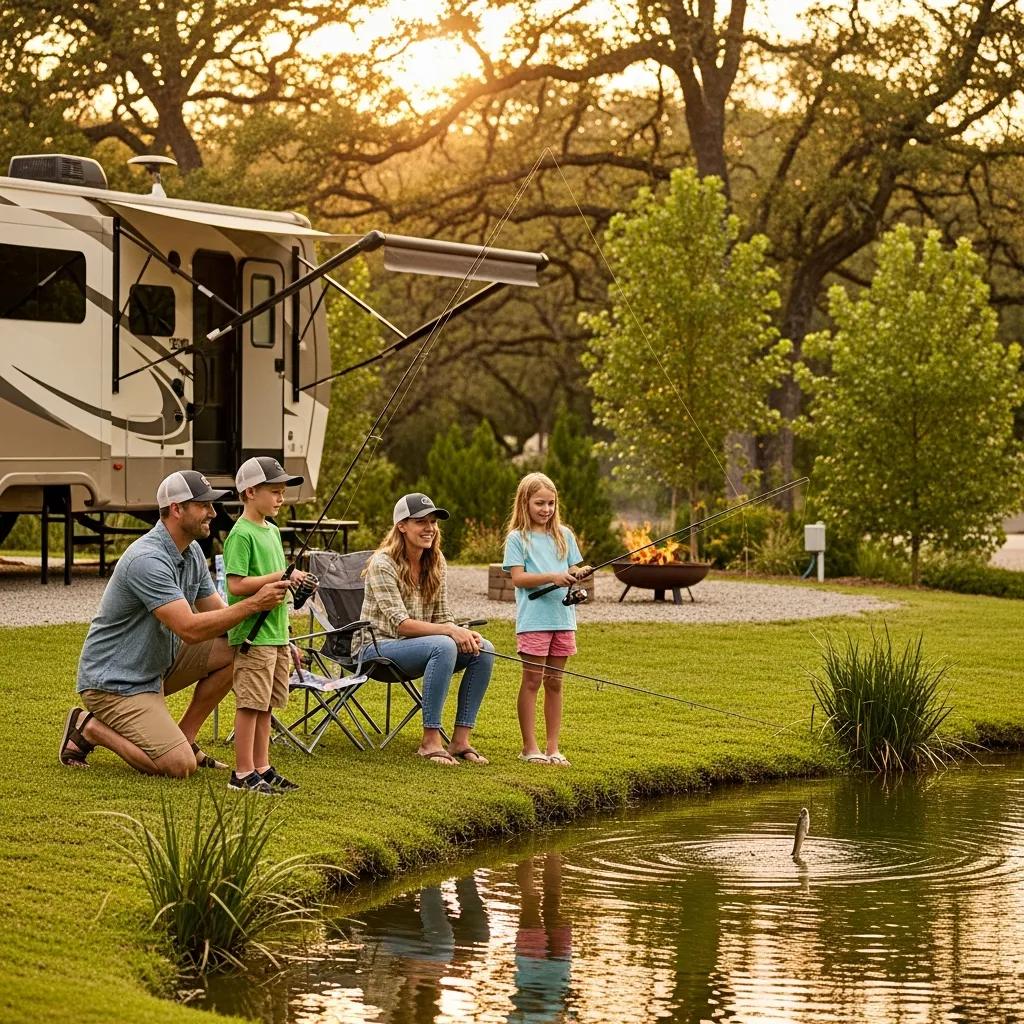
Outdoor life at Lansing-area campgrounds mixes property-specific assets—private ponds, golf-cart trail systems, and on-site play areas—with access to regional trails and waterways, creating layered recreation for visitors. Fishing, trail riding, paddling, birding, and family nature walks are common and suit a range of energy levels and skills. Features like golf cart trails and stocked ponds shrink the gap between activity and basecamp, letting families swap high-energy outings for restful campsite time. The next sections explain how on-site trail networks and private ponds add to the outdoor program.
These on-site resources also lower the barrier to entry for beginners and families by offering easy, repeatable loops that need minimal planning or gear.
How do golf cart riding trails enhance outdoor exploration at The Oaks?
Golf cart trails expand the usable grounds by giving a safe, low-speed way to move across the property and reach viewpoints, play areas, or activity hubs without packing up vehicles. A thoughtfully designed 120-acre trail network lets families plan short loops for little ones or longer scenic circuits, combine rides with picnics, and keep kids within sight more easily than on open roads. Trail-use best practices include obeying posted speed limits, using lights in low visibility, and keeping children in proper seats or passenger areas. If you bring a cart, trails let you build your own outings; if not, parks usually publish rules and registration details.
Trail planning tips for families and groups:
- Map short loops for younger children and longer circuits for scenic tours.
- Bring water and a basic first-aid kit for longer rides.
- Use cooler morning or late-afternoon windows for trail time in hot months.
These practices keep trail use safe and fun while helping families get more exploration value from their stay.
What fishing experiences are offered at The Oaks Campground’s private pond?
A private pond delivers quick, family-friendly fishing that needs very little travel—ideal for short outings between activities. Ponds usually support bank fishing and catch-and-release, making them relaxed spots for picnics and easy angling with kids. Family fishing often centers on simple rigs and supervised participation to build confidence without long drives. Practical points: check site rules at check-in, confirm fishing-license requirements for eligible anglers, and follow posted bait and catch guidelines. Pairing pond time with nearby picnic or trail segments makes for balanced half-days of calm and activity.
Pair fishing with other family activities by:
- Scheduling short morning or evening fishing sessions when fish are more active.
- Bringing simple landing nets and small containers for quick catch-and-release handling.
- Combining pond time with a shaded lunch at a nearby pavilion for a full outdoor half-day.
These approaches maximize enjoyment while respecting pond rules and guest safety.
Why choose seasonal and long-term RV camping near Lansing, Michigan?
Seasonal and long-term sites appeal to guests seeking stability, community, and cost savings over weeks or months. Benefits include guaranteed site placement, recurring community events, and fewer moves during the season. Many families find a seasonal commitment worthwhile for storage convenience and the chance to personalize a site with long-term comforts. Seasonal arrangements usually include full access to park amenities and sometimes priority for events—making them attractive if you want the campground to feel like a second home. The table below compares seasonal and short-stay attributes to help you weigh options.
This comparison highlights how seasonal stays move you from transient guest to semi-permanent community member—appealing to families who want repeated experiences and social continuity.
What are the benefits of seasonal RV sites at The Oaks Campground?
Seasonal sites help build community through recurring events, familiar neighbors, and shared amenities—letting families create rituals like weekend potlucks or regular playdates that make the campground feel like home. A fixed site makes long-term comfort upgrades—screen rooms, shade structures, storage—worthwhile and reduces repeated setup work. Seasonal rates can offer predictable costs compared with fluctuating nightly prices, and logistical perks like mail handling or vehicle storage may be available. If you’re considering a seasonal spot, ask about reservation windows, site selection, and contract terms to ensure expectations match park policy.
Action items for prospective seasonal guests include:
- Visit during a typical event weekend to see the community firsthand.
- Confirm what utilities are included and any additional seasonal fees.
- Understand guest policies and access privileges for family members and visitors.
These steps help you decide whether a seasonal commitment fits your lifestyle and budget.
How do spacious sites and modern amenities support extended stays?
Bigger sites and modern hookups improve extended-stay livability by creating separate zones for sleeping, outdoor living, and storage—reducing congestion and smoothing daily routines for families and long-term guests. Reliable utilities and services—consistent electrical service for appliances and climate control, plus nearby dump and water-refill stations—minimize maintenance interruptions and support home-like comfort. Thoughtful site design—shade, privacy screening, and level pads—boosts livability and safety for children and pets, and on-site camp stores and events cut down trips for essentials. If you plan an extended stay, prepare for storage, shade, and utility use to turn your rig into a comfortable seasonal residence.
Practical extended-stay checklist:
- Confirm hookup capacity and typical utility usage for your rig.
- Plan a site layout that separates living and utility areas.
- Pack long-term comforts: shade structures, secure storage boxes, and routine maintenance supplies.
These preparations make extended stays manageable and enjoyable while keeping the recreational perks of campground life.
How can you plan your visit to The Oaks Campground and make the most of Lansing RV camping?
Good trip planning starts with picking the right season, matching site amenities to your needs, and booking early for peak periods and special-event weekends. Regional drive times influence arrival windows, and scheduling daily activities around nearby attractions and on-site programming helps you balance activity and rest. Check campground resources for booking windows, event calendars, and site maps to handle logistics like cart transport, fishing gear, and day-trip supplies; if you’re focused on The Oaks Campground, use the property’s reservation page and listing for up-to-date site descriptions and event schedules. The checklist below walks through the key planning steps for a smooth Lansing-area RV trip.
Follow this planning checklist to streamline your visit:
- Choose travel dates that match your top activities (events, fishing seasons, or quieter shoulder months).
- Reserve a site with the amenities you need (full-hookup, proximity to playgrounds, or seasonal options).
- Create gear lists tied to planned activities (trail maps, fishing licenses, safety equipment).
- Confirm arrival logistics: check-in times, cart registration, and event schedules.
Use this checklist to sync reservations, packing, and daily planning so your trip goes smoothly and you can focus on enjoying the experience.
What are the booking options and reservation policies at The Oaks?
Regional campgrounds usually offer nightly reservations, multi-night stays, and seasonal contracts; deposit, cancellation, and peak-season rules vary, so always check the campground’s official reservation information for exact terms. For The Oaks Campground, review the property’s reservation details to confirm site types, availability around themed weekends or new amenity launches, and any registration or cart permit requirements. Because new attractions can create high demand, book early for popular weekends and opening periods. For on-the-ground questions about accessibility or specific site features, contact the campground directly for the most current guidance.
When booking, keep these practical tips in mind:
- Reserve early for popular themed weekends and new attraction openings.
- Read cancellation and refund policies so you can adjust plans if needed.
- Use the campground’s official reservation tool to verify site dimensions and hookup details before departure.
These steps reduce last-minute surprises and align expectations for short stays and seasonal commitments alike.
How can you access maps, directions, and local tips for your trip?
Getting maps and directions before you travel—especially offline copies for weak-signal areas—cuts navigation stress and helps you pinpoint fuel, grocery, and service stops along your route. Expect roughly one to two hours of drive time from nearby metro areas depending on origin and traffic, and aim to arrive during check-in hours to avoid late-night setup. Use campground maps to plan site approach, cart routes, and walking paths; confirm where dump stations and fuel options sit relative to your site. Before you depart, assemble a short local-tip sheet listing the nearest grocery, pharmacy, and emergency services, and note any seasonal road or trail advisories that could affect day trips.
Practical travel tips include:
- Save a screenshot or an offline map of your route and the campground layout before you leave.
- Plan fuel and supply stops that accommodate towing rigs and longer vehicles.
- Arrive during daylight when possible to make setup and orientation easier.
These steps speed arrival and give you more time to enjoy on-site amenities and nearby attractions.
How can you access maps, directions, and local tips for your trip?
Maps and local logistics matter for RV travel: confirming access routes, tow-friendly gas stations, and nearest grocery or hardware stores prevents common last-mile hiccups. Save offline directions and the campground map, and try to arrive in daylight to simplify hookups and orientation. Verify local services—fuel, groceries, medical—before you go and have a simple contingency plan for delays. These preparations reduce stress and let you focus on enjoying activities and nearby sights.
- Save offline maps and the campground layout to your phone or print a copy.
- Identify tow-friendly fuel stops and grocery options along your route.
- Plan to arrive in daylight and keep a basic contingency plan for weather or delays.
Frequently Asked Questions
What types of outdoor activities can families enjoy at RV parks near Lansing?
Families at Lansing-area RV parks can enjoy a wide mix of outdoor options that suit all ages: fishing in private ponds, hiking nearby trails, and guided nature walks. Many parks also offer biking and golf cart routes so families can explore the grounds together. Seasonal offerings—spring birdwatching and fall foliage drives—add variety and make it easy to enjoy nature as a family.
Are there any specific safety measures for children at RV parks?
Safety is a priority at family-focused parks. Common measures include fenced or clearly visible playgrounds, supervised activities, and posted guidelines for pools and ponds. Parents should supervise children and review park rules on arrival. Those precautions help create a relaxed, family-friendly atmosphere where kids can play and parents can unwind.
What amenities are available for pets at RV parks near Lansing?
Many Lansing-area parks welcome pets and offer convenient amenities like designated dog areas, walking trails, and pet waste stations. Policies on size, breeds, and fees vary, so check each park’s rules before you go. Keeping pets leashed and well-behaved in common areas helps ensure a pleasant stay for all guests.
How can visitors find out about local events and attractions during their stay?
Check the campground’s event calendar for onsite activities and consult local tourism sites or visitor centers for area attractions. Campground staff are also a great source of recommendations, and chatting with fellow campers often reveals local favorites. These resources help you plan day trips and discover community events while you’re in the area.
What should campers know about weather conditions when planning their trip?
Weather can change quickly in Michigan, so check forecasts before you travel. Pack layers and rain gear for spring and fall, and bring bug protection for summer outings. Knowing likely conditions helps you plan outdoor activities safely and keeps everyone comfortable during your stay.
What are the benefits of booking a seasonal site at an RV park?
Seasonal sites offer guaranteed placement, stronger community ties, and potential cost savings over time. Seasonal guests often access exclusive events and can personalize their sites with longer-term comforts like outdoor furniture. This setup reduces packing and moving, making it easier to enjoy extended stays and build lasting memories.
Conclusion
Choosing an RV park near Lansing, Michigan gives families a useful mix of comfort, convenience, and outdoor adventure—perfect for memorable getaways. With amenities like full-hookup sites, private fishing ponds, and family programming, area parks meet a wide range of needs and enhance the camping experience. The Oaks Campground shows how thoughtful design and community-focused activities create lasting memories for visitors. Ready to plan your trip? Explore our reservation options and discover everything the Lansing area has to offer.