

Lakefront Campgrounds Near Jackson, Michigan — A Family-Friendly Guide to Lakeside Camping
Lakefront campgrounds near Jackson, Michigan put you steps from the shore, family-ready amenities, and easy outdoor fun—perfect for multi-generational getaways that are simple to plan and full of lasting memories. This guide breaks down what “waterfront” means in Jackson County, why lake access matters for families, how to choose between RV and tent sites, and where to find kid-friendly activities and nearby parks like Waterloo State Recreation Area. If you’re planning a quick escape from Detroit, Ann Arbor, Toledo, or nearby metros, you’ll find practical booking tips, drive-time perspectives, and site comparisons here to help you decide. Along the way, The Oaks Campground by GatherGrounds offers a nearby example of the waterfront features and family services you can expect around Jackson, while keeping the focus on general tips for finding the right lakefront campground. Read on for checklists, activity ideas, reservation pointers, and concise comparisons to plan a safe, fun, and scenic lakeside trip.
What makes waterfront camping near Jackson, Michigan special?
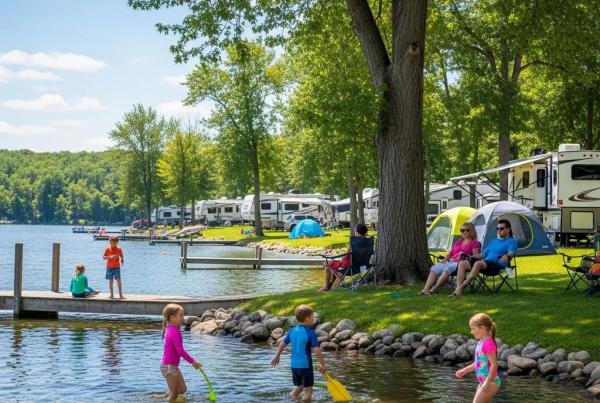
Waterfront camping around Jackson means camping near a lake or pond where water-based activities are the highlight—think swimming, fishing, paddle play, and relaxed shoreline time. The appeal is immediate access: kids can splash at a supervised beach, anglers can try shallow-water fishing, and families can gather lakeside at sunset. Waterfront campgrounds often cluster family-friendly conveniences like playgrounds, pavilions, and trails, which makes multi-day stays easier to plan. Jackson County’s proximity to protected natural areas also means campers can mix shoreline days with longer hikes or exploration in places like Waterloo State Recreation Area. Below are the core advantages families typically look for when choosing a waterfront campground in this region.
- Immediate lake access: Swim and paddle right from camp—no long hikes to the water.
- Family amenities: Playgrounds, pavilions, and scheduled events take the stress out of planning.
- Outdoor variety: Fishing ponds and nearby trails give everyone options.
- Close to parks: Easy day-trip access to larger recreation areas for longer outings.
How does The Oaks Campground deliver lakeside experiences?
The Oaks Campground by GatherGrounds is a good local example of a family-focused lakefront property. Sitting on about 160 acres next to Waterloo State Recreation Area, the site features a swimming lake and a fishing pond for supervised kid play and beginner angling. Pavilions and playgrounds make group gatherings easy, and roughly 120 acres of golf-cart riding trails create safe, slow-traffic loops for family rides. Ownership is transitioning to GatherGrounds at the end of the 2024 season, and the property plans to add a Wibit water park in 2025—both signs of continued investment in family waterfront attractions and seasonal programming. These amenities highlight the kinds of lakeside experiences to prioritize when you’re choosing a campground near Jackson.
What are the benefits of camping by a swimming lake and fishing pond?
Camping beside a swimming lake and a fishing pond gives families both active and restorative options—kids burn energy swimming and paddling while adults get downtime by the water. Shallow swim areas and designated beaches are easier to supervise, and fishing ponds offer low-pressure spots for beginners to learn rod handling and catch-and-release. Water activities encourage healthy movement—swimming, paddling, shoreline walks—and naturally create routines that help build shared memories. When you book a waterfront site, look for clear swim zones, any lifeguard or safety policies, and easy routes back to your campsite so logistics stay simple. Next, we’ll look at common family-friendly activities you’ll find at waterfront campgrounds.
Which family-friendly activities are available at waterfront campgrounds?

Waterfront campgrounds around Jackson usually combine water and land activities that appeal to a wide range of ages and keep multi-day stays engaging. Variety is what makes these places work: kids can alternate beach time, playgrounds, and organized events while adults enjoy fishing, paddling, or trail rides. A balanced day might include a morning hike, a midday swim, and an afternoon craft or family program—this rhythm helps everyone stay energized and connected. Below are common activities and quick notes to help you evaluate campground offerings for your family.
- Swimming and beach play: Shallow, supervised areas for kids and peaceful swims for adults.
- Fishing and pond exploration: Calm ponds for teaching kids how to fish and safe shore-side learning.
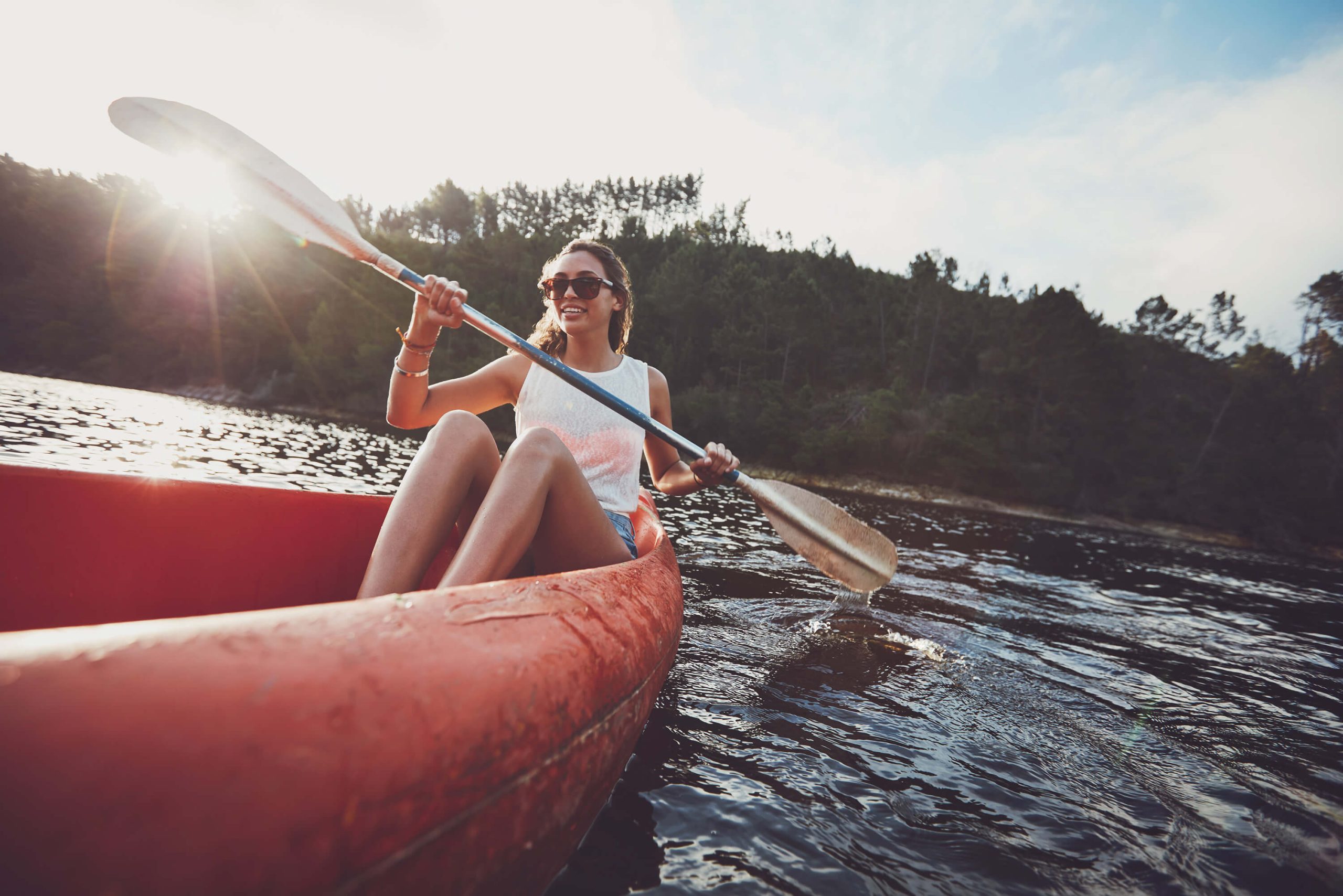
- Paddle sports and non-motorized boating: Kayaks, canoes, and paddleboards on gentle water.
- Playgrounds and organized kids’ events: Built-in play areas and weekend programs that give parents a breather.
- Golf cart trails and easy rides: Short, family-friendly loops for exploring the property together.
This activity mix works best when campgrounds share clear safety rules and event schedules so families can plan around busy beach times and special weekends.
Intro to activity table: Below is a quick mapping of common waterfront activities, who they suit best, and what facility details to confirm before you book.
This quick map helps families prioritize which amenities to confirm before booking so activities match ages and comfort levels.
Summary of activities: Pick a campground that matches your family’s favorite ways to play—if your kids live for the beach, prioritize shallow swim zones; if exploring wins, look for nearby trails and paddle options.
What kid-approved amenities does The Oaks Campground provide?
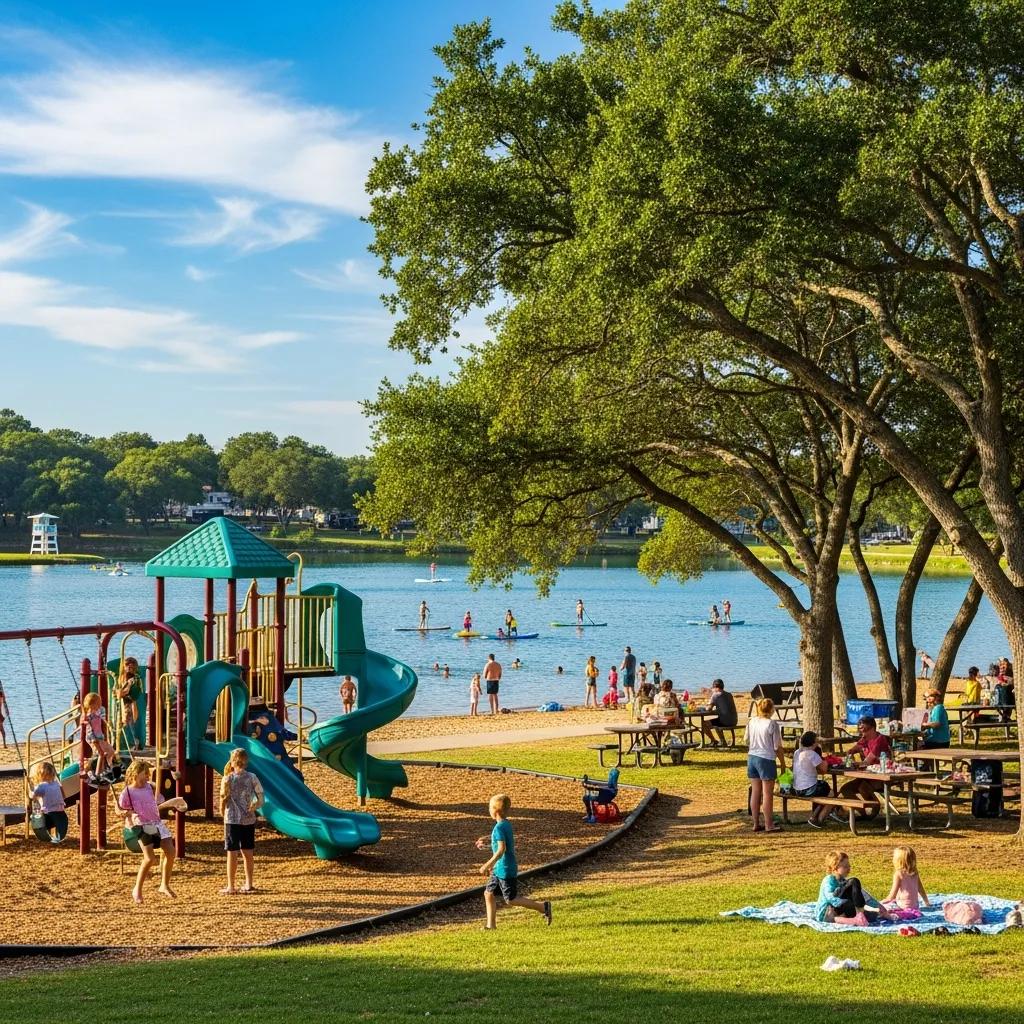
The Oaks Campground showcases several kid-focused amenities common to family-minded lakefront properties. On site you’ll find a swimming lake built for family recreation, a separate fishing pond ideal for young anglers, and multiple playgrounds positioned close to campsites. Themed weekend events bring structured options—crafts, games, and group activities—that lighten the planning load for parents and help kids make new friends. Golf cart–friendly trails add a fun, controlled way to explore the property with mixed-age groups. Together, these features create a low-stress family vacation model where supervision and downtime are easy to balance.
How do themed weekend events enhance family camping experiences?
Themed weekend events add energy and convenience to family camping by providing scheduled entertainment, group activities, and chances to socialize without a lot of planning. Examples include nature days, craft workshops, family game nights, and kid-friendly competitions hosted at pavilions or central meeting spots—typically designed to include a range of ages. For families, the big benefit is convenience: children have planned activities that don’t require parents to organize every detail, and the shared schedule promotes casual connections with neighboring campers. When you’re planning around event weekends, book early, check the schedule ahead of time, and expect higher demand for beachfront spots. The next section covers campsite types and reservation tips for weekend visits.
What RV and tent camping options are offered near Jackson, Michigan?
Waterfront campgrounds near Jackson accommodate many preferences, offering full-hookup RV sites, seasonal sites, and tent-only lakeside plots—each with trade-offs in comfort, cost, and convenience. Full-hookup RV sites provide water, electric, and sewer for longer, more comfortable stays, while tent sites often put you closer to the shoreline for a more rustic feel. Seasonal sites suit RVers who return regularly and want a semi-permanent setup, while tent-only areas are better for lightweight travelers and families seeking an immersive outdoors experience without vehicle infrastructure.
Intro to site comparison table: Use the table below to compare common site types at waterfront campgrounds and decide which matches your trip goals.
Summary of site types: Choose based on how long you’ll stay, how much comfort you need, and whether shoreline proximity or utility access is most important—families with small children often prefer full hookups near playgrounds for convenience.
What are the features of full hookup RV sites at The Oaks Campground?
Full hookup RV sites at The Oaks Campground include water, electric, and sewer connections that make extended family stays comfortable and practical. These sites are typically placed near core amenities—playgrounds, lake access, and pavilions—so you can move quickly between activities and your rig, which is helpful when supervising children. Full hookups also support reliable refrigeration, heating or cooling, and hot water—important for families with infants or for shoulder-season visits. For exact site specs, rig-length limits, and reservation details at this property, consult the campground’s reservation resources to pick a site that fits your rig and needs.
How do spacious tent sites accommodate different camping needs?
Spacious tent sites near the water are laid out to give families privacy, room for gear, and direct lake access while keeping a natural campsite feel. Larger cleared pads let families set up multiple tents, a dining shelter, and a small play area, with a clear route to restrooms and the shore. Practical tips for waterfront tent camping include using ground tarps and sleeping pads to manage moisture, and packing insect protection for evenings. Choose sites with moderate tree cover for shade—avoid overly dense spots that attract bugs—and confirm campsite layout and proximity to amenities before arrival so the site meets your family’s access needs.
How can campers explore the natural beauty around Jackson, Michigan?
Campers based around Jackson can stretch a waterfront stay into a broader outdoor adventure by visiting nearby parks, lakes, and trail systems for hiking, birding, and scenic drives—all within a short drive of most campgrounds. The easy mix of shoreline and inland trails lets you swim in the morning, hike or bike midday, and return for a lakeside evening. A practical approach is to plan one or two day trips within a 30–60 minute radius to avoid cramming too much into any single day and to preserve down time at camp.
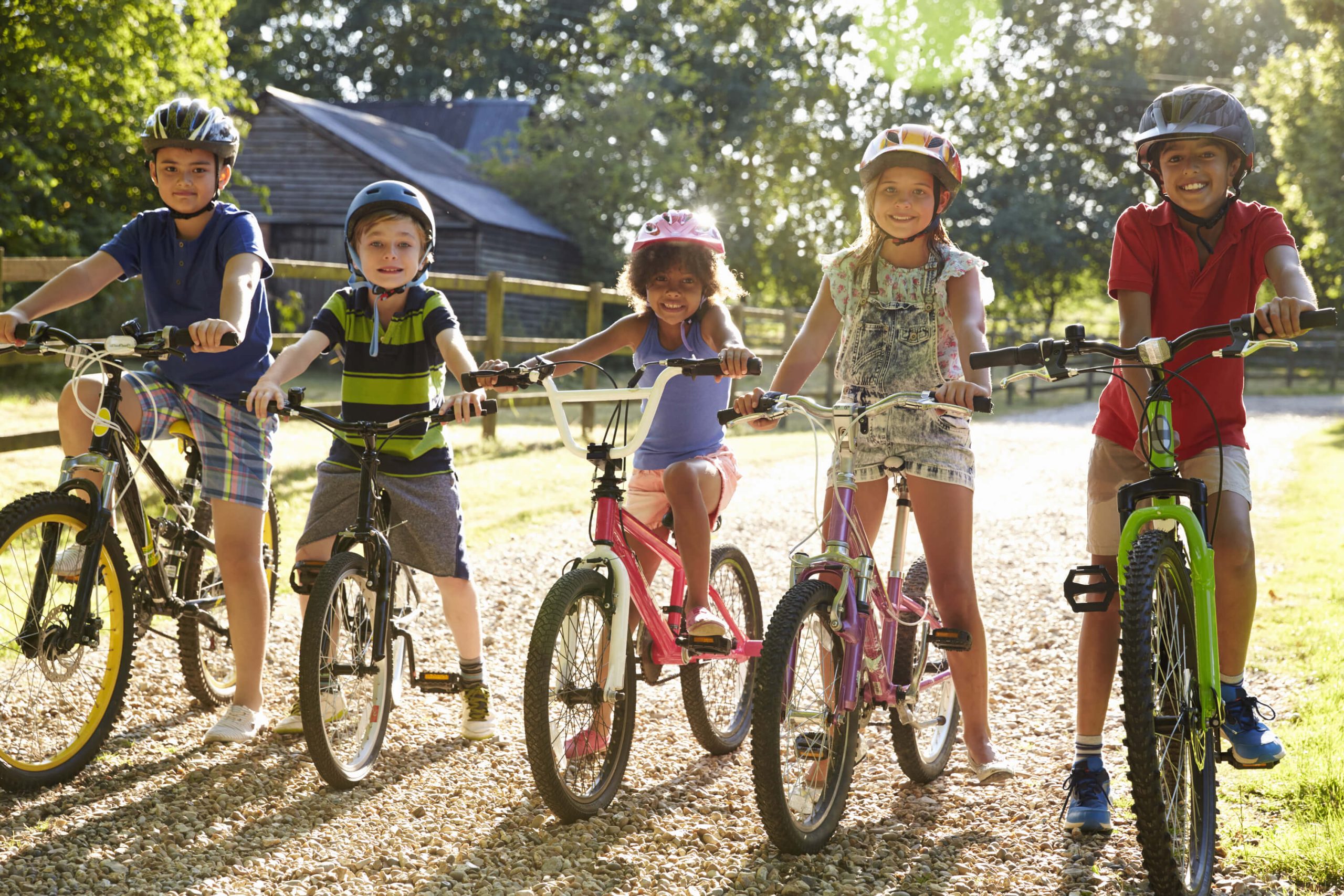
- Waterloo State Recreation Area: Trails and bike loops for half- or full-day outings.
- Nearby lakes (for example, Goose Lake and Jackson Lake): Alternate beaches and fishing spots to rotate through.
- Birding and nature loops: Short walks focused on seasonal wildlife and wildflowers.
- Scenic drives and picnic stops: Low-effort options for mixed-age groups and rainy-day plans.
Layering activities like this helps families pace their trip and balance active days with restful ones.
What outdoor activities are available at Waterloo State Recreation Area?
Waterloo State Recreation Area offers multi-use trails, quiet lakes, and wildlife viewing that broaden recreational options for campers near Jackson. Trails run from short interpretive walks to longer loops for hiking and mountain biking, passing varied habitats that change with the seasons—spring wildflowers and colorful fall foliage are highlights. Water-based options include non-motorized boating and shoreline fishing, which pair well with a campsite day. Before heading out, check trail difficulty and seasonal conditions, pack layers, and set a clear turnaround point to keep outings child-friendly and predictable.
Which nearby lakes and trails complement waterfront camping?
Nearby lakes and trail systems give families alternates when a main beach gets busy or when weather shifts. Smaller lakes can offer quieter fishing and calmer paddleboarding conditions, while regional trail loops provide different scenery and pacing for short hikes or nature walks. When picking a secondary spot, prioritize features like gradual beach entries for young swimmers and short loops for mixed-age groups. Plan drives with estimated times and landmarks so you spend more time enjoying activities and less time navigating.
How accessible are waterfront campgrounds from major Michigan cities?
Drive time is a key planning factor for weekenders and weekday escapees—how long it takes to get there affects trip length, arrival timing, and what gear you’ll bring. Short drives make weekend trips feasible for families with limited time; longer drives usually mean you should plan multi-night stays so travel doesn’t eat into your fun. Think about traffic patterns, departure windows, and check-in times when deciding whether to arrive Friday night or Saturday morning.
Intro to drive-time table: Use the quick reference below to decide whether to plan a day trip, a weekend, or a longer stay from these nearby metro areas.
Summary of accessibility: For quick escapes, pick campgrounds with short drives and simple check-in rules; if you’re coming from farther away, aim for a multi-night stay so travel time feels worth it.
What are the driving distances from Detroit, Ann Arbor, and Toledo to The Oaks?
The Oaks Campground is within a reasonable drive of several major cities, making it a practical option for family weekend trips and longer vacations. From Ann Arbor and Detroit you can typically reach the property in about an hour to 90 minutes depending on traffic—easy enough for a Friday-evening arrival. Travelers from Toledo and Fort Wayne face longer drives, so multi-night bookings make more sense to balance travel and on-site time. Plan departures outside peak commute hours, allow some buffer for traffic, and review the campground’s directions before you leave for a smoother arrival.
How does location influence weekend getaway planning?
Location determines how much you can reasonably fit into a weekend and whether arriving Friday or Saturday makes sense. For short drives, a Saturday arrival and one overnight can still deliver a full day of waterfront fun; for longer drives, arriving Friday evening maximizes time on Saturday. Think about site type—waterfront versus inland—and amenities that save setup time, such as full hookups or nearby restrooms, which help shorter trips feel more comfortable. Also remember that campgrounds closer to big cities book fast during peak summer weekends, so reserve early when you’re within a one- to two-hour drive.
How do you plan and book a memorable waterfront camping stay?
Planning a shoreline camping trip becomes easier when you choose dates, pick a site that fits your comfort needs, and confirm reservation policies that affect flexibility. Start by choosing dates and checking event calendars; next, select a site type (full hookup, seasonal, or tent-only) based on stay length and gear; then review cancellation and deposit terms so you can adjust if needed. For reservation options and current rates at the nearby example campground, check The Oaks Campground by GatherGrounds’ official reservation resources to pick the best site and confirm availability. The steps below give a clear, actionable checklist to get you ready.
- Choose dates: Lock in travel length and check campground event calendars.
- Select site type: Match full hookup, seasonal, or tent sites to your needs.
- Check policies: Review deposits, cancellation windows, and arrival rules.
- Reserve early: Book weekends and event weekends well in advance.
- Prepare gear list: Pack for waterfront conditions—swim gear, insect protection, and layered clothing.
What are the rates and reservation options at The Oaks Campground?
Rates at waterfront campgrounds vary by season, site type, and special-event weekends—full-hookup and waterfront sites usually cost more on peak summer nights, while shoulder seasons can be cheaper with better availability. Most properties offer online booking and direct reservation systems; for the latest rates at The Oaks Campground by GatherGrounds, consult the campground’s reservation pages to compare site types and available dates. Because family-focused event weekends and waterfront sites fill quickly, consider flexible dates if you need a specific site, and confirm deposit and cancellation terms when you book.
Where can you find testimonials and guest experiences?
Guest reviews are useful for understanding how facilities perform in real life—look for recent comments about site cleanliness, beach conditions, event quality, and staff responsiveness to get a full picture. Check the campground’s own testimonials and public review platforms where families share recent experiences and note amenity conditions. Prioritize recent reviews that mention family-specific details (playground upkeep, kids’ programming, swim-area safety) and look for recurring themes that signal consistent service or maintenance. This is especially important when properties are changing ownership or adding attractions, as those updates can affect future stays.
Frequently Asked Questions
What should I consider when choosing a campground for my family?
Pick a campground based on proximity to water, available amenities, and the activities offered. Look for family-friendly features like playgrounds, swimming areas, and organized events. Decide whether you want RV hookups or tent camping, and confirm safety measures—lifeguards, designated swim zones, and easy access to restrooms. Also consider nearby attractions and parks to get the most out of your outdoor time.
Are there any safety tips for camping with children at waterfront sites?
Safety comes first around water. Always supervise children near the shore and have them wear life jackets if they’re not strong swimmers. Learn the campground’s safety policies, including lifeguard hours and swim-area rules. Teach children to stay within designated zones, pack a well-stocked first-aid kit and insect repellent, and set clear boundaries for where kids can go—especially near the water’s edge.
What types of gear should I pack for a waterfront camping trip?
Bring gear that balances comfort and safety: swimwear, towels, flotation devices, sunscreen, insect repellent, and a first-aid kit. Pack the usual camping essentials—tent, sleeping bags, cooking gear, and secure food storage. If you plan to fish or paddle, include rods, bait, and non-motorized boats like kayaks. Toss in outdoor games and activities to keep downtime fun for everyone.
How can I ensure a smooth check-in process at the campground?
Review the campground’s reservation policies and check-in times before you arrive. Come during designated check-in hours, have your reservation confirmation ready, and familiarize yourself with the property map so you can find your site quickly. If you have questions or special requests, contact the campground ahead of your trip—this small step can make settling in fast and stress-free.
What are some popular nearby attractions to visit while camping?
While camping near Jackson, explore Waterloo State Recreation Area for hiking and biking. Nearby lakes like Goose Lake and Jackson Lake offer extra swimming and fishing spots. Look for birding and short nature loops for relaxed wildlife viewing, or take scenic drives and picnics for low-effort family days.
How do I find the best deals on campground reservations?
Start with the campground’s official website for promotions or discounts. Consider shoulder seasons for lower rates and better availability. Join loyalty programs or sign up for newsletters to get offers early. Compare prices across booking platforms and remain flexible with dates to take advantage of off-peak savings.
Conclusion
Choosing a waterfront campground near Jackson, Michigan gives families easy lake access, varied outdoor activities, and kid-friendly amenities that make camping both relaxing and memorable. This guide aims to help you pick the right campground and plan a smooth, enjoyable trip. Start by comparing site types and dates, check event calendars, and book early for peak weekends. Embrace lakeside camping, and enjoy making new memories with your family.