Your Essential Camping Gear for National Park Adventures: What to Pack for a Safe and Enjoyable Trip
Getting ready for a family camping trip to a National Park? With over 331 million visits each year, packing the right camping gear for your national park excursions is key to ensuring comfort, safety, and creating those unforgettable campfire memories. In this guide, we’ll walk you through the must-have equipment for shelter, sleep, and cooking; how to build an efficient packing checklist; essential safety and navigation tools; choosing the right clothing and footwear; and how park regulations might influence your gear choices. To get started, plan your national park camping trip with our expert gear guide and make sure you have everything you need for a stress-free adventure.
What Are the Must-Have Camping Gear Items for National Park Trips?
Must-have camping gear refers to the essential tools families and groups rely on for shelter, rest, and nourishment during their outdoor adventures. These items are crucial for basic survival functions, providing protection from the elements, comfortable sleeping systems, and cooking solutions to fuel your explorations. For instance, a sturdy tent paired with a dependable camp stove will keep everyone safe, dry, and well-fed on the trail.
Which Tents Are Best Suited for National Park Camping?
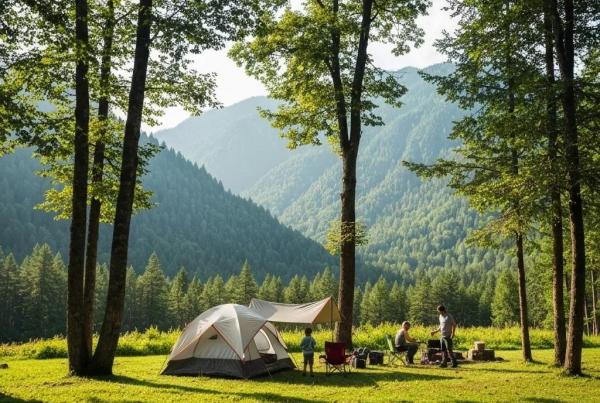
A three-season dome tent featuring a waterproof rainfly will enhance your weather protection and make setup a breeze across various park terrains.
REI, “How to Choose a Tent” (2024)
Essential Camping Gear for National Park Adventures
Selecting the right tent involves balancing protection, space, and portability, all vital for a comfortable camping experience. A three-season dome tent with a waterproof rainfly is a popular choice, offering excellent weather protection and straightforward setup on diverse terrains.
Below, you’ll find a comparison of popular tent types to help you find the perfect match for your camping style and campsite facilities.
Choosing the right tent is about balancing protection, space, and portability, which naturally leads to the next step: selecting restful sleep systems.
What Sleeping Bags and Pads Provide Comfort and Warmth?
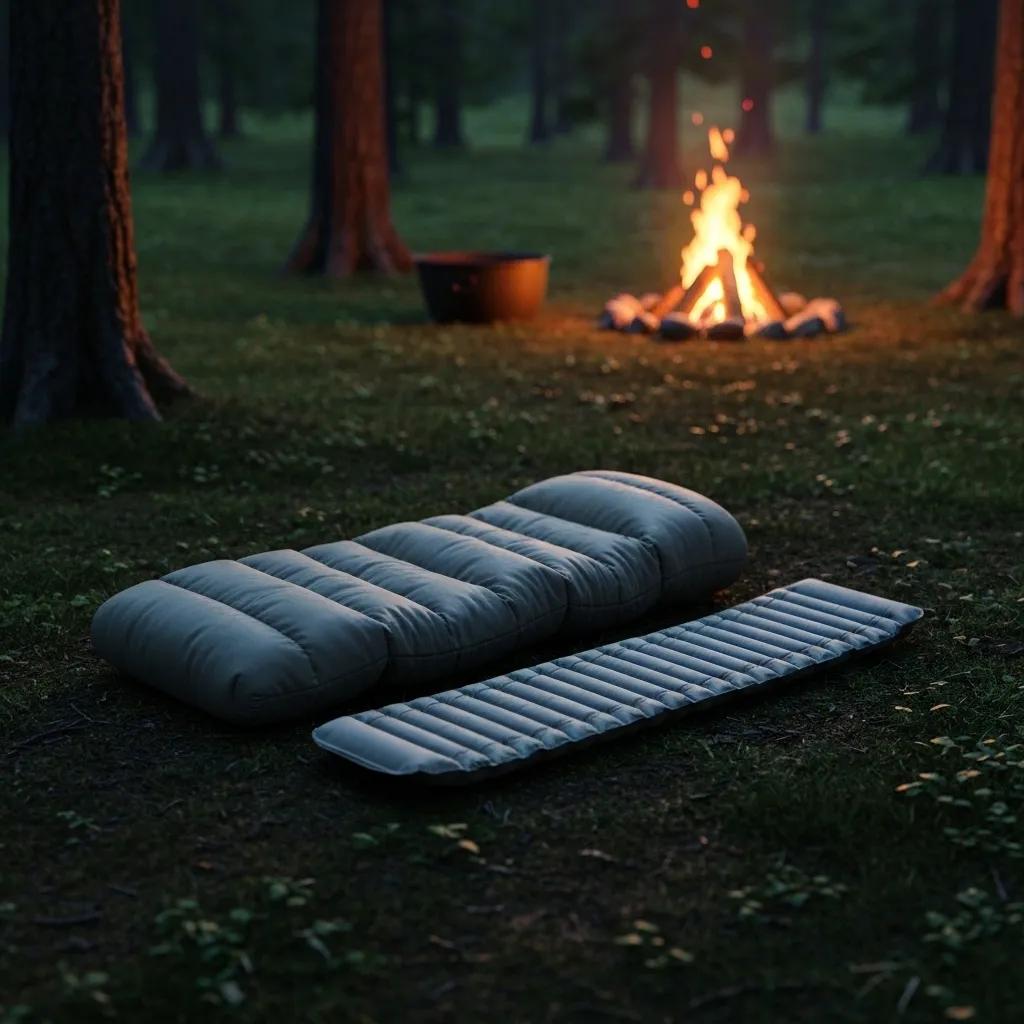
A high-quality sleeping bag and insulating pad work together to regulate your body temperature by trapping heat close to you while preventing heat loss to the cold ground. Matching the R-value to the expected nighttime temperatures will keep you energized for your daytime activities.
Selecting a sleeping bag and pad combination that suits the park’s temperatures ensures you’ll get undisturbed rest and have plenty of energy for your trail adventures.
What Cooking Equipment Should You Bring for National Park Camping?

A compact cooking kit allows you to transform raw ingredients into delicious meals with minimal setup time. Prioritizing versatile gear will reduce your load and streamline meal preparation.
- A propane camp stove with adjustable burners provides precise temperature control for a variety of meal options.
- A lightweight cookware set with nonstick surfaces makes cleaning easy and allows for compact storage.
- A multi-functional spork and folding cutting board combination helps reduce excess gear and simplifies meal prep.
A well-rounded cooking setup supports hearty meals at your campsite, which naturally leads into the next important step: preparing your checklist.
How Do You Prepare a National Park Camping Checklist?
A camping checklist helps organize essential items by category, ensuring you don’t forget any critical gear before you leave, which streamlines packing and reduces last-minute stress. For example, grouping items under categories like shelter, sleep, cooking, and safety speeds up preparation and guarantees you’re ready for anything.
What Are the 10 Essential Items for National Park Camping?
Below is a list of the top ten items every camper should pack to cover shelter, warmth, nutrition, and safety.
- A durable tent with a rainfly and footprint protects your group from the elements and ground moisture.
- A 20°F-rated sleeping bag paired with an insulated pad will maintain your body warmth during cool nights.
- A compact camp stove with fuel canisters provides hot meals and beverages without a heavy setup.
- A water filter or purification tablets guarantee access to clean drinking water in backcountry settings.
- A comprehensive first aid kit is essential for addressing injuries and common ailments, allowing for immediate care.
- A GPS device or a detailed map and compass will help you navigate park trails safely.
- A headlamp with extra batteries provides reliable illumination after dark.
- Layered clothing, including moisture-wicking base layers and insulating mid-layers, helps you adapt to changing temperatures.
- Sturdy hiking boots with ankle support protect your feet on varied terrain.
- A bear-resistant food container meets park regulations and keeps wildlife at a safe distance from your provisions.
Packing these ten core items forms the foundation of a well-prepared National Park camping excursion, which directly feeds into efficient packing strategies.
How to Pack Efficiently for a 3-Day National Park Camping Trip?
Efficient packing maximizes space and weight balance by prioritizing multi-use gear and organizing items by their intended daily use.
- Lay out all your items and categorize them by gear function to get a clear picture of your space requirements.
- Pack heavier gear, such as cookware and water containers, at the bottom of your backpack to ensure load stability.
- Utilize compression sacks for your sleeping bags and tents to reduce their overall volume.
- Store frequently used essentials, like headlamps and jackets, in easily accessible external pockets.
- Place food and cooking supplies in the center of your pack for even weight distribution and proper placement of bear canisters.
Adopting these packing strategies for a shorter trip will ensure quick setup at your campsite and comfortable carrying on the trails.
What Safety and Navigation Gear Is Essential for National Park Adventures?
Safety and navigation gear, such as first aid kits and trail tools, are crucial for protecting campers from hazards and preventing disorientation during outdoor exploration. Equipping yourself with these items before you depart will boost your confidence on unfamiliar terrain.
What Should a First Aid Kit for National Parks Include?
A comprehensive first aid kit should assemble essential medical supplies to address common injuries promptly. Customize your kit based on your group size and the remoteness of the park, ensuring all critical items are included.
- Adhesive bandages in various sizes are perfect for protecting cuts and blisters.
- Sterile gauze pads and medical tape are necessary for covering and securing larger wounds.
- Antiseptic wipes and antibiotic ointment help prevent infection in open injuries.
- Burn treatment gel can soothe skin damage from cooking or campfires.
- Tweezers and scissors are useful for removing splinters and adjusting bandages.
Equipping yourself with a robust first aid kit will support quick responses to minor incidents and lays the groundwork for reliable navigation precautions.
Which Navigation Tools Help You Explore National Park Trails Safely?
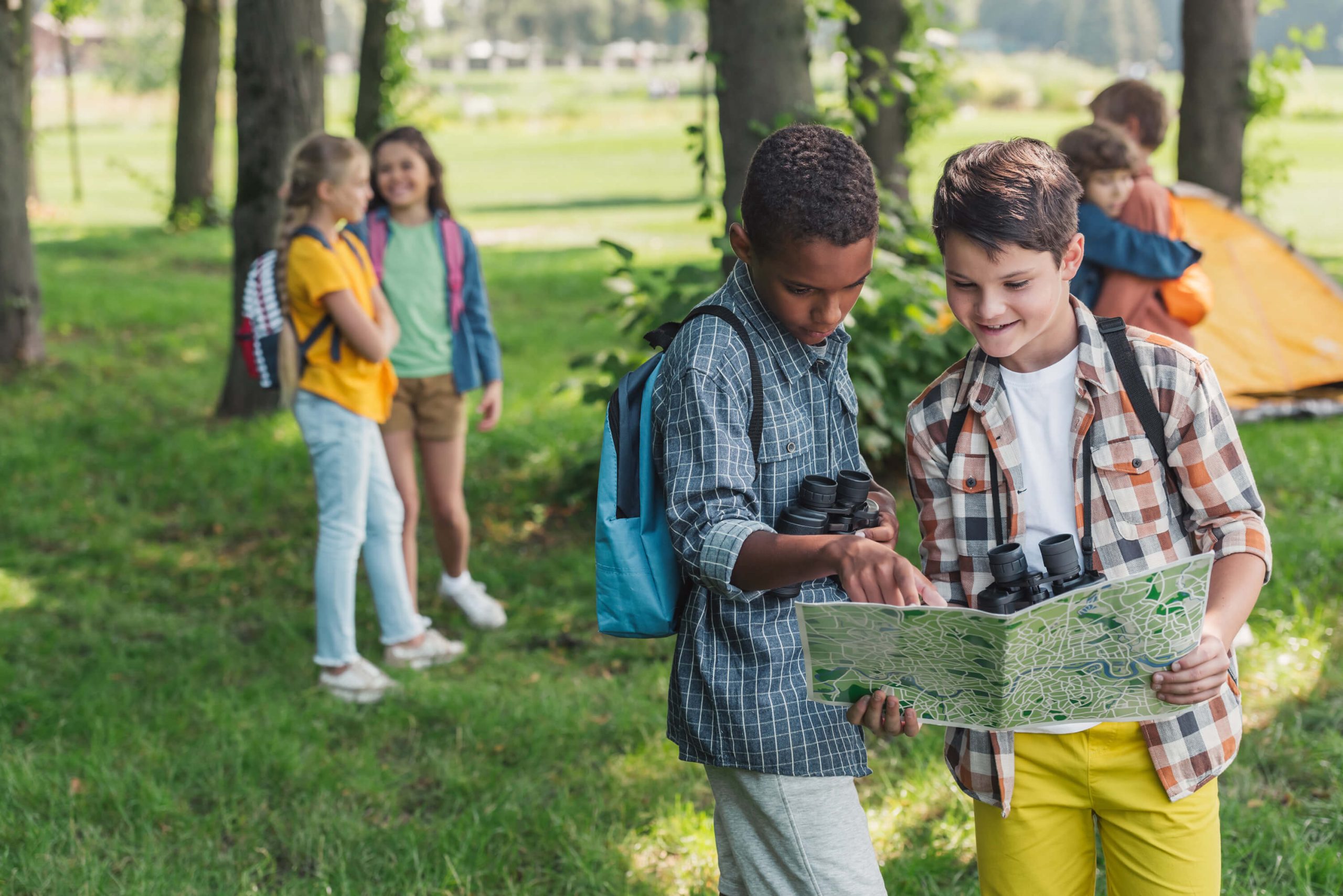
Navigation tools like a compass, topographic map, and GPS device are essential for guiding campers along trails and preventing disorientation. Combining redundant methods ensures reliable wayfinding.
- A detailed topographic map outlines elevation changes and landmarks, aiding in route planning.
- A magnetic compass complements digital tools by offering reliable direction without needing batteries.
- A GPS device with preloaded waypoints provides precise location tracking for backcountry routes.
- Trail apps like AllTrails allow you to store offline maps and access user-generated insights for additional context.
Combining analog and digital navigation tools ensures you have redundant orientation methods that enhance your safety outdoors.
How Should You Choose Clothing and Footwear for National Park Camping?
Selecting appropriate clothing and footwear optimizes your comfort and protection by aligning material properties with environmental conditions. The right apparel system will adapt to changing weather and help you conserve energy on the trail.
What Are the Best Clothing Layers for Changing National Park Weather?
Combining these three layers offers versatile temperature regulation and weather resilience, which guides the choice of proper footwear.
Which Hiking Boots Offer Comfort and Durability for National Park Trails?
Hiking boots with supportive soles and protective uppers are designed to reduce fatigue and shield your feet from rough terrain.
- Boots with Vibram soles deliver superior traction on rocky and wet surfaces.
- High-cut ankle designs provide added stability for navigating uneven trails.
- Waterproof leather uppers balance durability with moisture resistance.
- Lightweight synthetic hiking shoes are ideal for well-maintained campground loops and require less break-in time.
Opting for boots that balance traction, support, and waterproofing will enhance your performance on the trail and pair well with your layered clothing systems.
How Do National Park Regulations Affect Your Camping Gear Choices?
National Park regulations often dictate specific gear requirements designed to protect wildlife and preserve natural resources, which can shape how and what you pack. Adhering to these rules ensures compliance and promotes a responsible camping experience.
What Is the America the Beautiful Pass and How Does It Benefit Campers?
The America the Beautiful Pass grants unlimited access to over 2,000 federal recreation sites, streamlining entry fees and maximizing value for frequent visitors.
- This annual pass covers entrance fees at National Parks managed by the National Park Service.
- Pass holders can save on per-vehicle or per-person fees, making multiple visits more economical.
- Both printed and digital passes serve as valid proof of purchase at park entrances.
Securing this pass simplifies budgeting for entrance costs and encourages frequent exploration, setting the stage for gear considerations tied to park-specific rules.
What Gear Is Required for Bear Safety in Parks Like Yosemite and Grand Teton?
Bear safety gear, such as food storage containers and approved deterrents, is essential for reducing human-wildlife interactions and complying with park regulations.
- Bear-resistant canisters meet legal storage requirements and protect your provisions from wildlife access.
- Bear hang kits, complete with lightweight ropes, enable proper food suspension away from your campsite.
- An approved bear spray with a minimum 9.7-ounce capacity can deter aggressive wildlife at safe distances.
Equipping yourself with bear safety gear aligns with regulations in protected areas like Yosemite and Grand Teton and promotes responsible camping etiquette.
Ready to assemble your essential camping gear and reserve the perfect site? Explore families’ favorite campsites at Walnut Hills Family Campground and start planning your adventure today. Happy camping!