
Ohio Camping Essentials: Your Guide to Safe & Enjoyable Outdoor Adventures
Did you know Ohio welcomed over 1.1 million campers in 2024? Mastering Ohio’s camping rules and regulations ensures not only compliance with state standards but also a safe, enjoyable outdoor experience. In this guide, we’ll cover key state regulations, campfire safety and burning bans, permit and reservation processes, health and sanitation requirements, and Ridge Ranch Campground’s unique policies. Whether you’re planning a family getaway or a group retreat, you’ll gain the knowledge to protect resources, secure your reservation, and make the most of your stay under Ohio’s camping framework.
Key Ohio Camping Regulations Every Camper Should Know

Key regulations for camping in Ohio are official state policies enforced to protect natural resources, public health, and visitor safety. These rules cover check-in/out times, campsite occupancy, pet control, and noise limits to ensure a harmonious outdoor environment. For example, most Ohio State Parks limit groups to six campers per site, promoting low-impact recreation and efficient use of park amenities. Understanding these foundational requirements sets the stage for safe campfire practices and permit planning.
Which State Agencies Govern Camping Rules in Ohio?
The Ohio Department of Natural Resources (ODNR) and Ohio Department of Health (ODH) jointly establish and enforce camping regulations across state parks and private campgrounds. ODNR manages land use, fire safety, and wildlife protection, while ODH defines sanitation, water quality, and spacing standards.
Ohio’s camping regulations are established and enforced by the Ohio Department of Natural Resources (ODNR) and the Ohio Department of Health (ODH), ensuring environmental protection and public health standards are met. ODNR manages land use, fire safety, and wildlife protection, while ODH focuses on sanitation and water quality.
This dual oversight promotes consistent enforcement and aligns environmental goals with public health requirements, creating a reliable framework for all campers.
What Are the General Camping Policies for Ohio State Parks and Private Campgrounds?
Ohio’s general camping policies define the basic operational rules for both public and private sites to maintain order and safety. Campgrounds assign sites by reservation, set a maximum stay (typically 14 days), regulate generator use (limited hours), and restrict alcohol to responsible consumption areas.
Ohio State Parks require reservations, which can be made up to six months in advance, and have specific check-in (3 PM) and check-out (1 PM) times, as well as quiet hours from 10 PM to 7 AM. These policies are in place to maintain order and safety within the campgrounds.
These standards apply uniformly unless a facility enforces stricter guidelines to preserve local conditions. Clear adherence to these policies allows campers to plan visits without surprises and prepares them for specific campground variations, including those at Ridge Ranch Campground.
How Do Check-in, Check-out, and Quiet Hours Work in Ohio Campgrounds?
Campground operators require precise scheduling to manage site turnover and ensure restful nights for all guests. Check-in, check-out, and quiet hours form the backbone of this schedule:
Adhering to these timeframes balances site maintenance needs with guest comfort, and it also prepares you for occupancy limits that follow.
What Are the Campsite Occupancy and Vehicle Limits in Ohio?
Ohio regulations cap capacity to reduce resource strain and ensure safety. Campsite occupancy and vehicle limits include:
- A maximum of six campers per standard site.
- Up to two vehicles, including trailers, per site.
- One recreational vehicle (RV) plus one tow vehicle.
- Additional tents only with prior approval.
These restrictions maintain accessible space for emergency access and minimize wear on natural features. With occupancy and creature comfort addressed, fire safety becomes the next critical focus.
What Are the Pet Policies for Ohio Campgrounds?
Pets are welcome under controlled conditions to protect wildlife and fellow campers. General pet policies include:
- Pets must remain on a leash no longer than six feet.
- Owners are responsible for immediate waste cleanup in designated receptacles.
- Vaccination records may be required upon request.
- Certain areas (e.g., beaches or sensitive habitats) restrict pet access.
Respecting these pet controls reduces conflicts with wildlife and maintains campground cleanliness, setting the stage for responsible campfire management.
Ohio’s Campfire Safety Rules and Open Burning Regulations

Ohio’s campfire safety rules and open burning regulations preserve air quality, prevent wildfires, and safeguard campers.
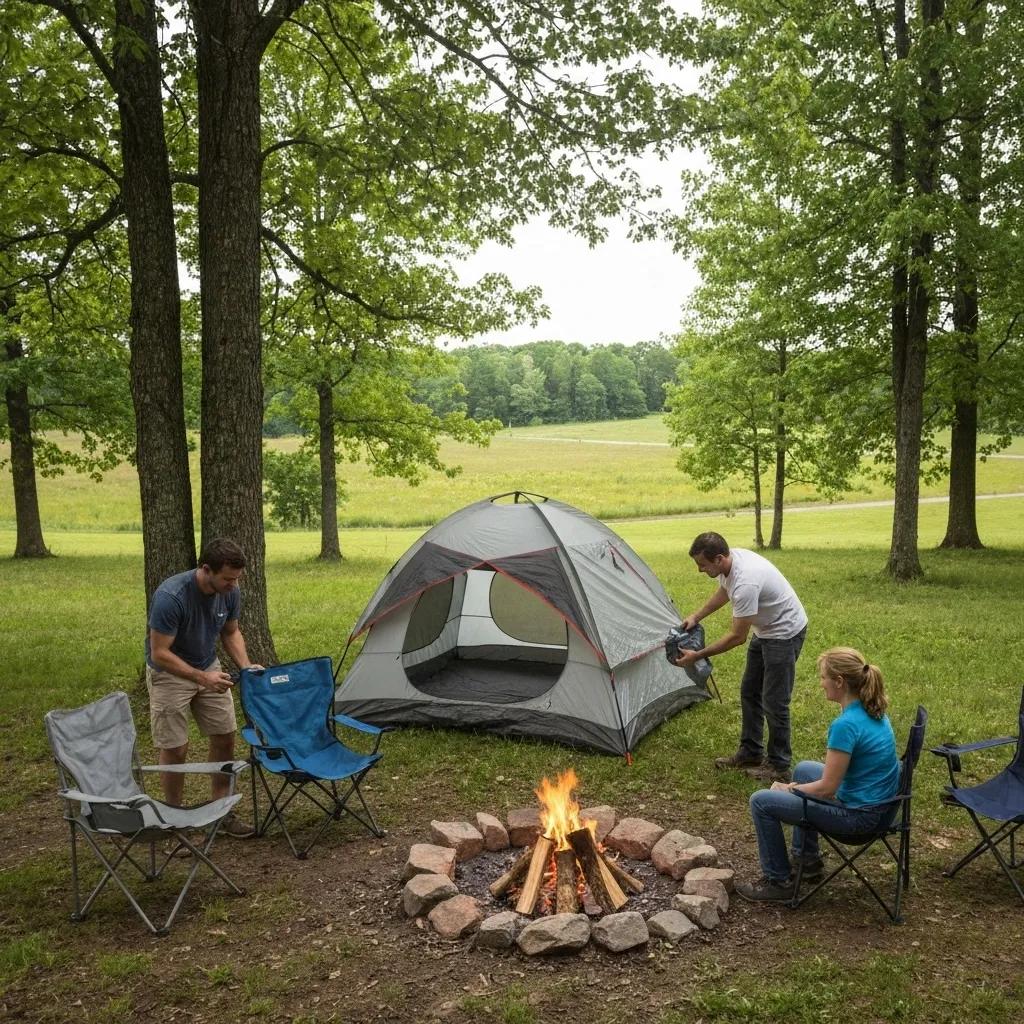
Campfires in Ohio must be contained within approved fire rings and use only untreated, dry firewood. Open burning is restricted during high-risk periods, typically March, April, May, October, and November, and is prohibited daily from 6 AM to 6 PM.
The law bans most outdoor burning during high-risk periods and requires campfires to remain contained in approved fire rings. By following state guidelines, you protect forested areas and your own campsite, paving the way for secure fire construction and extinguishment.
When Are Open Burning Bans Enforced in Ohio?
Open burning bans apply statewide in unincorporated areas during high-fire-risk seasons. The common restrictions are:
- Prohibited March, April, May, October, and November.
- Bans active daily from 6 AM to 6 PM.
- State agencies may extend or shorten bans based on local weather data.
Knowing ban schedules prevents fines and supports resource protection. Once bans lift, recreational fire guidelines ensure safe use of fire rings.
What Are the Guidelines for Recreational Fires and Fire Rings?
Recreational fires must occur in pre-approved rings or pits meeting safety criteria:
- Fire rings must be at least 16 inches high and surrounded by noncombustible material.
- Maximum fire diameter of 3 feet.
- Only untreated, dry wood is permitted.
- Continuous supervision by an adult at all times.
These containment measures reduce drift of embers and promote clear accountability, guiding campers toward proper fire construction and eventual extinguishment.
How Can Campers Safely Build and Extinguish Campfires?
Building and extinguishing a campfire safely involves step-by-step attention:
- Select a cleared area at least 10 feet from flammable materials.
- Arrange small kindling first, then add larger wood progressively.
- Keep water or a fire extinguisher on hand during burning.
- Fully douse embers with water, stirring until no steam or heat remains.
- Scatter cooled ashes to prevent rekindling.
Following these steps minimizes risk of stray sparks and ensures campsites are ready for the next visitor. Restrictions on burn materials further refine these practices.
What Materials Are Prohibited for Burning in Ohio Campgrounds?
Ohio law explicitly forbids burning items that release toxic fumes or persistent embers:
- Plastics and synthetic materials.
- Garbage, rubber, and tires.
- Treated or painted lumber.
Eliminating hazardous fuels prevents pollution and reduces wildfire hazards, leading naturally to seasonal and time restrictions on fires.
What Are the Seasonal and Time Restrictions for Fires?
Campfire seasons and time restrictions focus on risk reduction:
- Recreational fires are allowed year-round when no ban is active.
- Fires must be fully extinguished by quiet hours (10 PM).
- Extended burn bans may occur during drought declarations.
Awareness of these windows ensures compliance and enhances overall campground safety.
When Do You Need Camping Permits and How Do Reservations Work in Ohio?
Understanding when permits are required and how reservations operate ensures you secure a legal campsite without last-minute issues. Most developed sites use a reservation system, while primitive or dispersed camping often demands a separate permit. Clear familiarity with both processes supports seamless trip planning.
Do You Need a Permit to Camp in Ohio State Parks or Forests?
For developed campsites in state parks, a reservation takes the place of a permit. However, primitive or dispersed camping in state forests requires a permit issued by ODNR. This permit tracks usage in remote areas and helps manage environmental impact. With permit criteria clarified, you can choose the right camping style.
How Does the Ohio State Parks Reservation System Operate?
Ohio State Parks reservation operates through an online portal and phone service. Key features include:
- Site availability calendar with real-time updates.
- Fees processed via credit card.
- Option to modify or cancel up to 48 hours in advance.
- Peak season holds opening six months prior.
A transparent booking window and clear fee schedule support reliable campground planning.
What Is the Process for Making Reservations at Ridge Ranch Campground?
Ridge Ranch Campground’s reservation process combines ease and flexibility:
- Visit the Ridge Ranch reservation page.
- Select dates and campsite type.
- Review site amenities and restrictions.
- Complete payment and receive instant confirmation.
- Modify bookings online or via phone up to 72 hours before arrival.
This user-friendly flow aligns with state park systems, ensuring campers lock in spots well before peak dates.
What Are the Rules for Primitive and Dispersed Camping Permits in Ohio?
Primitive and dispersed camping permits include:
- Application submitted through the ODNR website.
- Fee based on region and duration (typically $10–$25 per permit).
- Limits on group size (often six people).
- Requirement to camp at least 200 feet from water sources and trails.
This structured approach balances remote access with resource conservation, completing the reservation landscape.
Health, Sanitation, and Environmental Guidelines for Ohio Campers
Health and sanitation rules maintain clean campsites and protect drinking water. Environmental guidelines help preserve ecosystems and wildlife habitats. By managing waste, spacing sites properly, and following wildlife protocols, campers support Leave No Trace principles and overall campground health.
How Should Waste Disposal and Littering Be Managed at Ohio Campgrounds?
Proper waste management reduces pollution and wildlife conflicts. Campers should:
- Pack out all refuse not accepted by campground bins.
- Use designated recycling and trash receptacles.
- Bury organic waste (peels, cores) in a cathole at least 6 inches deep.
- Secure food waste in bear-proof containers if required.
These practices keep sites clean for everyone and protect local flora and fauna, guiding us into spacing and sanitation standards.
What Are the Ohio Department of Health’s Campsite Spacing and Sanitation Requirements?
Campsite layout and facilities must meet minimum health standards:
Adequate spacing and sanitation reduce disease risk and ensure comfortable privacy, setting the groundwork for wildlife safety.
How Should Campers Interact Safely with Wildlife in Ohio?
Safe wildlife interaction protects both visitors and animals:
- Observe from at least 50 feet away.
- Never feed or approach wild animals.
- Store food in secure containers or vehicles.
- Report aggressive or injured animals to park staff.
Respectful wildlife protocols preserve natural behavior and prevent dangerous encounters, leading into emergency procedures.
What Emergency Procedures and Contacts Should Campers Know?
Prepared campers know who to call and where to go in a crisis:
- Dial 911 for life-threatening emergencies.
- Contact the nearest park ranger using posted station numbers.
- Note campground host or office phone on arrival.
- Keep a printed map of trails and nearest medical facilities.
Prompt access to these contacts enhances response speed, complementing broader environmental stewardship.
What Are the Leave No Trace Principles for Ohio Camping?
Leave No Trace principles guide minimal impact camping:
- Plan ahead and prepare.
- Travel and camp on durable surfaces.
- Dispose of waste properly.
- Leave what you find.
- Minimize campfire impacts.
- Respect wildlife.
- Be considerate of other visitors.
Applying these principles ensures natural areas remain pristine for future visitors, reinforcing the overall safety and compliance framework.
Unique Rules and Policies at Ridge Ranch Campground
Ridge Ranch Campground enhances Ohio’s baseline regulations with tailored policies that support a family-friendly and orderly environment.
Ridge Ranch Campground enforces specific pet policies, including leashes and waste cleanup, and maintains quiet hours from 10 PM to 7 AM. The campground also has a reservation system for securing campsites.
By specifying pet zones, visitor sign-in, facility usage rules, and an intuitive reservation system, Ridge Ranch provides clarity and convenience for every guest.
What Are Ridge Ranch Campground’s Specific Pet Policies?
Ridge Ranch allows pets under structured guidelines:
- Dogs and cats welcome in designated pet areas.
- Maximum of two pets per site with a nominal fee.
- Pets must remain on a six-foot leash at all times.
- Waste must be bagged and placed in receptacles by the dog run.
These targeted measures protect both guests and the property, leading into quiet hours and visitor protocols.
How Do Ridge Ranch Quiet Hours and Visitor Policies Differ?
Ridge Ranch enforces quiet hours from 10 PM to 7 AM with added visitor control:
- All non-registered visitors must sign in at the office.
- Maximum of four day guests per campsite.
- Noise levels monitored; amplified sound prohibited.
- After-hours arrivals require prior notification.
These visitor guidelines build on state standards to preserve tranquility and security.
What Facility Usage Guidelines Should Visitors Follow at Ridge Ranch?
Ridge Ranch amenities operate under specific rules:
- Restrooms and showers open 6 AM–10 PM; please leave them clean.
- Playground and picnic areas available sunrise to sunset.
- Fire pits provided; use only approved wood and follow fire safety tips.
- Parking limited to one vehicle plus tow; overflow lot available.
Clear facility instructions support smooth operation and enjoyable communal spaces.
How Can Campers Complete Online Reservations at Ridge Ranch?
Securing a Ridge Ranch campsite happens in a few clicks:
- Access the Ridge Ranch reservation portal.
- Choose desired dates and campsite type.
- Enter guest details and pet information if applicable.
- Submit payment to confirm the booking.
- Receive a digital confirmation and campsite map.
A streamlined process ensures campers focus on trip preparation rather than logistical hurdles.
Frequently Asked Questions About Ohio Camping Rules
Is It Legal to Camp Anywhere in Ohio?
No, camping is restricted to designated sites within state parks, national forests, and authorized private campgrounds. Dispersed camping on public lands is allowed only with a valid ODNR permit, ensuring protection of natural resources.
What Are the Quiet Hours in Ohio State Parks?
Quiet hours in Ohio State Parks run from 10 PM to 7 AM to preserve a peaceful environment and allow all visitors adequate rest. Private campgrounds, including Ridge Ranch, adopt the same schedule for consistency.
Do You Need a Permit to Camp in Ohio?
For most developed campsites, a reservation fulfills permit requirements. However, primitive or dispersed camping in state forests mandates a separate permit issued by ODNR, regulating use in remote areas.
What Are the Rules for Campfires in Ohio?
Campfires must be contained within approved fire rings or pits, use only untreated, dry firewood, and remain continuously supervised. All embers must be fully extinguished with water before quiet hours begin.
What Are the Pet Rules for Ohio Campgrounds?
Pets must be kept on a leash no longer than six feet, remain under control, and all waste must be promptly removed and placed in designated receptacles. Vaccination records may be inspected to ensure public health protection.
Understanding and following Ohio camping regulations supports environmental stewardship, personal safety, and an enjoyable stay at Ridge Ranch Campground. By adhering to state guidelines on permits, campfires, and health standards, campers can focus on outdoor recreation with peace of mind. Ridge Ranch’s specific pet, quiet hour, and reservation policies further enhance a family-friendly experience. Plan your next adventure responsibly and secure your campsite for a seamless stay.