

Uncover the Real Costs: Are There Hidden Fees When Booking Ohio State Campgrounds?
Hidden fees in campground bookings refer to charges that aren’t clearly laid out when you reserve, like extra surcharges, mandatory taxes, or optional service fees that unexpectedly bump up the final price. This guide dives into what “hidden fees” look like for Ohio camping, why they pop up, and how to spot and sidestep them when booking Ohio State Parks or private spots. You’ll learn the basic costs for Ohio State Parks, common extras that can feel like surprises, smart ways to confirm the full price, and a direct comparison with a private gem—Ridge Ranch Campground by GatherGrounds. We’ll also cover reservation policies, discount opportunities, and real-world examples to help families and budget-savvy campers book with confidence. By the end, you’ll have a handy checklist to prevent surprises and clear, practical comparisons that include state fees and what Ridge Ranch offers.
What Are the Standard Camping Fees at Ohio State Parks?
Standard camping fees at Ohio State Parks typically include a per-reservation administrative charge, a nightly site rate based on the type of site, and any applicable taxes or mandated user fees. These components combine to form the upfront cost and the final amount you’ll pay. The system works like this: a reservation fee is applied once per booking, nightly rates differ based on site amenities, and taxes or permit surcharges are added during checkout to reach the total cost. Understanding each part helps campers estimate expenses and compare options between public and private sites. Here are the main fee components you should expect when booking an Ohio State Park site.
Here’s a breakdown of the main fee components in simple terms:
- Reservation fee: A one-time charge per booking to cover administration and system costs.
- Nightly rate: Varies depending on the site type (tent, electric, full hookup).
- Taxes and permits: State or local taxes and any required park user or permit charges added at checkout.
- Optional extras: Fees for things like extra vehicles, pets, or amenity rentals.
This list gives you a clear picture of what to anticipate. The next section will detail the mandatory reservation fee so you can factor it into your booking calculations.
What Is the Mandatory Reservation Fee for Ohio State Parks?
The mandatory reservation fee is a set administrative charge applied to each booking to cover the costs of processing and maintaining the reservation system. It appears as a distinct line item during the checkout process. This fee is charged once per reservation, not per night. This means longer stays effectively lower the per-night impact of the fee, while shorter stays will see it represent a larger portion of the total cost. Campers can benefit from calculating an example: a one-night site at $25 plus a reservation fee increases the total by the exact administrative amount. For a three-night stay, the same fee is spread across the nights, reducing its incremental impact. Understanding that this charge is per reservation prevents misinterpreting it as a nightly surcharge and is crucial when comparing costs with private campgrounds.
How Do Nightly Rates Vary by Site Type in Ohio State Parks?
Nightly rates differ primarily based on the site category—non-electric tent sites, electric campsites, and RV sites with full hookups—due to varying infrastructure and maintenance expenses. Tent sites are generally at the lower end of the price range, electric campsites fall in the middle, and full-hookup RV sites command higher rates because they include water, sewer, and electrical services. These rates can fluctuate depending on the specific park, the season, and whether there are special events. Campers should anticipate these variations and check the rate tables for specific parks when budgeting. Comparing these ranges with private options can help families find the best balance between amenities and price.
Here’s a quick look at common Ohio State Parks fee components in a structured format to simplify comparison and calculations before booking:
This table helps you clearly see the building blocks of the cost and prepares you to estimate a real booking cost. Next, we’ll look at the typical extra charges you might encounter beyond the basic line-item fees.
What Additional Charges Might Campers Encounter at Ohio State Parks?
Additional charges at state parks can include fees for pets, extra vehicles, equipment or amenity rentals, and charges for specific facilities. While often optional, these can feel like hidden costs if not carefully reviewed on the reservation screen. The reason these charges can feel hidden is that they might be listed under policy pages or as optional checkboxes rather than being integrated into the initial nightly rate, leading to sticker shock at checkout. Campers should always verify pet and vehicle policies, note the availability of amenity rentals, and check if fuel, boat launch, or fishing permits apply to their stay. Confirming these optional extras before payment helps prevent last-minute surprises and ensures accurate budget planning.
Which Discounts Are Available for Ohio State Park Campers?
Discounts for Ohio State Park campers commonly include reductions for military personnel, seniors, or extended stays, and occasionally seasonal promotions that lower the per-night cost or waive certain fees for eligible visitors. The process for claiming discounts varies: some require verification during booking, others apply automatically for longer reservations, and a few might need proof upon arrival. Campers should check eligibility requirements, apply discount codes or verification during the reservation process, and consider visiting during off-peak times to secure lower rates. Knowing about available discounts allows families and budget travelers to reduce their effective nightly costs and makes comparisons with private campground offerings more accurate.
How Does Ridge Ranch Campground’s Pricing Compare to Ohio State Parks?

When comparing Ridge Ranch Campground’s pricing to Ohio State Parks, the key difference lies in what’s included in the private campground’s base rate versus the state’s itemized charges. Private campgrounds often bundle amenities that state parks charge for separately. Ridge Ranch offers a family camping experience with RV sites (many with full hookups), tent sites, and seasonal sites spread across a 76-acre property that features a 17-acre lake and a sandy beach. These inclusions significantly alter the value proposition compared to a state park, where specific extras might incur additional costs. The typical private campground model includes optional rentals or premium site upgrades as separate charges but may incorporate basic amenity access into the base price, simplifying budgeting for families.
Here’s a comparison of site types and common inclusions to help you directly compare a Ridge Ranch base offering with a typical Ohio State Park site:
This comparison highlights that Ridge Ranch’s base rate often includes access to community amenities that state parks might bill separately, making bundled private offerings particularly attractive for families. The next subsection details exactly what is typically covered by Ridge Ranch’s base pricing to inform your direct comparisons.
What Is Included in Ridge Ranch Campground’s Base Rates?
Ridge Ranch Campground’s base rates for its family camping experience generally include access to the property’s core amenities. This means you get to enjoy the 17-acre lake and sandy beach, playgrounds, horseshoes, volleyball, and basketball courts, as well as planned family events. These inclusions allow guests to use common recreational features without paying separate entry fees, simplifying budgeting and often increasing the perceived value for families. The campground’s approach is to bundle these features: amenity access is integrated into the site price rather than itemizing each activity as a separate charge. Knowing which items are bundled helps reduce surprise expenses compared to booking at locations where such amenities are add-ons.
Are There Any Optional Add-Ons or Extra Fees at Ridge Ranch?
Optional add-ons at Ridge Ranch typically include equipment rentals (like for paddleboats or canoes), premium site upgrades, and fees associated with special events or premium amenities. These are clearly disclosed during the booking process and at check-in. The reason for these optional charges is to maintain baseline affordability while allowing guests to purchase enhanced experiences. Clear disclosure during booking ensures transparency. Campers benefit from reviewing the itemized breakdown when reserving to see which recreational rentals are optional and which amenities are covered by the base rate. Clear communication about add-ons supports informed decisions and helps avoid late-stage pricing surprises.
How Do Ridge Ranch’s Rates Reflect Its Value and Amenities?
Ridge Ranch’s rates reflect its value through bundled access to family-oriented amenities and through planned investments that enhance the guest experience, such as upcoming entertainment options and renovations that add long-term value. The campground’s convenient location near Interstate-80 and its on-site offerings provide both convenience and a variety of programmed activities that can offset separate charges at other locations. Evaluating the cost against the included amenities allows families to estimate their total weekend spending for activities, equipment rentals, and site fees, making it easier to compare with a state park stay. Understanding this value proposition helps campers choose the option that best aligns with their budget and desired activities.
Are There Hidden Fees When Booking Ohio State Campgrounds?
Hidden fees aren’t usually a deliberate mystery but often stem from how charges are itemized—mandatory administrative fees, taxes, and optional extras presented separately during checkout rather than bundled into a single price. The perception of hidden fees arises from where disclosures are placed: when taxes, reservation fees, or optional extras appear late in the booking process, campers may feel surprised. Understanding these mechanics gives you control over final cost estimates and enables direct comparisons between providers. Below are common misconceptions and a practical checklist to help you spot and avoid concealed charges.
Here are some common misconceptions, debunked to clear up confusion:
- “State parks deliberately hide fees”: State systems typically separate administrative reservation fees and taxes for clarity, not to conceal them.
- “Private campgrounds always add undisclosed charges”: Many private campgrounds bundle amenities and clearly disclose optional rentals during the booking process.
- “Reservation fees mean higher nightly rates”: Reservation fees are administrative charges applied per booking, not per night, so their per-night impact varies.
These clarifications should ease concerns and lead into concrete avoidance steps in the next section.
What Common Misconceptions Exist About Hidden Fees in Ohio Campgrounds?
Many campers believe that hidden fees are intentional deceptions. However, more often, the issue is the unclear presentation of legitimate charges like reservation fees, taxes, or optional amenities. This misconception arises from varied fee labeling and different booking platforms that reveal costs at different stages of the process. Correcting these beliefs is important because accurate expectations reduce booking friction and potential disputes. Recognizing which charges are mandatory versus optional is the first step to dispelling myths about intentional fee hiding.
How Can Campers Identify and Avoid Hidden Fees Before Booking?
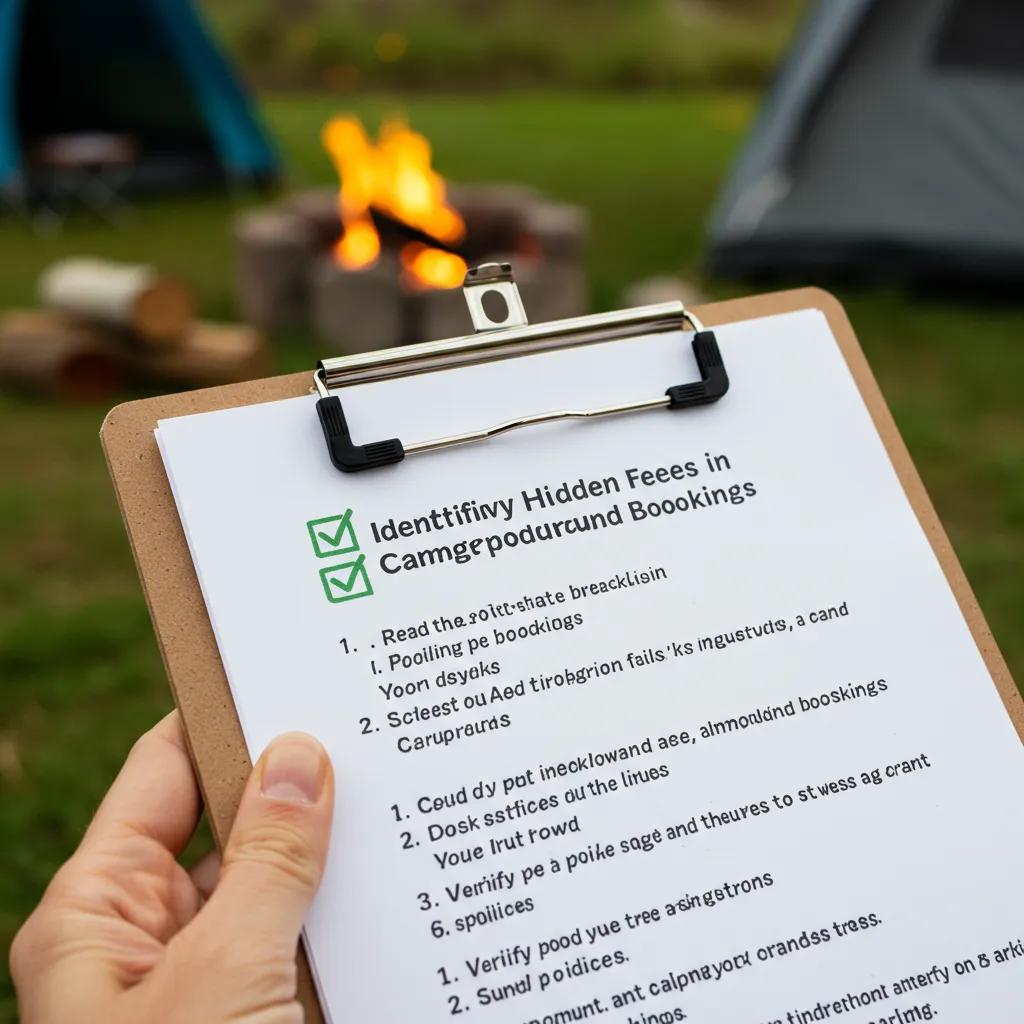
Campers can avoid hidden fees by following a simple pre-booking checklist: carefully read the rate breakdown, confirm whether reservation and taxes are applied per booking or per night, verify vehicle and pet policies, and check the visibility of optional add-ons during checkout. The key here is proactive verification—ask specific questions or capture screenshots of booking summaries to have proof of quoted prices. Use this checklist before finalizing payment to compare total costs across providers and booking platforms, and always request clarification if any components are unclear. These steps significantly reduce the chance of surprise charges and simplify post-booking reconciliation.
Here’s a checklist to help you identify potential hidden charges:
- Thoroughly read the full rate breakdown displayed on the booking page.
- Confirm whether reservation fees are charged per booking or per night.
- Verify policies and fees for pets, extra vehicles, and amenity rentals.
- Take a screenshot or save the quoted total before completing your payment.
After using this checklist, you’ll be well-equipped to compare direct and third-party booking flows, which is the focus of the next subsection.
How Do Reservation Policies Affect Fee Transparency?
Reservation policies—including cancellation windows, deposit requirements, and rules from third-party platforms—impact fee transparency by dictating when fees are refundable, when deposits become non-refundable charges, and how surcharges are displayed. The mechanism that often causes confusion involves third-party platforms that may add their own service fees or bury refund rules within lengthy policy texts. Booking directly or confirming policy details with the campground itself clarifies how reservation fees and cancellation penalties are handled. A thorough review of policies before payment minimizes disputes and makes fee treatment predictable.
What Are the Key Differences Between Public and Private Campground Fees in Ohio?
Public and private campground fee structures differ mainly in how they bundle services, their billing styles, and what amenities are included. Public parks commonly separate administrative reservation fees and charge for certain rentals, while private campgrounds frequently bundle amenity access into their site rates and itemize premium upgrades. These different approaches stem from their operational models: state systems standardize fees across many parks, while private operators adjust pricing to reflect their specific amenities and service levels. Understanding these underlying reasons helps campers choose based on whether they prefer predictable, standard fees or an all-inclusive experience. Here are the clear distinctions and how they affect the overall perception of cost.
Here are the key differences, presented in a simple list for clarity:
- Public parks: Feature a standardized reservation fee plus a nightly rate; optional amenities are often billed separately.
- Private campgrounds: Offer variable base rates that may include amenity access; optional premium upgrades are available.
- Booking experience: Public systems prioritize consistency; private operators might offer more flexible promotions and personalized service.
These distinctions will help you prepare for seasonal pricing dynamics, which we’ll discuss next.
How Do Seasonal and Weekend Rates Impact Ohio Campground Pricing?
Seasonal and weekend rates influence pricing by increasing nightly rates during peak periods and holidays. Both public and private campgrounds adjust their prices based on demand and local events. This is a mechanism of demand-driven pricing: weekends and summer holidays command higher rates, while midweek and shoulder seasons often offer lower prices or promotions. Campers can reduce costs by shifting their travel dates to off-peak periods or booking extended stays, which sometimes unlock discounted rates. Being aware of seasonal pricing patterns enables better planning and potential savings.
What Are the Reservation System Experiences for Ohio State Parks vs. Private Campgrounds?
Reservation system experiences vary in terms of site detail, imagery, and customer support. State park platforms may focus on uniformity and availability calendars, while private campgrounds often provide richer site photos, live availability details, and direct customer support. The advantage of private systems is often clearer site selection and the ability to ask direct questions about fees or pet policies. Conversely, state systems can offer broad availability across numerous parks with standardized rules. Understanding these differences in experience helps campers choose the booking path that offers the most transparency for them.
How Do Amenities Influence Pricing Differences Between Campground Types?
Amenities influence pricing by altering the perceived and actual value of a stay. Features like pools, waterparks, organized events, and included activities can increase private campground rates but often reduce separate out-of-pocket spending for families. Ridge Ranch’s planned Wibit waterpark and arcade (opening in 2026), along with its current recreational offerings, exemplify how added features can justify different rate structures. Bundled amenities can simplify budgeting for a family camping trip by minimizing the need for separate activity purchases. Evaluating amenity-driven value supports better comparisons between public and private options.
How Can Campers Maximize Value and Discounts When Booking Ohio Campgrounds?
Campers can maximize value by timing their reservations for off-peak dates, booking directly to avoid third-party fees, utilizing available discounts, and comparing the value of bundled amenities versus pay-as-you-go pricing. The key to savings lies in strategic selection: midweek or shoulder-season stays reduce base rates, while extended-night bookings and verified discounts lower the average cost per night. This section outlines tactical steps and examples to help campers reduce total spending and enhance the quality of their stay. The practical steps below make these choices actionable.
Here are some practical saving tactics in a clear list format:
- Book midweek or during off-peak seasons to access lower nightly rates and reduced demand surcharges.
- Reserve longer stays to spread fixed reservation fees over more nights.
- Compare the value of bundled amenities at private campgrounds against the pay-as-you-go charges at state parks.
These tactics are effective whether you choose a state park or a private campground like Ridge Ranch. The next subsection will highlight Ridge Ranch-specific offers.
What Discounts and Special Offers Does Ridge Ranch Campground Provide?
Ridge Ranch Campground offers opportunities typical of private operators, such as seasonal promotions, event-based offers, and targeted discounts designed to enhance the family camping experience. Campers should check the campground’s rates or promotions page to view current offers. These discounts work by reducing the base rate or bundling in special offers that increase the overall value of a stay. They are commonly updated to reflect demand cycles or holidays. The practical step is to verify current offers when booking and to use direct booking channels for the most transparent view of applied discounts. Clicking “View Rates” or “Book Now” on the campground’s booking page will display any active promotions at the time of reservation.
Here’s a table categorizing typical discount types and their eligibility so readers can quickly identify potential savings avenues:
This table makes discount types easy to scan and helps campers take advantage of savings opportunities during the booking process.
How Can Campers Find Deals on Ohio State Park Reservations?
Campers can find deals on state park reservations by monitoring off-peak availability, checking for extended-stay discounts, and watching cancellation windows, which sometimes free up lower-priced sites. The key to savings here is flexibility—being open to shifting dates or monitoring cancellations increases your chances of securing lower rates. Extended stays and certain eligibility discounts (military, senior) can also reduce per-night costs. Combining timing strategies with eligibility checks yields the best state park bargains.
Why Is Direct Booking Recommended for Transparent Pricing?
Direct booking is recommended because it typically provides the clearest line-item view of fees, immediate answers from operator support, and fewer surprise third-party service charges. Direct channels allow campers to confirm reservation fees, taxes, and optional add-ons before payment. The mechanism is direct communication and unmediated pricing display, which reduces ambiguity about what is included in the base rate and what is optional. Campers should use direct booking to request written confirmations or screenshots of the price breakdown for their records. Direct booking minimizes the risk of hidden fees arising from third-party platform markups or delayed disclosures.
What Are the Official Ohio State Park Reservation Policies and Fees Explained?
Official Ohio State Park reservation policies combine a transparent administrative reservation fee, defined cancellation windows, and published refund policies that govern how fees are handled when plans change. The mechanism for fee administration is policy-driven: reservation systems present fees and policy language during checkout, and these rules determine refundability and penalty amounts. Understanding the official framework provides campers with predictable expectations for how reservation fees and taxes will be handled if changes or cancellations occur. Below, we summarize the fee structure, cancellation rules, and where to verify authoritative details.
How Does the Ohio Department of Natural Resources Structure Reservation Fees?
The Ohio Department of Natural Resources structures reservation fees as a fixed administrative charge applied per reservation to cover processing and system costs. This fee is presented separately from nightly rates to support transparent accounting. The mechanism for this structure is uniformity across the state reservation system, ensuring campers can expect consistent application regardless of the specific park. Campers benefit by adding this fee to their pre-booking calculations so that the total cost estimate is accurate before payment. Confirming this charge during the booking flow prevents surprises.
What Are the Cancellation and Refund Policies for Ohio State Parks?
Cancellation and refund policies typically specify windows for penalty-free cancellations, partial refunds based on timing, and conditions under which reservation fees or deposits are retained. These policies are enforced according to the reservation terms presented at the time of booking. The mechanism is contractual: the reservation confirmation includes terms that define eligibility for refunds and any assessed cancellation fees. Campers should read the cancellation section carefully, note key dates that affect refundability, and document confirmations to avoid misunderstandings. Clear policy review supports decision-making when travel plans shift.
Where Can Campers Find Official Ohio State Park Fee Information?
Campers can find official Ohio State Park fee information on the reservation portal and ODNR-authorized pages, which present rate tables, policy summaries, and fee definitions. This allows them to verify the reservation fee and nightly rates before payment. The mechanism is direct verification: consult official publications or the state reservation portal for the most current figures and policy language. Confirming official fee information prior to booking ensures that the numbers used for budgeting reflect current policy and avoids reliance on secondary summaries. Verifying official sources is the final step before committing to payment.
How Is Ridge Ranch Campground Enhancing Guest Experience Through Amenities and Pricing Transparency?
Ridge Ranch Campground is enhancing the guest experience by bundling family-focused amenities into its offerings and maintaining clear disclosures about what is included versus optional. This approach supports a straightforward budgeting experience for guests. The mechanism involves combining property improvements with transparent rate presentation so families understand the full cost of a stay and the activities included in their base rate. This strategy aligns the family camping experience with predictable billing and planned value additions. The following subsections cover planned amenities, transparency practices, and camper feedback.
What New Amenities Are Planned at Ridge Ranch Campground?
Planned amenities at Ridge Ranch include a Wibit waterpark and an arcade, both slated for completion in 2026. Additionally, ongoing renovations to the property are designed to enhance family activity options and overall guest enjoyment. The strategy behind these planned investments is to increase on-site recreational value and attract families seeking a consolidated activity experience without incurring external expenses. These additions shift the value proposition by integrating entertainment directly into the stay, which impacts rate comparisons with facilities that charge per activity. Anticipating these upgrades helps families factor future amenity value into their long-term planning.
How Does Ridge Ranch Maintain Transparent Pricing Practices?
Ridge Ranch maintains transparent pricing practices by presenting clear base-rate descriptions, itemizing optional add-ons during the booking process, and communicating which amenities are included with the family camping experience. This allows guests to accurately calculate expected totals. The mechanism of disclosure is straightforward labeling: base inclusions are shown upfront, and rentals or premium upgrades are listed as optional line items. This clarity prevents surprises at checkout and fosters trust with guests who prefer to know exactly what their rate covers. Consistent, itemized descriptions reduce the perception of hidden fees.
What Do Campers Say About Ridge Ranch’s Value and Fee Transparency?
Campers evaluating Ridge Ranch’s value typically highlight the convenience of bundled amenities and the predictability of costs when base-rate inclusions align with family activity needs. This makes budgeting for a weekend simpler than managing multiple separate add-on purchases. The mechanism by which this positive sentiment forms is the alignment of expectations—when a campground clearly communicates its inclusions, guests assess value based on the total experience rather than individual charges. Encouraging direct feedback and visible pricing builds stronger trust and helps future guests make informed comparisons between state and private options.
Frequently Asked Questions
What should I consider when comparing public and private campgrounds in Ohio?
When comparing public and private campgrounds in Ohio, consider factors such as fee structures, included amenities, and overall value. Public campgrounds often have standardized fees and may charge separately for amenities, while private campgrounds typically bundle amenities into their base rates. Additionally, evaluate the booking experience, as private campgrounds may offer more detailed site information and customer support. Understanding these differences can help you choose the best option for your camping needs and budget.
How can I ensure I’m getting the best deal on campground reservations?
To secure the best deal on campground reservations, consider booking during off-peak times, such as weekdays or shoulder seasons, when rates are typically lower. Look for extended-stay discounts, which can reduce the average nightly cost. Additionally, monitor cancellation windows for potential last-minute deals. Always compare the total costs, including any hidden fees, between different campgrounds to ensure you’re getting the best value for your stay.
What are the benefits of booking directly with campgrounds?
Booking directly with campgrounds offers several advantages, including clearer pricing transparency, immediate access to customer support, and fewer hidden fees. Direct bookings often provide a detailed breakdown of costs, allowing you to see exactly what you’re paying for. Additionally, many campgrounds offer exclusive promotions or discounts for direct bookings, which can enhance your overall value. This approach minimizes the risk of unexpected charges that may arise from third-party booking platforms.
Are there specific times when campground rates are higher?
Yes, campground rates typically increase during peak seasons, such as summer weekends, holidays, and special events. This demand-driven pricing reflects the higher volume of visitors during these times. To avoid inflated rates, consider planning your camping trips during off-peak periods or midweek stays, which often come with lower prices. Being flexible with your travel dates can lead to significant savings on your campground reservations.
What should I do if I encounter unexpected fees after booking?
If you encounter unexpected fees after booking, first review your reservation confirmation and the campground’s fee structure to understand the charges. If discrepancies arise, contact the campground directly to seek clarification or resolution. Many campgrounds are willing to address concerns and may offer solutions if fees were not clearly disclosed. Keeping a record of your communications and any relevant documentation can help in resolving disputes effectively.
How can I find out about upcoming amenities or changes at campgrounds?
To stay informed about upcoming amenities or changes at campgrounds, regularly check their official websites or social media pages for updates. Many campgrounds announce new features, renovations, or special events through these channels. Additionally, subscribing to newsletters or joining loyalty programs can provide exclusive information and early access to promotions. Engaging with campground staff during your stay can also yield insights into future developments and offerings.
What are the advantages of using a checklist before booking a campground?
Using a checklist before booking a campground helps ensure that you thoroughly evaluate all potential costs and policies associated with your stay. It allows you to confirm the breakdown of fees, verify pet and vehicle policies, and identify any optional add-ons that may affect your budget. This proactive approach minimizes the risk of unexpected charges and enhances your overall booking experience, leading to a more enjoyable camping trip.
Conclusion
Understanding the fee structures and potential hidden charges when booking Ohio State campgrounds empowers campers to make informed decisions and avoid unexpected costs. By comparing the transparent pricing of Ridge Ranch Campground with Ohio State Parks, families can find the best value for their camping experience. Utilizing the provided checklist and discount strategies will enhance your overall camping adventure while keeping your budget intact. Start planning your next trip today and explore the options that best suit your needs!