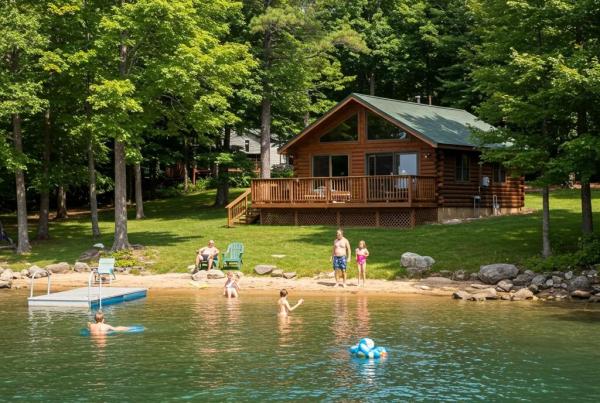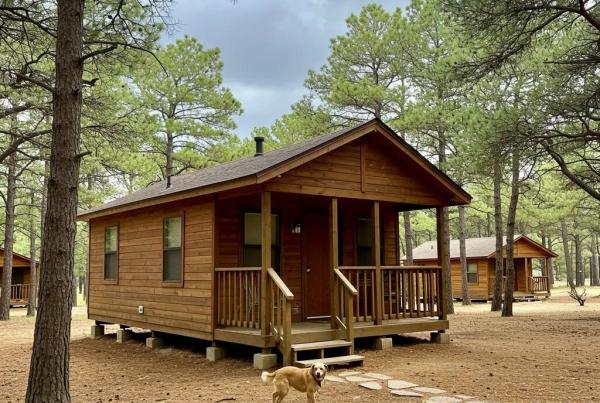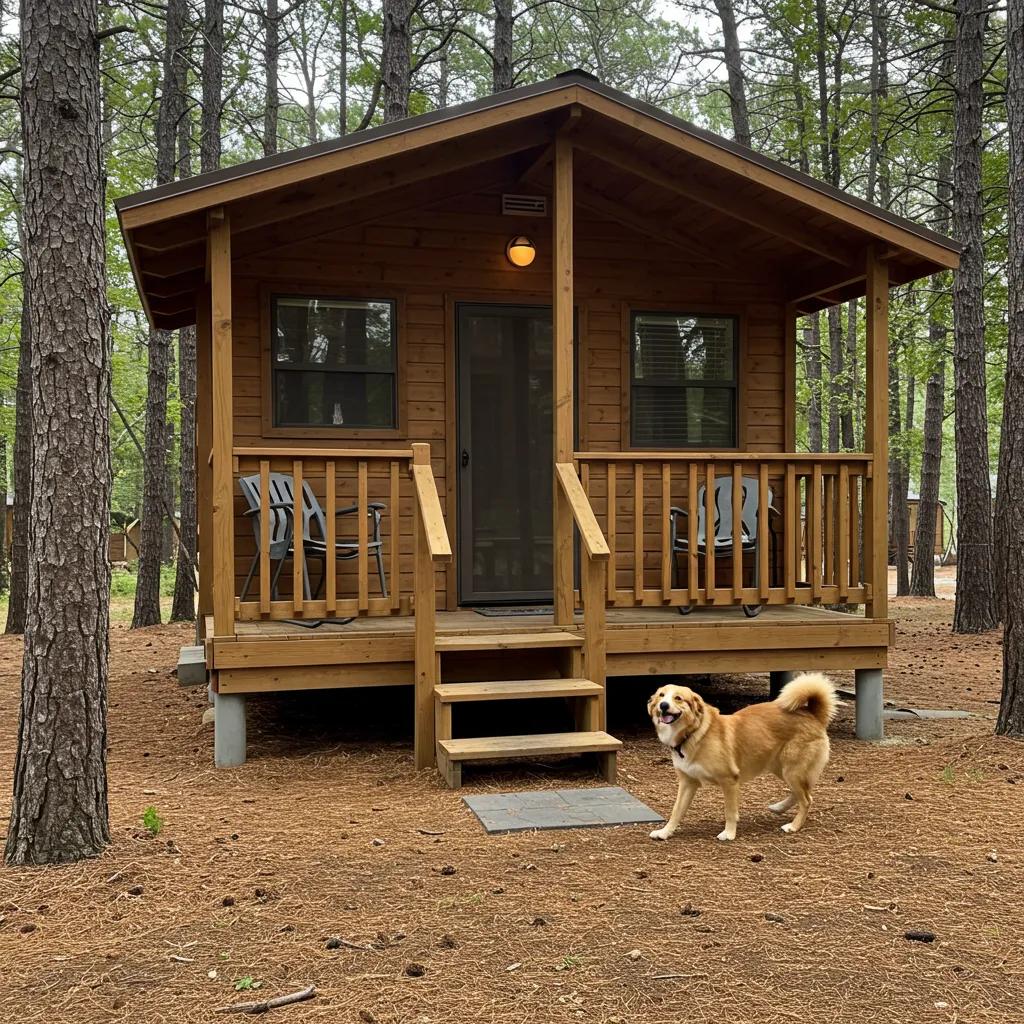
Explore Pet Friendly Cabins and Cabin Camping With Pets in Michigan
Cabin camping with pets means choosing lodging that welcomes dogs and other companions while providing safe, comfortable amenities that reduce planning stress for families. This guide explains what pet friendly cabins are, how pet-focused design and campground policies make stays smoother, and why Michigan—especially places near the Shiawassee River and Durand—offers varied options for families seeking cabin comfort with pets. Many pet owners worry about rules, space, and nearby activities; this article solves those pain points by covering cabin types, common pet policies, on-site pet amenities, and practical booking steps. You will learn how to compare cabins, what to ask about leash and vaccination rules, which activities you can enjoy with your dog, and how to secure a pet-friendly cabin reservation. The H2 sections that follow map options and selection criteria, explain pet policies (with quick policy comparisons), list pet-friendly activities and safety tips, and walk through booking a pet-friendly cabin at Walnut Hills Family Campground and other Michigan campgrounds.
What Are the Best Pet Friendly Cabins and Rentals in Michigan?
Pet-friendly cabins in Michigan range from rustic one-room cabins to deluxe family-sized glamping cabins, and they work by combining enclosed sleeping space with nearby outdoor access that keeps pets secure and families comfortable. These cabins deliver practical benefits: reduced exposure to weather, easier management of pet gear, and access to on-site amenities like fenced exercise areas that lower supervision burden. When comparing options, prioritize cabin size, direct outdoor access, proximity to dog exercise areas, and available pet amenities to match your dog’s energy and size. Below is a short checklist to assess cabins before booking and a brief comparative overview to help you decide quickly.
Consider these selection criteria when choosing a pet-friendly cabin in Michigan:
- Cabin size and occupancy: Choose a layout that provides indoor space for your dog to rest without crowding family members.
- Outdoor access and fenced areas: Look for cabins with private porches, small yards, or nearby fenced dog parks for safe exercise.
- Pet-specific amenities: Prefer cabins that mention waste stations, pet washing areas, or easy trail access to reduce packing needs.
These criteria help narrow options to cabins that balance comfort for humans with safe, convenient spaces for pets. Next, examine specific cabin types and how an example campground structures its pet-friendly offerings.
Which Types of Pet Friendly Cabins Does Walnut Hills Family Campground Offer?
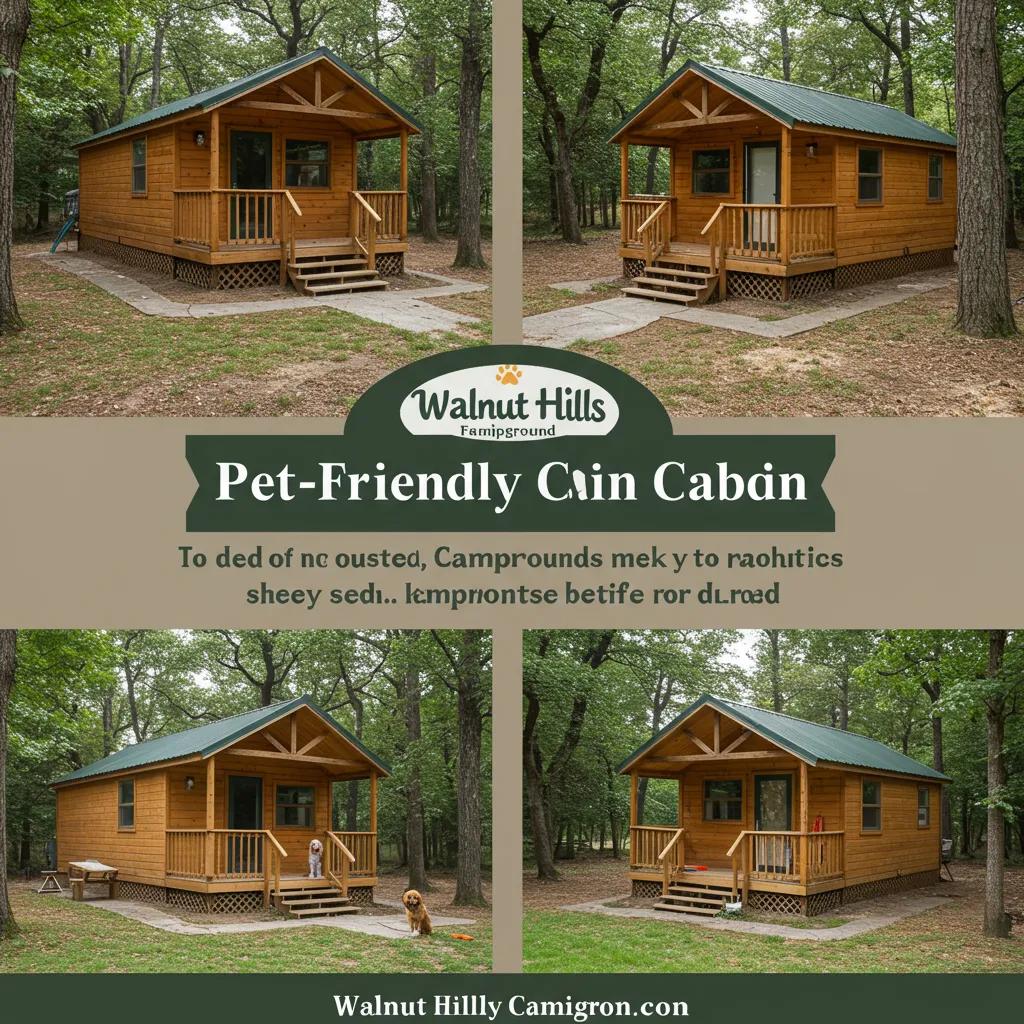
Pet-friendly cabin camping at Walnut Hills Family Campground includes a range of cabin sizes intended to suit families and groups seeking comfort with pets. The cabins vary from compact rustic models ideal for couples with a small dog, to family-sized cabins that offer multiple beds and more indoor living area that accommodates larger dogs or multiple pets. On-site amenities associated with these cabins emphasize convenience for pet owners, including proximity to a large dog park, easy access to walking trails, and renovated bathroom/showers that make post-adventure cleanup simpler. These features reduce logistical friction for families traveling with pets and make Walnut Hills a useful local example when comparing Michigan options.
This table clarifies how cabin types match family needs and pet compatibility, helping readers shortlist options before checking specific campground policies.
How Do Dog Friendly Cabin Rentals in Michigan Enhance Your Camping Experience?
Dog-friendly cabin rentals enhance trips by creating a secure, predictable indoor environment for pets while preserving outdoor access for exercise and play. The mechanism is simple: cabins reduce exposure to nighttime cold and pests, provide secure sleeping areas for dogs, and allow families to store food and gear safely, which lessens stress during travel. As an example, staying in a cabin near a dog park or trail shortens transitions between activities and reduces supervision gaps that can occur at dispersed tent sites. Families often report smoother routines—meals, naps, and cleanups—when pets have a defined indoor area, which improves the overall vacation flow and lowers the chance of policy violations related to leash or waste management.
These experiential benefits also influence packing and daily schedules, so the next section examines the typical pet policies you’ll encounter and what to confirm before arrival.
What Is the Pet Policy for Cabin Camping at Walnut Hills and Other Michigan Campgrounds?
A pet policy defines allowed animals, leash and cleanup rules, vaccination requirements, and any fee or deposit structure that campgrounds enforce to protect guests and wildlife. Typical policies exist because leash and waste rules reduce conflicts, vaccination proofs lower disease risk, and limits on unattended pets protect animals and other visitors. Below are common policy elements to check, followed by a compact policy comparison that contrasts Walnut Hills’ practical amenities with typical campground rules so you can prepare before booking.
- Leash rules and supervised outdoor time: Most sites require dogs to be on leash when outside cabins except in designated fenced areas.
- Waste cleanup and stations: Campgrounds often mandate immediate waste pickup and provide disposal stations to maintain sanitary grounds.
- Vaccination and health requirements: Proof of current vaccinations and parasite prevention may be requested on arrival or during booking.
Confirming these items in advance prevents misunderstandings and ensures a smoother stay. Next is a comparison table summarizing typical policies alongside Walnut Hills’ pet-focused provisions.
This comparison shows that while many campgrounds require leash and cleanup compliance, Walnut Hills highlights dedicated pet facilities that simplify on-site management for families.
Understanding these rules leads to practical booking steps and compliance tips to follow.
What Are the Rules for Bringing Dogs to Cabins in Michigan?
Rules for bringing dogs to cabins in Michigan generally include leash requirements, immediate waste cleanup, limits on unattended pets, and sometimes proof of vaccinations; these rules preserve guest safety and protect local wildlife. The mechanism behind such rules is risk mitigation—leashing prevents escapes and altercations, waste protocols reduce disease transmission, and vaccination checks limit contagious illnesses among animals. When planning, ask about maximum number of pets per cabin, weight or breed restrictions if any, and whether cleaning fees or deposits apply. Confirming these details before arrival prevents surprises and supports respectful campground use.
Practical advice: request pet policy details in writing when you reserve, note where waste stations are located, and plan supervised outdoor time to stay compliant and relaxed during your stay.
How Does Walnut Hills Ensure a Safe and Comfortable Stay for Pets?
Walnut Hills Family Campground ensures pet comfort through tangible site features and operational practices that help families manage pets during their visit. The campground’s large dog park gives dogs secure off-leash time within a controlled space, while waste stations and nearby trails reduce the burden of long walks on roads. Renovated bathrooms and showers assist in cleaning muddy pets after trail or river activities, and organized weekend events provide safe, family-friendly social contexts that often include pet-aware scheduling. These amenities work together to reduce stressors for both pets and owners, making daily routines simpler and improving overall satisfaction.
What Activities Can You Enjoy With Your Dog While Cabin Camping in Michigan?

Pet-friendly activities at cabin campgrounds include fenced play at dog parks, trail walks through wooded areas, supervised swimming at designated lake zones, and gentle river float trips when operators allow pets. These activities work because they offer varied exercise options that match dog energy levels and owner supervision capabilities, while facilities like waste stations and pet washing areas make post-activity cleanup manageable. Below is a short list of top activities with safety notes and a quick activity table to guide planning for pet-approved adventures.
- Dog park play: Let your dog burn energy in a fenced area under supervision to prevent escapes.
- Trail hikes: Choose leash-friendly trails suited to your dog’s fitness and input rest breaks.
- Water play and supervised swims: Use calm lake areas and rinse dogs in on-site shower facilities afterward.
These activities suit many dogs, but safety planning—hydration, shade, and parasite prevention—is essential before heading out. Next, see where Walnut Hills locates its dog play areas and whether river floats are pet-compatible.
Where Are the Dog Parks and Pet Friendly Trails at Walnut Hills Campground?
Walnut Hills Family Campground locates its large dog park and pet-friendly trail access within the main recreation zones to centralize pet activity and limit conflicts with other guests. The dog park is a fenced meronym of the overall campground amenities and includes waste stations to support hygiene and convenience. Trails connect to shaded loops suitable for short walks and longer hikes; owners should select routes based on their dog’s stamina and leash rules. Practical tips: visit the dog park during off-peak hours for calmer play, carry water for your dog, and use the nearby renovated bathrooms/showers after muddy outings.
This activity table helps match adventures to dog temperament and preparation needs, supporting safe, enjoyable outings.
Can You Take Your Pet on River Float Trips and Other Outdoor Adventures?
Taking a dog on a river float depends on operator rules and your dog’s comfort with water; safety gear and training are the key mechanisms that make river trips feasible for pets. If an operator permits pets, a properly fitted canine life jacket, acclimation to moving water, and secure containment in the boat are essential for safety. For families, alternatives include shore-based picnics, guided walks, or shorter paddles where dogs remain on stable, shallow sections of the river. If pets cannot join a specific activity, plan complementary on-site options—such as dog park time or shaded trail walks—so your pet still enjoys a full day.
Preparation and clear communication with activity providers will determine whether your dog can join river-based outings or should stay in nearby supervised areas instead.
How Do You Book Pet Friendly Cabins at Walnut Hills Family Campground in Michigan?
Booking a pet-friendly cabin involves searching for pet-allowed inventory, confirming cabin-level pet rules, and providing basic pet information at reservation; this process simplifies logistics by ensuring both availability and compliance before arrival. The mechanism is administrative: reservation systems flag pet-allowed units and incorporate notes about pet counts, which helps campgrounds manage space and cleaning. To book efficiently, gather pet details (number, breed/size, vaccination status) and choose dates with flexibility in case pet-allowed cabins sell quickly. Below is a clear step-by-step booking process and tips for spotting pet-friendly availability.
- Check cabin availability specifically labeled for pets and confirm maximum number of pets allowed per cabin.
- Provide pet details during booking, including count and approximate sizes, so the campground can prepare the unit.
- Ask about on-site pet amenities like dog parks and cleaning facilities to confirm the cabin meets your needs.
- Review cancellation and deposit policies related to pet stays, and plan accordingly.
These steps increase booking confidence and reduce last-minute issues. For families looking to stay near Durand and the Shiawassee River, Walnut Hills Family Campground is a local example that advertises pet-friendly cabin camping as part of its offering, with on-site amenities that support pet stays.
What Is the Process for Reserving a Pet Friendly Cabin?
Reserving a pet-friendly cabin typically begins with searching for cabins that explicitly allow pets, then selecting dates, providing pet information, and completing payment and any required acknowledgements of rules. The practical reason this sequence works is that it ensures both availability and mutual understanding of expectations—campgrounds manage capacity while owners agree to behavior and cleanup rules. When reserving, record vaccination and parasite prevention details and ask how the property enforces leash and waste policies. Best practices include booking early for peak seasons and requesting cabins near the dog park if easy access matters to your family.
Following these steps helps avoid confusion at check-in and establishes a smooth arrival process for both pets and people.
Are There Special Offers or Packages for Pet Owners?
Special offers for pet owners vary by provider and season and may include bundled activity credits, multi-night discounts, or pet-friendly add-ons that reduce the cost of extra cleaning or dog park passes. The mechanism behind offers is straightforward: campgrounds use promotions to fill inventory and incentivize longer stays or midweek visits, which can benefit pet-owning families seeking value. To find deals, check property announcements or inquire during booking about seasonal promotions, multi-night rates, and family packages that include amenities like river float coordination or activity credits. Keeping dates flexible and booking outside peak holiday weekends often yields better value.
As you plan booking, remember that Walnut Hills Family Campground lists pet-friendly cabin camping among its offerings and may run seasonal promotions or packages—asking directly when reserving clarifies current options.
What Are Common Questions About Cabin Camping With Pets in Michigan?
Frequently asked questions focus on allowance, costs, and packing—questions that boil down to verifying property-level rules, anticipating fees, and packing the right supplies to keep pets safe and comfortable. Clear answers reduce uncertainty: policies differ by campground, fees may be per-pet or per-stay, and a concise packing checklist streamlines preparation. The list and table below answer common planning concerns and offer practical steps to avoid surprises during a pet-friendly cabin trip in Michigan.
Common planning questions to resolve before travel:
- Are pets allowed in all cabins? Policies vary by property and even by cabin; always confirm allowance per cabin.
- How much does it cost to bring a dog? Fee structures vary—look for per-pet, per-stay, or refundable deposit models and verify during booking.
- What should I pack for my dog? Bring food, medications, leash, waste bags, bedding, and a life jacket for water activities.
These straightforward answers prepare you for detailed checks with the campground. Below is a compact packing checklist to finalize preparations.
Packing the right items and confirming property-specific rules will make cabin camping with pets enjoyable and stress-free for the whole family.
Frequently Asked Questions
What should I consider when packing for my pet during a cabin stay?
When packing for your pet during a cabin stay, consider bringing essential items such as food, medications, a leash, waste bags, and a comfortable bed or blanket. Familiar toys can help reduce stress in a new environment. Additionally, if you plan on engaging in water activities, a canine life jacket is advisable. Always ensure you have proof of vaccinations and any necessary health records accessible during travel to comply with campground policies.
Are there any breed or size restrictions for pets at Michigan cabins?
Many Michigan cabins have specific breed or size restrictions, which can vary by property. It’s essential to check the individual campground’s pet policy before booking. Some places may not allow certain breeds deemed aggressive or have weight limits for pets. Always confirm these details during the reservation process to avoid any surprises upon arrival and ensure a smooth stay for you and your furry friend.
Can I leave my pet unattended in the cabin?
Most campgrounds have strict policies regarding leaving pets unattended in cabins. Generally, pets should not be left alone for extended periods to prevent stress or potential damage. If you need to leave your pet, consider using pet-sitting services or checking if the campground offers pet daycare options. Always confirm the specific rules with the campground to ensure compliance and the safety of your pet.
What are the best practices for maintaining cleanliness during our stay?
To maintain cleanliness during your stay in a pet-friendly cabin, always clean up after your pet immediately, using designated waste stations. Bring along cleaning supplies such as paper towels and pet-safe disinfectants for any accidents. Additionally, consider using a pet blanket or mat to minimize shedding and dirt in the cabin. Regularly check your pet for ticks or dirt after outdoor activities to keep both your pet and the cabin clean.
Are there any additional fees for bringing pets to cabins?
Many campgrounds charge additional fees for bringing pets, which can vary widely. Fees may be structured as a per-pet charge, a flat rate for the stay, or a refundable deposit. It’s crucial to inquire about these fees during the booking process to understand the total cost of your stay. Some campgrounds may also offer discounts for longer stays or special packages for pet owners, so be sure to ask about any available promotions.
What activities are typically available for pets at cabin campgrounds?
Cabin campgrounds often provide a variety of pet-friendly activities, including access to fenced dog parks, hiking trails, and designated swimming areas. Some campgrounds may also organize pet-friendly events or social gatherings. Always check the specific campground’s amenities and activity schedule to plan your pet’s activities accordingly. Engaging in these activities can enhance your pet’s experience and help them socialize with other dogs.
How can I ensure my pet is safe during outdoor activities?
To ensure your pet’s safety during outdoor activities, always keep them on a leash unless in a designated off-leash area. Bring plenty of water and a portable bowl to keep them hydrated, especially during hikes or warm weather. Additionally, consider using a canine life jacket for water activities and check for any potential hazards on trails, such as wildlife or rough terrain. Regularly monitor your pet for signs of fatigue or distress to ensure a safe and enjoyable experience.
Conclusion
Choosing a pet-friendly cabin in Michigan allows families to enjoy the great outdoors while ensuring their furry companions are comfortable and secure. With amenities designed for both pets and owners, these cabins enhance the camping experience by reducing stress and providing easy access to activities. By following our booking tips and understanding campground policies, you can ensure a smooth and enjoyable stay. Start planning your next adventure today and discover the perfect cabin for you and your pet!