Discovering Ohio’s Free Camping: A Guide to Primitive and Dispersed Adventures

Free camping, often called dispersed or primitive camping, means setting up camp on public lands without paying the usual fees for developed campgrounds. This guide will walk you through where and how this applies to Ohio’s state forests and national forest lands. You’ll learn the real story behind “free” camping in Ohio’s state parks, which forests welcome dispersed camping, how Wayne National Forest stands out as the prime spot for free, dispersed adventures, and practical tips for planning safe, low-impact trips. Many campers imagine free options are just like developed sites, but in Ohio, how you access them, permit rules, and the trade-offs in amenities make a big difference for families, RVers, and backcountry hikers. This article breaks down the realities of fees and reservations, lists state forests and Wayne National Forest areas that allow dispersed camping, and covers the gear, water, waste, and fire management essentials for primitive trips. We’ll also compare free options to paid campgrounds and explain when a full-service resort might be a better fit for certain groups. Finally, we’ll point you to official resources and permit sources so you can confirm rules, get permits if needed, and plan your trip responsibly.

What’s the Real Deal with Free Camping in Ohio State Parks?

Finding truly free camping within Ohio State Parks is quite rare, as most developed campgrounds require fees and reservations. While some parks offer primitive-designated sites, these usually come with reduced amenities and are still managed within the state park system. The Ohio Department of Natural Resources (ODNR) operates park campgrounds through reservation systems and fee structures designed to cover maintenance and protect natural resources. Understanding this reality is key for better trip planning: “primitive” in a state park often means fewer facilities and no potable water, not necessarily a completely free experience. Knowing how these primitive sites differ from developed ones will help you pinpoint where to look for genuine free options on state-managed lands and when to consider state forests or the national forest for dispersed camping.

Which Ohio State Parks Offer Free or Primitive Camping?

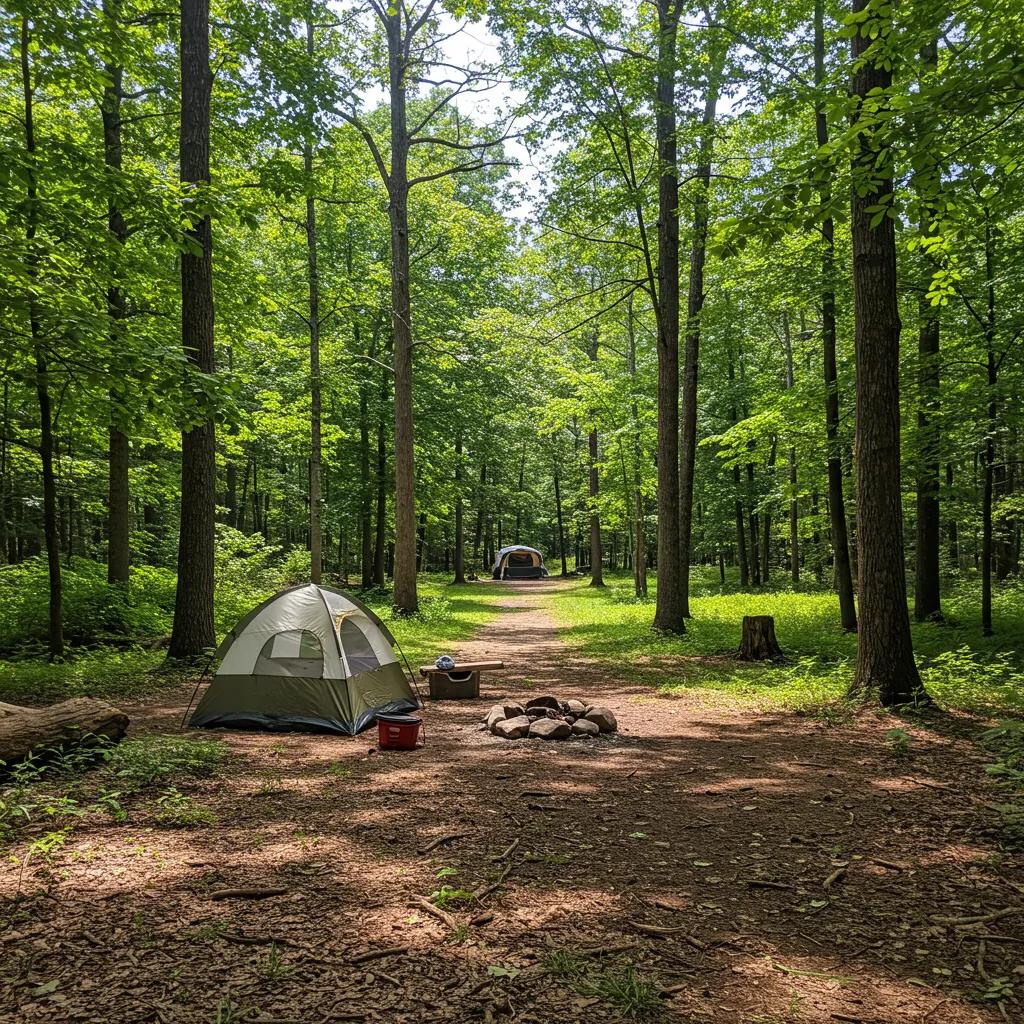
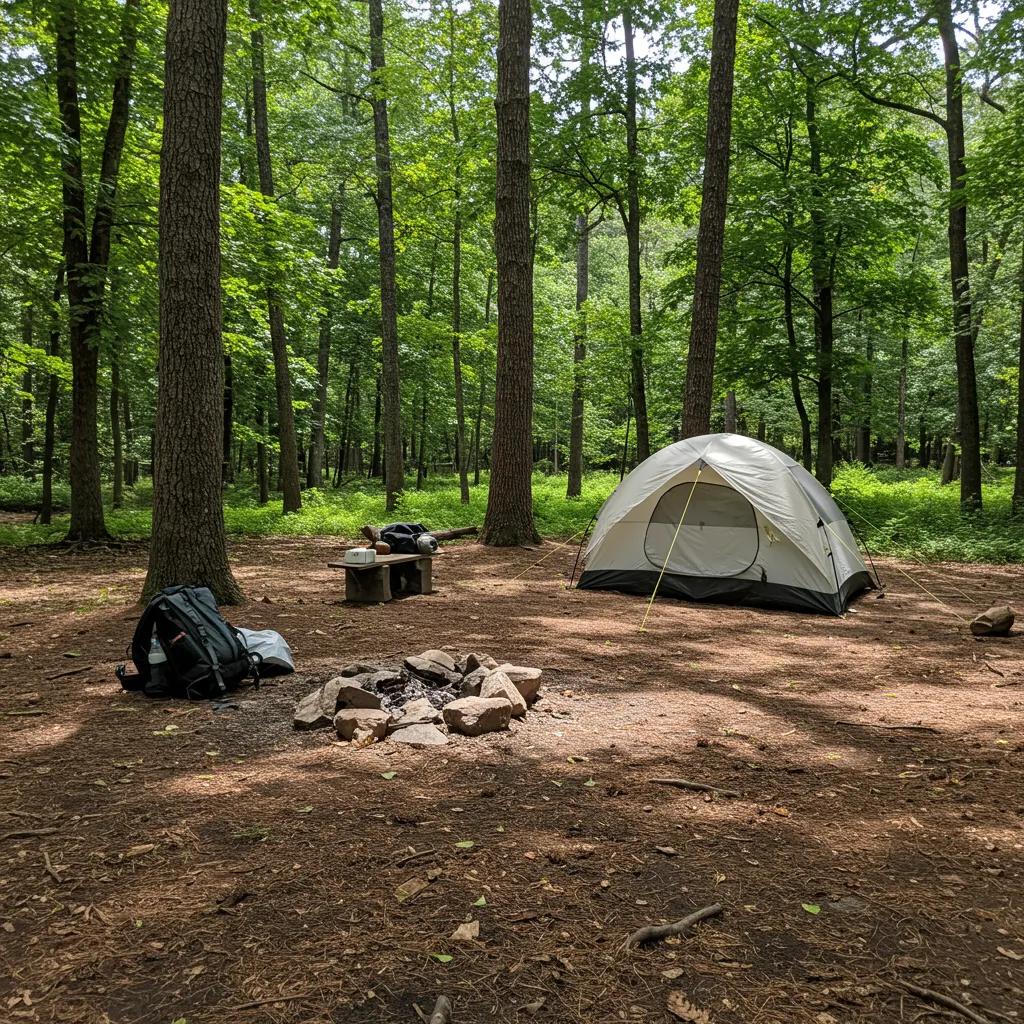
A primitive camping site in an Ohio state park, featuring a tent amidst natural surroundings

Primitive camping in Ohio State Parks typically involves hike-in or walk-in sites with very basic amenities. Exceptions for completely free camping are uncommon within the state park network. Parks that do offer primitive or backcountry-style sites usually describe cleared tent pads, vault toilets at trailheads, and a lack of potable water or electrical hookups, so campers must come prepared. For practical planning, always check official park notices and the ReserveOhio reservation portal, which ODNR references, to confirm if a park’s primitive areas are free, low-cost, or require reservation fees. Verifying these details before you travel will prevent surprises and help match your expectations, especially for families or groups seeking solitude.

What Fees and Reservations Are Typically Required in Ohio State Parks?

Most Ohio State Park campgrounds use a centralized reservation system that outlines seasonal fees, site types, and rules for both primitive and developed campsites. Primitive sites may still have a small per-night fee or require advance booking. The purpose of these fees and reservations is to manage visitor numbers, protect park resources, and fund essential services like sanitation and safety, ensuring the long-term health of the parks. Campers should always confirm dates, site designations, and the availability of potable water or vault toilets before arriving. Be aware that showing up last minute expecting free primitive sites often leads to limited options. Knowing the reservation windows and fee structures will help you decide between state park primitive sites and free dispersed opportunities elsewhere.

How Do Primitive Camping Sites Differ from Developed Campgrounds in Ohio State Parks?

Primitive campsites within state parks differ from developed campgrounds mainly in their amenities, accessibility, and regulations. Understanding these distinctions is crucial for determining if a site is suitable for your group, especially for families or novice campers. Primitive sites commonly lack potable water, electrical or sewer hookups, and on-site rangers. Developed campgrounds, on the other hand, provide restrooms, potable water, and often trash disposal and staffed check-ins. This contrast makes primitive sites better suited for experienced, self-sufficient campers seeking solitude, while developed campgrounds are ideal for families, first-time campers, and RV travelers. Recognizing these trade-offs between access and services will help you choose the right parks or consider state forests and Wayne National Forest for more free, dispersed camping options.

Where Is Dispersed and Primitive Camping Allowed in Ohio State Forests?

Dispersed and primitive camping are permitted in specific Ohio State Forests under ODNR rules designed to balance recreation with resource protection. The process usually involves self-registration at forest offices or following posted guidelines, rather than centralized paid reservations. The advantage of using state forests is access to more remote locations and lower-cost or free primitive options compared to developed state park campgrounds. However, campers must be prepared for minimal or no amenities and adhere to permit or registration requirements. The following table highlights key state forests that commonly allow dispersed or primitive camping, noting permit status and amenities to aid your planning. Reviewing these details before your trip can reduce risks and enhance your experience.

State ForestPermit Required / RegistrationTypical Amenities
Zaleski State ForestCheck local office for registration; permits sometimes neededTrailheads, vault toilets in main areas, remote tenting spots
Mohican State ForestRegistration recommended; consult ODNR for rulesLimited restrooms, trail access, dispersed spots near trails
Shawnee State ForestLocal rules apply; verify before arrivalCampsite clearings, minimal signage, remote access
Pike State ForestConsult forest office; short stay limits may applyPrimitive clearings, nearby access roads, limited facilities

What Are the Rules and Permit Requirements for Dispersed Camping in Ohio State Forests?

Rules for dispersed camping in Ohio State Forests typically include limits on stay duration, group size, and fire regulations, all aimed at protecting habitats. Permits or self-registration might be required depending on the specific forest unit. Compliance often involves contacting the local state forest office or following instructions posted at main trailheads to register your group and confirm current conditions. The primary benefit of following these rules and obtaining permits when necessary is minimizing environmental damage and avoiding enforcement issues. Adhering to posted limits also helps preserve these opportunities for future dispersed campers. Before you head out, always verify regulations with ODNR or the forest office to ensure you’re camping legally and to learn about any seasonal restrictions or fire bans.

Which Ohio State Forests Permit Free Primitive Camping?

Several Ohio State Forests are known for allowing primitive or dispersed camping, including Zaleski, Mohican, Shawnee, and Pike. Each offers different access points and nearby services, making them suitable for various types of trips. These forests are recommended for their extensive acreage and management policies that accommodate low-impact camping while preserving natural resources. For practical planning, consider the distance to potable water, nearest trailheads, and road access for resupply. Families or those needing easier access might prefer units with closer facilities or opt for developed campgrounds. With these logistics in mind, you can select forests that match your desired level of solitude and preparedness.

What Amenities Can Campers Expect in Ohio State Forest Dispersed Camping Areas?

Expect minimal amenities in state forest dispersed camping areas. Cleared tent sites, occasional vault toilets at trailheads, and basic signage are common, but potable water, trash removal, and electrical hookups are rarely available. These limited amenities are intentional, designed to preserve the natural environment and offer a low-impact experience that benefits wildlife and campers seeking solitude. This means you’ll need to be self-sufficient: carry in your own water or treat natural sources, pack out all trash, and bring your own sanitation supplies. Understanding these expectations will help you choose the right gear and plan for resupply stops.

How to Prepare for a Primitive Camping Trip in Ohio State Forests?

Preparing for primitive camping in state forests hinges on self-sufficiency. This includes having reliable water treatment methods, navigation tools, weather-appropriate shelter, and an emergency plan, as forest units typically lack staffed facilities and immediate services. Safe preparation involves planning your routes, informing someone of your itinerary, carrying a first-aid kit and communication device, and packing Leave No Trace supplies for managing human waste and trash. Thorough preparation leads to reduced risks and a more enjoyable backcountry experience. Familiarity with the terrain and seasonal hazards will further support safe choices. Next, let’s explore why Wayne National Forest is Ohio’s top destination for dispersed camping.

Why Is Wayne National Forest Ohio’s Premier Destination for Free Dispersed Camping?

A remote camping spot in Wayne National Forest with a tent beside a stream, illustrating free dispersed camping

Wayne National Forest is Ohio’s primary destination for dispersed camping because the U.S. Forest Service designates many areas for backcountry-style, free camping. Its rules allow for broad access while ensuring resource protection. What makes Wayne particularly suitable is its large, continuous tracts divided into units where dispersed camping is an accepted practice, offering more opportunities for solitude and route planning than state parks. For campers seeking no-fee dispersed experiences in Ohio, Wayne’s diverse units and trail networks provide access to remote ridgelines, stream valleys, and clearings near trailheads. The following table outlines notable Wayne National Forest units, permitted activities, stay limits, and basic permit information to help you plan and comply.

Wayne National Forest UnitAllowed ActivitiesStay Limits / Permit Process
Wildcat Hollow areaDispersed camping, hikingTypically short-term stays; follow USFS posted rules
Kinderhook Horse Trail areaHorse-supported camping, dispersed tentingCheck USFS unit bulletin for limits and registration
Ironton District sectionsHike-in and roadside dispersed spotsSelf-registration or compliance with posted instructions
Athens Ranger District areasBackpacking and dispersed useVerify seasonal restrictions and fire rules with USFS

What Are the Best Free Camping Spots in Wayne National Forest?

The best free camping spots in Wayne National Forest are often found in areas with unique features like remote ridgelines, creekside clearings, and proximity to trail systems such as Wildcat Hollow and parts of the Kinderhook corridors. These locations offer both scenic beauty and dispersed camping opportunities. They work well because their natural terrain and access roads create clearings without the infrastructure of a developed campground, providing campers with solitude and varied terrain for exploration. Practical considerations include assessing road conditions, planning for limited cell service, and preparing for primitive bathing and sanitation. Families or larger groups should weigh these factors before committing to a remote site. For detailed navigation, combine map study with local USFS bulletins to select sites that fit your needs.

What Regulations and Stay Limits Apply to Dispersed Camping in Wayne National Forest?

Dispersed camping in Wayne National Forest is managed under USFS rules that typically set limits on stay duration, group size, and fire management policies to minimize environmental impact and ensure public safety. Enforcement usually relies on notices posted at trailheads and ranger district bulletins, so campers must check the current unit guidance for exact stay limits and fire restrictions. Following these rules helps reduce ecological damage and preserves access for other users. Compliance often means the difference between a permitted backcountry experience and an enforcement issue. Always verify current unit rules before your trip and adjust your plans if seasonal restrictions or burn bans are in effect.

How to Obtain Permits and Plan Your Stay in Wayne National Forest?

Obtaining permits for Wayne National Forest dispersed camping, when required, generally involves contacting the local ranger district or following posted instructions at access points. Many dispersed areas operate under a self-registration system or don’t require formal permits, but adherence to posted rules is always mandatory. Planning steps include checking district bulletins, preparing a trip itinerary, notifying an emergency contact, and packing for limited amenities. These measures reduce risk and ensure legal compliance. The advantage of verifying details before your trip is having clearer expectations about allowable activities and a lower risk of violating local restrictions. The next section will explain how a local resort frames its family-friendly offerings in this context.

How Does Ridge Ranch Campground Offer a Family-Friendly Ohio Camping Experience?

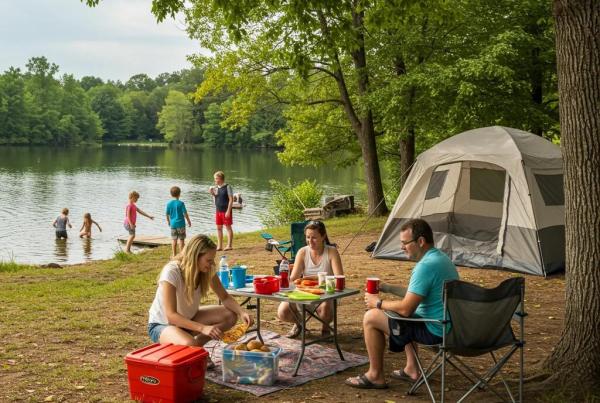
Ridge Ranch Campground by GatherGrounds presents itself as a family-friendly commercial camping resort spread across 76 scenic acres, featuring a 17-acre lake with a sandy beach and swimming deck. This offers accessible water recreation for families seeking more amenities than dispersed camping provides. Ridge Ranch appeals to families through its managed environment and varied recreational programming, including planned events like DJ nights, karaoke, bingo, and crafts, which foster multi-age engagement and memorable stays. The benefit for families is a more convenient, activity-rich camping getaway compared to primitive dispersed trips. Additional on-site features and planned events reduce the logistical and entertainment burden for caregivers. This family-focused option is ideal for those who prioritize comfort and organized recreation over solitude.

What Amenities and Activities Does Ridge Ranch Provide for RV and Tent Campers?

Ridge Ranch Campground offers a variety of accommodations and amenities, including RV sites (many with full hook-ups), tent camping areas, paddleboat and canoe rentals, fishing spots, playgrounds, horseshoes, volleyball, and basketball courts. These features cater to both active and relaxed stays. The resort’s comprehensive amenity set is designed to blend water-based recreation from its 17-acre lake with land-based games and family programming, appealing to a wide range of ages. The advantage is the convenience and variety of on-site options, freeing campers from extensive planning for daily activities. Upcoming enhancements for 2026, such as a Wibit waterpark and an arcade, will further expand entertainment choices. For those who prefer reservations and predictable amenities, Ridge Ranch offers a managed alternative to primitive camping.

  • Full-hookup RV and tent sites: Easy utility access for RVers and families.
  • Lake and rentals: Enjoy the 17-acre lake, sandy beach, and paddleboat/canoe rentals for water fun.
  • Family recreation and programming: Playgrounds, courts, and planned events ensure entertainment for all ages.

How to Make Reservations and Plan Your Stay at Ridge Ranch Campground?

To plan your stay at Ridge Ranch Campground, first identify the accommodation type you need—whether it’s an RV site with full hook-ups or a tent site. Then, confirm the available amenities and dates, and use the campground’s reservation system to secure your spot and get arrival instructions. A reservation-based stay ensures predictable site assignment and access to on-site services, which is ideal for travelers who value convenience and structured activities. The benefit of booking in advance is avoiding peak-season shortages and guaranteeing your preferred proximity to lake access and activity areas. When free dispersed camping doesn’t meet the comfort or RV needs of your family, Ridge Ranch provides a clear paid alternative.

How Do Free Camping Options Compare to Paid Campgrounds in Ohio?

Comparing free dispersed and primitive camping with paid campgrounds involves weighing distinct trade-offs: cost and solitude versus amenities and convenience. Understanding these differences helps campers align their choices with their trip goals. This comparison evaluates amenities, fees, reservation requirements, family-friendliness, and safety, providing a clearer framework for planning.

Option TypeAmenitiesFees / Reservations
Free dispersed / primitiveMinimal: cleared sites, occasional vault toiletsUsually no fees; permit or registration may be required
Paid developed campgroundsExtensive: potable water, restrooms, hookups, staffFees per night; reservations common, especially in peak season
Family-resort campgrounds (example)Added programming, rentals, lake/beach accessFee-based with reservation systems for activities and sites

What Are the Pros and Cons of Free Dispersed and Primitive Camping?

Free dispersed and primitive camping offers solitude, lower costs, and immersive nature experiences, but it demands self-reliance, provides limited amenities, and can sometimes involve more regulatory uncertainty without staffed campground support. The absence of developed infrastructure is what creates these pros and cons. While it benefits campers seeking minimal impact, it challenges those needing potable water, toilets, or reliable safety features. For many outdoor enthusiasts, the freedom and solitude outweigh the drawbacks. However, for families or RV travelers, the lack of amenities can be a significant downside. Understanding these trade-offs helps match your camping style to your capabilities.

  • Pros: Low cost, solitude, access to remote landscapes.
  • Cons: No hookups, limited sanitation, higher self-reliance needed.
  • Decision tip: Choose based on your group’s abilities, available time, and comfort needs.

What Advantages Do Paid Campgrounds Like Ridge Ranch Offer?

Paid campgrounds such as Ridge Ranch provide convenience through amenities like full-hookup RV sites, tent camping areas with facilities, lakefront recreation, and organized programming. These features reduce logistical burdens and enhance family-oriented enjoyment. The advantage comes from a managed facility with on-site services, rentals (paddleboats, canoes), and recreational infrastructure, offering predictable experiences for diverse users. These features are particularly valuable for multi-generational groups, RV travelers, and those who prefer a serviced stay over the uncertainties of dispersed camping. Comparing these advantages with free options clarifies the cost-versus-comfort equation for different trip planners.

How to Choose Between Free Camping and Paid Campgrounds Based on Your Needs?

Deciding between free and paid camping options depends on your priorities: solitude and low cost versus amenities, convenience, and safety. The selection process involves matching your group’s experience level, vehicle type, and desired activities to the site’s characteristics. For instance, families with young children or RVers might prefer paid campgrounds, while experienced backpackers seeking remoteness may opt for dispersed sites. A structured decision process leads to fewer surprises and better-aligned expectations, improving overall satisfaction and safety. Consider your group’s composition, desired activities, and resource availability when making your final choice.

What Are Typical Costs and Reservation Requirements for Paid Ohio Campgrounds?

Typical costs and reservation norms for paid Ohio campgrounds vary based on the season, site type, and amenities offered. Full-hookup RV sites generally cost more than primitive tent sites, and resort-style campgrounds often include additional fee-based activities. The factors driving cost differences include infrastructure, staffing, and programmed activities. Paid campgrounds frequently require advance reservations, especially during peak summer periods. Rather than listing specific rates, it’s best to verify current pricing and reservation windows through official campground reservation channels and websites. Understanding the cost drivers—hookups, peak-season demand, and on-site amenities—will help you estimate likely expenses when comparing options.

Where Can You Find Official Resources and Permits for Free Camping in Ohio?

Official resources for Ohio camping include the ODNR for state parks and forests, the U.S. Forest Service for Wayne National Forest, and reservation portals or local ranger districts for permits. The best way to plan reliably is to cross-check user-generated reports with official sources. Using official resources ensures you have accurate, up-to-date rules and permit requirements, which helps prevent conflicts and supports safe recreation. The following list identifies the primary official sources and tools to consult before any trip. The subsequent table outlines where to obtain permits and useful online tools for finding dispersed sites.

  • Ohio Department of Natural Resources (ODNR): For state park and state forest rules and contacts.
  • U.S. Forest Service (USFS): For Wayne National Forest unit guidance and dispersed camping rules.
  • ReserveOhio and local ranger-district contact channels: For reservations and permit information.
ResourcePurposeHow It Helps
Ohio Department of Natural ResourcesState parks and forests rulesConfirms primitive site policies and fee structures
U.S. Forest Service (Wayne NF)Dispersed camping guidanceDetails unit-specific stay limits and fire rules
Reserve and permit portalsReservations and permitsFacilitates booking and registration where required

How to Use Ohio Department of Natural Resources for Camping Information?

Use ODNR to find authoritative information on state park primitive camping policies, fee categories, and any seasonal advisories by searching park pages or contacting park offices. This verification process reduces the risk of misinterpreting rules, which often affects free-camping seekers. The primary benefit is obtaining exact, current guidance on what constitutes a primitive site, reservation requirements, and any closures. Before your trip, check ODNR notices and ReserveOhio for site availability and restrictions to align your expectations and permit needs. Confirming ODNR postings ensures your plan respects local regulations and safety advisories.

Where to Obtain Permits for Primitive and Dispersed Camping in Ohio?

Permits for primitive and dispersed camping may be obtained through local forest or ranger offices, jurisdictional permit portals, or via self-registration at designated trailheads, depending on the land manager. The process varies by forest and unit. Confirming the permit process early helps avoid on-site surprises and ensures you meet stay-limit requirements. Some areas require no formal permit but do mandate adherence to posted rules and registration. Always contact the relevant district office—ODNR for state forests or USFS for Wayne National Forest—to learn if a permit is needed, how to obtain it, and its validity period. Verifying permit requirements allows for compliant and responsible camping.

What Online Tools Help Find Free Campsites and Dispersed Camping Locations?

Several user-generated and official mapping tools can help you find potential dispersed camping spots, including Freecampsites.net, The Dyrt, Campendium, and official USFS and ODNR maps. Pairing user-generated content with official maps improves your ability to check site suitability. Using multiple tools allows you to cross-reference user reports with official conditions and avoid outdated or inaccurate listings. Always cross-reference user-generated content with official ODNR or USFS information before relying on a site for your final trip plans. Combining these resources leads to safer, better-informed free-camping decisions.

How to Stay Updated on Ohio Camping Regulations and Seasonal Changes?

Stay current on Ohio camping rules by monitoring ODNR and USFS notices, subscribing to park or district alerts where available, and checking seasonal advisories before travel. This regular verification process prevents surprises from closures, burn bans, or regulatory updates. As an alternative for families seeking guaranteed amenities and easier reservations, consider a paid campground like Ridge Ranch Campground by GatherGrounds. It offers numerous on-site amenities and reservation options to simplify planning and provide managed recreation alternatives to dispersed camping.

  • Subscribe to official bulletins and ranger-district notices.
  • Check fire and weather advisories before departure.
  • Cross-check user-generated content with official maps for every trip.
Managing Dispersed Camping Impacts in Allegheny National Forest

In the Allegheny National Forest, an unregulated dispersed camping policy has led to significant impacts to the natural environment. This study used data gathered from visitor surveys, interviews with managers, and environmental conditions of campsites to recommend management actions for campsites along seven roads in the National Forest. The seven road areas fell into two categories. Primitive recreation was more common in some areas and solitude was more highly valued by campers. Other areas had more frequent visitor use, motorized camping, and solitude was less important to campers. These factors influenced management recommendations, which include designing and constructing campsites to minimize amount of area affected by camper activities, closing and rehabilitating campsites, and visitor education.

Managing Dispersed Recreation in the Allegheny National Forest, 2014

Frequently Asked Questions

What should I pack for a primitive camping trip in Ohio?

When preparing for a primitive camping trip in Ohio, it’s essential to pack for self-sufficiency. Bring a reliable water filtration system or purification tablets, as potable water is often unavailable. Include a sturdy tent, sleeping bag, and weather-appropriate clothing. Don’t forget navigation tools like a map and compass, a first-aid kit, and Leave No Trace supplies for waste management. Additionally, pack food that requires minimal preparation and cooking gear, as well as a portable stove or campfire equipment if allowed. Proper preparation ensures a safe and enjoyable experience.

Are campfires allowed in Ohio’s dispersed camping areas?

Campfire regulations in Ohio’s dispersed camping areas vary by location and season. Generally, campfires are permitted, but they must be managed responsibly to prevent wildfires. Always check local guidelines from the Ohio Department of Natural Resources (ODNR) or the U.S. Forest Service before your trip, as fire bans may be in effect during dry conditions. If allowed, use established fire rings when available, keep fires small, and ensure they are completely extinguished before leaving the site. Following these rules helps protect the environment and ensures safety for all campers.

Can I bring my pet while camping in Ohio’s state forests?

Pets are generally allowed in Ohio’s state forests, but specific regulations may vary by location. It’s crucial to keep your pet on a leash and under control at all times to ensure the safety of wildlife and other campers. Additionally, be mindful of local rules regarding pet waste disposal and designated pet-friendly areas. Always check with the Ohio Department of Natural Resources (ODNR) or the specific forest’s guidelines before your trip to confirm any restrictions or requirements related to bringing pets along on your camping adventure.

What are the best times of year for camping in Ohio?

The best times for camping in Ohio typically fall during the spring and fall months, specifically from late April to early June and from September to October. During these periods, temperatures are generally mild, and the weather is more stable, making for a comfortable camping experience. Summer can be hot and humid, while winter camping presents challenges due to cold temperatures and snow. However, if you’re prepared for winter conditions, Ohio’s state forests can offer a unique and serene camping experience during the colder months.

How do I find free camping locations in Ohio?

To find free camping locations in Ohio, utilize resources such as the Ohio Department of Natural Resources (ODNR) website, which provides information on state forests and their camping policies. Additionally, user-generated platforms like Freecampsites.net and Campendium can help identify dispersed camping spots. Always cross-reference these listings with official maps and guidelines to ensure compliance with local regulations. Engaging with local camping communities or forums can also yield valuable insights and recommendations for lesser-known free camping areas.

What safety precautions should I take while camping in Ohio’s forests?

Safety is paramount when camping in Ohio’s forests. Always inform someone of your itinerary and expected return time. Carry a first-aid kit, a map, and a compass or GPS device for navigation. Be aware of local wildlife and practice food storage techniques to avoid attracting animals. Additionally, familiarize yourself with the area’s weather patterns and prepare for sudden changes. Lastly, adhere to Leave No Trace principles to minimize your impact on the environment and ensure a safe experience for future campers.

Conclusion

Exploring free camping options in Ohio’s state campgrounds reveals a wealth of opportunities for nature enthusiasts seeking solitude and adventure without the burden of fees. Understanding the nuances of primitive and dispersed camping can enhance your outdoor experience, ensuring you are well-prepared for the unique challenges these sites present. For those ready to embark on their next camping journey, consider checking out the official resources and planning tools available to make informed decisions. Start your adventure today by exploring the diverse landscapes and camping options Ohio has to offer!