Your Guide to Private & Spacious Campsites in Ohio
Creating personal space and thoughtful spacing between campsites is key to a comfortable, safe, and enjoyable outdoor adventure for your family and friends. This guide dives into what campsite privacy means in Ohio parks, covers the state’s baseline spacing rules, and shares practical tips for finding or creating your own secluded camping haven. You’ll discover how distance, natural barriers, and smart site orientation can minimize noise and prying eyes, and how campground etiquette and quiet hours add an extra layer of protection for your family’s peace. We’ll walk you through why space matters, Ohio’s regulations, how to pick the perfect private site at a place like Ridge Ranch Campground, setting up your site, and understanding campground etiquette. We’ll also compare public and private options in Ohio and guide you through booking your ideal getaway. Get ready for checklists, comparison tables, and actionable advice to find your perfect secluded family camping spot in Ohio, complete with guaranteed spacing and amenities when you book a campsite rental.
Why Private & Spacious Campsites Matter in Ohio
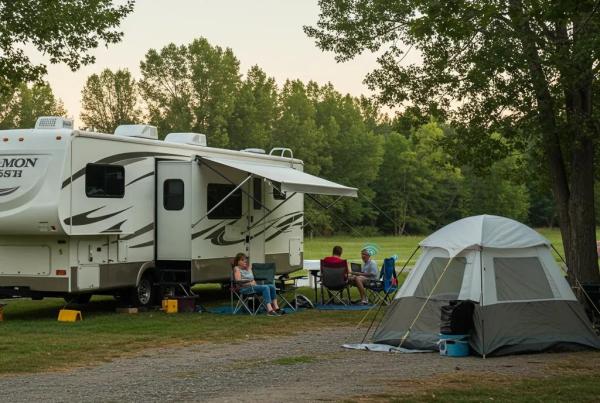
Campsite privacy and ample space are all about controlling what you see and hear, and preserving your own little slice of nature. This is crucial because less visibility and more separation mean fewer interruptions and a safer environment for everyone. Essentially, smart spacing and natural buffers block sound and sightlines, leading to quieter evenings and more secure play areas for kids. The end result? A much better camping experience with fewer squabbles, more restful sleep, and happier group dynamics. Let’s explore the main perks and common situations where space truly makes a difference, then we’ll get into the nitty-gritty of what defines privacy and the challenges you might face.
What Makes a Campsite Feel Private in Ohio Parks?
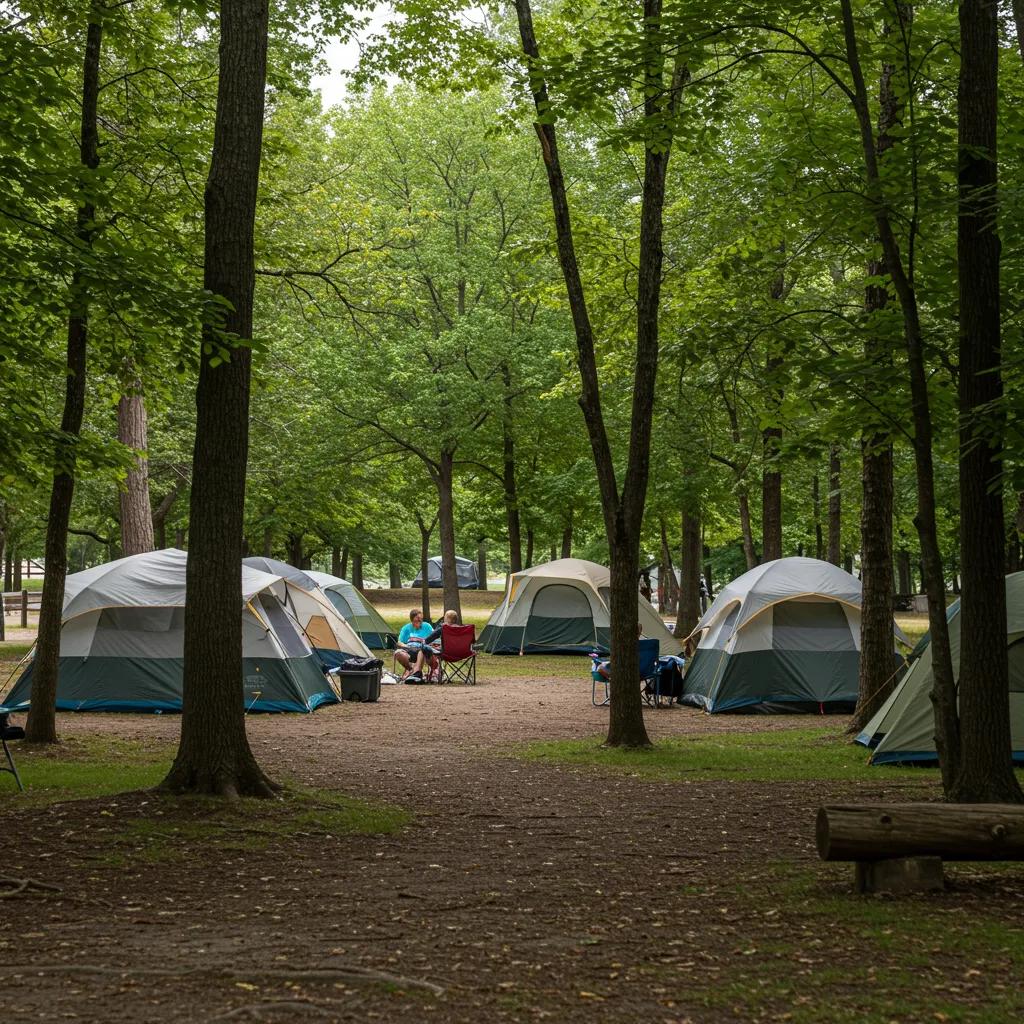
A private campsite is one where physical distance, clever sightline management, and natural screening work together to keep outside intrusions at bay. Distance creates a buffer that limits direct views and separates conversations and camp sounds. Natural elements like trees and terrain break up sightlines and absorb noise. How you orient your tent and seating area—turning them inward, away from paths and busy spots—also boosts privacy by focusing your camp’s activity inward. Think about a wooded site facing away from the main road versus a beach site right on the lake: the wooded spot offers more seclusion, while the beach site might be more exposed but can still feel private if it’s set back and shielded.
How Does Privacy Elevate the Camping Experience for Families & Groups?
Privacy makes family camping better by creating safer play areas for kids, reducing the chances of conflict, and allowing your group to enjoy activities without bothering others. When a campsite has clear boundaries and social areas that face inward, parents can keep a closer eye on children, and groups can host games or evening chats with minimal impact on neighbors. Better privacy also leads to happier campers who are more likely to return, associating your campground with rest and relaxation. This translates into safer, more enjoyable outdoor adventures and stronger family memories, which brings us to the common hurdles campers need to anticipate.
What Are the Usual Hurdles to Maintaining Campsite Privacy?
Common challenges include being too close to walking paths, high occupancy during peak seasons, neighbors who aren’t considerate, and campground layouts that pack sites tightly together. Foot traffic and central amenities naturally draw people through busy areas, and noise can easily travel across open, flat ground with no natural sound barriers. Seasonal rushes and special events mean more people, fewer private spots, and a higher chance of friction. Tackling these issues requires smart site selection, respectful behavior during quiet hours, and strategic setup to enhance screening and reduce visibility. We’ll cover these in the regulations section next.
Ohio State Park Campsite Spacing Rules & What You Need to Know
Ohio’s official spacing rules lay down the minimum distances and occupancy guidelines for how campsites are arranged and how units relate to each other. These regulations are in place to protect campers’ health, safety, and their right to reasonable privacy. The system is straightforward: minimum separations and quiet hour policies limit how close you can be and how loud you can get, giving park managers clear standards to enforce. The upside is a predictable baseline that campers can use when comparing state parks to private campgrounds. Here’s a rundown of minimum distances, typical quiet hours, and a quick comparison of official rules versus common private campground practices.
What Are the Minimum Distance Requirements Between Campsites in Ohio?

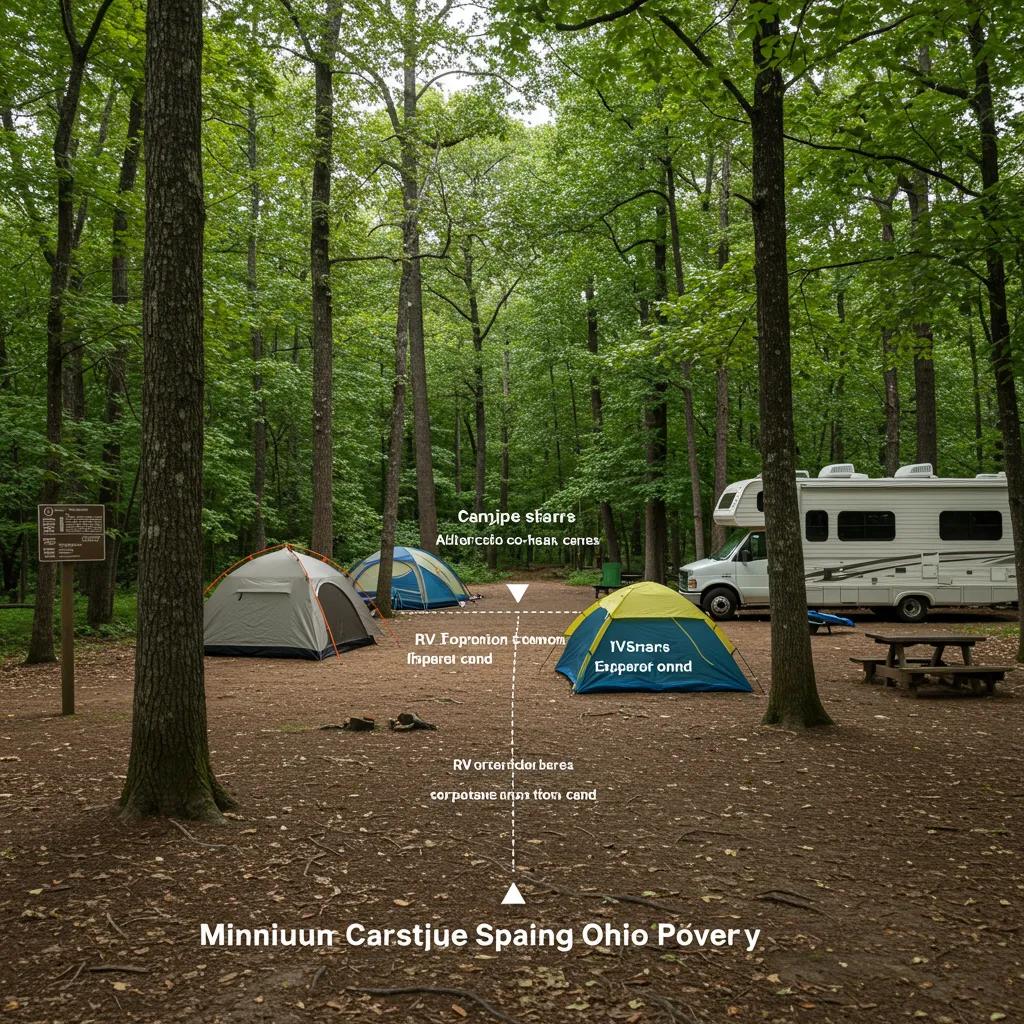
Minimum distance requirements dictate how close tents, RVs, and camping units can be to one another in regulated parks, providing a clear framework for spacing. Commonly cited rules include a short minimum separation between individual units on the same site and a larger gap between adjacent sites to cut down on direct views and fire hazards. These rules define terms like “unit” (a single tent or RV) and “site” (the plot of land for one or more units), so campers and managers know where buffers apply. Understanding these numerical standards helps you gauge if a site will feel private before you even arrive, and prepares you to request specific placements or alternative sites when booking.
This table illustrates how basic numerical standards create consistent expectations for spacing in Ohio parks. Knowing these numbers helps you compare public rules with private campground policies. Next, we’ll look at behavioral rules that reinforce these physical guidelines.
How Do Quiet Hours & Camping Etiquette Help Maintain Privacy?
Quiet hours and etiquette act as behavioral tools that extend the benefits of physical spacing. By limiting noise, discouraging shortcuts through sites, and guiding respectful use of shared areas, they preserve your sense of privacy. Typical quiet hour windows shift loud activities to daytime, leaving evenings and nights for relaxation. Etiquette points like avoiding walking across occupied sites and keeping pets under control further reduce disturbances. The result is a shared understanding that protects families and nearby campers, often with park staff or campground hosts overseeing enforcement. Following these norms allows you to enjoy your private time while being a good neighbor. This leads us to how a private campground can align with or even surpass these standards.
How Does Ridge Ranch Campground Meet or Exceed Ohio Spacing Standards?
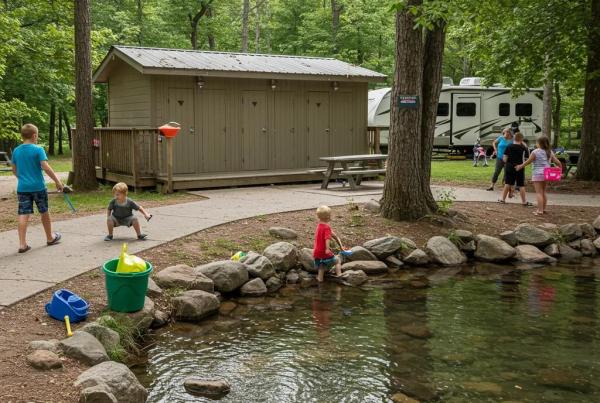
Ridge Ranch Campground by GatherGrounds spans a generous property, allowing for spread-out campsite placement and natural buffers that meet or often exceed basic spacing expectations. Its 76 acres, featuring a 17-acre lake and wooded areas, create pockets where RV, tent, and seasonal sites can be positioned with tree lines and terrain providing visual separation and sound dampening. The campground’s family-friendly amenities and planned events are grouped in activity zones, which helps contain noise and preserve quieter camping areas. If you’re looking for a more private stay, consider Ridge Ranch’s campsite rentals and use our online booking system to request sites that offer natural buffers and seclusion.
How to Pick the Most Private & Spacious Campsite at Ridge Ranch Campground
Choosing a private campsite involves assessing the site type, its proximity to amenities, and the natural buffers available. At Ridge Ranch, this means deciding between RV, tent, and seasonal sites, each offering different levels of exposure and screening. The strategy is simple: favor sites nestled near tree lines or set back from the lake beach and main activity hubs to minimize sightlines and foot traffic. This approach ensures a quieter, more private camping experience. Below, we’ll detail how to identify the best site types, how our acreage contributes to seclusion, and what future amenities might influence your site choice.
Which RV & Tent Sites Offer the Best Privacy and Natural Buffers?
At Ridge Ranch, seek out RV and tent sites located along wood lines or at the edges of open fields where trees and undergrowth provide natural visual screening and sound absorption. RV campers often benefit from sites with extra space and tree cover that can mask generator noise and offer shaded relaxation spots. Tent campers frequently prefer secluded nooks that face away from main lanes and common areas. Seasonal sites can offer long-term privacy, as they are typically situated in less-trafficked zones. When comparing site options, check our site maps and look for descriptions mentioning tree lines, lakeside offsets, or sites “tucked alongside the woods” as indicators of enhanced privacy.
How Does Ridge Ranch’s 76-Acre Layout Enhance Seclusion?
A 76-acre property, complete with a 17-acre lake, allows Ridge Ranch to spread campsites across varied terrain, preventing clusters from becoming overcrowded. Natural features like the lake’s edge and wooded areas create distinct zones for both activity and quiet retreat. This expansive layout means families can choose between lakeside fun or wooded tranquility without sacrificing access to amenities, and it reduces the likelihood of direct sightlines between neighboring sites. Our ongoing renovation plans also prioritize site placement to enhance guest experience and support long-term privacy goals. Understanding how acreage and defined activity zones work together will help you select sites that match your privacy preferences.
What Future Amenities Will Improve Privacy and Space at Ridge Ranch?
Upcoming amenities like an arcade and a Wibit waterpark (planned for 2026) are designed to centralize high-activity attractions. This can effectively draw social energy away from quieter campsite areas. When entertainment is concentrated in designated zones, campsites located further from these hubs often become more peaceful by comparison. The benefit for privacy-seeking campers is clear: booking sites away from amenity centers means calmer evenings, while those who crave activity can stay close to the action. Keep these future developments in mind when booking your site to choose a location that best suits your desire for solitude or social engagement.
Practical Tips for Maximizing Campsite Privacy & Space
Smart setup choices and considerate behavior can create extra privacy, even when campsite spacing is tight. These tactics rely on orientation, subtle screening, and etiquette to reduce visibility and manage noise. The approach is about tactical placement and thoughtful behavior that changes how your site is perceived by neighbors, enhancing your sense of separation and comfort. Implementing these steps leads to safer play areas for children and more peaceful evenings for everyone. Here are hands-on setup tips, etiquette practices, and ways to use natural features that campers can apply at any Ohio park or private campground.
How Should You Set Up Your Campsite for Optimal Privacy?

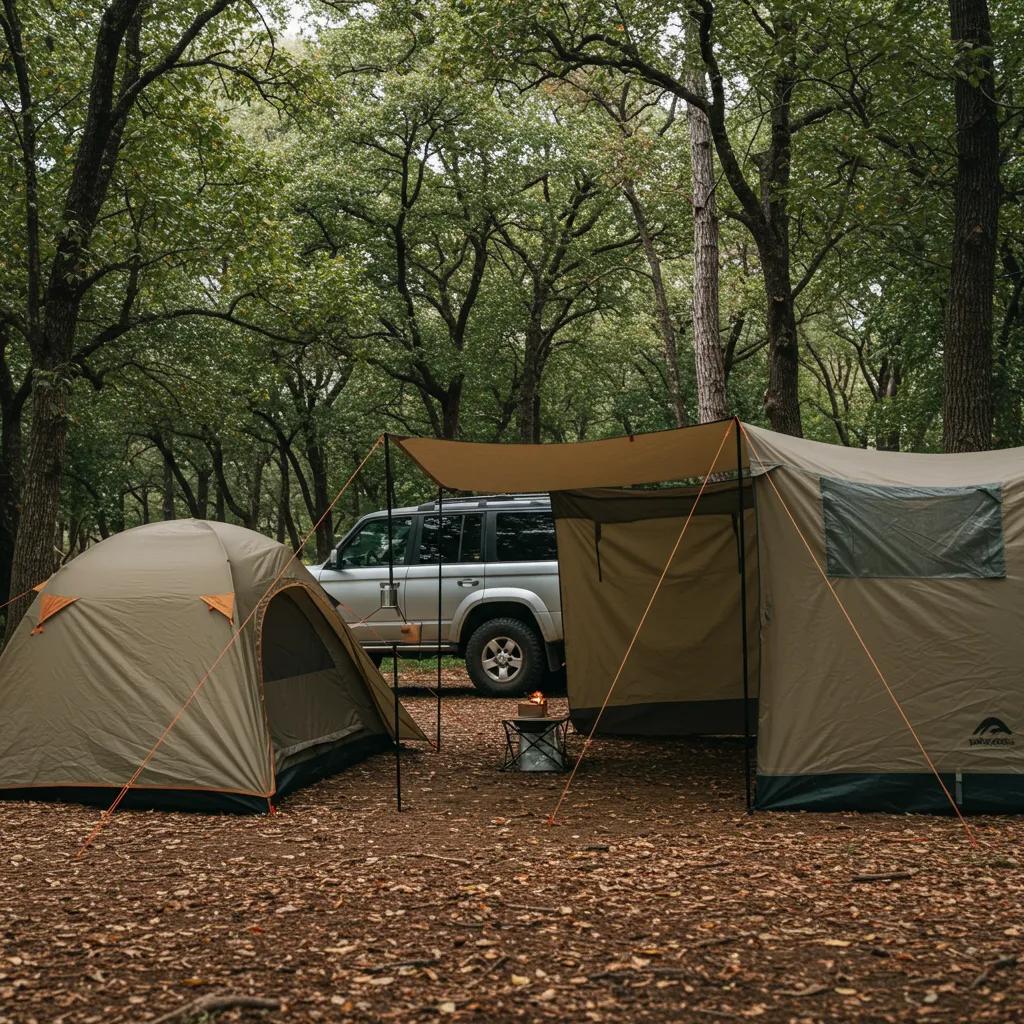
Begin by orienting your tents and seating areas inward, and use your vehicle or a canopy to block views from access lanes. This creates a deliberate internal social zone and reduces exposure to foot traffic. Position cooking and gathering spots on the side of the site that faces natural buffers or the least-used path. Use temporary screens like folding windbreaks or low-impact rope lines to define boundaries without harming vegetation. Leaving a clear, courteous pathway for neighbors discourages them from cutting through your site and helps maintain privacy. Arrange lighting to face inward, minimizing light spill into adjacent campsites. These setup steps make your space feel more private and naturally lead into the etiquette practices you should expect and follow.
Smart campsite setup includes:
- Position your vehicle to act as a visual shield toward common lanes.
- Orient tents and seating to face inward and toward natural buffers.
- Use temporary, low-impact screens to establish clear boundaries.
These steps collectively create an inward-facing campsite environment that supports family safety and quieter evenings.
Privacy as a Key Factor in Campsite Satisfaction
The lowest satisfaction scale values for the original campsites were “privacy of my campsite”
What Are Key Camping Etiquette Practices to Respect Neighbors’ Space?
Etiquette complements physical measures by setting behavioral expectations: observe quiet hours, avoid cutting across occupied sites, keep pets controlled, and manage fire and generator use responsibly to minimize impact. Politely addressing violations—using a calm approach like, “Hi, would you mind lowering the music a bit? We have little ones sleeping”—often resolves issues quickly without escalation. The overall effect of consistent etiquette is a culture where privacy and space are respected, benefiting repeat visitors and families alike. Upholding these norms ensures that physical buffers and regulatory spacing translate into genuine, usable privacy for everyone.
How Can Natural Features Be Used to Create Secluded Camping Areas?
Natural features like tree lines, shrubs, and changes in terrain act as passive screens and windbreaks, enhancing visual privacy and reducing sound transmission between sites. Position your gear and seating to take advantage of these features rather than clearing them away. For instance, place seating behind a cluster of trees or orient your tent into a slight depression to dampen nearby noise. Low-impact methods preserve vegetation and campground aesthetics while maximizing seclusion, and they tend to be more effective than temporary screens for longer stays. Thoughtful use of natural buffers allows campers to balance comfort with conservation while protecting privacy for themselves and their neighbors.
These straightforward setup strategies demonstrate how simple choices lead to noticeable privacy improvements and guide you toward finding secluded sites in Ohio parks and private campgrounds.
Where to Find Secluded & Spacious Camping Sites in Ohio
Secluded camping options in Ohio range from backcountry state park sites and dispersed lakeside spots to private campgrounds that prioritize intentional site spacing and family activities. The typical approach to finding seclusion involves selecting wooded or backcountry areas, choosing off-peak dates, or opting for private sites that advertise natural buffers. The advantage is that you can match your privacy preference—whether it’s quiet solitude, family-friendly seclusion, or amenity-rich but separated sites—to a specific booking strategy. Below, we list park options, compare private campgrounds with state parks, and summarize the benefits of booking through discovery platforms.
What Are the Top Ohio State Parks Known for Privacy & Space?
Several Ohio parks offer backcountry or heavily wooded campsite options where site spacing and natural terrain support privacy, often favored by campers seeking a more remote experience. Backcountry and lakeside sites are typically located farther from parking and facilities, resulting in quieter evenings but often requiring more effort to access. These parks operate under ODNR protocols, so you can expect official spacing rules and predictable quiet hour enforcement. When choosing between parks, look for sites explicitly described as “wooded,” “backcountry,” or “remote” to maximize seclusion, and check official park guidance for rules on group size and site usage.
How Do Private Campgrounds Like Ridge Ranch Compare to State Parks?
Private campgrounds generally offer more flexible reservation systems, family-focused amenities, and organized events, while state parks provide regulated spacing and a more natural, less commercial experience. The practical difference lies in amenities versus atmosphere. Ridge Ranch combines family-friendly activities—like planned events—with a large property that supports privacy-conscious site placement, giving campers options to be near the action or tucked away in secluded spots. Private operators often allow specific site requests through reservation notes, giving families more control over placement than many state park systems. This comparison helps campers choose based on whether they prioritize amenities, strict regulatory spacing, or customizable site selection.
Key differences between private campgrounds and state parks:
- Private campgrounds: Offer more amenities and greater reservation flexibility.
- State parks: Feature regulated spacing and natural backcountry options.
- Hybrid choice: Large private properties with natural buffers provide both seclusion and services.
Selecting the right type of site depends on whether you value social programming or pure natural solitude.
What Are the Benefits of Booking Private Sites Through Platforms Like Hipcamp?
Third-party discovery platforms and private reservation portals make it easier to filter listings for privacy features. Use filters like “wooded,” “secluded,” and “private” when searching park and campground listings, and consider booking weekdays or off-peak seasons to reduce crowds. Platforms listing private campgrounds often provide photos and maps that highlight natural buffers, and reservation notes allow you to request specific placements, such as sites tucked alongside woods or set back from beaches. Combining filter use with direct communication to confirm sightlines offers the best chance of finding a truly secluded spot. These search strategies simplify the process of locating family-friendly campsites that prioritize privacy and space.
How to Book a Private Campsite at Ridge Ranch Campground
Booking a private campsite involves selecting your preferred site type, specifying any privacy requests, and choosing off-peak dates when quieter sites are more likely to be available. Ridge Ranch’s online reservation system makes this process easy for families and groups. The steps are straightforward: use the reservation system to identify site types—RV, tent, or seasonal sites—and add notes requesting sites near wood lines or away from amenity hubs. The benefit is a higher chance of securing a private placement that suits your group’s needs, along with access to family programming if desired. The steps below guide you through the reservation process, deals to consider, and nearby attractions to help you plan your private getaway.
What Is the Process for Making Online Reservations for Private Sites?
Start by selecting the site category that fits your setup—RV sites for rigs, tent sites for smaller groups, or seasonal sites for longer stays—and check availability for off-peak weekdays if seclusion is a priority. In the reservation notes, request specific privacy features like a wooded buffer or a location away from the beach. Follow up with campground staff if you need confirmation about sightlines or site proximity. The best times to book for seclusion are weekdays and non-holiday periods when occupancy is lower. Booking early increases your chances of securing your preferred placement. Completing this reservation process results in a confirmed campsite rental that aligns with your privacy and space expectations.
Are There Special Deals or Packages for Family-Friendly Private Camping?
Ridge Ranch’s family-focused approach includes planned events (DJ nights, karaoke, bingo, crafts) that offer built-in opportunities for daytime family entertainment while keeping campsite zones quieter. Families can plan event-based stays to enjoy programming without sacrificing secluded campsite time by booking sites away from event hubs and joining activities during scheduled times. Seasonal site options may be ideal for families seeking extended privacy rather than short-term weekend stays. Check reservation details for current promotions and packages to find the perfect blend of privacy and programming for your family.
What Nearby Attractions Complement a Private Camping Experience?
Nearby attractions offer excellent day-trip options that help centralize activities away from your campsite, enhancing a private camping itinerary. Options for visitors near Ridge Ranch include Nelson Ledges State Park and various local attractions suitable for family outings. Using day trips to nearby points of interest allows campers to enjoy regional recreation while preserving evening campsite privacy for rest and family time. Planning excursions to local attractions supports a balanced trip that combines exploration with secluded campground evenings, and choosing your campsite placement with this itinerary in mind will boost overall satisfaction.
For campers ready to book, use Ridge Ranch’s online reservations to specify site preferences and consider campsite rentals that mention wooded or lakeside but offset placements; this approach secures both privacy and access to family amenities.
Frequently Asked Questions
What Should I Look for When Choosing a Campsite for Privacy?
When selecting a campsite for privacy, prioritize locations set back from main paths and amenities. Look for descriptions like “wooded,” “tucked away,” or “offset” in site listings, as these often indicate natural buffers. Also, consider the site’s orientation; inward-facing layouts can enhance privacy by reducing visibility from neighboring sites. Always check site maps and descriptions to ensure you choose a location that meets your privacy needs.
How Can I Enhance Privacy at a Campsite with Limited Space?
To boost privacy in a tight space, focus on strategic setup and behavior. Orient your tent and seating areas inward to create a more private social zone. Use your vehicle as a visual barrier between your site and common paths. Employ low-impact screens, such as folding windbreaks, to define boundaries without harming the environment. Additionally, observing quiet hours and being respectful of neighbors can significantly improve the overall privacy experience.
What Are the Benefits of Choosing a Private Campground Over a State Park?
Private campgrounds often offer more flexible reservation systems, family-oriented amenities, and programmed events compared to state parks. They typically allow for specific site requests, giving campers greater control over their placements. While state parks focus on natural settings and regulated spacing, private campgrounds like Ridge Ranch can provide a blend of amenities and privacy, making them ideal for families seeking both comfort and seclusion during their camping trip.
How Do I Communicate with Campground Staff About Privacy Requests?
When making a reservation, clearly state your privacy preferences in the notes section. Specify desired features, such as wooded buffers or distance from common areas. If you have specific concerns about sightlines or noise, don’t hesitate to contact campground staff directly. A polite inquiry can help ensure your needs are met, and staff are often willing to accommodate reasonable requests to enhance your camping experience.
What Should I Do If My Neighbors Are Disturbing My Privacy?
If your neighbors are causing disturbances, approach the situation calmly and politely. A simple request, such as asking them to lower their noise level, can often resolve the issue without conflict. If the problem persists, consider notifying campground staff, who can intervene if necessary. Maintaining a respectful attitude is key to fostering a positive camping environment for everyone, ensuring that privacy and comfort are upheld.
Are There Specific Times When Campsite Privacy Is More Challenging?
Yes, campsite privacy can be more challenging during peak seasons, weekends, and holidays when occupancy is high. During these times, sites are often closer together, and noise levels can increase due to more campers. To improve your chances of securing a private experience, consider booking during off-peak times or weekdays. Additionally, selecting sites further from common areas can help mitigate privacy concerns during busier periods.
What Role Do Natural Features Play in Enhancing Campsite Privacy?
Natural features like trees, shrubs, and terrain changes serve as effective barriers that enhance campsite privacy. They can block sightlines and absorb sound, creating a more secluded environment. When setting up your campsite, take advantage of these features by positioning your tent or seating areas behind them. This not only improves your privacy but also helps maintain the natural aesthetics of the campground, benefiting both you and your neighbors.
How Can I Ensure Privacy at My Campsite in Ohio?
Choose sites away from main paths and amenities, and look for descriptions like “wooded,” “tucked,” or “offset” to indicate natural buffers. Use inward-facing layouts and low-impact screens to reduce visibility. Follow campground quiet hours, avoid cutting through other campsites, and communicate politely with neighbors if issues arise. These actions collectively create a protective environment for children and group activities, and they improve the perceived privacy of even modestly spaced sites. For added privacy assurance at a private campground, book campsite rentals with specific notes about your desired buffers.
What Is the 5-Foot Rule for Campsite Spacing?
The 5-foot rule refers to a common minimum separation between individual units on the same campsite, intended to prevent overcrowding within a single site and reduce hazards. This rule clarifies that while multiple units may occupy a site, they must maintain a small distance to limit fire risks and tent congestion, and to preserve basic personal space. For separations between adjacent sites, a larger minimum—often around 10 feet—applies to further reduce sightlines and noise transfer. Knowing these measurements helps campers assess when a site will feel private and when additional screening or site-selection strategies are needed.
How Do I Find Secluded Tent or RV Sites in Ohio?
Use search filters for “wooded,” “secluded,” or “backcountry” when browsing park and campground listings. Consider booking weekdays or off-peak seasons to reduce crowds. Platforms that list private campgrounds often provide photos and maps showing natural buffers, and reservation notes allow you to request specific placements, such as sites tucked alongside woods or set back from beaches. Combining filter use with direct communication to confirm sightlines offers the best chance of finding a truly secluded spot. These search strategies make it easier to find family-friendly campsites that prioritize privacy and space.
What Are Quiet Hours and Why Are They Important?
Quiet hours are designated times—typically from evening through early morning—when amplified or excessive noise is discouraged to ensure rest and safety for all campers. They function as a behavioral buffer that complements physical spacing. Enforcement of quiet hours reduces late-night disturbances, protects sleeping children, and preserves the restful atmosphere of campgrounds. Respectful compliance with quiet hours and polite conflict resolution keep shared camping areas pleasant and support long-term campsite privacy. Observing quiet hours is especially crucial during busier seasons when spacing alone cannot guarantee silence.
Conclusion
Ensuring privacy and ample space between campsites in Ohio parks significantly enhances the camping experience for families and groups, promoting safety and comfort. By understanding state regulations and using practical setup strategies, campers can create a more secluded environment that fosters enjoyable outdoor memories. For those seeking the best options, Ridge Ranch Campground offers a variety of private sites designed to meet your needs. Start planning your next getaway by exploring our campsite rentals today.