What Buyers Look For When Buying RV Parks: Key Criteria and Selling Tips for Campground Owners
Knowing what buyers want when purchasing RV parks helps sellers get better offers, close faster, and protect their campground’s legacy. This guide covers buyer priorities—financial, operational, physical, and market-driven—and shows how campground owners can prepare documents, prioritize upgrades, and present their property to meet investor expectations. Sellers who understand what buyers value, from Net Operating Income to wastewater systems and guest amenities, will find negotiations smoother and pricing more certain. The article walks through critical financial factors, the property conditions and amenities that attract buyers, the step-by-step selling process and buyer expectations, 2025 market trends and buyer types, practical strategies to maximize value before sale, common buyer questions, and the specific advantages of selling to a family-owned direct buyer. Throughout, you’ll find checklists, EAV comparison tables, and actionable lists to prepare both records and the property for a successful sale.
What Are the Most Important Financial Factors Buyers Consider When Purchasing RV Parks?

Buyers first evaluate RV parks from a financial perspective, using Net Operating Income (NOI), capitalization rate (cap rate), occupancy, and verified financial records to estimate value and risk. These metrics reveal current cash flow, normalized expenses, and how market comparables translate into an offer; strong, auditable NOI reduces buyer downward adjustments and shortens diligence. The financial review focuses on recurring revenue streams (site rents, store sales, long-term rentals) versus operating expenses, with buyers adjusting for owner benefits and one-time items to derive a stabilized NOI. Below is a concise EAV-style comparison to illustrate how buyers compare properties by numeric metrics and how those metrics affect implied value and buyer interest.
Buyers typically expect clean, well-organized financials; the next subsection explains how NOI is constructed and normalized for buyer models.
How Do Buyers Use Net Operating Income to Evaluate RV Parks?
Net Operating Income (NOI) is the annual revenue remaining after operating expenses and before debt service, and buyers use it to measure the park’s true cash flow. Buyers analyze all revenue categories—site fees, store and concessions, long-term leases, utility reimbursements—and subtract recurring operating costs such as utilities, maintenance, payroll, insurance, and management fees to calculate NOI. They also normalize NOI by removing owner-specific perks, related-party transactions, and non-recurring capital repairs so the figure reflects predictable operations. Sellers who prepare clean P&Ls, categorize expenses consistently, and provide supporting invoices make NOI verification quicker and reduce buyer valuation discounts.
Buyers then combine NOI with cap rate expectations to estimate a market value, so understanding cap rates is the logical next topic.
What Is a Good Capitalization Rate for RV Park Investments?
A capitalization rate (cap rate) equals NOI divided by purchase price and functions as a shorthand for yield and perceived risk; buyers use it to compare alternative investments. Typical cap rates vary by region, property quality, and market conditions, with lower cap rates indicating higher valuations for stable, well-located parks and higher cap rates applied to properties requiring improvement or facing operational risk. Buyers consider factors such as occupancy sustainability, infrastructure condition, and revenue diversification when selecting an appropriate cap rate to apply to a property’s NOI. Sellers who can demonstrate stable occupancy, recent infrastructure investment, and diversified income streams commonly justify tighter (lower) cap rates.
After cap rate analysis, buyers examine occupancy patterns to validate revenue stability and seasonal risk.
How Do Occupancy Rates Impact RV Park Valuation?
Occupancy rates drive revenue predictability by indicating demand, seasonality, and the efficacy of distribution channels; buyers model occupancy to forecast future NOI and stress-test cash flow. Average daily occupancy, peak-season fill, and length-of-stay trends (including long-term stays) inform revenue projections and help buyers estimate upside from improved marketing or rate management. High seasonal variability or heavy reliance on a single booking channel increases perceived risk and may prompt buyers to apply higher cap rates or request price concessions. Clear, month-by-month occupancy reports and channel-sourced booking data reduce uncertainty and strengthen buyer confidence.
Accurate financials and occupancy reporting are essential for buyers; the following subsection outlines the specific records buyers expect to see.
Why Are Accurate Financial Records Essential for Buyers?
Accurate financial records provide the evidence buyers need to underwrite offers and obtain financing, covering P&Ls, tax returns, rent rolls, occupancy reports, vendor contracts, and capital expenditure logs. Buyers flag inconsistent bookkeeping, undocumented cash receipts, or missing utility bills as red flags that increase perceived risk and lengthen due diligence; conversely, organized records accelerate closing and may increase offers. Sellers should assemble a diligence pack—three years of P&Ls, tax returns, site-level revenue breakdowns, occupancy spreadsheets, and a list of recent capital projects with invoices—to present a transparent history. Preparing and normalizing these documents ahead of buyer requests shortens negotiation timelines and reduces opportunities for price re-trades.
To illustrate how buyers compare financials across properties, the table below shows example metrics buyers use during valuation.
Before the table, note this brief sidebar describing what buyers commonly look for when valuing properties, including how direct buyers may evaluate metrics.
- What buyers look for when valuing RV parks: clear NOI growth trends, verified occupancy by channel, documented capex, and consistent expense categorization.
What Property Conditions and Amenities Attract RV Park Buyers?
Buyers prioritize property components that support reliable operations and guest satisfaction: functional utilities and wastewater systems, safe roads and site hookups, quality bathhouse facilities, and revenue-generating amenities such as camp stores and recreation areas. Good infrastructure reduces immediate capital expenditure risk and makes financing more accessible; amenities that broaden market appeal—high-speed internet, dog-friendly areas, glamping options—increase revenue potential and justify higher rates. Buyers rank upgrades by impact: essential compliance and utility capacity first, guest-facing amenities second, and cosmetic improvements last. The table below compares common amenities by upgrade cost and expected valuation impact to help sellers prioritize pre-sale investments.
Which Upgrades and Repairs Do Buyers Expect Before Purchase?
Buyers expect sellers to address safety and compliance items first—septic/wastewater issues, electrical code violations, and road hazards—because these represent immediate operational and lender concerns. Fixing critical infrastructure or providing recent inspection reports reduces contingency risks and strengthens offers, while cosmetic improvements improve buyer perception but rarely substitute for structural or utility problems. Sellers benefit from pre-inspections and documented repairs, which allow them to present a risk-mitigated asset and reduce the likelihood of price adjustments during buyer inspections. Prioritizing essential upgrades before listing sends a clear signal about property stewardship and readiness for transfer.
After addressing basics, sellers should consider which amenities drive buyer interest and revenue, discussed next.
What Amenities Increase Buyer Interest in RV Parks?
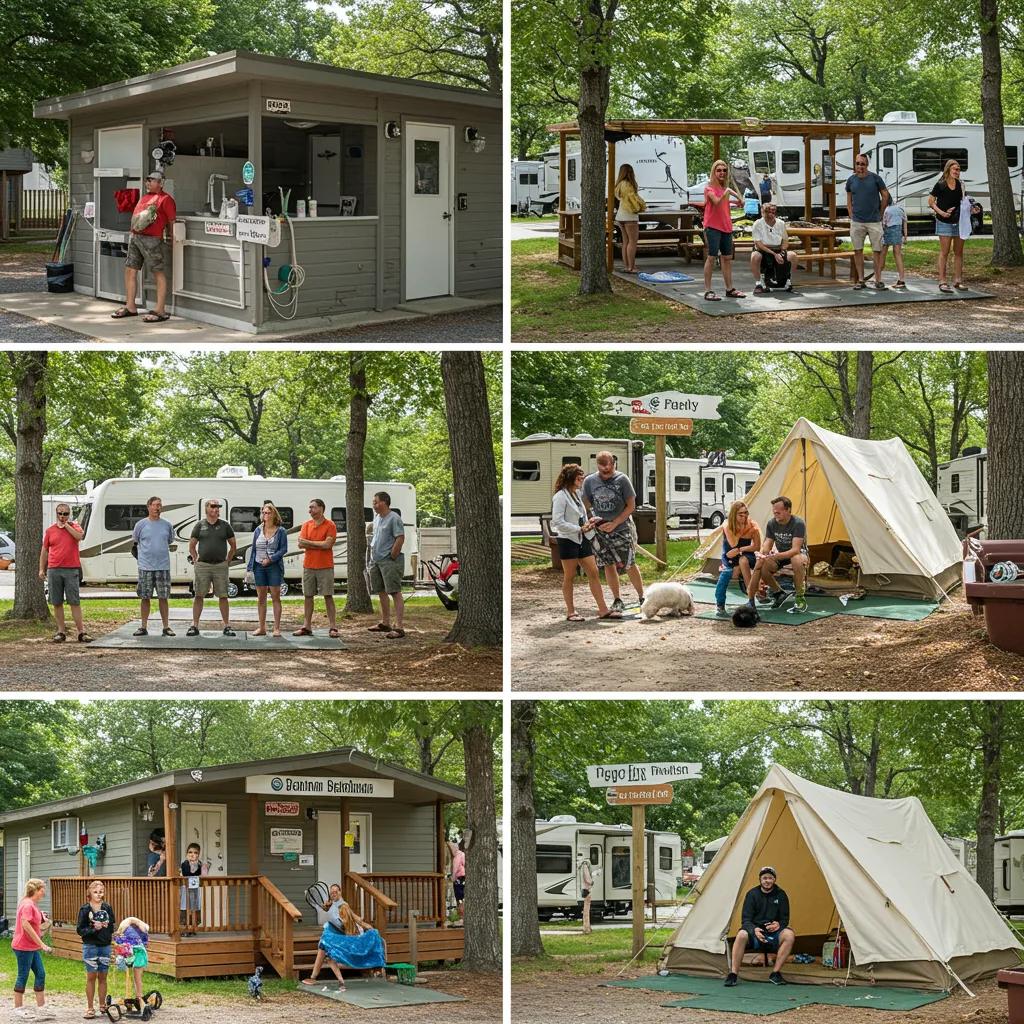
Buyers look for amenities that expand the addressable market and increase average daily rates: reliable high-speed internet, well-maintained bathhouses, designated pet areas, glamping or premium sites, and multipurpose recreation spaces. Amenities that support longer stays and remote workers—quiet workspaces and dependable connectivity—are especially valuable in current markets and can increase occupancy and ancillary revenue. Unique guest experiences and event programming support premium pricing and repeat business, and buyers weigh the operational complexity of each amenity against projected revenue uplift. Providing occupancy and revenue splits by amenity helps buyers estimate incremental returns from each feature.
How Does Infrastructure Quality Affect Buyer Decisions?
Infrastructure quality—water supply, wastewater capacity, electrical service, and road conditions—directly influences lender willingness to finance and a buyer’s projected capital expenditure budget. Buyers and lenders scrutinize wastewater systems, documented easements, utility hookups, and recent maintenance histories to assess near-term capital needs and regulatory compliance. Clear documentation of permits, recent system upgrades, and maintenance contracts lowers perceived risk and can lead to higher offers; conversely, undocumented systems or known deficiencies often result in price deductions or stricter contingencies. Sellers who compile inspection reports and utility documentation improve transparency and accelerate buyer underwriting.
The table below helps sellers prioritize amenity investments by cost and valuation impact.
How Does the RV Park Selling Process Work and What Do Buyers Expect?
Selling an RV park follows a sequence buyers anticipate: initial marketing and LOI, document exchange and due diligence, inspections and negotiation of contingencies, and closing with transition planning. Buyers expect clear timelines, organized document packages, and transparency about operational details; a well-structured process reduces friction and often shortens deal cycles. Typical contingencies include financing, environmental/septic inspections, title review, and verification of income and occupancy. Sellers who present a prepared diligence pack and anticipate common inspection findings often obtain stronger offers and encounter fewer renegotiations. The next sections list required legal documents, benefits of direct sale options, and how inspections affect outcomes.
What Legal Documents Are Required for Selling an RV Park?
Buyers request a comprehensive set of legal and operational documents: deeds and easements, site plans, permits, environmental assessments, leases, vendor contracts, insurance records, and recent title reports. These documents establish ownership rights, encumbrances, zoning compliance, and permitted uses, and they enable buyers and lenders to complete legal and environmental reviews. Sellers who gather these documents before listing—organized by category with indexed files—reduce diligence time and improve buyer confidence. Efficient organization of legal records often leads to faster closings and fewer last-minute surprises.
What Are the Benefits of Selling Directly to Buyers Like GatherGrounds Resorts?
Selling directly to a family-owned buyer such as GatherGrounds Resorts can offer objective advantages: streamlined negotiations, reduced reliance on broad market marketing, fewer intermediary fees, and the potential for a more thoughtful transition that preserves property legacy. GatherGrounds Resorts operates a campground acquisition program and serves as a direct buyer for campgrounds and RV parks, primarily in the upper Midwest states, actively seeking properties with over 130 sites. For sellers prioritizing continuity for staff and guests and a values-driven transition, a direct sale can shorten timelines and reduce transaction complexity while allowing tailored transition arrangements that reflect seller priorities.
How Do Buyer Inspections and Contingencies Influence the Sale?
Buyer inspections—structural, septic/environmental, and operational—verify representations and surface deferred maintenance that can become negotiation points or contingency triggers. Inspections influence repair credits, price adjustments, or specific closing conditions; buyers often convert inspection findings into estimated repair budgets that reduce offers or require seller-funded repairs. Sellers can mitigate these impacts by conducting pre-listing inspections, addressing obvious issues, and providing recent service records; proactive remediation reduces negotiation leverage for buyers and demonstrates responsible ownership. Clear communication about known issues and planned remediation tends to preserve buyer trust and smooth the path to closing.
Below is a mapping table that shows typical transaction documents and their purpose to help sellers prepare a diligence pack.
What Market Trends and Buyer Demographics Influence RV Park Purchases in 2025?
Current market dynamics in 2025 shape buyer appetite: sustained demand for outdoor travel, the rise of long-stay and remote-work campers, and evolving financing conditions influence which parks buyers pursue. Younger campers—Millennials and Gen Z—prioritize connectivity, unique experiences, and pet-friendly policies, changing the amenity mix buyers value. Interest rates and lender underwriting priorities continue to affect cap rate spreads and deal structures, with buyers focused on parks that show resilient occupancy and diversified revenue. Understanding these trends helps sellers time their sale, position amenities, and frame marketing to attract the most relevant buyer types.
How Are Millennial and Gen Z Campers Shaping Buyer Preferences?
Millennial and Gen Z campers emphasize experiences, connectivity, and convenience; they value high-speed internet, curated events, wellness and outdoor programming, and pet-friendly policies that support extended stays. Buyers therefore look for parks with features that meet these preferences, because such parks show better retention, longer average stays, and greater ancillary spend potential. Sellers who document guest demographics, average length of stay, and user reviews can demonstrate alignment with younger cohorts and support premium pricing. Catering to these preferences often requires modest investments that yield measurable occupancy and revenue gains.
What Is the Current State of the RV Park Market and Investment Outlook?
The RV park investment outlook in 2025 reflects steady demand for outdoor stays, selective capital allocation by investors, and tighter underwriting practices by lenders; buyers emphasize cash flow stability and realistic growth assumptions. Buyers expect sellers to justify revenue projections with historical data and to present conservative upside scenarios that account for seasonality and channel diversification. Sellers positioning properties with documented occupancy resilience and incremental revenue opportunities tend to attract more competing offers and better financing terms. Market timing and credible projections therefore materially affect buyer valuation models.
How Do Different Buyer Types Affect Purchase Criteria?
Different buyer archetypes—lifestyle owners, corporate investors, and direct family buyers—prioritize distinct attributes: lifestyle buyers value character and guest experience, corporate investors focus on scalable cash flow and operational efficiencies, and family-owned direct buyers often emphasize legacy preservation and thoughtful transitions. Mapping buyer type to priorities helps sellers tailor disclosures, highlight relevant assets, and choose marketing channels that reach the most compatible buyers. Sellers who target the right buyer type can reduce time on market and negotiate from a position of alignment rather than compromise.
How Can Sellers Maximize RV Park Value to Meet Buyer Expectations?
Owners can increase value by improving NOI, documenting operations, and selectively investing in amenities that drive occupancy and ADR (average daily rate). Strategies include dynamic pricing, expanding ancillary revenue (camp store, rentals, events), optimizing direct-booking channels, and reducing operating inefficiencies through vendor renegotiation or streamlined staffing. Clear presentation—professional photos, organized P&Ls, and attractive site maps—also improves buyer perception and can generate competitive bids. Below are practical steps sellers can implement to enhance profitability and buyer appeal before listing.
What Are the Top Strategies to Increase RV Park Profitability Before Sale?
Sellers can boost profitability by implementing dynamic pricing, promoting direct bookings, and adding ancillary services with favorable margins such as camp stores, equipment rentals, or premium site fees. Cost controls—vendor renegotiation, energy-efficiency upgrades, and preventative maintenance—improve NOI and reduce buyer-adjusted expenses during valuation. Tracking and presenting the ROI of recent initiatives, such as targeted marketing or rate changes, helps buyers quantify upside and supports stronger offers. These operational improvements not only enhance cash flow but also demonstrate effective management to prospective buyers.
How Do Upgraded Amenities Impact RV Park Valuation?
Upgraded amenities affect valuation through two channels: directly increasing revenue and indirectly reducing perceived risk, which can tighten cap rates. Buyers quantify amenity impact by projecting occupancy lift or increased ADR attributable to the upgrade and then applying the buyer’s cap rate to incremental NOI to estimate valuation uplift. An EAV-style comparison table below can help sellers evaluate which investments yield the best valuation improvement relative to cost. Prioritizing amenities with measurable demand among target guest segments yields the strongest return.
What Role Does Location Play in Attracting Buyers and Increasing Value?
Location determines seasonality, comparables, and the park’s ability to command higher rates; proximity to recreational attractions, ease of access, and regional demand patterns materially affect buyer interest. Buyers analyze local comps, travel-time catchment areas, and nearby attractions to forecast ADR and occupancy potential. Sellers should assemble local market data, comparable sales, and a list of nearby draw factors to communicate location-driven advantages. Demonstrating strong local demand and limited competitive supply typically yields more favorable valuation assumptions from buyers.
What Are Common Buyer Questions and Concerns When Purchasing RV Parks?
Buyers commonly ask about profitability drivers, expansion potential, environmental or permit risks, and the quality of documented financials; answering these proactively helps sellers preserve value. Common concerns include unknown capital needs, inconsistent record-keeping, environmental liabilities, and sustainable occupancy patterns. Sellers who prepare clear responses, provide supporting documentation, and outline mitigation plans for identified issues usually reduce contingency holdbacks and retain buyer interest. The next subsections answer specific seller-facing questions and provide recommended action items.
What Makes an RV Park Profitable and Attractive to Buyers?
Profitability stems from diversified income streams, stable occupancy, efficient operations, and amenities that support premium pricing; buyers favor parks with multiple revenue channels such as site fees, store sales, storage, and services. Reliable booking channels and repeat customers reduce marketing costs and support occupancy predictability, while effective onsite management controls operating expenses. Sellers who can present a clear breakdown of revenue by source, demonstrated margins, and repeat-guest statistics make profitability easier to validate. Presenting these metrics with supporting documentation helps buyers move from interest to firm offers.
How Do Buyers Assess Growth and Expansion Potential?
Buyers evaluate undeveloped land, permitting pathways, zoning, and utility capacity to assess feasible expansion of sites or amenities and to estimate the cost and timeline for growth. Demonstrating site surveys, zoning confirmations, conceptual site plans, and utility capacity reports provides evidence that expansion is achievable and helps buyers model growth scenarios. Sellers who prepare these documents before listing reduce uncertainty and allow buyers to price upside into offers. Clear, documented expansion potential can differentiate a listing and attract growth-oriented buyers.
What Should Sellers Know About Buyer Due Diligence?
Buyer due diligence covers financial verification, physical inspections, environmental assessments, title review, and contract examination, and it often proceeds on a set timeline tied to contingencies in the purchase agreement. Buyers will request organized financial packets, recent inspections and repair histories, vendor contracts, and evidence of compliance with permits and zoning. Sellers who pre-compile a diligence folder and address likely issues—such as a pre-listing septic inspection—can reduce negotiation leverage for buyers seeking price reductions. Proactive diligence preparation accelerates closing and preserves the negotiated price.
Why Choose a Family-Owned Buyer Like GatherGrounds Resorts When Selling Your RV Park?
A family-owned buyer can offer sellers a values-aligned alternative to institutional buyers or a prolonged brokerage process, prioritizing continuity, thoughtful transitions, and tailored arrangements over purely financial restructuring. GatherGrounds Resorts is a family-owned company specializing in the acquisition, management, and operation of campgrounds and RV parks, primarily in the upper Midwest states, and operates a campground acquisition program with a direct purchase option for owners considering sale. For owners focused on preserving heritage, ensuring staff continuity, and achieving a streamlined transaction, selling directly to a family-owned buyer can offer alignment of cultural priorities with business terms.
How Does GatherGrounds Ensure a Thoughtful Transition for Sellers?
GatherGrounds emphasizes continuity by designing transition plans that consider staff retention, preservation of traditions, and phased operational handovers to protect guest experience and property identity. Typical transition practices include retaining key staff where possible, maintaining signature guest programs, and collaborating with sellers on a timeline that honors seasonal considerations. Sellers can choose their level of involvement in the handover, from an advisory role to a defined overlap period, and these options are structured to minimize disruption for guests and employees. Thoughtful transitions reduce reputational risk and preserve the campground’s legacy.
What Are the Benefits of Selling to a Direct Buyer Versus a Brokerage?
A direct sale to a buyer like GatherGrounds may offer faster closings, fewer intermediary fees, greater confidentiality, and tailored transition terms, while brokerage routes can reach a broader buyer pool but often involve longer marketing periods and commission costs. Direct buyers streamline negotiations because they are principal purchasers rather than intermediaries, which can shorten due diligence and reduce contingencies when documentation is complete. Brokers may achieve higher competitive bids in some markets, but sellers weighing speed, confidentiality, and cultural fit often find direct buyers preferable. Evaluating your goals—maximum exposure versus controlled transfer—helps determine the best path.
How Does GatherGrounds Invest in Enhancing Acquired Campgrounds?
GatherGrounds focuses on preserving a property’s character while making targeted investments in infrastructure and guest experience, such as upgrading utilities, improving bathhouse facilities, expanding amenity offerings, and selectively adding modern conveniences that increase appeal. Investments are prioritized to reduce operational risk and enhance revenue potential—for example, addressing wastewater systems first, then adding high-impact guest amenities that align with the park’s market. Portfolio examples include Walnut Hills Family Campground, Ridge Ranch Campground, and The Oaks Campground, illustrating a stewardship approach that balances preservation with improvement.
Selling to a values-driven direct buyer can therefore align financial and legacy goals, and owners who prefer such outcomes may consider the campground acquisition program as a confidential, direct-sale option.
Frequently Asked Questions
What are the key factors that influence RV park buyer demographics?
Buyer demographics for RV parks are influenced by various factors, including age, lifestyle preferences, and travel habits. Millennials and Gen Z campers, for instance, prioritize connectivity, unique experiences, and pet-friendly policies. In contrast, older generations may focus more on traditional amenities and family-oriented features. Understanding these demographics helps sellers tailor their marketing strategies and property features to attract the right buyers, ensuring that the park meets the evolving needs of its target audience.
How can sellers effectively market their RV park to potential buyers?
Sellers can effectively market their RV park by highlighting unique features, amenities, and location advantages. Professional photography, engaging descriptions, and showcasing guest experiences can attract interest. Utilizing online platforms, social media, and targeted advertising can broaden reach. Additionally, presenting organized financial records and operational data can enhance credibility. Sellers should also consider creating a compelling narrative around the park’s history and community involvement, which can resonate with buyers looking for a property with a legacy.
What role does seasonal demand play in RV park valuations?
Seasonal demand significantly impacts RV park valuations as it affects occupancy rates and revenue potential. Parks located in popular vacation destinations may experience peak seasons that drive higher rates, while off-peak periods can lead to lower occupancy. Buyers analyze historical occupancy data to assess revenue stability and potential risks. Sellers should provide detailed occupancy reports and seasonal trends to help buyers understand the park’s performance throughout the year, which can influence their valuation and offer.
What are common pitfalls sellers should avoid when preparing to sell their RV park?
Sellers should avoid several common pitfalls, such as neglecting to organize financial records, failing to address necessary repairs, and not understanding buyer expectations. Incomplete or inconsistent documentation can raise red flags for buyers, leading to lower offers or extended due diligence periods. Additionally, overlooking essential upgrades or repairs can deter potential buyers. Proactively addressing these issues and preparing a comprehensive diligence pack can streamline the selling process and enhance buyer confidence.
How can sellers demonstrate the growth potential of their RV park to buyers?
Sellers can demonstrate growth potential by providing evidence of undeveloped land, zoning opportunities, and utility capacity for expansion. Presenting market research that highlights increasing demand for outdoor experiences and long-term stays can also attract buyers. Additionally, showcasing successful marketing strategies, occupancy trends, and potential for new amenities can illustrate the park’s future profitability. Clear documentation of these factors helps buyers envision the park’s growth trajectory and justifies higher valuations.
What financing options are available for buyers interested in RV parks?
Buyers interested in RV parks typically have several financing options, including traditional bank loans, private lenders, and seller financing. Conventional loans often require a solid financial history and a down payment, while private lenders may offer more flexible terms. Seller financing can also be an attractive option, allowing buyers to make payments directly to the seller over time. Understanding these financing avenues can help sellers position their property to appeal to a broader range of potential buyers.
How can sellers prepare for buyer inspections to ensure a smooth process?
Sellers can prepare for buyer inspections by conducting pre-listing inspections to identify and address potential issues beforehand. Organizing maintenance records, repair histories, and compliance documentation can also streamline the inspection process. Clear communication about known issues and planned remediation can build trust with buyers. By presenting a well-maintained property and being transparent about its condition, sellers can reduce negotiation friction and enhance buyer confidence, leading to a smoother transaction.
Conclusion
Understanding buyer priorities when selling RV parks is essential for maximizing value and ensuring a smooth transaction. By focusing on financial transparency, property conditions, and appealing amenities, sellers can attract the right buyers and secure favorable offers. Preparing comprehensive documentation and addressing key buyer concerns will streamline the selling process and enhance buyer confidence. Start your journey towards a successful sale by exploring our resources and expert guidance today.