

Understanding Weather Impacts on I-80 Ohio Campgrounds: Essential Tips for Peak Season Planning and Safe Camping
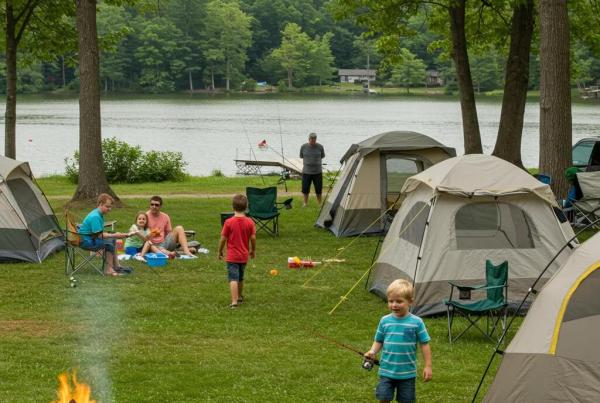
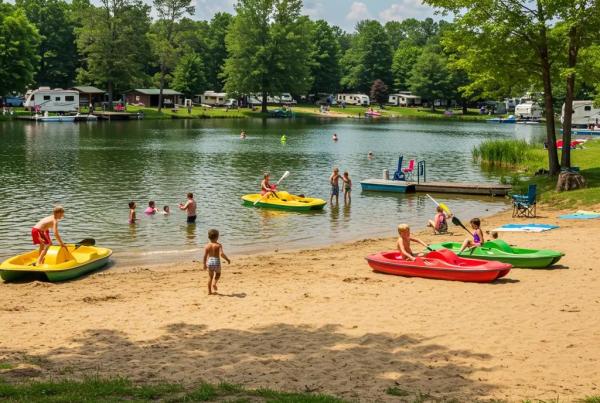
Severe and unpredictable weather along Ohio’s Interstate 80 (I-80) corridor can quickly turn a planned family camping weekend into a safety concern, making proactive planning far more important than hoping for the best. This guide will walk you through how weather conditions affect campgrounds near I-80 during peak season, what essential gear you should pack, and how to secure your RV and tent to minimize risks while still enjoying a great outdoor experience. To make this advice immediately useful, we’ll reference Ridge Ranch Campground by GatherGrounds—conveniently located near I-80 Exit 209 and dedicated to family-friendly camping, offering RV and tent sites, plus a 17-acre spring-fed lake with a sandy beach and swimming deck. This way, you’ll know where on-site amenities can help if the weather takes a turn. You’ll find season-by-season expectations, checklists for RV and tent storm preparedness, ideas for rainy-day activities, the campground’s reservation considerations for weather, and real-time alert resources like NOAA and local forecasts. Read on for practical, route-focused planning and safety-first tips to keep your I-80 camping trip enjoyable, no matter what Ohio’s peak-season weather brings.
What Are the Typical Weather Patterns Affecting I-80 Ohio Campgrounds?
Typical weather patterns near I-80 in Ohio shape campsite conditions by season: spring brings variable rain and thawing ground, summer delivers warm days with sudden thunderstorms, fall cools with wind and rapidly changing temperatures, and winter brings cold, snow, and icy travel risks.
These seasonal patterns create specific benefits and hazards for campers: summer allows for lakefront recreation but increases the risk of thunderstorms and lightning, while spring and fall require attention to muddy sites and wind exposure that can affect tent stability.
Understanding seasonal trends helps campers choose gear, plan activities, and set realistic expectations for site conditions at Ridge Ranch Campground and other I-80 campgrounds. The seasonal overview below summarizes typical temperatures, precipitation patterns, and common hazards so campers can align booking and packing decisions with expected conditions.
How Do Ohio’s Seasonal Changes Impact Camping Near I-80?
Spring near I-80 often features fluctuating temperatures and frequent showers, which can lead to muddy ground and higher lake levels that might limit beach and lakeside access. These conditions increase the need for waterproof footwear, ground tarps, and tent ventilation to reduce condensation; spring storms can also impact travel on I-80, so flexible arrival plans are a good idea.
As summer arrives, warmer daytime temperatures make swimming and paddleboat or canoe rentals ideal activities, but heatwaves and afternoon thunderstorms call for staying hydrated, using sun protection, and having a storm shelter plan. Fall brings crisper air and wind; campsites might be covered in leaves and cooler at night, so layered clothing and windproof setups are helpful, while winter conditions can limit access and introduce road hazards.
What Are Common Weather Hazards Campers Should Know?
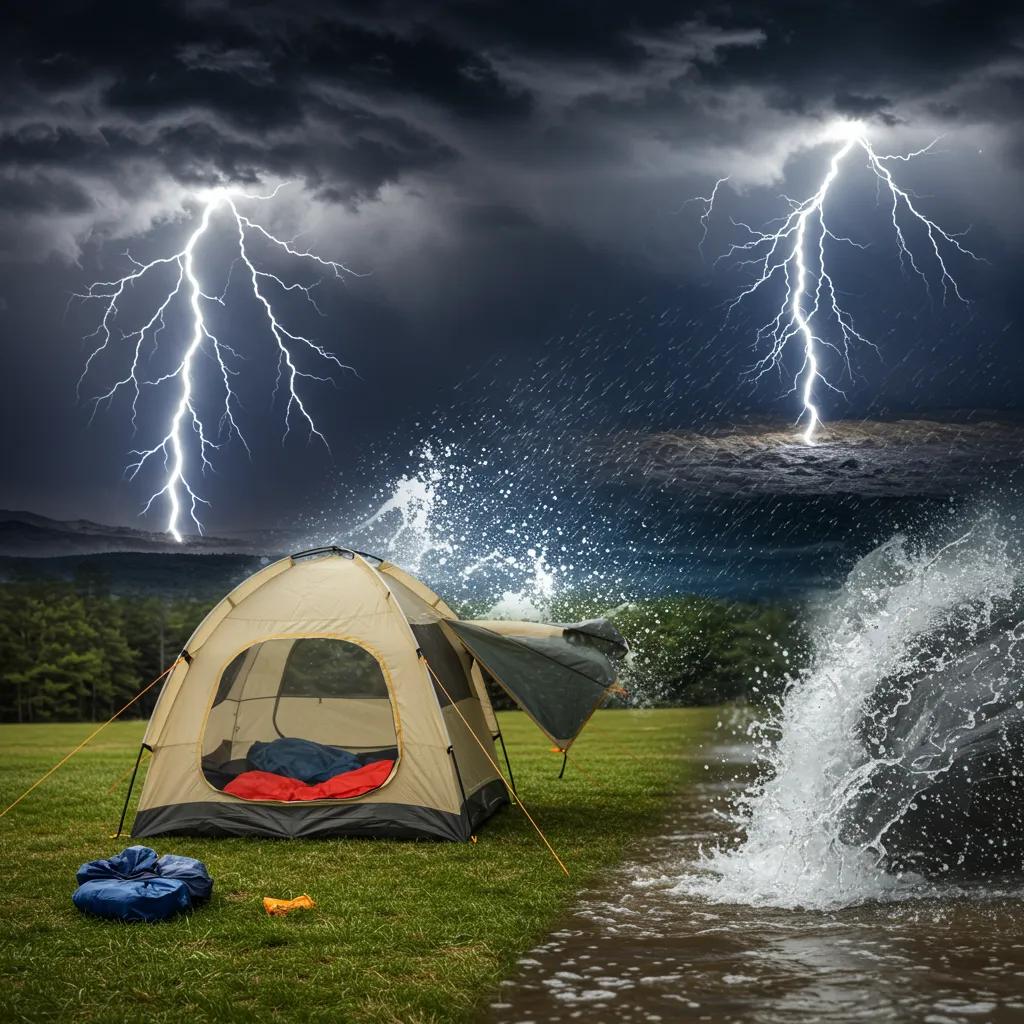
Campground hazards along I-80 include thunderstorms with lightning, sudden high winds, flash flooding in low-lying sites, heatwaves with dehydration risk, and cold snaps that can stress sheltering systems. Thunderstorms produce lightning that poses a threat to open sites and water activities, so immediate sheltering is critical during storms. High winds can damage awnings, topple unsecured gear, and create falling-branch hazards in wooded sites; securing items and stowing awnings reduces potential damage. Being aware of these hazards and knowing quick response actions—seek shelter, disconnect and secure utilities, and avoid flooded areas—reduces risk and helps preserve your trip’s enjoyment.
Research into camping in other regions highlights how weather, particularly cool temperatures, heavy rain, and strong winds, can significantly influence the camping experience.
Weather Impacts on Camping in Ontario Parks
The cool temperatures were the most influential weather of heavy rain and strong winds to camping in Ontario, and in and intensity of these weather events under climate change, a number of.
Weather and camping in Ontario parks, MJ Hewer, 2012
Where Can Campers Find Reliable Local Weather Forecasts for Newton Falls and I-80?
Reliable, route-focused forecasts and live radar help campers time their arrivals and avoid hazardous travel conditions on I-80 near Newton Falls by combining state and national sources for watches, warnings, and road-condition updates. The National Oceanic and Atmospheric Administration (NOAA) and local National Weather Service offices provide authoritative watches and warnings, while statewide traffic and road-condition services supply I-80-specific travel advisories that can affect campsite access. Integrate these feeds into your trip planning by checking forecasts before you depart and setting up mobile alerts for sudden changes; preparing with accurate local data reduces your exposure to unexpected storms and road closures. Using these sources allows campers to pivot plans proactively when a storm cell approaches.
How Can Campers Prepare for Weather Variations During Peak Season in Ohio?
Proper preparation reduces weather-related disruptions by matching gear and actions to the likely conditions—rain, wind, heat, or cold—so campers stay safe and comfortable during peak-season trips. The following RV/tent/family preparedness table compares recommended gear and steps so each camping type knows which actions provide the best return on safety and comfort. Start with layered clothing and waterproof shelter systems, then add vehicle- or family-specific measures such as securing awnings or selecting elevated tent sites. Preparing in this layered way turns weather risk into manageable choices and allows families to use Ridge Ranch Campground’s amenities, like shaded and sunny sites and the spring-fed lake, even under variable conditions.
What Essential Gear Should You Pack for Ohio’s Variable Camping Weather?
Essential gear for Ohio peak-season camping prepares you for heat, rain, wind, and cooler nights by prioritizing layering, waterproofing, and emergency readiness. Pack moisture-wicking base layers, insulating mid-layers, and a waterproof outer shell to manage temperature swings and showers; include sturdy, non-slip footwear for shoreline or muddy conditions. Add shelter-focused items like a ground tarp, extra guy lines, seam sealer for tents, and a compact emergency kit with thermal blankets and a flashlight to handle sudden storms. This gear set supports safe outdoor recreation on I-80 campgrounds and enables families to shift between lakefront activities and sheltered options smoothly.
Essential packing list introduction: The list below covers clothing, shelter, and emergency essentials for variable Ohio weather.
Packing checklist:
- Layered clothing: moisture-wicking base, warm mid-layer, waterproof shell.
- Shelter items: footprint/ground tarp, extra guy lines, seam sealer for tents.
- Emergency kit: first-aid kit, headlamp, thermal blanket, small weather radio.
- Water and sun safety: refillable water containers, sunscreen, wide-brim hat.
- Footwear and accessories: waterproof boots, quick-dry socks, non-slip sandals.
These items reduce weather-related discomfort and prepare families to pivot activity plans; having them ready leads to quicker responses when conditions change.
How Do RV Campers Secure Their Vehicles Against Storms on I-80 Campgrounds?
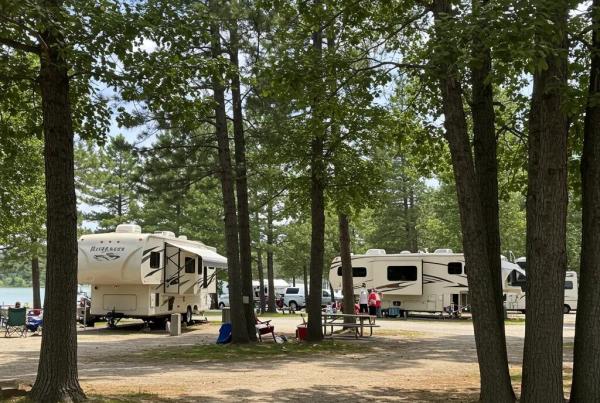
RV storm preparedness centers on securing movable components, protecting utility connections, and preparing for sudden high winds or storms that can affect both safety and waste systems. Before storms, retract awnings, lock slide-outs if advised, secure loose exterior gear, and verify that full hookups (water, electric, dump station) are functioning and safely connected to reduce surge and flooding risks. Storing lightweight items and testing seals on compartments prevents wind-caused damage, and moving the RV to a lower-exposure site when possible reduces wind loading on tall profiles. These steps protect the vehicle and family; the next section covers tent-specific measures for campers without RVs.
Pre-storm RV checklist introduction: Follow these numbered steps to secure an RV before a storm.
- Retract and secure awnings and slide-outs: Minimize wind exposure and structural strain.
- Confirm hookups: Secure water and electric connections and elevate hoses if flooding is possible.
- Stow loose items: Store chairs, grills, and gear inside or in locked compartments.
- Park strategically: Face the smallest profile into prevailing winds when possible.
Completing these steps reduces the chance of hardware damage and preserves campsite safety so you can shelter effectively during severe weather.
What Are Best Practices for Tent Camping in Ohio’s Changing Weather?
Tent campers should prioritize site selection, waterproofing, and ventilation to prevent standing water, wind damage, and condensation that can undermine comfort and safety. Choose elevated sites with natural windbreaks and avoid depressions or runoff paths; use a durable footprint beneath the tent and apply seam sealer to seams for additional water resistance. Stake lines properly with reinforced guy points and add extra guylines in windy forecasts; maintain ventilation to reduce condensation while balancing waterproofing needs. These practices reduce weather-related complications and support safer use of nearby activities like shoreline walks or fishing as conditions permit.
- Tent setup summary: Proper setup and ongoing monitoring of site conditions keep tent campers both dry and safe.
What Activities and Amenities Does Ridge Ranch Campground Offer for Rainy or Inclement Weather?
Ridge Ranch Campground provides a range of family-friendly activities and amenities that let guests enjoy their stay even when weather reduces outdoor options, combining covered and indoor options with adaptable lakefront features. On-site offerings include planned family events and recreational facilities that can be used in milder conditions, plus future amenities that will expand indoor entertainment options. By knowing which park features support rainy-day enjoyment, families can design flexible itineraries that swap outdoor lake time for crafts or games when storms move through. The following subsection lists indoor options and how they fit different age groups.
Which Indoor Activities Are Available at Ridge Ranch During Bad Weather?
Ridge Ranch lists family-friendly planned events—such as DJ nights, karaoke, and crafts—that function well during light rain or when guests prefer covered group spaces, providing entertainment for multiple age groups. Covered pavilions, playground-adjacent shelter areas, and communal spaces support small-group activities and crafts for kids; these options reduce downtime and keep families engaged when the beach or deck are unsuitable. The campground’s family-friendly focus ensures that indoor programming and covered spaces serve as practical backups, which helps families maintain a positive trip even if rain shortens outdoor windows. Knowing these indoor options lets you plan a flexible day that pivots from lake activities to organized events as needed.
- Indoor activities summary: Use indoor events and covered gathering spots to maintain family momentum when weather changes.
What Outdoor Activities Are Suitable for Cloudy or Light Rain Days?
Light rain and overcast days still allow for low-risk outdoor pursuits such as shoreline walks, fishing from sheltered spots, and short hikes with appropriate rain gear and non-slip footwear. Fishing remains viable with waterproof clothing and attention to safety around wet docks and decks; paddleboat and canoe rentals can be suitable in calm, light-rain conditions if lightning is not present and staff provide guidance. Covered picnic areas and shoreline trails allow families to experience the 17-acre spring-fed lake with less exposure, turning a cloudy day into a nature-focused outing. Preparing with quick-dry layers and waterproof footwear keeps activities comfortable and safe.
- Outdoor activities summary: Choosing low-exposure outdoor options and appropriate gear maximizes usable time near the lake during light rain.
What Nearby Indoor Attractions Can Families Visit When Weather Is Unfavorable?
When rain prevents outdoor play, families can opt for nearby indoor entertainment and educational venues that provide a change of pace and keep kids engaged while preserving travel time from Ridge Ranch’s Newton Falls area. Selecting attractions that match family interests—interactive museums, arcades, or community recreation centers—provides reliable indoor options and buffers weather-related downtime. Consider travel time when planning these swaps; shorter drives preserve the day for evening campground activities. Having a list of local indoor alternatives supports quick decision-making that minimizes lost recreation time.
- Nearby attractions summary: Curating a short list of proximate indoor destinations ensures a smooth rainy-day transition without sacrificing family fun.
How Does Ridge Ranch Campground Ensure Safety During Severe Weather Events?
Ridge Ranch Campground combines on-site alerting and staff coordination with clear guest responsibilities to manage severe weather events and reduce harm to people and property. The campground’s safety approach centers on communicating warnings promptly and directing guests to designated shelter areas or safe practices when watches or warnings are issued. Campers should remain aware of posted instructions, sign-up options for alerts when available, and staff announcements; pairing personal alert systems with campground communications gives the best coverage. The following subsections outline how alerts are communicated, a high-level action plan, and practical camper safety tips.
How Are Weather Alerts Communicated to Campers at Ridge Ranch?
Weather alerts at Ridge Ranch are expected to be communicated through a combination of staff announcements and posted notices that direct guests toward safe actions and shelter options, creating redundancy between personal alerts and campground messages. Campers are encouraged to maintain personal mobile alerts from authoritative weather services and to monitor staff postings for site-specific guidance, especially during storms that impact the lake or road access. Being proactive about checking both campground notices and official warnings ensures families receive both broad-area watches and campsite-level instructions; staying tuned to both sources reduces confusion during fast-changing conditions.
What Is Ridge Ranch’s Severe Weather Action Plan?
Ridge Ranch’s severe weather action plan focuses on swift notification, designated sheltering, and staff coordination to assist campers during high-risk events such as severe thunderstorms or tornado warnings. The plan emphasizes moving guests away from water and exposed areas, identifying safe indoor or low-profile shelters, and outlining staff roles for assisting vulnerable guests and maintaining orderly site management. Campers should follow staff instructions, prepare transportable essentials ahead of warnings, and know evacuation routes to reduce response time; combining camper readiness with campground protocols strengthens overall emergency outcomes.
What Safety Tips Should Campers Follow During Ohio Storms?
During Ohio storms, campers should prioritize seeking shelter immediately when lightning or high winds occur, disconnecting and securing utilities to prevent electrical hazards, and avoiding flooded roadways or low-lying areas that can experience rapid water rise. Secure loose gear and retract awnings before winds intensify, and keep a charged flashlight and emergency kit accessible for sudden evacuations; after storms, inspect for downed power lines and report damage to campground staff to support coordinated recovery. These prioritized actions—shelter, secure, report—reduce immediate danger and speed the post-storm recovery process so families can resume safe recreational activities.
Safety tips list introduction: The following bulleted list summarizes prioritized actions during storms.
- Seek shelter immediately: Move to indoor or low-profile designated areas during lightning or tornado warnings.
- Secure utilities and gear: Disconnect shore power when flooding is possible and stow loose items to prevent wind damage.
- Avoid standing water: Do not walk or drive through flooded areas; depth is often deceptive.
- Report hazards: Notify staff about downed lines, large branches, or structural damage.
These steps create a simple, memorable safety sequence that campers can follow in an emergency.
What Is Ridge Ranch Campground’s Weather-Related Cancellation and Reservation Policy?
Clear reservation policies reduce booking hesitation by explaining how weather factors influence cancellations, rescheduling, and potential refunds; Ridge Ranch Campground frames booking expectations to help guests weigh risk when reserving peak-season sites. Typical scenarios include light rain that does not trigger cancellations, severe storms or road closures that may qualify for rescheduling or credit, and staff-directed evacuations where refunds or adjustments are considered. Campers should review the campground’s stated reservation and refund terms before booking to understand documentation or timing requirements for weather-related changes. The table below outlines common scenarios and expected policy actions for quick reference.
How Does Ridge Ranch Handle Cancellations Due to Severe Weather?
When severe weather makes travel unsafe or the campground enacts an evacuation, Ridge Ranch typically offers rescheduling or account credit options to affected guests, balancing operational needs with guest safety and satisfaction. Guests should contact reservations promptly to report the situation and receive guidance on next steps; providing relevant documentation such as official travel advisories or closure notices may streamline the process. Understanding this approach enables families to book with more confidence—knowing that in extreme scenarios there are established pathways to adjust plans rather than being left without options.
When Is the Best Time to Book for Peak Season Considering Weather Trends?
Booking for peak season requires balancing site selection with weather uncertainty: reserve early to secure preferred sites near the lake or shaded areas, but choose flexible rate options when available to accommodate last-minute weather shifts. Consider booking slightly earlier for prime lakefront or full-hookup RV sites, and plan backup dates or flexible cancellation options if your schedule allows. Combining early reservations for desirable sites with an awareness of weather patterns and the campground’s rescheduling approach provides both access to amenities like RV sites with full hookups (water, electric, dump station) and contingency for unpredictable summer storms.
How Can Campers Maximize Their Experience Despite Weather Challenges on I-80 Ohio Campgrounds?
Maximizing a camping trip under variable weather centers on safety-first planning, flexible activity design, and leveraging on-site amenities to convert weather interruptions into alternative memories. Planning a day with Plan A (outdoor lake activities) and Plan B (indoor games or nearby attractions) reduces stress and keeps families engaged even when storms shift schedules. Prioritizing hydration, sun protection, and shelter readiness maintains comfort and health during heat and storm cycles, while arranging activities around forecast windows preserves the best outdoor windows. The next sections provide concrete safety tips and a flexible itinerary template for families traveling the I-80 corridor.
What Are Tips for Enjoying Outdoor Recreation Safely in Variable Weather?
Safety-focused recreation combines protective gear, timing, and route awareness to reduce exposure to hazards while preserving activity value; for example, plan water activities in the morning before typical afternoon thunderstorm windows and always have lifejackets available. Use semantically linked planning: Activity → Condition → Protective Measure, for example, paddleboating → lightning risk → postpone until clear; hiking → heat risk → start early and carry extra water. Keep emergency contacts and alert sources tuned, and rotate activities to match forecasted windows to maintain momentum without sacrificing safety. These measures let families enjoy the lakefront and trails with reduced risk.
- Outdoor safety summary: Timing and protective measures maximize safe enjoyment across conditions.
How Can Families Plan Flexible Itineraries Around Ohio Weather?
A flexible itinerary uses a Plan A/Plan B structure and time buffers so families can swap activities based on real-time weather without losing entire days to a brief storm. For example, schedule swimming or paddlecraft in the morning with an indoor arts-and-crafts block in the afternoon as a contingency; reserve local indoor attractions as weather buffers for longer storm periods. Leave travel time margins on arrival and departure days to account for I-80 conditions and incorporate campground amenities—such as playgrounds or covered pavilions—into backup plans to maintain variety. This layered itinerary approach lets families enjoy Ridge Ranch’s amenities while staying nimble around weather changes.
- Itinerary template summary: Use timed windows and designated backups to preserve daily goals despite weather shifts.
Where Can Campers Access Real-Time Weather Resources and Alerts for I-80 Ohio Campgrounds?
Accessing authoritative real-time weather and road-condition information—such as NOAA watches/warnings and state traffic advisories—lets campers align arrival times and activity windows with safety priorities along I-80. The best practice is to combine national forecast services for watches and warnings, local NWS offices for radar and expected storm tracks, and road-condition feeds for I-80 closures or incidents that affect travel. Setting up app-based push alerts and checking conditions the morning of travel reduces the chance of encountering unsafe driving conditions or sudden campsite hazards. The following subsection identifies which services are most appropriate for particular needs.
Which Official Weather Services Provide Reliable Forecasts for Newton Falls and Surrounding Areas?
Official services such as the National Oceanic and Atmospheric Administration (NOAA) and local National Weather Service forecast offices provide watches, warnings, and radar imagery essential for Newton Falls and I-80 corridor planning. Use watches and warnings for immediate hazard decisions, routine forecasts for day-by-day planning, and radar for tracking active storm cells that could affect travel or campsite safety. These sources are authoritative for emergency guidance and form the backbone of a safety-first trip plan.
How Can Campers Use Technology to Stay Updated on Weather Changes?
Campers can combine weather apps with tailored alerts, radar widgets, and campground notifications to receive layered updates that cover both broad-area hazards and site-level instructions; set severe-weather push alerts and configure road-condition notifications for I-80 to manage travel risk. Use radar snapshots to detect approaching storms and mobile alert subscriptions for watches/warnings; pairing personal alerts with campground communications delivers the most complete situational awareness. Regularly checking these tools while on-site and before departure ensures decisions reflect current conditions rather than yesterday’s forecast.
- Technology usage summary: Layered alerts from authoritative sources and campground notices provide the quickest, most reliable actionable information for campers on I-80.
Frequently Asked Questions
What Should Campers Do If Severe Weather Is Forecasted During Their Stay?
If severe weather is forecasted during your camping trip, prioritize safety by monitoring alerts from reliable sources like NOAA and local weather services. Prepare to adjust your plans by having a flexible itinerary that includes indoor activities. Ensure your campsite is secure by stowing away loose items and checking that your tent or RV is properly anchored. Familiarize yourself with the campground’s emergency procedures and designated shelter areas. Staying informed and prepared can help you navigate unexpected weather changes effectively.
How Can Campers Stay Comfortable During Hot Weather While Camping?
To stay comfortable during hot weather while camping, prioritize hydration by drinking plenty of water and using insulated containers. Wear lightweight, breathable clothing and a wide-brimmed hat to protect against the sun. Schedule outdoor activities for cooler parts of the day, such as early morning or late afternoon, and take breaks in shaded areas. Utilize the amenities at Ridge Ranch Campground, like the spring-fed lake, for swimming and cooling off. Having a plan for heat management can enhance your camping experience.
What Are the Best Practices for Cooking During Inclement Weather?
Cooking during inclement weather requires careful planning to ensure safety and comfort. Use covered cooking areas or pavilions to shield yourself from rain or wind. If using a portable grill or stove, ensure it is placed in a well-ventilated area away from flammable materials. Prepare simple, quick meals that require minimal cooking time, and consider pre-prepping ingredients at home. Always have a backup plan for meals in case outdoor cooking becomes impractical, such as easy-to-prepare snacks or meals that can be made indoors.
How Can Campers Ensure Their Gear Is Weather-Resistant?
To ensure your camping gear is weather-resistant, invest in high-quality, waterproof tents and tarps. Apply seam sealer to tent seams and use ground tarps to prevent moisture from seeping in. Store gear in waterproof bags or containers, especially electronics and clothing. Regularly check and maintain your equipment, including zippers and fabric integrity, to ensure they can withstand adverse conditions. Being proactive about gear maintenance can significantly enhance your camping experience during unpredictable weather.
What Should Campers Know About Wildlife Safety During Storms?
During storms, wildlife behavior can change, and campers should be cautious. Seek shelter immediately if severe weather occurs, as animals may also seek refuge. Avoid approaching wildlife, especially if they appear agitated or are seeking shelter. Store food securely to prevent attracting animals, and be aware of your surroundings when venturing out after a storm. Understanding wildlife behavior and maintaining a safe distance can help ensure a safe camping experience, even during inclement weather.
What Are the Benefits of Using a Weather App While Camping?
Using a weather app while camping provides real-time updates on changing conditions, allowing campers to make informed decisions about their activities. Many apps offer alerts for severe weather warnings, radar imagery, and hourly forecasts, which can help you plan your day effectively. Additionally, some apps allow you to track local conditions and receive notifications about sudden changes. By leveraging technology, campers can enhance their safety and enjoyment, ensuring they are prepared for any weather challenges that arise.
Conclusion
Planning for a camping trip along I-80 in Ohio requires understanding the region’s variable weather patterns to ensure safety and enjoyment. By preparing with the right gear and utilizing the amenities at Ridge Ranch Campground, families can turn potential weather disruptions into memorable experiences. Stay informed with reliable weather resources and flexible itineraries to maximize your outdoor adventure. Start your journey today by exploring our campground options and booking your ideal site for a fun-filled family getaway.