

Understanding Camping Permit Requirements by State: How to Navigate State Camping Permit Laws and Regulations
State camping permit requirements outline where, when, and how you can enjoy an overnight stay on public and certain state-managed lands. Getting a handle on these is key for safe, legal family adventures. This guide breaks down what state camping permit laws entail, why they’re important for families, and how different permit types—from campground reservations to dispersed camping permits and national park backcountry permits—shape your trip planning and safety. Many campers run into surprises like unexpected fees, seasonal closures, or limits on group size. Understanding the permit landscape helps you dodge risks, avoid fines, and book the right spot at the right time. Here, you’ll find a clear definition of state camping permit laws, examples of how regulations differ, step-by-step application tips, an explanation of dispersed camping rules, an overview of national park permit mechanics, and a summary of common restrictions like fire rules and stay limits. Throughout, we use practical checklists, EAV tables to summarize permit types and how to apply, and quick lists to help you confirm rules before you head out.
What Are State Camping Permit Laws and Why Do They Matter?

State camping permit laws are the rules set by state and federal land managers that govern overnight stays. They’re in place to protect natural resources, manage how many visitors are in an area, and ensure public safety. These laws work by requiring permits, fees, or reservations for certain lands and types of use. This allows agencies to track usage, limit crowding, and enforce protections like wildlife-safe food storage. It helps sustain ecosystems, reduces wildfire risk, and provides predictable access for families. For practical planning, knowing whether a campsite needs a reservation or a backcountry permit dictates how early you need to book and what gear or documents to bring. The next section dives into how regulations vary by jurisdiction and provides typical examples that highlight these differences.
This table summarizes how a few representative states and federal lands typically handle common permit types and points you to official agency pages for confirmation.
This quick table shows that permit requirements depend on the land manager and season. Campers should confirm the status for their specific destination before traveling.
How Do Camping Regulations Vary Across Different States?
Camping regulations differ because various agencies set rules based on visitor demand, ecosystem sensitivity, and fire risk. So, one state park might require reservations year-round, while nearby national forest lands remain largely first-come, first-served. Popular coastal and mountain areas frequently use online reservation systems and quotas. Less-trafficked forests often allow dispersed camping with minimal requirements, except for seasonal fire restrictions. Fees, how permits are processed, and how far in advance you need to book also vary. Some systems open reservations months ahead, while others operate on a same-day basis. To avoid surprises, check with the managing agency for your target site a few weeks before your trip, especially around holidays or busy weekends.
What Types of Camping Permits Are Commonly Required?
Camping permit systems include several categories of outdoor permits—state campground permits, backcountry permits, dispersed camping permits, and group/special-use permits—each serving a different management purpose. Campground reservations typically secure a designated site for car camping and include fees and maximum stay durations. Backcountry or overnight wilderness permits regulate travel along routes and often use quotas to reduce impact. Dispersed camping permits (when required) aim to limit use in sensitive areas and may include site-specific rules like maximum group size or fire bans. Group permits are for special events or large parties. Knowing which permit type applies tells you where to apply and what conditions to expect upon arrival.
How Can You Get Camping Permits in Different States?
Applying for a camping permit usually involves identifying the land manager, selecting dates and sites, submitting an application or reservation, and paying the applicable fee. This process ensures legal access and reduces the risk of last-minute denial. Common application channels include official online portals, local ranger district offices, and sometimes phone-based reservation centers. Required information typically includes names, vehicle details, party size, and intended dates. Timing is crucial: popular state parks and national parks may require booking weeks or months in advance, while many dispersed areas allow for more flexible timing. The summary table below outlines common permit types and where to apply for them.
This comparison clarifies that the right channel depends on which agency manages the land. Confirming the agency instantly narrows down where to apply.
For families planning to reserve group-friendly, family-oriented sites, check gathergroundsresorts.com for details on local campground reservations and any site-specific permit rules. The site can help you find family-oriented properties and provide reservation alerts. Including this private campground network in your planning complements official permits by offering on-site rules and booking tools that align with state permit requirements, helping you finalize travel logistics.
What Is the Step-by-Step Process to Apply for a Camping Permit?
A straightforward, step-by-step application process reduces errors and increases your chances of securing the needed permit. First, research the area and identify the managing agency. Then, choose your dates and confirm any site-specific quotas or closures. Next, complete the online or in-person application with the required details and fee payment. Finally, save your confirmation number and any printed or digital permit for arrival. Typical documents include your ID, vehicle license, and payment method. For group permits, you might need a roster and additional safety plans. Confirm details within days of departure, as fire bans or sudden closures can change permit validity. Keeping a printed or offline copy of your permit speeds up check-ins at remote offices.
Where Can You Find Official State Camping Permit Resources?
Official resources are maintained by state parks departments, the US Forest Service, the Bureau of Land Management, and the National Park Service. Searching for the managing agency plus the site name will typically lead you to the authoritative permit page. Use search phrases like “state park reservations [state name]” or “USFS permit [forest name]” to find current rules, and bookmark the local ranger district’s page for updates on closures and burn restrictions. When in doubt, call the ranger station listed on the official agency page the week of your trip to confirm conditions. Frontline staff can clarify whether a backcountry quota applies or if a seasonal dispersed permit is active.
What Are the Rules for Dispersed Camping Permits by State?
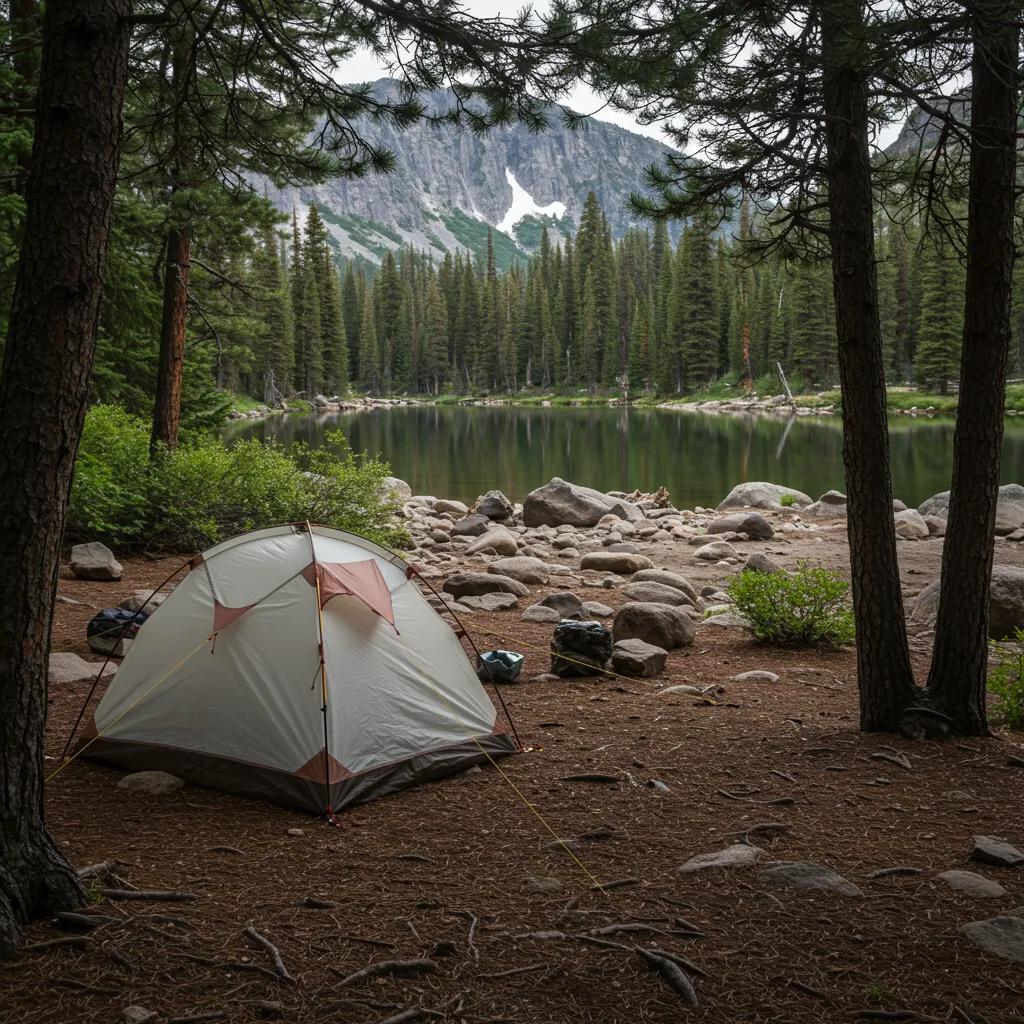
Dispersed camping means camping outside designated campgrounds, often without facilities. Permit rules for dispersed use vary because land managers balance access with environmental protection and wildfire prevention. Dispersed permits are more common where ecosystems are fragile, visitor pressure is high, or fire danger is severe. They might be seasonal or zone-specific, with requirements that include group-size limits and specific campsite location rules. Practically, dispersed campers should plan for Leave No Trace practices, carry water treatment, and check local maps for allowed areas and vehicle access. This reduces impact and aligns with permit goals. The next subsection explains how to identify areas that may require dispersed permits.
This short list highlights typical criteria that trigger dispersed camping permit needs and where to verify them.
- Areas with high visitor density or popular trailheads often implement permits to distribute use.
- Sensitive habitats, endangered species zones, or seasonal wildlife breeding areas may require special permits.
- Regions under elevated fire risk or with legal burn bans can enforce temporary dispersed camping restrictions.
Confirm these criteria with the local BLM or USFS district, as seasonal or emergency orders can change access on short notice.
Which States Require Permits for Dispersed Camping?
There’s no single nationwide rule for dispersed camping. Instead, states and federal agencies set criteria that often include crowding, habitat sensitivity, and fire season. This means whether a permit is needed depends on the specific land unit rather than the state as a whole. Examples of triggers include high-use recreation zones near urban areas, designated wilderness areas with quotas, and areas under red flag fire conditions. To confirm requirements, search for the specific forest or district and review notices and permit pages. When possible, contact the ranger station directly for the most current guidance. Being proactive prevents surprises and helps you plan for alternate sites if permits are limited.
How Do Dispersed Camping Permit Rules Different from Regular Camping Permits?
Dispersed camping rules differ from campground permits in enforcement, facilities, and reservation logic. Campground permits usually guarantee a numbered site with defined amenities and set stay limits. Dispersed permits (if required) often regulate behavior rather than assign a site and may be first-come or quota-based. Fire and group-size rules tend to be stricter for dispersed camping in sensitive or high-risk areas, and enforcement may rely on ranger patrols rather than gate checks. In practice, a backcountry permit functions more like a regulated reservation when quotas control day-by-day access, so treat dispersed permits with the same planning rigor you would for a campground reservation.
How Do National Park Camping Permits Work Across States?
National Park Service permits govern overnight stays inside park boundaries. They operate by permit type—front-country reservations where available, backcountry permits with quotas, and group permits for larger parties—to protect park resources and ensure safety. NPS permits are issued by park offices and typically require advance reservations for popular parks, with strict lead times and documentation for backcountry routes. This central authority ensures consistent rules inside parks, even when parks span multiple states. When planning a trip that crosses from state lands into a national park, expect to coordinate both agencies’ permit systems, as state and federal rules may apply to different segments of your route. The following H3 outlines typical NPS permit mechanics.
What Are the Permit Requirements for Camping in National Parks?
National parks commonly require backcountry permits for overnight wilderness travel and often use quotas and route-specific restrictions to limit ecological impact. Group permits are required for parties above a set size and sometimes for family groups using special-use sites. Application channels are park-specific and usually include online reservation portals and park offices. Expect strict lead times and, for popular parks, high demand that requires booking months in advance. Practical tips include mapping your intended route to the park’s zone system, identifying designated campsites, and preparing contingencies for closures. This reduces the risk of denied entries and ensures compliance with both safety and resource protections.
The challenges of managing visitor use in popular backcountry areas, such as Mineral King in California, have led to the implementation of trailhead quota systems to protect resources.
Backcountry Quotas: Managing Use in Mineral King, California
Increasing levels of visitor use and consequent resource damage have necessitated that backcountry use restrictions be established in the Mineral King area of Sequoia National Park, California. In this paper we review the steps taken in developing a trailhead quota system. The availability of acceptable campsites, based on a detailed inventory of site distribution and impact, was used to quantitatively derive use capacities for each camp area. Wilderness permit data on visitor dispersal patterns from the major trailheads, including length of stay at each camp area, were then used to translate the area capacities into daily trailhead quotas that would assure that these capacities were not surpassed. The general approach is applicable to any backcountry area, although large complex areas may require the use of available computer simulation models.
Establishing backcountry use quotas: An example from Mineral King, California, TJ Stohlgren, 1981
How Do National Park Camping Permits Differ from State Permits?
National Park Service permits differ from state permits in authority, scope, and enforcement. NPS rules apply inside park boundaries with federally mandated preservation priorities, while state permits reflect state park or forest policy and may be more flexible in some areas. Fees and quotas often differ, with national parks commonly enforcing stricter quotas in high-use backcountry zones. In cross-jurisdiction trips, you may need both a state permit for access on state land and an NPS permit for the park segment. Planning across jurisdictions requires checking both agencies’ permit pages and coordinating dates so that permits align for the full itinerary.
What Are Common Camping Permit Restrictions and Regulations by State?
Common permit restrictions include stay-length limits, group-size caps, vehicle limits, fire rules, and environmental protections such as mandated food storage and waste disposal practices. These constraints balance recreation with resource conservation. Most permits explicitly state maximum consecutive nights, allowable party sizes for group permits, and whether campfires are allowed. Violations can lead to fines or permit revocation. To make this actionable, the following table compares common restrictions and gives concrete examples of how they are applied by land managers.
This table highlights that permit conditions are practical tools agencies use to limit impact. Always read permit terms and check current fire notices before you go.
What Are Typical Camping Permit Limits and Conditions?
Typical limits include maximum consecutive nights, a cap on party size, vehicle and RV restrictions, and specified campsite locations. These conditions are part of the permit (permit duration, permit fee, permit quota) and determine how you pack, plan, and schedule activities. For example, a permit might limit a party to two vehicles and eight people, require camping only in designated sites, and prohibit generator use. Following these rules preserves access for future visitors. Always carry the permit with confirmation details and plan to adjust if road or weather conditions change. Doing so keeps your trip compliant and safe.
How Do Fire and Environmental Regulations Affect Camping Permits?
Fire and environmental regulations can suspend or modify permits during high-risk periods by banning open fires, restricting stove use, or closing certain zones. Permits often include clauses that make them void under emergency orders. Environmental protections enforced via permits include mandatory food storage (bear boxes or hang systems), pack-out requirements for waste, and designated campsite rules to prevent habitat disturbance. Before any trip, check current fire danger levels and agency notices, as these rules are active management tools that directly affect whether your permit is valid upon arrival. Adhering to them protects both visitors and fragile ecosystems while reducing enforcement actions.
This final paragraph reminds families that while complying with permit rules is the primary goal, additional planning resources and family-friendly reservation options are available at gathergroundsresorts.com. This site offers information on campground reservations and alerts to help coordinate stays that align with state and federal permit rules. Planning with both official agency permits and trusted campground partners reduces last-minute changes and helps you focus on safe, compliant outdoor experiences.
Frequently Asked Questions
What should I do if I arrive at a campsite without a permit?
If you arrive at a campsite without a required permit, it’s crucial to assess the situation immediately. First, check for any posted signs indicating permit requirements. If you find that a permit is necessary, contact the local ranger station or land management office to inquire about obtaining a permit on-site, if possible. Be prepared for the possibility of being asked to leave if you cannot secure a permit. Always plan ahead to avoid this situation in the future.
Are there any age restrictions for obtaining camping permits?
Most camping permits do not have specific age restrictions for obtaining them; however, minors typically need an adult to apply on their behalf. Some campgrounds may require the responsible party to be at least 18 years old. It’s essential to check the specific regulations of the state or agency managing the campsite to ensure compliance. Additionally, some parks may have guidelines regarding the supervision of minors while camping.
Can I transfer my camping permit to someone else?
Transferring camping permits is generally not allowed, as most permits are issued to specific individuals or groups and are non-transferable. This policy helps land managers maintain accurate records of who is using the sites and ensures compliance with regulations. If you cannot use your permit, it’s best to check with the issuing agency about their cancellation or refund policies. Some agencies may allow you to cancel and rebook under certain conditions.
What should I do if my camping plans change after obtaining a permit?
If your camping plans change after you’ve obtained a permit, it’s important to notify the issuing agency as soon as possible. Many agencies have specific policies regarding cancellations or modifications, which may include fees or deadlines. If you need to change your dates or campsite, contact the agency to see if they can accommodate your request. Always keep a record of your communications and any confirmation numbers for future reference.
Are there any special permits required for group camping?
Yes, many campgrounds and parks require special permits for group camping, especially if your party exceeds a certain size, typically around 6-12 people. These group permits often come with additional rules regarding campsite selection, maximum stay durations, and specific fees. It’s essential to check the regulations of the specific area you plan to visit to ensure compliance and secure the necessary permits well in advance, as they can be limited in availability.
How can I find out about seasonal camping permit changes?
To stay informed about seasonal changes to camping permits, regularly check the official websites of the land management agencies, such as state parks, the US Forest Service, or the National Park Service. Many agencies provide updates on closures, permit requirements, and seasonal regulations. Additionally, consider subscribing to newsletters or following social media accounts of these agencies for real-time updates. Contacting local ranger stations directly can also provide the most current information.
What are the consequences of camping without a permit?
Camping without a required permit can lead to several consequences, including fines, eviction from the campsite, and potential bans from returning to that area. Enforcement varies by location, but many land managers take permit violations seriously to protect natural resources and ensure visitor safety. To avoid these issues, always check permit requirements before your trip and secure the necessary documentation to enjoy your camping experience legally and responsibly.
Conclusion
Understanding state camping permit requirements is crucial for ensuring safe and enjoyable outdoor experiences for families. By familiarizing yourself with the various permit types and application processes, you can avoid unexpected fees and restrictions while maximizing your camping adventures. For a seamless planning experience, consider utilizing resources like gathergroundsresorts.com to find family-friendly campgrounds and stay informed about permit rules. Start your journey today by exploring our comprehensive guides and resources to make the most of your next camping trip.