Essential Family Camping Safety Measures at Walnut Hills Campground: Your Complete Guide to a Safe and Fun Stay
Walnut Hills Family Campground, a proud part of GatherGrounds Resorts, is dedicated to providing an exceptional outdoor experience for families. This guide is designed to equip you with the essential safety knowledge you’ll need before and during your visit. You’ll discover practical water-safety rules, best practices for campfires, important steps for wildlife awareness, emergency preparedness actions, and general campground guidelines tailored specifically for families visiting Durand, Michigan. We’ll break down each safety topic, explain why it matters, and offer actionable steps you can take immediately to minimize risks while maximizing your fun. This article covers water-safety protocols for inflatables, lakes, and river paddling; step-by-step campfire guidance; food-storage and wildlife interaction rules; on-site first aid and lost-camper procedures; and everyday campground safety norms like quiet hours and vehicle rules. Keywords such as Walnut Hills water park safety, lake swimming safety rules Michigan, canoe safety tips Shiawassee River, family campfire precautions, and kids first aid kit camping are integrated throughout the practical advice to help you prepare. Read on for clear lists, comparison tables, and concise procedures to ensure a safer family camping trip.
What Are the Key Water Safety Rules for Families at Walnut Hills Campground?

Water safety is paramount for protecting both children and adults, significantly reducing the risk of drowning, preventing injuries, and ensuring swift responses when incidents occur. The core principle is consistent risk reduction: always wear approved flotation devices, provide constant supervision for non-swimmers, and utilize designated swim areas to keep play zones separate from paddling routes. Your family will benefit from a lower likelihood of emergencies and a more enjoyable experience with clearer expectations and attentive staff oversight. The following subsections detail rules for our Wibit water park, the campground swimming lake, and canoe/kayak use on the Shiawassee River, so you can apply site-specific precautions.
This list summarizes essential water-safety rules your family should follow at Walnut Hills and similar family campgrounds.
- Wear approved life vests when using any supervised inflatables and while paddling on the river.
- Utilize the buddy system so no one swims alone, and an adult continuously monitors children.
- Observe posted swim zones and lifeguard or staff instructions to stay clear of craft launch areas.
- Check water depth and conditions before entering, and avoid running or rough play near the water’s edge.
Adhering to these rules will reduce risks and prepare your family for the specific guidance provided for each water area discussed below.
What Safety Guidelines Apply to the Wibit Water Park?
The Wibit water park, an inflatable play structure, requires clear rules to prevent falls and collisions. Mandatory flotation devices and attentive staff monitoring create a safer play environment. Please ensure children wear properly fitting life vests and that you follow staff-directed capacity limits and no-rough-play rules to minimize impact injuries. Parents can assist by practicing correct vest fit—ensuring straps are secure and the vest is snug under the arms—and by designating an adult to supervise children throughout their play time. Observing staff directions and posted Wibit safety signage will ensure organized rotation and safer interactions for children of all sizes and abilities.
Before the table below, please note this comparison highlights how the Wibit differs from the lake and livery in terms of supervision and equipment requirements.
How Should Families Follow Swimming Lake Safety Rules?
Swimming in the lake is safest when families adhere to designated zones, use flotation devices for weaker swimmers, and maintain constant visual supervision. These practices significantly reduce drowning and entrapment risks. Parents should enforce the buddy system, ensuring children remain within sight and at arm’s reach for younger ones, and review depth changes and drop-offs before allowing unsupervised swimming. Additionally, swimmers must avoid diving where depth is unknown and exit the water promptly at the first signs of fatigue or sudden weather changes. Understanding these precautions will help your family keep lake recreation predictable and responsive to changing conditions.
Here is a short checklist your family can use before each lake swim.
- Check posted signs and swim-zone markers before entering the water.
- Assign a dedicated adult supervisor for groups with children.
- Equip non-swimmers and weak swimmers with U.S.-approved life vests.
Use this checklist to establish consistent habits that support a safe lake experience and reduce the likelihood of emergencies.
What Are the Best Practices for Canoe and Kayak Safety on the Shiawassee River?
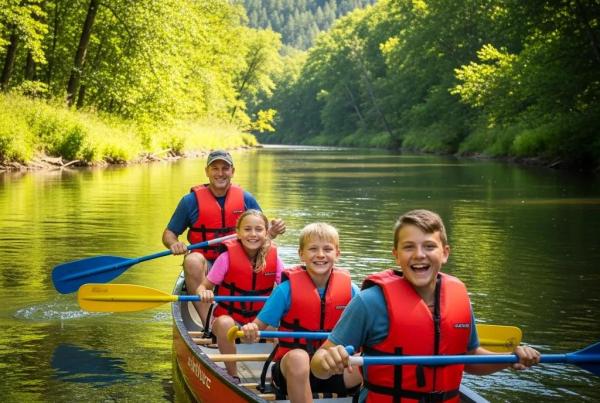
Paddling safety on the Shiawassee River begins with wearing a properly fitted life vest, conducting a quick equipment inspection, and checking river conditions such as current and obstacles before launching. Your family should attend any livery safety briefing, agree on a route appropriate for your skill levels, and stay in visual contact with group members to facilitate mutual assistance. Launching and landing require steady footing and a controlled transfer to avoid tipping, while keeping phones or whistles accessible helps signal for help when needed. Applying these practices allows your family to enjoy guided paddling while maintaining a clear risk-management approach.
The following comparison table highlights key canoe-livery attributes your family should confirm before launching.
How Does Walnut Hills Ensure Campfire Safety for Families?
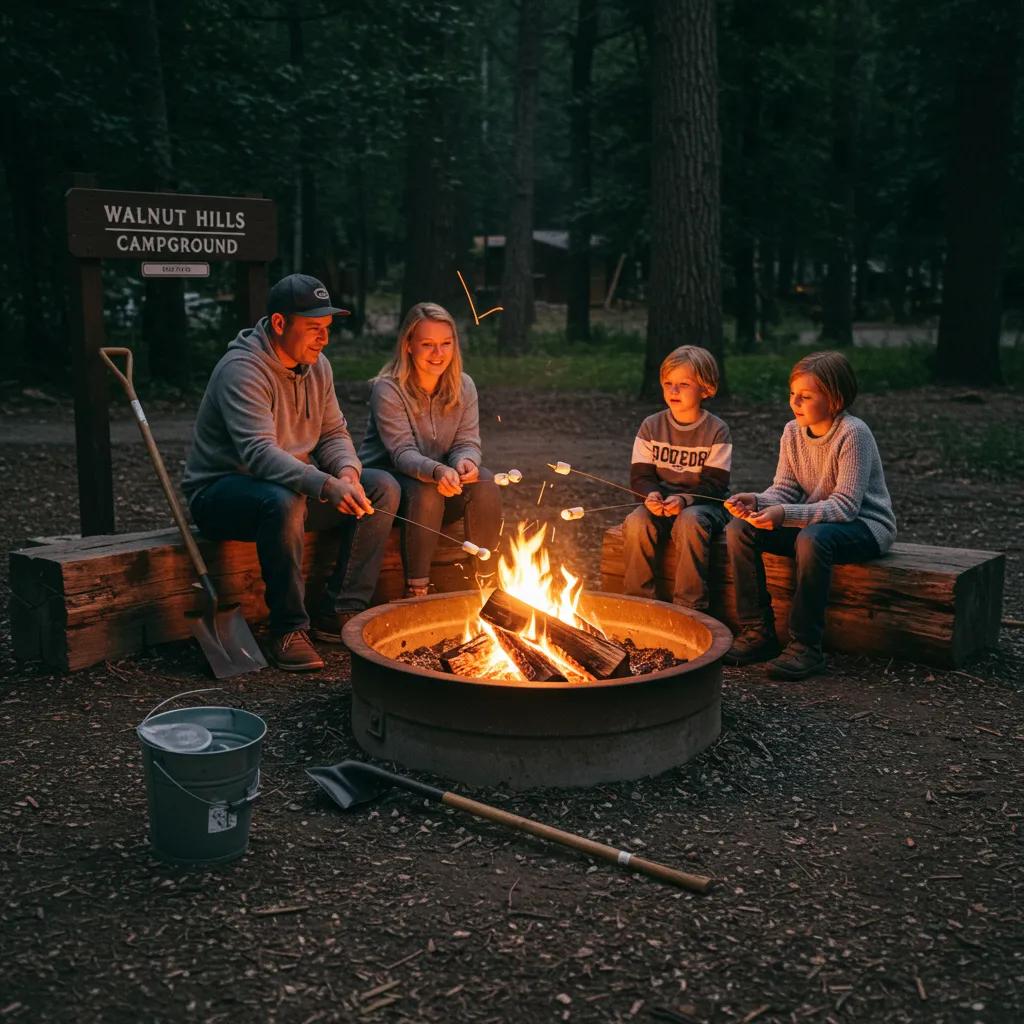
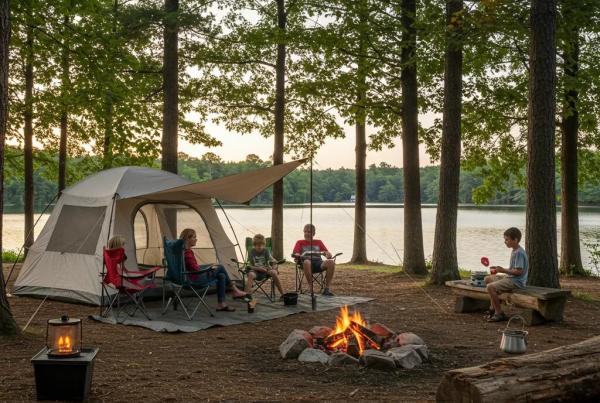
Campfire safety prevents burns and wildfires by combining designated fire sites, permitted fuel rules, and clear extinguishing steps. Controlled fires reduce accidental spread and provide a safer environment for children. Designated fire rings concentrate heat and embers in managed locations, and policies about allowed fuel types and spacing from tents limit ignition risk. Your family benefits when campsites enforce these rules and when parents model safe behavior, such as maintaining a water bucket nearby and supervising roasting activities closely. The subsections below explain fire-ring rules, step-by-step building and extinguishing, and supervision expectations necessary for safe family campfires.
Below is a brief list of campfire dos and don’ts your family should follow at the campground.
- Only use designated fire rings and burn approved wood or fuel.
- Keep a water source and shovel nearby to control embers and sparks.
- Never leave fires unattended and fully extinguish before sleeping or leaving your site.
What Are the Rules for Using Designated Fire Rings Safely?
Designated fire rings provide a contained space for fires and require families to use only approved fuels, maintain safe clearances, and respect maximum fire sizes to avoid ember spread. Parents should place the ring a safe distance from tents and low branches and remove flammable materials from the immediate area before lighting a fire. The adult in charge must keep tools and water on hand and prevent children from playing too close to the ring, enforcing a perimeter to minimize accidental falls or clothing ignition. These practices preserve the recreational value of a campfire while limiting wildfire and burn risks.
How Do You Properly Build and Extinguish a Campfire?
Building and extinguishing a campfire safely involves layered fuel setup, controlled ignition, active flame monitoring, and a thorough extinguishing process that leaves cold-to-touch ash. Start with a small tinder base, add kindling in a teepee or log-cabin style for airflow, and limit the fuel size to keep flames manageable while supervising continuously. To extinguish, progressively drown the fire with water, stir embers to expose hidden heat, and continue adding water until all material is cool to the touch; never rely on smothering alone. Practicing this method reduces rekindling risk and ensures the campsite is safe for sleeping or departure.
A concise step-by-step list for extinguishing a fire helps cement the process for family members.
- Pour water over flames and embers until steaming stops.
- Stir ashes with a shovel to expose hidden hot spots.
- Repeat pouring and stirring until materials are cold to the touch.
What Supervision Is Required for Children Around Campfires?
Adult supervision is the primary control that prevents child injuries near campfires, requiring an assigned responsible adult who enforces distance rules and safe tools for roasting. For young children, maintain an arm’s-reach policy when they are near open flames, and establish a clear “no-go” perimeter that children understand and respect at all times. Teach safe behaviors like using long-handled roasting sticks, avoiding running around the campfire, and wearing non-flammable clothing, then model those behaviors consistently. Consistent supervision and clear rules reduce burn incidents and help children learn safe outdoor skills.
A short list of child-focused supervision tips summarizes practical parent actions.
- Assign one adult to supervise the fire at all times.
- Set an enforceable perimeter and communicate consequences for crossing it.
- Provide safe tools and supervise marshmallow or food roasting closely.
What Wildlife Awareness and Safety Measures Protect Families at Walnut Hills?
Wildlife awareness lowers the chance of harmful encounters by minimizing attractants, enforcing food-storage rules, and teaching families how to respond when animals appear. Proper campsite hygiene and secure storage of food reduce the likelihood that raccoons, birds, or larger animals approach sites looking for snacks. Your family gains safety by learning to observe wildlife from a distance, not feeding wild animals, and following staff guidance for reporting sightings that may threaten pets or children. The following H3 sections detail food storage, safe interaction practices, and pet management to protect families and local wildlife.
How Should Families Store Food to Avoid Wildlife Encounters?
Storing food securely prevents wildlife from associating campsites with easy meals, which in turn reduces nuisance encounters and potential property damage. Families should keep food in sealed containers, lockable coolers, or inside vehicles when not in use, and use campground-provided storage or trash facilities when available to limit scent trails. Clean cookware and dispose of scraps in designated receptacles promptly, and never leave pet food unattended outside. These steps make campsites less attractive to animals and protect both families and wildlife over the course of your stay.
Here is a short checklist for nightly food-storage habits.
- Seal all food and remove it from tent areas before dark.
- Use approved lockers or vehicle storage when provided by the campground.
- Dispose of trash in designated bins and avoid leaving scraps overnight.
What Are Safe Practices for Interacting with Local Wildlife?
Safe wildlife interaction means observing animals at a distance, refraining from feeding, and making measured noise to avoid surprising creatures while hiking or moving about the campground. If an animal approaches, families should remain calm, make themselves appear larger without turning their back, and retreat slowly while keeping children and pets close. Reporting unusual behavior to staff enables coordinated responses that protect other campers. Understanding these behavioral guidelines reduces conflict and keeps both families and animals safe.
A brief list summarizes immediate actions if an animal approaches a campsite.
- Keep children and pets close and avoid sudden movements.
- Do not feed or attempt to touch the animal.
- Notify campground staff about persistent or aggressive wildlife.
How Does Walnut Hills Manage Pet Safety and Wildlife Interaction?
Walnut Hills requires pets to be leashed and supervised to prevent them from chasing wildlife or approaching other guests, which preserves safety for families and animals alike. Owners must clean up pet waste promptly and store pet food securely to avoid attracting wildlife to campsites. Certain areas may restrict pets to protect sensitive zones or play areas, and families should follow posted guidance to avoid conflict. These measures create predictable boundaries that protect children, pets, and wildlife while allowing supervised pet enjoyment of the campground.
This summary list highlights pet responsibilities that support family safety.
- Keep pets leashed and within sight at all times.
- Clean up waste promptly and secure pet food after meals.
- Follow posted area restrictions to avoid playgrounds or swimming zones if required.
What First Aid and Emergency Preparedness Steps Should Families Know at Walnut Hills?
Preparedness reduces harm when injuries or severe weather occur by combining accessible first aid resources, clear communication of emergency procedures, and a defined lost-camper protocol. These elements shorten response time and improve outcomes. Your family benefits from knowing where to find basic first aid supplies, how the campground communicates alerts, and what immediate steps to take if a child is missing or a storm approaches. The subsections below describe available on-site resources, communication methods for emergencies, and the lost camper and severe weather processes your family should follow. Knowing these procedures helps families respond calmly and effectively when time matters most.
What On-Site First Aid Resources Are Available for Families?
On-site first aid resources typically include basic kits at common areas and staff who can assist with minor injuries, enabling timely care for cuts, scrapes, and bites while families determine next steps. Families should locate posted first aid station information upon arrival and bring a personal kit with items such as bandages, antiseptic, and blister care to supplement on-site supplies. Knowing the location of first aid resources and how to request staff assistance speeds response for children and reduces escalation to urgent medical transport. Prepared families and accessible resources together create a safer environment for routine injuries.
How Are Emergency Contacts and Procedures Communicated to Campers?
Campgrounds communicate emergency contacts and procedures through arrival briefings, posted signage, and information provided at check-in so families know where to assemble, whom to call, and how alerts are issued. Families should save key contact numbers and review posted maps showing assembly points and shelter locations for severe weather. Clear knowledge of these channels—what triggers alerts and where to go—shortens response time and helps families make informed decisions during a crisis. Practicing a quick family plan for emergencies improves coordination and reduces panic.
A simple list of what to save and check upon arrival helps families prepare.
- Save campground contact details and local emergency numbers on your phone.
- Locate posted emergency assembly points and shelter areas.
- Review severe weather alert methods and evacuation signage.
What Is the Lost Camper Protocol and Severe Weather Alert Process?
A lost camper protocol centers on immediate notification, focused search coordination, and family reunification steps, while severe weather procedures emphasize moving to designated shelter areas and following staff instructions to ensure safety. If a child is missing, families should contact staff immediately and provide a description and last-known location to activate the campground’s search response. During severe weather, follow posted shelter directions and the campground’s alert system to reach safe assembly points quickly. Awareness of these protocols helps families respond decisively and increases the likelihood of rapid resolution.
This numbered emergency-action list outlines initial family steps.
- Notify campground staff immediately with a clear description and last-known location.
- Follow staff instructions for search coordination or assembly during severe weather.
- Remain available at the campsite or assembly point to assist staff with identification and reunion.
What General Campground Safety Rules Ensure Child and Family Protection?
General campground rules create a predictable environment that minimizes hazards by enforcing quiet hours, controlling vehicle speeds, supervising playgrounds, and applying pet policies. Quiet hours help children sleep and reduce late-night hazards from vehicle movement or uncontrolled activity, while posted speed limits and designated parking reduce collision risk on narrow roads and near campsites. Effective playground supervision and routine equipment checks lower injury rates, and leash and waste policies protect families and wildlife alike. The following subsections address quiet hours, vehicle and playground safety, and pet rules to round out family safety practices.
What Are the Quiet Hours and Respectful Camping Guidelines?
Quiet hours and respectful camping guidelines protect family rest and safety by reducing late-night noise, limiting after-dark movement, and encouraging considerate behavior around other campers. Families should plan activities to align with quiet hours, keep music and generators at low volumes, and move vehicles only when necessary to avoid startling children. Reporting disruptive behavior to staff supports a safer environment and prevents confrontations that could escalate. Observing these norms preserves rest for families and reduces unnecessary night-time hazards.
A brief list summarizes how families can observe quiet hours respectfully.
- Plan quiet activities or move conversations away from sleeping areas during quiet hours.
- Minimize vehicle movement after dark and use headlights cautiously.
- Report safety-affecting disturbances to staff promptly.
How Is Vehicle Safety and Playground Supervision Enforced?
Vehicle safety and playground supervision reduce accidents through posted speed limits, designated parking zones, and active parental monitoring of play equipment. Enforcement relies on camper compliance and staff reminders. Families should drive slowly, park in designated areas to keep lanes clear, and walk rather than rush children across roads to the playgrounds. At play areas, parents must supervise closely, check equipment for hazards, and intervene if play becomes risky or overly rough. These behaviors combine to lower the likelihood of vehicle incidents and playground injuries across the campground.
The following list gives practical vehicle and playground precautions parents can use.
- Observe posted speed limits and drive defensively within the campground.
- Park in marked spaces and keep campsite entries free of obstructions.
- Supervise children at playgrounds and report hazards to staff.
What Are the Pet Policy and Leash Requirements for Family Safety?
Pet policies and leash requirements protect families by preventing unpredictable animal interactions and maintaining sanitary conditions throughout the campground. Families should keep pets leashed at all times, clean up after them promptly, and avoid letting pets near play or swimming areas where they could create hazards. Observing any area restrictions respects other campers and reduces conflicts, and securing pet food prevents wildlife attractants. These measures ensure pets remain a positive part of the family camping experience without compromising safety.
A short checklist clarifies pet-owner responsibilities for safe coexistence.
- Keep pets leashed and under control at all times.
- Clean up pet waste immediately and dispose of it properly.
- Secure pet food and follow posted area restrictions to avoid hazards.
For families ready to plan a safe, family-oriented stay, Walnut Hills Family Campground offers the amenities and site-specific policies described above. Reservations can be made through the campground’s reservations page for those who wish to secure a campsite in Durand, Michigan.
Frequently Asked Questions
What should families include in their personal first aid kits for camping?
When preparing a personal first aid kit for camping, families should include essential items such as adhesive bandages in various sizes, antiseptic wipes, gauze pads, adhesive tape, and a pair of scissors. Additionally, consider including items for specific needs, such as allergy medications, pain relievers, and blister care supplies. It’s also wise to pack a digital thermometer and any personal medications. Having a well-stocked first aid kit ensures that families can address minor injuries promptly, enhancing safety during their camping experience.
How can families prepare for severe weather while camping?
To prepare for severe weather while camping, families should first familiarize themselves with the campground’s emergency procedures and designated shelter areas. It’s essential to monitor weather forecasts and be aware of any alerts. Families should pack waterproof gear, such as rain jackets and tarps, and ensure that tents are securely anchored. Additionally, having a portable weather radio or a smartphone app for weather updates can provide timely information. Practicing a family emergency plan can also help everyone respond quickly and effectively during unexpected weather events.
What are the best practices for keeping children safe while hiking in the campground?
Keeping children safe while hiking in the campground involves several best practices. First, ensure that children wear appropriate footwear and clothing for the terrain and weather. Establish a buddy system, where children stay close to an adult or a designated buddy. Teach them to stay on marked trails and to avoid wandering off. It’s also important to discuss what to do if they get lost, such as staying put and signaling for help. Regularly check in with children to ensure they are comfortable and aware of their surroundings.
What should families do if they encounter wildlife while camping?
If families encounter wildlife while camping, they should remain calm and avoid approaching or feeding the animals. It’s crucial to keep a safe distance and observe the animal’s behavior. If an animal approaches, families should back away slowly while keeping children and pets close. Making noise can help scare off smaller animals, but it’s important not to make sudden movements. Reporting any aggressive or persistent wildlife encounters to campground staff is essential for ensuring the safety of all campers.
How can families ensure their campsite is safe from wildlife?
To ensure their campsite is safe from wildlife, families should practice good hygiene and food storage. All food should be stored in sealed containers or locked coolers and kept away from sleeping areas. Dispose of trash in designated bins promptly and avoid leaving food scraps outside. Additionally, families should clean cooking equipment immediately after use. Keeping pet food secured and not feeding pets outside can also minimize attractants. These practices help reduce the likelihood of wildlife encounters and protect both families and local animals.
What are the guidelines for campfire safety specific to children?
When it comes to campfire safety for children, it’s essential to establish clear rules and supervision. Assign a responsible adult to monitor the fire at all times and maintain a safe distance perimeter that children understand. Teach children about the dangers of fire and the importance of using long-handled tools for roasting food. Ensure that children know to never run around the campfire and to wear non-flammable clothing. By modeling safe behaviors and enforcing rules, families can enjoy campfires while minimizing risks to children.
Conclusion
Ensuring a safe and enjoyable camping experience at Walnut Hills Family Campground is achievable through adherence to essential safety measures, from water safety to wildlife awareness. By understanding and implementing these guidelines, families can significantly reduce risks while maximizing their outdoor fun. We encourage you to explore our campground’s amenities and make a reservation today for a memorable family adventure. Prepare for a safe stay by reviewing our comprehensive safety protocols and enjoy peace of mind during your visit.