

Key Restrictions on Campfires and Cooking Equipment Every Camper Should Know About
Campfire and cooking equipment restrictions guide what you can safely ignite, where you can set up a stove, and how to store fuel while camping. This guide breaks down the essential rules—from designated fire rings and firewood sourcing to which portable stoves are permitted during burn bans—so families can plan safe, compliant adventures. You’ll learn practical, family-friendly guidelines that translate state-level burn-ban language into action: how to check fire danger, which cooking devices are typically allowed, and step-by-step extinguishing and emergency procedures. We’ll cover campground-specific expectations, common stove allowances, and food-safety practices to minimize risk and protect our parks and campers. This guide details campfire rules at Walnut Hills Family Campground, permitted and prohibited cooking equipment, fire safety setup and extinguishing methods, how burn bans alter usage, and food storage and preparation tips to prevent wildlife encounters. Throughout, we focus on safe campfire practices for families, propane stove camping rules in Michigan, and designated fire pit usage so you can enjoy outdoor cooking without any surprises.
What Are the Campfire Rules at Walnut Hills Family Campground?
Campfire rules at campgrounds define where and how open flames are permitted and why restrictions are in place. At Walnut Hills Family Campground, campfires are allowed only in designated fire rings or contained pits to reduce the chance of wildfire and to protect campers and facilities. This containment prevents ground fires and keeps embers away from vegetation, which in turn reduces smoke and nuisance to nearby sites. Understanding the campground’s rule set helps families prepare for safe evenings and avoid fines or required extinguishment.
Which Campfire Types Are Permitted and Where?
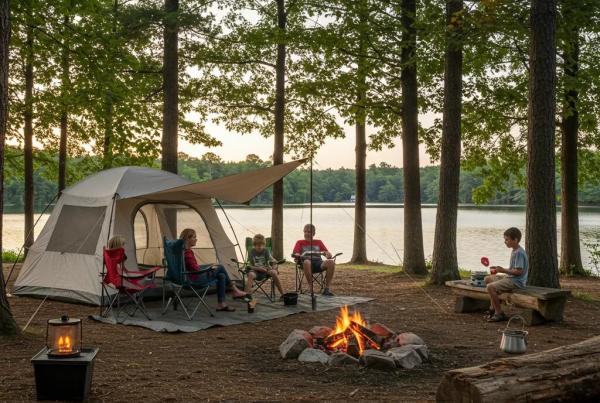
Permitted campfire types are limited to contained fire rings and approved communal pits located at individual sites or designated areas. A designated fire ring is a prepared, raised metal or stone ring that contains the flame and ash, and a contained fire pit uses a grill or grate to keep embers controlled. Ground fires, bonfires that exceed site rings, and uncontained beach fires are not permitted because they increase the risk of spreading embers. These rules ensure fires remain predictable and manageable for families and staff.
Before we dive into time limits, let’s quickly review typical permitted setups at campsites and communal areas that our staff monitors to keep fires safe.
Different sites and seasons can affect hours and permission, so campers should check current rules frequently.
Are There Time or Seasonal Restrictions on Campfires?
Time and seasonal restrictions limit when campfires may be lit and when they must be extinguished to manage risk during dry periods. Many campgrounds impose evening cutoffs, requiring fires to be out by a posted hour, and enact seasonal bans when conditions are dry or during high fire danger levels. Weather conditions such as wind or prolonged drought can trigger immediate restrictions that override normal hours, so campers should treat any open flame as conditional. These temporal limits protect both the natural area and family safety.
Campers should plan meals and activities knowing that a fire-ready sunset might become a no-fire situation during dry stretches, which leads directly into understanding firewood policies and sourcing.
What Is the Firewood Policy at Walnut Hills?
Campgrounds often restrict outside firewood to prevent the transport of invasive pests and to control moisture and burn characteristics. Walnut Hills follows the common best practice that firewood should be sourced through approved onsite or local vendors to reduce the risk of moving wood-borne insects between regions. Using certified local firewood lowers pest spread and ensures wood is appropriate for burning conditions. Campers are advised to store wood off the ground and keep it covered to maintain dryness and reduce unintended smoke.
Buy or obtain recommended firewood onsite when available, which supports both campground biosecurity and easier compliance with local regulations.
What Cooking Equipment Is Allowed and Restricted for Campers?
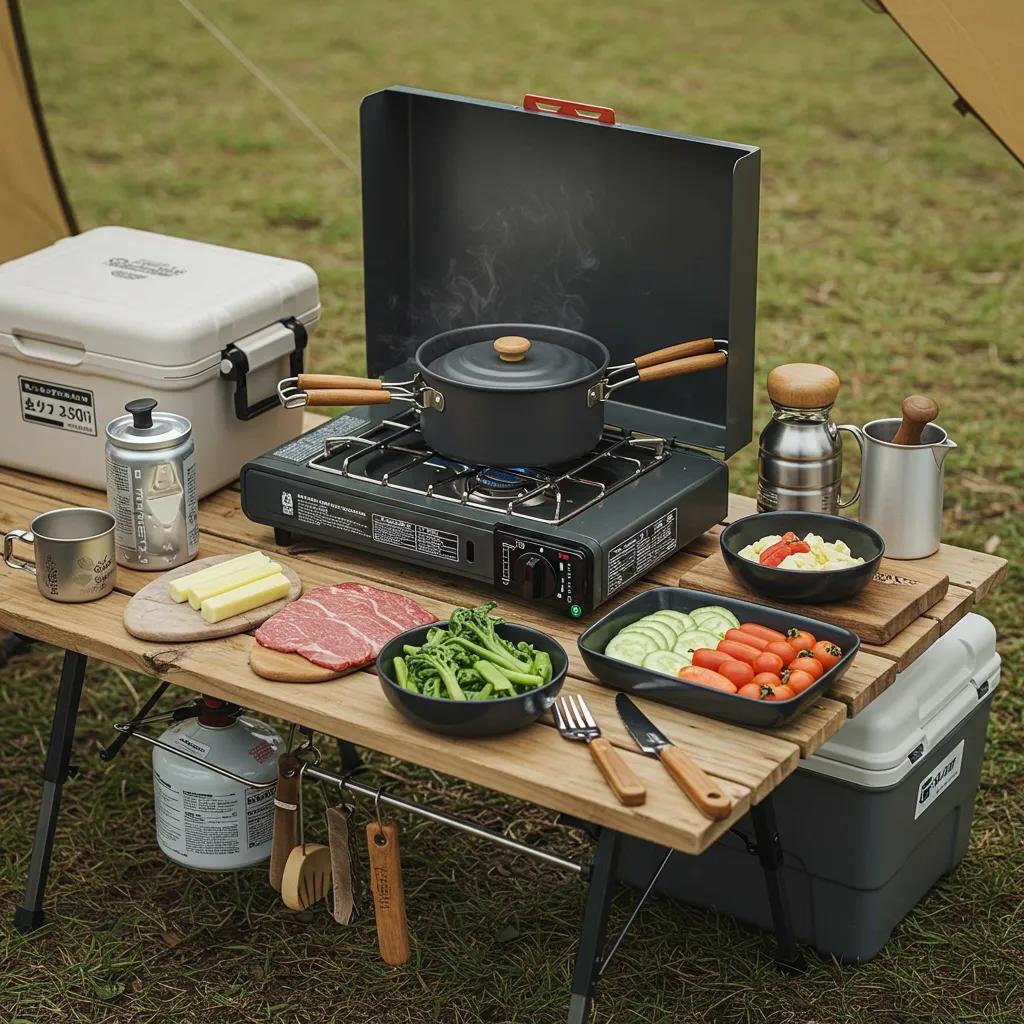
Cooking equipment rules distinguish between contained, manufactured devices and open wood fires to reduce ignition risk. Allowed devices typically include portable propane stoves and sealed canister stoves because they offer controlled flames and rapid shutoff mechanisms. Prohibited devices often include open wood fires outside designated rings and certain charcoal use during burn bans because they produce embers and slow-cooling coals. Knowing the allowed devices helps families plan meals that comply with safety and current restrictions.
Below is a concise comparison of common cooking devices and practical tips for their safe use at campsites.
Which Portable Stoves Are Permitted During Fire Bans?
Portable stoves with sealed fuel systems—especially propane and screw-on canister stoves—are usually permitted during many burn bans because they limit ember release and are easier to extinguish. A propane stove is a type of portable stove that offers a controlled, adjustable flame and quick shutoff, which reduces stray sparks. Liquid fuel stoves that are not sealed or that require priming may be disallowed because they pose a higher risk of spills and flare-ups. When using permitted stoves, place them on non-flammable surfaces, keep a fuel-canister distance from heat, and never leave burners unattended.
Understanding stove types prepares campers to choose compliant equipment for cooking even when open fires are restricted.
What Cooking Equipment Is Prohibited at Walnut Hills?
Prohibited equipment centers on devices that produce uncontrolled embers, excessive smoke, or that are difficult to extinguish. Items often disallowed include open ground fires, uncontained bonfires, and charcoal grills during declared burn bans because smoldering coals can remain hazardous. Some high-smoke cooking methods may be restricted close to cabins or communal areas to prevent nuisance complaints and air-quality issues. Enforcement may include requests to extinguish fires and, in repeated cases, campsite penalties.
When a prohibited device is identified, choose a permitted alternative—for example, swap an open wood fire for a sealed propane stove to continue cooking safely.
How Should Campers Safely Use Cooking Equipment?
Safe use of cooking equipment begins with correct placement, fuel handling, and active supervision to prevent accidents. Place stoves and grills at least several feet from tents, low branches, and combustibles, and set them on stable, non-flammable surfaces to prevent tipping. Store fuel canisters upright, keep spare fuel sealed and away from heat, and never refuel a hot stove. Always supervise children and maintain a water source or extinguisher nearby for rapid response.
- Placement: Keep stoves and grills away from tents and overhangs.
- Fuel handling: Store fuel canisters upright and sealed until use.
- Supervision: Assign an adult to monitor cooking at all times.
How Can Campers Follow Fire Safety Guidelines for a Safe Stay?
Fire safety guidelines combine clearance standards, proper extinguishing, and emergency planning to minimize harm when something goes wrong. Clearance requirements specify distances from tents, structures, and vegetation to reduce the chance of flame or ember contact. Proper extinguishing uses water and stirring to ensure embers are cold; this prevents rekindling. Emergency procedures outline when to evacuate, how to use onsite resources, and when to summon help. Together these practices create a predictable, family-friendly approach to fire management.
What Are the Clearance and Setup Requirements for Campfires?
Clearance and setup guidelines require a safe buffer between the fire and anything flammable and mandate basic tools on hand. Maintain a minimum distance from tents and structures and remove loose leaves, pine needles, and other fuels from a zone around the fire ring. Use a fire grate or ring when provided, and keep a bucket of water, shovel, and extinguishing tool within reach. Wind direction and gusts must be evaluated before lighting since wind increases ember travel and heat spread.
Setting up this controlled perimeter reduces the likelihood of sparks igniting nearby materials and leads into correct extinguishing techniques.
How Do You Properly Extinguish a Campfire?
Proper extinguishing follows a simple water-stir-cool sequence that ensures all embers are dead and the site is safe to leave. First, douse the fire completely with water until hissing stops; second, stir ashes and embers with a shovel to expose any remaining hot spots; third, feel the ashes cautiously to confirm they are cool to the touch before leaving the site. If embers persist, repeat douse and stir until cold. Packing out or covering the cold ashes prevents accidental ignition from later thermal events.
- Douse the fire thoroughly with water until hissing stops.
- Stir ashes and embers with a shovel to expose hot spots.
- Feel for heat and repeat until ashes are cold.
What Emergency Procedures Should Campers Know?
Emergency procedures prioritize immediate safety, communication, and using on-site resources if a fire escapes control. If a fire spreads, evacuate people and pets to a safe distance, raise the alarm by notifying campground staff or the nearest adult, and call emergency services if the situation escalates. Use available water sources, fire extinguishers, and shovels to contain small spread while avoiding personal risk. Notify campground personnel after the event so staff can document, respond, and support recovery.
How Do Fire Danger Levels and Burn Bans Affect Campfire and Cooking Rules?
Fire danger levels and burn bans are official signals that change allowable activities to reduce wildfire risk. A burn ban typically prohibits open wood fires and may restrict charcoal grills while often allowing sealed-propane or canister stoves as exceptions. These proclamations are issued when conditions (drought, high winds) make ignition and spread more likely, and they directly affect campground policies. Knowing how levels map to activities enables campers to adapt meal plans and fire plans quickly.
Understanding this relationship keeps families safe and prevents inadvertent rule violations during a stay.
What Are Michigan’s Fire Danger Levels and What Do They Mean?
Michigan’s fire danger levels range from low to extreme and indicate how readily a fire can start and spread under current conditions. Low means normal caution; moderate signals potential for quick spread under unfavorable conditions; high and extreme indicate that even small ignition sources can grow rapidly and are less likely to be containable. Each level typically triggers graduated restrictions aimed at reducing human-caused ignitions. Campers should interpret these levels as operational advice: higher danger calls for eliminating open flames and choosing safer cooking alternatives.
Checking the current level before and during a trip translates advisory language into practical campsite behavior.
How Do Burn Bans Change Campfire and Stove Usage?
Burn bans prohibit specific categories of fires to prevent wildfires, most commonly banning open wood fires and sometimes charcoal grills while allowing certain portable stoves. Open fires are generally banned because embers and slow-cooling coals can ignite fuels later, whereas sealed-propane stoves are often allowed due to their controlled flame and quick shutoff. During a ban, switch to permitted devices and avoid activities that might produce sparks. If a ban is in effect, prioritize low-risk cooking and double-check fuel storage and supervision.
This clarity helps campers decide whether to pack a propane stove or plan meals that don’t require an open flame.
Where Can Campers Check Current Fire Restrictions?
Campers should confirm current restrictions through authoritative and local sources before arrival and during dry seasons. Primary checks include state-level fire authority updates, local fire department advisories, and direct campground notifications to get the most current status. The campground’s online presence and its local office are practical sources for last-minute changes and site-specific rules. Checking restrictions daily during high-risk periods is the safest strategy for families.
Make it a routine: verify conditions before lighting any fire and re-check if weather changes during your stay.
What Food Storage and Preparation Safety Tips Should Campers Follow?

Food safety at camp prevents contamination, reduces wildlife attraction, and ensures meals are both safe and pleasant for families. Proper storage keeps food from spoiling and deters animals; safe preparation prevents illness; and conscientious waste management protects the campsite environment. Using thermometers, separating raw from cooked items, and packing out or disposing of waste properly are simple actions that yield big safety gains. These practices also reduce wildlife encounters that can endanger pets and people.
How Can Campers Prevent Food Contamination?
Preventing contamination relies on clean surfaces, hand hygiene, and separation of raw and cooked foods. Wash hands with soap and water before handling food, use separate utensils and plates for raw meats, and sanitize cutting surfaces between uses. Keep perishable items chilled in coolers with ample ice and rotate cooler contents to maintain consistent temperatures. These steps reduce foodborne illness risk and make outdoor meals safe for children and adults alike.
- Hand hygiene: Wash hands before and after handling food.
- Separation: Keep raw meats on separate cutting boards from other foods.
- Sanitation: Wipe surfaces with a sanitizing solution after use.
These practices form a compact plan to minimize contamination at the campsite.
What Are Best Practices for Cooking Temperatures and Waste Management?
Cooking to safe internal temperatures and managing waste properly prevents illness and wildlife problems. Use a thermometer to confirm internal temperatures (e.g., poultry cooked to recommended safe temperature), cool leftovers promptly in sealed containers, and store trash securely in campground receptacles or in locked vehicles to deter animals. Pack out what you bring if the site lacks secure disposal and follow local guidance for food waste to protect wildlife and sanitation. Responsible waste handling keeps campgrounds clean and safe for future visitors.
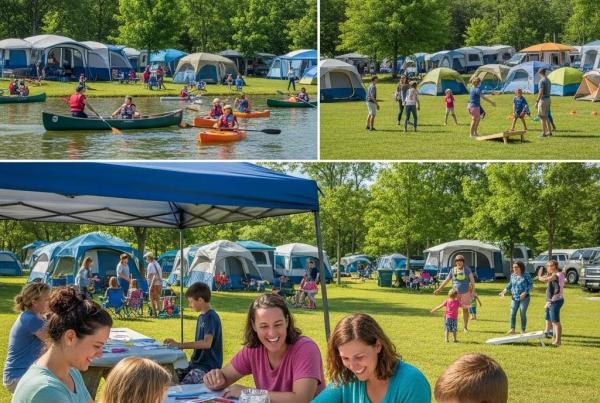
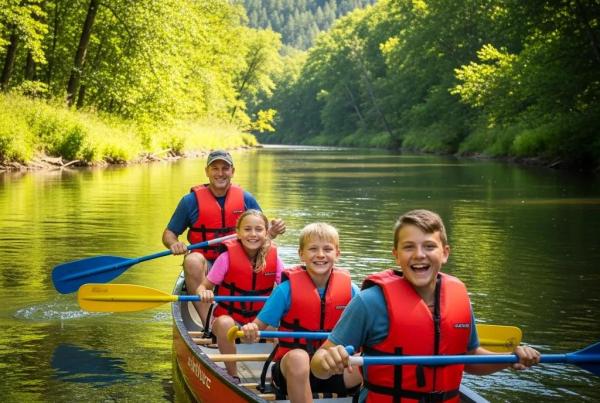
For campers seeking convenient stays with family-friendly amenities, Walnut Hills Family Campground—operated by GatherGrounds Resorts—offers RV, tent, and cabin sites with amenities like a Wibit water park, swimming lake, canoe livery, and various recreational activities. Consider booking Campground stays (RV sites, tent sites, cabin rentals) and associated recreational activities to enjoy safe, rule-compliant camping with onsite support for questions about fire rings and equipment during your visit.
Frequently Asked Questions
What should I do if I see a fire hazard while camping?
If you notice a fire hazard while camping, such as an unattended campfire or dry vegetation near a fire source, it’s crucial to act quickly. First, ensure your safety and the safety of others by maintaining a safe distance. Then, notify campground staff or local authorities immediately. They are trained to handle such situations and can take appropriate action to mitigate the risk. Always prioritize safety and follow up with the campground to ensure the issue is addressed.
Can I use my own firewood at the campground?
Using your own firewood at campgrounds is often discouraged or prohibited to prevent the spread of invasive pests and diseases. Many campgrounds, including Walnut Hills, recommend sourcing firewood from local vendors or onsite suppliers. This practice helps maintain the ecological balance and ensures that the wood is suitable for burning conditions. Always check the campground’s specific firewood policy before your visit to avoid any compliance issues.
What should I do if my campfire gets out of control?
If your campfire gets out of control, prioritize safety by evacuating all people and pets to a safe distance. Immediately alert campground staff or call emergency services if the situation escalates. Use available resources, such as water or fire extinguishers, to try to contain the fire, but only if it is safe to do so. After the incident, report the event to campground personnel so they can take necessary actions and prevent future occurrences.
Are there specific cooking safety tips for children at campsites?
Yes, ensuring children’s safety around cooking equipment is vital. Always assign an adult to supervise children while cooking. Teach kids about the dangers of fire and hot surfaces, and establish a safe zone around cooking areas. Use child-friendly cooking tools and keep sharp objects out of reach. Additionally, ensure that children understand the importance of not running or playing near cooking equipment to prevent accidents and injuries.
How can I check for updates on fire restrictions during my stay?
To stay informed about fire restrictions during your camping trip, regularly check local fire authority websites, the campground’s official site, or contact the campground office directly. Many campgrounds provide real-time updates on fire danger levels and any changes to restrictions. Additionally, consider signing up for alerts if the campground offers this service, ensuring you receive timely notifications about any critical updates during your stay.
What are the consequences of violating campfire rules?
Violating campfire rules can lead to various consequences, including fines, eviction from the campground, or even legal action in severe cases. Campground staff may issue warnings for minor infractions, but repeated violations can result in penalties. Additionally, unsafe campfire practices can pose risks to the environment and other campers, leading to increased scrutiny and stricter regulations. Always adhere to the rules to ensure a safe and enjoyable camping experience for everyone.
Conclusion
Understanding campfire and cooking equipment restrictions is essential for ensuring a safe and enjoyable camping experience. By adhering to these guidelines, families can minimize risks, protect the environment, and comply with local regulations. For a seamless camping adventure, consider booking your stay at Walnut Hills Family Campground, where you can enjoy family-friendly amenities and support. Explore our offerings today to make the most of your outdoor cooking and camping experience!