Understanding Broker Fees: What Costs to Anticipate When Selling Your Campground
Selling a campground is a complex financial transaction that goes beyond simply listing a property for sale; it requires understanding broker fees, closing costs, due diligence expenses, and valuation metrics that determine your net proceeds. This guide explains what “broker fees” mean in the campground and RV park market, why they exist, and how they affect seller outcomes so you can make an informed decision about whether to pursue a brokered sale or a direct sale. Many owners want clarity on typical commission ranges, the breakdown of closing expenses, and practical steps to prepare financial and physical documentation to maximize value. The article maps the core areas sellers care about: typical campground broker commission rates and how they’re calculated; a line-by-line breakdown of other seller costs; how selling without a broker works and what to expect from a direct buyer; practical preparation steps including NOI and cap rate basics; pros and cons of brokered versus direct sales; hidden fees sellers often miss; and how 2025 market trends affect valuation and timelines. Throughout, you’ll find concrete examples, tables, and checklists to help forecast seller proceeds and compare options like GatherGrounds Resorts‘ direct acquisition of campgrounds and RV parks.
What Are Typical Campground Broker Commission Rates?

Broker commissions for campgrounds are the percentage of the sale price paid to intermediaries who market, negotiate, and manage transactions on behalf of the seller. These commissions exist because brokers provide market access, buyer screening, and transaction coordination that can accelerate closing and potentially increase sale price, and the typical market range in recent reports centers on mid-single to low-double-digit percentages. Knowing the commission range lets sellers model net proceeds and compare alternatives like direct sales that can avoid these fees. Below is a concise summary of common commission ranges, followed by factors that influence the final rate and a short illustrative calculation of commission impact.
Campground broker commissions typically range from 5% to 10% of sale price, with variability by deal complexity and service scope.
- Deal size often reduces percentage for higher-priced listings.
- Exclusive listings and extensive marketing programs tend to command higher rates.
- Difficulty sourcing qualified buyers for rural or unusual properties can increase fees.
This context leads into a simple breakdown of how those percentages translate to dollars at common sale price tiers.
How Much Do Campground Brokers Charge on Average?
Broker charges usually fall within a 5%–10% band, and translating that into dollars clarifies the seller impact. For a $500,000 sale, a 5% commission is $25,000 and a 10% commission is $50,000; for a $1,000,000 sale, the same percentage band is $50,000 to $100,000, and for a $2,000,000 sale the range is $100,000 to $200,000. These dollar amounts are the most direct way sellers see commission effects on net proceeds, and the percentage often declines modestly as deal size increases due to negotiation and scale. Market conditions and the broker’s track record in campground or RV park transactions will influence where a specific deal falls within or outside these ranges.
What Services Are Included in Campground Broker Fees?
Broker fees usually cover a package of services designed to market the property, vet buyers, and shepherd the transaction through closing. Typical services include preparing marketing materials and listings with professional photos and offering memoranda; leveraging buyer networks to generate offers; negotiating deal terms; coordinating due diligence and documentation; and managing closing logistics with attorneys and title providers. For specialized campground listings, brokers may also arrange investor tours, compile occupancy and revenue analytics, and position the asset for cap-rate-driven buyers. Understanding these inclusions helps sellers assess whether the fee level matches the service depth and potential sale uplift.
How Are Broker Commissions Calculated for RV Parks and Campgrounds?
Commissions are most commonly calculated as a straight percentage of the final sale price, but variations exist: some firms use tiered percentages (e.g., 7% on the first $1M, 5% thereafter), flat-fee structures for certain listings, or splits between listing and buyer brokers. Minimum fees or success bonuses can appear in smaller deals, and commission splits are negotiable depending on exclusivity, expected marketing spend, and the broker’s role in sourcing the buyer. Sellers should ask brokers for a clear fee schedule and hypothetical examples showing net proceeds after commission and major closing costs to understand real outcomes and negotiation room.
What Other Costs Should You Expect When Selling Your Campground?
Beyond broker commissions, sellers face several recurring cost categories that affect net proceeds: legal and title expenses, professional appraisals and valuations, due diligence and inspection fees, closing costs (title/escrow charges, transfer taxes, recording fees), and marketing or preparation expenses. These costs together can materially reduce seller take-home funds and often vary by jurisdiction, property complexity, and chosen transaction path. Below is a practical cost-table that presents typical ranges for each major line item so sellers can budget realistically before deciding how to list or who to sell to.
The table below shows common seller cost categories and typical ranges observed in campground transactions.
What Legal Fees and Title Insurance Costs Are Common?
Legal fees for contract review and negotiation vary with transaction complexity; a straightforward sale may involve limited attorney hours, while contested terms or seller-provided representations increase time and cost. Typical seller-side attorney costs can range from several hundred to a few thousand dollars, and title insurance or escrow charges depend on local title company pricing and the chosen policy coverage. Title insurance protects the buyer and lender against pre-existing title defects, and sellers should expect to see some portion of closing administration allocated to title/escrow fees and recordings. Because these costs vary by state and transaction, sellers benefit from early conversations with local counsel and title providers to estimate likely charges.
How Much Do Appraisals and Property Valuations Typically Cost?
Commercial appraisals for campgrounds usually cost more than residential valuations due to unique income and amenity assessment needs; ranges often start in the low thousands and can exceed $10,000 for complex or larger properties. Appraisals apply Net Operating Income (NOI), comparable sales, and replacement cost approaches to arrive at market value and are commonly required by lenders or sophisticated buyers. Sellers may choose to order an independent valuation to set expectations or rely on broker-provided market analyses, while buyer-ordered appraisals can be a closing condition. Budgeting for a professional valuation helps avoid surprises in price negotiations.
What Are Due Diligence and Inspection Fees?
Due diligence in campground sales often includes environmental site assessments, septic and utility inspections, structural evaluations for buildings, and surveys to confirm boundaries and easements; each element carries its own fee structure. Environmental Phase I assessments are common and reasonably priced, but identified issues can trigger more costly Phase II work or remediation estimates. Sellers who pre-order key inspections can reduce negotiation friction and accelerate closing, though they incur upfront costs. Thoughtful allocation of due diligence items—deciding which reports to obtain pre-listing—can meaningfully shorten buyer review periods and limit price renegotiations.
What Closing Costs Should Sellers Prepare For?
Closing costs typically consist of title and escrow charges, recording fees, prorations for property taxes and utilities, transfer taxes where applicable, and any seller-paid concessions negotiated in the contract. While broker commissions are often the largest single line item, the total of these closing expenses can push the seller’s outlay into the mid-single-digit percentage range of the sale price even before considering remediation or repair credits. Sellers should request a preliminary closing statement early in negotiations to see how prorations and local charges will affect net proceeds. Clear advance budgeting reduces last-minute surprises and helps sellers plan post-sale finances.
What Marketing and Preparation Expenses Might Sellers Incur?
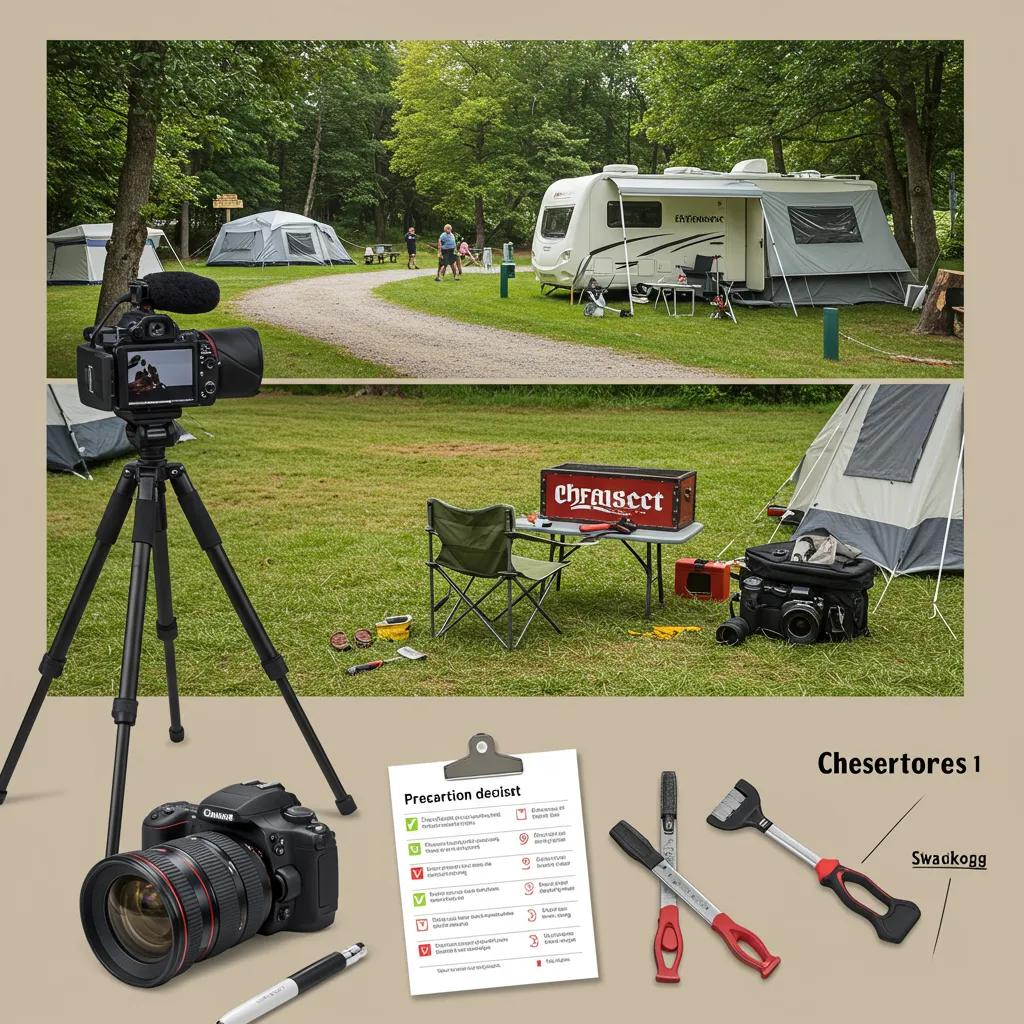
Preparing a campground for market can involve professional photography, creation of a property offering memorandum, minor repairs, and targeted marketing to investor pools—each with direct costs and potential ROI. Professional photos and floor/site plans are modest expenses that can increase buyer interest, while staged improvements or correcting safety items often yield higher sale valuations than cosmetic overhauls. Sellers should prioritize safety and systems upgrades that affect NOI, such as utility reliability or septic function, rather than costly amenity expansions with uncertain payback. A focused preparation budget aligned with buyer expectations yields better negotiation outcomes.
How Does Selling Your Campground Without a Broker Work?
Selling without a broker means negotiating directly with a buyer or acquirer and handling valuation, marketing, due diligence coordination, and closing logistics either personally or with retained legal counsel. This approach can avoid broker commission costs, shorten timelines, and reduce marketing expenses, but it requires sellers to manage buyer vetting, negotiate terms, and ensure a clean transfer. A direct sale process typically follows clear steps—initial inquiry, property review and valuation, negotiated letter of intent, buyer due diligence, closing, and transition planning—and can be an efficient alternative for owners seeking certainty and a thoughtful handoff. Below is a step-by-step list that outlines the typical direct-sale workflow.
Direct sale steps sellers can expect:
- Initial contact and property overview: Seller shares basic financials, site details, and operational metrics.
- Preliminary valuation and LOI: Buyer presents an indicative price or letter of intent outlining key terms.
- Due diligence and contract negotiation: Both parties complete inspections, title review, and finalize purchase agreement.
- Closing and transition: Funds transfer, deeds record, and operational handoff occurs with transition support when agreed.
What Are the Benefits of Selling Directly to a Buyer Like GatherGrounds Resorts?
Selling directly to an acquirer such as GatherGrounds Resorts’ direct acquisition of campgrounds and RV parks offers several seller-oriented benefits: eliminating broker commissions and associated marketing expenses, preserving the property’s legacy through a family-owned approach, and receiving thoughtful transition planning that focuses on guest experience continuity. GatherGrounds emphasizes investment in property and operational handoffs that keep the “soul” of properties while modernizing amenities, which appeals to owners seeking stewardship for their campground’s legacy. Sellers considering retirement or exploring options will find that a no-pressure initial conversation can clarify whether a direct sale aligns with their objectives.
How Does GatherGrounds Simplify the Campground Selling Process?
A direct buyer like GatherGrounds simplifies the sale by offering streamlined communication, transparent valuation discussions, and coordinated operational transition support that reduces seller administrative burden. Their approach typically involves an initial property review, a clear valuation process informed by NOI and amenity fit, assistance with due diligence logistics, and a planned handoff to preserve guest experience while implementing targeted investments. For sellers, this can mean fewer intermediaries, clearer timelines, and a partner-driven transition that focuses on both financial and legacy goals. These process efficiencies often translate to a faster close and lower out-of-pocket selling expenses compared with a fully brokered route.
What Criteria Does GatherGrounds Use to Evaluate Campgrounds?
GatherGrounds’ evaluation centers on a combination of property characteristics and operational metrics, including natural features and family-memory history, existing amenities and their fit with a “GatherGrounds experience,” and financial performance indicators such as revenue consistency and NOI. Preference is given to campgrounds where thoughtful enhancements can increase guest satisfaction while preserving legacy elements that matter to owners and communities. Operational readiness, utility infrastructure, and amenity mix are practical criteria that affect acquisition viability and valuation. Understanding these criteria helps sellers prepare materials that align with direct buyer expectations.
How Can You Prepare Your Campground Financially and Physically for Sale?
Preparing a campground requires assembling accurate financial documentation and prioritizing property maintenance that protects value and eases buyer due diligence. Financial preparation centers on organized historical P&L statements, tax returns, occupancy and revenue breakdowns, and expense ledgers covering utilities and maintenance. Physical preparation emphasizes addressing safety and compliance issues first, followed by high-ROI repairs such as utility reliability, septic functionality, and campsite hookups. Below is a compact checklist of essential documents sellers should gather before engaging buyers or brokers.
Essential financial documents checklist:
- 3–5 years of profit and loss statements and tax returns.
- Monthly revenue breakdowns, occupancy and reservation histories.
- Expense ledgers including utilities, payroll, insurance, and maintenance.
- Capital improvement records and warranties for recent investments.
What Financial Documents Are Essential for Selling Your Campground?
Buyers expect detailed financials that demonstrate historical performance and forward-looking reliability; top items include several years of P&L statements, federal tax returns, monthly revenue and occupancy reports, expense ledgers, and records of major capital expenditures. These materials let buyers calculate Net Operating Income (NOI) and verify revenue consistency that underpins valuation models. Organized documentation also reduces the time and cost of buyer-led due diligence, enabling sellers to present a defensible asking price. Preparing digital copies and an index of documents expedites information requests and builds trust during negotiations.
How Should You Address Property Maintenance and Improvements Before Selling?
Prioritize maintenance items that affect safety, regulatory compliance, and core revenue-generating systems: septic and utilities, access roads, campsite hookups, and critical building systems. Address deferred maintenance that would trigger buyer repair credits, document all completed work with receipts and permits, and avoid over-investing in low-ROI cosmetic upgrades. Sellers should weigh the cost-benefit of repairs versus price adjustments; targeted improvements that preserve or increase NOI typically deliver the best return during valuation. A documented maintenance history also reduces buyer concerns and can shorten negotiations.
What Are Net Operating Income and Capitalization Rates, and Why Do They Matter?
Net Operating Income (NOI) is the campground’s gross income minus operating expenses (excluding debt service and taxes), and capitalization rate (cap rate) is a valuation metric used as Market Value = NOI / Cap Rate. Together, NOI and cap rate form the primary income-based approach to valuing campgrounds and RV parks: higher NOI or lower cap rate increases market value. Current 2025 benchmark cap rates for many markets hover in the 8%–10% range, meaning a property with $100,000 NOI valued at an 8% cap rate would suggest a market value of $1,250,000. Sellers who understand and can document NOI make it easier for buyers and lenders to assess value and finance transactions.
What Are the Pros and Cons of Using a Broker Versus Selling Directly?
Choosing between a brokered sale and a direct sale involves balancing broader market exposure and potential price upside against costs, timing, and confidentiality. Brokers offer market reach, advanced marketing programs, and negotiation expertise that sometimes produce higher sale prices; however, broker commissions and longer timelines reduce net proceeds and may expose operations to public scrutiny. Direct sales commonly provide cost savings by avoiding commissions, faster and more certain closings, and tailored transition support, but they can limit competitive bidding and may yield different pricing outcomes. The comparison table below outlines typical differences to help sellers decide which path matches their priorities.
Comparison of brokered sale vs direct sale (GatherGrounds):
What Advantages Do Brokers Offer Campground Sellers?
Brokers bring advantages such as specialized buyer networks that can create competitive tension, professional marketing that increases visibility to national investors, and negotiation experience that manages complex deal terms and financing contingencies. For some sellers, these capabilities justify commissions through a higher final sale price or better contractual protections. Brokers can also coordinate multi-party transactions and lender communications, which reduces seller time spent on administrative tasks. When market exposure and maximizing price are top priorities, a well-connected broker can be valuable.
What Are the Drawbacks of Paying Broker Commissions?
Paying broker commissions directly reduces seller net proceeds and can sometimes outweigh the upside if expected marketing benefits do not materialize or if the listing extends time on market. Commission expense is the largest direct cost line in many closings and may combine with extended holding costs and additional marketing spend to erode seller returns. Sellers also face a trade-off between broader exposure and confidentiality, as public listings can impact ongoing operations or relationships. Clear cost-benefit modeling with conservative assumptions helps determine whether broker fees are justified.
How Can Selling Direct Save You Money and Time?
A direct sale can avoid the 5%–10% broker commission and related marketing expenses, shorten negotiation and due diligence timelines, and reduce incremental listing costs; this often translates to higher net proceeds and a more predictable closing schedule. Direct buyers like GatherGrounds may also assume or reduce certain closing or due diligence costs as part of negotiated deals, which further limits seller outlays. Sellers who value speed, lower transaction complexity, and stewardship of property legacy frequently find direct buyers align with those priorities while preserving operational continuity.
What Hidden Fees and Unexpected Costs Should Sellers Watch For?
Hidden costs in campground sales arise from deferred maintenance discovered during buyer due diligence, unpaid utility or tax liabilities, unrecorded encumbrances, and environmental remediation needs that can shift negotiation outcomes. These unexpected expenses can appear late in the transaction and result in price adjustments, escrow holds, or seller-funded repairs. Proactive steps—pre-sale inspections, organized financials, and title reviews—reduce the risk of late surprises. The mitigation strategies below summarize practical prevention measures sellers can deploy.
Common proactive steps to minimize surprises:
- Obtain pre-listing inspections and environmental assessments where feasible.
- Maintain and present organized maintenance and repair records.
- Conduct a title search early to identify encumbrances or easements.
- Budget contingency funds for last-minute remediation or negotiated credits.
What Are Common Hidden Costs in Campground Sales?
Common hidden costs include septic or utility repairs uncovered during inspections, environmental liabilities requiring remediation, unpaid property taxes or assessments, and title defects such as undocumented easements. These issues can require significant expenditure to resolve or lead to buyer-requested credits at closing, reducing seller proceeds. Quantitatively, remediation or repairs can range from a few thousand dollars to tens of thousands depending on scope, so early identification is critical to avoiding last-minute financial impacts. Anticipating these issues and documenting remedial work preserves negotiation leverage.
How Can Sellers Minimize Unexpected Selling Expenses?
Sellers minimize risk by commissioning pre-sale surveys and targeted inspections, organizing comprehensive financial and maintenance records, and transparently disclosing known issues to prospective buyers. Preemptive remediation of safety-critical or code-compliance items often improves buyer confidence and can reduce post-offer renegotiation. Engaging experienced counsel early and obtaining a preliminary title report allows sellers to clear or address defects before offers are on the table. These measures shorten due diligence, reduce escrow holds, and increase the chance of a clean, swift closing.
How Do Market Trends and Industry Factors Affect Selling Costs and Broker Fees?
Macro trends—such as growth in RV and camping tourism, interest rate levels, and investor demand—shape broker activity, cap rates, and buyer financing availability, which in turn affect fees and timelines. Increasing investor interest can compress cap rates in desirable markets and create competitive dynamics that influence commission negotiation; conversely, higher interest rates or tighter lending can reduce buyer pools and lengthen time to close. Current 2025 benchmarks show cap rates generally in the 8%–10% range and median asking prices around the million-dollar mark for many listings, shaping how sellers and brokers price and market properties.
How Has the Growth of RV and Camping Tourism Impacted Broker Fees?
Rising demand for camping experiences increases investor interest in campgrounds, which can enhance sale prices and create more competitive broker marketplaces; increased demand sometimes allows brokers to justify robust marketing efforts and higher fees due to greater transaction volumes. At the same time, greater buyer competition can enable sellers to negotiate lower commission percentages or pursue multiple sale avenues. Brokers may focus on high-demand geographies where cap-rate compression is strongest, while owners in less active markets face different fee and timeline dynamics.
What Are Current Cap Rates and Median Asking Prices for Campgrounds?
In the current 2025 context, benchmark cap rates for many campground transactions sit around 8%–10%, with median asking prices often near the million-dollar mark for typical regional listings; these figures vary by geography, amenity set, and revenue stability. Applying the NOI / Cap Rate formula gives a practical valuation snapshot: a property with $100,000 NOI at a 9% cap rate implies a value near $1,111,000. Sellers should interpret these benchmarks in light of local demand, amenity premium, and revenue seasonality when setting expectations or negotiating offers.
How Do Economic Factors Like Interest Rates Affect Selling Costs?
Higher interest rates reduce buyer purchasing power and can narrow the financing window, which may lengthen timelines and shift more risk onto sellers through price concessions or seller financing arrangements. Conversely, accommodative financing environments expand buyer pools and can shorten sales cycles while enabling higher sale prices. Sellers can adapt by considering seller financing options, structuring earn-outs, or targeting buyers with strong cash positions to bridge financing gaps and sustain favorable deal terms.
Selling a campground entails multiple fee categories and strategic choices that influence net proceeds, timeline, and legacy outcomes. If you want to explore a direct sale alternative that can eliminate broker commissions and emphasize thoughtful transition and investment in property, consider discussing options with a dedicated acquirer such as GatherGrounds Resorts’ direct acquisition of campgrounds and RV parks. A no-pressure, no-obligation conversation can clarify valuation expectations, which costs a direct buyer commonly covers or reduces, and whether a direct sale aligns with your goals for legacy preservation and operational continuity.
Frequently Asked Questions
What Should I Know About Tax Implications When Selling My Campground?
When selling your campground, it’s crucial to understand the tax implications that may arise from the sale. Capital gains tax is typically applicable on the profit made from the sale, which is calculated as the difference between the selling price and your adjusted basis in the property. Additionally, if you have owned the property for more than a year, you may qualify for long-term capital gains rates, which are generally lower than short-term rates. Consulting a tax professional can help you navigate these complexities and optimize your tax strategy.
How Can I Determine the Right Asking Price for My Campground?
Setting the right asking price for your campground involves a combination of market analysis and property evaluation. Start by reviewing comparable sales in your area to gauge market trends and pricing. Additionally, consider obtaining a professional appraisal to assess the property’s value based on its income potential, amenities, and location. Factors such as the campground’s Net Operating Income (NOI) and cap rate also play a significant role in determining a competitive asking price. A well-researched price can attract serious buyers and facilitate a smoother sale process.
What Are the Risks of Selling My Campground Without a Broker?
Selling your campground without a broker can save on commission fees, but it also comes with risks. Without professional guidance, you may struggle with marketing the property effectively, negotiating terms, and navigating legal complexities. Additionally, you might miss out on a broader pool of potential buyers that brokers typically access. The lack of experience in handling due diligence and closing processes can lead to costly mistakes or delays. Weighing these risks against the potential savings is essential before deciding on a direct sale.
What Should I Include in My Property Listing to Attract Buyers?
To attract buyers, your property listing should be comprehensive and engaging. Include high-quality photographs that showcase the campground’s features, amenities, and natural surroundings. A detailed description highlighting unique selling points, such as occupancy rates, revenue potential, and any recent upgrades, can also be beneficial. Additionally, providing financial documentation, such as historical profit and loss statements, can instill confidence in potential buyers. A well-crafted listing not only captures interest but also helps facilitate informed discussions with prospective buyers.
How Can I Ensure a Smooth Closing Process?
To ensure a smooth closing process, start by organizing all necessary documentation, including financial records, title information, and inspection reports. Engaging a qualified attorney or title company early in the process can help navigate legal requirements and address any potential issues. Clear communication with the buyer throughout the transaction is also vital to manage expectations and timelines. Finally, being proactive about addressing any concerns that arise during due diligence can help prevent delays and facilitate a successful closing.
What Are the Benefits of Preparing My Campground Before Listing?
Preparing your campground before listing it for sale can significantly enhance its appeal and value. Addressing maintenance issues, improving curb appeal, and ensuring compliance with safety regulations can create a positive first impression for potential buyers. Additionally, investing in minor repairs or upgrades can yield a higher return on investment during negotiations. A well-maintained property not only attracts more interest but can also lead to quicker sales and potentially higher offers, making preparation a worthwhile endeavor.
Conclusion
Selling a campground involves navigating various costs and strategic decisions that can significantly impact your net proceeds and legacy. Understanding broker fees, closing costs, and the benefits of direct sales empowers sellers to make informed choices that align with their financial goals. If you’re considering a direct sale that eliminates broker commissions and emphasizes thoughtful transitions, reach out to GatherGrounds Resorts for a no-obligation discussion. Explore how a direct sale can preserve your campground’s legacy while maximizing your financial outcomes.