A Comprehensive Guide to Amenities at Michigan Campgrounds: What to Expect for Family-Friendly and Modern Camping Experiences
Knowing what amenities a Michigan campground provides saves time and ensures a smooth family trip, whether you prefer rustic sites or full-service resorts. This guide explains common campground amenities, how modern private campgrounds compare with state parks, and practical tips for choosing the right facility based on needs like hookups, water play, and accessibility. You will learn how site amenities, water and recreation features, comfort facilities, and connectivity options typically vary across Michigan, and how trends such as multi-generational camping and tech adoption are shaping expectations in 2025. The article also uses Walnut Hills Family Campground (operated by GatherGrounds Resorts) as a concrete example of a modern, family-focused facility to illustrate booking-relevant choices. Read on for checklists, comparison tables, and practical guidance to help you match campground offerings to your family’s priorities.
What Types of Amenities Are Common at Michigan Campgrounds?
Campground amenities in Michigan generally fall into five main categories: site features, water and boating, comfort facilities, recreation and family programming, and connectivity. These categories explain what campers should expect and why they matter: site features determine sleep and hookup convenience, water amenities shape safety and entertainment, comfort facilities influence hygiene and convenience, recreation affects daily activity options, and connectivity supports planning and emergency contact. Below is a quick list of the core amenity categories to help orient planning and booking decisions. The next section breaks down what to expect from site-level amenities specifically.
Common campground amenity categories in Michigan include:
- Site features such as hookups and tent pads for sleeping and cooking convenience.
- Water and boating options like swimming areas, lakes, and river access for family recreation.
- Comfort facilities such as restrooms, showers, laundry, and camp stores for daily needs.
- Recreation and family programming including playgrounds, sports, and weekend events.
- Connectivity and tech offerings like Wi-Fi and online reservation systems to simplify logistics.
These categories guide the detailed site expectations that follow.
Before the specific site details, a compact comparison shows typical amenity features across common site types.
This table highlights how site offerings differ by accommodation type and sets up expectations for water and comfort amenities described next.
Which Site Amenities Should Campers Expect at Michigan RV Parks and Tent Campgrounds?

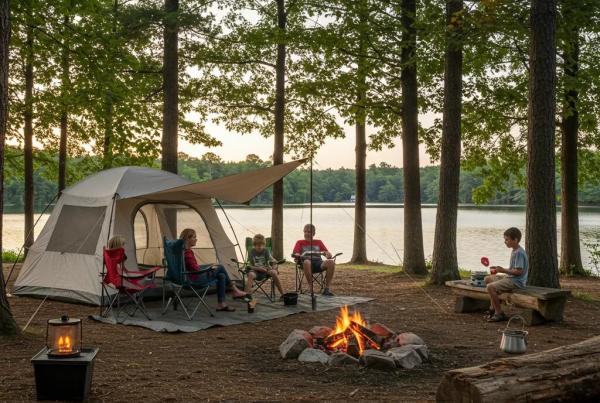
Site amenities define daily comfort and convenience by providing power, water, sleeping surfaces, and outdoor cooking options. Full hookups refer to electric, water, and sewer connections at a single site and make extended RV stays simpler by eliminating manual tank handling and frequent refilling. Tent sites commonly offer tent pads, fire rings, and picnic tables to organize sleeping and cooking areas; privacy and site size vary by campground type. When choosing a site, confirm exact hookup levels and pad dimensions to match your RV or tent footprint and plan gear accordingly.
Understanding site amenities leads naturally to water-based facilities and safety considerations at Michigan campgrounds.
What Water Activities and Facilities Are Available at Michigan Campgrounds?
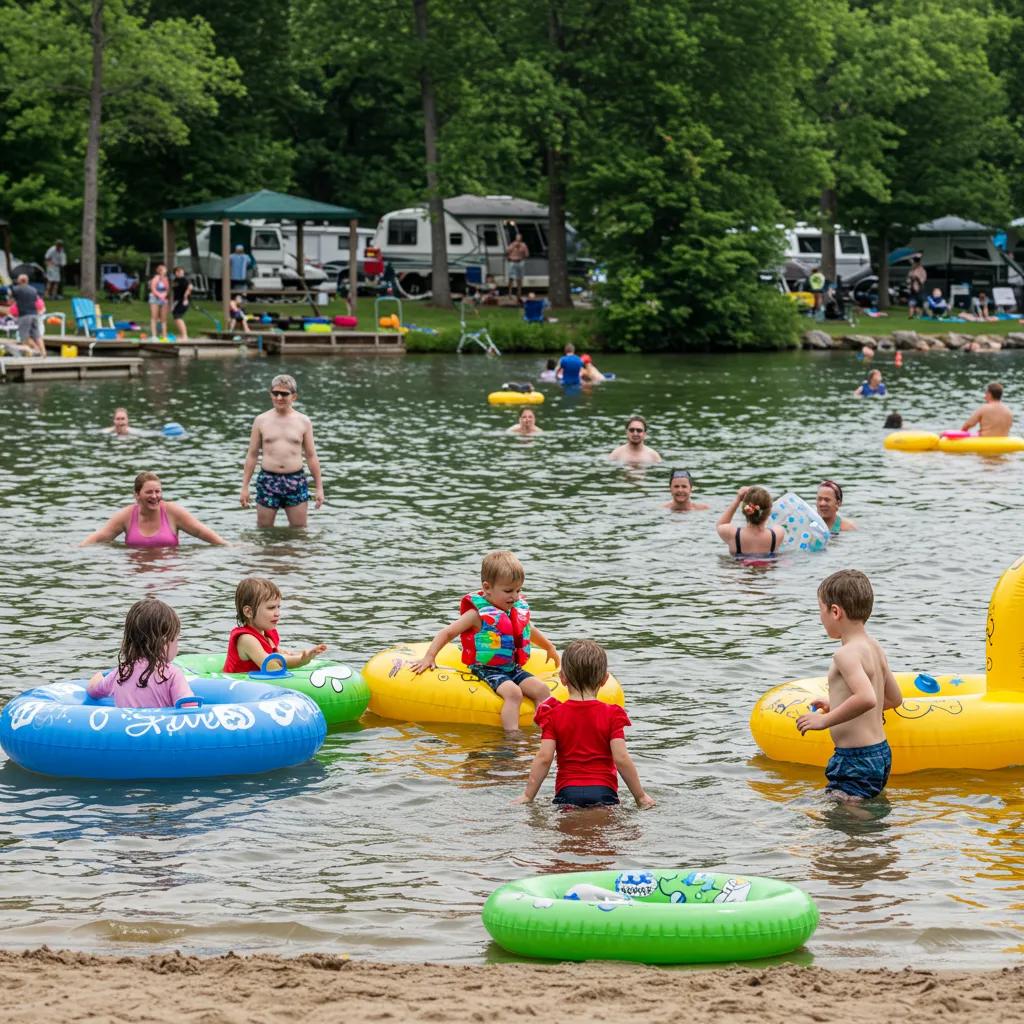
Water amenities range from simple swim beaches to engineered water parks and river access, and they shape both entertainment and safety planning for families. Swimming lakes and supervised pools provide general recreation, while inflatable Wibit-style water parks offer active play for older children and supervised group fun. River access and canoe/kayak rentals allow scenic float trips and paddling; families should check for on-site livery services and safety rules. Confirm lifeguard presence, seasonal availability, and equipment rental policies before arrival to align expectations and packing lists.
To compare site and water features quickly, the next short table outlines typical water amenity types and their common availability.
This comparison helps families decide which water experiences match their comfort and activity levels.
How Do Comfort Facilities Enhance the Camping Experience in Michigan?
Comfort facilities—bathhouses, showers, laundry, and camp stores—reduce packing needs and improve hygiene, especially for multi-day or family stays. Renovated bathrooms and showers are increasingly common at private campgrounds and improve overall satisfaction by offering cleaner, modern spaces and reliable hot water. Camp stores supply essentials and snacks so families can top up supplies without a trip to town, while laundry facilities support longer stays and multigenerational groups. Cabins add a higher comfort tier by including kitchens and private bathrooms, making them attractive for families who want fewer packing constraints.
After comfort considerations, recreation and family-friendly facilities determine how campers spend daytime and evening hours together.
What Recreational and Family-Friendly Facilities Are Offered?
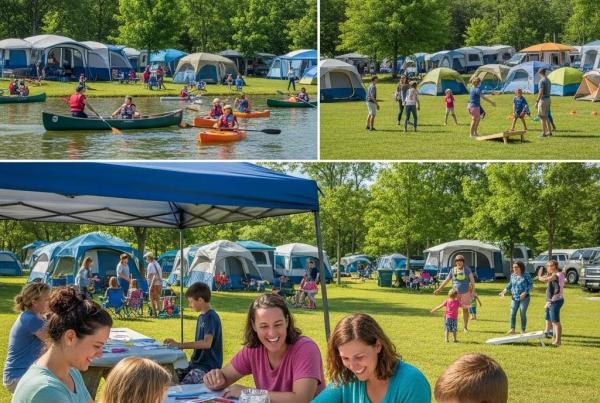
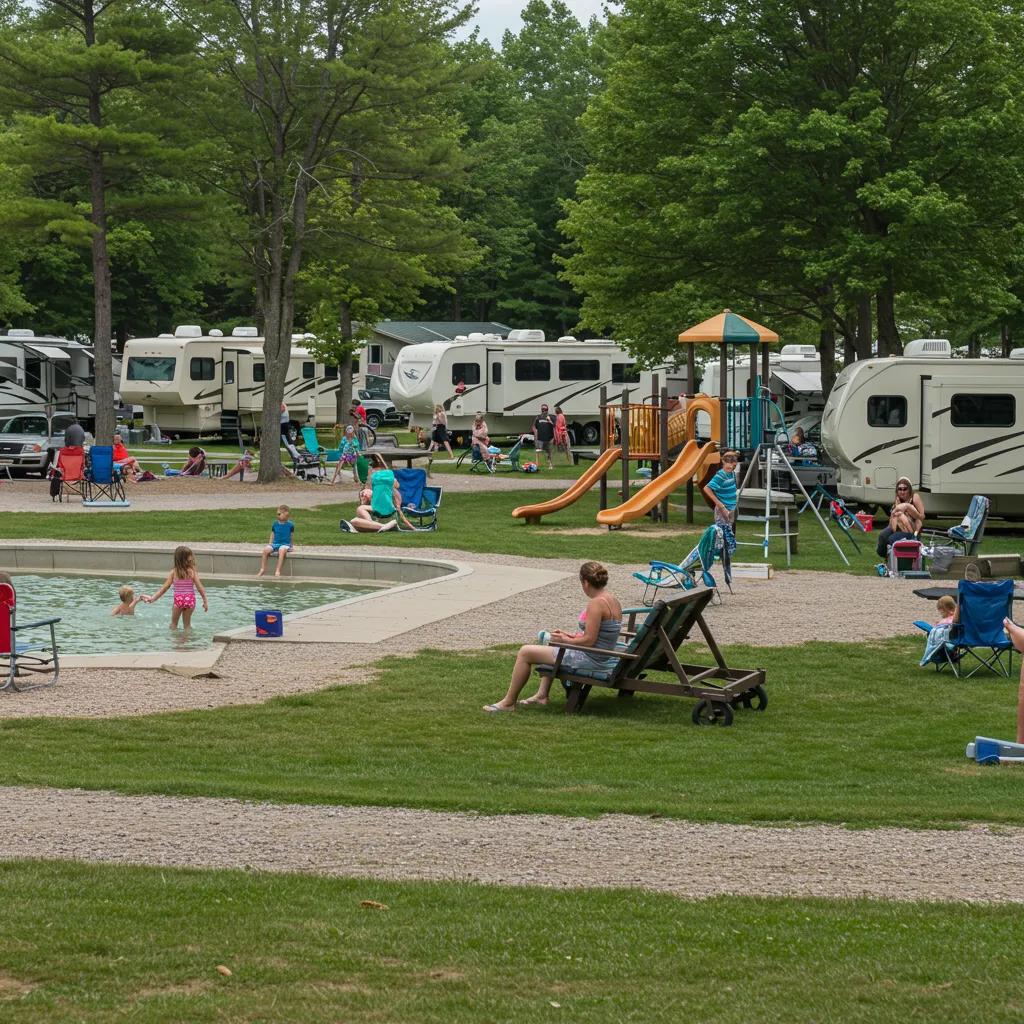
Recreational amenities provide structured and free-play options that keep children engaged and create community opportunities for families. Typical offerings include multiple playgrounds, large dog parks, sand volleyball, basketball courts, horseshoes, gaga ball pits, game rooms, and ball fields which support both informal play and organized events. Many family-friendly campgrounds schedule weekend programming at pavilions—arts, games, and kid-focused activities—to facilitate social interaction and convenience for parents. When reviewing campground listings, check event schedules and whether activities require reservations or have additional fees.
This overview prepares readers to compare rustic and modern campground models across Michigan.
How Do Michigan Campgrounds Compare in Offering Modern Amenities and Family-Friendly Facilities?
Campgrounds in Michigan fall broadly into rustic, modern private, and state park categories, each differing in amenity breadth and consistency. Rustic campgrounds prioritize natural settings with minimal services, modern private campgrounds emphasize full hookups, recreational attractions, and upgraded comfort facilities, while state parks offer varied amenities with recent renovations improving their offerings. Choosing between these types depends on whether a family values convenience and programming or solitude and natural immersion.
To clarify differences, review this compact comparison table of campground types and typical amenity availability.
This table helps families select the campground category that best matches their desired convenience and activities.
What Are the Key Differences Between Rustic and Modern Camping Amenities in Michigan?
Rustic camping delivers solitude, minimal infrastructure, and lower fees, making it ideal for back-to-nature experiences. Modern camping amenities include full hookups, renovated bathrooms, on-site stores, and programmed activities that support families and multi-generational groups. Costs and crowding reflect these differences: modern sites often charge more but provide predictable services, while rustic sites require more self-sufficiency. Decide which trade-offs suit your group before booking.
These contrasts lead into identifying true water-park-style offerings at campgrounds.
Which Michigan Campgrounds Feature Water Parks and Swimming Lakes?
A campground “water park” can range from a marked swim area with a Wibit inflatable to a fully staffed aquatic play complex; definitions matter when you plan for activity and safety. Families should verify whether lifeguards are present, age and height requirements for inflatables, seasonal operating windows, and any reservation rules for popular features. During peak summer weekends, water attractions can fill quickly, so plan arrival times and check any capacity policies.
Understanding water facilities helps when evaluating hookup and connectivity realities for RV users.
How Do Full Hookups and Connectivity Options Vary Across Michigan RV Parks?
Full hookups mean electric, water, and sewer at the site and they substantially simplify RV stays by reducing manual tank handling and refill trips. Hookup availability varies by campground type: private resorts commonly offer full hookups, while some state parks offer electric and water but not sewer. Wi-Fi and cell coverage also range widely, so confirm connectivity if remote work or streaming is needed. RV users should contact campgrounds ahead to confirm hookup levels and any connectivity limitations.
Next, the guide highlights Walnut Hills Family Campground as a concrete example of modern, family-focused amenities and booking actions.
What Unique Amenities and Activities Does Walnut Hills Family Campground Offer?
Walnut Hills Family Campground (operated by GatherGrounds Resorts) exemplifies a modern, family-focused private campground with multiple attractions designed for varied-age groups. The property provides RV and tent sites, full hookups at many sites, cabins with kitchens and bathrooms, seasonal sites, and organized weekend events at pavilions tailored to families. Water recreation includes a swimming lake and a Wibit water park for active play, while on-site services include renovated bathrooms and showers, a campground store, multiple playgrounds, a large dog park, and sports facilities. (gathergroundsresorts.com)
The following table maps Walnut Hills’ standout amenities to visitor expectations and planning actions.
This table shows how Walnut Hills aligns amenities with family needs and supports reservation decisions for varied lodging types.
How Does Walnut Hills’ Wibit Water Park Enhance Family Camping?
A Wibit water park creates an active water-play zone that extends swim area offerings and encourages supervised group play. Families benefit because older children gain structured play options while younger kids can use calmer swimming areas nearby, making simultaneous supervision easier for parents. Safety checks—such as confirming lifeguard staffing and age guidelines—remain important and should be verified before arrival. The presence of the inflatable park complements other water features and increases daytime engagement options for multi-age groups.
The water park experience connects directly to on-site paddling and river float opportunities at the campground.
What River Float Trips and Canoe Rentals Are Available at Walnut Hills?
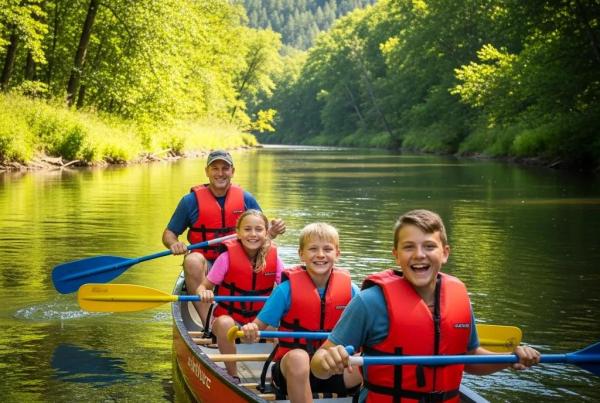
Walnut Hills offers river float options through on-site canoe livery services like Cheff’s Canoe Rental, providing convenient access to Shiawassee River paddling. These rentals support family float trips with equipment and basic guidance, making a river outing an easy add-on to a campground stay. Families and first-time floaters should prepare by checking trip lengths, required life jacket policies, and suggested gear for sun and water protection. Scheduling floats around weather and weekend event crowds improves the experience.
After paddling and water play, comfort and recreation facilities at Walnut Hills support a full family stay.
Which On-Site Facilities Support Comfort and Recreation at Walnut Hills?
Walnut Hills’ comfort and recreation features include renovated bathrooms and showers, a campground store for essentials, multiple playgrounds, a large dog park, sand volleyball, basketball, horseshoes, a gaga ball pit, a game room, and a ball field for organized play. Cabins add kitchen and bathroom amenities that reduce packing and support mixed-age groups. Family-friendly events occur every weekend at pavilions, providing structured programming and social opportunities. Planning stays around event schedules and amenity hours helps families maximize on-site recreation without extra travel.
These facility features illustrate practical selection criteria for families choosing campgrounds.
What Should Families and Campers Consider When Choosing a Michigan Campground Based on Amenities?
Choosing a campground depends on balancing location, budget, desired amenities, and accessibility; each factor affects costs, convenience, and enjoyment. Location determines proximity to attractions and emergency services while amenity depth dictates packing needs and on-site activity options. Families should weigh trade-offs between lower-cost rustic sites and amenity-rich private campgrounds when planning vacations. The checklist below helps prioritize booking decisions and confirm what matters most before reserving.
Use this decision checklist when evaluating campgrounds:
- Confirm essential site features: Verify full hookups or required utilities for your RV or tent setup.
- Check water and recreation options: Ensure water features and rental services match your family’s activity preferences.
- Review comfort and service offerings: Confirm renovated bathhouses, camp stores, and cabin amenities if you need them.
- Verify accessibility and pet policies: Look for ADA-accessible sites and dog park availability if required.
This checklist supports practical comparisons and leads into considerations about family events and pet/accessibility needs.
How Do Location, Budget, and Desired Amenities Influence Campground Selection?
Proximity to attractions often increases rates but reduces daily driving, while secluded sites lower costs but may reduce conveniences like stores or cell coverage. Desired amenities directly raise average nightly rates; specialized features such as water parks or cabin kitchens typically appear at higher-price private campgrounds. Seasonality and deposit policies also influence costs, so plan bookings during off-peak windows for savings and confirm cancellation terms. Weighing these elements in advance simplifies decision-making and prevents surprises on arrival.
Understanding programmed events clarifies value-adds for family stays.
What Are the Benefits of Choosing Campgrounds with Family-Friendly Events and Activities?
Campgrounds with organized programming provide convenience, structured child engagement, and social opportunities that ease parental supervision. Weekend events at pavilions often include crafts, games, and group activities that keep kids entertained while adults relax, reducing the need to plan daily itineraries. These offerings can attract larger crowds, so anticipate scheduling and possible fees when booking. Selecting a campground with the right mix of events helps families maintain a predictable routine during vacations.
Next, consider how pet policies and accessibility features affect suitability for diverse family needs.
How Important Are Pet-Friendly and Accessibility Features in Michigan Campgrounds?
Pet and accessibility features significantly expand who can comfortably use a campground, making them essential booking filters for many families. Pet-friendly policies typically note dog park availability, leash rules, and any pet fees; a large dog park on-site signals convenience for dog owners. Accessibility signals include ADA-accessible sites, ramps, and accessible restrooms, which support multi-generational groups and campers with mobility needs. Confirm fees, rules, and accessible site locations with campgrounds ahead of arrival to avoid issues.
These selection criteria reflect larger trends shaping Michigan campgrounds today.
How Are Michigan Campgrounds Evolving to Meet Modern Camping Trends and Expectations?
Michigan campgrounds are investing in renovations, tech integration, and multi-generational amenities to match modern traveler expectations. Recent upgrades focus on improved bathhouses, expanded full-hookup options, and enhanced water-based attractions. Simultaneously, trends toward eco-friendly practices and multi-generational programming have influenced campground designs to include varied lodging types, accessible features, and sustainability measures. Campgrounds that integrate these features tend to attract longer stays and repeat family visits. Assessing these signals helps families choose sites aligned with their values.
What Are the Latest Upgrades in Michigan State Parks and Private Campgrounds?
Recent upgrades prioritize renovating restrooms and showers, expanding water and sewer hookups, and enhancing recreational infrastructure to improve comfort and safety. These renovations shorten maintenance cycles and raise visitor satisfaction by providing more reliable utilities and modernized shared spaces. Campers benefit from reduced uncertainty about facility cleanliness and consistent hot water, which improves the overall family experience. Understanding these upgrade patterns helps predict amenity availability during booking.
Upgrades intersect with changing family structures and environmental priorities addressed next.
How Is Multi-Generational and Eco-Friendly Camping Shaping Amenity Offerings?
Multi-generational camping has increased demand for varied lodging sizes, accessible features, and mixed-activity spaces that serve different age groups simultaneously. Eco-friendly trends encourage recycling programs, low-impact design, and energy efficiency in renovated buildings, which reduce environmental footprint while meeting modern expectations. Campgrounds that integrate these features tend to attract longer stays and repeat family visits. Assessing these signals helps families choose sites aligned with their values.
Technology completes the evolution by changing how campers book and stay.
What Role Does Technology Play in Enhancing Camping Amenities in Michigan?
Technology improves planning and on-site convenience through online reservations, mobile apps, and enhanced Wi-Fi offerings; these tools streamline bookings and provide real-time amenity updates. Emerging tech also prepares campgrounds for EV/RV readiness and more reliable connectivity, which supports remote work and tech-enabled entertainment. Campers should check connectivity reliability and reservation capabilities to ensure technology meets their needs. Integrating these tech features rounds out a modern campground experience and supports informed booking decisions.
Recreational Planning for Michigan State Forest Campgrounds
ABSTRACT: KREBS, CHARLES FREDERIC.University of Michigan ProQuest Dissertations & Theses, 1967. 1301427.
Factors Relevant To More Efficient Recreational Planning And Design For Michigan’s State Forest Campgrounds., 1967
Frequently Asked Questions
What should families consider when planning a camping trip in Michigan?
When planning a camping trip in Michigan, families should consider several factors including location, budget, desired amenities, and accessibility. Proximity to attractions can enhance convenience but may increase costs. Families should also evaluate the types of amenities available, such as water activities, comfort facilities, and recreational options. Additionally, checking for pet-friendly policies and ADA-accessible sites is crucial for accommodating all family members. A thorough checklist can help prioritize these elements to ensure a smooth and enjoyable camping experience.
How can families ensure safety while enjoying water activities at campgrounds?
To ensure safety during water activities at campgrounds, families should verify the presence of lifeguards and understand the safety rules for swimming areas and inflatable parks. It’s important to check age and height requirements for water attractions and confirm seasonal availability. Families should also prepare by bringing appropriate safety gear, such as life jackets, and ensuring that children are supervised at all times. Familiarizing themselves with the campground’s emergency procedures can further enhance safety during their stay.
What types of recreational programming are typically available at Michigan campgrounds?
Michigan campgrounds often offer a variety of recreational programming designed to engage families and children. Common activities include arts and crafts, sports tournaments, and organized games that promote social interaction. Many campgrounds schedule weekend events at pavilions, providing structured activities that keep kids entertained while allowing parents to relax. Families should check event schedules in advance to plan their stay around these offerings, as some activities may require reservations or have additional fees.
How do seasonal changes affect campground amenities and availability?
Seasonal changes can significantly impact campground amenities and availability in Michigan. During peak summer months, campgrounds may offer a full range of activities and amenities, including water parks and organized events. However, some features may be limited or unavailable during the off-season, such as swimming areas or certain recreational programs. Families should check the campground’s seasonal schedule and confirm which amenities will be operational during their planned visit to avoid disappointment.
What are the benefits of choosing campgrounds with eco-friendly practices?
Choosing campgrounds with eco-friendly practices offers several benefits, including reduced environmental impact and enhanced sustainability. These campgrounds often implement recycling programs, energy-efficient facilities, and low-impact designs that appeal to environmentally conscious families. Staying at eco-friendly campgrounds can also provide a unique opportunity to educate children about conservation and nature. Additionally, such practices may enhance the overall camping experience by promoting a cleaner, healthier environment for all visitors.
How can technology improve the camping experience at Michigan campgrounds?
Technology can significantly enhance the camping experience at Michigan campgrounds by streamlining reservations and providing real-time updates on amenities. Many campgrounds now offer online booking systems and mobile apps that simplify planning and check-in processes. Improved Wi-Fi connectivity allows campers to stay connected, making it easier to share experiences or work remotely. Additionally, technology can facilitate access to campground maps and activity schedules, ensuring families can maximize their time and enjoyment during their stay.
What should campers know about pet policies at Michigan campgrounds?
When considering a camping trip with pets, it’s essential for campers to review the specific pet policies of their chosen campground. Many campgrounds in Michigan are pet-friendly, offering amenities such as dog parks and designated pet areas. However, policies may vary regarding leash rules, pet fees, and restrictions on certain breeds. Campers should confirm these details in advance to ensure a comfortable and enjoyable experience for both their pets and fellow campers.
Conclusion
Understanding the amenities available at Michigan campgrounds is essential for planning a successful family getaway, ensuring comfort and convenience throughout your stay. By exploring options like full hookups, water activities, and family-friendly programming, you can tailor your camping experience to meet your family’s unique needs. Don’t miss out on the opportunity to create lasting memories—start planning your next adventure today. Check out our comprehensive resources to find the perfect campground for your family’s next trip.