
Understanding Camp Dearborn Camping Fees in 2025: A Complete Guide to Rates and Costs
Navigating Camp Dearborn’s camping fees can feel a bit like finding your way through the woods without a map. That’s why we’ve put together this guide to lay out exactly what to expect for 2025, helping you get a clear picture of your trip’s total cost. You’ll discover the different types of places to stay, how nightly and weekly rates generally work, what extra charges might pop up, and the booking and cancellation policies that can affect your budget. We’ll break down each cost component, explain why prices shift with the seasons and site types, and offer practical examples to answer those burning questions like “how much will camping at Camp Dearborn cost?” and “what’s the daily rate for camping there?”. After we’ve demystified Camp Dearborn’s fee structure and booking process, we’ll offer a straightforward look at Walnut Hills Family Campground‘s refreshingly clear pricing and easy booking system. Dive in for detailed breakdowns, a clear list of potential extra fees, and step-by-step booking advice to help you budget accurately for your Camp Dearborn getaway or a family-friendly alternative.
What Are the Main Camping Options at Camp Dearborn?
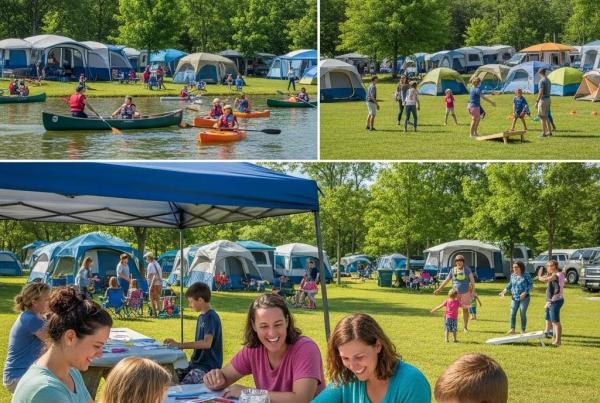
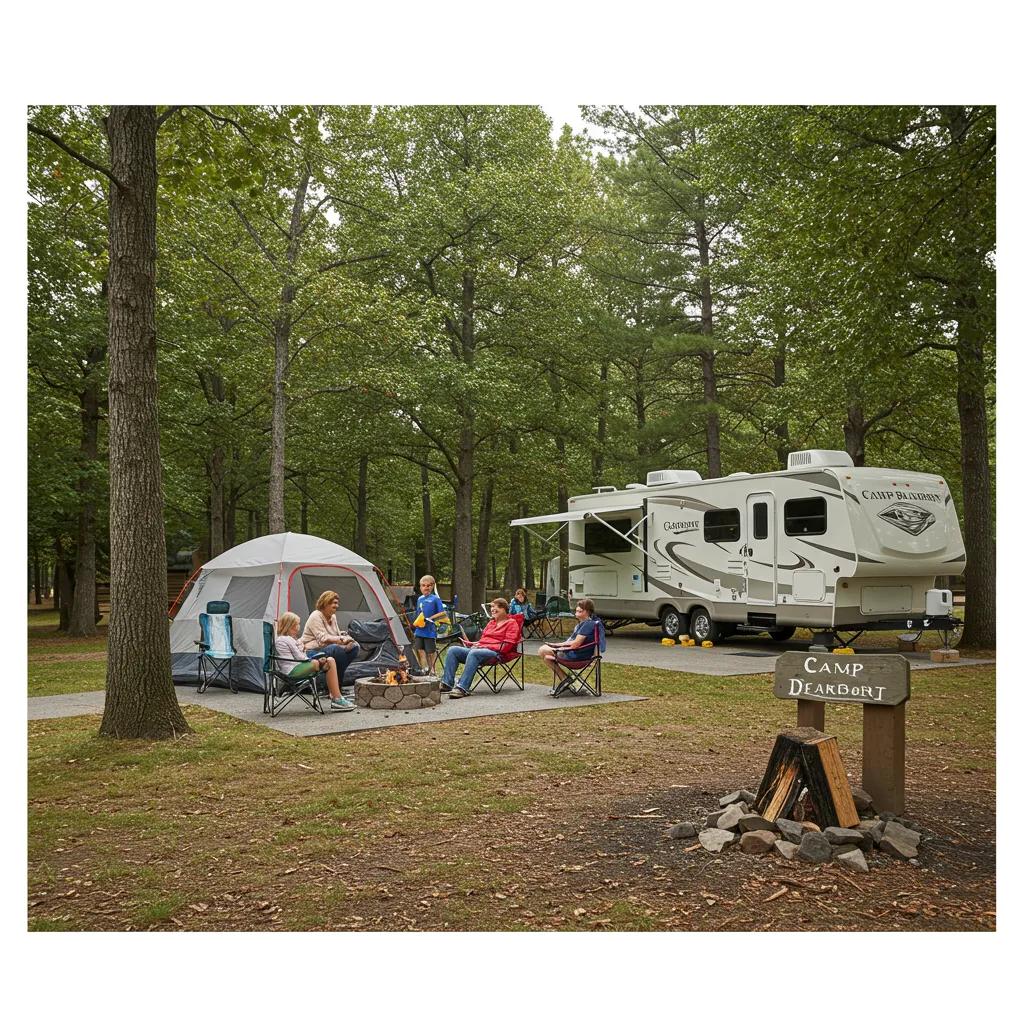
Camp Dearborn offers a variety of lodging choices, and these are the main drivers behind the different price points campers will encounter. You’ll find RV sites with various hookup options, tent sites designed for different levels of privacy and group sizes, and a selection of cabins ranging from basic to more comfortably equipped. Seasonal sites are also a separate category with their own unique leasing arrangements. These distinctions are important because nightly rates, the amenities included, and the booking rules typically differ between RV sites, tent sites, cabins, and seasonal sites, all of which impact your total trip cost and how you plan your budget. Knowing these differences upfront helps you compare nightly and weekly costs and pick the perfect spot for your group’s size and comfort needs.
Generally, Camp Dearborn’s site categories align with specific amenity levels and price ranges, making your site choice the first step in budgeting. The following sections will dive into the specifics of RV, tent, cabin, and seasonal sites so you can start estimating typical expenses for different group sizes.
What RV Site Options and Fees Does Camp Dearborn Offer?
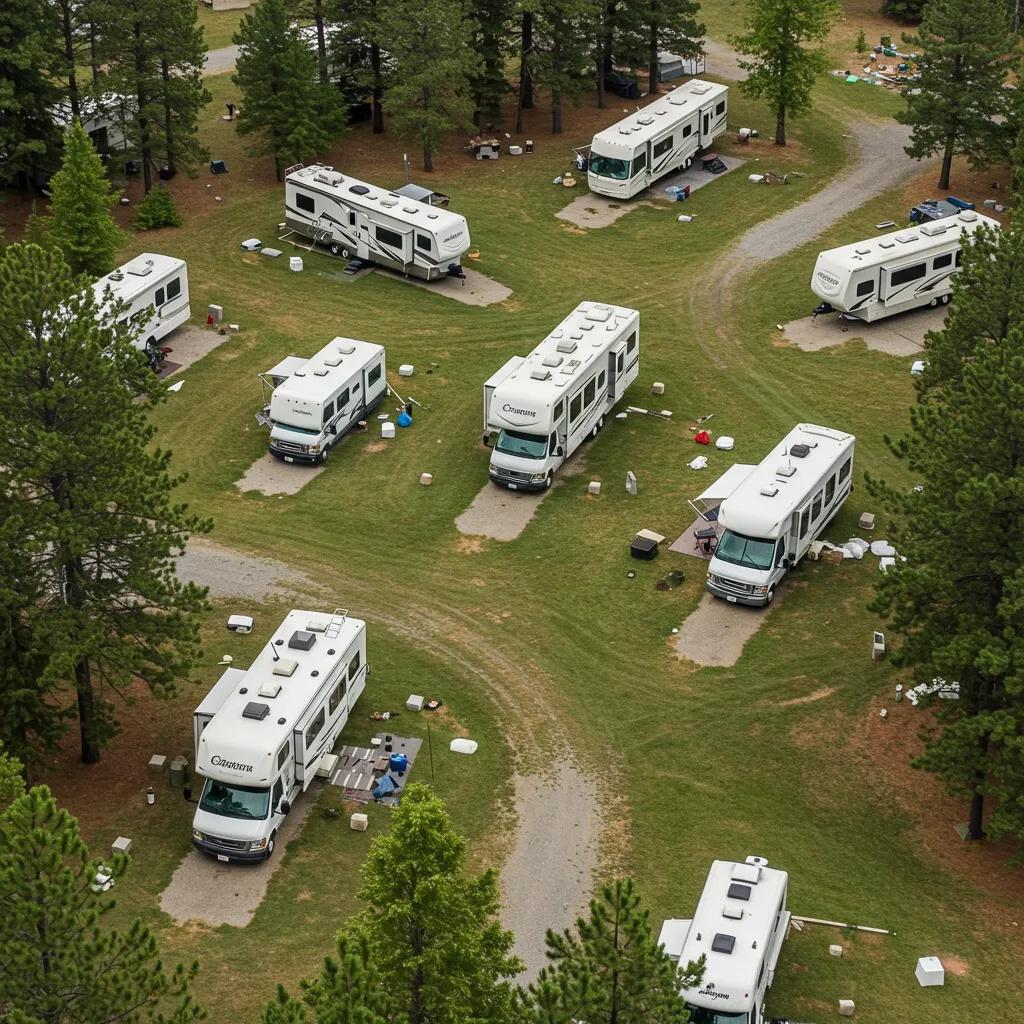
At Camp Dearborn, RV sites are categorized by their utility hookups and pad type, which directly influences their nightly rates and suitability for larger vehicles. Sites offering full hookups (water, sewer, and electric) usually come with a higher price tag than those with primitive or water-only access, simply because they offer greater convenience for longer stays and bigger RVs. When you’re planning an RV trip for the family, be sure to factor in the site’s size, the amperage of the electrical hookup, and whether any passes are needed for additional vehicles. These elements all add up to your daily camping cost. To get a good estimate for your stay, include your anticipated hookup needs and any potential weekend surcharges to avoid any unwelcome surprises.
How Much Do Tent Sites Cost at Camp Dearborn?

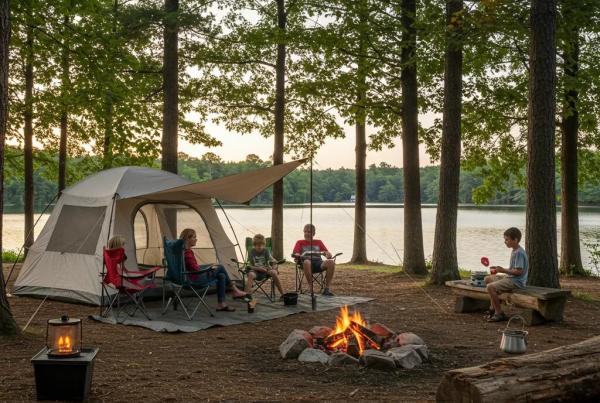
Tent sites at Camp Dearborn can range from cozy walk-in spots perfect for solo travelers or couples, to larger family tent sites or even group areas. The amenities provided—like fire rings, picnic tables, and how close they are to restrooms—play a big role in how the prices vary. Tent site fees typically reflect the site’s capacity, its proximity to water sources or facilities, and whether it can be reserved during peak season. These features determine the value for families versus campers who prefer a more minimalist approach. To calculate your tent site budget, add up the nightly fees, any day-pass costs for visitors who aren’t registered campers, and potential surcharges for equipment or vehicle parking. Comparing the features of different tent sites will help you find the most budget-friendly option for your group size and planned activities.
What Are the Cabin Rental Prices at Camp Dearborn?
Cabin rentals at Camp Dearborn span from rustic options that offer basic sleeping accommodations to more equipped cabins that include beds and some kitchen conveniences. These variations directly influence the nightly rates and any associated cleaning or linen fees. Cabin bookings often come with different deposit and cancellation policies compared to campsites, and capacity limits will determine if you need more than one unit or a larger rental. When estimating cabin costs, be sure to include any mandatory cleaning fees, utility surcharges, and charges for extra guests to arrive at a realistic per-night price. Knowing the cabin type and what amenities are included allows for a precise comparison of the per-person cost against tent or RV alternatives.
Are Seasonal Camping Sites Available and What Are Their Fees?
Seasonal camping sites are available for lease over an extended portion of the camping season. These typically come with a contract that outlines site usage, utility access, and the duration of the lease, which is a different structure than nightly or weekly bookings. Seasonal fees are usually presented as a longer-term payment and may bundle certain services, which can be quite cost-effective for frequent visitors. However, it’s crucial to understand the lease terms and cancellation rules. Prospective seasonal campers should compare the total seasonal fee, the amenities included, and any responsibilities for site improvements before making a commitment. Confirming all contract details before signing ensures clarity on what’s included in the seasonal price.
How Are Camp Dearborn’s Camping Fees Structured for 2025?
Camp Dearborn’s camping fees are organized around the type of site you choose, how long you plan to stay (nightly or weekly), and any additional charges like day passes or facility rentals. These elements collectively make up the total cost of your visit. You’ll often find that nightly versus weekly pricing structures include slight per-night discounts for longer stays, and weekend or peak-season surcharges are common ways the effective daily camping cost can change. Day-use fees, group rental charges, and rentals for shelters or chalets are priced separately and should be added to your camping site costs when estimating your total expenses.
This table offers a summary of how site pricing information is typically presented and what to look for when checking the current 2025 rates with Camp Dearborn.
This summary shows that exact numeric values will change depending on the season and the specific site. It’s always best to verify the current figures before booking to accurately estimate your total costs. In practice, you’ll want to add up your nightly site fees, any expected discounts for longer stays, and the cost of any facility rentals to arrive at a full-trip cost estimate.
After looking at Camp Dearborn’s structured fees, some campers find they prefer a campground that offers more explicit, transparent pricing. For instance, Walnut Hills Family Campground highlights its clear, straightforward rate presentation and a streamlined online reservation system, which can make budgeting much simpler and reduce unexpected charges when you’re comparing options.
What Are the Nightly and Weekly Rates for Different Site Types?
Camp Dearborn publishes its nightly and weekly rates based on site category and season, and these rates form the baseline cost for any stay. Seasonal variations mean that the same site might cost more during holidays and summer weekends, while weeklong stays often come with a lower per-night price compared to booking a series of single nights. To estimate your trip cost, multiply the nightly rate by the number of nights and then add any weekly discounts or surcharges for peak dates. This will give you a practical total for budgeting. Always confirm the current nightly and weekly rates directly with Camp Dearborn before you finalize your plans.
How Much Do Day Passes and Additional Visitor Fees Cost?
Day passes and visitor fees are applicable to guests who aren’t registered campers and for certain day-use activities. These per-person charges can significantly increase the cost of a family outing if they aren’t factored in. Day-pass policies typically specify who needs a pass—whether it’s for visitors, children over a certain age, or occupants of a vehicle—and outline the per-person or per-vehicle fee structure. When planning a family visit, be sure to include day-pass charges for any additional adults or guests to calculate an accurate day-use total. Always confirm the current visitor fee policy to avoid underestimating your total expenses.
What Are the Costs for Picnic Shelter and Chalet Rentals?
Picnic shelter and chalet rentals are additional expenses that group organizers need to add to their campsite or cabin costs when planning gatherings or events. Rental fees are typically differentiated by the size of the shelter and may require a deposit, a cleaning fee, or proof of reservation. Hourly or daily rates might apply depending on the facility’s rules. For event budgeting, calculate the rental fee plus any required deposits and cleanup obligations to determine the true cost for group use. Confirm the booking windows and deposit conditions to avoid unexpected charges when planning an event.
What Additional and Hidden Fees Should Campers Expect at Camp Dearborn?
Beyond the base nightly costs, several ancillary fees commonly add to the total trip expense. Identifying these items in advance will help you create realistic budgets. Typical extra charges include pet fees, passes for extra vehicles or parking, equipment rentals, and processing or reservation fees that might apply when you book. These additional fees are often listed in policy sections but can be easy to miss when you’re primarily focused on the nightly rates.
The table below clarifies common extra charges and typical policy notes, so you can add them up to get a total cost scenario.
Understanding these charge components allows you to add realistic amounts to your campsite subtotal and avoid underbudgeting. As a practical tip, keep a checklist of expected ancillary items when comparing camp options to arrive at an honest total trip cost.
Campers who prioritize transparent extra-fee disclosure might find alternatives that clearly itemize such charges more appealing. Walnut Hills Family Campground is known for providing comprehensive, transparent information about its camping options and costs, which can help reduce surprise charges at booking and allow families to plan with greater confidence.
Are There Pet Fees and What Are the Rules for Pets?
Pet policies and fees are an important consideration for both cost and compliance for campers traveling with pets. These usually include rules about where pets are allowed, leash requirements, and per-pet fees. Pet fees, when charged, are typically assessed per night or per stay and might be accompanied by refundable pet deposits or behavior rules that, if violated, can lead to penalties. Pet owners should include projected pet fees in their trip budget and review leash and area restrictions to avoid any fines. Verifying the current pet policy ensures that the pet-related costs and rules align with your plans.
What Are the Charges for Extra Vehicles and Equipment?
Extra vehicles, trailers, or equipment like utility trailers or large boats may incur additional daily parking fees or require special passes. These per-vehicle charges should be added to your overall camping totals. Equipment rentals, such as kayaks or paddleboards, when available, appear as separate line items and can be budgeted as daily or hourly fees. To estimate extra-vehicle and equipment expenses, list the number of vehicles and expected rental hours, then consult the current fee policies. Planning these elements in advance helps avoid last-minute cost surprises at check-in.
How Does Camp Dearborn Handle Cancellation and Change Fees?
Cancellation and change fees are structured based on timing and the type of reservation. They typically increase if you cancel closer to your arrival date or after a stated free-cancellation window has passed. Many campgrounds impose a tiered refund policy or a fixed processing fee for cancellations or modifications, and cabin reservations sometimes have stricter terms than campsites. To minimize the risk of penalties, review the reservation terms for deadlines, potential fees, and any transferable or flexible-rate options. Purchasing trip insurance or selecting flexible booking options, where available, can reduce your financial exposure from unavoidable changes.
How Does the Camp Dearborn Reservation Process Work?
The Camp Dearborn reservation process follows a predictable sequence of steps that determine how rates are applied and which rules might affect your booking cost. Reservations typically involve selecting your site type and dates, providing details about your party and vehicles, and completing payment, including any required deposit. These steps lock in the applicable nightly or rental rate. Reservation minimums, peak-season rules, and cancellation terms all influence your final cost and booking flexibility.
The table below summarizes common reservation attributes to help you prepare the necessary information and understand the cost implications.
Understanding these reservation attributes helps you finalize your costs and reduces the chance of unexpected penalties. The next section provides a concise, step-by-step booking walkthrough to offer clear guidance for online reservation actions.
What Are the Steps to Book a Campsite or Cabin Online?
Booking a campsite or cabin typically involves a short sequence: first, search for availability based on your desired dates and site type. Then, select the exact site or cabin that fits your party size. Next, provide your guest and vehicle details, and finally, complete the payment, including any deposit. Have your party size, vehicle count, and pet information ready to ensure accurate rate quotes and avoid booking errors. After payment, carefully review your confirmation details for cancellation windows and any additional fee disclosures to finalize your budget. If you need to make changes, contact the reservation office promptly to understand potential change fees and options.
What Are the Minimum Stay Requirements and Check-in/Check-out Times?
Minimum stay requirements and check-in/check-out times can affect both your scheduling and your overall price. Longer minimum stays are common on holiday weekends or during peak-season periods. Standard check-in and check-out windows are set to allow for site turnover and maintenance. Arriving outside these windows without prior notice can sometimes trigger additional charges or accommodation issues. When planning your trip, be sure to include any minimum-night requirements in your nightly-cost calculation and confirm whether holiday rules apply. A clear understanding of these rules helps prevent booking mistakes that might increase your per-night cost.
What Guest Policies and Camp Rules Should Visitors Know?
Guest policies, quiet hours, and occupancy limits are enforced to maintain safety and community standards. Violations can result in fines or eviction, which can also increase your costs. Visitor limits determine when extra-guest fees or day passes are needed, while quiet-hour enforcement can affect event planning for larger groups. Include guest limits and behavioral rules when calculating your total cost and planning activities to avoid penalties. Reviewing the rules before your arrival ensures compliance and reduces the risk of unexpected charges.
Why Consider Walnut Hills Family Campground as an Alternative to Camp Dearborn?
Walnut Hills Family Campground, the premier property of GatherGrounds Resorts, offers a family-focused alternative that emphasizes transparent pricing, abundant family amenities, and a straightforward booking process. Walnut Hills Family Campground provides a diverse array of camping options, including RV sites, tent sites, and cabins, all complemented by amenities like a Wibit water park, a swimming lake, river float trips, playgrounds, and a dog park. These features add significant value beyond the base site fees. The campground’s commitment to providing comprehensive, transparent information about camping options and costs at Walnut Hills helps families compare total-trip expenses without encountering hidden line items. For planners seeking clear pricing and effortless reservations, Walnut Hills’ streamlined online reservation system minimizes booking friction and helps lock in expected costs efficiently.
How Does Walnut Hills Offer Transparent and Straightforward Pricing?
Walnut Hills Family Campground focuses on presenting clear nightly and site pricing with explicit notes on included amenities and any potential extra charges. This approach simplifies total-cost calculations for families and group planners. The campground’s transparent handling of extra fees and visible reservation terms helps campers anticipate per-stay totals and avoids surprises at check-in. When you’re comparing options, Walnut Hills makes it easy to sum up base site fees, amenity passes, and supplemental charges to reach an accurate budget. This clarity is particularly beneficial for families planning multi-day stays or events.
What Family-Friendly Amenities and Activities Does Walnut Hills Provide?
Walnut Hills’ selection of amenities significantly enhances the value for family stays, offering attractions and services designed for all ages. Key features include the Wibit water park for active water play, a swimming lake for relaxed recreation, river float trips for scenic outings, playgrounds for children, and a dog park for pet-friendly stays. These amenities create opportunities for bundled family experiences that can reduce separate activity expenses and boost overall satisfaction. Imagery and brief alt-text for each amenity help families visualize the offerings when comparing the total trip value.
How Easy Is It to Book and Plan a Stay at Walnut Hills?
Walnut Hills Family Campground supports your planning with a streamlined reservation flow and mobile-friendly booking tools. These require only basic guest and vehicle information, simplifying the path from getting a rate quote to confirming your stay. The streamlined online reservation system reduces booking time and clearly outlines deposit and cancellation terms upfront, allowing families to finalize budgets quickly. Additional planning resources, such as activity descriptions and site maps, help coordinate daily plans and cost expectations. For groups seeking an alternative with clear rates and efficient booking, Walnut Hills provides practical support to plan and reserve with confidence.
Frequently Asked Questions
What is the best time to visit Camp Dearborn for camping?
The ideal time to visit Camp Dearborn really depends on what you’re looking for in terms of weather and activities. The peak season generally runs from late spring through early fall, offering warm weather and a lively atmosphere. However, if you prefer a quieter experience with milder temperatures and fewer crowds, consider visiting during the shoulder seasons, like late spring or early fall. You might also want to check for local events or festivals that could enhance your visit. It’s always a good idea to consult the campground’s calendar for specific activities and peak times to help you plan your trip effectively.
Are there any discounts available for group bookings at Camp Dearborn?
Yes, Camp Dearborn often offers discounts for group bookings, especially for larger parties or extended stays. These discounts can vary depending on the group’s size, the type of accommodation you choose, and the time of year. We recommend contacting the reservation office directly to inquire about specific group rates and any current promotions. Planning ahead and booking as a group can lead to significant savings, making it a great option for family reunions or gatherings with friends.
What amenities are available at Camp Dearborn for families?
Camp Dearborn provides a variety of family-friendly amenities to make your camping experience even better. These include playgrounds, picnic areas, and access to recreational activities like hiking and fishing. Many sites also come equipped with fire rings and picnic tables, perfect for family get-togethers. The campground also offers restroom facilities and convenience stores for essential supplies. Families can enjoy a well-rounded camping experience that balances nature with comfort.
Can I bring my own equipment, such as kayaks or bikes, to Camp Dearborn?
Absolutely! Campers are encouraged to bring their own recreational equipment, including kayaks, bikes, and fishing gear, to Camp Dearborn. The campground’s natural setting offers plenty of opportunities for outdoor activities. Just be sure to check for any specific regulations regarding equipment use and storage on-site. If you’re planning to rent equipment, inquire about availability and any associated fees to ensure a smooth experience during your stay.
What should I know about weather conditions when camping at Camp Dearborn?
Weather conditions can change quite a bit throughout the camping season at Camp Dearborn. Summers are typically warm and humid, while spring and fall can bring cooler temperatures and occasional rain. It’s essential to check the weather forecast before your trip and pack accordingly, including rain gear and layers for cooler evenings. Being prepared for changing weather will help ensure a comfortable and enjoyable camping experience, no matter the season.
Are there any specific rules or regulations campers should follow at Camp Dearborn?
Camp Dearborn has several rules and regulations in place to ensure a safe and enjoyable experience for all visitors. These include guidelines on noise levels, pet policies, and occupancy limits for each site. Campers are expected to respect quiet hours and maintain cleanliness in shared areas. Familiarizing yourself with these rules before your visit can help prevent misunderstandings and ensure a pleasant stay for everyone at the campground.
Conclusion
Understanding Camp Dearborn’s camping fees is your key to effectively budgeting for your next outdoor adventure. By clarifying site types, additional charges, and the reservation process, you can make informed decisions that will enhance your camping experience. If you’re looking for transparent pricing and family-friendly amenities, consider exploring Walnut Hills Family Campground as a fantastic alternative. Start planning your unforgettable camping trip today!