
Discover Affordable Seasonal Campgrounds Without Compromising Your Outdoor Adventure
Finding budget-friendly seasonal campgrounds that still deliver an amazing outdoor experience is all about smart research, comparing costs, and knowing which amenities truly matter. This guide will walk you through what seasonal campgrounds are, how seasonal and monthly rates offer better value than nightly stays, where to find great deals in Michigan and beyond, and how to book with ease. You’ll learn practical tips for discovering options, the differences between seasonal RV sites, tent sites, and cabins, and step-by-step booking strategies to keep your budget happy and your comfort high. We’ll cover five key areas: defining affordable seasonal campgrounds and how they save you money, where to look and a local Michigan example, what amenities and family experiences to expect, a simple booking process, and quick answers to common questions about costs and rules. Throughout, we’ll use terms like seasonal sites, full hookups, monthly rates, per-night equivalent, family-friendly amenities, and camping discovery apps, so you can confidently choose affordable seasonal camping options.
What Are Affordable Seasonal Campgrounds and How Do They Save You Money?
Affordable seasonal campgrounds are sites you rent for a specific season or month, offering lower overall costs by spreading fixed fees and often including utilities or amenities. They save you money mainly by reducing the per-night cost, bundling access to on-site facilities and utilities, and cutting out repeated nightly reservation fees. Seasonal contracts usually cover access to amenities and site upkeep, which means fewer recurring out-of-pocket expenses and predictable costs for longer stays. Understanding these pricing models helps you compare offers and spot real savings versus just a lower advertised price.
What Does Seasonal Camping Mean for Extended Outdoor Stays?
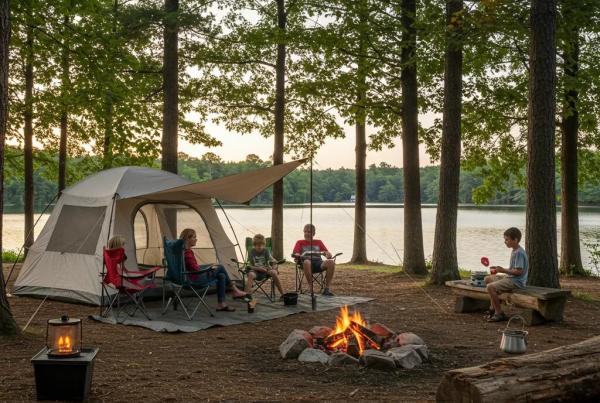
Seasonal camping typically involves a contract for a stay lasting weeks to an entire season, where you occupy one site with access to utilities and park amenities. The magic behind seasonal affordability is amortizing deposits, site setup, and utility connections over many nights, resulting in a lower per-night cost. Common inclusions are full hookups, storage, access to restrooms and laundry, and participation in community events; these inclusions cut down on outside spending. If you need a stable spot with predictable costs for a season, seasonal camping often makes more sense than hopping between nightly stays because it simplifies both logistics and your budget.
How Do Budget-Friendly Seasonal RV Sites Compare to Tent and Cabin Options?
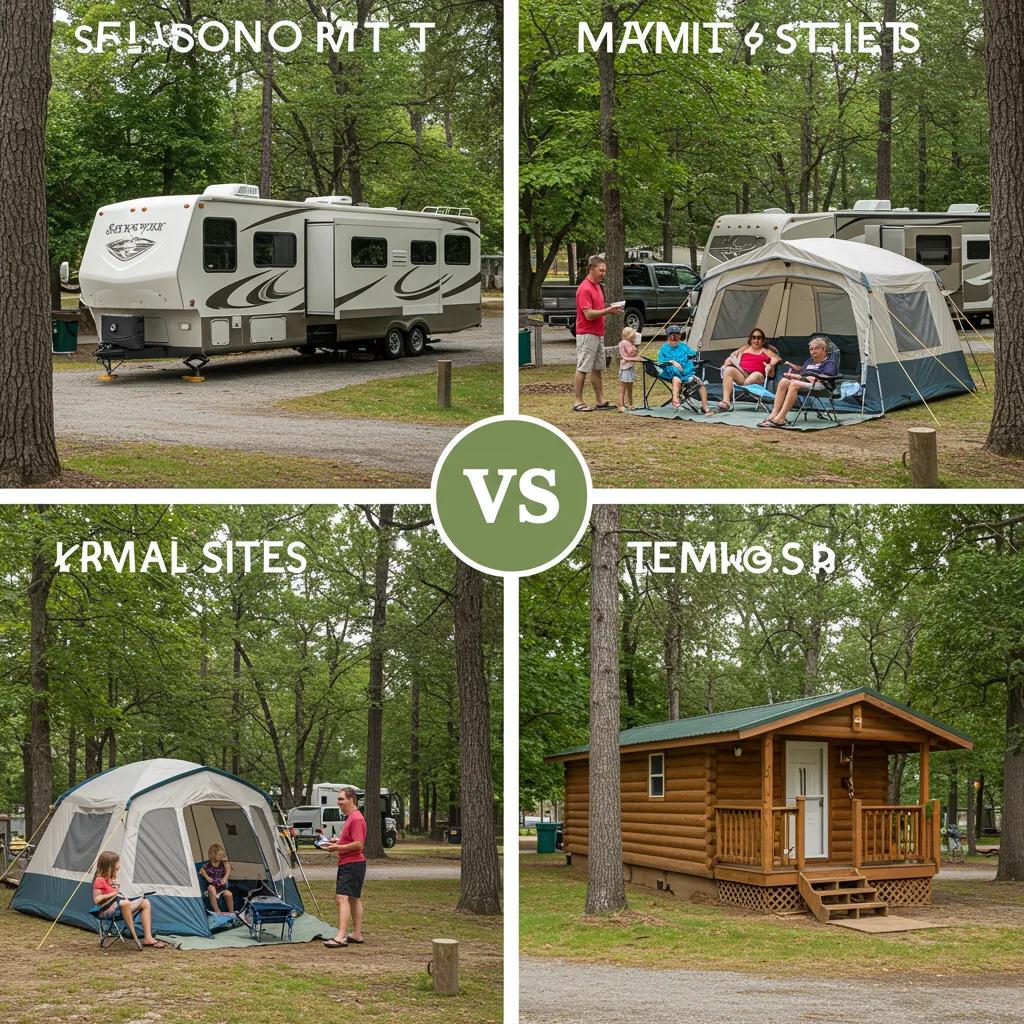
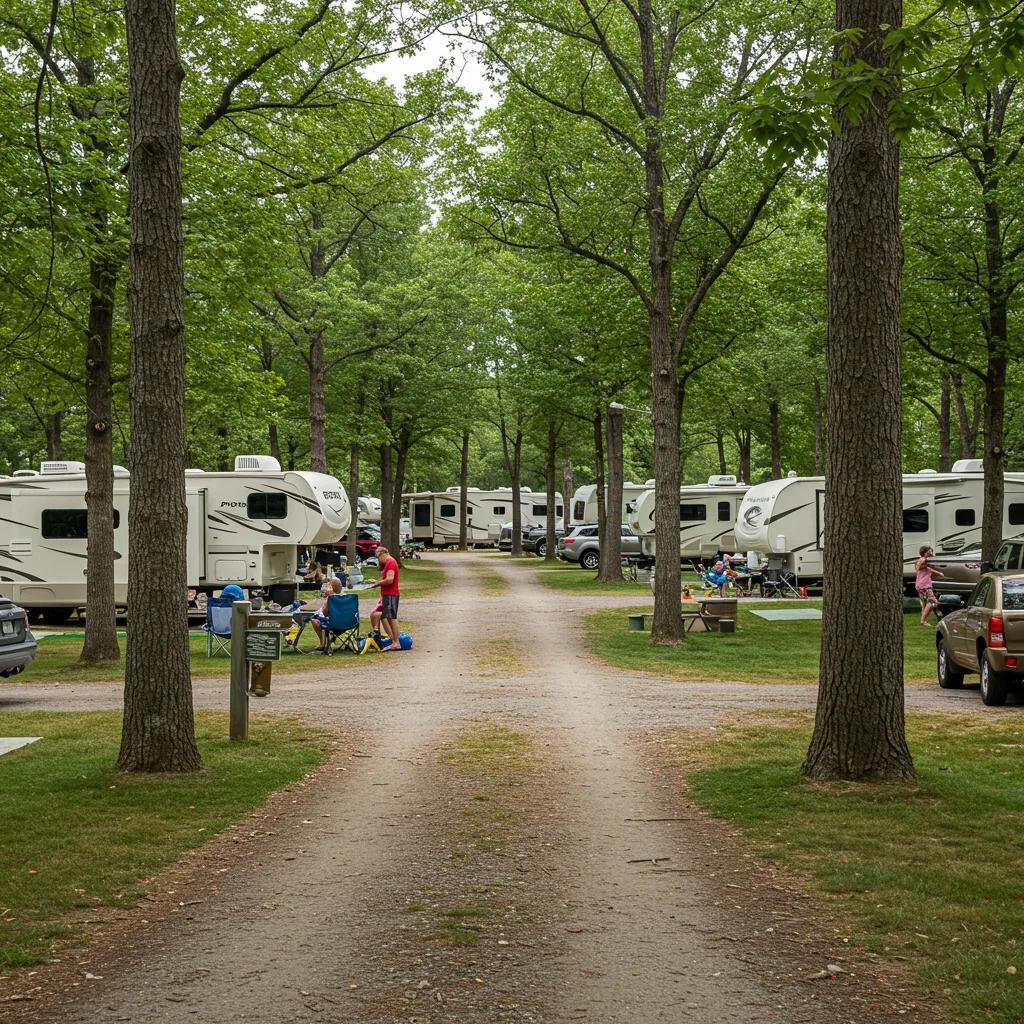
Seasonal RV sites usually come with hookups and are ideal for campers who want home-like conveniences, while seasonal tent sites are more basic and less expensive but offer fewer comforts and services. Seasonal cabins fall somewhere in between: they require less vehicle upkeep than RVs and often include basic furnishings, offering a bit more comfort for a slightly higher rate. When comparing costs, consider the upfront site fees, what utilities are included, and any maintenance responsibilities; RV seasonal sites often have higher initial costs but lower ongoing living expenses. Choose the site type that best fits your comfort needs and willingness to handle maintenance to maximize savings without sacrificing your experience.
What Seasonal Camping Deals and Discounts Should You Look For?
Keep an eye out for consistent discount strategies that lower the total seasonal cost, rather than just temporary sales. These include early-bird seasonal discounts, commitments for multiple seasons, and membership programs that reduce the per-night rate. Look for park offers that bundle utilities, waive reservation fees, or include activity passes, and try to negotiate fixed electricity terms or meter caps before you sign. Practical negotiation points include the deposit amount, move-in/move-out dates, and included guest privileges to avoid unexpected charges. These tactics help you translate advertised rates into true, comparable per-night costs so you can choose the best financial option.
Different seasonal rate structures and what’s included can significantly impact your actual savings. Use a simple comparison table to see what’s typically included and what’s not.
Where Can You Find Low-Cost Seasonal Campgrounds in Michigan and Beyond?
You can discover affordable seasonal campgrounds by using a combination of specialized apps, membership programs, state park listings, and by contacting private parks directly. Using multiple channels helps you confirm availability and pricing. Your search is most effective when you look for “seasonal sites” filters, compare per-night costs, and reach out to parks to confirm exactly what the seasonal rate covers. For Michigan, consider factors like the length of the season, river access rules, and local weather that might affect when you can move in and out. Using various sources reduces the chance of missing out on limited seasonal openings in popular spots.
How Does Walnut Hills Family Campground Offer Value for Seasonal Campers?
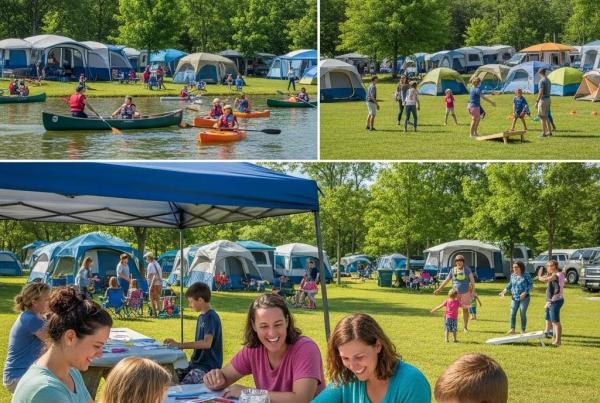
Walnut Hills Family Campground by GatherGrounds in Durand, Michigan, is a great example of a family-focused seasonal option that provides various site types and amenities adding significant non-monetary value. They offer seasonal sites alongside RV and tent sites and cabins, and on-site features like play areas and community events enhance the family experience without extra travel costs. Updated facilities and organized activities ensure reliable comfort and opportunities for connection, offsetting seasonal fees by reducing spending on entertainment and travel. Considering these added benefits helps seasonal campers weigh the overall experience against pure financial savings.
What Are the Benefits of Choosing Seasonal Campgrounds Over Primitive or Free Camping?
Seasonal campgrounds offer consistent utilities, managed and safer sites, and family-friendly amenities that you typically won’t find with primitive or free camping, which can reduce hidden costs like frequent trips to the laundromat or emergency repairs. Amenities such as restrooms, showers, and organized events create predictable living conditions and a sense of community that free sites don’t provide. While primitive camping eliminates fees, seasonal sites can save money on services and offer social and recreational value that enhances your overall outdoor experience. Weigh these trade-offs by listing the recurring costs you avoid with a seasonal site versus what you gain.
Which Digital Tools and Apps Help Locate Budget Seasonal Campgrounds?
A targeted list of discovery tools can help you quickly find seasonal listings by combining reservation platforms, membership directories, and community review sites. Each tool has its purpose—some list private parks, others show state park openings, and a few focus specifically on long-term or seasonal availability. Use filters for “seasonal” or “monthly” and always verify offers by contacting parks directly to confirm what’s included. Here’s a quick comparison of common discovery tools and how they’re best used.
What Amenities and Outdoor Experiences Can You Expect at Low-Cost Seasonal Campgrounds?
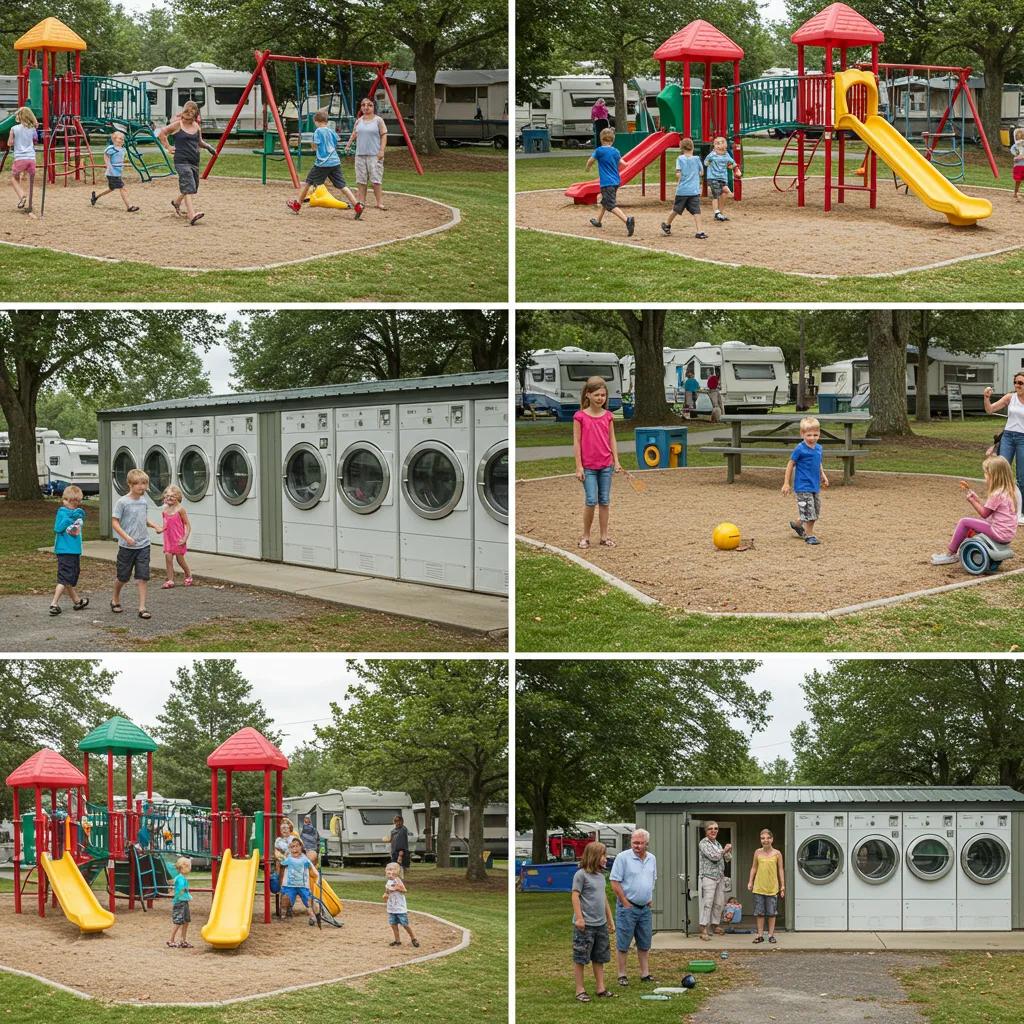
Affordable seasonal campgrounds usually come with a core set of amenities—full hookups, restrooms, laundry, and some recreational facilities—that cut down on recurring expenses and boost comfort. These amenities effectively replace frequent trips off-site for supplies or entertainment, helping families enjoy longer stays with fewer disruptions. Seasonal parks often add value through planned events and recreational features that build community and reduce spending on separate activities. Knowing which amenities are most important to you will help you compare parks more effectively.
Which Family-Friendly Activities Enhance Your Seasonal Camping Stay?
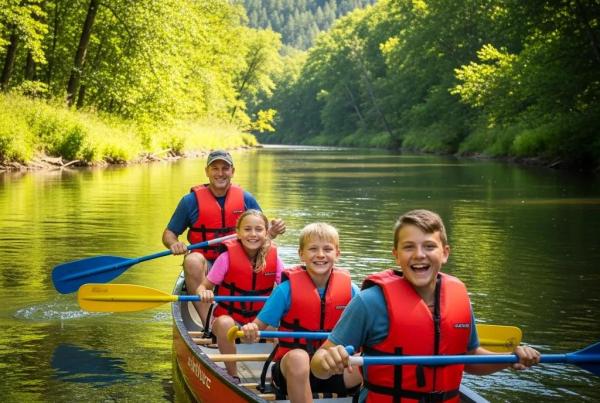
Family-focused seasonal campgrounds often organize regular weekend events, kids’ programs, and group recreation that build community and offer affordable entertainment. Activities like playground time, organized games, and river float trips create shared memories that cost less than individual day trips and help you build social connections with other seasonal campers. Planning your stay around the event calendar ensures you can participate and get the most value from the on-site offerings throughout the season. Bring the gear you need for planned activities and coordinate with other families to share equipment and costs.
- The next paragraph will explain how facility upgrades and hookups make daily life easier for longer stays.
- These conveniences directly translate to lower ongoing costs and greater comfort.
How Do Full Hookups and Modern Facilities Improve Extended Stay Comfort?
Full hookups (water, electric, sewer) and updated restrooms significantly reduce the effort and cost of daily living during extended stays by eliminating the need for frequent external services. It’s simple: having utilities on-site means you won’t need to make repeated trips to laundromats or pay for dump stations, and improved facilities enhance health and convenience. For families, reliable facilities also help maintain children’s routines and reduce stress during long visits. When comparing parks, make sure you understand exactly which hookups are included so you can accurately calculate the true per-night cost.
What Community Events and Recreation Opportunities Are Available?
Seasonal campgrounds frequently host themed weekends, river trips, kids’ activities, and sports events that create a regular social calendar for campers and add experiential value beyond just your campsite. These events serve as low-cost entertainment—organizers provide the setup and many activities are included or low-fee—so families can enjoy richer experiences without extra planning. Participating in community events can also enhance safety through neighborly familiarity and offer volunteer opportunities to help shape the seasonal calendar. Check event schedules early to align your seasonal move-in with major community weekends.
How Do You Secure and Book Affordable Seasonal Campsites Without Hassle?
Securing an affordable seasonal campsite involves focused research, direct negotiation, and careful review of the contract to lock in savings and avoid surprises. The key is to compare per-night costs, confirm what utilities and fees are included, and get the terms in writing before you pay a deposit. Start by discovering options, then verify the site’s inclusions and the park’s rules, and finally clarify move-in dates and any policies on electricity or guests. This process minimizes risk and ensures the seasonal rate provides the expected value throughout your stay.
What Is the Step-by-Step Process to Reserve a Seasonal Site at Walnut Hills?
A practical reservation process begins with researching site types and availability, requesting written details about the seasonal offer, confirming all inclusions, and then placing a deposit according to the park’s terms. For Walnut Hills Family Campground by GatherGrounds, follow these steps: decide if you want seasonal sites, RV and tent sites, or cabins; ask for a written breakdown of what the seasonal rate includes; confirm your move-in timing; and get a contract that clearly outlines utilities and community rules. These steps help you compare the true costs and protect your budget before you commit. Always ask for written confirmation to avoid any misunderstandings about amenities or fees.
How Can You Compare Seasonal Rates and Understand Pricing Structures?
To compare seasonal rates fairly, convert offers into a per-night equivalent by dividing the total seasonal cost plus estimated utility surcharges by the number of nights, and add any mandatory fees to the numerator. Watch out for hidden costs like electricity caps, refundable deposits, or required activity fees that can change the true cost. Use a checklist when speaking with management: ask about included utilities, site maintenance, guest policies, and move-in/out windows. This simple calculation and checklist will help you rank offers by real value, not just the advertised rate.
What Are the Most Common Questions About Low-Cost Seasonal Camping?
Seasonal campers often ask about cost comparisons, suitability for long-term living, and contract rules; clear answers help reduce uncertainty and lead to confident decisions. Answering these questions involves converting seasonal offers to per-night equivalents, assessing amenities for long-term suitability, and reviewing typical rules for behavior, vehicles, and guests. When you get these details in writing, seasonal camping can offer reliable savings and a rich outdoor experience. The following Q&A addresses common concerns and points you should confirm before committing.
How Much Does Seasonal Camping Cost Compared to Nightly Rates?
Seasonal camping often leads to significant savings by lowering the per-night cost, typically ranging from 30%–70% less than aggregated nightly stays, depending on what’s included and the season length. The reason is that fixed costs are spread out and utilities and amenities are bundled, reducing per-night overhead compared to paying nightly fees and repeated utility surcharges. Use this formula: (seasonal cost + expected extras) ÷ number of nights to calculate the per-night equivalent for a fair comparison. If inclusions are minimal, nightly stays might sometimes offer more flexibility despite higher advertised rates.
Are Seasonal Campgrounds Suitable for Long-Term RV Living?
Seasonal campgrounds can be suitable for long-term RV living if they provide full hookups, reliable facilities, and clear policies for mail, waste disposal, and vehicle storage; suitability really depends on the park’s services and local regulations. The key is service continuity—consistent utilities and amenities support daily routines, while community events and managed sites enhance social stability. Evaluate legal and logistical aspects like length-of-stay policies, address options, and neighbor expectations before you commit. If management supports long-term residents with clear contracts, seasonal parks can be a viable long-term option.
What Rules and Policies Should Seasonal Campers Know?
Seasonal campers should confirm contract length, deposit terms, guest policies, limits on vehicles and trailers, site upkeep responsibilities, and any behavior rules to avoid disagreements. These policy details affect your daily life and potential extra charges, so ask for written clarification on fees for rule violations, move-out cleaning, and access during storms. Keep a checklist of contract items and document any agreed-upon exceptions in writing to prevent misunderstandings. A thorough review of policies protects your budget and ensures a positive seasonal experience.
- Planning your season: Research sites, convert offers to per-night equivalents, and list non-monetary benefits.
- During booking: Ask for written inclusions, confirm deposit and refund terms, and secure move-in dates.
- At move-in: Document site condition, verify hookups, and obtain neighborhood/event calendars.
These steps help ensure a smooth seasonal stay, reduce unexpected expenses, and preserve your outdoor experience.
Frequently Asked Questions
What are the key factors to consider when choosing a seasonal campground?
When selecting a seasonal campground, think about location, amenities, and community activities. Look for campgrounds that offer full hookups, laundry facilities, and recreational options that fit your family’s needs. Also, check the campground’s policies on guests, pets, and who is responsible for site maintenance. Understanding the seasonal duration and local weather patterns can help you plan your stay better. Finally, read reviews from other campers to get a sense of the overall experience and satisfaction levels at the campground.
How can I ensure I get the best deal on a seasonal campsite?
To get the best deal on a seasonal campsite, start by researching several campgrounds and comparing their rates and what’s included. Look for early-bird discounts, membership programs, or deals for booking multiple seasons that can lower costs. Don’t hesitate to negotiate terms with campground management, especially regarding deposits and utility caps. You might also consider booking during off-peak seasons when rates could be lower. Always calculate the per-night equivalent to make sure you’re getting true value for your money.
What should I do if I encounter issues during my seasonal stay?
If you run into issues during your seasonal stay, such as maintenance problems or disagreements with management, it’s important to address them quickly. Start by documenting the issue with photos and notes. Talk directly with campground management to explain your concerns and try to find a resolution. If the problem continues, refer to your contract for guidance on dispute resolution. Staying communicative and proactive can often lead to a satisfactory outcome without needing to escalate the situation.
Are there specific seasonal campgrounds that cater to families?
Yes, many seasonal campgrounds are designed with families in mind, offering amenities like playgrounds, organized activities, and family-friendly events. Look for campgrounds that provide recreational facilities, such as swimming pools, sports courts, and community gatherings. Campgrounds like Walnut Hills Family Campground in Michigan focus on creating a welcoming environment for families, with activities that foster community and enhance the camping experience. Researching family-oriented campgrounds can help ensure a fun and engaging stay for everyone.
What are the environmental considerations when choosing a seasonal campground?
When choosing a seasonal campground, consider its environmental practices and sustainability efforts. Look for campgrounds that prioritize eco-friendly initiatives, such as waste management, recycling programs, and conservation efforts. Understanding the campground’s policies on wildlife protection and natural resource management can also be important. Choosing a campground that respects the environment not only enhances your outdoor experience but also helps preserve natural spaces for future generations.
How can I maximize my outdoor experience while staying at a seasonal campground?
To make the most of your outdoor experience at a seasonal campground, get involved in planned activities and explore the surrounding nature. Participate in community events, such as group hikes, fishing trips, or themed weekends, to connect with fellow campers. Bring along outdoor gear for activities like biking, kayaking, or nature walks. Also, take time to explore local attractions and natural landmarks nearby. By immersing yourself in both campground activities and the surrounding environment, you can create lasting memories during your stay.
Conclusion
Choosing low-cost seasonal campgrounds allows you to enjoy extended outdoor experiences while significantly reducing lodging expenses. By understanding the benefits of seasonal rates, amenities, and community offerings, you can make informed decisions that enhance your camping adventures. Take the next step in your outdoor journey by exploring our curated list of budget-friendly seasonal campgrounds. Start planning your memorable family camping experience today!