
Understanding Seasonal Camping Rates: How Campground Prices Change Throughout the Year
Seasonal camping rates explain how campgrounds adjust nightly and weekly prices across Peak, Shoulder, and Off-Peak periods to match demand, amenities, and operating costs. This guide breaks down why campground prices shift throughout the year, how site types and on-site activities influence rate tiers, and smart ways families can plan and save when booking. Knowing seasonal price variations helps campers budget, prioritize amenities, and pick the best time to reserve sites at family-friendly spots like Walnut Hills Family Campground in Durand, Michigan. You’ll learn the main reasons for price changes, a calendar view of peak windows, how shoulder-season discounts work, tips for off-peak planning, and practical booking strategies to cut costs. The sections ahead cover what drives price swings, when peak rates apply and why, how shoulder-season discounts function, guidance on off-peak availability, and step-by-step booking and savings tactics to put this strategy into action.
What Factors Influence Seasonal Camping Price Variations?
Seasonal price variations in campgrounds are driven by clear factors: demand cycles, site type differences, amenity availability, and changes in operational costs. Demand surges during holidays and school breaks lead to higher occupancy and higher rates; conversely, lower demand in shoulder and off-peak months prompts discounts to encourage bookings. The direct benefit for campers is predictable planning: by understanding what factors increase costs, families can shift dates or site choices to save money. Here’s a concise summary of the main drivers that determine how and when campgrounds adjust prices, followed by a short table comparing typical impacts.
Key factors that determine seasonal pricing include:
- Demand & Schedule: Higher demand around holidays and weekends means higher rates.
- Site Type: RV sites with hookups often cost more than tent sites.
- Amenities & Events: On-site attractions boost perceived value and price.
- Operational Costs: Seasonal staffing and utilities affect the base rate.
This list shows how site choices and amenities translate into price differences, which we’ll explore in more detail in the next subsection.
How Do Site Types Affect Camping Rates?

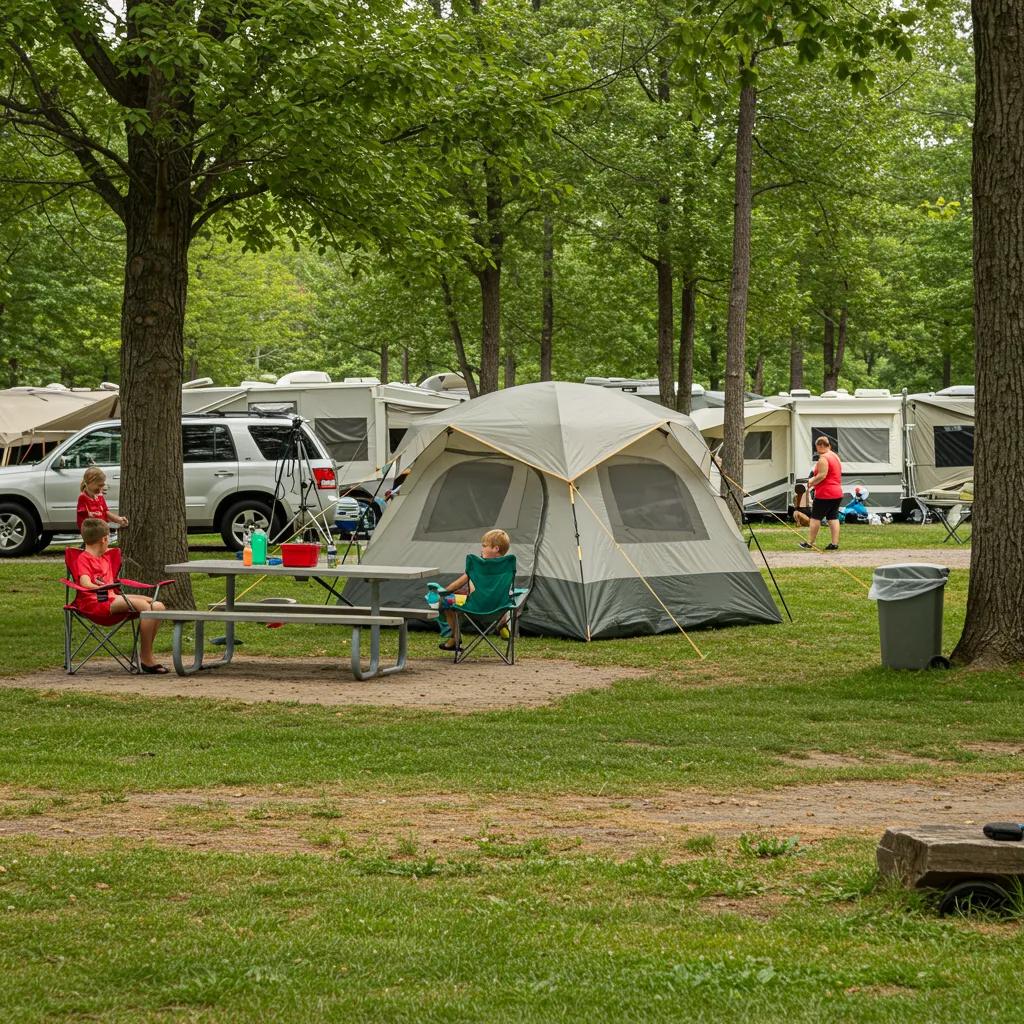
Site type sets a baseline price and influences how rates change across seasons because infrastructure and utility needs vary. RV sites with full hookups have higher installation and maintenance costs, so they generally see the biggest seasonal premium during Peak periods, while simple tent sites show smaller fluctuations and lower peak premiums. Cabins and rental lodging often maintain steadier rates year-round but still spike on holiday weekends and during event-driven demand, offering families an alternative when tent or RV inventory is limited. Understanding these differences helps campers find the best value by matching desired amenities to expected seasonal price changes and planning their booking lead time accordingly.
What Role Do Amenities and Activities Play in Pricing?
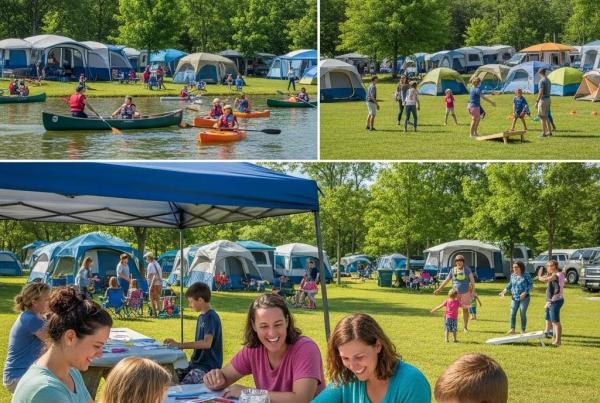
Amenities like water parks, swimming lakes, and scheduled events boost family demand and support premium pricing in peak months because they concentrate activity and create destination appeal. When a campground offers high-value attractions—like an on-site water feature or river access—those amenities act as demand multipliers that justify higher rates for the season when they are fully operational. For instance, amenities that primarily operate in summer concentrate bookings into that window, which increases occupancy and shortens booking lead times. Recognizing which amenities drive demand helps campers weigh the cost-benefit of higher seasonal rates against the experience value.
This table clarifies how different site features translate into seasonal price behavior and guides selection for budget-conscious campers. Next, we’ll look at how demand curves create peak windows.
How Does Demand and Seasonality Drive Price Changes?
Demand and seasonality interact like a classic occupancy curve: low base demand in off-peak months, rising through shoulder seasons, and peaking during summer and holidays when families travel. Higher occupancy rates reduce available inventory, which leads campgrounds to increase prices; this dynamic is a straightforward supply-demand relationship where Peak Season → Drives → Higher rates. Campgrounds may also use demand-based rules in booking engines to raise prices for short lead-time reservations during sold-out periods. Understanding this mechanism allows campers to target midweek stays, shoulder-season weeks, or earlier booking windows to avoid peak premiums and secure preferred sites.
When Are Peak Season Camping Rates Highest and Why?
Peak season refers to the months and holiday windows with consistently high family travel and strong on-site amenity operation; these periods typically include summer months and major holiday weekends. The reason behind peak-rate increases is concentrated demand from school vacations, warm-weather recreation preferences, and scheduled events at the campground, which together push occupancy and justify higher nightly pricing. The practical benefit for campers is clearer decision-making: expect higher rates during peak months and plan to book earlier or choose alternatives if price sensitivity is a priority. The table below outlines typical peak windows and sample price ranges campers can expect as a planning reference.
Peak months and busy weekends concentrate bookings and often require early reservations to secure the best site; the following local context explains how that applies to Walnut Hills Family Campground and similar Michigan family campgrounds.
This table shows peak-season timing and relative price pressure across site types to set expectations. The next subsection describes how local activities amplify peak demand.
What Are Typical Summer Rates and Availability at Walnut Hills?
Summer months—roughly June through August—represent the highest-demand window for family campgrounds in Michigan, where amenities and river recreation are fully active. At Walnut Hills Family Campground in Durand, Michigan, summer weekends and scheduled event weekends often fill first, creating availability pressure and higher rate tiers for RV sites, tent sites, cabins, and seasonal sites. Campers benefit by booking as far in advance as possible for holiday weekends and considering weekday stays to avoid peak premiums. Checking the campground’s published rates or reservation calendar provides current availability and exact seasonal pricing for specific dates.
Which Popular Activities Increase Peak Season Demand?
On-site attractions and organized activities concentrate family travel into summer weekends and holidays, directly increasing demand and seasonal pricing. High-draw activities include water-based recreation, playgrounds for children, river float trips, and scheduled family events that create destination weekends and justify premium rates. When these activities are scheduled on particular weekends, the demand spike can cause rapid sellouts and higher short-term pricing. Knowing which activities are running when helps campers plan stays for either peak-experience weekends or quieter shoulder periods.
- Wibit water park: A major family draw during warm months.
- Shiawassee River access: River floats concentrate bookings on sunny weekends.
- Scheduled family events: Event weekends fill campsites rapidly.
These activity-driven demand patterns lead naturally into an exploration of how shoulder seasons create discount opportunities.
How Do Shoulder Season Discounts Work for Spring and Fall Camping?

Shoulder seasons—typically spring (April–May) and fall (September–October) in Michigan—offer lower demand and therefore create opportunities for discounted rates and value stays. The mechanism is straightforward: campgrounds lower nightly rates, bundle promotions, or offer extended-stay discounts to increase occupancy outside the Peak window, which benefits campers seeking lower-cost, less-crowded experiences. Campers who understand shoulder-season mechanics can capture savings while still enjoying many outdoor activities and seasonal events like fall foliage. Below is a short list of common shoulder-season offers followed by a table summarizing offer types and conditions to check.
Common shoulder-season offers include:
- Midweek discounts: Lower nightly pricing on weekdays to fill gaps.
- Extended-stay savings: Reduced per-night cost for weekly stays.
- Promotional bundles: Event or amenity credits with booking during shoulder months.
These offers help campers balance cost and experience, and the table that follows clarifies typical eligibility and notes.
This table illustrates common shoulder-season promotions and where campers should check details before booking. Next, we’ll cover weather implications for spring and fall trips.
What Special Offers Are Available During Spring and Fall?
Promotions in shoulder seasons often focus on occupancy incentives and experience enhancements, including percentage discounts, midweek specials, and extended-stay reductions. Campgrounds may also bundle event-based offers—like guided hikes or harvest events—with lower rates to attract families during off-peak windows. To take advantage of these offers, campers should compare date-specific pricing in the reservation system and combine midweek stays with extended-length bookings where possible. Monitoring promotional periods and booking early for popular shoulder weekends yields the best balance of savings and preferred site selection.
How Does Weather Affect Shoulder Season Camping Experiences?
Spring and fall weather variability affects amenity availability and camper comfort, which in turn influence perceived value and sometimes pricing if amenities operate on reduced schedules. Layered clothing, shelter planning, and flexible activity choices mitigate weather risk and allow campers to enjoy quieter facilities for lower cost. Campgrounds may temporarily reduce service hours for certain amenities during shoulder months, so confirming amenity schedules before arrival helps set expectations and avoid surprises. Preparing for variable weather supports enjoyable shoulder-season camping and maximizes the value of discounted rates.
Are There Off-Peak Season Camping Options and Pricing?
Off-peak season includes late fall and winter months when demand drops and many amenities close for maintenance, creating scenarios where nightly rates fall or the campground partially closes. The operational reality is that off-peak availability and pricing vary by property; some campgrounds offer reduced rates for hardy winter campers or limited seasonal openings, while others close entirely for maintenance. The advantage for campers is potential deep discounts and near-empty facilities, but the trade-off is reduced services and weather-dependent access. Below is a table outlining typical off-peak scenarios and planning notes to help campers decide whether an off-peak stay aligns with their priorities.
This table clarifies common off-peak situations so campers can plan appropriately and avoid last-minute issues. Next, we’ll address Walnut Hills’ winter guidance and planning tactics.
Is Walnut Hills Open During Winter and What Are the Rates?
Specific winter operation status and exact off-peak rates vary year to year and are published on the campground’s rates and operations information; when precise details are not publicly listed, campers should consult the reservation information or the campground’s public listing for current status. For Walnut Hills Family Campground in Durand, Michigan, seasonal site planning typically reflects standard campground patterns: summer peak operations with shoulder and off-peak adjustments to services. Campers seeking winter stays should verify amenity availability and rate details through the campground’s official reservation or operations information before finalizing plans.
How Can Campers Plan for Off-Peak Stays and Maintenance Periods?
Planning for off-peak stays requires confirming amenity and utility availability, preparing for variable road and weather conditions, and using flexible booking options that allow date changes. Campers should create a simple checklist—confirm water/electric status, verify bathroom/showers availability, check road access—and prefer refundable or flexible reservations when possible. This planning reduces the risk of encountering maintenance closures and ensures that a discounted off-peak rate provides real value. With those checks complete, campers can confidently take advantage of lower rates during quieter months.
How Can Campers Book and Save on Seasonal Camping Rates?
Booking and saving on seasonal camping rates combine timing, site-type choices, and use of promotions; an effective approach reduces cost while preserving experience value. The booking mechanism typically shows date-specific pricing in an online reservation engine, enabling campers to compare Peak, Shoulder, and Off-Peak dates instantly. Tactics such as booking early for peak windows, choosing weekdays in busy months, or selecting lower-demand site types yield the biggest savings. The table below lists common discount types and eligibility so readers can prioritize which tactics to use when reserving.
Common booking and savings actions include:
- Book early: Secure peak dates and best sites before rates rise.
- Choose weekdays: Weekday stays avoid weekend premiums.
- Look for extended-stay discounts: Weekly rates lower per-night cost.
These actionable steps create predictable savings and improve the chance of locking in preferred dates and site types.
This table helps campers match discount types to their travel plans and maximize savings on seasonal rates. The following subsections describe the reservation steps and common promotions.
What Is the Online Reservation Process for Seasonal Rates?
The online reservation process typically asks for dates and site type, then displays date-specific pricing and available promotions for those selections, allowing campers to compare Peak, Shoulder, and Off-Peak dates side by side. Step-by-step, campers select arrival/departure dates, pick a site category (RV site, tent site, cabin, seasonal site), review rate rules and any discount codes, and complete booking with payment and confirmation. Using the reservation calendar helps identify lower-priced nearby dates and reveals midweek savings opportunities. After booking, confirm amenity schedules and any seasonal restrictions to align expectations with the rate paid.
Which Discounts and Promotions Help Lower Camping Costs?
Discounts that meaningfully lower camping costs include early-bird pricing, weekday or midweek discounts, and extended-stay savings—each with clear eligibility and stacking potential. Early-bird deals reward advance planning for peak windows, midweek discounts reduce per-night costs during low-demand segments, and weekly rates lower total cost for longer stays. Campers should compare date-specific pricing in the reservation engine and combine compatible promotions (for example, midweek plus extended-stay) when the campground’s policies permit. Using these tactics systematically produces the largest predictable savings.
What Are Common FAQs About Seasonal Camping Pricing?
Campers commonly ask when rates are cheapest, how much rates change by season, and what booking behaviors reduce cost; concise answers help set expectations and planning habits. Typical guidance: the cheapest time to camp tends to be midweek in shoulder or off-peak months; yes, camping prices change by season driven by demand and amenity availability; and deposits and cancellation terms vary by property, so check the rates and policies before booking. These short answers help readers decide whether to prioritize price, amenities, or specific dates when reserving a family campground site.
- When is the cheapest time to camp? Midweek during shoulder or off-peak months.
- Do camping prices change by season? Yes — demand, amenities, and costs cause seasonal shifts.
- How can I secure the best rate? Book early for peak windows or target shoulder/off-peak dates.
These FAQs point campers toward practical next steps: compare dates in the reservation system and use the discount types summarized above to optimize cost and experience.
Frequently Asked Questions
1. What are the benefits of camping during the shoulder season?
Camping during the shoulder season, which includes spring and fall, offers several advantages. Rates are typically lower due to reduced demand, allowing families to enjoy a more budget-friendly experience. Additionally, campgrounds are often less crowded, providing a more peaceful environment. Many amenities and activities are still available, and campers can enjoy seasonal events like fall foliage or spring blooms. This combination of cost savings and tranquility makes shoulder season an appealing option for many outdoor enthusiasts.
2. How can I find the best deals on camping rates?
To find the best deals on camping rates, start by booking early, especially for peak seasons and popular weekends. Look for midweek discounts, as rates are often lower during weekdays. Additionally, consider extended-stay promotions that reduce the per-night cost for longer reservations. Regularly check campground websites for seasonal promotions or special offers. Utilizing these strategies can significantly lower your overall camping expenses while ensuring you secure your preferred site.
3. Are there specific amenities to look for that can enhance my camping experience?
When choosing a campground, consider amenities that can enhance your experience, such as swimming pools, playgrounds, and organized activities. Campgrounds with access to natural features like lakes or rivers often provide additional recreational opportunities, such as fishing or kayaking. On-site events, like family movie nights or guided hikes, can also add value to your stay. Prioritizing these amenities can help ensure a memorable and enjoyable camping trip for your family.
4. What should I consider when planning an off-peak camping trip?
When planning an off-peak camping trip, it’s essential to confirm the availability of amenities and services, as many campgrounds may operate with reduced offerings during this time. Check the campground’s operational calendar for any maintenance closures. Prepare for variable weather conditions by bringing appropriate gear and planning flexible activities. Additionally, consider the potential for deep discounts, but ensure that the trade-offs in service and amenities align with your camping goals.
5. How do I know if a campground is suitable for families?
To determine if a campground is family-friendly, look for amenities specifically designed for children, such as playgrounds, swimming areas, and organized activities. Read reviews from other families to gauge their experiences regarding safety and accessibility. Additionally, check if the campground offers family-oriented events or programs. A campground that prioritizes family needs will typically have facilities and activities that cater to various age groups, ensuring a fun and safe environment for all.
6. What are the typical cancellation policies for campgrounds?
Cancellation policies for campgrounds can vary widely, so it’s crucial to review the specific terms before booking. Many campgrounds require a deposit at the time of reservation, which may be non-refundable. Others might offer a full refund if canceled within a certain timeframe, while some may charge a cancellation fee. Always check the campground’s website or contact them directly for detailed information on their cancellation policies to avoid unexpected charges.
7. How can I maximize my camping experience while staying within budget?
To maximize your camping experience on a budget, plan your trip during shoulder or off-peak seasons when rates are lower. Take advantage of midweek discounts and extended-stay offers. Pack your own meals to save on dining costs and consider bringing outdoor games or activities to keep everyone entertained. Research free or low-cost local attractions and events to enhance your experience without overspending. By being strategic about your planning, you can enjoy a fulfilling camping trip without breaking the bank.
Conclusion
Understanding seasonal camping rates empowers families to make informed decisions about their outdoor adventures, maximizing both enjoyment and savings. By recognizing the factors that influence pricing, such as demand, site types, and amenities, campers can strategically plan their trips to secure the best value. Embrace the opportunity to explore off-peak and shoulder-season discounts for a more budget-friendly experience. Start planning your next camping getaway today and discover the perfect site for your family’s needs!