Are Pet-Friendly Campgrounds More Expensive? Unpacking Pet-Friendly Camping Fees and Costs for Campers
Bringing your furry friend along for a camping trip might seem like it adds to the bill, but the real cost difference often comes down to how campgrounds structure their fees, the value of the amenities they offer, and how they balance operational needs with a great guest experience. This guide breaks down why pet fees exist, how they impact your overall trip budget, and smart ways to figure out if a dog-friendly campground near you is truly worth the extra spend. We’ll use Walnut Hills Family Campground—a GatherGrounds Resort property known for its expansive dog park, Wibit water park, swimming lake, cozy cabins, and spacious RV and tent sites—as a real-world example to show how pet-focused amenities can really boost value. Campers often fret about nightly pet surcharges or cabin restrictions; this guide will help you assess those charges, cut down on unnecessary expenses, and compare pet-friendly campgrounds to those that don’t welcome pets. Keep reading for a look at different fee types, campground policies that influence pricing, budgeting tips tied to on-site features, and clear comparisons to help you plan your next pet-friendly family getaway in Michigan or wherever your adventures take you.
What Are Common Pet Fees at Campgrounds and How Do They Affect Overall Costs?
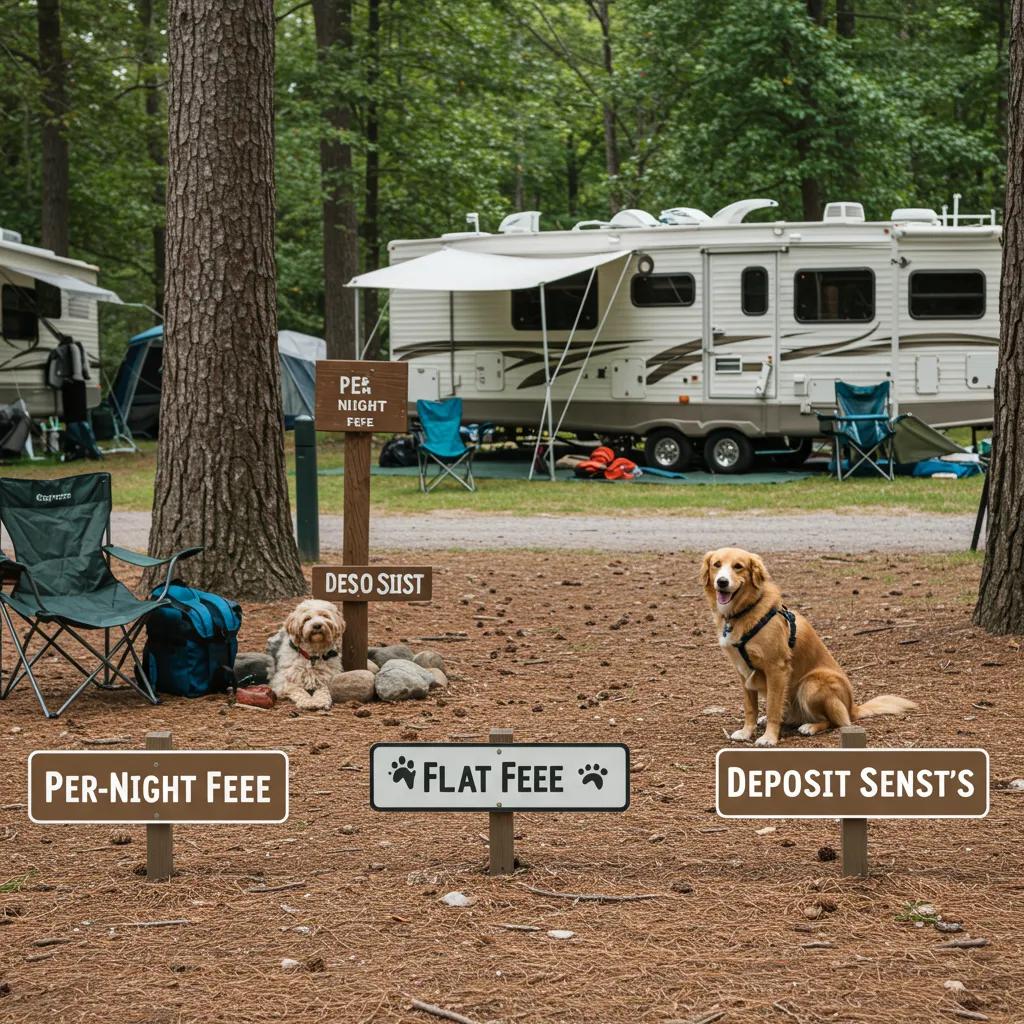
Pet fees are extra charges campgrounds implement to cover the costs of cleaning, maintenance, and potential liability that come with pets. These fees can either add a small amount to your nightly rate or be a one-time flat charge, both of which influence your total trip expenses. Campgrounds might use per-night fees, per-pet fees, flat cleaning fees, deposits, or even cabin surcharges, and each method affects how you see and plan for pet-related spending. Understanding these fee types helps you estimate your total trip costs before you book and choose accommodations—whether it’s an RV site, tent site, or cabin—based on the most budget-friendly pet policy. Below, you’ll find a quick comparison of common fee models and typical price ranges to help you see how these charges might affect a weekend or week-long stay.
Common pet fee types and what they typically cover:
- A per-night pet fee adds a predictable extra cost to your nightly rate for increased cleaning or wear and tear.
- A flat per-stay fee bundles all pet-related charges into one predictable payment, no matter how long you stay.
- A cabin pet surcharge is specifically for cabins, covering the extra deep cleaning and potential staffing needed between guests.
This table shows that per-night fees add up the longer you stay, while flat fees can be more economical for longer visits. Choosing the right model can help you avoid unexpected costs and compare “pet-friendly campgrounds near me” more accurately.
How Do Campgrounds Typically Charge for Pets?
Campgrounds usually charge using one of a few common methods: a per-pet or per-night fee added to your site rate, a single flat cleaning fee for your entire reservation, or a refundable deposit to cover any potential damage. The per-night model increases with the length of your stay and is often found at private campgrounds and some RV parks. Flat fees are common for cabins, accounting for the more intensive cleaning required. Deposits are less predictable but can protect you from extra charges if you follow the rules and leave everything in good condition; deposits are returned when there’s no damage. Knowing which model a campground uses allows you to calculate an accurate cost for your trip and compare your options efficiently.
What Is the Average Cost of Dog-Friendly Campgrounds Compared to Non-Pet Sites?
The average cost differences can vary quite a bit depending on the region and the type of accommodation, but dog-friendly sites typically add a small premium to their base rates—often ranging from a few dollars per night to a one-time cleaning fee. Some public lands, however, don’t charge any extra fees at all. Cabin rentals often come with higher pet surcharges because of the deeper cleaning involved, compared to tent or RV sites where managing pet messes might be simpler. State parks and certain campground chains might not charge extra for pets but still have strict rules in place, so searching for “pet-friendly campgrounds Michigan” can bring up both options with and without fees. By comparing site types and local policies, you can better determine if the pet fee truly makes pet-friendly camping more expensive for your specific trip.
The Rise of Pet-Friendly Hotels and Hospitality Services
PurposePet-friendly hotels are growing rapidly. The prevalence of pet adoption has largely resulted from the loneliness due to social distancing that happened during the Coronavirus disease 2019 p
Traveling with pets: designing hospitality services for pet owners/parent and hotel guests, D Buhalis, 2023
Why Do Some Campgrounds Charge Pet Fees While Others Don’t?
Campgrounds charge pet fees to help cover their operational expenses, such as extra cleaning, managing pet waste, and addressing potential wear and tear on shared facilities. These fees can also reflect liability and insurance considerations that owners or management must manage. Facilities that offer dedicated pet amenities—like dog parks, wash stations, or specific pet-friendly trails—may charge fees to maintain these resources. On the other hand, some public or state-run sites opt not to charge fees, instead managing pet access through strict rules. Market positioning also plays a role: family-focused private campgrounds might add fees but include amenities that justify the cost, while budget-friendly parks might prioritize lower rates over additional pet services. Understanding the reason behind a fee can help you decide if the value you receive matches the extra cost.
How Does Walnut Hills Family Campground Handle Pet Fees and Amenities?
Walnut Hills Family Campground, operated by GatherGrounds Resorts, is intentionally designed as a pet-friendly family destination and highlights a variety of on-site pet amenities that add value for guests rather than creating hidden costs. While specific per-pet fee amounts aren’t detailed in the information provided, the campground does list pet-focused features—such as a large dog park, pet-friendly cabins, and open spaces near the swimming lake—that can reduce the need for outside pet services. These amenities suggest a pet-fee approach focused on providing facilities that lower extra spending for pet owners while maintaining the campground’s quality. For precise details on pet fees and reservation policies, campers should always check the campground’s reservation information before booking.
Walnut Hills pet amenities, cost relationship, and included status:
Does Walnut Hills Charge Additional Fees for Pets on Campsites or Cabins?
The available information confirms that Walnut Hills welcomes pets and offers cabins and campsites that accommodate them. However, it doesn’t specify exact fee amounts. Many campgrounds find a balance by charging modest pet fees while including valuable amenities. Similar properties often have per-night pet charges or cabin surcharges to cover thorough cleaning, so it’s always best for campers to verify these fees when booking a specific cabin or site. Walnut Hills’ emphasis on pet amenities suggests that management aims to provide clear value—like a large dog park and wash areas—that can help offset any extra charges. Asking about any cabin-specific pet surcharges when you book will give you the clearest picture of the total cost for your stay.
What Pet-Friendly Amenities Does Walnut Hills Offer to Justify Costs?

Walnut Hills highlights several pet-friendly amenities, most notably a large dog park, pet-accessible cabins and campsites, nearby trails, a swimming lake, and a Wibit water park. Each of these features can reduce the need for external services and significantly enhance the on-site pet experience. A dedicated dog park offers a safe space for off-leash exercise, potentially replacing the need for paid dog daycare. Wash stations make it easier to keep your pet clean, cutting down on trips to off-site grooming facilities. Trails and lake access provide pets with free enrichment and exercise, adding considerable value for families traveling with dogs. These amenities create opportunities for savings and support the idea that modest pet fees can be well worth it when balanced with such convenient inclusions.
How Does Walnut Hills Compare to Other Pet Friendly Campgrounds in Pricing?
When you compare Walnut Hills to chain campgrounds or specialized resorts, it positions itself as a family-oriented, pet-friendly property where the inclusion of amenities adds significant value. However, direct pricing can vary based on the site type and the season. Some chains offer straightforward fee schedules, while independent parks might waive small fees or bundle pet perks. Walnut Hills’ impressive set of amenities—including a dog park, lake access, and pet-friendly cabins—leans towards offering more built-in value than fee-only models. For travelers comparing “pet-friendly campground near me” options, factoring in these included amenities alongside any per-pet or per-cabin charges provides a much clearer understanding of which property offers the best overall value for pet owners.
How Can Campers Budget for Pet-Friendly Camping Without Overspending?
Budgeting for pet-friendly camping starts with understanding how fees are structured, packing smart to avoid last-minute purchases, and making the most of on-site amenities that can replace paid services. This approach helps minimize both predictable costs and unexpected expenses. Begin by estimating your total pet-related charges based on the campground’s billing model, and then factor in the savings you’ll gain from using on-site facilities like dog parks or wash stations. Planning your meals, bringing your pet’s favorite bedding and toys, and booking during off-peak times can also lower nightly rates and incidental spending. The checklist and table below offer top money-saving tactics and estimated savings tied to common decisions.
Top money-saving strategies for pet owners at campgrounds:
- Pack your dog’s regular food and treats to avoid paying premium prices at pet stores near popular campgrounds.
- Bring familiar bedding and toys to help reduce anxiety-driven costs like emergency purchases or extra boarding fees.
- Utilize on-site dog parks and wash stations to bypass the need for paid daycare or grooming services.
- Book your stay on weekdays or during off-peak seasons to secure lower nightly rates and lessen the impact of any surcharges.
These strategies help reduce your on-the-road expenses, keep your pets comfortable, and make per-pet or cabin surcharges feel much more manageable, especially when the campground provides great amenities.
This budgeting table highlights concrete savings you can achieve by taking advantage of included campground features and planning ahead. It helps you make informed decisions between different campsite types and reservation timings.
What Are Top Money-Saving Tips for Pet Owners at Campgrounds?
Smart savings really come down to preparation: pack all your pet’s essentials, get a clear understanding of the campground’s fee structure, and make full use of on-site amenities to avoid paying for third-party services. Bringing your own cleaning supplies and waste bags can prevent small but frequent purchases, and having your pet’s vaccination records ready can help you avoid last-minute vet visits. Choosing RV or tent sites often means lower surcharges compared to cabins, especially when pet fees are applied per structure. These simple steps can lower both predictable costs and the risk of facing fines or damage charges during your stay.
How Can Using Walnut Hills’ Pet Amenities Reduce Overall Pet Camping Costs?
By utilizing Walnut Hills’ large dog park, convenient wash areas, and scenic lakeside walking paths, you can effectively substitute for paid daycare, groomers, and activity providers in nearby towns, which can add up significantly over multi-day stays. For instance, daily doggy daycare fees in many areas can easily exceed the cost of using the on-site dog park and enjoying supervised play, often at a negligible extra charge. Planning your activities around these included amenities means fewer trips off-site and lower transportation costs. Prioritizing the use of these features during your reservation maximizes your value and helps keep your pet-related expenditures within budget.
Are There Affordable Pet-Friendly RV Parks and Cabins at Walnut Hills?
Walnut Hills offers a variety of site types—including RV, tent, and cabins—to suit different budgets and pet needs. Generally, tent or RV sites are less expensive than cabins, which may come with higher cleaning fees or surcharges. Booking during off-peak periods or mid-week often provides the best rates, and selecting a site that includes pet amenities can help offset any modest surcharges. Comparing site types, seasonality, and the availability of amenities will help you find the most affordable pet-friendly option for your family.
What Are Typical Pet Policies That Influence Camping Costs?
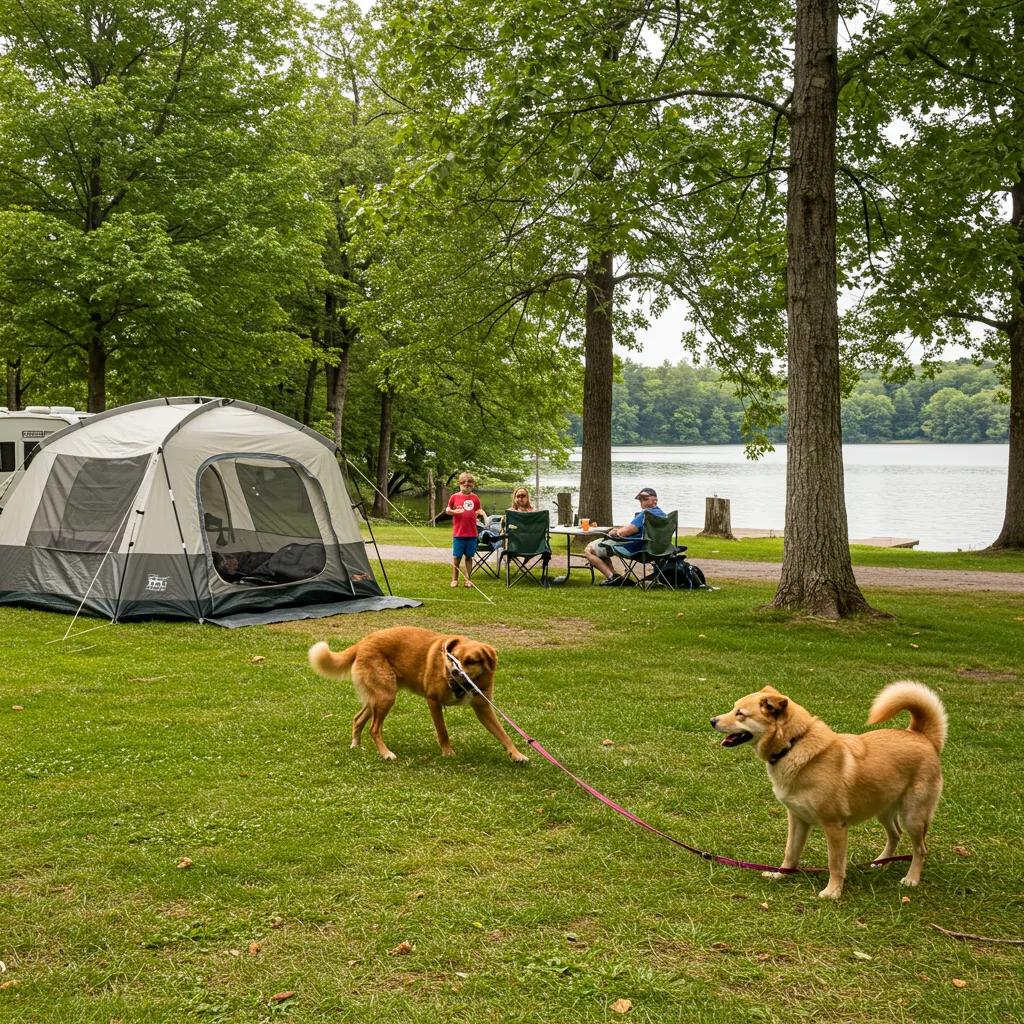
Pet policies can significantly influence camping costs through rules on leash usage, waste disposal requirements, vaccination checks, and liability clauses. Stricter policies often mean higher operational costs for the campground, which can then be passed on to guests through fees. Policies that require staff oversight, frequent maintenance of waste stations, or designated pet areas increase expenses for owners, who may recoup those costs via fees. Conversely, more lenient policies without extensive pet amenities might avoid fees but offer less convenience and potentially higher external costs for campers. Understanding these standard policy elements and adhering to them can help you avoid fines and better predict the total cost of your pet-friendly camping trip.
How Do Leash Rules and Waste Disposal Policies Affect Pet Fees?
Leash and waste disposal policies are essential for reducing risks and maintaining cleanliness, but they require infrastructure—like signage, waste stations, collection services, and staff time—that adds to operating costs and can sometimes influence pet fees. Campgrounds that enforce strict cleanup protocols with frequent waste pickups or provide staffed dog areas typically have higher maintenance expenses, which owners may offset with modest charges. Campers can avoid fines by always carrying waste bags, following leash hours, and using designated disposal points. These responsible habits eliminate the need for corrective fees and help preserve the quality of the amenities for everyone. Compliance protects both the campground’s value and your wallet.
What Vaccination and Liability Requirements Should Campers Know?
Campgrounds commonly require pets to be up-to-date on vaccinations, such as rabies, and may ask for proof during check-in. This practice helps reduce liability and protect other guests, which in turn can lower the campsite’s risk profile and potentially affect insurance costs or fee structures. Carrying your pet’s vaccination records and a basic health summary can prevent last-minute vet visits or denied entry that could lead to lost bookings. Liability waivers or specific pet rules are designed to limit the owner’s exposure to incidents, and adhering to them helps you avoid fines or removal from the property. Bringing the necessary documentation streamlines check-in and helps keep unexpected costs at bay.
How Does Walnut Hills Enforce Pet Policies to Maintain Quality and Pricing?
Walnut Hills maintains its pet-friendly standards through designated pet areas and careful amenity management—including a large dog park and provisions for clean-up—which helps preserve the quality of the on-site environment and reduces long-term maintenance costs. Consistent enforcement of leash and waste rules likely supports a fee structure that funds these amenities and ensures shared spaces remain safe for all families. Campers who follow these policies contribute to maintaining the quality of the amenities and reduce the likelihood of fee increases. Adhering to the rules protects both your pet’s access and the campground’s ability to continue offering pet-inclusive features.
What Activities and Amenities Enhance the Pet-Friendly Camping Experience Without Extra Cost?
Many pet-friendly campgrounds include amenities and activities—such as dog parks, trails, lake access, and pet-friendly event spaces—that enhance your experience without requiring additional fees. These inclusions boost the perceived value of your stay and reduce the need to pay for external services. These free or included features provide exercise, enrichment, and convenience, translating into real savings by replacing off-site options. Highlighting these complimentary amenities can help campers choose locations that offer the best overall value for family vacations with pets. Below are some specific on-site activities commonly available and how they contribute to savings.
Which pet-friendly activities are typically included at pet-focused campgrounds:
- Dog parks offer supervised off-leash play, serving as a great alternative to doggy daycare.
- Walking trails and lake access provide low-cost opportunities for exercise and enrichment for your pet.
- On-site wash or rinse stations help keep your pet clean, reducing the need for costly grooming visits.
Which Pet-Friendly Activities Are Available at Walnut Hills Family Campground?
Walnut Hills offers several included activities for both pets and families. Most notably, there’s a large dog park, walking trails, and lake access. Additionally, family amenities like the Wibit water park enhance the overall stay. These features allow pets to get plenty of exercise and socialize right on-site, significantly reducing the need for paid services like professional exercise or daycare. Making use of these on-site resources helps keep costs predictable and contributes to a smoother family vacation. By planning your activities around these included amenities, campers can maximize the value of their visit.
How Do These Amenities Improve the Value of Pet-Friendly Camping?
Included amenities translate directly into tangible savings by replacing paid external services and by enhancing the on-site experience, which helps justify modest pet fees when they are present. A dog park saves money that might otherwise be spent on daycare, wash stations reduce grooming expenses, and trails offer free recreation for both pets and their owners. Collectively, these features increase the perceived and actual value of a pet-friendly campground stay. Prioritizing amenities when selecting a campground can help you stretch your vacation budget further.
Are There Local Pet Services Near Walnut Hills That Support Campers?
Campers should always plan for potential needs by identifying nearby pet services such as veterinarians, groomers, and supply stores in the broader region surrounding a campground. These services are invaluable for emergencies or extended stays but can add to your costs if used frequently. Knowing where to access local support and their operating hours can prevent costly last-minute decisions. Walnut Hills’ on-site amenities reduce the need for external services for routine care, but it’s always wise to have a short list of nearby professionals handy for unexpected situations. Preparing in advance limits surprises and helps ensure your pet-friendly trip is both affordable and safe.
Frequently Asked Questions
What should I consider when choosing a pet-friendly campground?
When selecting a pet-friendly campground, consider factors such as the campground’s pet policies, available amenities, and fee structures. Look for campgrounds that offer features like dog parks, wash stations, and pet-friendly trails, as these can enhance your experience and reduce additional costs. Additionally, check for any restrictions on pet sizes or breeds, and read reviews from other pet owners to gauge the overall pet-friendliness of the site. Understanding these elements will help you find a campground that meets both your and your pet’s needs.
Are there specific breeds or sizes of dogs that are not allowed at campgrounds?
Many campgrounds have specific policies regarding dog breeds and sizes, often influenced by insurance requirements or safety concerns. Some may restrict certain breeds deemed aggressive or have weight limits for pets. It’s essential to check the campground’s pet policy before booking to ensure your dog meets their criteria. If you have a specific breed or size in mind, contacting the campground directly can provide clarity and help avoid any surprises upon arrival.
How can I ensure my pet is comfortable while camping?
To ensure your pet is comfortable while camping, bring familiar items such as their bedding, toys, and food. This helps create a sense of security in a new environment. Additionally, maintain a consistent routine for feeding and walks to keep your pet relaxed. Make use of on-site amenities like dog parks and trails for exercise and socialization. Lastly, ensure your pet is up-to-date on vaccinations and has proper identification, which can help alleviate stress during your trip.
What are the best practices for cleaning up after my pet at campgrounds?
Cleaning up after your pet is crucial for maintaining campground cleanliness and ensuring a pleasant experience for all guests. Always carry waste bags and promptly dispose of your pet’s waste in designated areas. Familiarize yourself with the campground’s waste disposal policies and follow any leash rules to keep your pet safe and under control. Additionally, consider bringing cleaning supplies for any accidents in your tent or cabin, as this can help you avoid potential fees and maintain a good relationship with campground management.
Can I leave my pet unattended at the campground?
Leaving pets unattended at campgrounds is generally discouraged and may be against campground policies. Many campgrounds require pets to be supervised at all times to prevent disturbances or accidents. If you need to leave your pet for a short period, consider using a crate or pet carrier, and ensure they have access to water and shade. Alternatively, look for campgrounds that offer pet-sitting services or nearby doggy daycare options to keep your pet safe and comfortable while you enjoy activities.
What should I do if my pet gets sick or injured while camping?
If your pet gets sick or injured while camping, it’s important to act quickly. First, assess the situation and provide first aid if necessary. Keep a list of nearby veterinary clinics or emergency animal hospitals before your trip, so you know where to go in case of an emergency. Additionally, ensure your pet’s vaccinations are up-to-date and carry any necessary medications. Having a basic pet first aid kit can also be beneficial for minor injuries or ailments during your camping adventure.
Conclusion
Understanding the costs associated with pet-friendly campgrounds empowers campers to make informed decisions that enhance their outdoor experiences. By evaluating fee structures and leveraging included amenities, pet owners can enjoy memorable vacations without overspending. Explore the various options available at Walnut Hills Family Campground and discover how its amenities can provide exceptional value for your family and furry friends. Start planning your next adventure today and make the most of your pet-friendly camping experience!