
Family-Friendly Fishing Adventures in Michigan
Beginner-friendly fishing at campgrounds means calm, easy-to-reach water, simple gear, and family-minded amenities that make learning safe and fun for kids and new anglers. This guide walks you through what to look for at Michigan campgrounds that support beginner fishing, covers basic techniques and licensing, compares rental options, and lays out straightforward booking steps for a relaxed family trip. Many families want short drives from metro areas, stocked ponds or dock access, and on-site activities to occupy non-fishing kids — this article addresses those needs and gives step-by-step starter advice. You’ll learn how to pick a good campground fishing spot, rig a basic bobber setup, choose baits for common pond species, sort out licensing, and decide whether to bring your gear or rent locally. We also highlight safety best practices and complementary campground activities so fishing fits smoothly into a balanced family outing. Whenever useful, tips reference nearby places like Waterloo State Recreation Area and local campground examples.
Why Choose Family-Friendly Campgrounds in Michigan for Beginner Fishing?
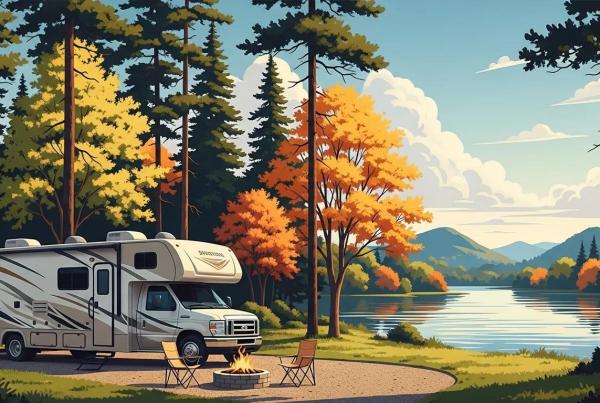
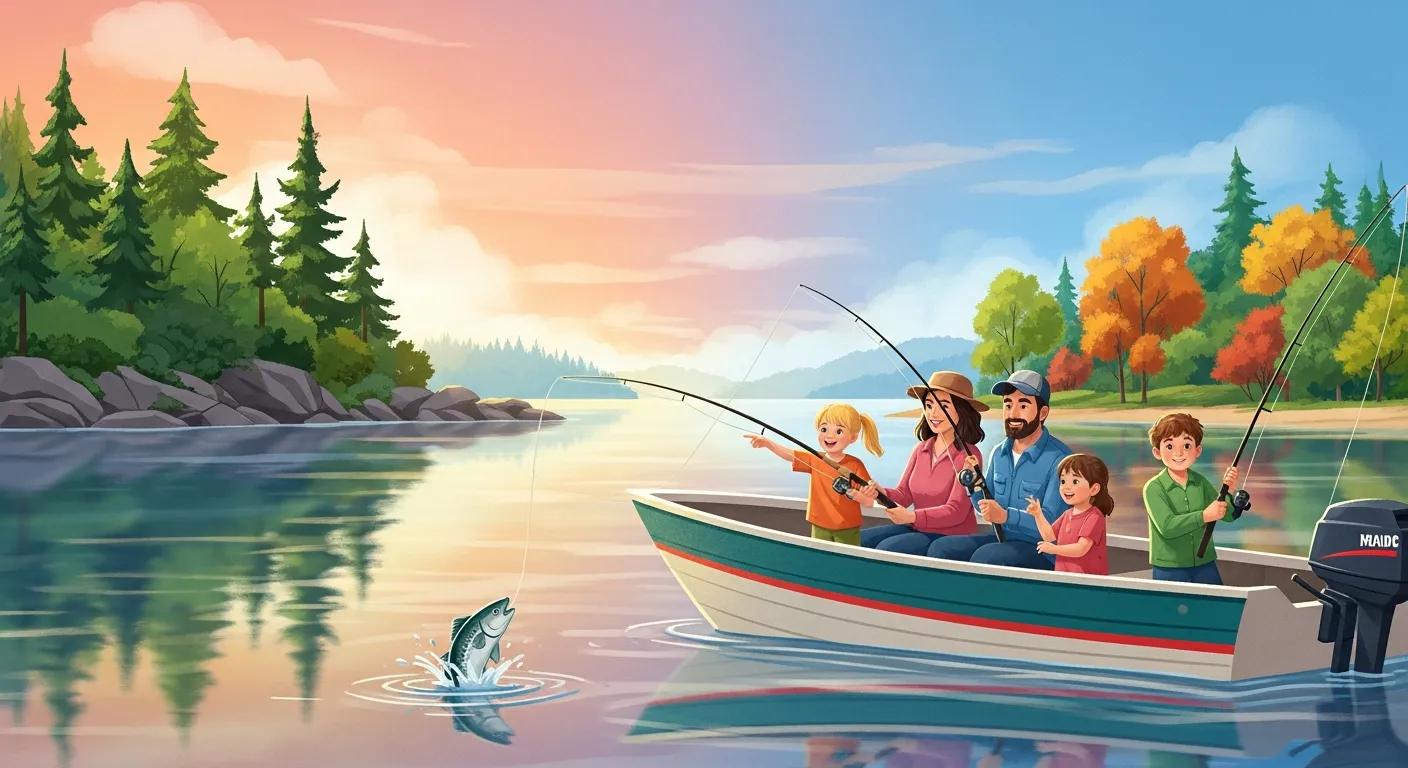
Family-friendly campgrounds create predictable, low-stress places where beginners can learn to fish without the complications of remote lakes or tricky shorelines. Calm, stocked ponds with dock or bank access cut down on casting distance and technical skill, so kids and first-timers catch fish faster and stay engaged. On-site comforts — restrooms, playgrounds, picnic spots, and short trails — make supervision easier and let the whole family mix fishing with other activities. Being close to population centers across Michigan and neighboring states also makes weekend trips realistic, so families can try fishing without committing to a long drive.
The Oaks Campground (part of GatherGrounds Resorts) is a great local example: a large fishing pond that’s easy to fish from the dock or bank, plus playgrounds, golf cart trails, and a swimming lake — all designed with families and new anglers in mind. Pairing pond access with family amenities helps beginners progress naturally. And having a nearby destination like Waterloo State Recreation Area opens up options for short nature walks or extra exploration between fishing sessions.
Together, calm water, supportive amenities, and short travel times create a low-pressure learning environment that builds confidence and invites repeat visits. Next, we’ll cover beginner techniques and rental choices to help your family take the first steps toward a successful fishing weekend.
What Makes The Oaks Campground Ideal for Kids and New Anglers?
The Oaks Campground supports family learning by pairing an easy-to-fish pond with amenities that cut down on logistical stress for parents. A sizable fishing pond with dock and bank options gives kids a stable place to practice casting and reeling, and nearby picnic spots and restrooms make breaks simple. Play areas and golf cart trails keep non-fishing family members close and entertained, which makes supervision straightforward. Being adjacent to Waterloo State Recreation Area adds short-hike opportunities and nature time without long drives — a perfect complement to short fishing sessions for restless kids.
Those features encourage short, repeat visits that speed up skill-building and enjoyment for beginners. Before you go, confirm current rental availability with the campground so you know whether to bring gear or plan to borrow on site.
How Does Proximity to Major Cities Enhance Your Fishing Camping Trip?
When campgrounds sit within a few hours of cities like Detroit, Ann Arbor, or Jackson, fishing becomes a practical weekend activity instead of a major expedition. Shorter drives reduce travel fatigue and make repeat practice trips easy if kids want to return. Being close to urban areas also means better access to last-minute supplies, local tackle shops, and rental options. Quick trips are especially useful for families with young children who benefit from frequent, short outings rather than one long excursion.
Easy access encourages experimentation — families can try short stays, then gradually lengthen trips or try new techniques as interest and skill grow. The next section outlines simple, practical steps to get started with campground fishing.
How to Get Started with Beginner Fishing at Campgrounds with Easy Access?
Beginner fishing at campgrounds starts with choosing calm bank or dock locations, using simple gear setups, and keeping sessions short for kids. Pick shallow, sheltered areas or maintained ponds to reduce current and wind, which makes bites easier to spot and cuts down on tangles. A basic rod-and-reel rigged with a bobber, small hook, and live or artificial bait gives quick feedback and steady catches of panfish and small bass, which accelerates learning. Always prioritize supervision, life jackets for non-swimmers, and checking local rules before the first cast.
Follow this checklist to prepare and run a first fishing session at a campground:
- Pick a calm spot near a dock or bank with clear sightlines and easy entry for children.
- Rig a simple bobber setup: small hook, a split shot if needed, and a float set 2–4 feet above the hook.
- Use child-friendly tackle: short rods, single-hook rigs, and blunt-nose pliers for safe hook removal.
- Limit session length to 30–60 minutes for young children to keep focus and fun.
- Check rules and licenses before fishing and make sure personal flotation devices are on hand near water.
Starting with these basics builds confidence quickly and makes it easy to fold short practice sessions into family camping days. The following section covers simple techniques that work well for beginners, including how to rig a bobber and make safe casts.
What Basic Fishing Techniques Should Beginners Know?
New anglers benefit most from a few simple, repeatable skills that prioritize safety and steady contact with fishable presentations. Rigging a bobber setup is the top starting point: pinch a small split shot 12–18 inches above the hook, tie on a small baited hook, and slide the bobber to the desired depth. For kids, a two-handed underarm or sidearm cast cuts down on tangles and improves accuracy — practice casting to a land target first. Learn a basic knot like the improved clinch knot for secure tackle and practice it a few times before you arrive.
These foundational skills deliver more catches and fewer frustrations, which helps families enjoy repeat sessions and steady progress. Next, we’ll summarize the fish species you’re likely to find at Michigan campground ponds and which baits work best.
Which Fish Species Can You Expect at Michigan Campgrounds?
Small campground ponds in Michigan commonly hold panfish such as bluegill and pumpkinseed, plus largemouth bass and occasionally channel catfish in larger or stocked waters. Bluegill and sunfish are great for beginners — they eagerly take small live baits (worms, crickets) or tiny soft plastics and are a good size for kids learning catch-and-release or photo keepsakes. Largemouth bass bring exciting strikes and can be targeted with slightly bigger soft plastics or small crankbaits, often feeding in the morning and late afternoon. Seasonal patterns vary, but spring through early summer often offers the most consistent pond action.
Different pond species create different learning opportunities:
This quick reference helps beginners pick baits and times that raise their chances of bites while keeping tackle simple and manageable for kids.
What Are the Best Rental Options for Fishing Gear at Family Campgrounds?
Choosing between on-site rentals, local tackle shops, or bringing your own gear depends on convenience, cost, and how often you’ll fish. On-site rentals (if offered) are the most convenient and cut down on packing. Local tackle shops often carry better-quality, kid-size rods and can rig lines for you, while online short-term rentals are useful for specialty items but need advance planning. A basic rental kit typically includes a youth or short rod, a small reel pre-spooled with light line, a handful of hooks and bobbers, and simple instructions — usually enough for first-time anglers and children. Prices and booking methods vary, so confirm availability before you arrive.
Use the table below to compare rental sources quickly.
Local Rentals & On-Site Options: Contact campground staff to confirm whether The Oaks Campground currently offers rod rentals or partners with nearby tackle shops. The Oaks’ public info highlights a large fishing pond but doesn’t list rental specifics, so checking ahead ensures you arrive prepared — either with rented gear or your own equipment.
Where Can Beginners Rent Fishing Equipment Near The Oaks Campground?
If the campground doesn’t rent gear, nearby sporting goods stores and tackle shops are the usual fallback. These vendors commonly offer child-size rods, pre-rigged lines, and helpful staff advice. Call ahead to confirm stock and whether they’ll hold equipment for same-day pickup, and ask about beginner kits that include bobbers and appropriately sized hooks. For families without transport, some shops may offer delivery or pickup arrangements — check logistics before you arrive.
As availability can change seasonally, verify rental partnerships or recommended vendors with The Oaks Campground before your visit so your first fishing session goes smoothly.
Should You Bring Your Own Gear or Rent for a Beginner Fishing Trip?
Bringing your own gear means familiarity and more control over tackle quality, but it adds transport and storage needs. Renting reduces baggage and often includes rods suited for kids, though rental quality can vary. Use this simple rule: if your travel is short and you own compact, portable rods, bring them; if this is a one-off trip or you lack storage, plan to rent.
Pros and cons summary:
- Pros of bringing gear: consistent quality, setups tailored to your kids
- Cons of bringing gear: transport hassle, risk of damage, storage needs
- Pros of renting: convenience, lighter packing, local advice
- Cons of renting: variable quality, limited availability without advance notice
Decide before you travel based on logistics and whether you expect repeat outings — that way you avoid last-minute compromises. Next, confirm Michigan licensing rules for anglers before your trip.
What Are Michigan Fishing License Requirements for Beginner Anglers and Families?
Fishing licenses tell you who needs permission to fish in Michigan waters and where to buy them, ensuring you follow state conservation rules. Generally, adults fishing actively in state waters need a valid fishing license; rules for children and specific exemptions vary, and non-residents commonly need a license too. Licenses are sold through the Michigan Department of Natural Resources (MDNR), which lists current rules, age cutoffs, and purchase options. Check MDNR before your trip to confirm any area-specific exceptions that might apply to campground ponds.
Do Children Need Fishing Licenses in Michigan?
Whether children need a fishing license in Michigan depends on state age rules — some younger kids are exempt while older teens may require licenses. Guardians should check the Michigan Department of Natural Resources for the current age cutoffs, especially if you’re visiting from out of state. Many family-focused campgrounds welcome supervised fishing for young children and can point you to current rules, but the safest plan is to verify MDNR guidelines before your trip and, if unsure, purchase a short-term license for any family members who might require one.
With rules checked, the next section explains how to get a license quickly for your outing.
How to Obtain a Michigan Fishing License for Your Camping Trip?
Buying a fishing license is usually quick through state-authorized channels: the Michigan Department of Natural Resources offers online sales and lists approved retail vendors. You’ll typically need basic ID and residency information when applicable, and licenses are available for one day, multiple days, or annually. For same-day trips, leave a small buffer for processing or stop at a local sporting goods store that sells licenses.
Practically: figure out who needs a license in your party, check MDNR for age and residency rules, and buy the right license in advance to avoid last-minute hassle. With licensing handled, plan safety measures and a daily schedule that mixes fishing with other campground activities.
How to Plan a Safe and Enjoyable Beginner Fishing Camping Trip?
Plan a safe, enjoyable trip by combining basic safety steps, short activity blocks for kids, and a variety of on-site activities. Key safety measures include supervising children near water, using life jackets for non-swimmers, handling hooks and bait away from play areas, and setting clear boundaries for where kids can fish. Alternate fishing sessions with playground or swimming breaks to keep energy and interest high. Pack a small tackle kit, first-aid supplies, sunscreen, and snacks to round out your day.
The list below highlights practical safety steps families should follow at campgrounds to reduce risk and keep fishing fun.
- Supervise children continuously when they’re near the pond or dock to prevent slips and falls.
- Use life jackets for young children and weak swimmers whenever near open water.
- Handle hooks and tackle safely by storing sharp items in closed containers and using pliers for removals.
- Limit session durations for kids to avoid fatigue and keep experiences positive.
- Store bait and tackle securely away from play and food to prevent accidents.
What Safety Tips Should Families Follow While Fishing at Campgrounds?
Adopt a safety-first routine: supervise closely (especially on docks and slippery banks), require life jackets for young or inexperienced swimmers, and teach kids to handle bait and hooks away from others. Keep hooks, lures, and sharp tools in sealed containers, carry a small first-aid kit and insect repellent, and set a simple check-in routine so kids report any problems quickly. These habits lower risk and let your family focus on learning and enjoying nature.
Making safety second nature helps everyone relax and get more out of each fishing session.
Which Family-Friendly Activities Complement Fishing at The Oaks Campground?
Family-focused campgrounds pair fishing with playgrounds, swimming areas, and short trails so everyone can enjoy the day. At The Oaks, plan a morning pond session, take a midday break at the swimming lake or playground to recharge, then try an evening fishing session when fish are often more active. Nearby short hikes in places like Waterloo State Recreation Area offer nature-learning and a change of pace without long travel. The Oaks also notes planned features such as a Wibit water park coming in 2025, which will add even more family recreation on site.
By alternating short fishing periods with play and exploration, families maximize learning time and relaxation during their stay. Next, practical booking tips explain how to reserve a campsite that supports beginner fishing.
How to Book Your Beginner Fishing Camping Trip at The Oaks Campground?
When booking, pick a campsite close to the pond, with restrooms and playgrounds within easy reach to create a beginner-friendly layout. You can reserve through the campground’s website or check its Google Business Profile for availability, site types, and amenities; these channels help you choose a family site near the water. Ask about site placement relative to the pond, whether sites fit small trailers or tents, and whether on-site services like gear rentals or bait sales are available. Because demand and planned attractions can affect availability, booking early in popular months improves your chances of getting a preferred spot.
To finalize your reservation and confirm current services, contact The Oaks Campground (part of GatherGrounds Resorts) through the official reservation channels listed publicly; ask specifically about pond-side site options and any on-site fishing rentals or nearby partnerships. While you’re on the call, check on nearby attractions like Waterloo State Recreation Area and the planned Wibit water park for 2025 — those details can help you pick the best dates to visit.
What Are the Reservation Options and Amenities Available?
Reservation options usually include online booking through the campground’s site, checking the public business listing, or calling the reservation system. Each channel shows site types and amenity details. For beginner fishing families, confirm pond access or dock proximity, restroom and shower facilities within a short walk, playgrounds or swim areas for non-fishing kids, and any on-site or partner rental arrangements for rods and tackle. When reserving, ask whether specific sites are quieter or closer to the pond to minimize walking and make supervision simpler.
Verifying these amenity details before arrival ensures your chosen site supports a relaxed first fishing experience. The final section explains timing tips to increase your chances of successful and comfortable pond fishing.
When Is the Best Time to Visit for Beginner Fishing Experiences?
For pond fishing aimed at beginners, spring through early summer typically brings the most consistent activity as fish feed after cooler months. Early morning and late afternoon are often the most productive times. Scheduling morning sessions avoids midday heat and tends to offer calmer water for teaching casting and bite detection. Late afternoon sessions work well after naps or plenty of play, and splitting fishing into two short sessions per day keeps kids engaged. If you prefer quieter conditions, avoid peak holiday weekends — midweek or shoulder-season visits usually feel more peaceful for beginners.
Timing your trip around these seasonal and daily rhythms increases the chance of enjoyable catches while keeping sessions short and family-friendly. Once you’ve reserved your site and picked dates, you’re ready to finalize gear and safety plans for the trip.
Frequently Asked Questions
What are the best practices for teaching kids to fish?
Teaching kids to fish works best when you keep things simple and fun. Start with easy skills like casting and reeling on a lightweight rod that suits their size. Use simple bait such as worms or small lures to boost catch rates. Keep sessions short (about 30–60 minutes) to hold attention. Turn practice into a game — for example, who can catch the first fish — and always make safety the priority: supervise closely and have life jackets on hand near water.
What should families pack for a beginner fishing trip?
Pack the essentials for a smooth beginner fishing day: a small tackle box with hooks, bobbers, and bait; a first-aid kit; sunscreen, insect repellent, and hats; snacks and water; and a blanket or chairs for breaks. Don’t forget life jackets for children and any required fishing licenses to comply with local rules.
How can families ensure a successful fishing experience?
Choose an easy location like a calm pond, arrive early to avoid crowds, and use simple gear and techniques. Be patient as kids learn, encourage them to notice the surroundings, and set realistic expectations about catches. Build in play or exploration breaks so kids stay engaged, and celebrate small wins to keep enthusiasm high.
What are some common mistakes beginners make while fishing?
Beginners sometimes use overly complicated gear or techniques that lead to frustration, forget to check local rules or licensing, or pick the wrong bait for the species they want. Loud behavior can spook fish, and impatience often undermines a good session. Learning these basics ahead of time helps improve the experience quickly.
How can families balance fishing with other campground activities?
Plan a flexible day: fish during peak times (early morning or late afternoon) and schedule swimming, hiking, or playground time during midday. Rotating activities keeps kids rested and interested, and lets everyone enjoy their favorite parts of the trip while still spending time together.
What should families do if they encounter bad weather during their trip?
Put safety first: seek shelter in a tent or cabin during thunderstorms or heavy rain and postpone fishing. Use bad-weather time for indoor games, reading, or storytelling. Check forecasts before you go and have backup activities planned so the trip stays fun even if the weather turns.
Conclusion
Family-friendly fishing in Michigan makes it easy for beginners to learn in a safe, enjoyable setting. With accessible campgrounds, helpful amenities, and a variety of pond species, families can build skills and memories together. Plan a trip that mixes short fishing sessions with play and exploration, check rentals and license rules ahead of time, and focus on safety to keep things fun for everyone. Ready to get started? Explore our recommended campgrounds and local resources to plan your next family fishing outing.