

Maximize Your Profit: Key Advantages of Using a Broker for Campground Sales
Selling a campground is a complex commercial transaction that requires specialized valuation, targeted marketing, and skilled negotiation to maximize net proceeds. This article explains how a campground broker operates, why brokers often increase sale price and close deals more efficiently, and how sellers can prepare to capture the most value from a sale. Owners will learn the core services brokers provide, the ways brokers connect sellers to qualified buyers and lenders, and practical preparation steps that improve buyer interest and pricing. We also compare broker-assisted sales to independent listings and direct sales to family-owned buyers, and we outline legal, financial, and regulatory supports a broker coordinates during a transaction. Finally, the guide offers actionable next steps to select representation or pursue alternative paths while preserving the property’s legacy. Throughout, keywords like campground sales valuation, campground broker vs direct sale, and campground due diligence checklist are used to help owners navigate exit-strategy planning and RV park selling guidance.
What Is a Campground Broker and How Can They Help You Sell?
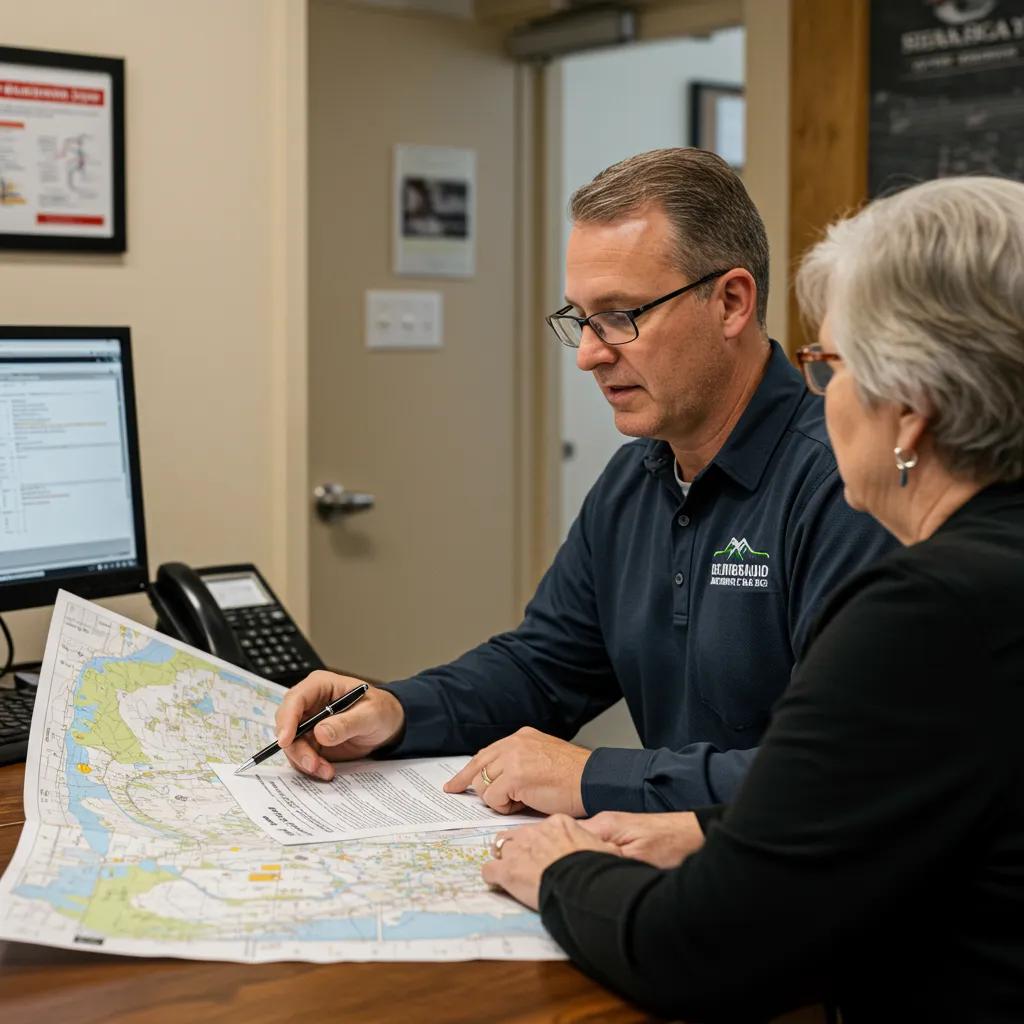
A campground broker is a specialist intermediary who markets campground and RV park properties, matches sellers to qualified buyers, and manages the transaction to maximize sale proceeds. Brokers work by combining market knowledge, buyer networks, and targeted marketing to create competitive tension that typically drives higher offers and better terms. The primary benefit to a seller is professional price discovery plus a managed process that reduces distraction and legal/financial risk. Below we outline core services that define campground broker services and explain how those services translate into higher net proceeds for sellers.
Who is a campground broker and what services do they provide?
A campground broker is a niche real estate professional focused on hospitality acquisitions, commercial real estate sales, and business brokerage for campgrounds and RV parks. They provide listing documentation, a campground valuation service, targeted marketing materials, buyer qualification and vetting, negotiation and deal structuring, and coordination of due diligence and closing paperwork. Brokers often create offering memoranda and confidential marketing packages to attract owner-operators, investors, and institutional buyers. These services help sellers by reducing time-on-market and improving the quality of offers, which in turn supports a higher net sale price and smoother transaction.
How do campground brokers connect sellers with qualified buyers?
Brokers connect sellers to buyer networks that include individual owner-operators, private investors, portfolio buyers, and institutional capital interested in hospitality acquisitions. They use mechanisms like private broker networks, industry conference outreach, targeted email campaigns, and confidential listings on niche platforms to reach qualified leads. Qualification criteria typically include proof of financing, relevant operational experience, and strategic fit with property size and amenities. By pre-screening buyers for financial capability and operational intent, brokers reduce wasted diligence and help sellers move toward qualified offers more quickly.
What expertise do brokers bring to campground sales negotiations?
Campground brokers apply negotiation levers such as comparable sales analysis, income-based valuation (cap rates, NOI), contingency negotiation, and creative deal structuring (earn-outs or seller financing) to extract higher offers and improve terms. Their experience allows them to present revenue-based valuation metrics—like occupancy-adjusted site rates and ancillary revenue streams—to justify premium pricing. Brokers also manage timeline expectations and balance buyer contingencies against the seller’s need for certainty, which preserves negotiating leverage. This negotiation expertise often converts preliminary interest into closed deals with stronger net proceeds for sellers.
After reviewing broker services and buyer networks, some owners prefer an alternative path: selling directly to a family-owned purchaser that buys and operates campgrounds. GatherGrounds Resorts is a family-owned company that acquires and operates campgrounds and RV parks, primarily in the upper Midwest, focusing on thoughtful transitions that preserve a property’s legacy. For owners seeking a streamlined, direct-acquisition option that avoids intermediaries and commission costs, a confidential conversation with a family-owned buyer can be a practical alternative to listing with a broker.
How Does Using a Broker Maximize Your Campground Sale Profit?
Using a broker can increase total sale proceeds by widening the buyer pool, improving valuation accuracy, and negotiating stronger deal terms that capture value beyond headline price. Brokers identify and present revenue drivers—such as nightly rates, occupancy trends, and ancillary income—that justify higher offers. They also create competitive tension among qualified buyers, which typically produces above-market bids when executed well. Below is a focused comparison of broker services translated into value, with attributes that show why broker-assisted sales often produce better net outcomes for sellers.
Introductory table comparing broker services to value outcomes:
This table shows how broker activities translate into causal financial benefits for sellers and why commission costs can be offset by higher sale prices. Brokers typically justify fees through measurable uplifts in price and deal certainty.
What are the financial benefits of selling through a campground broker?
Selling through a campground broker often yields a higher gross sale price due to targeted marketing and competitive bidding, which typically increases net proceeds even after commission. Brokers add measurable value by documenting income streams—like nightly rates, seasonal occupancy, and ancillary sales—and translating them into income-based valuation multiples familiar to hospitality acquisitions. Examples of broker-driven financial benefits include securing multiple qualified offers, negotiating better earnest-money terms, and reducing seller concessions during due diligence. These outcomes together increase the likelihood that a seller’s net proceeds after commission exceed what an independent sale would net.
How do brokers help with accurate campground valuation?
Brokers apply valuation methodologies such as the income approach (capitalizing NOI), comparable sales analysis, and replacement cost calculations to create robust price expectations. They incorporate campground-specific inputs—site count, occupancy rates, seasonal demand patterns, utility costs, and ancillary revenue sources like store or campground services—into models that prospective buyers respect. Accurate valuations reduce lowball offers and speed negotiations by aligning seller and buyer expectations. Brokers also use market data to adjust for local demand and regulatory constraints, producing a defensible asking price that improves final sale outcomes.
Can brokers negotiate better terms and faster closings?
Brokers accelerate closings by vetting buyers up front, managing documentation flows, and coordinating third parties—attorneys, title companies, and lenders—to limit delays. Their negotiation skills help secure favorable terms such as shorter inspection periods, higher deposits, and clearer contingency language that protects seller interests. Experienced brokers balance speed with price, sometimes advising sellers to accept slightly lower price for faster, more certain closings depending on seller priorities. Efficient timeline management and stronger contractual protections typically reduce transaction risk and increase net value for the seller.
This EAV-style table clarifies how broker roles map to transactional outcomes, emphasizing that negotiation competence directly affects seller proceeds and risk exposure.
What Are the Main Differences Between Selling With a Broker vs. Independently?
Choosing between a broker-assisted sale, an independent sale, or a direct sale to a buyer affects reach, timing, fee exposure, and control. Brokers offer listing reach, valuation guidance, and transactional experience that tend to improve sale price but come with commission costs and potential confidentiality tradeoffs. Independent sales give sellers full control and avoid commission, but they require time, marketing knowledge, and negotiation skill that many owners lack. Direct sales to a specialized buyer, such as a family-owned acquirer, may offer speed and legacy-preservation benefits but can limit price discovery from broader markets.
What are the pros and cons of using a campground broker?
Brokers provide benefits like expanded buyer reach, professional valuation, confidential marketing, and negotiation expertise, which together often raise net proceeds. However, brokered transactions typically involve commission fees and may extend the calendar as brokers seek optimal offers. Sellers should weigh the higher probability of elevated pricing against the fee structure, and consider whether they want the broker to handle buyer screening and public marketing. For many owners, the reduction in operational distraction and legal coordination is a decisive benefit that offsets commission costs.
- Brokers offer expanded buyer reach and professional transaction management.
- Brokers charge commission fees and may lengthen marketing timelines.
- Brokers reduce seller workload and coordinate complex legal and financial tasks.
The summary insight is that brokers trade fees for market access and transactional expertise; sellers who value both price maximization and a managed sale process often benefit from broker representation.
How does selling directly to a buyer differ from broker-assisted sales?
Selling directly to a buyer simplifies the process by removing intermediaries, often shortening the timeline and limiting confidentiality concerns. Direct buyers may offer a quicker close and fewer marketing requirements, but sellers may forgo broader market price discovery that competitive bidding provides. The tradeoff is speed and certainty versus potential price uplift from multiple bidders. Sellers should evaluate priorities—maximizing net proceeds or minimizing transition complexity—when considering direct-sale offers.
What fees and commissions should sellers expect with brokers?
Brokers commonly charge a commission based on sale price; structures vary but typically reflect a percentage of gross sale proceeds. These fees cover listing preparation, marketing materials, buyer outreach, negotiation, and transaction coordination. Sellers should request a clear fee schedule and scope of services during broker selection and compare projected net proceeds after commission under realistic sale scenarios. Transparent fee models help sellers determine whether broker-assisted price uplifts justify the commission.
How does control over the sale process vary between options?
Control considerations include confidentiality, buyer selection, timing, and deal structure; brokers typically balance seller control with market exposure, using confidential marketing to protect operations while courting buyers. Independent sellers retain full control over buyer outreach and terms but must manage legal risk and buyer vetting. Direct buyers may impose terms that favor a faster, simpler transition while offering limited negotiation on price. Sellers should use a checklist of priorities—speed, price, confidentiality, and legacy preservation—to select the path that aligns with their objectives.
This comparison clarifies tradeoffs among reach, cost, and timing to help sellers weigh their options realistically. When considering a direct sale to a family-owned buyer, sellers should evaluate legacy-preservation priorities against potential price discovery benefits.
After this comparison, owners often want a concise options list when deciding how to proceed. One alternative is to contact a family-owned buyer for a confidential conversation about a direct acquisition, alongside interviewing brokers or preparing an independent sale plan. GatherGrounds Resorts, a family-owned company purchasing campgrounds primarily in the upper Midwest, positions itself as a direct buyer option focused on thoughtful transitions that preserve property legacy while avoiding intermediaries.
How Do Campground Brokers Support Legal and Financial Aspects of Sales?
Brokers coordinate the legal and financial workflow of a campground sale by preparing and managing documents like confidentiality agreements, letters of intent, purchase agreements, title and escrow instructions, and due-diligence packages. They act as the central coordinator between attorneys, accountants, lenders, and title companies to ensure timing and document accuracy. This reduces legal risk and helps sellers respond quickly to buyer requests, improving the likelihood of a clean closing. Below is a table mapping key transactional documents to broker responsibilities and expected timing.
This EAV mapping demonstrates how brokers reduce operational friction by actively managing document flows and coordinating advisors, which helps maintain momentum and protect seller interests during a sale.
What legal documents and contracts do brokers help manage?
Brokers typically manage NDAs, offering memoranda distribution, LOIs, purchase agreements, escrow and title instructions, and the organization of due-diligence deliverables such as surveys and environmental reports. They ensure documents are executed in the correct sequence and liaise with counsel to surface issues early. By managing these documents, brokers help prevent last-minute surprises and renegotiations that can erode sale proceeds. Sellers benefit from a single point of coordination that reduces legal confusion and speeds resolution of transactional issues.
How do brokers assist with financial planning and tax implications?
Brokers advise sellers to engage tax advisors and accountants early, helping package financials—P&Ls, occupancy reports, and reservation exports—in investor-friendly formats. They highlight key tax considerations such as capital gains treatment and possible tax-deferral strategies while referring sellers to qualified advisors for specific guidance. By preparing clean, well-documented financials, brokers improve buyer confidence and reduce valuation disputes that could lower offers. Early coordination with tax professionals helps sellers plan for post-sale financial outcomes and potential tax liabilities.
What role do brokers play in navigating zoning and regulatory requirements?
Brokers identify common regulatory risks—zoning nonconformities, septic or water permits, environmental restrictions—and advise sellers on documentation to disclose and remediate issues. They coordinate specialist reports, like environmental site assessments or permit histories, and flag regulatory items to buyers to avoid last-minute contingencies. Proactive regulatory due diligence prevents surprises that can delay or derail a transaction and provides buyers confidence that supports stronger offers. Sellers who resolve or transparently disclose regulatory issues typically reduce negotiation risk and preserve sale value.
How Can You Prepare Your Campground for Sale to Maximize Broker Benefits?

Seller preparation materially affects how a broker markets the property and the price buyers are willing to pay. Preparing a campground includes physical improvements, organized financials, and producing high-quality marketing materials that highlight revenue drivers. Brokers rely on sellers to supply accurate operational data and visual assets, and they will package this information into an offering memorandum that targets the right buyer types. Below are practical steps that improve buyer interest and maximize the broker’s effectiveness.
What improvements increase campground appeal to buyers?
Targeted, high-ROI improvements include site resurfacing or hookup upgrades, repairing or upgrading utility infrastructure, refreshing amenity areas (bathhouses, playgrounds), and improving signage and curb appeal. Enhancing reservation systems and demonstrating documented occupancy increases or marketing improvements also enhances perceived value. Prioritize improvements that directly increase nightly rates, occupancy, or ancillary revenue to maximize return on investment. Sellers should consult with brokers to determine which upgrades will have the greatest effect on valuation for their specific market segment.
- Focus on infrastructure fixes that directly affect guest experience and revenue.
- Prioritize upgrades that allow for higher nightly rates or better occupancy.
- Document improvements with receipts and before/after photos to show impact.
These prioritized improvements help brokers craft compelling narratives and justify higher asking prices to qualified buyers.
How should financials and records be organized for broker review?
Organize financial statements into clear categories: historical P&Ls for at least three years if available, occupancy and ADR (average daily rate) trends, reservation system exports, utility and maintenance costs, and ancillary revenue breakdowns. Provide exhibits and source data so a broker and potential buyer can verify claims quickly. Clean, well-annotated financials shorten due diligence periods and strengthen buyer confidence, often translating into firmer offers. Sellers who prepare organized financial packages enable brokers to present the property more persuasively to the marketplace.
What marketing materials do brokers use to promote your campground?
Brokers assemble an offering memorandum that includes a property overview, financial summary, market analysis, photos, site maps, and a description of revenue streams and operational systems. Virtual tours, high-quality photographs, and tailored outreach to buyer lists are also common. Sellers should provide updated photos, amenity lists, and any operational manuals to help brokers craft a professional marketing package. Well-curated marketing materials increase buyer engagement and enable brokers to attract higher-quality, motivated offers.
This table emphasizes the collaborative nature of marketing preparation between the seller and broker, and how seller-supplied assets amplify broker reach and effectiveness.
After preparing materials, sellers who prefer a direct-sale path should note that family-owned buyers like GatherGrounds Resorts typically request the same core documentation—financials, site maps, and operational details—during evaluation, which reassures owners that preparation benefits multiple exit strategies.
Why Choose a Specialized Campground Broker Over General Real Estate Agents?
Specialized campground brokers bring industry-specific knowledge—seasonality patterns, ancillary revenue drivers, site-count economics, and operational cost structures—that general agents may not understand. This niche expertise influences valuation accuracy, buyer targeting, and negotiation strategy in ways that often yield superior outcomes. Specialized brokers also maintain curated buyer networks and marketing channels focused on hospitality acquisitions, which improves match quality and reduces time spent vetting unsuitable leads.
What industry knowledge sets campground brokers apart?
Campground brokers understand occupancy drivers such as location-specific seasonality, event-based demand, and the importance of ancillary revenue streams like store sales or equipment rentals. They know how site mix, hookup types, and permit constraints affect both valuation and buyer interest. This operational knowledge allows brokers to present revenue metrics that buyers recognize, improving price justification and matching the property with buyers who can operate it successfully. Accurate industry insight translates to better valuation and fewer renegotiations.
How do specialized brokers access niche buyer networks?
Specialized brokers cultivate lists of owner-operators, strategic investors, and institutional buyers through industry conferences, targeted outreach, and long-term relationships. They use niche marketing channels and confidential outreach to reach buyers who specifically seek campground or RV park assets. This targeting reduces time wasted on unqualified leads and increases the probability of multiple competitive offers. Niche buyer networks improve match quality by aligning buyer operational capabilities with property characteristics.
What success stories demonstrate broker value in campground sales?
Anonymized case outcomes typically show broker-assisted sales achieving higher sale prices and cleaner closings than independent efforts. In examples where brokers generated multiple qualified bids, sellers captured premium pricing and negotiated favorable contingencies, resulting in higher net proceeds. Other cases demonstrate brokers resolving regulatory issues prior to closing, preventing deal erosion. These outcomes illustrate how market expertise and process management translate into measurable seller benefits.
What Are the Next Steps to Engage a Campground Broker and Start Selling?
Deciding how to sell begins with evaluating goals—maximizing price, minimizing time, preserving legacy—and selecting an approach that aligns with those priorities. Sellers should interview multiple brokers, request references and sample offering memoranda, and clarify fee structures and marketing plans. Other options include preparing an independent sale plan or initiating confidential discussions with a direct buyer. Below is a practical checklist and timeline to guide engagement and ensure a smooth transition that preserves the property’s legacy.
How do you select the right campground broker for your property?
Select a broker based on track record with similar properties, local market expertise, buyer network depth, transparency of fees, and communication style. Ask for recent case studies, references from prior sellers, and sample marketing materials. Interview prospective brokers using consistent questions about strategy, timeline, and buyer qualification processes. A selection checklist helps ensure the broker’s approach aligns with your objectives, whether that is maximizing sale price or ensuring a thoughtful transfer of ownership.
- Request case studies and references from comparable sales.
- Confirm the broker’s buyer network includes owner-operators and investors.
- Clarify fee structure and services included in the engagement.
A disciplined selection process increases the likelihood of hiring a broker who can deliver on the seller’s specific priorities.
What is the typical broker engagement and sales process timeline?
A typical process includes initial valuation and engagement (2–4 weeks), offering memorandum preparation and confidential marketing (4–8 weeks), buyer selection and LOI negotiation (2–6 weeks), due diligence and purchase agreement negotiation (6–12 weeks), and closing (2–4 weeks). Timelines vary with property complexity, financing contingencies, and regulatory issues. Brokers manage these stages and coordinate third-party advisors to keep momentum and reduce time-to-close when possible. Clear timeline expectations set at engagement help prevent surprises and align seller and broker efforts.
How can you ensure a smooth transition preserving your campground’s legacy?
To preserve legacy, sellers can negotiate transition commitments—staff retention clauses, staged operational handovers, or community engagement plans—into the purchase agreement. Documenting the property’s history, operational practices, and community relationships helps a buyer maintain continuity. Sellers should discuss legacy preferences early with potential buyers and brokers to identify candidates aligned with those values. A well-structured transition plan and clear contractual commitments increase the likelihood that the campground’s heart and soul endure under new ownership.
When evaluating next steps, sellers can choose to hire a specialized campground broker, attempt an independent sale, or begin confidential discussions with a family-owned direct buyer. For owners seeking a no-pressure direct-acquisition conversation that emphasizes thoughtful transition, contacting a family-owned buyer familiar with preserving property legacies—like GatherGrounds Resorts—can be an effective alternative to a full brokered process.
Frequently Asked Questions
What should I consider when preparing my campground for sale?
When preparing your campground for sale, focus on enhancing its appeal through targeted improvements, organizing financial records, and creating high-quality marketing materials. Key upgrades might include infrastructure repairs, amenity enhancements, and aesthetic improvements that can increase nightly rates and occupancy. Additionally, ensure that your financial statements are clear and well-documented, as this will help brokers present your property more effectively to potential buyers. A well-prepared campground can attract higher offers and facilitate a smoother sales process.
How can I ensure my campground is valued accurately?
To ensure accurate valuation of your campground, work closely with a specialized broker who understands the nuances of the industry. They will utilize various valuation methods, including the income approach and comparable sales analysis, to establish a fair market price. Providing detailed operational data, such as occupancy rates and revenue streams, will also help brokers create a robust valuation model. Accurate valuations not only attract serious buyers but also minimize the risk of lowball offers during negotiations.
What are the common pitfalls to avoid when selling a campground?
Common pitfalls when selling a campground include inadequate preparation, lack of transparency in financials, and failing to engage a knowledgeable broker. Sellers often underestimate the importance of organized documentation and may overlook necessary improvements that could enhance property value. Additionally, not disclosing regulatory issues or operational challenges can lead to renegotiations or deal failures. To avoid these pitfalls, ensure thorough preparation, maintain open communication with your broker, and be proactive in addressing potential concerns.
How do I choose between a broker and a direct sale to a family-owned buyer?
Choosing between a broker and a direct sale involves weighing your priorities. If maximizing sale price and accessing a broader buyer pool are your goals, a broker may be the better option. However, if you prioritize speed and simplicity, a direct sale to a family-owned buyer could be advantageous. Consider factors such as your willingness to manage the sales process, the importance of confidentiality, and your long-term goals for the property. Each option has its benefits and trade-offs, so assess what aligns best with your objectives.
What role do brokers play in managing the sales process?
Brokers play a crucial role in managing the entire sales process, from initial valuation to closing. They coordinate documentation, facilitate communication between parties, and ensure compliance with legal and regulatory requirements. Brokers also help sellers navigate negotiations, manage timelines, and address any issues that arise during due diligence. Their expertise reduces the operational burden on sellers, allowing them to focus on their next steps while ensuring a smoother transaction overall.
What are the benefits of using a specialized campground broker over a general real estate agent?
Specialized campground brokers possess industry-specific knowledge that general real estate agents may lack, including insights into seasonal demand, revenue drivers, and operational costs unique to campgrounds. This expertise allows them to provide more accurate valuations, target the right buyers, and negotiate effectively. Additionally, specialized brokers have established networks within the campground and RV park industry, which can lead to quicker sales and better offers. Their focused approach often results in superior outcomes for sellers compared to general agents.
How can I ensure a smooth transition for the new owner of my campground?
To ensure a smooth transition for the new owner, consider negotiating transition commitments into the purchase agreement, such as staff retention clauses or staged operational handovers. Documenting the campground’s history, operational practices, and community relationships can help maintain continuity. Discuss your legacy preferences with potential buyers early in the process to identify candidates who align with your values. A well-structured transition plan increases the likelihood that the campground’s legacy will be preserved under new ownership.
Conclusion
Utilizing a specialized campground broker can significantly enhance your sale outcomes by leveraging their industry expertise, extensive buyer networks, and negotiation skills. This approach not only maximizes your net proceeds but also streamlines the complex sales process, allowing you to focus on your next steps. If you’re ready to explore your options, consider reaching out to a qualified broker or a family-owned buyer like GatherGrounds Resorts for a confidential discussion. Take the first step towards a successful sale today.