Is an Appraisal Essential for Accurately Valuing Your Campground or RV Park?
An appraisal is a professional estimate of a property’s market value that uses data, inspection, and analytical approaches to produce a defensible number; whether it is essential for accurately valuing your campground or RV park depends on the transaction context, financing needs, and buyer type. This article explains what appraisal means for campground owners, how valuation methods such as the income approach, comparable sales, and cost approach work in 2025, and when a formal appraisal adds measurable value versus faster, confidential alternatives. Owners will learn which financial documents and property improvements most influence Net Operating Income (NOI) and cap rate calculations, how current 2025 trends like glamping and EV charging affect per-site values, and practical steps to prepare for sale. We will also compare brokered sales to direct acquisition paths, outline typical appraisal costs and timelines, and show how a specialized buyer’s internal valuation can offer a smooth, stewardship-focused option. Read on for actionable checklists, three EAV tables for quick comparison, and targeted guidance to help you decide whether a formal appraisal is the right path for your exit strategy.
Why Is Accurate Valuation Crucial When Selling Your Campground or RV Park?
Accurate valuation is the foundation for maximizing proceeds, aligning tax and retirement planning, and positioning a campground competitively in the market. A precise value reflects Net Operating Income, market expectations, and amenity premiums so sellers can set a price that attracts qualified buyers while retaining negotiation leverage. Overpricing can prolong listing times and increase holding costs, while underpricing leaves money on the table and risks shortchanging retirement plans. Accurate valuation also enables clearer conversations with lenders, brokers, and buyers, improving trust and reducing contingency-driven renegotiations.
What financial rewards flow from precise pricing become clear when we examine seller proceeds and planning in detail.
What Financial Benefits Does Accurate Valuation Provide to Campground Owners?
Accurate valuation directly increases the likelihood of achieving fair market price and optimizes proceeds by matching buyer expectations to the campground’s income profile. By properly calculating NOI and selecting an appropriate cap rate, owners can quantify how a small cap-rate improvement materially increases sale proceeds, which helps with retirement and tax planning decisions. Accurate valuation reduces carrying costs by shortening time on market and lowers the chance of price reductions that erode returns. Proper valuation also clarifies which capital expenditures will yield the best return before sale, enabling targeted investments that improve net proceeds.
These financial effects naturally lead into how valuation influences buyer interest and negotiation dynamics.
How Does Valuation Affect Buyer Attraction and Negotiation?
Valuation shapes buyer perception: a defensible, transparent price attracts qualified buyers and reduces lowball offers that waste seller time. Well-documented valuation—supported by clear NOI figures, comparables, and amenity impact—builds buyer confidence and shortens due diligence cycles. Conversely, vague or aggressive pricing prompts skepticism, more contingencies, and tougher negotiations that diminish seller leverage. Sellers who present normalized financials and amenity-driven rationale command stronger, cleaner offers and often secure faster closings.
A clear valuation framework also helps sellers choose between valuation methods and understand 2025 benchmarks.
What Are the Common Campground Valuation Methods Used in 2025?

Valuation for campgrounds and RV parks in 2025 typically follows three primary approaches—income approach, comparable sales, and cost approach—each using different data to estimate market value and serving distinct transaction needs. The income approach focuses on stabilized Net Operating Income and an appropriate capitalization rate to convert earnings into a value; comparable sales anchor value to recent traded assets adjusted for site count and amenities; and the cost approach measures replacement cost less depreciation, useful for unique or new builds. Selecting the right method depends on data availability, property type, and buyer expectation, and many valuations use a weighted reconciliation of all three.
Below is a concise comparison table to quickly show how each approach evaluates campground assets.
This comparison highlights why the income approach often dominates for operational parks, while comps and cost can validate or adjust results.
How Does the Income Approach Use Net Operating Income and Cap Rate?
The income approach converts stabilized Net Operating Income into value using Value = NOI / Cap Rate, where NOI reflects revenue minus operating expenses before debt service and capex normalization. In practical terms, sellers should present 3 years of P&L to show trends and normalize one-off owner benefits to reach a representative NOI. Cap rate selection in 2025 depends on location, amenity mix, and perceived growth—typical guidance centers around an 8–10% range for many campground assets, though local risk can shift that band. A worked example: a $200,000 NOI at an 8% cap rate implies a $2.5M value, illustrating how small cap-rate changes materially affect proceeds.
Understanding NOI and cap rates frames the choice between approaches and comp data.
What Role Do Comparable Sales Play in Determining Market Value?
Comparable sales anchor valuation to actual market transactions by adjusting sale prices for differences in site count, amenities, revenue profile, and location; they are vital when a local market is active. Sources for comps include brokerage records, industry transaction reports, and local market intelligence; adjustments account for amenity premiums like cabins or glamping, differences in infrastructure, and transient vs. permanent site mixes. Comps are less reliable when trades are scarce or not directly comparable, and in those cases buyers often lean more heavily on income metrics. Properly applied, comparables validate or moderate income-based valuations and provide market context for negotiation.
When comps are limited, the cost approach can sometimes provide a reality check.
When Is the Cost Approach Relevant for Campground Valuation?
The cost approach values a property by estimating replacement cost of improvements minus accrued depreciation and then adding land value; it is most relevant for new developments, properties with unique non-income-producing structures, or when comps and stable income data are lacking. For operating campgrounds, the cost approach rarely dictates final price because buyer value is primarily tied to cash flow rather than replacement cost. However, it is useful to quantify the economic threshold for rebuilding after major losses or to understand the underlying asset base when considering substantial capital projects. In practice, appraisers and buyers use the cost approach as a check rather than the primary valuation for going concerns.
With methods explained, owners frequently ask whether a formal appraisal is necessary for their sale.
Is a Formal Appraisal Necessary to Accurately Value Your Campground or RV Park?
A formal appraisal is a documented, third-party opinion of value prepared by a licensed appraiser using established methodologies, and it becomes necessary when a lender, an investor, or a court requires an independent value or when the seller seeks a defensible, market-oriented benchmark. The appraisal adds credibility, especially for financed transactions where underwriters demand vetted valuation; however, appraisals come with fees and timelines that some private sales or direct buyer transactions may avoid. Alternatives like broker opinion, internal buyer valuation, or a hybrid limited appraisal can provide speed and confidentiality with varying confidence levels. Deciding whether a formal appraisal is essential depends on financing, buyer requirements, desired speed, and tolerance for upfront costs.
The next paragraphs outline what a traditional appraisal involves, alternatives sellers can use, and how a direct buyer can simplify the valuation process.
What Does the Traditional Appraisal Process Involve and What Are Its Costs?
A traditional appraisal involves data collection, a physical site inspection, financial review and normalization, selection of appropriate approaches (income, comps, cost), reconciliation of indicated values, and preparation of a formal report with supporting analysis. Appraisal fees vary based on complexity, asset size, and required report detail; smaller rural campgrounds may pay lower fees while large parks with multiple income streams command higher fees and longer timelines. Typical appraisal engagements take several weeks from engagement to report delivery due to data gathering, market research, and review cycles. Sellers should budget for the fee and allow time for document assembly, and should consider whether the appraisal’s rigor aligns with their transaction needs.
Understanding these steps helps sellers decide whether faster alternatives fit their timeline or objectives.
What Are the Alternatives to Formal Appraisals for Sellers?
Sellers can use broker valuation opinions, internal buyer valuations, or limited appraisal reports as alternatives that balance speed, cost, and confidentiality. Broker opinions provide market exposure and access to broader buyer pools but may require commissions and longer marketing periods; internal buyer valuations—performed by specialized acquirers—are faster and confidential yet depend on buyer-specific return models. Hybrid approaches, such as a restricted or focused appraisal, offer a middle ground with quicker delivery and lower cost but may carry limits on defensibility for lenders. Choosing the right alternative depends on whether the sale requires formal financing, broad market competition, or a rapid, confidential transition.
These alternatives lead into a practical example of a direct buyer option tailored for campground owners.
How Does Selling Directly to GatherGrounds Resorts Simplify Valuation?
Selling directly to GatherGrounds Resorts streamlines valuation by using the buyer’s internal valuation framework—focusing on NOI, amenity premiums, and stewardship adjustments—so sellers often avoid upfront appraisal fees and prolonged market exposure. GatherGrounds Resorts emphasizes direct communication with owners, transparent valuation rationale, and a faster timeline that reduces listing uncertainty while prioritizing preservation of property character. For owners of parks that match the buyer profile, the direct acquisition path can shorten negotiations, limit disruption to guests and staff, and deliver certainty versus a drawn-out brokered campaign. Those interested in exploring this path can request a no-obligation conversation about the acquisition of campgrounds and RV parks from owners to better understand preliminary valuation and transition planning.
After valuation mechanics, owners should know which property attributes most influence value.
What Key Factors Influence the Value of Your Campground or RV Park?
Several core factors determine campground value: location and access, site count and configuration, the amenity mix (cabins, glamping, RV hookups, EV charging), infrastructure condition, and historical financial performance captured by NOI. Market context such as nearby attractions, regional demand trends, and demographic shifts in 2025 also influence cap rate selection and per-site benchmarks. Regulatory environment, zoning, and the presence of encumbrances or conservation easements can constrain value, while strong guest loyalty and documented recurring revenue streams increase buyer confidence. Understanding the relative impact of each attribute helps sellers prioritize investments that produce the best valuation uplift.
The table below summarizes common attributes and their typical impact on value to guide seller decisions.
How Do Location and Amenities Affect Campground Market Value?
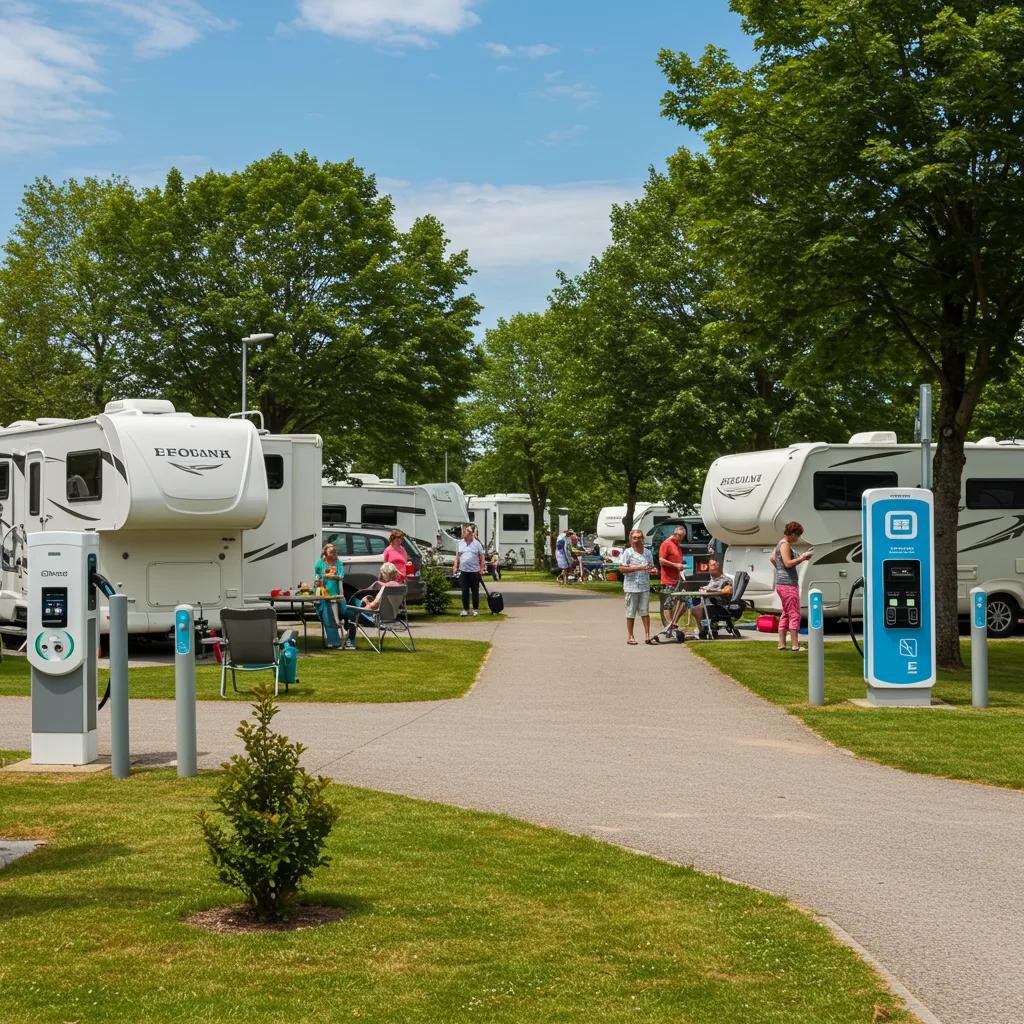
Location determines baseline demand: parks near recreation, trails, lakes, or tourist nodes typically command higher per-site values and attract more seasonal and off-season business. Amenities like glamping units, cabin rentals, reliable Wi-Fi, and EV charging can significantly boost average daily revenue and broaden guest demographics, creating measurable NOI improvements. Site-level differentiation—pull-through vs back-in, full hookup vs partial—affects pricing and operational efficiency, which buyers model into revenue projections. Investing selectively in high-ROI amenities tailored to your market often yields better valuation uplift than broad, low-impact upgrades.
Amenity-driven premiums tie directly into how financial performance is evaluated by buyers.
Why Is Financial Performance Critical in Valuation?

Financial performance, specifically stabilized revenue and normalized NOI, is the primary driver of investor value because buyers purchase expected future cash flows rather than physical assets alone. Consistent P&L statements and tax returns establish credibility, while normalization of owner perks or one-time expenses ensures comparability to market expectations. Buyers analyze historical seasonality, site-level revenue mix, and expense trends to forecast future NOI and select an appropriate cap rate. Well-documented financials reduce perceived risk, often resulting in lower cap rates and higher sale prices.
Clear financials also help owners interpret the influence of 2025 market trends on valuation.
How Are 2025 Market Trends Shaping Campground and RV Park Values?
In 2025, several trends—rising interest in glamping, increased demand for EV charging, and demographic shifts among Millennial and Gen Z outdoor travelers—are pushing investor interest toward parks that combine natural features with modern amenities. Cap rate benchmarks in many markets reflect these preferences, with asset-specific risks and upside prospects influencing rates within the 8–10% guidance range. Per-site values vary widely by region and amenity profile, but properties offering diversified revenue streams (cabins, day-use fees, event hosting) tend to attract stronger bids. Buyers are also paying closer attention to sustainability and guest experience investments that support long-term occupancy and price resilience.
Market context shapes the choice between brokered sale and direct acquisition for most sellers.
Should You Use a Broker or Sell Directly When Valuing and Selling Your Campground?
Choosing between a brokered sale and a direct sale depends on seller priorities: maximum market exposure and potential competitive bidding versus speed, confidentiality, and transaction certainty. Brokers can access wider buyer pools, market the asset, and potentially drive competitive pricing but typically charge commissions and may require longer marketing timelines. Direct acquisition by a specialized buyer reduces listing risk, limits guest disruption, and often shortens due diligence, though it may not generate the highest possible sale price from a competitive auction. Sellers should weigh timeline needs, appetite for market exposure, financing requirements, and desire to preserve property legacy when deciding the route.
The next subsections break down broker pros/cons and how a targeted buyer can offer valuation advantages.
What Are the Pros and Cons of Using Campground Brokers or Real Estate Agents?
Brokers provide market expertise, access to national and regional investors, and the ability to create competitive tension that can raise price, which is especially valuable for unique or high-demand properties. However, brokers charge commission, require time to market the property, and expose operations to public scrutiny, which can affect guest perception and staff retention. Brokers are most valuable when a seller seeks maximum market exposure, needs third-party negotiation expertise, or requires a broad pool of qualified buyers for complex assets. For sellers prioritizing speed, confidentiality, or stewardship-based transitions, the broker route may be less attractive despite its market reach.
Understanding broker trade-offs helps frame the benefits of a direct buyer alternative.
How Does GatherGrounds’ Direct Acquisition Offer a Valuation Advantage?
GatherGrounds Resorts’ direct acquisition model focuses on personalized valuation using NOI, amenity analysis, and stewardship considerations, which often reduces the need for lengthy market listings and upfront appraisal costs. Their family-owned approach emphasizes direct communication with owners, honoring traditions, and reinvestment plans that maintain or enhance the property’s character—factors that often reassure sellers and returning guests. For sellers seeking a smooth handoff and certainty, the acquisition of campgrounds and RV parks from owners by GatherGrounds Resorts provides a path that balances operational continuity with transparent negotiation dynamics. This buyer fit is especially compelling for parks that match the company’s portfolio criteria and stewardship philosophy.
If you prefer a confidential, efficiency-focused sale, preparing clear documentation speeds valuation and due diligence.
How Can You Prepare Your Campground for an Accurate Valuation and Successful Sale?
Preparing your campground for valuation means assembling complete financial documentation, addressing high-impact maintenance items, and presenting amenity and operational data that support projected NOI. Organize three years of P&Ls, tax returns, site-level revenue breakdowns, and capital expenditure records to show stabilized performance and justify cap-rate selection. Target investments to high-return amenities such as restroom upgrades, cabin conversions, or EV charging where market demand supports price premiums, and document guest metrics like occupancy rates and average daily revenue. A well-prepared package reduces appraisal and buyer questions, shortens due diligence, and often increases the final offer.
Below is a practical document checklist table to guide sellers through preparation.
What Financial Documents Are Essential for Valuation?
Key financial documents include multi-year profit and loss statements, tax returns, balance sheets, site-level revenue reports, occupancy and ADR records, and capital expenditure details that verify investment history and expected maintenance needs. Lenders and buyers will use these documents to normalize owner benefits, adjust for one-time expenses, and forecast stabilized NOI, so accuracy and consistency are crucial. Presenting documentation in standardized formats with explanatory notes for anomalies accelerates review and increases credibility. Sellers who prepare clear, organized financial packages typically see faster offers and fewer valuation adjustments.
Well-prepared financials naturally connect to targeted property improvements that yield the best return.
How Can Enhancing Amenities and Maintenance Increase Your Campground’s Value?
Targeted enhancements—upgrading restrooms, adding glamping units, installing EV chargers, and improving site infrastructure—can lift occupancy and increase average daily revenue, directly improving NOI and perceived market value. Maintenance items that reduce immediate capex expectations, such as sewer repairs or road resurfacing, also lower buyer risk and compress cap rates. Prioritize upgrades with measurable ROI by analyzing local demand and competitor amenities, and document projected incremental revenue and expense impacts. Presenting before/after metrics and professional cost estimates makes the valuation uplift clear to buyers and appraisers.
These preparation steps also help sellers understand appraisal timeframes and budget for costs.
What Are the Typical Costs and Timeframes Associated with Campground Appraisals?
Typical appraisal costs and timelines vary with property size, complexity, and required report format, but sellers should anticipate a range of fees and a multi-week process for full, lender-grade reports. Costs rise with site count, multiple revenue streams, and the need for detailed market research or replacement cost analysis. Turnaround depends on data accessibility, appraiser workload, and whether the report requires review by underwriters or secondary reviewers. Sellers can shorten timelines by preassembling documentation, granting ready site access, and choosing focused or restricted reports when lender requirements permit.
The following subsections present typical 2025 cost ranges and expected timeframes and explain ways to accelerate the process.
How Much Does an RV Park Appraisal Usually Cost in 2025?
Appraisal fees in 2025 typically range based on complexity: smaller, rural parks may fall at the lower end while large, multi-revenue assets require higher fees for comprehensive reports, though exact dollar values vary widely by market. Cost drivers include the depth of income analysis, the need for market comp research, and custom replacement cost studies when applicable. Sellers should budget for the engagement and request fee estimates tied to report scope before committing. When financing is required, the lender may stipulate report type and acceptable appraiser qualifications, which can affect cost.
Efficient budgeting and scope clarity help control appraisal expense and expectations.
How Long Does the Appraisal Process Take from Start to Finish?
A full appraisal engagement commonly takes two to six weeks from initial engagement to final report delivery, with time spent on data collection, a site visit, market research, reconciliation, and report drafting. Delays often stem from incomplete financial documentation, difficulty sourcing comparable sales, or extended review cycles requested by lenders. Sellers accelerate appraisal timelines by providing organized P&Ls, site maps, recent capital project documentation, and easy scheduling for the site inspection. Choosing appropriate report scope—full appraisal versus limited or desktop review—also affects turnaround speed.
Understanding timeline levers helps sellers align valuation with transaction goals and marketing plans.
Frequently Asked Questions
What are the key factors to consider when preparing for a campground appraisal?
When preparing for a campground appraisal, focus on gathering comprehensive financial documentation, including three years of profit and loss statements, tax returns, and capital expenditure records. Address any high-impact maintenance issues and ensure that your amenities and operational data are well-documented. Highlight improvements that can enhance Net Operating Income (NOI) and justify your cap rate selection. A well-organized presentation of these elements can significantly streamline the appraisal process and improve the final valuation.
How can market trends in 2025 affect campground valuations?
Market trends in 2025, such as the rising popularity of glamping and increased demand for EV charging stations, are influencing campground valuations by shifting buyer preferences. Properties that incorporate modern amenities and cater to evolving demographics, like Millennials and Gen Z, are likely to see higher per-site values. Additionally, understanding local demand trends and the competitive landscape can help sellers position their campgrounds more effectively, ultimately impacting the perceived value and attractiveness to potential buyers.
What role does guest loyalty play in campground valuation?
Guest loyalty significantly impacts campground valuation as it contributes to consistent revenue streams and enhances the perceived stability of the business. Properties with a strong base of repeat customers often command higher prices because they demonstrate reliable cash flow and lower risk to potential buyers. Documenting guest metrics, such as occupancy rates and average daily revenue, can help sellers showcase this loyalty during negotiations, ultimately leading to a more favorable valuation outcome.
How do zoning regulations affect campground value?
Zoning regulations can have a profound impact on campground value by dictating what types of developments and activities are permissible on the property. Restrictions can limit expansion opportunities or the addition of new amenities, which may deter potential buyers. Conversely, favorable zoning can enhance value by allowing for diverse revenue-generating activities. Sellers should be aware of their property’s zoning status and any potential changes that could affect its marketability and valuation.
What is the impact of infrastructure condition on campground valuation?
The condition of infrastructure, such as roads, utilities, and sanitation facilities, plays a critical role in campground valuation. Well-maintained infrastructure reduces immediate capital expenditure needs for buyers, thereby lowering perceived risk and potentially compressing cap rates. Conversely, properties requiring significant repairs may see diminished value due to the anticipated costs and disruptions. Sellers should prioritize infrastructure improvements to enhance appeal and justify higher valuations during the appraisal process.
How can sellers effectively communicate their campground’s value to potential buyers?
Sellers can effectively communicate their campground’s value by presenting clear, organized financial documentation and highlighting key attributes that drive value, such as location, amenities, and guest loyalty. Providing a narrative that connects these elements to projected future cash flows can enhance buyer understanding. Additionally, being transparent about operational strengths and recent improvements can build trust and confidence, making it easier for buyers to see the value in the property.
What are the benefits of a direct sale versus using a broker for campground transactions?
A direct sale can offer several benefits over using a broker, including reduced transaction costs, faster timelines, and greater confidentiality. Sellers can avoid commission fees and maintain control over the negotiation process, which can lead to a smoother transaction. However, brokers provide market expertise and access to a broader pool of potential buyers, which can be advantageous for unique properties. Ultimately, the choice depends on the seller’s priorities, such as speed, market exposure, and desired sale price.
How Do You Value a Campground for Sale Without an Appraisal?
You can estimate value without a formal appraisal by using a three-step method: calculate normalized NOI from 2–3 years of P&L, select a market-appropriate cap rate range (2025 guidance 8–10% for many assets), and cross-check with any available comparable sales adjusted for amenities and site count. Supplement this with a broker opinion or a confidential internal buyer valuation to validate assumptions and capture market sentiment. Document assumptions transparently so you can justify the estimate in negotiations or when engaging lenders. This pragmatic approach yields a defensible starting point for pricing and discussions.
A simple cap-rate calculation also helps answer what a reasonable 2025 cap rate looks like.
What Is a Good Cap Rate for an RV Park in 2025?
A reasonable cap rate for many RV parks in 2025 typically falls in the 8–10% range, with lower cap rates for assets in premium locations or with strong growth prospects and higher cap rates for riskier or less improved properties. Factors that compress cap rates include diversified revenue streams, modern amenities, excellent occupancy history, and strong guest loyalty; risk factors that widen cap rates include uncertain demand, deferred maintenance, or regulatory constraints. Sellers should present evidence of stabilized NOI and market demand to justify a lower cap rate during negotiation. Cap rate selection is ultimately a negotiated reflection of perceived risk and return.
Knowing when an appraisal is required completes the FAQ set.
Is an Appraisal Always Required to Sell a Campground?
An appraisal is not always required to sell a campground; private, cash, or direct sales often proceed without a formal appraisal when buyer and seller agree on price and financing is not involved. Appraisals become necessary when lenders require independent valuation for mortgage underwriting, when investors demand third-party verification, or when legal or tax situations call for defensible appraisals. If you prefer speed and confidentiality, alternatives like a broker opinion or internal buyer valuation may suffice. Evaluate transaction requirements early to determine whether commissioning an appraisal aligns with your goals.
Finally, owners often want a quick ranked list of top value drivers to guide immediate action.
What Factors Most Influence RV Park Value?
Top drivers of RV park value are location, consistent NOI, quality of infrastructure, amenity mix, and regulatory or zoning constraints, ranked by their typical impact on buyer perception and price. Location and demand define baseline per-site value, while steady NOI and documented financials lower perceived risk and compress cap rates. Infrastructure and amenities reduce near-term capex expectations and can lift occupancy and ADR if aligned with market demand. Sellers should prioritize actions that improve NOI predictably and document those gains for buyers and appraisers.
Clear priorities prepare sellers to engage potential buyers with confidence and clarity.
How Does GatherGrounds Resorts’ Stewardship Approach Impact Your Campground’s Valuation?
GatherGrounds Resorts positions stewardship and legacy preservation as core transaction differentiators that reduce transition risk and protect intangible value such as guest goodwill and staff continuity. Their family-owned approach emphasizes honoring traditions, direct communication with owners, and reinvestment plans that maintain or enhance the property’s character—factors that often reassure sellers and returning guests. For sellers seeking a respectful handoff and predictable valuation outcomes, stewardship-oriented buyers can be an attractive option.
The next H3 explains how those stewardship practices translate into concrete seller benefits and transparent valuation steps.
How Does GatherGrounds Preserve the Legacy and Value of Acquired Campgrounds?
GatherGrounds Resorts preserves legacy by committing to reinvestment plans that maintain guest experience, retaining or collaborating with existing staff where feasible, and honoring longstanding property traditions that build long-term goodwill. These practices help maintain occupancy and repeat visitation, protecting revenue streams that underpin valuation models. The stewardship approach reduces seller anxiety about post-sale changes and can make the transition smoother for guests, which decreases reputational risk that buyers often price into offers. By keeping operations stable and investing strategically, the buyer supports sustained value rather than stripping assets for short-term gain.
Trust and transparency are central to how the valuation process is explained to sellers.
What Makes GatherGrounds’ Valuation Process Transparent and Seller-Friendly?
GatherGrounds Resorts offers transparent valuation by communicating clear criteria—focusing on NOI, amenity adjustments, and stewardship value—while providing a no-obligation conversation that outlines likely valuation drivers and transition plans. Sellers experience direct communication without corporate layers, which speeds decision-making and reduces miscommunication during offer and due diligence phases. The company’s approach to the acquisition of campgrounds and RV parks from owners emphasizes smooth transitions, reinvestment plans, and preserving goodwill, which translates to predictable negotiation dynamics. For owners who prioritize stewardship and a respectful sale process, this transparency and seller focus simplifies valuation and next-step decisions.
This final operational transparency note also serves as an invitation to explore options in a low-pressure way should you wish to continue the conversation.
Conclusion
Accurate valuation is essential for campground and RV park owners to maximize sale proceeds and attract qualified buyers. By understanding the various valuation methods and key factors influencing value, sellers can make informed decisions that align with their financial goals. If you’re considering selling your property, explore our resources to prepare effectively and connect with potential buyers. Take the next step towards a successful sale by reaching out for personalized guidance today.