
Selling a Campground vs. RV Resort: Key Differences in Approaches and Buyer Expectations
Campgrounds and RV resorts both fall under outdoor hospitality, yet sellers face distinct choices about operations, valuation, and transfer strategy when preparing to sell. This guide explains those differences, showing why the decision between preserving a family campground legacy or optimizing an RV resort for institutional buyers matters for price, timing, and the type of buyer attracted. You will learn concrete valuation methods such as NOI and cap rate applications, asset- versus income-based valuation triggers, buyer expectation profiles for 2025, and a step-by-step selling checklist tailored to each property type. After this opening orientation, the piece briefly notes a seller option: GatherGrounds Resorts offers a family-owned, direct acquisition path described as “The core offering is the direct acquisition of campgrounds and RV parks from owners,” positioned as an alternative to brokerages for owners seeking thoughtful transitions. Read on for an actionable map through operational differences, valuation mechanics, buyer priorities, sale logistics, direct-sale tradeoffs, value-maximizing upgrades, and market trends that will shape offers through 2025 and beyond.
What Are the Fundamental Differences Between Campgrounds and RV Resorts for Sellers?
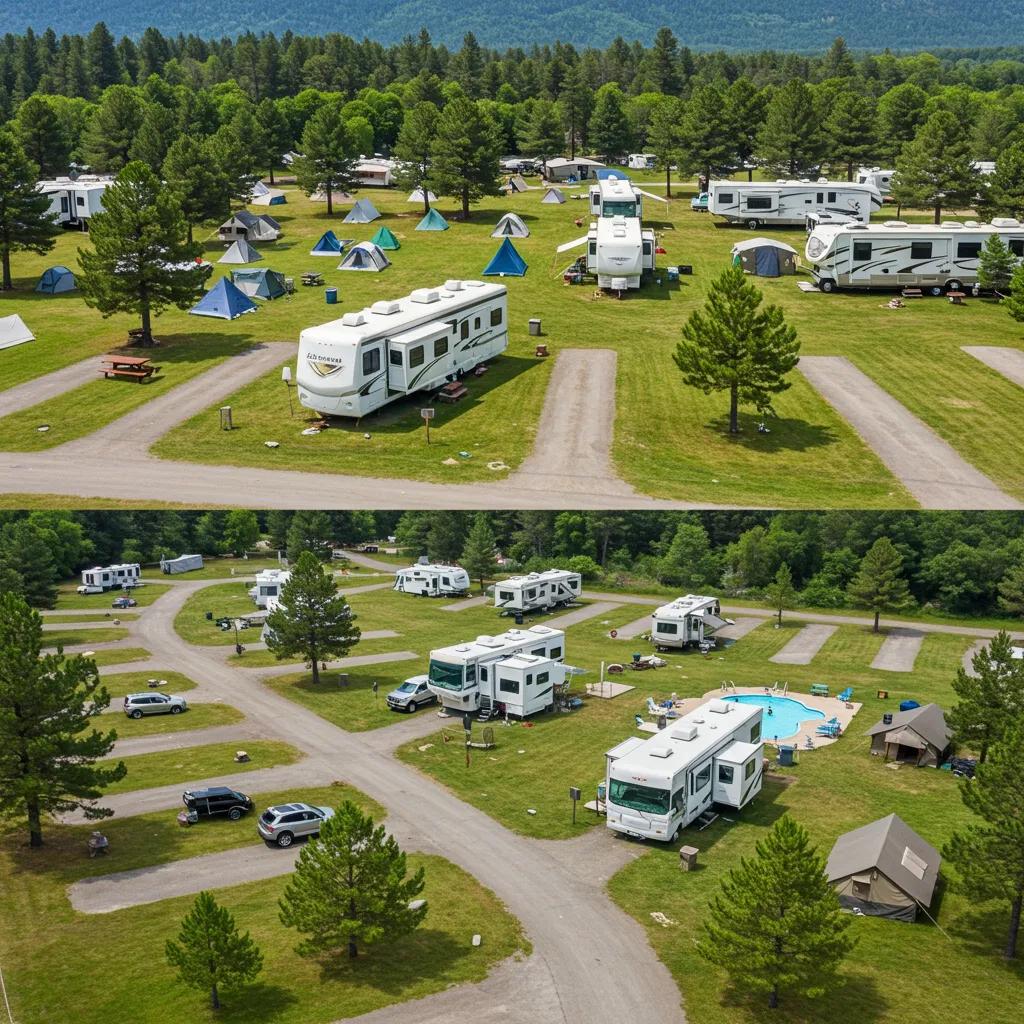
A campground is typically defined by simpler amenities and more rustic site types, while an RV resort is defined by higher amenity intensity and infrastructure investment; this difference drives operational demands, guest profiles, and buyer valuation focus. Campgrounds often prioritize natural setting, tent camping, and seasonal weekend traffic, which reduces ongoing utility and sewer burdens but increases land-management tasks. RV resorts emphasize paved sites, full hookups, high-speed internet, and sometimes glamping pods, which increase CAPEX and attract longer-stay guests and higher nightly rates. Understanding these operational contrasts clarifies which buyer types will pay a premium and which improvements deliver the biggest valuation uplift.
How Do Operations and Amenities Differ Between Campgrounds and RV Resorts?
Operations at campgrounds center on land stewardship, basic site maintenance, and lightweight booking systems, whereas RV resorts require continuous infrastructure upkeep, utility management, and often staffed front-desk operations. A family campground may operate with seasonal staff for cleaning bathhouses and maintaining trails, while an RV resort commonly needs year-round technicians for water, sewer, and electrical hookups, elevating operating expense volatility. These staffing and maintenance differences affect buyer underwriting because buyers model higher recurring CAPEX and replacement schedules into RV resort offers. Recognizing operational burdens early helps sellers present realistic P&Ls and maintenance logs to potential buyers.
Which Guest Demographics Influence Campground vs. RV Resort Sales?

Guest profiles differ: campgrounds draw tent campers, families seeking nature, and event-driven visitors, while RV resorts attract long-term RVers, digital nomads, and travelers seeking comfort and connectivity. In 2025, remote-work-capable guests value high-speed internet and private workspaces, shifting some buyer interest toward amenities that reduce seasonality for RV resorts. For campgrounds, buyers often prize community reputation and authenticity that sustain steady weekend demand. Mapping guest demographics to revenue predictability helps sellers anticipate which buyer personas will value their specific asset and which upgrades would broaden buyer appeal.
How Do Investment Profiles and Revenue Streams Vary by Property Type?
Investment profiles split along revenue mix and CAPEX intensity: campgrounds tend to have more variable nightly and event revenue with lower infrastructure replacement needs, while RV resorts show higher base rates, longer average stays, and ancillary income from store or rental services. Buyers valuing predictable cash flow often favor RV resorts with full hookups and long-term pads because these features support stable NOI assumptions. Conversely, land-focused investors or developers might prefer campgrounds with expansion potential or underutilized acreage. Understanding the revenue streams clarifies whether a seller should emphasize operational performance or land/asset value in negotiations.
The three primary operational distinctions sellers should note are:
- Site complexity: Campgrounds often have tent and primitive sites; RV resorts have paved, full-hookup sites.
- Staffing and maintenance: Campgrounds use seasonal staffing; RV resorts require year-round technical maintenance.
- Revenue mix: Campgrounds rely more on nightly and event revenue; RV resorts have higher nightly averages and ancillary services.
These points guide which documentation and narratives sellers should prepare for buyers ahead of listing.
How Are Campgrounds and RV Resorts Valued Differently?
Valuation hinges on whether a buyer underwrites the asset primarily on Net Operating Income (NOI) or on replacement/land value; this choice depends on revenue stability, amenity intensity, and buyer type. NOI-based valuation uses historical income and expenses to derive a cap-rate price, favoring RV resorts with stable occupancy and diversified ancillary income. Asset-based approaches are more common when land or development potential dominates, often applying to campgrounds with significant acreage or non-stabilized revenue. Sellers should know how buyers will calculate value and prepare the specific documentation for each approach.
What Role Does Net Operating Income and Cap Rate Play in Valuation?
Net Operating Income (NOI) is the property’s revenue minus operating expenses before debt service, and cap rate converts NOI into a market price; buyers use these metrics to compare investment returns. For example, a buyer seeking an 8% cap rate would value a property with $200,000 NOI at $2,500,000 (NOI ÷ cap rate = value), while a higher-risk campground might trade at a higher cap rate reflecting greater volatility. Sellers must present clean P&Ls, occupancy reports, and expense backups so buyers can trust NOI projections. Clear NOI documentation reduces valuation discounts and accelerates due diligence.
Intro to valuation comparison table and its purpose: the table below compares common valuation factors for campgrounds versus RV resorts to clarify buyer underwriting differences.
This comparison highlights how amenity intensity and revenue stability shift buyer emphasis between asset value and income yield.
When Should Sellers Use Asset-Based vs. Income-Based Valuation Methods?
Sellers should prefer income-based valuation when they can demonstrate consistent, documented NOI over multiple years, making the property attractive to investors focused on cash-on-cash returns. Asset-based valuation is appropriate when the land, development potential, or non-operational improvements drive value—common for campgrounds with underutilized acreage or when revenue is immature. A hybrid approach can apply where part of the property is stabilized and other parcels are held for development; in those cases, separating incomes in the pro forma clarifies value to different buyer types.
How Do Amenities and Infrastructure Impact Property Value?
Specific amenities—full hookups, reliable sewer, high-speed internet, and quality bathhouses—directly increase revenue potential and reduce buyer contingencies, thus improving valuation multiples. Deferred infrastructure creates buyer discounts because purchasers will deduct estimated CAPEX for repairs from offers. Sellers should quantify amenity-driven revenue uplift (for example, paved full-hookup sites often command higher nightly rates) and present recent capital improvement records to minimize valuation haircut. Transparent infrastructure documentation helps buyers underwrite future CAPEX accurately and supports a stronger sale price.
What Do Buyers Expect When Purchasing Campgrounds vs. RV Resorts?
Buyers approach campgrounds and RV resorts with different checklists: some prioritize land and community while others focus on stabilized cash flow, amenity ROI, and modern infrastructure. In 2025, buyers increasingly expect technology-enabled features, clear financial records, and realistic CAPEX plans. Mapping buyer expectations to property strengths helps sellers target the right buyer pool and prepare tailored marketing materials. Below is a table mapping buyer types to their top priorities, explaining why each attribute matters.
This mapping helps sellers frame which story to tell in listings and which documents to emphasize during outreach.
What Are Campground Buyers Looking for in 2025?
Campground buyers in 2025 often prioritize natural amenities, expansion potential, and a strong local reputation that supports seasonal bookings, since these features underpin community-driven demand. They also value lower utility infrastructure needs and flexibility for niche offerings such as glamping additions, which can increase per-site revenue without heavy sewer upgrades. Buyers evaluating campgrounds seek clear historical occupancy and event calendars to project seasonality and cash flow windows. Sellers should emphasize land maps, conservation easements, and community partnerships that demonstrate stability and growth potential.
Campground buyer priorities often include:
- Authentic natural setting and guest experience.
- Opportunities for low-cost amenity expansion like glamping pods.
- Clear seasonal occupancy data and community reputation.
Summarizing buyer focus clarifies which materials sellers must prepare to attract the right buyers.
What Amenities and Features Attract RV Resort Buyers?
RV resort buyers value full hookups, reliable sewer and water systems, paved sites, high-speed internet, and onsite amenities such as pools and upgraded bathhouses because these features increase length of stay and average daily rate. Technology and remote-work-friendly spaces now rank high on buyer checklists, as they directly influence off-season occupancy and repeat stays. Buyers will underwrite amenity ROI by modeling incremental revenue per upgraded site, so sellers should present documented rate differentials and guest feedback when available. Demonstrating that amenities are well-maintained reduces required buyer CAPEX adjustments.
How Do Market Trends Like Glamping and Remote Work Influence Buyer Demand?
Trends such as glamping and remote work extend seasonality and increase per-guest spend, leading buyers to revalue properties with flexible lodging options and strong connectivity. Glamping can create premium revenue streams with modest footprint change, while remote-work amenities increase average length of stay and smooth occupancy cycles. Buyers who quantify these trend-driven uplifts strengthen their negotiating position.
How Does the Selling Process Differ for Campgrounds Compared to RV Resorts?
The selling process varies primarily in documentation scope, timing around seasonality, and the technical diligence required for infrastructure. Campground sales often emphasize land use, easements, and community goodwill, while RV resort sales place heavy emphasis on utility records, replacement schedules, and documented NOI. A side-by-side checklist clarifies the differing documentation and timelines sellers should prepare for each property type.
Intro to selling checklist table: the following table provides a stepwise comparison of common process steps and how they differ for campgrounds versus RV resorts.
This table shows why sellers must tailor diligence packages to buyer concerns and how timelines shift based on property complexity.
What Financial and Legal Preparations Are Needed for Each Property Type?
Sellers should assemble prioritized financial records including multi-year P&Ls, occupancy reports, tax returns, vendor contracts, maintenance logs, and easements, since buyers will test historical income stability. Title searches, easements, and environmental disclosures are critical—campgrounds may need land-use and conservation disclosures, while RV resorts often require utility easement and compliance documentation. Preparing these materials in advance shortens due diligence and reduces price knockdowns. Organizing documents by buyer-request priority helps sellers respond quickly and maintain transaction momentum.
A practical pre-sale checklist includes:
- Three years of P&Ls and occupancy reports.
- Recent repair invoices and CAPEX schedule.
- Title, easement, and zoning documentation.
Following this checklist accelerates buyer confidence and reduces room for renegotiation.
How Does Timing and Market Seasonality Affect Sales?
Timing a sale around peak season can maximize visible occupancy and rate data, but listing in the off-season may reduce buyer competition and allow for repairs and inspections without guest disruption. Sellers should weigh the benefits of showcasing high-season performance against the need to coordinate inspections and utility tests, which are easier off-season. For RV resorts, utility testing may necessitate cooler months with lower usage, while campgrounds can better demonstrate demand during peak event seasons. Strategic timing combined with staged marketing can balance perception and practical inspection needs.
What Post-Sale Involvement Options Exist for Sellers?
Post-sale arrangements range from full exit to stay-on transition roles, consulting agreements, or leaseback arrangements; each has pros and cons depending on seller goals and community relationships. Sellers who prioritize legacy preservation may negotiate transitional employment or consulting to ease the handover, while those focused on clean exits may prefer a sale with limited post-sale involvement. Direct buyers often offer flexible transition terms; when considering offers, sellers should weigh financial incentive versus non-financial objectives such as legacy commitments. Clearly defining transition terms in the LOI reduces misunderstanding and preserves community value during ownership changes.
In many direct-sale scenarios sellers can choose options like temporary consulting or immediate exit, and sellers should specify preferred terms early to streamline negotiations.
Why Choose a Direct Sale to GatherGrounds Resorts Over Traditional Campground Broker Services?
Selling directly to a family-owned buyer differs in experience and outcomes from using a brokerage: direct buyers can offer speed, fewer intermediaries, and focused transition planning, while brokers may deliver broader market exposure at the cost of commissions and extended marketing. GatherGrounds Resorts positions itself as a family-owned acquirer that preserves legacy and seeks quality properties with natural features, offering “The core offering is the direct acquisition of campgrounds and RV parks from owners.” This direct-sale option can be attractive when sellers prefer a thoughtful transition and reduced negotiation layers.
What Are the Benefits of Selling Directly to a Family-Owned Buyer?
Direct sales to a family-owned buyer can preserve property character, enable faster decisions, and reduce layers of negotiation because there are fewer intermediaries involved. Sellers trading with a direct buyer often report simpler due diligence coordination and more personal transition conversations, which can matter if the owner prioritizes legacy preservation. Direct buyers may also offer tailored post-sale involvement like consulting or temporary stay-on roles. For owners weighing emotional and practical outcomes, a direct buyer can align operational continuity with sale terms.
The broad terminology used in the industry can sometimes lead to confusion, but the term ‘outdoor hospitality’ is employed to encompass a wide range of accommodation and service provision, from traditional campgrounds to more developed RV parks and resorts.
Outdoor Hospitality Trends: Defining Parks and Resorts
In response to the broad terminology, we employ the term ‘outdoor hospitality’. This term is used to encompass a wide range of accommodation and service provision, from traditional campgrounds to more developed RV parks and resorts. The term ‘Outdoor Hospitality Parks’ is used in this paper to refer to these facilities.
Trends in camping and outdoor hospitality—An international review, E Brooker, 2013
How Do Broker Fees and Market Reach Compare to Direct Sales?
Brokerage sales typically provide wider market reach and competitive bidding that can drive higher headline prices, but they also introduce commission costs and longer marketing timelines. Direct sale pathways reduce broker fees and can accelerate transactions, increasing certainty and lowering transaction friction for sellers who value speed and legacy considerations. Sellers should calculate net proceeds after commission and factor in time-to-close when choosing between listing and direct offers. A pragmatic decision weighs immediate net proceeds against long-term preservation and transition preferences.
How Does GatherGrounds Ensure a Thoughtful and Respectful Transition?
GatherGrounds emphasizes legacy preservation and property enhancement after acquisition, focusing on adding modern amenities and performing infrastructure renovations while maintaining the elements that create family memories. Their stated approach includes “thoughtful transition” and a promise of respectful conversations during sale negotiations, positioning themselves as an alternative to large investment firms. Sellers should request specific transition options and document them in the LOI to ensure mutual expectations are recorded. Clear written transition plans reduce ambiguity and protect community relationships during ownership changes.
How Can Sellers Maximize the Value of Their Campground or RV Resort?
Maximizing value requires prioritizing low-cost, high-impact upgrades, presenting clean financials, and avoiding common seller mistakes such as overpricing or hiding deferred maintenance. Targeted amenity investments like better Wi-Fi, upgraded hookups, and bathhouse renovations often yield measurable revenue increases, and clear financial presentation speeds buyer underwriting. Sellers should use a staged improvement plan that balances immediate ROI against required CAPEX and present a transparent maintenance and capital plan to potential buyers.
Intro to enhancement list: the following list outlines high-impact property improvements that typically drive higher valuations for both campgrounds and RV resorts.
- Upgrading to reliable high-speed internet to increase off-season and long-stay demand.
- Improving electrical and sewer hookups to reduce buyer CAPEX deductions.
- Adding glamping or premium cabin options to diversify revenue streams.
After implementing these enhancements, sellers should compile before-and-after performance metrics to demonstrate uplift during buyer due diligence.
What Property Enhancements Drive Higher Valuations?

Upgrades that reduce buyer-anticipated CAPEX and increase per-site revenue deliver the strongest valuation returns: reliable sewer/electric hookups, paved sites, and high-speed internet typically command premium rates for RV resorts, while targeted glamping additions and enhanced bathhouses can raise yields for campgrounds. Cosmetic improvements and streamlined operations (online booking, dynamic pricing) also increase NOI without major capital outlay. Sellers should prioritize improvements that directly link to higher average daily rates or occupancy increases to justify the investment.
How Should Sellers Prepare Financial Records and Documentation?
Organize a clear document package that includes multi-year P&Ls, room-night/slot occupancy reports, tax returns, vendor contracts, maintenance logs, and CAPEX schedules; present these in a buyer-ready format to speed underwriting. Reconcile informal records and provide narratives explaining one-time expenses versus recurring costs to avoid buyer misinterpretation. A tidy, prioritized data room reduces buyer friction and supports higher offers because buyers can model future cash flow with confidence. Preparing these documents early preserves negotiating leverage.
Intro to common mistakes list: below are frequent seller errors and how to avoid them.
- Overpricing based on sentiment: Price must reflect market comparables, not owner attachment.
- Incomplete financials: Lack of clear P&Ls invites buyer discounts and delays.
- Neglecting infrastructure issues: Deferred maintenance leads to larger CAPEX reductions during offers.
Addressing these mistakes before listing prevents last-minute value erosion and expedites closing.
What Are Common Mistakes to Avoid When Selling Outdoor Hospitality Properties?
Sellers often overvalue sentimental features, underestimate buyer CAPEX adjustments for deferred maintenance, or fail to prepare clean financials; any of these mistakes can lead to lower net proceeds or deal collapse. Ignoring permits and zoning compliance creates legal contingencies that derail closings, and poor timing in relation to seasonality can reduce perceived value. Preparing realistic forecasts, addressing necessary repairs before marketing, and obtaining professional valuations guide pricing and reduce negotiation risk. Correcting these issues up front preserves buyer confidence and supports stronger offers.
What Are the Latest Market Trends and Statistics Impacting Campground and RV Resort Sales in 2025?
Current market dynamics through 2025 show growing investor interest in properties that combine leisure demand with remote-work amenities, while glamping and premium site types are driving higher per-guest spend; these trends reshape buyer underwriting and acceptable cap rates. Increased technology expectations and longer average stays reduce seasonality risk for some assets, encouraging buyers to pay premiums for properties with proven amenity-driven revenue. Sellers who can document these trend impacts in performance data are better positioned to capture that premium.
How Is the Camping and RV Market Growing Through 2035?
Market forecasts indicate continued expansion in outdoor hospitality driven by lifestyle travel and experiential stays, with many analysts projecting multi-year growth that attracts long-term investors seeking yield and appreciation. For sellers, growth projections signal that strategically timed exits that showcase amenity-driven revenue could fetch better market attention. Buyers factor these growth trajectories into cap rate expectations and willingness to finance larger multiple-site acquisitions. Sellers should align sale timing and improvement plans with these projected demand increases.
What Are Key Buyer Spending and Investment Trends?
Buyers are prioritizing tech-enabled amenities, premium site types, and diversified ancillary revenue streams because camper spending is shifting toward convenience and experiences in 2025. Investors increasingly favor properties that demonstrate multiple stable revenue streams—nightly fees, long-term leases, and onsite services—because these reduce risk and justify lower cap rates. Sellers who can quantify guest spend and ancillary margins will improve their negotiating position. Documented increases in average night revenue or extended length of stay provide strong evidence for value enhancement.
How Do Cap Rates and Valuation Metrics Vary Across Property Types?
Cap rates vary with perceived risk and NOI stability; RV resorts with stabilized NOI and modern amenities generally attract lower cap rates than rustic campgrounds with variable seasonality. Price-per-site metrics also differ by amenity intensity, with luxury RV resort sites commanding higher multiples. Buyers underwrite these differences by adjusting projected NOI and CAPEX schedules, so sellers should present realistic replacement timelines and maintenance histories to justify chosen valuation models. Understanding buyer underwriting drivers helps sellers set realistic price expectations and negotiate more confidently.
Frequently Asked Questions
What are the key factors to consider when choosing between selling a campground and an RV resort?
When deciding between selling a campground and an RV resort, consider factors such as operational complexity, guest demographics, and revenue stability. Campgrounds typically attract families and nature enthusiasts, while RV resorts cater to long-term travelers and digital nomads. Additionally, evaluate the amenities and infrastructure of each property type, as these will influence buyer interest and valuation. Understanding your target market and the unique selling points of your property can help you make an informed decision that aligns with your goals.
How can sellers effectively market their campground or RV resort?
Effective marketing of a campground or RV resort involves highlighting unique features, amenities, and the overall guest experience. Utilize high-quality images and engaging descriptions to showcase the property’s strengths. Consider creating a dedicated website or using social media platforms to reach potential buyers. Additionally, prepare comprehensive financial documentation and operational records to instill confidence in buyers. Tailoring your marketing strategy to the specific buyer demographics can also enhance visibility and attract the right offers.
What common mistakes should sellers avoid when preparing for a sale?
Sellers should avoid several common mistakes, including overpricing based on emotional attachment, failing to present clear financial records, and neglecting necessary repairs. Incomplete or disorganized documentation can lead to buyer skepticism and lower offers. Additionally, not addressing deferred maintenance can result in significant CAPEX deductions during negotiations. Preparing a realistic pricing strategy and ensuring all records are accurate and accessible can help maintain buyer confidence and support a smoother transaction process.
How does the selling timeline differ for campgrounds and RV resorts?
The selling timeline for campgrounds and RV resorts can vary significantly due to seasonal factors and the complexity of due diligence. Campgrounds may be best listed before peak season to showcase occupancy rates, while RV resorts might require off-season inspections for utilities. Sellers should consider the timing of their listing to maximize visibility and buyer interest. Understanding the specific needs of each property type can help sellers plan their marketing and sales strategies effectively.
What role does technology play in the valuation of campgrounds and RV resorts?
Technology plays a crucial role in the valuation of campgrounds and RV resorts, particularly as buyer expectations evolve. Features such as high-speed internet, online booking systems, and smart utility management can enhance guest experiences and increase revenue potential. Buyers are increasingly looking for properties that offer modern amenities that cater to remote work and connectivity. Highlighting technological upgrades can improve perceived value and attract buyers willing to pay a premium for enhanced operational efficiency.
What are the benefits of using a direct sale approach compared to traditional brokerage services?
Using a direct sale approach, such as selling to a family-owned buyer like GatherGrounds Resorts, can offer several benefits over traditional brokerage services. Direct sales often result in faster transactions, fewer intermediaries, and more personalized communication, which can be crucial for sellers focused on legacy preservation. Additionally, direct buyers may provide tailored transition options that align with the seller’s goals. This approach can simplify the selling process and reduce the complexities associated with brokerage fees and extended marketing timelines.
How can sellers prepare for potential buyer questions during the sale process?
Sellers can prepare for potential buyer questions by compiling comprehensive documentation that addresses common concerns. This includes financial records, maintenance logs, occupancy reports, and details about property amenities. Anticipating questions about operational challenges, revenue streams, and future growth potential can also help sellers present their property confidently. Being transparent and well-prepared not only builds trust with buyers but also facilitates smoother negotiations and a more successful sale process.
Conclusion
Understanding the differences between selling a campground and an RV resort is crucial for maximizing value and attracting the right buyers. By recognizing operational distinctions, valuation methods, and buyer expectations, sellers can tailor their approach to meet market demands effectively. For those considering a sale, exploring direct options like GatherGrounds Resorts can provide a thoughtful transition while preserving the property’s legacy. Start your journey today by assessing your property’s unique strengths and preparing for a successful sale.