Camping Options for Pets Near Me: What You Need to Know About Pet-Friendly Campgrounds in Michigan
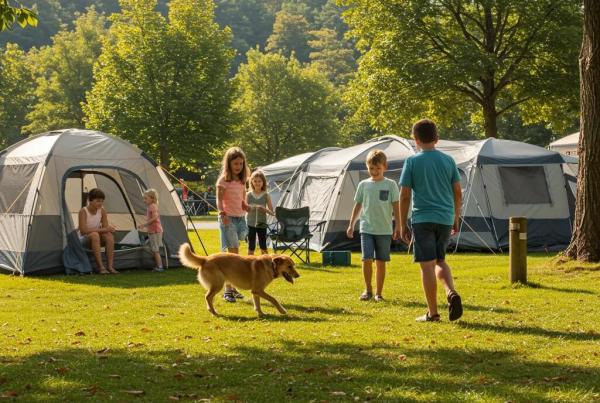
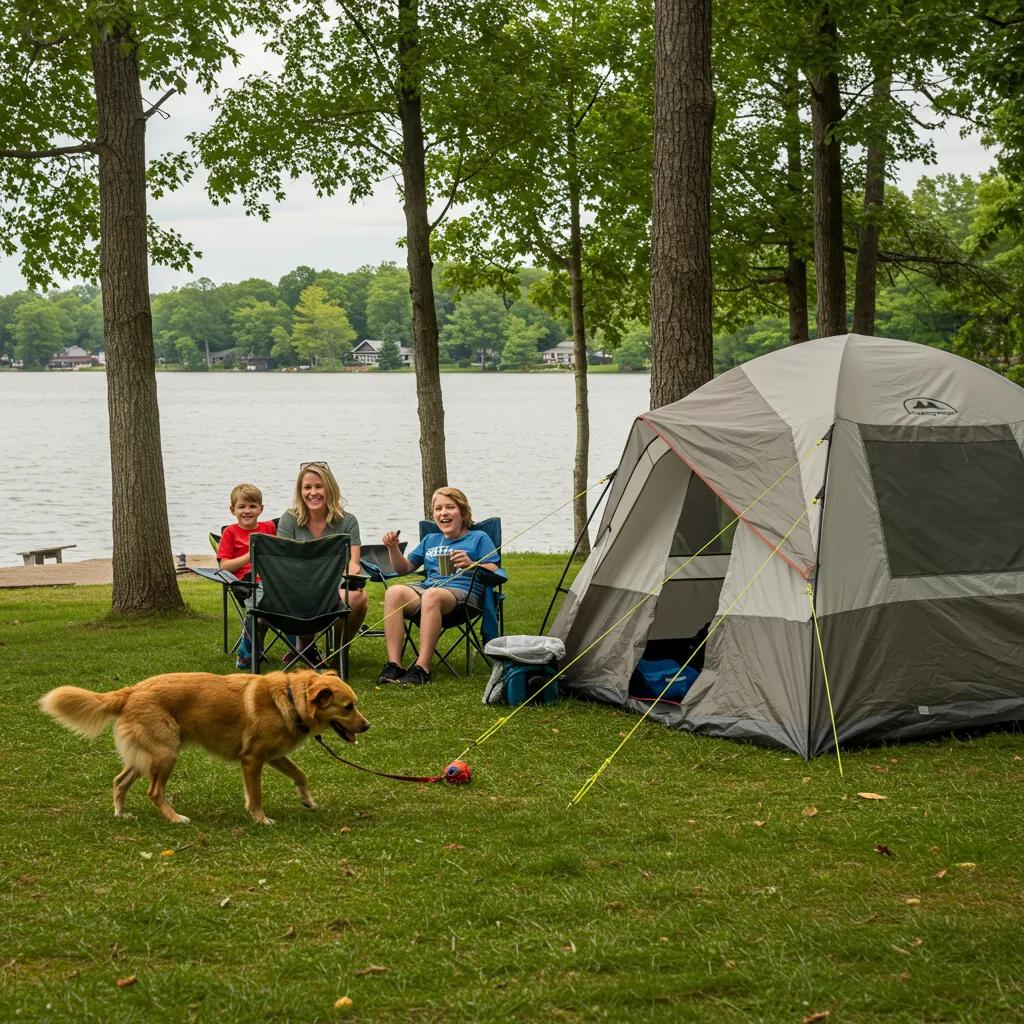
Bringing your pet camping in Michigan means selecting sites and features that keep them safe, comfortable, and truly welcome while you soak in the great outdoors. This guide breaks down what pet-friendly camping actually is, why specific amenities like fenced dog parks and pet wash stations are game-changers, and how to scout campgrounds near you by looking at their policies, accommodation choices, and activity offerings. Many pet parents find it tough to get clear answers on leash lengths, pet fees, and suitable sleeping arrangements for their dogs and other companions; this article is here to help you nail down those details and plan a seamless trip. You’ll discover where to find those dog-friendly features, what essentials to pack for an overnight or extended stay with your pet, how to handle RV-specific pet needs, and step-by-step booking advice to lock in your spot. The sections ahead cover the top campground types in Michigan, crucial pet policies to double-check, preparation and packing checklists, pet-friendly activities like trails and river floats, and practical booking steps, including a spotlight on a fantastic family- and pet-friendly campground in Durand, Michigan.
What Are the Best Pet-Friendly Campgrounds in Michigan?
The best pet-friendly campgrounds are those that masterfully blend permissive pet policies with dedicated amenities, making for a stress-free experience for both pets and their owners. These spots typically roll out the red carpet with pet-designated sites, fenced dog parks, scenic walking trails, and easy access to water, ensuring your pet can get their exercise safely while you easily stick to local leash and waste rules. When assessing campgrounds, zero in on the presence of amenities, the clarity of their enforcement, and the variety of RV, tent, and cabin options to perfectly match your travel style and your pet’s specific needs. Comparing the usual campground types will help you quickly narrow down locations that align with your priorities and uncover nearby services.
Which campgrounds boast off-leash areas and fenced dog parks is a big deal because these contained spaces allow dogs to really stretch their legs and play freely under your watchful eye. Off-leash areas can vary wildly in size and features; some come equipped with shade, water stations, and even agility equipment to encourage extended play and socialization. Be prepared for rules regarding supervision, proof of vaccination, and waste cleanup responsibilities, and keep an eye out for separate small-dog areas if available to minimize potential conflicts. These thoughtful features can make all the difference when you’re deciding between a basic pet-allowed site and a campground that truly caters to pets.
Different campground categories tend to offer predictable pet amenities and limitations, helping you weigh your options efficiently.
This comparison highlights how private family campgrounds often provide a richer set of pet amenities compared to typical state parks, though each option still requires a pre-booking confirmation of the rules. Walnut Hills stands out as a prime example of a private, family-centric campground featuring a spacious dog park and a diverse range of accommodation choices.
Which Campgrounds Offer Dog Parks and Off-Leash Areas?

Campground dog parks are essentially fenced-in havens designed for safe, off-leash exercise and social interaction, complete with water stations, shade, and often agility equipment. These areas work by creating a distinct zone for active play, separate from general campsite areas, which significantly reduces the chances of escapes and conflicts while promoting healthy activity for your dog. When you’re evaluating dog parks, look for details like size, double-gated entries for added security, separate zones for different dog sizes, and readily available waste stations to keep things clean. Understanding these key attributes will help you pinpoint a location where your dog can truly run free without compromising campground rules or safety.
What Types of Pet-Friendly Accommodations Are Available?
Pet-friendly accommodations span several categories—think pet-friendly RV sites, tent sites, and cabins—each offering distinct features regarding flooring, space, and rules that impact your pet’s comfort. RV sites typically welcome pets with convenient outdoor access, tent sites place you closer to nature but demand secure sleeping arrangements, and cabins might have limitations on pet size or number, though they often provide better temperature control. It’s wise to consider practical factors like cabin flooring, proximity to busy areas, and the availability of paw-friendly surfaces when you book. Matching the accommodation type to your pet’s temperament and mobility is key to preserving comfort and minimizing stress for everyone involved.
Selecting the right accommodation type can prevent unwelcome surprises upon arrival and significantly enhance the overall camping experience for both pets and their owners.
What Types of Pet-Friendly Accommodations Are Available?
Pet-friendly accommodations are designed to provide designated spaces for sleeping and activities that comfortably accommodate animals while adhering to campground safety standards. RV sites offer pets easy access to restrooms and exercise areas, complete with hookups for you; tent sites require you to bring extra gear for pet bedding and shelter; and cabins can offer contained indoor spaces if pets are permitted. Each option usually comes with specific rules regarding the number of pets, weight limits, and cleaning expectations, so confirming these details before you book is essential to avoid any conflicts. Planning your accommodation around your pet’s unique needs will make overnight stays much more predictable and safer.
What Are the Essential Pet Policies at Michigan Campgrounds?
Essential pet policies lay out the ground rules for acceptable behavior and care requirements, covering everything from leash rules and waste disposal to supervision and fee structures, all designed to protect wildlife and fellow campers. These policies work by establishing clear expectations—like leash lengths, immediate waste cleanup, and no unattended pets—so that consistent enforcement maintains cleanliness and safety for everyone. Understanding these typical policy elements will help you gauge whether a campground is a good fit and steer clear of potential fines or denied entry. Always confirm the campground’s specific policy before you arrive to ensure you’re fully compliant and set for a smooth stay.
This table offers a quick summary of common policies, allowing you to easily compare different sites. Local private campgrounds often post their rules clearly, and Walnut Hills provides a structured policy format as a helpful example to consult directly.
What Are the Leash and Supervision Requirements for Pets?
Leash and supervision rules are in place to safeguard wildlife, other guests, and your pets themselves. Typically, a six-foot leash is mandatory outside of designated off-leash areas. Responsible supervision means keeping your pets within sight at all times, preventing any nuisance behaviors, and never leaving them unattended in campsites or vehicles. Exceptions for off-leash activity are usually confined to fenced dog parks or specific hours under explicit park regulations, often requiring proof of vaccination. Adhering to these practices minimizes risks and helps preserve the campground’s pet-friendly status.
How Is Pet Waste Managed at Campgrounds?
Effective waste management systems are crucial and often include dedicated pet waste stations, readily available bags, and centralized disposal bins to prevent contamination and safeguard local water sources. Campgrounds strictly enforce bag-and-bin policies and may issue fines for non-compliance, so it’s always a good idea to pack extra bags, even if stations are provided. Prompt removal and correct disposal are key to maintaining site hygiene and showing respect for fellow campers and the environment. Following waste rules diligently helps preserve trail quality and minimizes potential conflicts with wildlife.
Are There Breed Restrictions or Pet Fees to Know About?
Some campgrounds may implement size or breed restrictions and charge pet fees to help cover cleaning and maintenance expenses. Common fee structures include charges per pet or per stay. While breed restrictions are less common at private family campgrounds, they can appear in situations with higher perceived risk or liability concerns, so it’s always best to inquire specifically when booking. Confirming fee amounts and any restrictions beforehand can prevent unexpected charges upon arrival. Create a checklist to verify fees, weight limits, and any required documentation before you finalize payment to ensure complete transparency.
How Can I Prepare for Camping with My Dog or Pet?
Getting ready for pet-friendly camping involves a smart combination of packing the right gear, ensuring health measures are in place, and planning behavior strategies to minimize issues and maximize the fun for both you and your animal companion. Key preparation steps include packing all essential supplies, updating vaccinations and preventives, and mapping out exercise and rest routines that fit the campsite environment. Being well-prepared in advance can significantly reduce stress during travel, help you easily comply with campground policies, and support your pet’s overall wellbeing. The checklist below covers the top items you’ll want to bring for most overnight trips.
- Leash, collar with ID, and a secure harness.
- Food, measured portions, and water bowls for each meal.
- Waste bags, portable scoop, and a small disposal container.
- Vaccination records, medications, and a basic first-aid kit.
- Familiar bedding, crate or tether, and comfort toys.
- Life jacket for dogs if you plan on swimming or river activities.
- Tick and flea prevention, plus grooming wipes for quick cleanups.
- Portable shade or sun shelter for hot conditions.
- Flashlight and reflective gear for nighttime visibility.
- Emergency contacts for local veterinarians and animal services.
This comprehensive list helps you pack with purpose and reduces the likelihood of forgetting crucial items. Tailoring these items to your pet’s specific age, health, and activity level will optimize their comfort and safety.
What Should I Pack for a Pet-Friendly Camping Trip?

Packing for a pet trip efficiently addresses multiple needs simultaneously: nutrition, health, identification, and comfort, all of which are vital for safe outdoor adventures. Be sure to include current vaccination records, flea and tick preventives, and a compact first-aid kit specifically assembled for common outdoor pet injuries. Comfort items like a beloved blanket or crate, along with shade provisions, can greatly ease their transition into the campsite environment. Having these elements ready ahead of time ensures you can meet campground requirements and handle minor incidents smoothly, without derailing your plans.
What Are the Best Practices for RV Camping with Dogs?
Prioritizing RV pet safety means focusing on secure travel, maintaining optimal temperature control, and establishing a consistent routine for exercise and bathroom breaks during stops. Utilize crates or harness seatbelts for travel, schedule regular stops for your pet to stretch their legs, and diligently monitor interior temperatures to prevent heat stress. Once at your site, set up shaded, well-ventilated sleeping areas and secure tie-out points away from traffic and neighboring campsites. These practices are essential for preventing escapes and reducing anxiety during arrival and departure.
What Activities Can Pets Enjoy at Pet-Friendly Campgrounds?
Pets at campgrounds can dive into a variety of activities, from exploring fenced dog parks and scenic walking trails to enjoying supervised swimming areas, each requiring its own set of safety preparations. These activities are fantastic for your pet’s physical health and social development, while also gently encouraging owners to adhere to hygiene and wildlife protection rules. Knowing the available activities and their associated rules will help you craft a balanced itinerary that includes plenty of exercise, relaxation, and quiet downtime. Campground providers may also host family-oriented events where pets are welcome, provided they follow clear guidelines.
Where Are Dog Walking Trails and Swimming Areas for Pets?
Dog walking trails and swimming areas can differ significantly from one campground to another; some trails are gentle loops with low traffic, while others might run alongside rivers or lakes with varying currents and access points. Always take the time to assess trail difficulty, understand leash expectations, and prioritize water safety—consider using dog life jackets when navigating currents or unfamiliar waters. Look for clear signage indicating pet access, and always observe local rules regarding beaches and designated swim zones. Choosing the right trail and swim spot is key to ensuring safe exercise and minimizing risks to your pet and local wildlife.
How Do River Float Trips Work for Families with Pets?
River float trips might permit pets in certain situations, but often they have restrictions due to safety concerns and provider policies. If pets are allowed, secure flotation devices and supervised, shorter segments are absolutely essential. Always check provider policies thoroughly before planning to include your pet; alternatively, you can arrange for on-site pet care or a brief shore-based activity if pets cannot join the float. If your pet does participate, make sure they wear a canine life jacket, introduce them to the boat or tube beforehand, and plan for frequent water breaks. Preparing alternative arrangements ensures that every member of the family can enjoy water activities without undue risk.
How Do I Book and Find Availability for Pet-Friendly Camping Near Me?
Discovering and booking pet-friendly camping involves a straightforward process: search listings, apply filters for pet policies and amenities, confirm all rules, and secure your reservations well in advance to snag the best sites for your needs. A simple, step-by-step approach—search, filter for pet-friendly, meticulously confirm policy details, then book and follow up—minimizes booking errors and ensures you’re fully compliant. Always verify the number of pets allowed, associated fees, and any breed or size restrictions directly with the campground before finalizing your payment. Walnut Hills Family Campground in Durand, Michigan, serves as an excellent example of a family- and pet-friendly destination offering a spacious dog park and multiple accommodation types; check their reservation platform for availability and to secure your dates.
How Can I Make Online Reservations for Pet-Friendly Sites?
Making online reservations follows a clear sequence: first, identify and utilize the pet-friendly filters, then carefully review the listed pet policy, select an appropriate accommodation type, and finally, complete the booking while noting any required documentation. After booking, it’s a good practice to follow up with a confirmation message that reiterates your pet count, breed (if requested), and arrival instructions to ensure mutual understanding. Use the campground’s official business profile or reservation portal to check recent reviews and confirm amenity availability. This routine helps prevent misunderstandings and guarantees that your chosen site perfectly meets your pet’s needs.
What Are the Benefits of Choosing Walnut Hills Family Campground?
Walnut Hills Family Campground (proudly operated by GatherGrounds Resorts) boasts a fantastic, large dog park alongside a wealth of family-friendly amenities, including a Wibit water park, a refreshing swimming lake, playgrounds, and engaging organized family events that keep both kids and pets thoroughly entertained. The campground offers a variety of options, from RV and tent sites to comfortable cabins, plus on-site river float adventures through Cheff’s Canoe Rental, creating a convenient hub for families with pets. Opting for a location like Walnut Hills can significantly simplify your trip logistics by consolidating pet amenities, recreational activities, and essential services all in one place. For pet owners seeking a comprehensive, family-oriented getaway, Walnut Hills presents a practical and appealing example to consider when planning your next booking.
Frequently Asked Questions
What should I consider when choosing a pet-friendly campground?
When you’re selecting a pet-friendly campground, it’s important to consider the specific amenities they offer, such as fenced dog parks, scenic walking trails, and convenient water access. Take the time to evaluate the campground’s pet policies, paying close attention to leash requirements, waste disposal rules, and any potential breed restrictions. Additionally, think about the type of accommodation that would best suit your pet’s needs, whether that’s an RV site, a tent site, or a cozy cabin. Thoroughly researching these factors will help ensure a comfortable and enjoyable experience for both you and your beloved pet.
How can I ensure my pet is safe during camping trips?
To keep your pet safe while camping, always maintain close supervision, especially when you’re near water or wildlife. Use a secure leash and harness to prevent any accidental escapes, and make sure they are completely up-to-date on all vaccinations and flea/tick preventatives. Pack a pet-specific first-aid kit and familiarize yourself with the campground’s emergency procedures. Furthermore, create a shaded resting area for your pet and ensure they stay hydrated, particularly during warmer weather, to prevent overheating.
Are there specific health preparations I should make for my pet before camping?
Absolutely, before embarking on your camping trip, ensure your pet is in good health and has received all necessary vaccinations. Schedule a vet visit to discuss any particular health concerns and to obtain any required medications. Pack a comprehensive pet first-aid kit that includes essentials like bandages, antiseptic wipes, and any regular medications your pet might need. Also, consider your pet’s dietary requirements and pack ample food and water for the duration of the trip, along with familiar items like bedding or toys to help them feel secure in their new surroundings.
What activities can I do with my pet at campgrounds?
Many campgrounds offer a delightful array of activities for pets, including exploring walking trails, splashing in swimming areas, and romping in fenced dog parks. You can also engage in fun games like fetch or even set up a small agility course if the campground permits. Some locations might even host special pet-friendly events or activities, so be sure to check the campground’s schedule. Always remember to supervise your pet and ensure they adhere to all campground rules to guarantee a safe and enjoyable experience for everyone.
How do I handle pet waste while camping?
Proper pet waste management is absolutely critical for maintaining campground cleanliness and showing respect for other campers. Always carry waste bags with you and promptly clean up after your pet. While many campgrounds provide waste stations, it’s always wise to bring extra bags just in case. Dispose of the waste in designated bins to prevent contamination and protect local wildlife. Adhering to these practices not only keeps the campground pristine but also helps preserve its pet-friendly status for future visitors.
What should I do if my pet has special needs while camping?
If your pet has specific special needs, such as dietary restrictions or mobility challenges, it’s essential to plan accordingly before your trip. Bring their specialized food, necessary medications, and any required equipment like ramps or special bedding. Choose accommodations that are best suited to their needs, such as cabins with easy access or RV sites offering ample space. Communicate openly with campground staff about your pet’s requirements to ensure a comfortable stay and to identify suitable activities that can accommodate their limitations.
How can I find pet-friendly campgrounds in Michigan?
To find pet-friendly campgrounds in Michigan, start by exploring online directories that specialize in pet-friendly accommodations. Utilize filters to efficiently narrow down your options based on desired amenities and policies. Make sure to check individual campground websites for detailed pet policies and read reviews from other pet owners. Social media groups and online forums can also be excellent sources for recommendations and valuable insights. Always confirm availability and specific pet rules directly with the campground before making a reservation to ensure a seamless experience.
Conclusion
Choosing a pet-friendly campground in Michigan is a fantastic way to elevate your outdoor adventures, ensuring your furry companions are not only safe and comfortable but also fully engaged. Understanding the essential policies and available amenities makes for a much smoother trip, allowing you to fully enjoy activities together. By planning ahead and selecting the perfect accommodations, you can create truly lasting memories with your pet. Start planning your next adventure today by exploring our recommended campgrounds and booking your getaway!