Exploring Campsite Sizes and Layouts: A Comprehensive Guide to RV, Tent, and Cabin Campground Types

Your camping site’s size and layout are key to comfort, safety, and the fun your group can have, so picking the right setup is crucial for a great trip. This guide breaks down what campsite dimensions and layouts mean, why they matter for RVs, tents, and cabins, and how size plays into hookups, privacy, and on-site perks. You’ll get practical size ranges for common RV pads and tent pads, learn how pull-through and back-in layouts affect how easy it is to park, and discover which cabin types suit different family sizes. We also connect campsite choices to family-focused amenities like water parks, swimming lakes, and river livery features to help match activities with where you stay. By the end, you’ll have a handy checklist and strategies—plus real local examples from Walnut Hills Family Campground, operated by GatherGrounds Resorts—to pick and book the site that fits your rig, group size, and activity plans.

What Are the Standard RV Campsite Dimensions and Layouts at Walnut Hills?

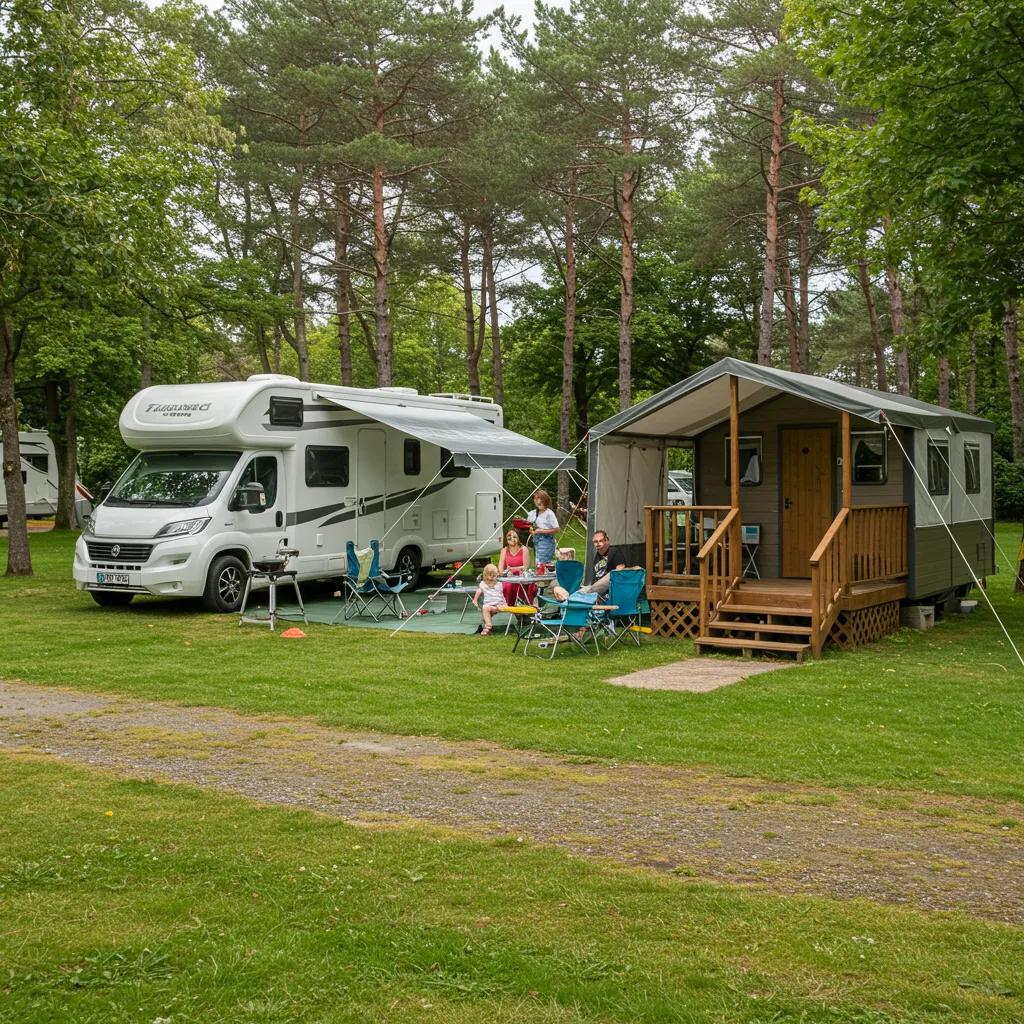
Standard RV campsite dimensions refer to the pad length and width designed for various rig sizes and accessories. These dimensions are important because they ensure safe parking, enough room for slide-outs, and usable living space. Typical full-hookup RV pads usually span about 35 to 55 feet long and 12 to 20 feet wide, offering space for leveling, awnings, and outdoor relaxation.

Understanding your pad’s floor size—pad length multiplied by width—helps you match your RV’s length and slide-outs with the available space, making for a more comfortable and less stressful setup.

Site TypeTypical Pad Dimensions (ft)Max RV Length Accommodated
Full Hookup RV Site35–55 L × 12–20 WUp to 45–50 ft (site-dependent)
Water & Electric Site25–40 L × 10–16 WUp to 35–40 ft
Pull-Through Site40–60 L × 12–20 W35–50+ ft (easier for long rigs)

This table helps you see how pad dimensions translate into practical RV length limits and prepares you to compare individual site specs. The next sections dive into typical full-hookup sizes, layout differences, and water-and-electric site amenities for hands-on guidance.

What Are the Typical Sizes of Full Hookup RV Sites?

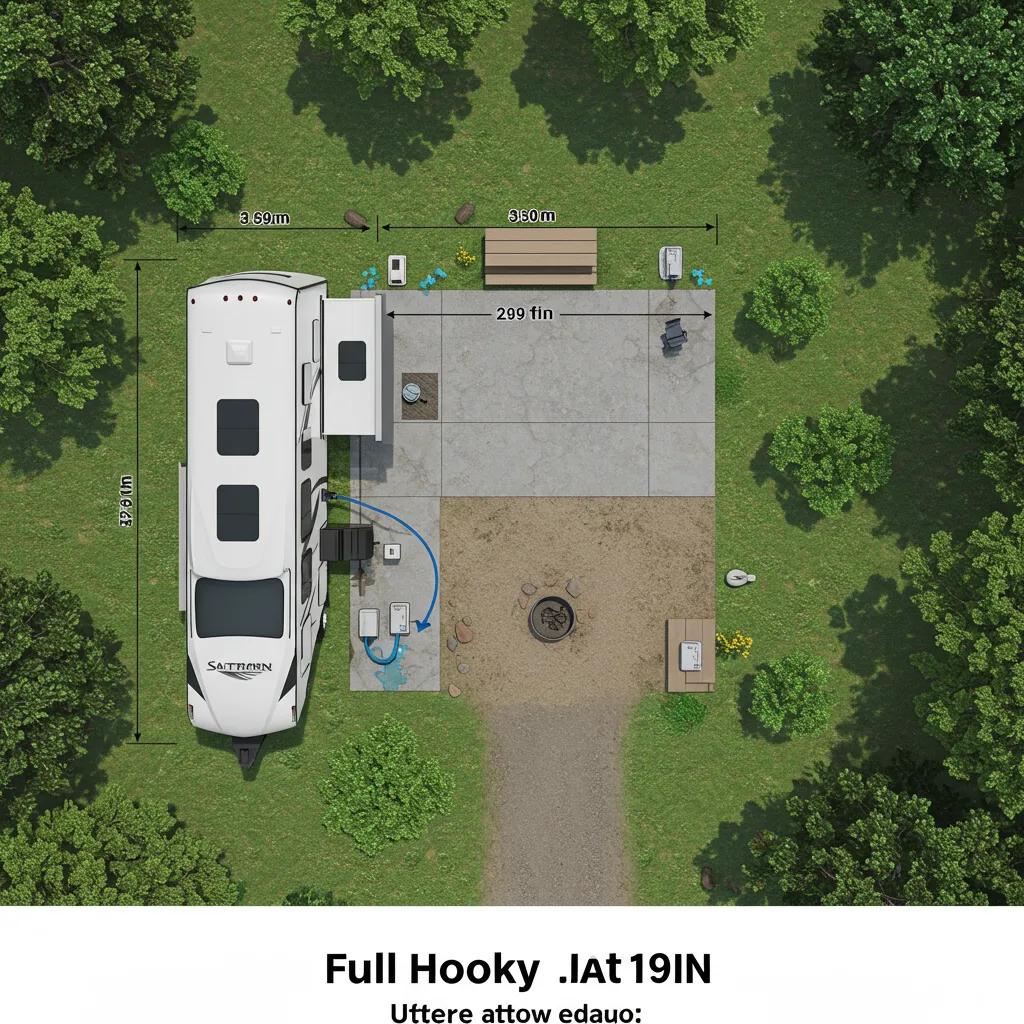
Full hookup RV site with visible dimensions and amenities

Full hookup RV sites provide power, water, and sewer connections, and they’re sized to support longer stays and larger rigs. A standard full hookup pad is typically 35–55 feet long by 12–20 feet wide, giving you ample floor space for slide-outs, outdoor setups, and short-term storage. These sites often come with a picnic table, fire pit, and a designated parking spot for your tow vehicle, perfect for families who need reliable utility access. If your rig is 35–40 feet long with slide-outs, aim for a pad on the longer end of that range to ensure safe deployment and comfortable outdoor living.

Full-hookup amenities usually mean less time spent managing your campsite and more time enjoying activities. Understanding these features sets the stage for comparing pull-through and back-in layouts, which impact maneuverability and privacy.

How Do Pull-Through and Back-In RV Sites Differ in Layout and Maneuverability?

Pull-through and back-in sites differ in their design and how you drive into them, affecting ease of use and how your site is oriented. Pull-through sites offer a drive-through lane, allowing you to park straight on, and typically need longer pads—often 40–60 feet—to fit both your rig and towing vehicle without unhitching. Back-in sites require you to reverse into the pad, which can offer more privacy and varied orientations but demands good maneuvering skills, especially with long rigs or obstacles like trees. For large families or those new to RV driving, the pull-through design means quicker setup and less tricky reversing; conversely, back-in sites can provide better views and more separation from neighbors.

Knowing these trade-offs helps campers choose layouts that match their driving comfort and desired site characteristics. The next section contrasts amenities found in water-and-electric sites to help you decide when full hookups are a must.

What Amenities Are Included in Water and Electric RV Campsites?

Water-and-electric RV sites usually offer potable water spigots and 30- or 50-amp power connections but don’t include sewer hookups, which changes how you handle waste. Common features include picnic tables and a nearby dump station or shared sewer access. Water-and-electric pads are often a bit shorter (25–40 ft) and narrower than full hookup pads. These sites are great for shorter stays or for travelers with portable waste tanks who plan to leave often, while longer stays or larger rigs generally benefit more from full hookups for convenience. Consider how long you’ll be staying, your grey/black water capacity, and your comfort needs when weighing water-and-electric against full hookup options.

To show how local campgrounds offer these options, Walnut Hills provides examples of full hookup, water-and-electric, pull-through, and back-in RV sites for families visiting Durand, Michigan. This local context helps turn general advice into practical booking decisions.

How Big Are Tent Camping Sites and What Layout Options Are Available?

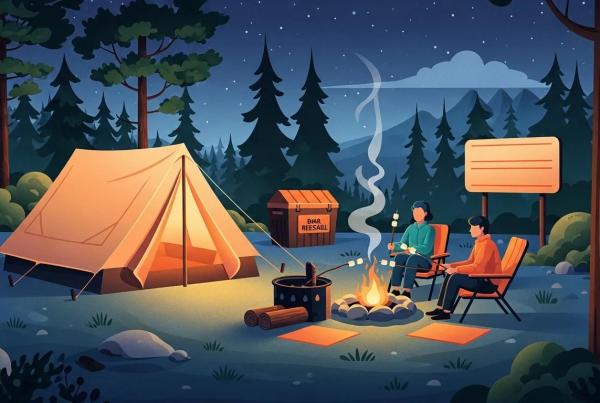
Various tent camping sites showcasing different sizes and layouts

A tent site’s size and layout determine how many people can sleep comfortably and how much gear fits. Tent pad dimensions and ground cover affect your tent choice and overall campsite comfort. Standard tent pads typically offer about 10×10 to 20×20 feet of clear, level space, enough for common tent footprints with room for a small living area. Site orientation, shade, and how close it is to restrooms impact family convenience and safety, so matching the pad size to your tent capacity is key. Here’s a comparison to help campers pick the right tent site type and features.

Tent Site TypeTent Pad Dimensions (ft)Ground Cover & Proximity
Standard Tent Site10–20 L × 10–20 WGrass or packed dirt; near parking/restrooms
Primitive Tent Site12–20 L × 12–20 WNatural ground cover; often farther from facilities
Group Tent Site30+ L × 30+ WOpen area for multiple tents; near picnic shelter

This table helps campers match their tent footprint to pad size and site location. Next, we’ll look at standard tent features and then the unique character and preparation needed for primitive sites.

What Are the Dimensions and Features of Standard Tent Sites?

Standard tent sites focus on convenience and basic amenities for family camping, offering 10–20 foot pads with a picnic table, fire ring, and often nearby parking. These pads comfortably fit 2–4 person tents, and larger family tents can fit within the 15–20 foot range if you orient doors and vestibules for privacy. Standard sites often place campers closer to restrooms and playgrounds, which is great for families with young children or those who want quick access to facilities. When comparing your tent footprint to pad dimensions, leave at least two feet around the tent perimeter for guy lines and foot traffic to ensure a safe campsite setup.

Choosing a standard site often means trading a bit of wilderness immersion for convenience, which leads us to the differences and appeal of primitive tent sites below.

What Are Primitive Tent Sites and How Do They Connect Campers with Nature?

Primitive tent sites emphasize minimal infrastructure—no hookups, fewer amenities, and often a more secluded location—making them ideal for connecting with nature and enjoying quieter family experiences. Typical primitive pads offer similar cleared space (12–20 feet) but may require campers to carry water and use centralized restroom facilities, so preparation and packing strategy are crucial. Primitive camping rewards families with greater privacy and direct access to natural features, but it also requires a strong commitment to leave-no-trace practices and careful attention to safety. Pack water, bear-safe food storage if needed, and plan for basic first aid when choosing primitive sites to ensure a comfortable stay.

Primitive preparations naturally lead into cabin options for families who want built-in amenities without the tenting setup; the next section outlines cabin types and capacities.

What Cabin Rental Types and Amenities Does Walnut Hills Offer?

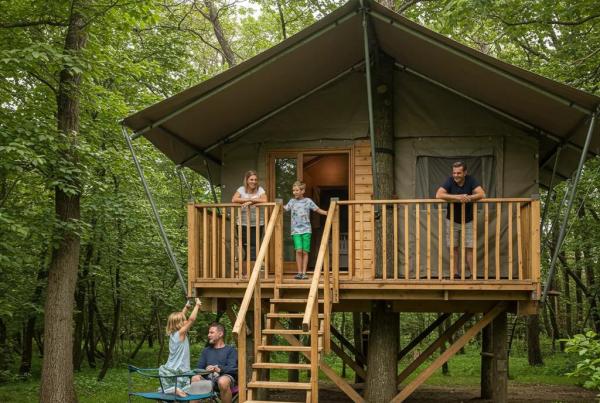
Cabin rentals provide fixed floor space, rooms, and amenity combinations that simplify family stays by removing tent setup and some RV logistics. Cabins range from single-room units to multi-room options with kitchens and bathrooms. Cabins are measured by the number of rooms and their occupancy, which determines suitability for couples, small families, or larger groups. The table below summarizes typical cabin categories and their main features so you can choose based on group size and amenity expectations at family campgrounds like Walnut Hills.

Cabin TypeNumber of RoomsTypical OccupancyIncluded Amenities
Single Room Cabin12–4Basic bedding, heating/cooling
Two Room Cabin24–6Separate bedroom, sleeping loft, basic kitchenette
Family/Group Cabin2+6+Multiple bedrooms, private bathroom, larger kitchenette

This table matches cabin configurations to occupancies and amenities to help families decide which unit fits their needs. The following sections detail capacities and amenity differences in practice.

What Are the Different Cabin Types and Their Sleeping Capacities?

Cabin types generally scale by the number of rooms and sleeping capacity: single-room cabins are good for couples or small families (2–4), two-room cabins accommodate medium families (4–6), and larger family cabins can host groups of six or more with separate sleeping areas. Bed arrangements vary—combinations of beds, bunks, and lofts are common—so confirming the exact layout is important for families with specific sleeping needs. Choose a cabin whose occupancy rating is higher than your group size to avoid feeling cramped and to allow space for luggage and family activities. Understanding these configurations makes it easier to align your cabin choice with planned on-site activities like lake access or playground proximity.

After deciding on capacity, compare which amenities are standard versus upgraded to fine-tune your selection, as described next.

Which Amenities Are Included in Walnut Hills Cabin Rentals?

Walnut Hills cabin rentals typically include essential amenity features like beds, heating/cooling, and basic cookware, with higher-tier cabins offering private bathrooms and kitchenettes for family convenience. Standard amenities reduce the need to pack bulky gear and support multi-day stays with cooking and climate control, while premium features enhance comfort for families who prefer cabin living over tenting. When selecting a cabin, weigh the value of on-site amenities—like being close to the swimming lake or playground—against the cost and your desired privacy to ensure the rental matches your trip’s priorities. Practical amenity choices then feed into the site-selection process using maps and checklists, which we’ll cover next.

How Can You Choose the Perfect Campsite Based on Size, Layout, and Amenities?

Choosing the right campsite starts with a clear list of your needs—vehicle length, group size, desired hookups, and proximity to activities—because matching those factors to site attributes minimizes surprises during setup. Use a step-by-step checklist to evaluate potential sites by pad dimensions, hookup type, layout, and distance to family amenities. An interactive campsite map or site-selector that shows site footprints, orientation, and nearby features makes cross-checking easier and helps you reserve a site that fits your RV length or tent footprint. Here’s a practical checklist followed by guidance on using the map to turn selection into a reservation.

  1. Confirm Vehicle and Tent Dimensions: Measure your RV’s length and slide-out clearance or your tent footprint before comparing sites.
  2. Match Hookups to Stay Duration: Opt for full hookup for extended stays; water-and-electric can work for short visits.
  3. Prioritize Proximity to Amenities: For families, pick sites near playgrounds, the water park, or restrooms as needed.

This checklist clarifies the decision path and leads into how map tools assist the final selection.

What Factors Should Influence Your Campsite Choice?

Key factors include your vehicle/RV length, group composition, pet policies, and desired privacy. Each factor maps to specific site recommendations, such as pull-through full hookups for long RVs and tent pads near playgrounds for families with small children. Consider your stay duration—long stays benefit from sewer hookups—and your activity plans, as proximity to the swimming lake or Wibit water park affects daily logistics. The accessibility and slope of the pad impact leveling and tent setup, while shade and tree cover influence comfort during hot months. Balancing these elements ensures your chosen site supports both practical needs and planned activities.

These selection factors are most useful when visualized on an interactive map that includes site dimensions and amenity icons, helping you reserve the best match quickly.

How Does the Interactive Campsite Map Help in Selecting Your Site?

An interactive campsite map acts as a visual decision tool by displaying site geometry, approximate pad floor size, and nearby amenities, allowing campers to compare options at a glance. The map links site icons to features like hookups, playgrounds, and lake access. You can view site notes on orientation and shade, filter for pull-through versus back-in layouts, and identify sites that accommodate specific RV lengths or tent footprints. For campgrounds with family amenities, the map highlights locations best suited for quick access to water activities or playgrounds. After finding a preferred site on the map, reserve the recommended type directly through the campground’s reservation system to secure the best fit for your group.

Walnut Hills offers an interactive campsite map and site-selector to help families match site size and layout to activities and reserve their preferred site type for their stay.

What Family-Friendly Amenities and Activities Enhance the Camping Experience?

Family-friendly amenities—like a Wibit water park, a swimming lake, a canoe livery on the Shiawassee River, a dog park, and multiple playgrounds—create activity hubs that should influence where you choose to stay and what type of site you select. Pairing your site choice with proximity to amenities makes your days easier and safer: cabins or tent sites near the lake offer quick beach access, while RV sites near playgrounds make it easier to supervise young children. Amenities also affect your gear needs; water-based recreation might require secure storage and quick drying space, which influences whether you choose a larger pad or a cabin with a kitchenette. The next sections explain how water features and river/playground activities connect with site types and family planning.

How Do Water Parks and Lake Activities Complement Campsite Options?

Water parks and swimming lakes are best enjoyed from nearby accommodations to minimize travel time and simplify supervision of children. Cabins or tent sites closest to the lake provide the quickest access for families planning multiple daily swims. For families with lots of gear or young children, selecting an RV or cabin close to water amenities reduces the need for repeated car trips and streamlines logistics. Safety considerations—life jackets, shade, and adult supervision—are paramount when pairing kids with water activities. Choosing a site that balances proximity with a peaceful atmosphere will help families enjoy water amenities while still having restful evenings.

Easy access to water amenities ties directly into river adventures and playground location choices, which we’ll discuss next.

What River Adventures and Playground Facilities Are Available for Families?

River adventures like canoe trips launched from a canoe livery and multiple playgrounds offer age-appropriate recreation and help structure daily plans around your campsite location. Sites near the Shiawassee River canoe livery are ideal for groups wanting quick launch access and minimal gear hauling, while quieter zones farther from playgrounds are better for families prioritizing peaceful evenings and naps. Playground placement is important for supervision; choose a site within comfortable walking distance if you plan frequent short visits. Matching the activity type with your site placement ensures both safety and convenience for family outings.

This guide brings together campsite dimensions, layouts, and amenity matching to help families select the best site for their needs at family-focused campgrounds like Walnut Hills in Durand, Michigan.

Frequently Asked Questions

What should I consider when choosing a campsite for a large family?

When picking a campsite for a large family, think about your group’s size, the type of lodging you need, and the amenities available. Look for sites that can comfortably fit multiple tents or RVs, and make sure there are enough sleeping spots. Being close to family-friendly amenities like playgrounds, restrooms, and water activities is also key for convenience. Plus, check the site’s layout to ensure it allows for easy movement and access to shared areas, making the whole camping experience better.

Are there specific campsite features that cater to families with young children?

Yes, many campgrounds have features specifically designed for families with young children. Look for sites that are close to playgrounds, swimming areas, and restrooms to cut down on travel time and improve safety. Some campgrounds also offer family-friendly perks like picnic spots, fire pits, and organized activities. Also, consider sites with level ground and shade to create a comfortable space for kids to play and rest. These features can really make a difference for families with little ones.

How can I ensure my RV fits the campsite dimensions?

To make sure your RV fits the campsite dimensions, start by measuring your RV’s length, width, and how far your slide-outs extend. Compare these measurements with the campsite’s specs, which usually include maximum RV lengths and pad dimensions. It’s a good idea to pick a site that offers a bit of extra space beyond your RV’s size to allow for leveling and outdoor setups. Also, consider the layout type—pull-through sites might offer more flexibility for larger rigs compared to back-in sites, which require more precise maneuvering.

What are the benefits of choosing a primitive tent site?

Choosing a primitive tent site offers several advantages, especially for those wanting a more immersive nature experience. These sites typically have minimal infrastructure, allowing campers to connect more deeply with the outdoors. They are often in secluded spots, which can enhance privacy and tranquility. Primitive sites encourage campers to practice leave-no-trace principles, fostering a greater appreciation for nature. However, they may require more preparation, like carrying water and using central restrooms, making them ideal for experienced campers seeking adventure.

How do cabin rentals differ from tent camping in terms of amenities?

Cabin rentals are quite different from tent camping when it comes to amenities and comfort. Cabins usually come with essential features like beds, heating/cooling systems, and kitchen facilities, which can enhance the overall camping experience, especially for families. In contrast, tent camping requires more gear and setup, with fewer built-in comforts. Cabins also offer protection from the elements, making them suitable for various weather conditions. This convenience allows families to focus more on activities rather than logistics, making cabin rentals a popular choice for those seeking a more comfortable stay.

What factors should I consider when planning activities around my campsite?

When planning activities around your campsite, consider how close amenities like swimming lakes, playgrounds, and hiking trails are. Assess the ages and interests of your group to choose suitable activities that everyone can enjoy. Also, think about the logistics of getting between your campsite and activity locations—shorter distances can mean more convenience, especially for families with young children. Weather conditions and safety considerations, like supervision near water, should also influence your planning to ensure a fun and safe camping experience for everyone.

Conclusion

Picking the right campsite size and layout is essential for maximizing comfort and enjoyment on your family camping trip. By understanding the dimensions and amenities of RV, tent, and cabin sites, you can ensure a smooth experience tailored to your group’s needs. Explore the interactive campsite map at Walnut Hills to find the perfect site that matches your activity plans and family preferences. Start planning your unforgettable camping adventure today!