How to Evaluate Campground Real Estate Agents Based on Your Unique Needs
Selecting the right campground real estate agent hinges on your property’s specifics, your priorities as a seller, and the exit timeline you aim to achieve. This guide empowers campground and RV park owners to assess specialized brokers by detailing essential agent qualities, effective marketing strategies, crucial interview questions, valuation methods, and practical steps for seller preparation. Many owners grapple with challenges like unclear commissions, lengthy marketing periods, and mismatched buyer leads; this guide offers actionable checklists, context on valuation metrics (NOI and SDE), and direct comparisons to help you decide between using a broker or pursuing an alternative. You’ll discover practical interview questions, tables for evaluating marketing plans, comparisons of valuation approaches (EAV), and a candid pros-and-cons analysis of brokered sales versus a direct acquisition path. Read on to learn how to vet specialization, assess buyer networks and marketing materials, ask the right questions during interviews, understand how valuation impacts agent choice, and prepare your campground for a timely and fair sale.
What Are the Key Qualities of a Good Campground Real Estate Agent?
A proficient campground real estate agent specializes in outdoor hospitality transactions, understands seasonal revenue dynamics, and translates operational data into credible market value and buyer interest. These skills minimize transaction risks and boost the likelihood of connecting your property with suitable buyers, leading to better price outcomes and smoother closings. Owners should prioritize agents who demonstrate industry-specific knowledge, verifiable success stories, and transparent processes. The following sections break down these qualities into practical verification steps and measurable indicators of their buyer network and competence.
Campground and RV park sellers should seek out these core qualities:
- Specialized experience in campground and RV park transactions, evidenced by past deals involving similar asset types and locations.
- A proven track record, supported by verifiable references and documented sale results that show price achieved versus initial expectations.
- A robust buyer network and targeted marketing reach across investor and operator segments.
- Clear communication protocols and a transparent commission and fee structure.
- Proficiency in valuation methods, including NOI, SDE, and market comparables tailored to outdoor hospitality.
These core qualities provide a prioritization framework for owners when comparing candidates and establish a baseline for the interview questions that follow.
Why Does Specialized Campground and RV Park Experience Matter?
Specialized campground and RV park experience is crucial because these properties have distinct revenue streams, seasonality, and regulatory considerations that general commercial brokers might overlook. A specialist understands how camping revenue, derived from nightly RV sites, cabins, and ancillary services, impacts both Net Operating Income (NOI) calculations and buyer interest. Specialists can anticipate zoning limitations, utility challenges, and the valuation of amenities (e.g., hookups, septic systems, trails), thereby reducing unexpected negotiation hurdles. Recognizing the value of specialization allows sellers to narrow down candidates to those most likely to attract qualified buyers swiftly and to price the property based on operational realities rather than generic market data.
How to Verify an Agent’s Track Record and References?

Verifying an agent’s track record involves requesting transaction summaries, metrics on sale price versus list price, and contactable references who can confirm timelines and outcomes. Ask for case studies detailing property type, site count, geographic area, marketing duration, and buyer profile; then, follow up with references to confirm marketing claims and closing experiences. Review public sale records where available to validate reported prices and timelines, and ask for examples illustrating negotiation results and how contingencies were managed. These verification steps help expose exaggerated claims and identify agents who consistently convert listings into successful sales.
What Role Does a Strong Buyer Network and Marketing Reach Play?
A strong buyer network accelerates the time to receiving offers and often increases the final sale price by identifying motivated operators and investors who value campground cash flows through targeted outreach. Evaluate an agent’s database segmentation (e.g., operator-to-operator, institutional buyers, private investors) and request examples of recent matches for similar properties. Key metrics to inquire about include buyer engagement rates, the number of targeted outreach contacts for your property type, and conversion rates from outreach to offers. A robust network combined with strategic marketing reduces reliance on passive listings and enhances the probability of finding a buyer aligned with your exit objectives.
How Transparent Should Communication and Fee Structures Be?
Transparent communication and fee structures protect sellers from unforeseen expenses and misaligned expectations, and these should be documented in writing before any engagement. Expect a proposed communication schedule (weekly or biweekly updates), a clear outline of services, and an itemized fee breakdown that distinguishes commission, advertising costs, and reimbursable expenses. Request sample listing agreements and marketing plans that illustrate how fees contribute to achieving results, and establish clear milestones for reporting and decision-making. Early and clear transparency builds trust and simplifies the management of timeline and negotiation choices as the sale progresses.
How Do You Assess the Marketing Strategies of Campground Brokers?
Assessing marketing strategies involves examining whether the broker employs a blend of industry marketplaces, targeted outreach, and professional collateral to connect with qualified buyers for campground and RV park properties. Effective strategies include curated buyer emails, direct outreach to operator networks, high-quality photography and site plans, and confidential offering memorandums. The following sections explore advertising channels, buyer database influence, and essential marketing materials, enabling sellers to evaluate the practical effectiveness of an agent’s plan.
What Types of Advertising and Online Presence Should You Expect?
Campground listings benefit from a combination of targeted industry marketplaces, direct outreach to segmented buyer lists, and professional digital assets that convey both financial and operational details. Expect listings to appear on specialized marketplaces and in targeted email distributions, rather than solely on generic MLS feeds. While paid search and social media can generate inbound interest, they are generally less effective than curated outreach to buyers actively involved in outdoor hospitality. Professional photography, drone imagery, and virtual tours significantly enhance buyer engagement and help qualify leads earlier in the process.
How Can an Agent’s Buyer Database Influence Your Sale?
An agent’s buyer database is a primary tool for converting a listing into a closed sale, as curated lists identify buyers with prior interest and specific geographic focus. Inquire about the database’s size, recency, and segmentation (operators, private investors, institutions), and request examples of successful matches. Also, ask how frequently the agent updates contacts and how they segment outreach for properties where confidentiality is critical. A well-maintained database minimizes marketing spend waste and can generate competitive tension, thereby improving your net proceeds.
What Are Effective Marketing Materials for Campground Sales?
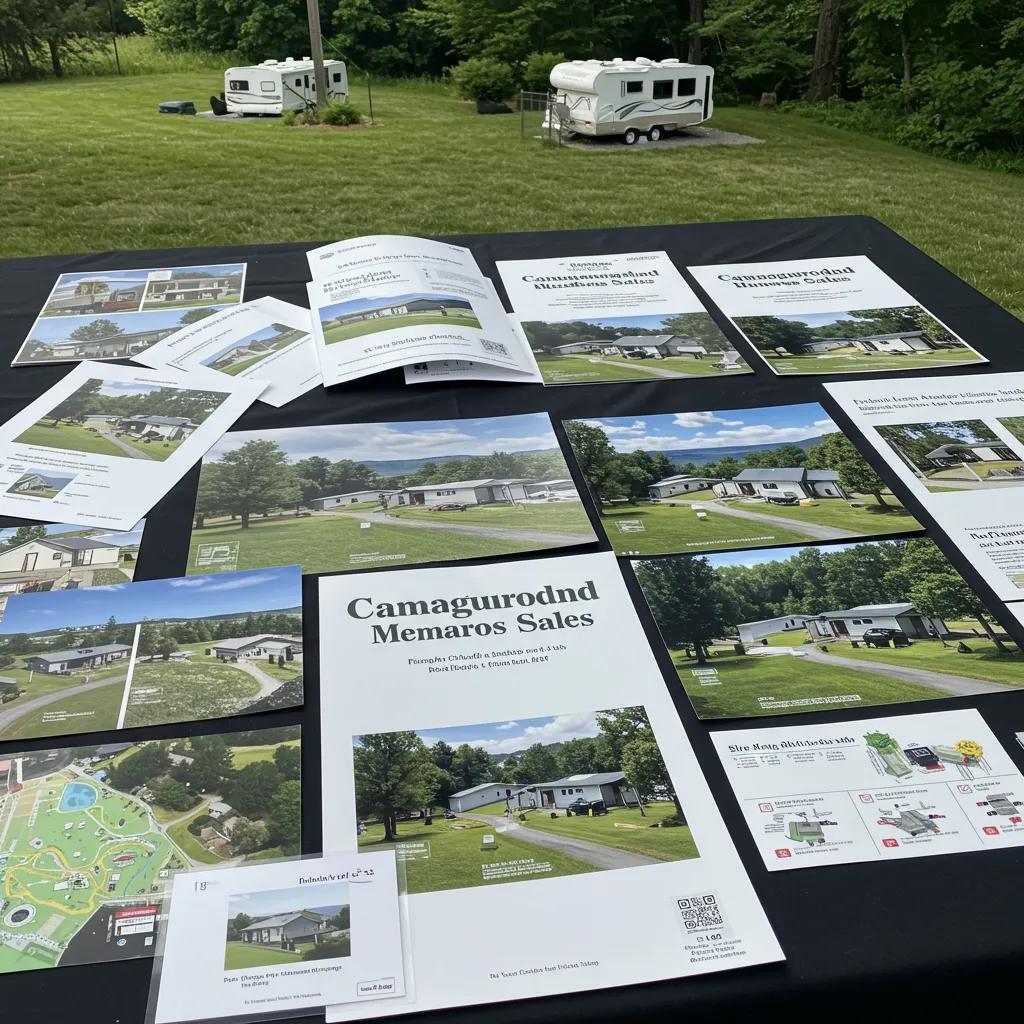
Effective marketing materials include a professional offering memorandum, a financial summary detailing occupancy and rate history, high-resolution photos and site plans, and a secure data room for diligence documents. These materials must strike a balance between providing sufficient financial transparency to attract qualified bids and protecting confidentiality until buyers sign NDAs. Clear, well-structured collateral builds buyer confidence and expedites due diligence, so insist on seeing examples of previous offering memorandums and understanding the agent’s approach to confidentiality. Strong materials typically lead to higher-quality offers and fewer negotiation surprises.
Before reviewing the agent’s marketing plan, compare common channels and their expected performance in practice:
This comparison highlights why targeted outreach and curated databases often outperform broad consumer channels when selling campgrounds. The next section explains how to use interview questions to vet these marketing capabilities.
What Questions Should You Ask When Interviewing Campground Real Estate Agents?
Interviewing agents requires a focused set of questions designed to reveal their specialization, track record, fee transparency, timeline management capabilities, and communication style. The right questions enable objective comparison of candidates, identification of potential red flags, and alignment of expectations. Below are subsections featuring targeted questions and guidance on ideal answers to help you structure your interviews and evaluate responses.
The following list includes prioritized interview topics to cover in initial meetings:
- Deal experience and specialization: number of campground/RV park transactions and types of buyers engaged.
- Marketing and buyer outreach: databases, channels, and sample offering memorandums.
- Fees and commission structure: written fee schedule and advertising cost allocation.
- Timeline and process: sample milestones from listing to close and typical due diligence periods.
- Communication expectations: reporting cadence, primary point-of-contact, and escalation paths.
Use these topics to consistently compare multiple agents and pinpoint those who provide the most credible evidence of expected outcomes.
Which Questions Reveal an Agent’s Industry Specialization?
To uncover true specialization, ask how many campground or RV park deals the agent has closed in recent years, what property sizes they typically handle (by site count), and which buyer types they routinely engage. Sample questions include: “Can you provide three recent campground transactions with their sale metrics?” and “How do you segment prospective buyers for this specific property type?” Answers that reference specific deal metrics, buyer names or categories, and replicable marketing tactics indicate genuine specialization. Be wary of vague responses that emphasize general commercial experience without concrete campground-specific examples.
How to Inquire About Commission Rates and Fee Transparency?
Request a written fee schedule and a detailed scope of services that links costs to deliverables, including commission, marketing budgets, and any reimbursable expenses. Use sample phrasing: “Please provide a comprehensive fee breakdown detailing commission tiers, contributions to advertising, and any reimbursable costs.” Inquire about negotiation flexibility and whether the agent offers tiered commission structures tied to specific price thresholds. Transparent agents will readily provide a clear matrix and justify their marketing expenditures in terms of targeted buyer outreach and anticipated ROI.
What Should You Ask About the Sales Process and Timeline?
Ask for a sample timeline illustrating key milestones from listing to offer acceptance, expected due diligence duration, and closing timelines for comparable properties. Use questions such as: “What is your typical marketing window for campgrounds of this size?” and “How long does due diligence usually take after an offer is accepted?” Compare the historical timelines provided by the agent with industry norms for your specific market and property type. Look for agents who set realistic milestones and offer contingency plans to address potential regulatory or seasonal delays.
How to Evaluate an Agent’s Communication and Responsiveness?
Establish clear communication expectations by asking about the frequency of written updates you will receive, who your primary point of contact will be, and how the agent documents buyer interactions. During the vetting process, test responsiveness by tracking how promptly and thoroughly the agent follows up after your interview. Ideal commitments include weekly written reports, designated contacts for offers and due diligence matters, and documented marketing performance metrics. Consistent, documented communication during the vetting phase is a reliable indicator of their behavior during an active sale.
How Do Campground Valuation Methods Impact Agent Selection?
Valuation methods—NOI, SDE, and gross multipliers—significantly influence pricing strategy and the types of buyers an agent targets. It’s essential that your agent is proficient in the method that best aligns with your exit goals. Agents who default to an inappropriate valuation framework risk mispricing the property and extending its time on the market. The subsections below define NOI and SDE, explain their application, and illustrate how agents should incorporate market trends into their valuations.
Different valuation approaches yield varying price expectations and require distinct agent competencies. Compare how agents utilize each method before committing to representation:
This EAV table clarifies that seller objectives dictate which valuation method the agent should prioritize; the subsequent subsections define each and provide guidance on selection.
What Is Net Operating Income and Why Is It Important?
Net Operating Income (NOI) represents total property revenue minus operating expenses, excluding financing costs and owner-specific discretionary benefits. It serves as the foundation for cap-rate valuation. Buyers who rely on NOI calculate value using the formula: Value = NOI / Cap Rate, which emphasizes predictable property cash flow. Agents skilled in NOI-based valuation can position your campground effectively for institutional or investor buyers by benchmarking local cap rates and presenting financials that are normalized for expenses. Proper NOI calculation minimizes disputes during due diligence and supports realistic pricing.
How Does Seller’s Discretionary Earnings Affect Pricing?
Seller’s Discretionary Earnings (SDE) measures the total benefit to the owner by adding back discretionary expenses and owner compensation to NOI-level earnings, providing a clearer picture of what an operating buyer might earn. SDE is particularly useful when marketing to operator-buyers who intend to manage the property personally and value owner perks. However, institutional buyers typically prefer NOI normalized to market operations. Therefore, agents must tailor their valuation narratives to the specific buyer type they are targeting. Understanding both SDE and NOI enables an agent to craft distinct offering packages for different buyer segments.
How Should Agents Use Market Trends in Valuation?
Agents should integrate local occupancy rates, pricing trends, zoning changes, and investor sentiment into their valuation assumptions to justify pricing adjustments. Practical examples include adjusting projected revenues based on rising regional occupancy or applying a premium when demand for outdoor recreation is increasing. Ask agents about the data sources they utilize—such as local comparables, regional tourism statistics, and buyer feedback—and how they stress-test their assumptions using sensitivity analyses. Agents who explicitly model multiple scenarios (best-case, base-case, downside) demonstrate rigorous valuation practices that reduce the risk of prolonged marketing periods.
What Are the Pros and Cons of Using a Campground Real Estate Agent vs. Selling Directly?
Comparing a traditional brokered sale with a direct sale reveals trade-offs concerning net proceeds, timeline, confidentiality, and legacy preservation. Brokers can broaden buyer reach and potentially generate competitive bids, but they incur commission costs and may lead to longer marketing timelines. Direct buyers can offer process simplicity, faster timelines, and fewer intermediaries, though sellers might receive offers that reflect the buyer’s post-acquisition plans. The table below compares common attributes to assist owners in selecting the optimal path for their priorities.
This comparison indicates that sellers prioritizing maximum net price and market competition may favor brokers, while those prioritizing simplicity, speed, or legacy-minded stewardship might prefer direct buyers. The following subsections delve into typical commission effects, benefits of a direct sale to a specific buyer, timeline differences, and common seller pain points.
How Do Brokerage Commissions Affect Your Net Sale Proceeds?
Brokerage commissions, typically calculated as a percentage of the gross sale price, directly reduce net proceeds. Typical ranges vary and should be factored into your exit planning. Calculate net proceeds by subtracting estimated commission, closing costs, and taxes from an anticipated sale price to understand the practical impact. Negotiate commission structures where feasible, for instance, by using tiered rates that reward higher sale prices or by clarifying which marketing costs are included versus those that are reimbursable. Modeling net proceeds under different commission scenarios helps you determine if the broker’s marketing efforts can realistically offset the fee through a higher gross sale price.
What Are the Benefits of a Direct Sale to GatherGrounds Resorts?
A direct sale to GatherGrounds Resorts presents an alternative acquisition route where a buyer directly purchases campground properties, emphasizing a family-owned approach and legacy preservation. Their direct acquisition model serves as an alternative to engaging a real estate agent or brokerage and is designed for campground owners seeking a thoughtful transition or retirement. For owners who value process simplicity, maintaining community traditions, and avoiding brokerage commissions, this direct pathway can streamline negotiations and reduce intermediary complexity. Sellers considering a direct sale should evaluate how the buyer values operational continuity and what timeline and due diligence expectations they propose.
How Does the Selling Timeline Compare Between Agents and Direct Buyers?
Brokered sales typically require extended marketing periods to attract competitive bids and can span several months from listing to closing, due to the time involved in buyer outreach, offer negotiation, and extended due diligence. Direct buyers often negotiate and proceed through due diligence more rapidly because discussions are bilateral and confidentiality is easier to manage. However, final timelines still depend on financial and regulatory reviews. Sellers who require speed should prepare comprehensive documentation in advance and consider direct offers, while sellers seeking maximum market exposure should allow ample time for a brokered process. Understanding these timeline trade-offs helps align the transaction type with seller objectives.
What Are Common Seller Pain Points When Working with Brokers?
Common seller frustrations include overpricing that stalls the market, inadequate communication regarding marketing progress, unexpected marketing fees, and lengthy timelines that disrupt exit plans. Mitigation strategies involve requiring a documented marketing plan, sample case studies, a clear fee schedule, and defined reporting cadences within the agency agreement. Red flags include vague performance metrics, reluctance to provide references, and ambiguous advertising budgets. Protect seller interests with contract clauses that specify approval for marketing expenditures, outline milestone reviews, and define termination rights if agreed-upon performance metrics are not met.
How Can You Identify the Best Campground Brokerage Firms for Your Needs?
Identifying the most suitable brokerage firms requires a structured comparison of their experience, geographic reach, buyer network quality, and demonstrated results. Utilize objective metrics—such as the number of similar deals closed, buyer contact volume, and examples of marketing expenditures—alongside qualitative factors like communication style and local market knowledge. The subsections below describe different brokerage models, key comparison metrics, and how to vet testimonials and case studies to select a firm that aligns with your sale objectives.
What Are the Top Campground Brokerages and Their Specialties?
Brokerages vary by model: local specialists often offer deep regional insights and established operator networks; national brokerages provide broader reach and access to institutional buyers; marketplaces offer wide distribution but less personalized outreach. Choose a model based on your property’s size and your seller goals: local specialists may be ideal for nuanced operational transitions, while national firms are suited for properties attracting institutional capital. Weigh the trade-offs between specialized focus and geographic scope to determine the best fit for your campground.
How to Compare Brokerages Based on Experience and Market Reach?
Compare brokerages using a scoring checklist that includes metrics such as the number of similar deals closed, buyer lead conversion rates, documented marketing budgets, and the age and segmentation of their buyer database. Request case metrics: listing period, number of qualified offers received, and sale-to-list price ratios. Score each candidate on these objective measures, then incorporate qualitative fit factors—communication style, fee transparency, and negotiation approach—to create a balanced selection matrix.
What Role Do Testimonials and Case Studies Play in Choosing a Broker?
Testimonials and case studies serve as supporting evidence but should ideally be validated through references and public records where possible. Request comprehensive case summaries that include property characteristics, marketing strategy, timeline, sale price, and contact information for references. Use testimonials as conversation starters when contacting references, and interpret case study metrics (e.g., sale price versus expectations) in the context of market timing and property uniqueness. Verified, detailed case studies offer stronger proof of competency than anonymous or vague testimonials.
How Do You Prepare to Work Effectively with Your Chosen Campground Real Estate Agent?
Preparing to work with an agent streamlines the sale process, reduces friction during due diligence, and can shorten the timeline while enhancing buyer confidence. Preparation involves organizing financial documentation, aligning on realistic expectations for pricing and timing, and maintaining the property’s appeal throughout the marketing period. The subsections below provide concrete checklists for documentation, expectation setting, and maintenance practices to ensure an efficient and buyer-ready process.
The following list summarizes essential preparation categories you should complete before listing:
- Financial and operational documentation: income statements, occupancy data, P&L, tax returns.
- Legal and site documentation: titles, easements, environmental reports, permits.
- Property readiness: maintenance logs, recent improvements, staged amenity areas.
- Communication plan: designate a primary contact and define reporting cadence.
Completing these tasks reduces friction in both brokered and direct sale scenarios and signals readiness to serious buyers.
What Financial Documentation Should You Provide?
Buyers and agents expect organized financial documentation, including historical income statements, occupancy and ADR (average daily rate) data, P&L statements, and recent tax returns. Provide normalized operating statements that distinguish discretionary owner benefits from recurring operating expenses to facilitate both NOI and SDE analyses. Organize documents logically—financials, leases or site agreements, vendor contracts, and maintenance records—to expedite the review of the data room. A well-organized financial package enhances valuation credibility and reduces the time spent on basic data requests.
How to Set Realistic Expectations for the Selling Process?
Set realistic expectations by aligning on market-based pricing, acknowledging seasonal influences on buyer interest, and agreeing on a feasible timeline with defined milestones for marketing, offers, due diligence, and closing. Discuss price flexibility, contingency scenarios, and potential negotiation levers with your agent before listing. Utilize sample timelines and sensitivity analyses to visualize potential outcomes under various market responses. Clear expectations minimize emotional pricing decisions and keep the process focused on achievable results.
What Are Best Practices for Maintaining Your Campground’s Appeal During Sale?
Maintain curb appeal and ensure amenities are ready by completing seasonal maintenance, documenting recent improvements, and staging key areas like waterfronts or communal facilities for buyer visits. Develop a simple property tour script and checklist to ensure showings highlight revenue-generating features and operational efficiencies. Keep maintenance records current and readily accessible to demonstrate care and alleviate buyer concerns about deferred capital expenditures. These practices preserve perceived value and can accelerate the offer process.
For owners exploring alternatives to brokered sales, including those who prioritize legacy-minded transitions or simplified processes, consider the direct acquisition model and instances where buyers directly purchase campgrounds and RV parks. GatherGrounds Resorts, a family-owned acquirer, offers a direct option focused on preserving property legacy and providing streamlined transaction pathways for owners seeking a thoughtful transition or retirement. Sellers interested in exploring a direct sale pathway or comparing timelines and process differences can review the buyer’s stated approach to acquisitions for properties that align with their criteria.
Real Estate Valuation: Profit Method and Property Appraisal
The profit method is used in many cases for real estate appraisal, where the value of the property is determined by the income it generates. This method is particularly relevant for income-producing properties such as commercial real estate, where the potential for future earnings is a key factor in its valuation. The selection of a real estate property appraisal method is influenced by the property type, its condition, and the available market information.
Current problems of valuation and real estate management by value, S Źróbek, 2014
Frequently Asked Questions
What should I consider when preparing my campground for sale?
Preparing your campground for sale involves several key steps. First, ensure that all financial and operational documentation is organized, including income statements and occupancy data. Next, address any maintenance issues to enhance curb appeal and ensure that amenities are in good condition. Additionally, consider staging key areas to highlight their value during showings. Finally, establish a clear communication plan with your agent to keep everyone informed throughout the process. These preparations can significantly improve buyer confidence and expedite the sale.
How can I determine the right asking price for my campground?
Determining the right asking price for your campground involves a thorough analysis of various factors. Start by evaluating recent sales of similar properties in your area to understand market trends. Consider using valuation methods like Net Operating Income (NOI) or Seller’s Discretionary Earnings (SDE) to assess your property’s financial performance. Additionally, consult with your real estate agent to gain insights into local market conditions and buyer expectations. Setting a competitive yet realistic price can attract more potential buyers and facilitate a quicker sale.
What are the benefits of using a specialized campground broker?
Using a specialized campground broker offers several advantages. These brokers possess in-depth knowledge of the outdoor hospitality market, which allows them to accurately assess property value and identify potential buyers. Their established networks can lead to quicker sales and potentially higher offers. Additionally, specialized brokers understand the unique challenges associated with campground sales, such as seasonal revenue fluctuations and regulatory issues, enabling them to navigate the process more effectively. Overall, their expertise can streamline the selling experience and enhance financial outcomes.
How can I ensure effective communication with my real estate agent?
To ensure effective communication with your real estate agent, establish clear expectations from the outset. Discuss how often you would like to receive updates—weekly or biweekly—and agree on the preferred method of communication, whether via email, phone, or in-person meetings. Designate a primary contact person for any inquiries or concerns. Additionally, encourage your agent to provide regular reports on marketing progress and buyer interest. Open and transparent communication fosters trust and helps keep the selling process on track.
What are common mistakes to avoid when selling a campground?
Common mistakes to avoid when selling a campground include overpricing the property, which can deter potential buyers and prolong the sale process. Failing to prepare necessary documentation and maintenance can also lead to buyer concerns and lower offers. Additionally, neglecting to communicate effectively with your agent can result in misunderstandings and missed opportunities. Lastly, not being flexible with negotiations can limit your options. By avoiding these pitfalls, you can enhance your chances of a successful and timely sale.
How do I evaluate the marketing strategies of potential agents?
To evaluate the marketing strategies of potential agents, ask about their approach to reaching qualified buyers. Inquire about the specific channels they use, such as industry marketplaces, targeted outreach, and digital marketing efforts. Request examples of past marketing materials, including offering memoranda and promotional collateral. Additionally, assess their buyer database’s size and segmentation to understand how they plan to attract interest. A comprehensive and tailored marketing strategy is crucial for maximizing exposure and achieving a successful sale.
Conclusion
Evaluating campground real estate agents based on their specialized experience, proven track records, and transparent communication can significantly enhance your selling process. By understanding the unique qualities that make an agent effective, you can ensure a smoother transaction and better financial outcomes. Take the next step in your selling journey by reaching out to qualified agents who align with your specific needs. Explore our resources to find the right partner for your campground sale today.