
What to Know About Common Camp Dearborn Camping Issues and How to Solve Them
Camping at Camp Dearborn can be a rewarding family adventure, but common challenges—from aging comfort stations to crowded weekends—often shape the experience more than planners anticipate. This article breaks down the most frequently reported Camp Dearborn problems, explains why they occur, and offers concise, actionable fixes to help families ensure a smooth trip. You’ll learn how facility condition, amenity reliability, noise and crowding, and reservation policies create recurring pain points, along with step-by-step preparation, on-site remedies, and guidance on when to consider alternatives. Each H2 section details issue categories, navigational tips for rules and bookings, practical mitigation strategies, and alternatives tailored to family needs. The final sections connect these solutions to nearby private options that feature modernized facilities and family activities, empowering readers to decide whether to adapt to Camp Dearborn’s constraints or choose a different campground.
What Are the Most Common Camping Issues at Camp Dearborn?
Common issues at Camp Dearborn tend to fall into categories like infrastructure, amenity condition, site limitations, and visitor density. These often stem from high seasonal use, phased maintenance schedules, or event planning that concentrates visitors. Expect challenges such as inconsistent hookups, older comfort stations, tight site spacing, and intermittent service issues. Understanding these categories will help campers prioritize their packing and site selection. Below is a focused comparison outlining what to expect and simple mitigation steps for each common concern, aiding campers in their preparation or in choosing alternatives when planning their visit.
This EAV table summarizes facility expectations and practical mitigation steps.
This concise comparison clarifies preparedness priorities and leads directly into the specific facility problems campers report most often.
Which Facility Problems Do Campers Frequently Encounter?
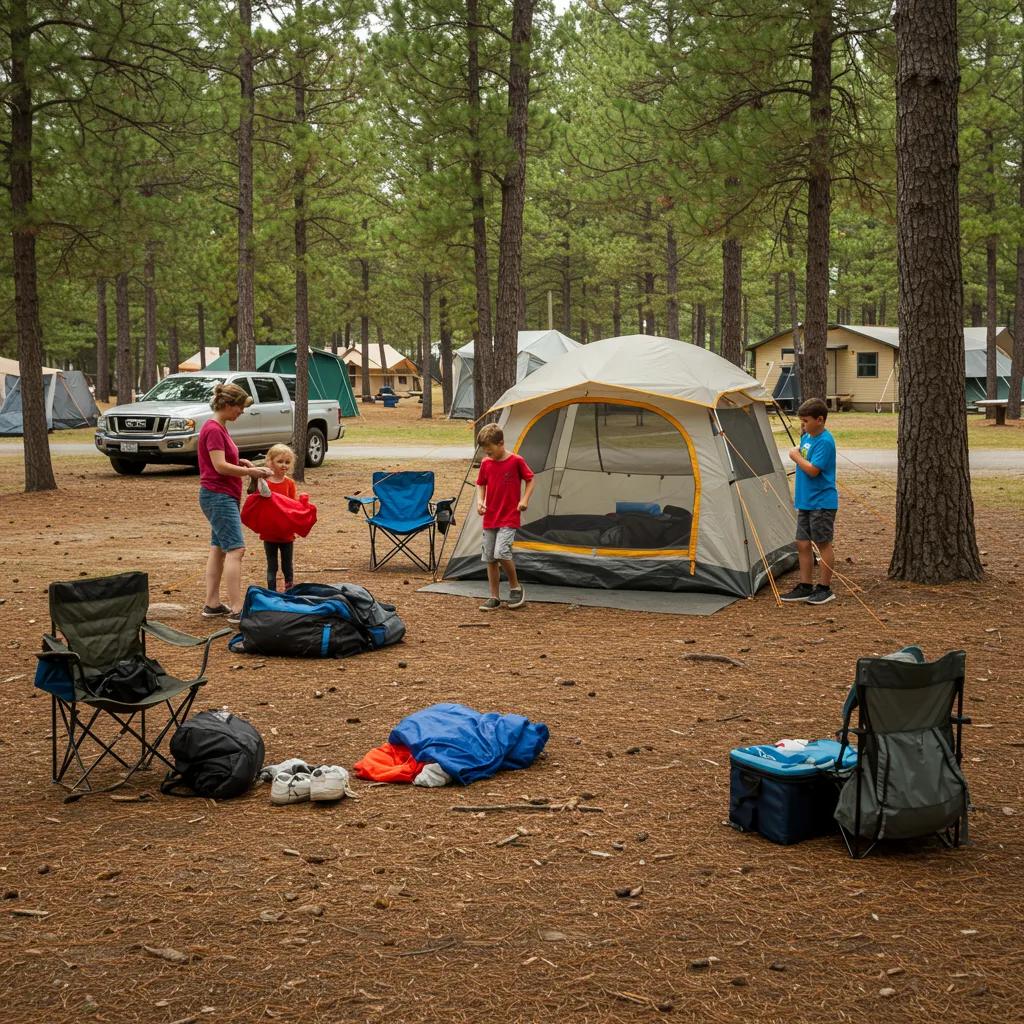
Facility problems at public campgrounds commonly include worn comfort stations, uneven tent pads, extended hookup runs, and weather-damaged roads, all of which can reduce convenience and increase setup time. Campers frequently report that shower availability and restroom cleanliness can vary by time of day, and that electrical hookups might require extension cords or adapters. Planning around these potential constraints can significantly reduce frustration. Bringing basic repair and comfort items, and confirming site details before arrival, can help mitigate many of these facility-related inconveniences. Understanding these typical facility shortcomings prepares families to minimize downtime and focus on their activities.
What Are Typical Complaints About Camp Dearborn Amenities?
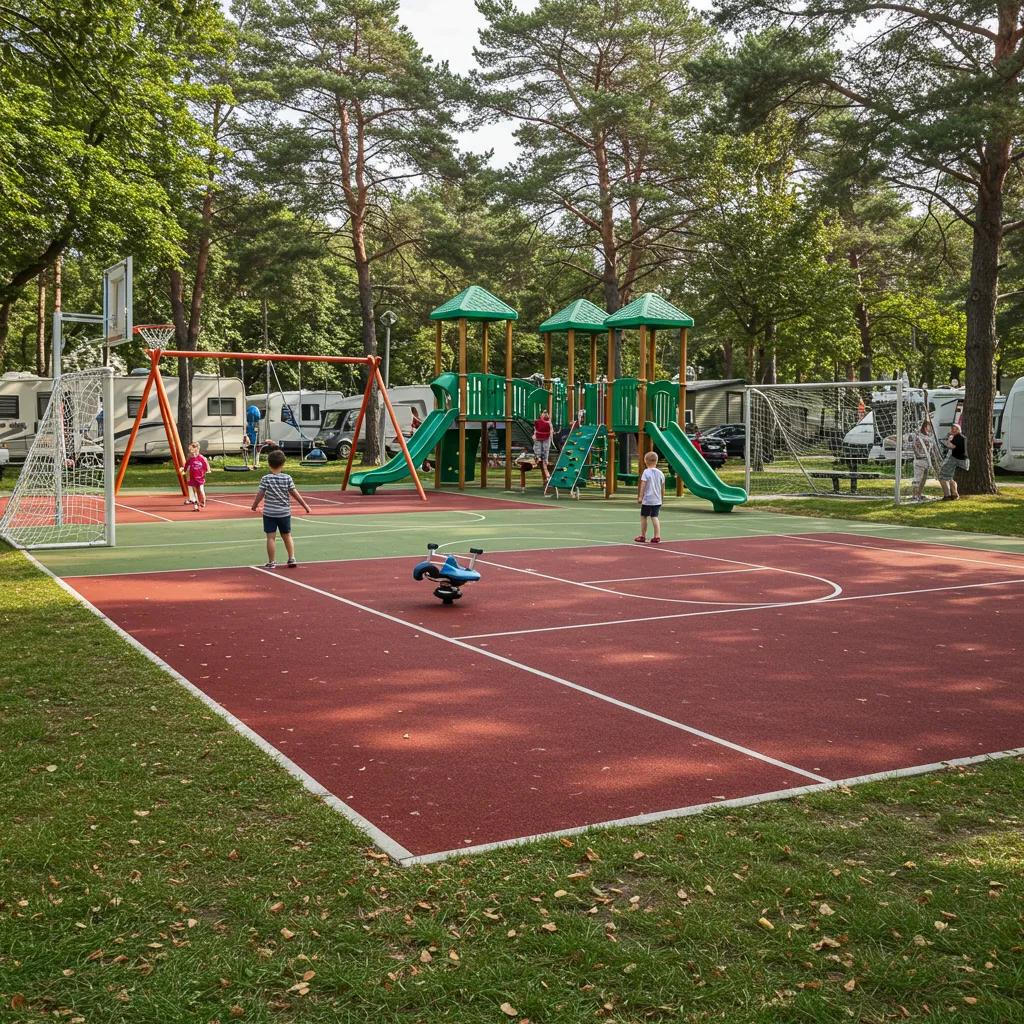
Amenity complaints typically center on their condition and usability: playgrounds or sports courts that need maintenance, dog areas with inconsistent upkeep, or seasonal closures of rustic rentals—all of which can affect family plans. Reviews often suggest verifying the operating status of specific amenities and inquiring about spacing or hookup length when booking, as long or unreliable runs can impact RV and tent setups. A quick pre-arrival checklist (confirm amenity hours, describe hookup length, ask about recent maintenance) helps set realistic expectations and minimizes on-site surprises. These checks naturally lead into how crowding and noise can interact with amenities to shape the overall stay.
How Do Noise and Crowding Affect the Camp Dearborn Experience?
Noise and crowding often arise from high event activity, dense site layouts, and peak-season visitation, which can noticeably reduce restful family time and child-friendly downtime. Campers should anticipate louder nights near event areas and on holiday weekends, so choosing quieter loops or opting for midweek stays can help preserve a sense of calm. Bringing earplugs and white-noise options as backup is also recommended. Respectful campsite etiquette and awareness of posted quiet hours can further reduce conflict and improve group experiences. These behavioral and selection strategies naturally lead into how to navigate campground rules to avoid penalties.
This issue of noise and crowding is a common concern in public parks, as highlighted by park managers themselves.
Managers’ Perceptions of Crowding and Noise in State Parks
ABSTRACT: Krinsky, Aaron;Kuehn, Diane.Journal of Park and Recreation Administration; UrbanaVol. 38, Iss. 4,(2020).DOI:10.18666/JPRA-2019-10080
Managers’ perceptions of crowding and noise in New York state parks, 2020
How Can Campers Navigate Camp Dearborn’s Rules and Policies Effectively?
A clear understanding of the rules can prevent disputes and fines. Key policy areas include pets, quiet hours, visitor limits, vehicle regulations, and cancellation terms. Knowing these in advance can reduce friction. Campers should document confirmations, read posted policies upon arrival, and plan for pet containment, guest caps, and quiet hours to ensure compliance. The following table lists policy areas with practical tips for compliance, helping families integrate rules into their predictable trip planning.
This targeted policy matrix helps campers align their behavior with site expectations and leads into a closer look at key policy categories.
What Are the Key Rules for Pets, Quiet Hours, and Visitors?
Pet rules generally require control and may limit where dogs can roam. Quiet hours define when amplified noise is restricted, and visitor numbers may be limited to protect site capacity. Families should plan routes to pet relief areas, pack litter/clean-up supplies, and schedule high-energy activities for daytime to respect quiet periods. Confirming these details before arrival can reduce misunderstandings and preserve a family-friendly environment. Knowing this makes it easier to follow reservation and cancellation policies when plans change.
How Do Camp Dearborn’s Reservation and Cancellation Policies Work?

Reservation and cancellation processes typically involve online booking windows, deposit requirements, and defined refund periods that vary by season and event schedules, making it critical to document confirmations. Campers should screenshot or print booking confirmations, note cancellation deadlines, and contact support promptly with documentation when issues arise. When disputes occur, escalation steps include providing reservation evidence and requesting a manager’s review. Maintaining records can speed up resolution. These booking best practices lead to practical on-site preparation tips for aging facilities and limited sites.
What Practical Solutions Help Overcome Camp Dearborn’s Common Problems?
Practical solutions focus on smart packing, choosing the right site, and documenting interactions. These measures can reduce stress stemming from aging facilities, unreliable hookups, and booking hiccups. A short packing and prep list below targets the most frequent pain points, ensuring families arrive ready to adapt without wasting time on avoidable problems. Following these readiness steps helps keep the trip enjoyable and naturally transitions into etiquette and noise-mitigation practices.
This list highlights key items to pack to mitigate facility and amenity limitations.
- Extension cords and adapters: Ensure electrical hookups reach your setup and fit outlet types.
- Ground tarp and tent footprint: Protect against uneven or abrasive tent pads.
- Portable lighting and headlamps: Compensate for limited path lighting and late-night tasks.
Packing these items can reduce setup delays and improve comfort, leading into best practices for maintaining a quiet, cooperative campsite.
How Can Campers Prepare for Aging Facilities and Site Limitations?
Preparation begins with a concise gear checklist: portable power strips, shower sandals, extra water containers, and weatherproof tarps can protect against inconsistent fixtures and surfaces. Verifying the site type (RV site, tent site, or cabin) and hookup details before arrival helps families choose compatible gear and set realistic expectations. Planning alternate activities for times when amenities might be temporarily unavailable can preserve enjoyment for both children and adults. These preparation tactics set the stage for etiquette and noise reduction strategies.
What Are Best Practices for Ensuring a Quiet and Enjoyable Stay?
Best practices include selecting sites away from event hubs, arriving early to minimize setup noise, communicating politely with neighbors about schedules, and using ear protection for light sleepers. Encourage family routines that align with posted quiet hours and schedule boisterous activities for common daytime windows to prevent late-night disturbances. Combining proactive site choice with respectful behavior can keep the campsite pleasant for everyone and transitions into handling reservation and service issues when they occur.
How Can Campers Handle Reservation Difficulties and Customer Service Issues?
When reservation problems arise, immediately gather booking confirmations, screenshots, and payment records, then contact the campground’s support channels. Escalate with clear documentation if needed. Keep a concise timeline of interactions and requested remedies, and ask for managerial review when initial responses are unsatisfactory. Documentation increases the chance of refunds or transfers. If on-site resolution is slow, request temporary accommodations while issues are addressed. Prepared escalation steps can help families recover quickly and lead into alternatives that offer more modern amenities.
Why Consider Walnut Hills Family Campground as a Solution to Camp Dearborn Issues?
Walnut Hills Family Campground presents itself as a family-oriented private alternative that emphasizes modernized facilities and diverse site options, which can address many of the problems described above. For families seeking more predictable comfort-station cleanliness, reliable hookups, or alternative lodging formats, Walnut Hills offers RV sites, tent sites, and cabins as distinct accommodation choices that reduce setup hassle. The short table below compares select Walnut Hills amenities to the pain points campers often face, clarifying the benefits versus typical public-park constraints.
This factual comparison shows how specific Walnut Hills features directly address common Camp Dearborn issues and prompts families to evaluate alternatives.
How Does Walnut Hills Offer Modernized Facilities and Clean Amenities?
Walnut Hills Family Campground highlights renovated bathrooms, showers, and on-site conveniences as part of a modern amenity set designed to reduce uncertainty for families arriving after long drives or with young children. These facility investments shorten setup and hygiene routines, allowing families to focus on activities rather than maintenance. The availability of varied accommodation types—RV sites, tent sites, and cabins—offers practical choices for different comfort preferences. Awareness of these options helps families weigh the trade-offs between a public park experience and a private campground stay.
What Family-Friendly Activities and Events Enhance the Camping Experience?
Walnut Hills promotes family-centered recreation, including a Wibit water park, a swimming lake, and organized weekend events, all designed to keep children engaged and reduce the need for off-site entertainment. These on-site activities provide predictable scheduling, helping parents plan quiet or adult-focused windows while kids remain entertained. The availability of river float trips and structured weekend programs increases the perceived value for multi-day stays. Knowing these activity options supports decisions about whether a site change will materially improve a family’s vacation.
How Does Walnut Hills Ensure Clear Rules and Hassle-Free Reservations?
Walnut Hills Family Campground emphasizes clear, family-friendly rules and guest resources, paired with organized weekend events, to make stays predictable and reduce guest-service friction. Explicit policies and accessible guest information decrease uncertainty about pet areas, quiet hours, and visitor rules, enabling smoother arrivals and fewer policy misunderstandings. Families looking for streamlined reservations and upfront amenity descriptions may find these practices helpful when comparing options. This clarity naturally connects to final preparation and resource advice for any campground visit.
How Can Campers Make the Most of Their Camping Trip Despite Common Challenges?
Making the most of a camping trip involves combining realistic preparation, policy awareness, and knowing where to find help. These elements together transform potential problems into manageable tasks. The checklist below focuses on essential gear and planning moves that address the recurring issues covered earlier, helping families arrive ready to adapt and enjoy their time outdoors. Following this checklist and knowing the support avenues available can keep trips resilient to unexpected disruptions.
Essential items and preparedness steps that directly address common campground problems.
- Pack extension cords, adapters, and power strips to handle variable hookups.
- Bring insect repellent, first-aid basics, and flashlight backups for comfort and safety.
- Prepare earplugs and portable white-noise devices to mitigate crowding and noise.
These practical items can reduce the impact of facility and noise issues, and they lead into why understanding policies and resources improves on-site problem resolution.
What Should Campers Pack and Prepare for at Camp Dearborn?
A focused packing list can help mitigate most predictable problems: extension cords and adapters for hookups, ground tarps and extra stakes for uneven tent pads, shower sandals and toiletries for variable comfort-station conditions, and earplugs or white-noise devices for noisy nights. Including simple maintenance tools—duct tape, zip ties, and a small multi-tool—can handle minor on-site fixes without needing staff intervention. Packing these essentials can shorten setup time and increase resilience to common campsite issues. These choices set the stage for how policy familiarity can improve your stay.
How Can Understanding Campground Policies Improve Your Stay?
Knowing campground policies in advance—pet rules, quiet hours, visitor limits, and cancellation terms—allows families to schedule activities appropriately, avoid penalties, and streamline interactions with staff. Confirming policy details at booking and checking for updates before arrival can prevent misunderstandings and support quicker conflict resolution. Policy awareness also aids in contingency planning if a reservation change is needed, lowering stress during disruptions. This preparedness points campers toward the right support channels when problems occur.
Where Can Campers Find Support and Resources During Their Visit?
During a visit, primary support typically comes from the front desk or on-site staff, supplemented by official campground policy pages and review platforms for real-time context and updates. Keeping booking confirmations and screenshots handy can expedite assistance. If on-site staff are busy, document issues with photos and timestamps and request written confirmation of reported problems for escalation. For families preferring private alternatives, Walnut Hills Family Campground in Durand, Michigan, is presented as a family-focused option featuring modernized amenities and organized weekend events that can simplify the stay.
This final guidance pairs preparation, policy knowledge, and resource use so families can adapt to Camp Dearborn realities or choose an alternative that better matches their comfort and activity needs.
Frequently Asked Questions
What should I do if I encounter issues with my campsite upon arrival?
If you arrive at your campsite and notice issues such as cleanliness or maintenance problems, it’s best to document the situation with photos and report it to the campground staff immediately. They can often provide solutions, such as relocating you to a different site or addressing the issue directly. Keeping your booking confirmation handy can help expedite the process. Being proactive and polite when communicating with staff can lead to quicker resolutions and a more enjoyable stay.
Are there any specific safety tips for camping at Camp Dearborn?
Safety while camping at Camp Dearborn includes being aware of your surroundings, especially regarding wildlife. Store food securely to avoid attracting animals, and keep a first-aid kit on hand for minor injuries. Additionally, familiarize yourself with emergency procedures and the location of the nearest help station. It’s also wise to have a flashlight or headlamp for nighttime navigation and to ensure your campsite is well-lit to prevent accidents after dark.
What are the best times to visit Camp Dearborn to avoid crowds?
To avoid crowds at Camp Dearborn, consider visiting during the shoulder seasons, such as late spring or early fall. Weekdays are generally less busy than weekends, especially during holidays and peak summer months. If you can, plan your trip for midweek, as this often results in a quieter experience. Additionally, checking the campground’s event calendar can help you avoid busy weekends when special events are scheduled.
How can I ensure a smooth check-in process at Camp Dearborn?
To ensure a smooth check-in process at Camp Dearborn, arrive during designated check-in hours and have all necessary documentation ready, including your reservation confirmation and identification. Familiarize yourself with the campground’s policies regarding check-in procedures, and consider calling ahead if you have specific questions or requests. Being prepared can help minimize wait times and make your arrival more efficient.
What amenities are available for families at Camp Dearborn?
Camp Dearborn offers a variety of family-friendly amenities, including playgrounds, sports courts, and picnic areas. There are also comfort stations with restrooms and showers, although their condition may vary. Families can enjoy outdoor activities such as hiking, fishing, and swimming in nearby lakes. It’s advisable to check the availability and condition of specific amenities before your visit to ensure they meet your family’s needs.
What should I do if I need to cancel my reservation?
If you need to cancel your reservation at Camp Dearborn, refer to the campground’s cancellation policy, which typically outlines the timeframe for refunds and any associated fees. Contact the campground directly as soon as possible to initiate the cancellation process. Having your reservation details handy will help facilitate the conversation. If you cancel within the allowed timeframe, you may be eligible for a full or partial refund, depending on the policy.
Are there any nearby attractions worth visiting during my stay?
Yes, there are several nearby attractions worth exploring during your stay at Camp Dearborn. Consider visiting local parks, historical sites, or recreational areas that offer hiking, fishing, and other outdoor activities. Additionally, check for community events or festivals happening in the area during your visit. These attractions can enhance your camping experience and provide opportunities for family fun beyond the campground.
Conclusion
Camping at Camp Dearborn can be a fulfilling experience, but understanding and preparing for common challenges enhances family enjoyment. By equipping yourself with practical solutions and knowledge of campground policies, you can navigate potential issues with ease. For those seeking a more predictable and comfortable stay, consider exploring alternatives like Walnut Hills Family Campground. Start planning your next adventure today to ensure a memorable outdoor experience.