Comparing Campground Accessibility: Urban Proximity and Convenience for Family Adventures
When we talk about family camping accessibility, we mean how simple it is for your household to get to, use, and enjoy a campground with minimal travel hassle. This guide breaks down the key factors—how far away it is, the quality of the route, and what amenities are right there—that make a campground easy to visit. You’ll find that shorter drives and direct highway routes cut down on travel stress, making those weekend or quick getaways totally doable. Plus, having amenities on-site means you won’t need to run into town for every little thing. We’ll compare the distance and convenience factors that really matter, highlight the amenities that keep you from needing to leave the campground, and use Walnut Hills Family Campground in Durand, Michigan, as a prime example of a super accessible, amenity-packed spot. You’ll learn about typical drive times from cities, the best highway routes to take, a checklist of amenities that keep you on-site, and how to book your accessible stay. We’ve organized this into five main parts: how city distance impacts accessibility and drive times; how amenities boost convenience; a direct look at Walnut Hills’ accessibility; tips for planning and booking; and why accessibility is so crucial for family fun and what the industry is seeing. We’ve woven in keywords like “how do popular campgrounds compare in terms of accessibility and distance from urban areas,” “Walnut Hills campground accessibility,” and “weekend camping getaways Michigan” to help you find those perfect, convenient family camping spots.
How Does Being Near a City Affect Campground Accessibility for Families?

In travel terms, accessibility is all about how much effort it takes for your family to reach a campground. Shorter distances and straightforward routes mean less time, less money, and less complicated planning. When you have fewer miles to cover and direct highway access, you spend less time on the road and use less fuel. This makes those quick weekend trips much more practical, with less prep work and less exhaustion. Knowing the typical drive times from major cities and which campgrounds are conveniently located helps you plan realistic trips and choose the right length for your stay. In the next section, we’ll give you some approximate drive times from cities to campgrounds to help you see these trade-offs clearly and figure out if a spot is good for a day trip, a weekend, or a longer adventure.
What Are Typical Drive Times from Major Cities to Popular Campgrounds?
Drive times can really vary depending on how far away you are and how good the highway access is. Drives under about 60–90 minutes are usually perfect for weekend camping, while anything over two hours often means you’ll want to stay overnight to make the travel time worthwhile. Your drive time depends on the miles, traffic patterns, and the type of roads. Highways with direct exits make a one- to two-hour drive much easier for families than the same distance on local roads. Here’s a look at approximate drive times from major Michigan cities to Walnut Hills Family Campground in Durand, to give you a good idea of what’s practical for planning weekend trips.
This table shows that Walnut Hills is perfectly positioned for short weekend trips from several urban areas. Understanding these approximate drive times helps families decide how long to stay and when to leave without a lot of complicated on-road planning.
Which Urban Areas Are Closest to Family-Friendly Campgrounds in Michigan?
When we say “close urban areas,” we usually mean those within about an hour’s drive, which makes same-day departures and returns totally feasible, especially if you have young kids or a busy schedule. Cities like Flint and Lansing are often within that practical range for campgrounds near Durand, making frequent weekend escapes possible without spending a whole day traveling. For families in Detroit and Grand Rapids, the decision might come down to how much you’re willing to drive for one to two hours. Those drives can still work for long weekends and multi-day stays, but they make single-day nature outings a bit less practical. Thinking about proximity naturally leads us to consider which highways offer the quickest, simplest routes from each city.
How Does Highway Access Improve Convenience for Campground Visitors?
Highway access makes your trip much more convenient by cutting down on actual driving time, simplifying navigation, and offering more predictable travel conditions. This is especially important when you’re traveling with kids or pets. Direct connections to interstate exits mean less time on slower local roads and more reliable arrival times, which reduces worries about bathroom breaks, meals, or refueling. For Walnut Hills and similar campgrounds, main routes like I–69 and nearby US routes usually provide the easiest ways to get there. Keeping an eye on route signs and planning your exits ahead of time makes that final stretch of the journey much smoother. Clear highway routing helps you make smart choices about when to leave and whether the trip is better suited for one night or several.
What Amenities Make Campgrounds Convenient and Accessible for Families?

Convenient campgrounds have the facilities you need so you don’t have to make frequent trips off-site. This cuts down on your total travel time and keeps your family right there at the campground, where it’s easier to keep an eye on everyone and have fun. Think about it: on-site stores, clean restrooms, fun activities, and different types of places to stay all combine to create a self-contained experience. This benefits families by minimizing errands and maximizing your time for activities. In the next section, we’ll list specific amenities and explain how each one reduces the need for travel, followed by a quick table comparing common family-friendly amenities.
How Do On-Site Facilities Reduce the Need for Travel During Camping Trips?
On-site facilities take care of your family’s basic needs—food, supplies, hygiene, and play—so you can spend your time enjoying activities instead of making repeated car trips for essentials. For instance, a campground store stocked with snacks and basic supplies means you won’t need to drive into town, and reliable restrooms and laundry facilities reduce packing burdens and make longer stays more comfortable. The big advantage here is less car use during your stay and easier supervision of children near play areas, which boosts both safety and relaxation. After covering the essentials, let’s look at the fun stuff—recreational amenities that keep everyone entertained on-site for hours.
Why Are Diverse Accommodation Options Important for Accessible Camping?
Offering RV, tent, and cabin sites makes camping more accessible by matching lodging to your family’s size, budget, and mobility needs. Each option comes with its own practical benefits. RV sites are great for families with self-contained systems and specific mobility needs. Tent sites offer that classic, budget-friendly camping experience for active families. And cabins provide comfortable, sheltered lodging for those who prefer fewer logistics or are camping in cooler weather. This variety allows campgrounds to welcome a wider range of families and simplifies planning because you can choose the level of amenities and accessibility that works best for you. This kind of diversity fits right in with the growing trend toward campgrounds that are packed with amenities and geared towards families.
How Do River Float Trips Enhance Accessibility to Nature Experiences?
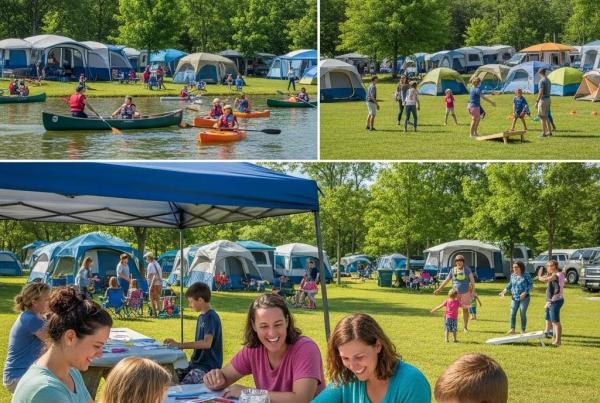
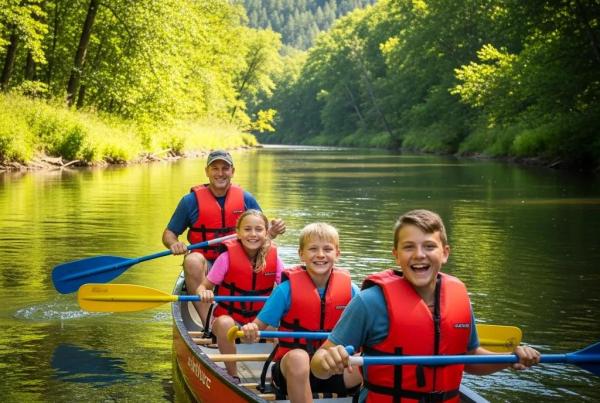
On-site river float trips offer a ready-made nature adventure—easy access, managed launch points, and manageable trip lengths—allowing families to enjoy water recreation without long drives to remote rivers. Float trips on rivers like the Shiawassee often have options for canoes, kayaks, or tubes, and they’re frequently designed for families with short, supervised segments that minimize safety concerns. The convenience of having river access right at the campground means families can fit in shorter activities between meals and rest, keeping the day flexible and kid-friendly. Families really appreciate these curated nature experiences because they deliver memorable outdoor time without the hassle of arranging off-site shuttles or extensive transportation.
This amenity comparison shows how specific features keep families engaged at the campground and reduce the overall travel burden that often comes with camping trips.
How Does Walnut Hills Family Campground Compare in Accessibility and Convenience?
Walnut Hills Family Campground is a fantastic example of an accessible, family-focused spot. It offers relatively short drive times from several Michigan cities combined with a wide range of amenities that cut down on the need for off-site errands. As a leading campground in Durand, Michigan, Walnut Hills provides easy highway access along with family-friendly camping experiences. You’ll find RV, tent, and cabin sites, plus on-site recreation that makes short, frequent visits super easy. The drive-time details below give you approximate mileage and main routes to help you decide if Walnut Hills fits your weekend or longer trip plans. We’ll also include an amenity comparison that highlights its convenience advantages.
What Is the Distance and Drive Time from Detroit, Lansing, Flint, and Grand Rapids to Walnut Hills?
Distance and drive-time estimates help families match their trip length to their schedules. Shorter drives are great for quick weekend escapes, while longer drives are better suited for extended stays. Here are the approximate figures to Walnut Hills in Durand, Michigan. Keep in mind that times can vary based on your exact starting point and traffic, so think of these as planning estimates and always check a map for precise directions.
How Do Walnut Hills’ Amenities Support Easy Family Camping?
Walnut Hills makes family camping easy with on-site features that replace off-property errands and offer fun for everyone. The Wibit water park and swimming lake provide hours of daytime activities, playgrounds and sports courts keep kids and teens entertained, and the campground store has your immediate necessities covered. The campground offers RV, tent, and cabin sites, so families can pick accommodations that fit their mobility and comfort needs. Plus, river float trips on the Shiawassee River offer a nature activity that doesn’t require any external travel. These amenities reduce planning stress and keep families engaged on-site, maximizing relaxation and playtime during short getaways.
What Are the Benefits of Choosing Walnut Hills Over More Remote Campgrounds?
Choosing an accessible, amenity-rich campground like Walnut Hills saves you time, simplifies logistics, and means you can go camping more often compared to more remote campgrounds that require longer drives and extra off-site planning. Shorter travel times mean less fatigue and more actual vacation hours. On-site activities mean fewer errands and safer supervision for your children. For families looking for reliable, family-focused camping experiences, Walnut Hills’ combination of proximity and amenities is ideal for weekend visits and multi-generational stays with less planning hassle. To wrap up your planning, the next section covers practical booking and planning steps you can follow.
How Can Families Plan an Accessible Camping Trip with Ease?
Planning an accessible camping trip means finding the right balance between how far you’re willing to drive, the type of lodging you prefer, and the amenities you need, so your family spends more time having fun and less time dealing with logistics. Good planning reduces uncertainty: check estimated drive times, choose accommodation types that suit your mobility and comfort needs, and prioritize campgrounds with on-site supplies and entertainment for the kids. The practical booking tips and decision flow below will help you turn accessibility information into a solid reservation and travel plan.
What Are the Best Practices for Booking Convenient Campground Stays Online?
Following best practices makes booking efficient and helps ensure your trip is great by confirming you get the right site type, amenities, and timing reserved in advance. Use these steps to make your online booking for family camping super smooth:
- Choose your site type early: Decide between RV, tent, or cabin based on your comfort and mobility needs.
- Check amenity availability: Make sure features like a Wibit water park, store, or river access are available before you book.
- Book weekends early: Weekend spots for family-oriented sites fill up fast, so reserve ahead.
- Review access directions: Note the main highway exits and parking rules to make arriving easier.
- Confirm cancellation and change policies: Understand how flexible your booking is in case plans change.
Following these steps will lead you right to using online reservation systems. For places like Walnut Hills Family Campground, online reservations are the way to go when you’re ready to confirm your stay.
How Can Travelers Use Location and Accessibility Information to Choose Campgrounds?
A simple decision flow can help you match your travel tolerance to your campground choice: if the estimated drive time is under 90 minutes, go for short-stay or weekend trips. If it’s longer than two hours, plan for multi-night stays to get the most value. Consider how easy the route is—direct interstate access usually means fewer unexpected delays. Also, compare the on-site services to figure out how much you’ll need to leave the property for essentials. Use map tools and local business listings to confirm parking, exit numbers, and nearby services. This cuts down on last-minute surprises and makes family travel much smoother. Once you’ve figured out these key points, you can book with confidence.
What FAQs Address Common Concerns About Campground Accessibility and Convenience?
Common questions usually revolve around drive time, restroom and laundry access, mobility accommodations, on-site supplies, and pet policies. Quick answers can really reassure families during the planning process. Typical short answers include: approximate drive times depend on where you’re coming from and traffic, but they’re great for planning; most campgrounds with lots of amenities have restrooms and laundry to cut down on trips to town; various accommodation options are available for families with mobility needs; on-site stores and scheduled events mean less travel outside the campground; and pet-friendly areas like large dog parks keep your animals safe and reduce the need to go into town.
- Drive time: Estimate based on miles and major routes; under 90 minutes is ideal for weekend trips.
- Restrooms & laundry: On-site facilities mean less packing and fewer errands.
- Mobility accommodations: Choose cabins or RV sites for easier access.
- On-site supplies: Campground stores limit trips to town.
- Pets: Large dog parks allow for pet-friendly stays without leaving the campground.
These quick FAQs act as a handy checklist for parents weighing campground options and getting ready to book.
Why Is Accessibility a Key Factor in Choosing Family Campgrounds Near Urban Areas?
Accessibility is a major driver for how often you can go camping, how cost-effective it is, and the overall quality of your family’s camping experiences. Campgrounds that are closer and have plenty of amenities reduce the travel burden and give you more time for recreation. When families can reach a campground quickly, trips become less of a logistical challenge and are more likely to happen again, which helps build family traditions and create lasting memories. Current industry trends—like the rise in local travel, the popularity of RVs and cabins, and a preference for campgrounds with lots of amenities—all point to this demand for accessible, comfortable outdoor stays. Campgrounds that combine proximity with on-site entertainment are best positioned to meet what modern families are looking for.
What Are the Benefits of Camping Close to Home for Families?
Camping close to home offers both practical and emotional perks: lower travel costs, less fatigue upon arrival, and more flexible scheduling make short getaways totally feasible and affordable. Families can take advantage of spontaneous trips for holidays or weekends, leading to more frequent positive outdoor experiences and less planning hassle than long-distance travel. The ease of proximity also makes multi-generational gatherings simpler, especially for older or younger family members who benefit from shorter transit times and accessible accommodations. These benefits really highlight why distance and convenience should be top priorities when choosing a campground.
How Does Accessibility Influence Family Camping Memories and Experiences?
Greater accessibility means more time spent on activities at the campground, which directly translates into shared experiences—think campfires, playing by the lake, and joining scheduled events—that create lasting memories. Less travel stress allows families to focus on connecting with each other rather than worrying about logistics, enabling parents to supervise children more effectively and include extended family. Accessibility also encourages repeat visits, reinforcing traditions and increasing the likelihood of return stays. Since the emotional outcome of a trip often depends on practical convenience, choosing a campground that minimizes travel friction is key to creating memorable family adventures.
What Industry Trends Support the Demand for Accessible, Amenity-Rich Campgrounds?
Current trends, projected through 2025, show a growing demand for local and regional outdoor travel, increasing popularity of RV and cabin lodging, and a preference among guests for properties offering structured amenities and on-site programming. These shifts reflect families’ desire to simplify their trips while maximizing recreational value, especially for short stays and weekend escapes. Campgrounds that adapt by offering family-oriented camping experiences, diverse accommodation options, and curated on-site amenities are meeting market demand and making outdoor recreation more accessible and repeatable for families living near urban areas.
Frequently Asked Questions
What should families consider when choosing a campground for accessibility?
When you’re picking a campground, families should look at a few key things to make sure it’s accessible. Important factors include how far it is from cities, how easy it is to get there via highway, and what amenities are available right on-site. Families should also check out the different types of lodging offered, like RV sites, tent camping spots, or cabins, to find what works best for them. Plus, confirming things like restrooms, laundry facilities, and stores can make a big difference in convenience and reduce the need to leave the campground, making the whole camping experience more enjoyable.
How can families ensure their chosen campground meets their specific needs?
To make sure a campground is a good fit for your family’s specific needs, do some thorough research before you book. Read reviews, check the campground’s website for detailed info on amenities, and don’t hesitate to call management with any questions. Also, think about your unique requirements, such as needing accommodations for mobility issues or specific pet policies, and confirm that the campground can handle them. Planning ahead and asking the right questions can help avoid any surprises and ensure a comfortable stay.
What are the advantages of camping during weekdays versus weekends?
Camping on weekdays often comes with several perks compared to weekends. Weekday trips usually mean fewer crowds, allowing your family to enjoy a more peaceful and relaxed atmosphere. Many campgrounds also offer lower rates for weekday stays, making it a more budget-friendly choice. You might also find that more amenities and activities are readily available without the hustle and bustle of weekend visitors. This can really enhance the overall experience, giving you more opportunities for quality family time and exploration.
How can families maximize their time at the campground?
To make the most of your time at the campground, plan your itinerary ahead of time, focusing on on-site activities and amenities. Prioritizing fun options like swimming, hiking, or organized events can help keep everyone engaged. Packing smart and prepping meals beforehand can also cut down on time spent on logistics. Plus, take full advantage of the campground’s facilities, like stores and restrooms, to minimize trips off-site, leaving more time for enjoying nature and bonding together.
What safety measures should families consider while camping?
Safety is super important when camping, especially with kids. Make sure you’re familiar with the campground’s rules and emergency procedures. It’s essential to have a first aid kit handy and know where the nearest medical facility is. Also, always supervise children, particularly near water or play areas. Teaching kids about wildlife safety and fire safety can also make their camping experience better while keeping everyone safe and secure.
Are there any specific tips for camping with young children?
Camping with young children requires a bit of extra planning to ensure everything goes smoothly. Choose campgrounds with kid-friendly amenities, like playgrounds and shallow swimming areas. Pack familiar items, such as favorite toys or blankets, to help children feel more comfortable in a new setting. Establishing a routine for meals and bedtime can also provide a sense of stability. Finally, involving children in planning activities can make them more excited about the trip and encourage them to explore their surroundings safely.
Conclusion
Choosing a campground with great accessibility and family-friendly amenities really boosts your overall camping experience, making outings more enjoyable and less stressful. By understanding how important distance, route quality, and on-site facilities are, your family can make smart choices that maximize your time together in nature. Explore the many options at Walnut Hills Family Campground to create unforgettable memories with your loved ones. Start planning your next family adventure today!