Crafting Irresistible Visuals for Your RV Resort Listing to Capture Serious Buyers
Polished, sale-focused visuals transform an RV resort listing from just another option into a prime investment opportunity. They instantly showcase property condition, revenue streams, and expansion possibilities to potential buyers. This guide walks you through creating compelling visuals for your RV resort listing, covering what visuals matter most, how to prep your property for shoots, and the technical tweaks that boost discoverability. Many campground owners find it challenging to present their infrastructure, operations, and development potential in a way that answers buyer questions remotely. Visual assets bridge this gap, speeding up due diligence. You’ll learn about the best asset types (photos, drone footage, virtual tours, video), practical pre-shoot checklists, advanced techniques like aerial mapping and 3D tours, and SEO and file-format strategies for listings. The following sections delve into visual types and comparisons, preparation and staging, advanced techniques for due diligence, optimization and SEO practices, video storytelling and distribution, buyer-focused visual priorities, and differentiation tactics to help your listing attract serious buyers and better offers.
What Are the Top Visual Content Types for Selling an RV Park?
The best visual content for selling an RV park includes high-quality photography, aerial/drone imagery, 3D or 360-degree virtual tours, short property videos, and clear site-plan infographics. Each asset type communicates specific buyer benefits like infrastructure clarity, scale, and operational context. Photography captures amenities and condition at a human scale, drone imagery reveals boundaries and expansion opportunities, virtual tours enable remote inspection, video conveys atmosphere and operations, and infographics summarize capacity and utility data. Selecting the right mix depends on buyer profiles and listing channels. Packaging these assets into a clear delivery format (ImageObject and VideoObject files with captions and metadata) builds trust in the RealEstateListing.
This list outlines when to deploy each visual asset in a sale-focused listing:
- Professional Site Photos: Use these to document site condition, hookups, buildings, and guest-facing amenities.
- Aerial Drone Images: Ideal for showcasing overall layout, boundaries, access roads, and surrounding land context.
- 3D/360 Virtual Tour: Essential for allowing remote buyers to measure and inspect cabins, office spaces, and amenity interiors.
- Property Video (2–3 mins): Use this to tell the operational story and illustrate occupancy and guest experience.
- Site Plan Infographic: Perfect for summarizing site counts, utilities, and buildable areas for investors.
These choices prioritize buyer decision drivers and keep the listing focused on purchase-related information rather than guest marketing. The next paragraphs detail specific photographic targets that buyers examine first and why those shots are critical.
Which RV Park Listing Photos Best Showcase Key Amenities and Features?
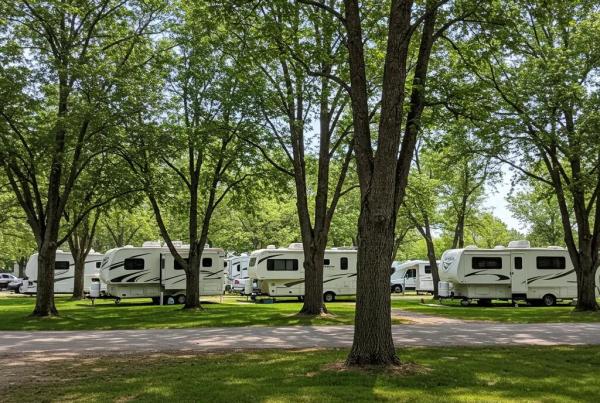
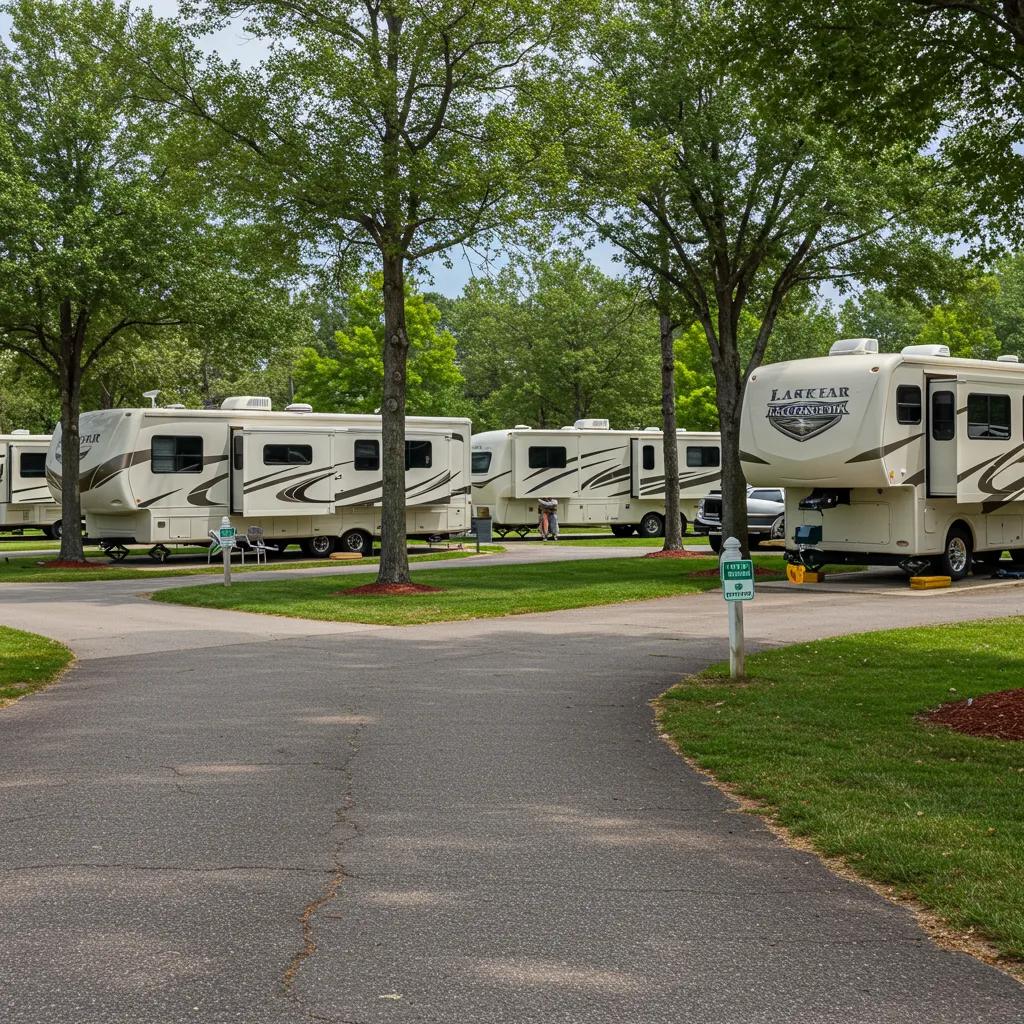
Professional listing photos should highlight income-generating amenities, visible infrastructure, and context that signals good maintenance and guest appeal. Start with a consistent shot list: capture pull-through and back-in sites showing hookups, a clear photo of the service building and utility meters, clubhouse and pool areas, any waterfront or trail access, and photos of paved versus gravel roads. Compose images using mid-level focal lengths to convey scale and include a few wide-angle context shots to show site spacing; avoid extreme distortion that misrepresents spacing. Good photos use natural light to emphasize condition and show readable details like hookup labels or signage, helping buyers assess infrastructure without immediate site visits.
These composition choices prepare buyers for aerial context and the 3D tours that follow, creating a cohesive visual narrative for investor review.
How Does Drone Photography Highlight Property Layout and Scale?

Aerial drone photography defines property scale, access, and adjacency by capturing rooflines, roads, vegetation buffer zones, and neighboring parcels in a single frame. Use an overview pass (nadir and oblique at 200–300 feet where legal) to show total acreage and individual site distribution, boundary flyovers to record fence lines and natural limits, and low-altitude approach shots to demonstrate road access and grade changes. Annotate aerials with overlays—site counts, buildable parcels, septic and utility corridors—to convert images into actionable assets for property valuation and potential expansion analysis.
When stitched into orthomosaics or simple annotated maps, drone footage becomes a crucial component of the listing package that buyers use to connect visual cues to due diligence questions about access and developable land.
Why Are Virtual Tours Essential for Engaging Remote Buyers?
Virtual tours—3D models or 360-degree walkthroughs—allow remote buyers to repeatedly inspect interiors, measure spaces, and validate condition without travel, reducing early-stage inspection requests and focusing interest from qualified investors. Effective tours include labeled hotspots for utilities and systems, embedded measurement tools, and clear navigation between exterior and interior spaces so buyers can move from a site photo to the cabin interior quickly. Host tours on platforms that export shareable VideoObject and ImageObject assets or embed them into the RealEstateListing for easy access by brokers and direct buyers.
Providing measurement-enabled virtual tours directly supports due diligence by enabling repeatable, objective inspection steps that accelerate negotiations and reduce ambiguous site questions.
Matterport Virtual Tours: A New Real Estate Marketing Approach
Currently, the 360 photography and virtual tour have become the most relevant marketing strategy to sell the property. As a new approach, Matterport, as one of the online platforms, is presented. The study engaged in an archival method or document review, thematic and content analysis. Four themes between the conventional approaches and Matterport online application were compared and discussed which are: (1) accessibility, (2) visual capture, (3) details information, (4) visual experience. This paper presents and explains the Matterport as a new platform for the marketing approach, which aims at helping the real estate business to survive during the pandemic COVID-19.
Matterport: virtual tour as a new marketing approach in real estate business during pandemic COVID-19, MZ Sulaiman, 2020
What Role Do Property Videos Play in Telling Your Campground’s Story?
Property videos combine narrative, operational visuals, and social proof to create an investment-oriented storyline that resonates with buyers looking beyond surface aesthetics. A 2–3 minute property video should open with a concise aerial overview, follow with on-the-ground site and amenity highlights, include a brief segment showing operations (staff, check-in, maintenance), and close with key metrics or an annotated site plan. Keep clips short and data-driven; overlay text to call out site counts, hookup types, and recent capital improvements to tie visuals directly to valuation items.
Well-structured videos serve as persuasive RealEstateListing assets that reduce back-and-forth with prospective buyers by packaging essential operational and development context into a single, viewable file.
How Can You Prepare Your RV Resort for Professional Photography?
Preparing your RV resort for photography means addressing maintenance, staging, signage, and scheduling so images reflect operational reliability and investment-readiness. A pre-shoot plan includes a maintenance sweep (trim vegetation, remove debris), clear signage and site numbers, functional lighting checks, and staging of public areas to imply care and occupancy patterns. Schedule exterior shoots for golden hour when possible, and plan interior captures during bright, diffuse daylight to show detail; coordinate with staff to capture operational moments such as check-ins or a maintained campsite.
Next, use a prioritized shot list and checklist to guide the shoot team, ensuring that infrastructure-critical visuals—utility boxes, septic access points, road entrances—are captured for buyer review and later annotation in aerial maps.
This pre-shoot rigor reduces the chance that buyers will request unnecessary site visits and supports a smoother evaluation process.
What Are the Best Angles and Times for Exterior RV Park Photos?
Exterior photos are most persuasive when taken during warm, directional light that enhances texture and depth without strong shadows obscuring details. Golden hour (shortly after sunrise or before sunset) provides flattering light for wide shots and amenity images; mid-morning works for interiors and detail shots. Use three-quarter oblique angles to show site spacing and background context, and include low eye-level shots to communicate surface condition of roads and pads. Vary lenses: a standard to mild wide angle (24–35mm full-frame equivalent) shows context without distortion, while a telephoto isolates features like waterfront edges or clustered amenities.
Choosing the right angles and times creates consistent images that support buyer assessment of both condition and guest experience.
How Should You Stage Interior Spaces Like Cabins and Offices?
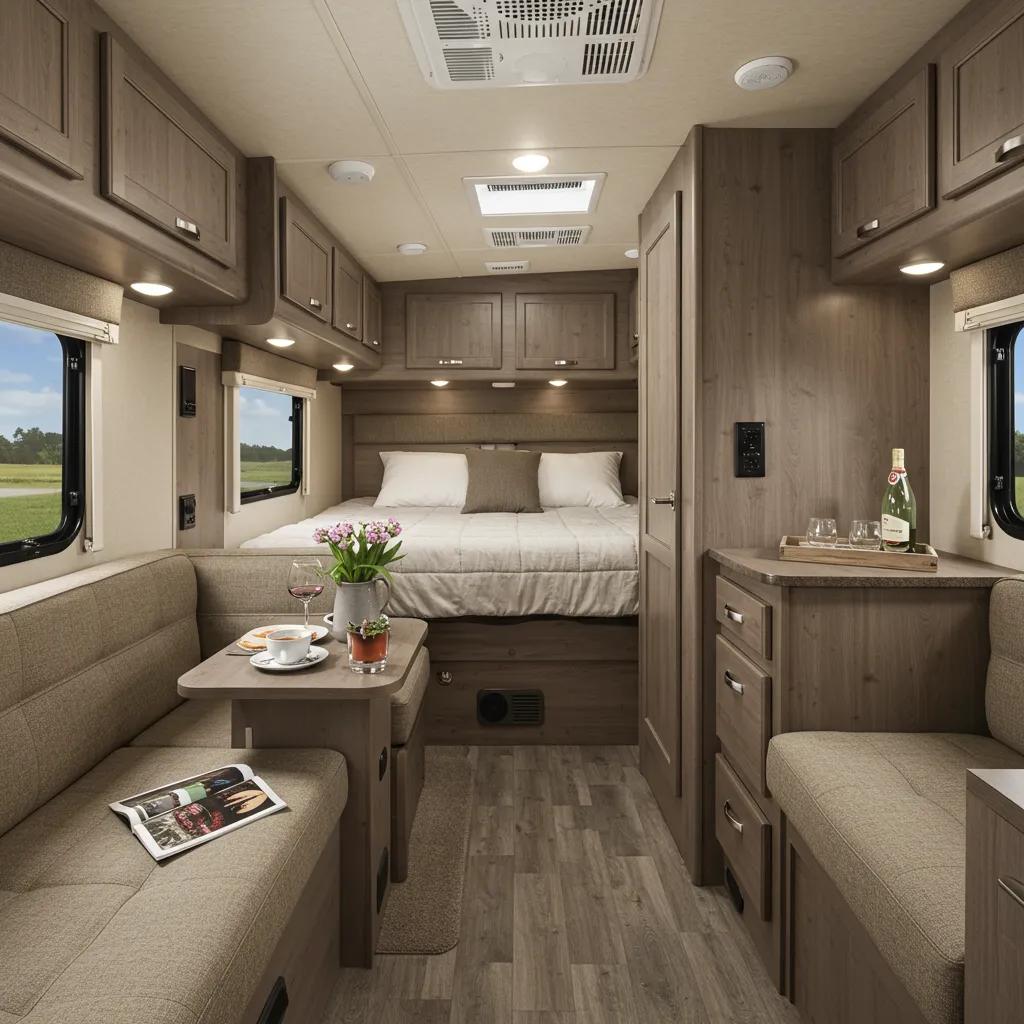
Staging interiors focuses on decluttering, highlighting systems, and communicating usability for operations and guests. Remove personal items and excess decor, present neutral bedding and functional furniture, and place small accents to imply cleanliness and occupancy. Photograph plumbing fixtures, HVAC thermostats, and storage areas clearly so buyers can visually confirm mechanical systems; use natural light and supplemental soft lighting to avoid color casts. For small offices and maintenance rooms, emphasize workflow by showing organized tool storage and labeled systems, which signals operational competence to potential buyers.
Clear staging helps buyers connect visual condition to operational readiness, reducing initial inspection concerns and supporting valuation.
Which Amenities and Unique Selling Points Should Be Highlighted?
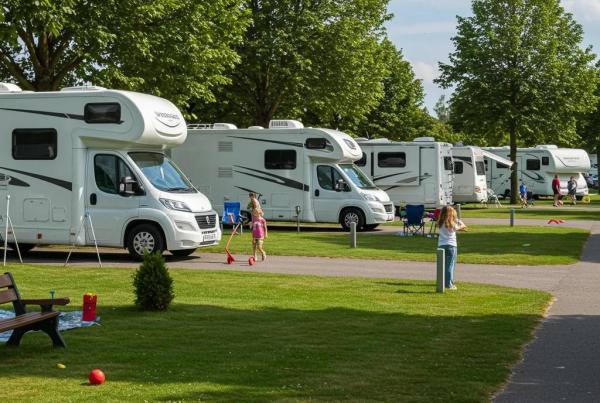
Prioritize imagery of features that drive revenue and occupancy: full-hookup sites, waterfront or lake access, community spaces, pools, event lawns, and rentable cabins. Capture both wide contextual photos that show how amenities relate to the rest of the park and tight detail shots that evidence quality (e.g., ADA-compliant ramps, fresh paint, or new decking). For each amenity, include a photo that demonstrates use—occupied picnic tables, a maintained playground, or a managed fire pit area—to convey guest experience alongside physical condition.
Focusing on these amenity visuals communicates income drivers and guest appeal directly to buyers evaluating potential returns.
How to Ensure Cleanliness and Maintenance Enhance Visual Appeal?
Well-maintained visuals require a short maintenance checklist performed the day before photos: clear litter, mow and edge grassy areas, wash visible building facades, pressure-wash concrete and decks, and ensure signage is readable and undamaged. Photographing recently serviced elements—new roof patches, freshly painted trim, or replaced utility meters—can be paired with brief captions that note the service date, creating verifiable operational evidence for buyers. Use close-up detail shots of maintenance labels, service panels, and well-kept landscaping to signal ongoing care and reduce buyer concerns about deferred maintenance.
This maintenance-focused approach turns basic upkeep into persuasive visual proof of operational stewardship.
How to Leverage Advanced Visual Techniques for Campground Sales Listings?
Advanced techniques like drone videography and aerial mapping, 3D virtual tours, and annotated site-maps convert visual assets into due-diligence tools that answer buyers’ technical questions before inspections. Drone mapping creates orthomosaic images and simple topographic cues for buildable-area assessment, while drone video captures access routes, proximity to highways, and surrounding land uses. 3D tours with measurement tools allow buyers to validate room and cabin dimensions remotely; annotated walkthroughs highlight infrastructure locations like septic fields and electrical panels. Together, these assets function as DataObjects that streamline the evaluation timeline.
Buyers such as institutional or family-operated acquirers increasingly request these deliverables; supplying them up-front often reduces inspection cycles and accelerates confident offers.
What Are the Benefits of Using Drone Videography and Aerial Mapping?
Drone videography provides scale, context, and a clear visual record of boundaries and access, while aerial mapping produces orthophotos and simple overlays for buildable-area identification. These outputs help buyers visualize expansion opportunities, locate utilities, and assess ingress/egress without an initial site visit. When presenting drone outputs, include simple annotations: parcel lines, site counts, easements, and proximity markers to nearby highways or water features. Deliver drone media as VideoObject clips and orthomosaic JPEG/WebP assets packaged with metadata that describes altitude, date, and flight path to support buyer verification.
This aerial intelligence reduces ambiguity about property limits and infrastructure, which is a common barrier in remote transactions.
How Do 3D Virtual Tours and Interactive Walkthroughs Improve Buyer Experience?
3D tours allow repeatable, measurement-capable inspections that relieve early-stage site visits and let buyers confirm layout, accessibility, and condition at their own pace. Effective interactive tours include tagged hotspots for mechanical rooms, restroom facilities, and utility connections, and offer a measurement tool so buyers can verify dimensions. Hosting tours on platforms that export shareable links or embeddable widgets enables brokers and investor groups to re-view assets without re-requesting materials. These features turn visual content into functional due-diligence artifacts that buyers use to prioritize high-probability leads.
Interactive walkthroughs make remote evaluation systematic and thereby reduce friction in the negotiation process.
How Can Visual Content Streamline Due Diligence and Site Evaluation?
Packaging inspection-focused images—utility maps, access-road videos, septic and well photos, and dated maintenance records—answers common buyer questions before they arise, shortening the due-diligence timeline. Provide clear file formats (MP4 for video, WebP/JPEG for images, GeoTIFF or orthomosaic for aerial maps) and a simple index document listing assets, capture dates, and what each file demonstrates. Presenting this organized media bundle as part of the RealEstateListing or via secure file sharing reduces redundant requests and positions the seller as transparent and prepared.
This media-first approach speeds buyer confidence and often results in faster, cleaner offers.
What Are the Best Practices for Optimizing Visual Content in Online RV Park Listings?
Optimizing visual content balances image quality with fast page performance and discoverability through semantic metadata and descriptive text. Use modern formats like WebP for photos and MP4 H.264 for videos, provide responsive image sizes (multiple resolutions served with srcset), and apply lossless or visually lossless compression to hit size targets that keep landing pages fast. Add descriptive ALT text and captions using ALT patterns that combine entity-rich phrases (e.g., “Lakefront RV pull-through site with 50A hookup, Site 12”) to support SEO without stuffing keywords. Properly labeled ImageObject and VideoObject schema in listing metadata helps search engines and buyers find key media when searching for property attributes.
How Should You Format Images for Fast Loading and High Quality?
Serve images in responsive sizes using WebP where supported and fall back to optimized JPEGs for broader compatibility; create multiple widths and leverage srcset attributes in the CMS so devices receive appropriate resolutions. Compress to target per-image sizes under 200–400 KB for hero images and under 100 KB for thumbnails, balancing quality with performance. Use lazy loading for non-critical images, host media on a CDN, and maintain consistent aspect ratios to prevent layout shifts. These practices reduce load times and improve the user experience for buyer-facing RealEstateListing pages.
Fast-loading, well-formatted images reduce bounce rates and encourage buyers to spend time reviewing detailed assets, increasing conversion likelihood.
Intro to table: The table below compares recommended image/video technical attributes for listing optimization and web performance.
Why Is ALT Text and Captioning Important for Visual SEO?
ALT text and captions improve accessibility and help search engines understand image content by linking visuals to relevant listing attributes and entities. Use descriptive, entity-rich ALT patterns that include the asset type and a clear attribute (for example, “Aerial view showing campground boundaries and 80 pull-through sites”). Captions should add context or data that the image itself cannot convey, such as service dates or hookup types. Avoid keyword stuffing; instead, prioritize clarity and information density to aid both human buyers and search engines.
Descriptive ALT text and captions increase the chance your listing appears in property-specific image searches and help buyers find relevant details quickly.
How Can Visuals Be Integrated Effectively with Property Descriptions?
Integrate visuals directly into listing copy by placing images next to the paragraph that discusses the same attribute, using captions to highlight numbers and infrastructure points referenced in the narrative. Order assets to mirror a buyer’s due-diligence flow: overview aerial, site layout, utility photos, interior and amenity images, then documentation and maps. Use ImageObject and VideoObject nomenclature in the listing metadata and include a brief asset index so brokers and buyers can find the specific files that answer technical questions quickly.
This alignment between copy and media reduces friction, making the listing a coherent resource for investor evaluation.
Intro to table: The following EAV table compares image/video optimization attributes in a clear, seller-facing format.
How Can Video Marketing Enhance Your Campground Sales Listing?
Video marketing enhances a sales listing by packaging aerial context, site condition, and operations into a concise narrative that investors can watch and share. Videos make it simple to demonstrate occupancy patterns, staff workflows, and guest experience while overlaying key data—site counts, hookup types, and recent capital improvements—so buyers receive both qualitative and quantitative signals at once. When placing video assets in the listing, include a short transcript and timestamped captions tied to valuation points so viewers can skip to the items that matter most for due diligence.
Intro list for video structure: A buyer-focused video should follow a clear storyboard that emphasizes investment-relevant content.
- Intro (10–15 sec): Aerial overview with key metrics overlay.
- Amenities and Sites (45–60 sec): Show representative sites and guest areas.
- Operations (30–45 sec): Staff, maintenance, and office glimpses to show systems.
- Investment Highlights (20–30 sec): Annotated site plan, expansion notes, and recent improvements.
How to Craft a Compelling Property Story Through Video?
Craft the property story by centering the narrative on investor-relevant themes: capacity, infrastructure, cash-flow drivers, and development upside. Begin with an annotated aerial establishing size and location, move into representative site and amenity shots that show condition, then include short operational clips—check-in, maintenance rounds—to indicate systems in place. Use text overlays to call out site counts, hookup types, and recent capital expenditures. Close with a slide or short clip that summarizes the key financial and development takeaways to guide buyer next steps.
What Is the Value of Testimonials and Lifestyle Integration in Videos?
Short testimonials and lifestyle shots add credibility and context but should be used sparingly in sales-focused videos to avoid distracting from valuation points. When included, testimonials should emphasize operational stability—occupancy trends, repeat guests, and manager competence—rather than anecdotal praise. Lifestyle clips (families using amenities, community events) are useful as supporting B-roll that illustrates demand but always pair them with numerical or infrastructural overlays so buyers can connect experience to revenue potential.
Balanced use of testimonials and lifestyle footage supports emotional trust while preserving the investor-oriented focus of the listing.
Which Distribution Channels Maximize Video Reach to Buyers?
Target distribution to channels frequented by brokers, investors, and direct buyers: industry listing platforms, targeted email to broker/investor lists, and secure file packages for qualified leads. Provide channel-specific formats—short 30–45 second teasers for email or social distribution, and a full 2–3 minute MP4 for listing portals and direct review. Track engagement metrics such as video completions, time-to-first-play, and shares to measure buyer interest and guide follow-up outreach.
Using targeted distribution and reliable metrics helps sellers focus on high-intent buyers and refine marketing outreach for quicker outcomes.
What Visual Content Do Campground Buyers Look for When Evaluating RV Resorts?
Buyers focus on visuals that demonstrate infrastructure condition, expansion potential, and operational efficiency; these images and data points directly influence perceived risk and valuation. Visual evidence of utilities (electrical panels, meter pits, well heads), road and pad conditions, site density, and amenity readiness are prioritized. Buyers also value annotated aerials that identify buildable parcels or wastewater/septic fields and images that show current occupancy patterns or staff in operation.
The following table maps buyer-focused property attributes to visual indicators and explains why buyers care.
Intro to buyer-focused EAV table: This table maps key buyer concerns to the visual evidence that addresses them.
How Do High-Quality Images Attract Serious Campground Investors?
High-quality images signal care, reduce perceived risk, and increase buyer trust by providing clear, verifiable evidence of condition and capacity. Professional photos and accurate aerials reduce ambiguity about site spacing, show readable infrastructure details, and let investors quickly rule properties in or out. In practice, listings with clean, annotated assets generate higher-quality inquiries because investors can focus on valuation rather than condition uncertainties.
What Infrastructure and Expansion Potential Should Be Highlighted Visually?
Buyers want to see the condition and location of utilities (electrical pedestals, meter banks), septic/wastewater infrastructure, access roads, and any flat parcels suitable for additional sites. Use annotated aerials to delineate easements, show proximity to main roads, and highlight drainage patterns that impact buildability. Include close-up photos of critical utility junctions and any permits or recent work receipts in the asset package to further support claims of expansion readiness.
How Can Visuals Demonstrate Operational Efficiency and Property Value?
Visuals that show occupied sites, organized maintenance yards, labeled storage, and staff workflows give buyers confidence in a property’s operational stability and revenue generation. Capture images of active reservation systems if applicable, readable signage, staff performing routine tasks, and clearly labeled maintenance schedules or records as images or supplemental PDF assets. Present these media with captions that quantify what they show (e.g., average occupancy period or maintenance frequencies) to tie visuals to performance.
Operational visuals lower perceived operational risk and support stronger buyer offers.
How to Use Visual Content to Differentiate Your RV Resort Listing from Competitors?
Differentiate by combining before-and-after sequences, consistent branding across assets, and curated sequences that lead buyers through the property’s value story rather than through a random gallery. Use branded title cards on videos and infographics that repeat a consistent color palette and typography so the listing appears professional and trustworthy. Before-and-after photos of recent capital improvements should be paired with short captions that describe costs and dates to support price justification. Creative sequences—starting with aerial context, then infrastructure, then operations, and ending with the investment summary—guide buyers logically through the property’s value proposition.
What Are Examples of Best-in-Class RV Park Listing Photos?
Best-in-class photos combine truthful representation with clarity: an aerial showing uniform site layout and clear boundaries, a hero shot of a well-spaced pull-through site with visible hookup labels, a crisp interior of a rentable cabin showing functional layout, and a maintenance yard image that documents equipment and organization. These images are composed to reveal the feature and its business implication—spacing implies revenue per acre, visible hookups imply service level, and tidy maintenance areas imply lower operating risk. Reproduce these compositions to match buyer expectations during comparisons.
How Can Before-and-After Photos Showcase Value Addition?
Before-and-after photos should be captured from identical angles where possible and paired with concise captions noting dates, costs, and operational outcomes (e.g., “Added 10 pull-through sites; increased usable capacity by X%”). Presenting pre/post visuals alongside a small cost summary helps buyers see how capital improvements translated into tangible capacity or condition upgrades. This tactic demonstrates management competency and supports asking-price increases linked to documented investments.
Why Is Consistent Branding Important in Visual Marketing for Campgrounds?
Consistent branding—coordinated color palette, signage treatment, and image tone—signals professionalism and helps preserve the property’s reputation in the minds of buyers who care about guest experience continuity. Apply consistent photo filters sparingly, standardize title cards and overlay fonts on videos, and ensure signage in images aligns with the brand treatment you intend to preserve or transition. For buyers interested in maintaining the property’s “heart and soul,” consistent visual identity suggests that the guest experience can be preserved post-sale.
For owners ready to discuss sale pathways with a family-oriented, direct buyer, consider GatherGrounds Resorts’ acquisition service for RV parks and campgrounds. GatherGrounds Resorts is a family-owned company specializing in acquiring and operating RV resorts and campgrounds with a focus on preserving the legacy and community values of each property. They seek campgrounds with over 130 sites primarily in the upper Midwest and offer a direct, thoughtful transition alternative to real estate agent or brokerage routes. Presenting the visual assets described here—annotated aerials, measurement-enabled virtual tours, clear infrastructure photos, and concise operational videos—speeds evaluation and improves offer quality with buyers like GatherGrounds Resorts.
This example shows how professional sale-focused media can attract buyers aligned with an owner’s goals and transition preferences.
Frequently Asked Questions
What are the key elements to consider when creating a video for an RV resort listing?
When creating a video for an RV resort listing, focus on key elements such as storytelling, visual quality, and relevant data. Start with an aerial overview to establish context, followed by site highlights that showcase amenities and operational aspects. Include text overlays to emphasize important metrics like occupancy rates and recent improvements. Keep the video concise, ideally between 2-3 minutes, to maintain viewer engagement while ensuring it effectively communicates the property’s value and potential to investors.
How can I effectively use testimonials in my RV resort marketing?
Testimonials can enhance your RV resort marketing by adding credibility and a personal touch. However, they should be used strategically to avoid detracting from the investment-focused narrative. Select testimonials that highlight operational stability, such as positive guest experiences and repeat visits. Pair these with relevant visuals that demonstrate the amenities in use, ensuring that the testimonials support the overall message of value and operational efficiency without overshadowing critical data points.
What maintenance practices should be highlighted in visual content?
Highlighting maintenance practices in visual content is crucial for demonstrating operational readiness and care. Include images of well-maintained facilities, such as clean restrooms, organized maintenance areas, and clear signage. Show before-and-after photos of recent repairs or upgrades, along with captions detailing the work done. This not only reassures potential buyers about the property’s condition but also reflects the owner’s commitment to ongoing maintenance, which can positively influence buyer perceptions and offers.
How can I ensure my visual content is accessible to all potential buyers?
To ensure your visual content is accessible, incorporate descriptive ALT text and captions for all images and videos. This practice aids visually impaired users and enhances SEO by providing context to search engines. Use clear, concise language in your descriptions, focusing on key attributes and features. Additionally, consider providing transcripts for videos to accommodate those who prefer reading or have hearing impairments, ensuring that all potential buyers can engage with your content effectively.
What role does consistent branding play in RV resort listings?
Consistent branding in RV resort listings plays a vital role in establishing professionalism and trust. It helps create a cohesive visual identity that resonates with potential buyers. Use a uniform color palette, typography, and logo placement across all visual assets, including photos, videos, and infographics. This consistency not only enhances brand recognition but also signals to buyers that the property is well-managed and that the guest experience will be maintained post-sale, which can be a significant selling point.
How can I leverage social media to promote my RV resort listing?
Leverage social media by sharing high-quality visuals and engaging content that highlights your RV resort’s unique features. Create posts that showcase stunning images, video tours, and testimonials to attract attention. Use targeted ads to reach specific demographics interested in RV parks and camping. Engage with your audience by responding to comments and messages promptly, and consider hosting virtual tours or live Q&A sessions to foster community interest and provide real-time information about your listing.
What are the benefits of using 3D virtual tours in RV resort listings?
3D virtual tours offer numerous benefits for RV resort listings by allowing potential buyers to explore the property remotely. These interactive experiences enable buyers to measure spaces, inspect amenities, and assess the overall layout at their own pace, reducing the need for initial site visits. By providing a comprehensive view of the property, 3D tours enhance buyer confidence and streamline the decision-making process, ultimately leading to quicker offers and a more efficient sales cycle.
Conclusion
Creating compelling visual content for your RV resort sales listing not only enhances buyer engagement but also effectively communicates the property’s value and potential. By utilizing high-quality photography, drone imagery, and interactive virtual tours, you can showcase key amenities and operational efficiency that attract serious investors. This strategic approach not only shortens due diligence timelines but also positions your listing as a trustworthy and appealing investment opportunity. Start transforming your RV resort listing today by exploring our expert resources and visual asset services.