
“`html
Finding the Best Pet-Friendly Campgrounds in Michigan: Your Essential Guide
A pet-friendly campground is a place that goes the extra mile, offering amenities, policies, and spaces specifically designed for your furry companions and you. This makes your camping adventure safer, more convenient, and a whole lot more fun. This guide will walk you through what truly makes a campground pet-friendly, why these features are a game-changer for families and pets alike, and how to find those affordable gems in Michigan. We know the frustration of vague listings that just “allow pets” but lack real amenities or clear rules. That’s where we come in. We’ll define the must-have features, outline common rules, and share practical tips for booking and packing. You’ll find handy checklists, comparison tables, and local insights for your Michigan excursions, including how pet-friendly options differ for RV sites, tent spots, and cabins. Throughout, we’ll use keywords like “pet friendly campgrounds Michigan,” “dog friendly campgrounds Michigan,” and “camping with dogs Michigan” to help you pinpoint exactly what you’re looking for.
What Key Amenities Should You Look For at Pet-Friendly Campgrounds?
Think of pet amenities as those special touches – like a dedicated off-leash dog park, convenient pet waste stations, or a handy pet wash – that directly support your pet’s well-being, exercise, and your ease of care. These features are designed to manage waste, encourage good behavior, and create smoother logistics for your stay, leading to more enjoyable interactions and less stress. Campgrounds that truly excel in this area often combine secure play areas, easy access to water, and readily available sanitation supplies, letting you focus on making memories, not on cleanup. Understanding these core amenities is your fast track to filtering out the noise and finding spots that genuinely welcome your pets.
Which Pet Amenities Signal a Truly Pet-Friendly Campground?

What sets a truly pet-friendly campground apart? It’s the presence of thoughtful facilities like fenced dog parks, readily available pet waste stations complete with bags and bins, designated spots for pets to access water or even swim, and convenient pet washing stations for a quick rinse after a muddy adventure. Each of these amenities addresses a common camping challenge: fenced areas offer safe, off-leash fun; waste stations keep things tidy; water access is crucial for hydration and play; and pet washes make post-hike cleanup a breeze. When you’re browsing listings, keep an eye out for explicit mentions of these features and any notes on their upkeep and location relative to campsites. These practical details are the hallmarks of accommodations that truly embrace pets, not just tolerate them.
Before diving into policies, it’s helpful to consider how off-leash areas impact safety and behavior.
How Crucial Are Dog Parks and Fenced Off-Leash Areas?
Fenced dog parks and off-leash zones are invaluable for minimizing on-site conflicts. They provide a secure space for energetic dogs to play and socialize, significantly reducing the chances of escapes or unexpected encounters with other campers. Look for well-designed features like secure fencing, double-gated entries for added safety, ample space for running, and even separate areas for smaller or more timid dogs. These elements work together to reduce stress and the risk of injury. A great dog park not only promotes healthy exercise but also helps curb excessive barking around campsites, enhancing the experience for everyone. A quick assessment of fence quality and the park’s proximity to your campsite can tell you a lot about how much a campground prioritizes pet safety and positive guest experiences.
Next, let’s explore how sanitation and water access contribute to pet health and campground cleanliness.
What Role Do Pet Waste Stations and Water Access Play?
Pet waste stations and accessible water points are fundamental for maintaining hygiene and ensuring your pet stays hydrated. Their presence is a clear indicator of a campground’s commitment to community well-being and environmental care. Strategically placed waste stations, especially near popular areas and throughout different loops, encourage prompt cleanup, effectively preventing odors, the spread of disease, and unwanted attention from wildlife. Similarly, readily available water – whether it’s spigots at your site, safe entry points to lakes, or communal water bowls – is vital for keeping pets cool and hydrated, minimizing risks associated with heat or exertion. Prioritizing campgrounds with plentiful waste stations and nearby water sources will simplify daily pet care and foster good relationships with your neighbors.
Before you finalize your booking, it’s wise to confirm the typical pet rules and how they might affect your stay.
What Common Campground Pet Policies and Rules Should You Be Aware Of?
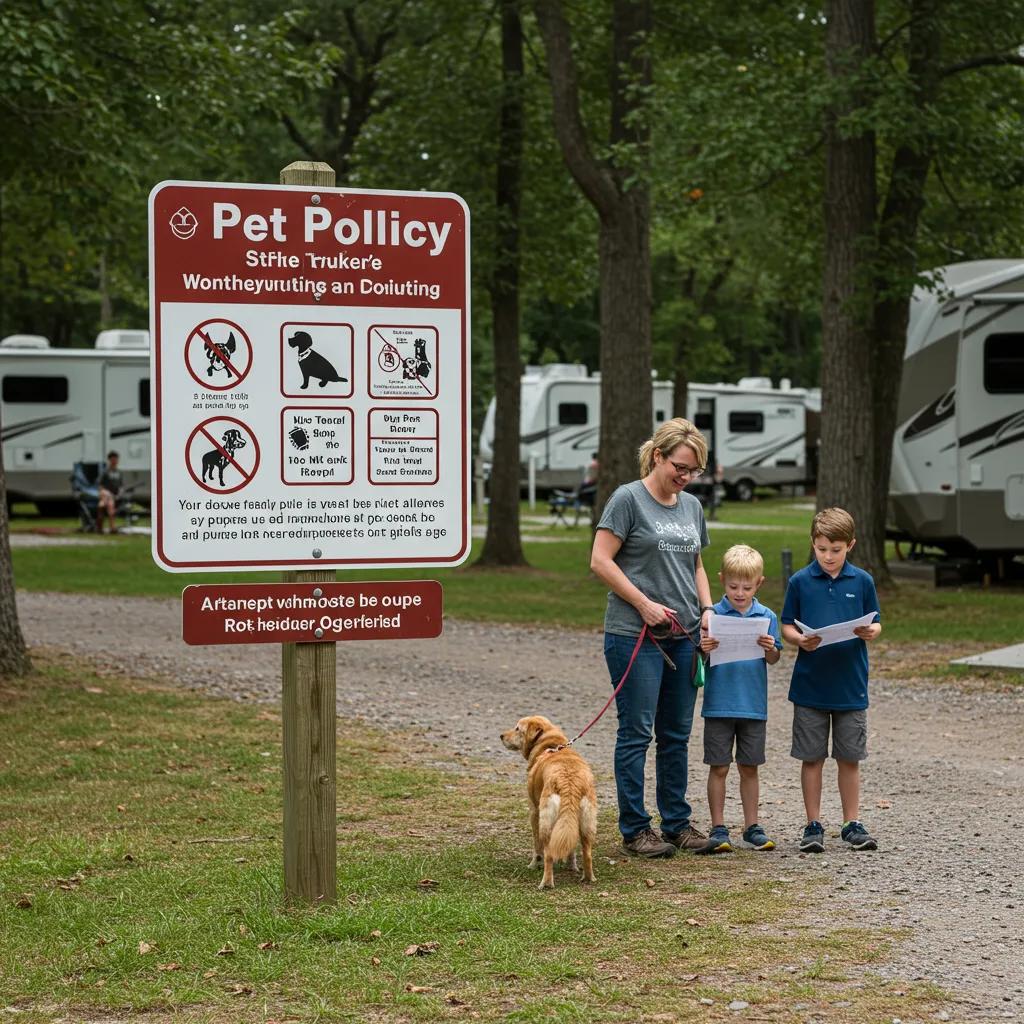
Campground pet policies are the official guidelines that govern pet behavior, registration, and any associated fees. They’re in place to protect everyone – guests, pets, and property – while setting clear expectations for pet owners. Common rules typically cover leash requirements, proof of vaccinations, waste management, noise levels, and sometimes breed or size limitations. These policies are usually enforced through registration processes and campground staff oversight. Familiarizing yourself with these rules beforehand can help you avoid unexpected fines, ensure a smooth check-in, and select a site that truly suits your pet’s personality and needs. Reviewing a campground’s policy checklist before you book can save you from last-minute changes or unforeseen costs.
What Are Typical Leash Requirements and Breed Restrictions?
Most campgrounds mandate that dogs remain on a leash when outside of designated off-leash areas, and expect them to be supervised at all times. This is crucial for preventing encounters with wildlife and minimizing potential conflicts with other campers. Breed or size restrictions can vary by campground operator, often influenced by insurance policies or local regulations. These limitations are usually detailed in the campground’s pet policy and should be confirmed before you book. Inquiring about separate areas for small dogs or designated quiet zones can help you find a spot that aligns with your pet’s temperament and size. Confirming leash rules and any specific restrictions during the reservation process is key to a hassle-free stay.
How Are Pet Waste and Noise Managed at Campgrounds?
Campgrounds manage pet waste and noise through policies that require immediate cleanup of waste, the use of provided disposal facilities, and adherence to quiet hours with clearly defined timeframes. Pet owners are generally expected to ensure their dogs are exercised before quiet hours, utilize training methods or crates to minimize nighttime barking, and consistently follow waste disposal routines to prevent litter and odors. Practical advice includes scheduling walks during less busy times and always carrying extra waste bags and odor-neutralizing wipes. Diligent adherence to these practices is essential for maintaining campsite cleanliness and fostering positive relationships with fellow campers and staff.
What Are Usual Pet Fees and Vaccination Requirements?
Pet fees commonly take the form of a nightly charge per pet, a flat fee for the entire stay, or occasionally a deposit for cabin rentals. Vaccination requirements typically include up-to-date rabies shots and other standard core immunizations. Understanding the fee structure in advance – whether it’s a per-night cost or a one-time charge – allows for accurate comparison of total trip expenses. Be prepared to present vaccination documentation and registration records to streamline your check-in and avoid any issues. Having these items ready demonstrates responsible pet ownership and makes the process smoother.
Here’s a quick rundown of common policy points to review as you research campgrounds.
This comparison helps you quickly confirm essential compliance items before you arrive.
How Can You Discover the Best Pet-Friendly Campgrounds in Michigan?
Finding the best pet-friendly campgrounds in Michigan means looking for local advantages like beautiful lakes, scenic trails, and well-maintained dog areas, while also being mindful of seasonal factors that might affect pet safety, such as ticks or algae blooms. Start by filtering for campgrounds that explicitly list pet-friendly amenities, then reach out to the operator to confirm leash rules, pet fees, and the condition of any dog-specific facilities. When considering your accommodation type – whether it’s an RV site with ample space, a tent site clear of debris, or a cabin with specific pet policies – choose options that best suit your pet’s needs. Practical booking steps include selecting loops close to dog parks, requesting sites with water access, and verifying any required paperwork for check-in.
What Local Features Make Michigan Campgrounds Ideal for Pets?
Michigan campgrounds often boast abundant natural features like wooded trails, pristine freshwater lakes, and diverse terrain, offering fantastic opportunities for exercise and sensory exploration for your dogs. Consider the length and surface of trails for enjoyable outings, and look for safe lake access for supervised swimming and cooling off on warmer days. Don’t forget seasonal considerations – peak tick season, mosquito activity, or cold snaps – which should influence your packing and itinerary to keep your pets healthy and comfortable. Evaluating these local characteristics will help you select a campground that perfectly matches your pet’s energy levels and safety requirements.
How Does Walnut Hills Family Campground Stand Out for Pet Owners?
Walnut Hills Family Campground by GatherGrounds, nestled in Durand, Michigan, is a prime example of a family-focused park that truly embraces pets. It offers dedicated facilities, including a spacious dog park, and a variety of pet-friendly camping accommodations such as RV sites, tent sites, and cabins.
The campground features a dog park for off-leash fun, convenient pet waste stations, and pet-friendly cabins. However, pets are not permitted inside the cabins.
The presence of a large dog park offers a significant benefit to owners, providing a secure environment for exercise and socialization. Additionally, the campground’s broader recreational amenities enhance the overall family experience for those traveling with pets.
If you’re seeking a getaway where pets are considered integral to family recreation, Walnut Hills’ blend of activities and pet-focused facilities makes it a practical local choice when searching for affordable pet-friendly campgrounds in Michigan. To book your pet-friendly camping accommodations there, check the campground’s reservation system for current availability and specific pet policy details.
Next, let’s explore some smart tactics for booking the right site based on your accommodation type.
What Are Tips for Booking Pet Friendly RV, Tent, and Cabin Sites?
When booking, aim for an RV site with extra space for a tether or a small enclosure, a tent site offering shaded, level ground away from main pathways, or a cabin that explicitly permits pets and clearly outlines any deposit or cleaning expectations. Inquire about proximity to the dog park and waste stations, request sites near water access if your dog enjoys swimming, and confirm electrical hookups if you rely on climate control for your pet’s comfort. Booking well in advance for weekends and holidays is recommended, and always clearly state the number and size of your pets to avoid any surprises at check-in. These steps help ensure a comfortable and compliant stay for everyone.
What Are Practical Dog-Friendly Camping Tips for a Safe and Enjoyable Trip?
Mastering practical dog-friendly camping involves a smart combination of preparation, the right gear, and effective behavior management. The goal is to keep your pets healthy, fellow campers happy, and minimize any potential emergency situations. Key areas to focus on include packing essential supplies, managing exposure to temperature extremes and wildlife, and maintaining familiar routines to reduce stress and prevent issues like barking or escape attempts. Advance preparation – such as vet check-ups, parasite prevention, and practicing crate or tether routines – significantly lowers the likelihood of problems during your trip. Here are some concrete packing suggestions and safety routines to translate policy knowledge into actionable readiness.
What Essentials Should You Pack for Camping with Your Dog?
A well-organized packing list ensures you have everything needed for straightforward and predictable daily care while you’re away from home. Be sure to pack ample food in clearly labeled containers, collapsible water and food bowls, any necessary medications with dosage instructions, ID tags and microchip information, a sturdy leash and harness, and familiar bedding or a crate to create a comforting den. Also, don’t forget waste bags, a pet first-aid kit, grooming wipes, and a portable towel for muddy paws or lake days. Having these essentials packed and organized before you travel will reduce stress upon arrival and enable quick responses to common pet needs.
This checklist covers the core items you’ll want for any pet-friendly campground adventure:
- Sufficient food, portioned out for the entire duration of your stay.
- Collapsible bowls and a spare water bottle for easy hydration.
- Leash, harness, ID tags, and any relevant microchip documentation.
- Plenty of waste bags, a small scoop, and odor-neutralizing wipes.
How Can You Ensure Pet Safety and Comfort Outdoors?
To keep your pets safe and comfortable outdoors, always monitor temperature, provide ample shade and fresh water, secure food and scented items from curious wildlife, and supervise all swims and trail encounters with other animals. Watch closely for any signs of heat stress or cold exposure, ensure your pet is up-to-date on parasite prevention, and never leave them unattended in hot vehicles or exposed cabins. Employing familiar training cues and routines – such as scheduled walks and designated crate rest times – can significantly reduce anxiety and nighttime disturbances. These practices are key to maintaining comfort and preventing incidents that might lead to complaints or intervention.
What Are Best Practices for Responsible Pet Ownership While Camping?
Responsible pet ownership at campgrounds hinges on consistent supervision, immediate waste cleanup, strict adherence to leash rules, and a deep respect for quiet hours to maintain a peaceful environment for all. Never leave your pet unattended for extended periods, and always have contingency plans in place for emergencies, such as knowing evacuation routes or the location of nearby veterinary services. Communicate openly with your neighbors about your pet’s temperament and consider providing extra exercise before quiet hours to help minimize barking. By following these guidelines, you demonstrate respect for fellow campers and increase the likelihood that campgrounds will continue to welcome pets.
What Benefits Do Pet-Friendly Campgrounds Offer for Families and Pets?
Pet-friendly campgrounds provide significant emotional, recreational, and economic advantages by enabling shared experiences, fostering exercise and bonding, and eliminating the boarding costs families would otherwise incur. Camping together strengthens the human-animal bond through cooperative activities like hiking and playing in dog parks, offering a cost-effective, multi-person recreational option compared to separate pet care arrangements. Well-equipped pet-friendly parks also expand choices for families seeking affordable pet-friendly cabins in Michigan or budget-conscious RV stays that include their furry family members. Understanding these benefits helps families prioritize features that maximize both enjoyment and value.
How Does Camping Strengthen the Bond Between Pets and Owners?
Shared outdoor adventures forge stronger bonds through regular exercise, mutual stress reduction, and ample opportunities for positive reinforcement during hikes and play sessions. Engaging with your dog in new environments provides valuable mental stimulation and deepens trust as you guide them through unfamiliar trails, water, and social interactions. This shared experience often leads to calmer behavior back home and a richer relationship long after the trip concludes. For families, including pets in vacations reinforces the idea that pets are cherished family members, not just an added expense.
What Recreational Activities Are Available for Pets at Campgrounds?
Pets typically enjoy a range of activities, including playtime in dog parks, supervised trail walks, and swimming in designated water areas – all of which require safety precautions like life vests and reliable recall training. Trails offer diverse exercise and scent enrichment, dog parks provide space for off-leash fun, and controlled lake access is perfect for cooling off on warm days, always under owner supervision. Encourage safe play by thoroughly checking for hazards like steep drop-offs, blue-green algae advisories, and sharp debris before allowing off-leash activity. Combining these options ensures balanced enrichment and helps manage energy levels throughout your multi-day stay.
How Do Pet Friendly Campgrounds Provide Value and Affordability?
Camping with pets significantly reduces boarding expenses and consolidates family recreation into a single, cost-effective trip. It also offers a variety of options across pet-friendly RV sites, tent sites, and cabins to suit different budgets and comfort levels. Smart strategies for finding affordable pet-friendly campgrounds in Michigan include comparing per-night pet fees, opting for off-peak dates, and prioritizing sites with inclusive amenities like waste stations and dog parks to avoid extra charges. For families focused on value, integrating pets into the trip often results in both financial savings and richer shared experiences that far outweigh the marginal pet fee. If you’re looking to book pet-friendly camping accommodations, consider properties that clearly list dog-friendly amenities and transparent fee structures to ensure predictable costs and an enjoyable stay for all family members, including your pets.
Frequently Asked Questions
What should I consider when choosing a pet-friendly campground in Michigan?
When selecting a pet-friendly campground in Michigan, pay close attention to the availability of essential amenities like fenced dog parks, convenient pet waste stations, and accessible water sources. It’s also important to review the campground’s policies regarding leash requirements, any breed restrictions, and associated pet fees. Proximity to trails and lakes can greatly enhance the camping experience for both you and your pet. Finally, reading reviews from other pet owners can offer valuable insights into their experiences and overall satisfaction.
Are there specific health and safety concerns for pets while camping?
Yes, several health and safety considerations are crucial when camping with pets. Be aware of seasonal risks such as ticks, which can transmit Lyme disease, and be cautious of blue-green algae in lakes, which can be toxic to dogs. Ensure your pet is current on vaccinations and parasite prevention. Additionally, monitor your pet for signs of heat stress, provide ample fresh water, and never leave them unattended in hot vehicles. Being prepared for these potential risks is key to a safe camping trip.
How can I prepare my pet for a camping trip?
Preparing your pet for a camping trip involves several key steps. Start with a veterinary check-up to confirm your pet is healthy and up-to-date on all necessary vaccinations. Help your pet become familiar with camping gear, such as a crate or harness, to minimize anxiety. Practice basic commands and routines to ease their adjustment to a new environment. Pack all essential items, including food, water, waste bags, and a first-aid kit. Gradually introduce your pet to outdoor activities to build their confidence and comfort before the main trip.
What are the best practices for keeping my pet calm while camping?
To help your pet remain calm during your camping trip, establish a consistent routine that includes regular feeding times, walks, and playtime. Create a comfortable and secure space for them with familiar bedding or a crate. Utilize positive reinforcement techniques to encourage good behavior and reduce anxiety. Avoid overwhelming your pet with too many new experiences at once; instead, introduce them gradually to the campground environment. Ensuring they get plenty of exercise can also contribute to a more relaxed demeanor.
What should I do if my pet gets lost while camping?
If your pet becomes lost while camping, the first step is to remain calm and begin searching the immediate vicinity. Call their name and use familiar commands to encourage them to return. Inform campground staff and fellow campers about your lost pet, as they can help keep an eye out. Utilize social media or local lost pet networks to broaden your search. To prevent this situation, always ensure your pet has proper identification, such as a collar with up-to-date tags and a microchip, which significantly increases the chances of a safe reunion.
How can I find pet-friendly activities near campgrounds?
To discover pet-friendly activities near your campground, begin by researching local trails, parks, and lakes that welcome dogs. Many campgrounds provide information on nearby pet-friendly attractions, including hiking routes and swimming spots. Online resources, such as specialized pet travel websites and local tourism boards, can also offer valuable suggestions for activities suitable for pets. Don’t hesitate to ask fellow campers or campground staff for recommendations on pet-friendly events or activities happening during your stay.
Conclusion
Choosing a pet-friendly campground in Michigan truly elevates your family’s outdoor adventures by providing the essential amenities that cater to both pets and their owners. Understanding the key features and policies ensures a seamless and enjoyable stay, allowing you to concentrate on creating cherished memories together. Explore our curated selection of top-rated pet-friendly campgrounds to discover the perfect destination for your next adventure. Start planning your unforgettable camping trip today!
“`