

Discover the Best Campgrounds in Waterloo Recreation Area — Your Practical Camping Guide
Waterloo Recreation Area is one of Michigan’s top outdoor destinations, spanning more than 20,000 acres of lakes, hardwood forest, wetlands, and miles of trails. This guide helps you compare campgrounds inside and near the park, pick sites that work for tents, RVs, or families, and plan a comfortable, safe stay so you can book with confidence. Campers often juggle priorities—quiet and solitude, easy water access, or family-friendly facilities—and this article makes that decision easier by profiling key campgrounds, laying out decision criteria, listing nearby family-focused alternatives, and sharing practical packing and permit tips. You’ll find concise campground profiles, quick comparison tables, a checklist-style decision flow for fast planning, and useful tips for hiking, fishing, and paddling. Throughout, the focus stays on Waterloo Recreation Area options, with occasional references to The Oaks Campground as a nearby, reservation-ready choice if you want to book right away. Read on to find the right campground, prepare efficiently, and enjoy your time outdoors in Waterloo.
What Are the Top Campgrounds in Waterloo Recreation Area?
Campgrounds in Waterloo range from primitive backcountry spots to family loops with bathhouses, offering options for tent campers, RVers, and organized groups. Sites and amenities are usually clustered around trailheads, lakes, or park roads to balance access with privacy, so you can choose anything from quiet forest sites to serviced RV loops. Knowing the common site types and amenities—water access for swimmers and anglers, hookups for RVs, or playgrounds and flush toilets for families—helps you match a campground to your group’s needs. Below are short profiles of the most relevant campgrounds inside or next to Waterloo, with quick notes on site types and standout features.
This compact comparison table summarizes key attributes across representative campgrounds so you can scan options quickly before digging into family- or RV-specific details.
Different campgrounds suit different traveler priorities; the table below highlights site types, basic hookups, restroom facilities, and proximity to park features to help you decide where to look closer.
This table makes it easier to see how campsite types, basic services, and proximity to lakes or trails vary across options so you can shortlist sites for a closer look. The next sections point out family-friendly features and RV-specific options to help you refine that shortlist.
Which Campgrounds Offer Family-Friendly Amenities?
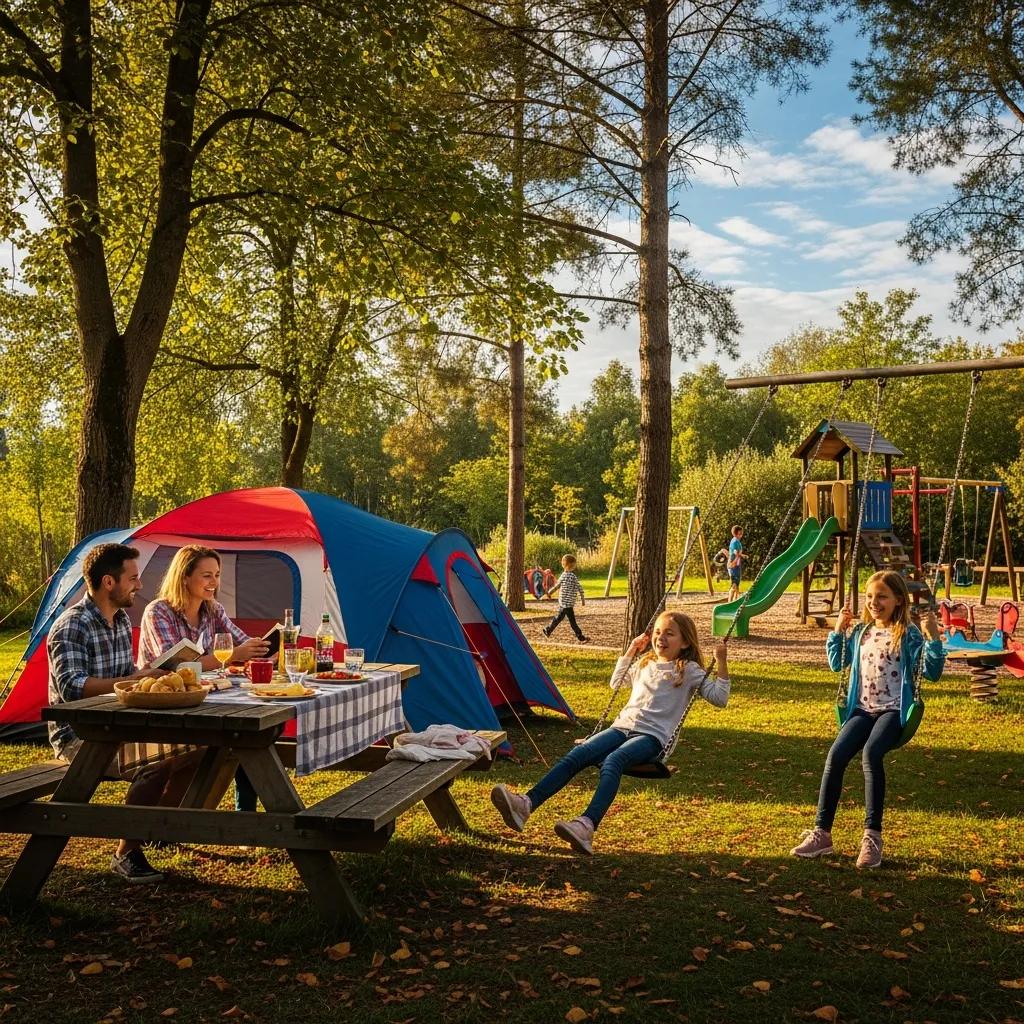
Family-focused campgrounds emphasize safety, convenience, and activities that keep kids engaged. Look for designated family loops, playgrounds, accessible bathhouses, and short, easy trails. Those amenities cut down logistical stress: flush toilets or modern bathhouses, playgrounds near campsites, and picnic areas make daily care easier for parents and grandparents. Choosing a site in a family loop or close to central facilities reduces walking for caregivers and makes supervision simpler, while nearby shallow swim areas or short interpretive trails provide reliable daytime activities for younger campers. When comparing campgrounds, check for explicit family loops, level sites for play space, and any ranger programs or visitor center offerings that add structure and safety to your visit.
Noting family features naturally leads to RV considerations—families in RVs often need hookups and dump stations for comfortable multi-night stays.
Where Can You Find RV Camping Sites in Waterloo Michigan?
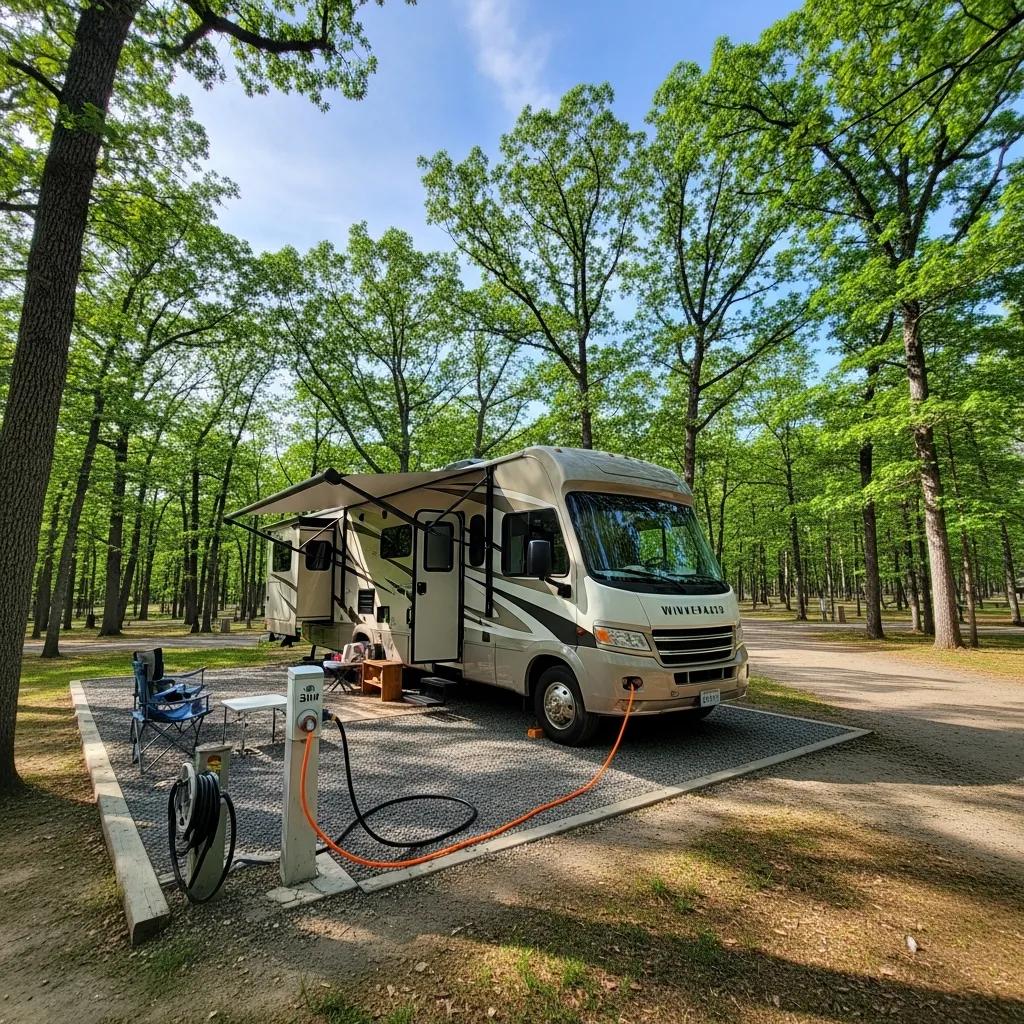
RV camping inside and around Waterloo is available in campgrounds that offer a range of hookup options, pull-through sites, and dump stations. Typical RV features include 30-amp electrical service, level gravel pads, wide access lanes, and sometimes full hookups; always verify amperage, pad dimensions, and dump-station availability when you reserve. State-managed campgrounds commonly offer 30A service, while private or adjacent public campgrounds may provide 50A service and larger pull-through sites for big rigs. Before you arrive, confirm site dimensions and hookup types, and consider off-peak travel if you need a rarer 50A site.
Knowing where RV sites are concentrated helps with the site-selection process covered in the next section, which walks through decision factors and trade-offs for a comfortable stay.
How to Choose the Best Camping Spot in Waterloo State Recreation Area?
Picking the best campsite in Waterloo comes down to site type, amenities, proximity to your favorite activities, and accessibility. These four factors determine comfort, convenience, and the overall quality of your visit. Weigh trade-offs—lakeside access often means more daytime activity and noise, while interior forest sites tend to be quieter but further from facilities. The checklist below turns those considerations into clear steps you can use while browsing maps or talking with reservation staff.
Use this numbered checklist to match a campground to your priorities and speed up booking.
- Identify Site Type: Are you after tent-only, RV-friendly, or group sites? Narrow options immediately.
- Check Amenities: Confirm hookups, restroom type (vault vs. flush), and potable water availability.
- Assess Proximity to Activities: Pick sites close to lakes for swimming/fishing or near trailheads for hiking.
- Verify Accessibility: Look at road conditions, site levelness, and ADA-accessible facilities if needed.
- Evaluate Noise and Privacy: Decide how much convenience you’ll trade for quieter surroundings.
This checklist clarifies trade-offs: lakeside spots give quick water access but bring more daytime traffic, while forested interior sites offer solitude at the cost of longer walks to restrooms and trailheads. The compact decision table below converts those factors into a quick reference to help you rate each campground—and to show how The Oaks Campground aligns with common selection needs.
Use this decision-factor table to score campgrounds objectively; paired with the profiles above, it streamlines choosing the right site. For travelers who want a reservation-friendly example that meets multiple needs, The Oaks Campground often checks key boxes for tents, RVs, and family facilities.
What Factors Should You Consider for a Comfortable Stay?
Comfort comes from a few practical details: level tent pads or paved RV sites, shade, distance to restrooms, water access, and cell reception for emergencies or trip planning. Level, well-drained sites make pitching easier and reduce nighttime discomfort; shade controls daytime heat. Close restrooms and potable water are a big help for families, and knowing general cell coverage supports safety planning. When booking or picking a site on arrival, ask for photos or check satellite views, confirm pad dimensions for gear or RV length, and call ahead about any uncertain amenities.
These comfort considerations tie into accessibility and facility differences across campgrounds, which the next subsection compares for mobility-limited visitors and those with specific restroom needs.
How Do Different Campgrounds Compare in Accessibility and Facilities?
Accessibility varies by road surface (paved vs. gravel), site spacing, ADA-designated sites, and restroom setup (vault, pit, or flush). Campgrounds near park entrances often have paved roads and larger RV loops, while interior or primitive sites usually require gravel or unpaved approaches and offer minimal facilities—factors that affect vehicle wear and arrival planning. Mobility-limited visitors should confirm ADA-compliant sites, ramped bathhouses, and paved routes from parking to facilities before booking; contact campground information channels to verify specifics. Use the short checklist below to confirm important accessibility features before you travel.
- Confirm road surface and approach: Make sure your vehicle can handle the access road.
- Check site levelness and pad size: Verify dimensions for mobility aids or RV slides.
- Verify restroom type and ADA availability: Match facilities to your comfort and accessibility needs.
Knowing these facility differences helps you pick a campground that meets physical-access needs while still matching your activity priorities in the park.
What Activities and Attractions Are Near Waterloo Recreation Area Campgrounds?
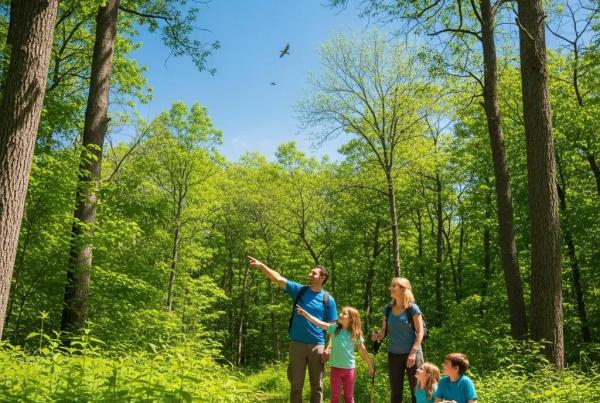
Waterloo Recreation Area offers hiking trails, lakes for swimming and fishing, and great seasonal wildlife viewing—so campground location matters for the activities you plan. Trailheads and lake access are often concentrated near camp loops, letting you start hikes, paddles, or fishing trips with minimal drive time. Identifying where beach/swim access, boat launches, or scenic trail loops sit will help you choose a campground that minimizes travel and maximizes time outdoors. Below we cover family-friendly activities and explain how landscape features shape seasonal opportunities so you can pick the best basecamp.
The next sections list popular family activities and outline how natural features affect when and where to camp.
Which Outdoor Activities Are Popular for Families?
Families at Waterloo tend to pick short, accessible outings: gentle loop hikes, easy shore fishing, birdwatching near wetlands, and supervised swimming at shallow beaches. These activities need little gear—sturdy shoes, a basic rod-and-reel, and life jackets for kids—so they’re easy to plan around short distances and safe water access. When ranger programs or interpretive trails are available, they offer structured learning and predictable daytime options for families. Plan activities for cooler mornings or evenings in summer, and prepare simple activity kits or small daily goals to keep kids engaged and relaxed.
Family activities are closely linked to natural features—lakes, forests, and wetlands—that influence where you should place your campsite. The next section explains those connections.
What Natural Features Enhance the Camping Experience?
Key landscape elements—lakes for swimming and fishing, hardwood forests for shade and fall color, and wetlands for birding—directly affect which campsite will suit your plans and season. Lakes provide immediate recreation like paddling and fishing but attract more daytime visitors, while forests offer quieter campsites, cooler conditions, and excellent leaf-peeping in autumn. Wetland edges concentrate birdlife and amphibians, making early-morning walks especially rewarding for wildlife viewing and photography. Seasonal timing matters: spring migration is best for birding, summer is ideal for swimming, and fall brings peak color. Match your activity priorities to these landscape types to place your campsite where the experiences you want are easiest to reach.
With activities and landscape in mind, it’s important to prepare carefully—see the next section for essential gear, permits, and on-site safety guidance.
How to Prepare for Your Camping Trip in Waterloo Recreation Area?
Good preparation starts with a prioritized packing list, confirming reservations or permits, and a safety plan for local risks like ticks, changing weather, and wildlife encounters. Because Waterloo includes both primitive and serviced sites, you may need to treat water, pack extra insect protection in warm months, and plan for variable weather—clear planning reduces surprises. Below is an essential gear checklist organized by category to help you pack efficiently, followed by notes on permits and rules to ensure a smooth arrival.
This bulleted gear list groups prioritized items to streamline packing for overnight stays.
- Shelter & Sleep: Weather-rated tent or RV supplies, sleeping bags rated for expected temps, and sleeping pads for insulation and comfort.
- Cooking & Food: Portable stove and fuel, cookware, bear-resistant food storage or coolers, and cleanup supplies following Leave No Trace.
- Safety & Navigation: First-aid kit, headlamp/flashlight, map and compass or reliable GPS, insect repellent, and sun protection.
- Water & Hygiene: Water containers and a filtration or treatment system if needed, hand sanitizer, and biodegradable soap.
- Clothing & Layers: Moisture-wicking base layers, insulating mid-layers, waterproof outerwear, and season-appropriate footwear.
This core gear list covers what most campers need for a safe, comfortable overnight. The next paragraph explains permits, rules, and emergency precautions you should confirm before travel.
What Essential Gear and Supplies Should You Bring?
Organize your kit around shelter, sleep, cooking, and safety so you can handle typical Waterloo conditions and react to sudden weather or trail issues. Shelter and sleep items focus on a durable tent or a properly equipped RV and ground insulation; cooking gear includes stoves, the right fuel, and secure food storage to avoid wildlife problems. Safety items—a first-aid kit, headlamp, and a small repair kit—help keep minor issues from spoiling your trip. Water treatment or filtration is essential if your site lacks potable water. Pack layered clothing for temperature swings and insect repellent during tick-prone seasons to stay comfortable day and night.
Clear gear planning leads into permit requirements and campground rules so your trip follows park regulations and avoids fines or surprises.Are there specific rules or permits required for camping?
Camping in Waterloo Recreation Area generally requires reservations for designated campsites, adherence to quiet hours, and compliance with fire regulations; group sites often have separate reservation procedures and may require additional permits. Typical rules include using designated fire rings or grills, observing restrictions on fire size or location based on current danger, and keeping pets on leashes. Check current regulations before you go to avoid violations and to stay safe. For group events or organized activities, special permits may be needed—confirm those through official reservation channels. As a practical step, review reservation policies, quiet hour windows, and current fire restrictions shortly before departure.
After you’ve handled packing and permits, many families look for nearby private campgrounds or family-focused options; the next section compares those alternatives and highlights a reservation-friendly recommendation.
Where Can You Find Family Campgrounds Near Waterloo Recreation Area?
Nearby family campgrounds can complement in-park camping by offering extras like playgrounds, organized activities, and more reliable reservation availability. Private or adjacent public campgrounds often provide more hookup options, larger sites, and family programming—helpful for multi-family groups or first-time campers. The table below lists representative family campgrounds near Waterloo and the amenities families care about most, so you can weigh trade-offs between in-park solitude and offsite convenience.
The table compares family-focused amenities across nearby campgrounds to help families evaluate suitability by priority.
This comparison shows how nearby campgrounds can offer conveniences some in-park sites lack, and it highlights The Oaks Campground as a common reservation-friendly alternative close to Waterloo’s trailheads and attractions.
What Makes These Campgrounds Ideal for Families?
Family-friendly campgrounds combine safety features, easy access to shallow swimming or short hikes, accessible restrooms, and programming that keeps kids busy—elements that reduce caregiver burden and expand daily options. Playgrounds and recreation fields give children contained places to play, while shallow beaches or supervised swim spots make water activities manageable for younger ages. Flush toilets and bathhouses improve comfort on multi-night stays, and campground staff or scheduled activities help families structure their days. Choose a campground that matches your family’s preferred pace and supervision needs to keep everyone relaxed and having fun.
These attributes explain why some families opt for nearby private campgrounds with dedicated amenities; the next subsection compares those options with in-park sites.
How Do Nearby Campgrounds Compare to Those Inside Waterloo?
Nearby private campgrounds generally offer more predictable amenities—flush toilets, playgrounds, and full hookups—whereas campgrounds inside Waterloo favor immersion in the park and closer access to trails and lakes, sometimes with more primitive facilities and quieter settings. Private campgrounds usually have simpler reservation systems and extra services, which is handy for families or RV travelers who need dependable hookups. Staying inside the recreation area puts you directly on park land and often shortens travel to trailheads and lakes, which benefits activity-focused visitors. Choose in-park sites for immersion and proximity to features, or nearby family campgrounds for convenience and family-focused services.
If reservation ease and family amenities are priorities, The Oaks Campground is a popular nearby option that balances convenience with access to Waterloo’s attractions.
Frequently Asked Questions
What are the best times of year to camp in Waterloo Recreation Area?
Late spring through early fall is the most popular window for camping—June through August is peak season for warm-weather activities like swimming and hiking. Late spring brings wildflower displays and comfortable temperatures, while early fall delivers excellent autumn color. Always check the forecast before you go and be ready for cooler nights or rain in spring and fall.
Are there any specific wildlife safety tips for campers?
Follow basic wildlife-safety practices: store food securely in bear-resistant containers or your vehicle, keep a clean camp to avoid attracting animals, and make noise on trails so you don’t surprise wildlife. Maintain a safe distance from deer, raccoons, or other animals, and be mindful of ticks—use repellent and do tick checks after hikes.
What types of camping gear are recommended for families?
Prioritize comfort and safety. Bring a weather-rated tent or RV supplies, season-appropriate sleeping bags and pads, and a portable stove with fuel. Pack a first-aid kit, insect repellent, sun protection, and bear-safe food storage. For young kids, lightweight activity kits and easy-to-carry extras make downtime more manageable.
How can I ensure a quiet camping experience?
Pick sites farther from main roads and popular beaches, or choose primitive or backcountry sites that typically draw fewer visitors. Visit on weekdays or during off-peak times to avoid crowds. Agree on quiet hours with your group and be respectful of others’ need for peace—keep music low and campfire noise down after dark.
What are the rules regarding campfires in the area?
Campfires must use designated rings or grills and follow current fire restrictions. Check for any active fire bans before your trip, especially during dry spells. Always fully extinguish fires before leaving a site and follow Leave No Trace practices. For larger group fires or events, additional permits may be required.
Are there any nearby attractions worth visiting during my camping trip?
Yes—Waterloo offers many trail options, scenic lakes for swimming and fishing, and spots for wildlife viewing. Ranger-led programs and nearby historical sites can add variety to your trip, and nearby towns offer shops and restaurants if you need a break from campground life.
What should I do if I encounter an emergency while camping?
Stay calm and assess the situation. For medical issues, use your first-aid kit and seek help if needed. Know the nearest emergency services and park ranger contact info before you go. If you become lost, stay put if it’s safe and use a map or GPS to help rescuers find you. Carry communication devices and share a simple safety plan with your group.
Conclusion
Picking the right campground in Waterloo Recreation Area makes your trip more enjoyable—whether you want family-friendly amenities or quiet solitude. This guide gives you the comparisons, checklists, and packing tips you need to choose and prepare with confidence. Next step: explore the campgrounds that fit your priorities and book the spot that’ll make your visit smooth and memorable. Enjoy the outdoors and make some lasting memories at Waterloo.