
Discover Local Dog-Friendly Campgrounds in Michigan That Welcome Pets for Your Family Camping Trips
Finding dog-friendly campgrounds that genuinely welcome pets can transform a family camping trip into a relaxed, active outdoor holiday. This guide helps families locate local dog-friendly campgrounds and explains what to expect from pet-friendly campgrounds in Michigan, including amenities, safety, and booking tips. You will learn why choosing campgrounds that welcome pets improves family bonding, which amenities matter most for dogs and kids, and how to plan river floats and trail outings that include your dog. The article maps pet policies, onsite features like dog parks and pet washing stations, and practical booking steps for a smooth stay. Each section covers what makes pet-friendly camping ideal, top campground features with a local example, explicit Walnut Hills Family Campground pet rules, nearby outdoor adventures, and step-by-step booking guidance for families with dogs.
What Makes Dog-Friendly Campgrounds in Michigan Ideal for Family Camping?
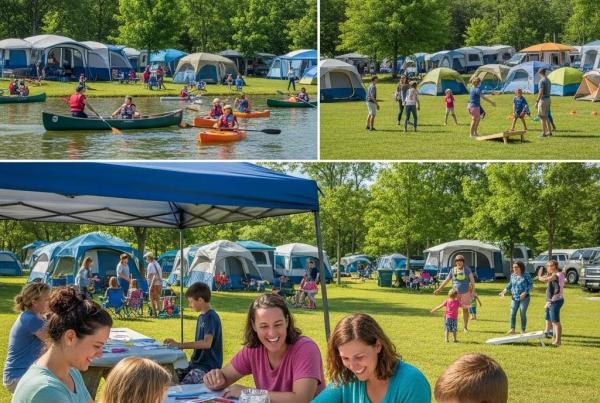
Dog-friendly campgrounds provide a safe, structured environment where families and pets can recreate together. They work by combining pet-specific amenities—such as dog parks, waste stations, and pet-friendly cabins—with family facilities like playgrounds and water access, which reduces logistical friction and increases enjoyment. The result is more time together, lower pet-sitting costs, and easier daily routines during a stay. Understanding these benefits helps families choose campgrounds that balance pet needs and child-friendly services.
Why Choose Campgrounds That Welcome Pets for Family Trips?
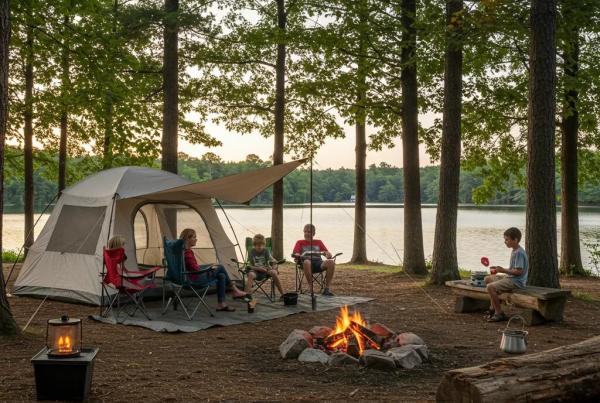
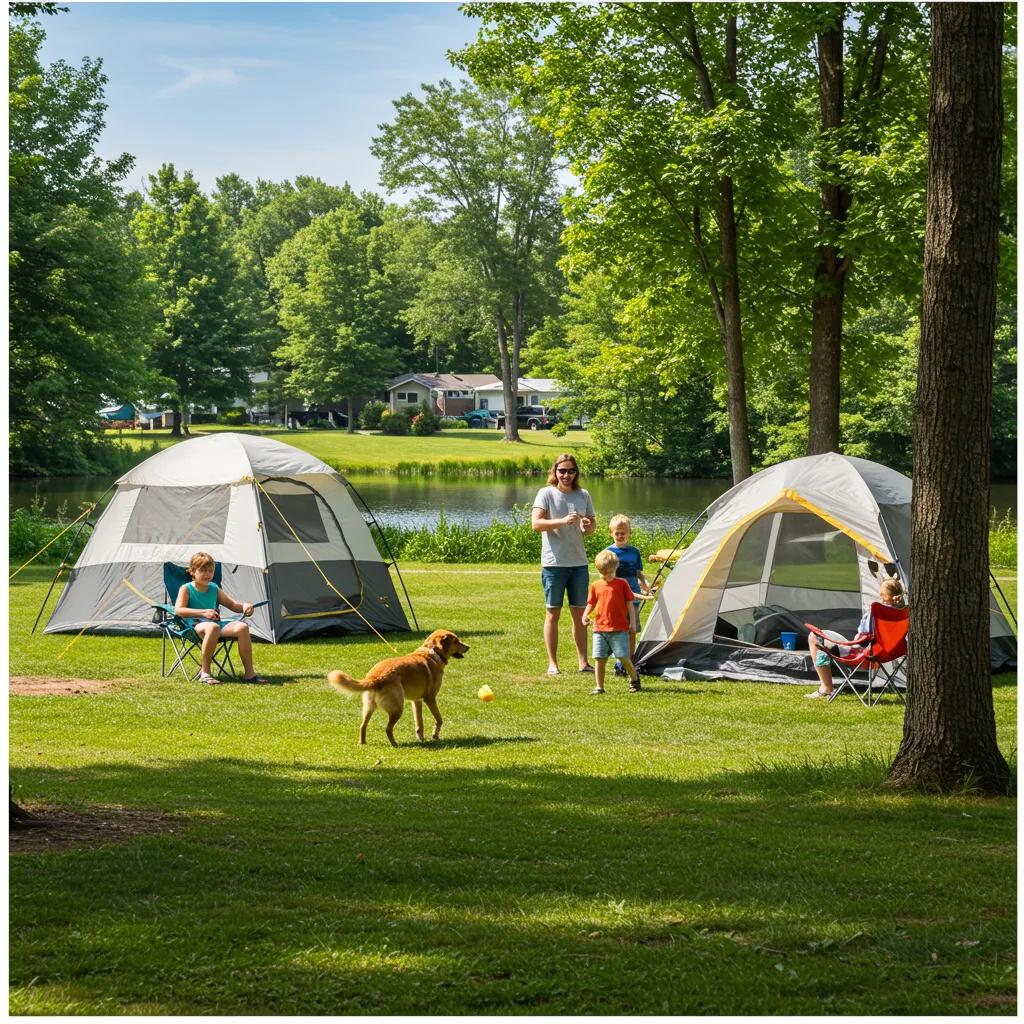
Choosing campgrounds that welcome pets removes the separation stress between family members and animals during travel. Pet-friendly sites avoid the need for boarding or pet sitters, which saves money and keeps routines intact for both pets and children. These campgrounds encourage active outdoor time—walks, fetch, and water play—that benefits family health and bonding. Considering safety and convenience will guide families to campgrounds that match their pet’s temperament and activity level.
How Do Dog Parks Enhance Family Camping Experiences?
Dog parks on-site give pets a secure place to exercise off-leash while parents supervise nearby playgrounds or picnic areas. Well-designed parks feature fencing, water access, and pet waste stations to keep the area sanitary and safe for everyone. Off-leash areas also create social opportunities for dogs and owners, easing integration into campground life. Evaluating dog park features can be a deciding factor when families compare pet-friendly campgrounds.
What Family Amenities Should You Expect at Pet-Friendly Campgrounds?

Pet-friendly campgrounds that serve families typically combine child-focused amenities with pet services for a cohesive experience. Expect playgrounds, swimming lakes, organized weekend events, and pet amenities such as dog parks and pet-wash areas. Support facilities like renovated bathrooms, showers, and nearby trails further simplify multi-day stays. Looking for campgrounds that blend these elements ensures both kids and dogs have structured activities and safe spaces.
Which Dog-Friendly Campgrounds in Michigan Offer the Best Pet Amenities?
Campgrounds with standout pet amenities combine secure off-leash areas, grooming and waste stations, clear pet policies, and nearby water access to support family activities. Key criteria include dog park size and fencing, availability of pet-wash stations, proximity to trails and river access, and whether cabins or sites explicitly accept dogs. Walnut Hills Family Campground is a strong local example because it lists a large dog park, pet-friendly cabins, river float opportunities, and family-focused amenities. Comparing features across campgrounds helps families prioritize the facilities that matter most for their dogs.
Introductory comparison table shows typical pet amenity differences and highlights Walnut Hills where applicable.
This quick comparison clarifies what families should expect from private campgrounds versus the local Walnut Hills example and guides choices based on desired amenities.
What Are the Top Features of Walnut Hills Family Campground’s Dog Park?
Walnut Hills’ dog park provides an expansive off-leash area designed to let dogs run and socialize while owners stay close to family facilities. The space includes secure fencing and pet waste stations to maintain hygiene and safety during busy weekends. Water access nearby supports dogs that enjoy swimming and river play, which complements family lake activities. Families often use the dog park as a staging area before taking river floats or visiting playgrounds.
How Do Pet-Friendly Cabin Rentals Accommodate Dogs and Families?
Pet-friendly cabins typically include durable, easy-to-clean surfaces, designated pet areas, and proximity to dog parks or walking loops. These cabins allow families to keep pets close while providing basic comforts for children and adults, such as sleeping spaces and immediate access to campground amenities. Booking tips include asking which cabin types allow pets and confirming any deposit or per-pet rules at the time of reservation. Choosing cabins near pet amenities reduces transit time and supports relaxed family routines.
What On-Site Activities Can Families Enjoy with Their Dogs?
On-site activities that welcome dogs include river floats, trail walks, supervised play at the dog park, and scheduled weekend pet events that encourage owner participation. Including dogs safely in these activities often requires life jackets for river floats, leash management on trails, and attention to breed or behavior guidance during events. Families should match activities to their dog’s comfort and fitness, ensuring kids and pets can participate without stress. Reviewing activity options helps families plan days that balance relaxation and adventure.
What Are the Key Pet Policies at Walnut Hills Family Campground?

Clear pet policies reduce uncertainty and make bookings smoother for families with dogs. Essential rules typically cover leash requirements, designated off-leash zones, waste management, quiet hours, and possible fees or restrictions. Walnut Hills explicitly welcomes pets and maintains rules that balance pet freedom with the comfort of other guests. Knowing these policy elements helps families prepare for check-in and avoid misunderstandings during their stay.
What Are the Leash and Waste Management Rules for Pets?
Leash and waste rules ensure safety in shared campground spaces by defining where dogs must remain leashed and where they can be off-leash. Owners are responsible for picking up and disposing of waste at provided stations and following posted signage for off-leash hours or zones. Enforcement typically involves reminders and possible fines or removal for repeated non-compliance to protect other guests. Understanding these rules keeps dogs welcome and preserves campground cleanliness for families.
Are There Quiet Hours or Restrictions for Dogs at the Campground?
Quiet hours protect family rest and neighborhood peace by limiting loud behavior, including prolonged barking, during set times. Campgrounds typically define specific quiet hours during night and early morning, asking owners to crate or manage dogs to minimize disturbance. Families with anxious or vocal dogs should request campsite locations away from high-traffic areas or bring calming tools like crates and white-noise devices. Preparing for quiet hours avoids complaints and maintains a family-friendly atmosphere.
How Can Families Prepare for a Pet-Friendly Stay at Walnut Hills?
Preparing includes packing essential items—leashes, waste bags, medications, a secure crate, and recent vaccination records—to meet campground expectations and keep pets healthy. Confirming reservations for pet-friendly cabins or sites and noting any pet fees or limits reduces surprises at check-in. Arrive earlier in the day to orient your dog to the site and locate pet amenities like the dog park and waste stations. Advance preparation leads to smoother integration into campground life and more enjoyable family time.
- Essential items to pack for pet-friendly camping:
Leashes and secure harnesses for all walks.
Waste bags and portable waste disposal solutions.
Medications, vaccination records, and a crate for quiet hours.
Packing these items reduces last-minute stress and keeps both dogs and family members comfortable throughout the trip.
Where Can You Find Dog-Friendly Outdoor Adventures Near Michigan Campgrounds?
Local outdoor adventures expand pet-friendly options beyond the campsite by offering river floats, trails, and parks that accept dogs on leash or with life jackets. Families staying near Durand, Michigan can plan short drives or walks to nearby trails and river access points to vary activities across their stay. Understanding logistics—entry points, leash rules, and seasonal conditions—helps families include dogs safely in outings. Mapping adventures before arrival streamlines daily planning and encourages diverse experiences for kids and pets.
How Do Shiawassee River Float Trips Include Your Dog?
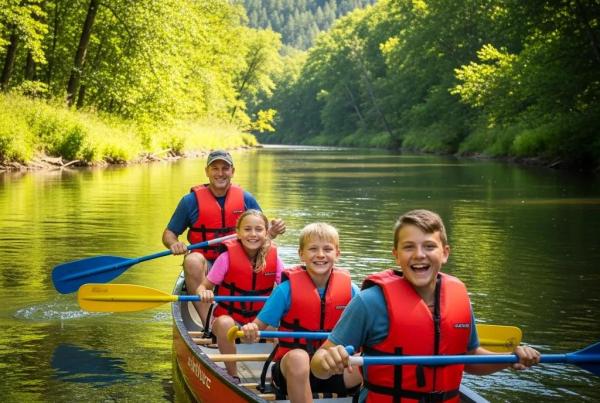
Shiawassee River floats can include dogs if owners plan for safety with dog life jackets and manageable entry and exit points. Practice short water exposure with your dog before committing to long floats and scout calm sections appropriate for canine swimmers. Bring a towel and fresh water to keep your dog warm and hydrated after a float. Confirm float logistics at the campground desk or with trip providers to ensure dogs are allowed on specific float options.
What Local Dog-Friendly Trails and Parks Are Near Durand, Michigan?
Nearby trails and parks often provide leash-required paths suitable for family hikes with dogs, offering varied surfaces and lengths for different fitness levels. Choose trails that match your family’s pace and check posted rules for leashes, seasonal closures, or wildlife advisories. Short loop trails work well with young children and nervous dogs, while longer river-adjacent walks suit energetic pets. Scouting trail options before a stay lets families balance active hikes with quieter campground time.
What On-Site Pet Events and Weekend Activities Are Available?
Many family campgrounds schedule pet-friendly weekend activities like dog meetups, agility demonstrations, and photo contests that encourage owner participation. Events often require pre-registration or adherence to pet behavior rules to ensure safety for all participants. Participating adds social opportunities for dogs and helps families connect with other pet-owning guests. Check the campground event calendar on arrival for the latest schedule and sign-up details.
How Can Families Book and Enjoy a Dog-Friendly Camping Trip at Walnut Hills?
Booking a pet-friendly stay requires confirming pet acceptance, understanding fees and rules, and choosing accommodations that fit your dog’s size and temperament. Walnut Hills offers pet-friendly cabins, RV and tent sites, a large dog park, and family amenities that support multi-day stays. Families should reserve early for peak weekends, verify any per-pet rules, and prepare documentation to streamline check-in. Following these steps turns a reservation into a relaxed, dog-inclusive family holiday.
Introductory accommodation comparison explains options and booking notes for families considering Walnut Hills.
Which Pet-Friendly Cabins and Campsites Are Available for Reservation?
Walnut Hills lists pet-friendly cabin rentals alongside RV and tent sites that accept dogs, offering options to suit family size and preferences. Pet-friendly cabins often sit near family amenities like the dog park and water features to ease daily routines. When booking, ask which specific cabins accept pets and whether there are size or number limits per unit. Reserving early ensures access to preferred cabin types during busy weekend events.
- Quick booking checklist for dog-friendly reservations:
Confirm the accommodation accepts dogs and any limits.
Ask about per-pet fees or deposits at the time of booking.
Request a site near pet amenities if needed for convenience.
Following these steps reduces friction on arrival and helps families settle in quickly.
What Are the Pet Fees and Cabin Policies to Know Before Booking?
Pet fee structures vary but commonly include per-pet charges or refundable deposits to cover additional cleaning. Policies may limit the number of pets per cabin or site and include size or breed restrictions, so verify specifics before finalizing the reservation. Cleaning expectations—such as removing hair and using designated pet areas—help avoid forfeiting deposits. Knowing fees and rules ahead of time keeps budgeting accurate and prevents surprises at check-in.
Where Can You See Guest Reviews and Photos of Dogs at Walnut Hills?
To assess real guest experiences with pets, check guest review platforms and the campground’s online gallery for guest-submitted photos and comments that mention dogs. Searching reviews for the keyword “dog” in platform search boxes often surfaces firsthand accounts about dog park quality, cabin cleanliness, and staff responsiveness to pet needs. Encouraging families to view recent photos and reviews helps validate that the campground’s pet amenities match expectations. After a positive stay, guests are typically encouraged to submit photos and reviews to help other pet-owning families plan.
Frequently Asked Questions
What should I pack for a dog-friendly camping trip?
When preparing for a dog-friendly camping trip, it’s essential to pack items that ensure both your pet’s comfort and compliance with campground rules. Bring leashes, waste bags, a secure crate, and any necessary medications. Don’t forget your dog’s vaccination records, as some campgrounds may require proof of vaccinations. Additionally, consider packing a portable water bowl, a towel for drying off after water activities, and toys to keep your dog entertained. Being well-prepared helps create a stress-free experience for both you and your pet.
Are there specific dog breeds that are not allowed at campgrounds?
Many campgrounds have specific policies regarding dog breeds, often due to insurance requirements or safety concerns. Breeds typically restricted may include those considered aggressive or large breeds that could pose a risk to other guests. It’s crucial to check the campground’s pet policy before booking to ensure your dog is welcome. If you have a breed that is commonly restricted, consider contacting the campground directly to discuss their policies and see if exceptions can be made.
How can I find local dog-friendly activities near the campground?
To discover local dog-friendly activities near your campground, start by researching online resources such as local tourism websites, pet-friendly travel blogs, or social media groups dedicated to pet owners. Apps like BringFido or AllTrails can also provide information on nearby trails, parks, and events that welcome dogs. Additionally, ask campground staff for recommendations on local attractions and activities that are suitable for families with pets. This will help you plan a fun and engaging itinerary for your trip.
What are the best practices for keeping my dog safe while camping?
Keeping your dog safe while camping involves several best practices. Always keep your dog on a leash in shared spaces to prevent them from wandering off or encountering wildlife. Ensure your dog is wearing a collar with an ID tag that includes your contact information. Bring a first aid kit specifically for pets and familiarize yourself with local wildlife to avoid potential dangers. Additionally, monitor your dog for signs of heat exhaustion or dehydration, especially during warm weather, and provide plenty of fresh water and shade.
Can I leave my dog unattended in a cabin or campsite?
Leaving your dog unattended in a cabin or campsite is generally discouraged, as it can lead to stress for your pet and potential disturbances for other guests. If you must leave your dog alone, ensure they are comfortable and secure in a crate, and consider bringing familiar items like their bed or toys. Check the campground’s specific policies regarding unattended pets, as some may have restrictions or guidelines. If possible, plan your activities around your dog’s needs to minimize the time they are left alone.
What should I do if my dog gets lost while camping?
If your dog gets lost while camping, remain calm and act quickly. Start by searching the immediate area, calling your dog’s name, and using familiar commands. Inform campground staff and fellow campers about your lost dog, as they can help keep an eye out. Utilize social media or local lost pet groups to spread the word. If your dog is microchipped, ensure your contact information is up to date, as this can help reunite you if someone finds your pet. Always have a plan in place before your trip to minimize the risk of losing your dog.
Conclusion
Choosing dog-friendly campgrounds in Michigan enhances family camping experiences by providing a welcoming environment for both pets and children. With amenities like dog parks, pet-friendly cabins, and nearby outdoor adventures, families can enjoy quality time together without the stress of separation. By planning ahead and understanding campground policies, you can ensure a smooth and enjoyable stay for everyone. Start your adventure today by exploring our recommended campgrounds that cater to both your family and furry friends.