Your Guide to the Best Dog-Friendly Campgrounds Nearby: Reviews and Pet Amenities Explained
Dog-friendly campgrounds are outdoor stays that explicitly welcome dogs by providing dedicated amenities, clear pet policies, and safe spaces for exercise and socializing. This guide helps families and dog owners evaluate campgrounds near them by focusing on pet amenities, essential policies, accommodation types, and review insights so you can choose a site that meets your dog’s needs.
Many readers search for “best campgrounds for dogs in Michigan” or “campgrounds with dog parks and trails Michigan” and need practical comparisons rather than scattered listings; this article centralizes those signals and explains what to prioritize. You’ll learn which campgrounds lead on pet amenities, what core rules to expect, what accommodations work best for dogs, and how to read pet-focused reviews to predict your experience. The guide covers top Michigan picks and selection criteria, explains pet policies and fees, compares RV/tent/cabin options, details common dog amenities with a comparison table, and summarizes owner feedback including a local example from Walnut Hills Family Campground in Durand, Michigan. Read on for concise checklists, comparison tables, and actionable tips to plan a safe, enjoyable trip with your dog.
What Are the Top Dog-Friendly Campgrounds in Michigan?
Top dog-friendly campgrounds are chosen for strong pet amenities, clear pet policies, positive pet-owner reviews, and convenient location to trails or water access. These criteria work because they combine safety (fenced parks, waste stations), convenience (nearby vets and supplies), and recreation (off-leash areas and water access) into a usable decision framework that predicts a good stay. For Michigan, prioritize campgrounds that list dog parks, water access, and renovated facilities, and weigh family amenities that include pets so your whole group can enjoy activities. The shortlist below highlights representative local options and the rationale for each choice.
Which Campgrounds Offer the Best Pet Amenities?
This subsection lists pet amenities to look for and explains why each matters, helping you compare sites quickly and select a campground that fits your dog’s needs. The amenity types below cover exercise, hygiene, and safety features that consistently appear in higher-rated pet-friendly campgrounds.
- Dog park or fenced off-leash area: Provides safe space for exercise and socialization.
- Waste disposal stations: Keeps sites sanitary and makes compliance easy.
- Water access or lake frontage: Enables swimming and cooling off for dogs.
- Dog wash or grooming station: Helps manage muddy pets before returning to cabins.
- Shaded and shaded seating areas: Protects dogs during hot weather and aids recovery.
These amenity distinctions make a practical difference when choosing where to stay, and they directly reduce logistical friction for owners preparing multi-day trips.
How Does Walnut Hills Family Campground Stand Out for Dog Owners?
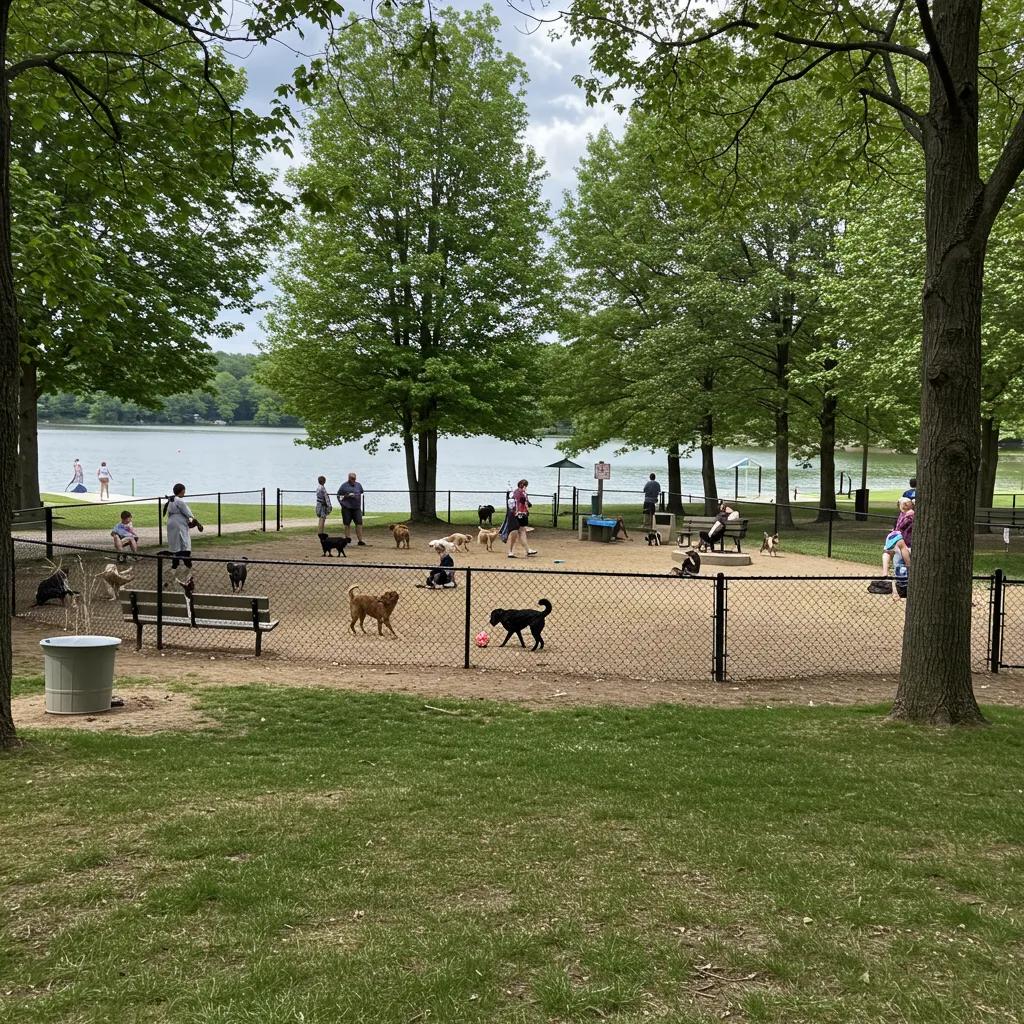
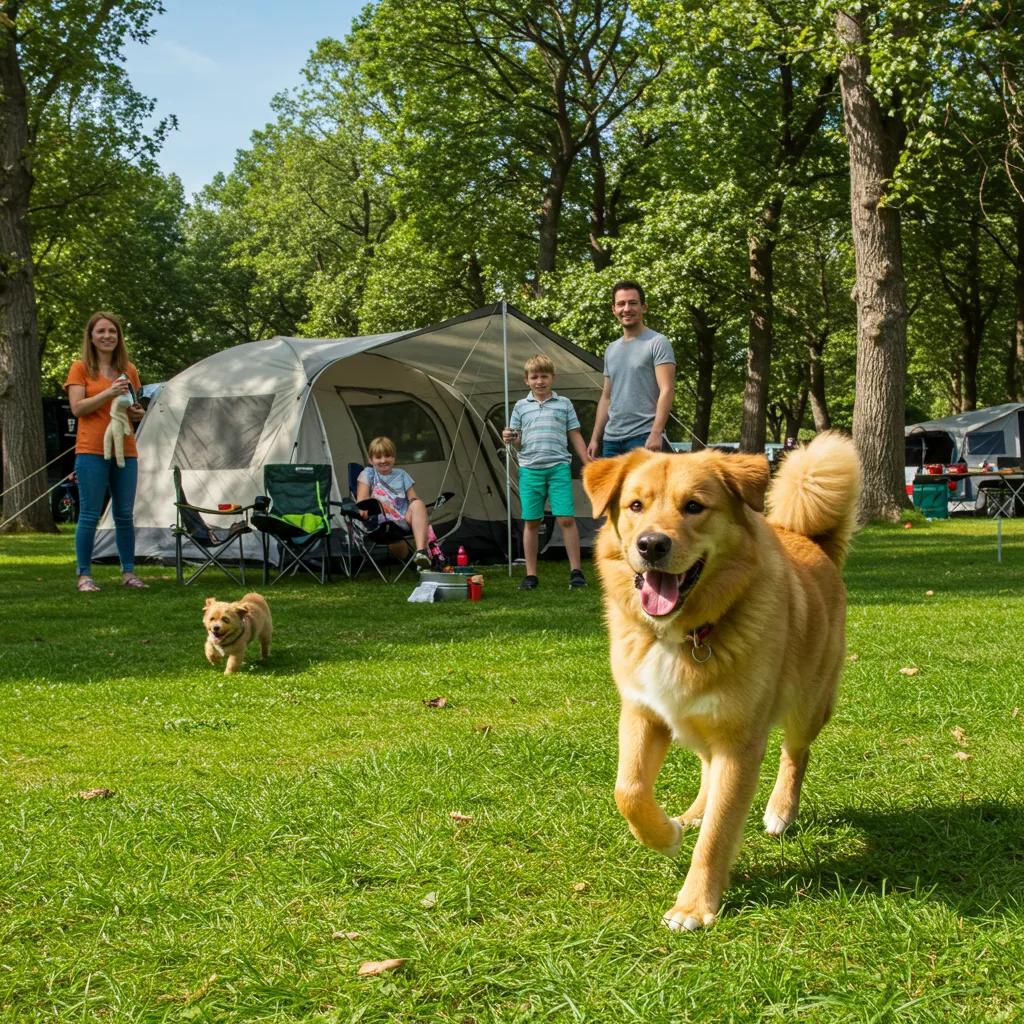
Walnut Hills Family Campground, located in Durand, Michigan, is notable for its large dog park and family-focused amenities that include water recreation and updated facilities. The large dog park is a primary differentiator because it gives dogs space to run and socialize while owners access nearby family activities.
Walnut Hills also integrates pet-friendly accommodations—RV sites, tent sites, cabins, and seasonal sites—and offers convenient amenities such as renovated bathrooms, a swimming lake, and a beach that can make multi-day stays simpler. For planners seeking a local Michigan option that balances family amenities with pet facilities, Walnut Hills matches several of the key selection criteria outlined above.
What Are the Essential Pet Policies at Dog-Friendly Campgrounds?
Essential pet policies define expectations for safety, hygiene, and neighborly behavior and they typically include leash requirements, vaccination verification, waste removal, and quiet hours. These rules exist because they reduce conflicts between guests, protect dogs from wildlife or hazards, and maintain sanitary common areas for everyone.
Knowing common policy items before travel prevents surprises and speeds check-in, while understanding variations (size limits, breed restrictions, extra fees) helps owners choose appropriate sites.
The compact table below compares typical policy elements and shows how campgrounds usually implement them.
This comparison clarifies common expectations; checking a campground’s pet policy page before arrival ensures compliance and reduces friction at check-in.
What Are the Leash and Waste Disposal Rules at Walnut Hills?
Leash and waste rules at many family-oriented campgrounds focus on safety and cleanliness, requiring dogs to be controlled by their owners and encouraging use of provided waste stations.
At Walnut Hills Family Campground, a leash expectation and the presence of waste disposal stations are part of the pet-management approach noted in facility descriptions. Bringing multiple leashes and waste bags is practical for river or trail activities, and preparing to follow posted leash and cleanup guidelines minimizes the risk of fines or confrontations. Understanding these basic practices helps owners plan for daily walks, off-leash park time, and transitions to indoor or cabin spaces.
Are There Any Fees or Restrictions for Pets?
Campground fees and restrictions vary: some properties charge per pet or per stay, others limit the number or size of pets, and a few specify breed restrictions for insurance reasons.
Owners should expect to confirm the exact fee structure and any size or number limits before booking, since these differences affect total trip cost and packing decisions. For site-specific details, consult the campground’s pet policy page or reservations team to verify rules that apply to your stay. Checking policies early allows owners to arrange alternatives if a campground’s restrictions are incompatible with their dog’s needs.
What Dog Amenities Can You Expect at the Best Campgrounds?
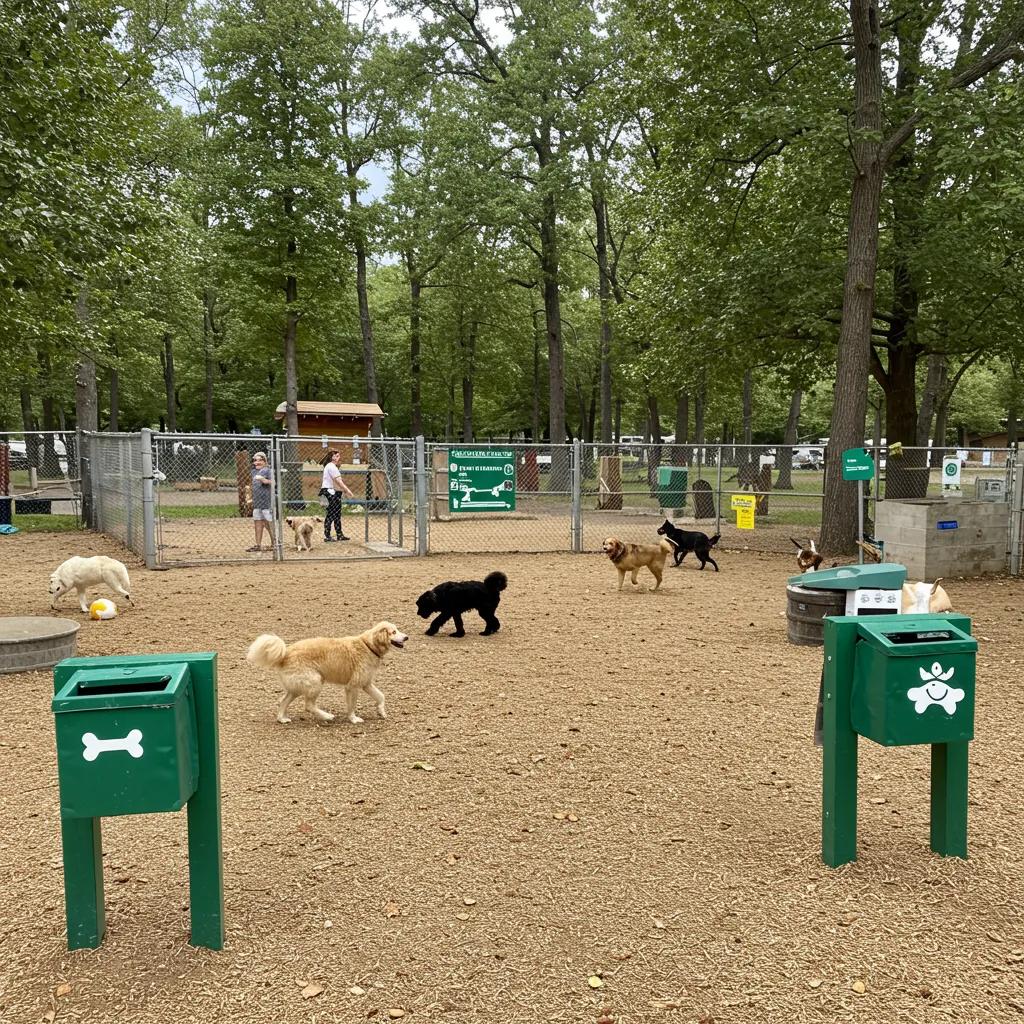
Top campgrounds combine basic and premium dog amenities to support hygiene, exercise, and comfort; these amenities include dog parks, waste stations, dog wash areas, trails, and water access. Each amenity plays a role: dog parks for exercise, waste stations for sanitation, and dog washes for cleanup after mud or lake play.
Below is a compact amenity comparison to help owners weigh what matters most for their dog’s temperament and needs.
This table highlights how amenity choices translate into practical benefits for both dogs and owners and supports comparison when selecting between multiple campgrounds.
What Features Does the Walnut Hills Large Dog Park Include?
The large dog park at Walnut Hills is listed as a key on-site amenity, offering space for off-leash activity and socialization that many dog owners prioritize. Large parks reduce leash-related stress and give high-energy dogs a safe outlet, which improves overall campsite harmony and reduces barking or containment issues.
Owners should prepare with tags, fresh water, and toys to maximize playtime and socialization while respecting posted rules. Viewing detailed facility information or photo resources before arrival helps set expectations about size and layout.
Which Additional Pet Facilities Are Available Nearby?
Good campground areas provide nearby services such as emergency vets, pet supply stores, and dog-friendly trails or river access for day activities. These local supports reduce logistical risk during multi-day trips by giving owners quick options for food, medical needs, or equipment.
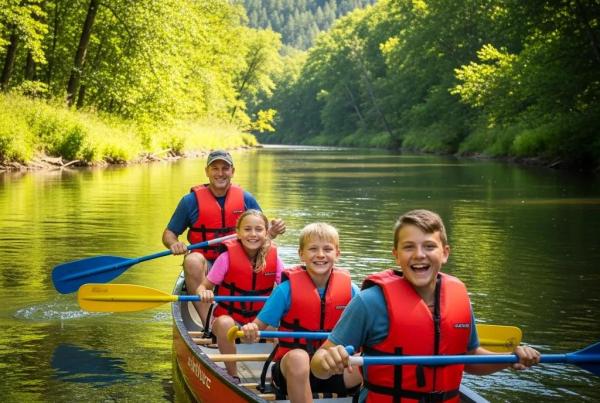
For river-based recreation, owners should identify safe entry points and prepare flotation assistance if appropriate, and for emergencies, note the nearest emergency vet ahead of time. Planning these supports into your itinerary improves safety and ensures the dog’s needs are met away from the campground.
Which Accommodations Are Best for Camping with Dogs?
Accommodation choice—RV site, tent site, or cabin—affects space, confinement options, and convenience for dog owners; each type offers different trade-offs in comfort, control, and proximity to amenities. RV sites tend to offer contained spaces with easy access to vehicles and supplies, tent sites provide proximity to nature but less security for escaping dogs, and cabins offer enclosed shelter with simple management of sleeping and feeding routines.
Consider site proximity to dog parks, shaded areas, and restroom facilities when requesting a spot, as those micro-features greatly influence daily logistics.
The next table compares accommodation types with pet-focused attributes to guide selection.
This comparison helps owners match their dog’s temperament and care needs to the accommodation that will minimize hassles and maximize enjoyment.
What Dog-Friendly RV, Tent, and Cabin Options Does Walnut Hills Offer?
Walnut Hills offers RV and tent sites, cabins, and seasonal sites, which provides flexible options for dog owners with different needs and equipment. RV sites are convenient for owners who travel with supplies and prefer vehicle-accessible setups; tent sites suit owners who want a closer-to-nature experience; cabins offer enclosed shelter that simplifies management of smaller or older dogs.
Choosing a site near the dog park or lake at Walnut Hills reduces walking time and helps integrate dog exercise into family activities. For booking specifics and precise pet rules per accommodation, check the campground’s reservations or pet-amenities information.
How Do Pet-Friendly Cabins Compare to Other Sites?
Pet-friendly cabins offer enclosed shelter, easier control overnight, and often fewer problems with weather or pests compared to tent camping, making them ideal for smaller dogs or owners who prioritize comfort. Cabins typically limit space for very large dogs and may have interior rules about bedding and furniture that owners should respect.
When choosing between cabins and other sites, evaluate the dog’s size, barking tendencies, and need for outdoor access; request cabins near the dog park or parking for easy transitions. A simple checklist—size, proximity, flooring, and pet rules—helps decide if a cabin is the right fit.
- Cabin selection checklist intro: consider size, nearby amenities, flooring, and pet rules before booking.
- Cabin checklist:
Size: Ensure the cabin accommodates your dog’s movement needs.
Proximity: Prefer cabins close to dog park or parking.
Flooring: Hard floors clean easier than carpet for muddy paws.
Rules: Verify any cabin-specific pet rules in advance.
What Do Dog Owners Say About Their Camping Experiences?
Dog-owner reviews commonly emphasize safety, cleanliness, amenity quality, and how well pets integrate into family activities; reviews help prospective visitors infer real-world behavior beyond marketing descriptions. Owners praise large off-leash areas, accessible waste stations, and staff responsiveness, while critiques often focus on inconsistent rule enforcement or limited shade at dog play areas.
Reading multiple pet-specific reviews yields insight into routine experiences—what daily walks feel like, how crowded the dog park becomes, and how staff handle pet-related issues. The synthesis below lists typical review highlights and how to read them for planning a better stay.
What Are the Top Reviews Highlighting Dog-Friendly Features?
This section summarizes common themes that appear in pet-focused reviews and gives representative takeaways that influence booking choices.
- Dog parks and play space: Owners frequently praise large, well-maintained off-leash areas.
- Cleanliness and facilities: Renovated bathrooms and waste stations earn strong positive mentions.
- Family integration: Reviews note when pets can join activities like lakeside play or river floats.
- Staff responsiveness: Quick resolution of pet issues increases owner confidence.
Review readers should prioritize repeated mentions—features noted by many guests are more reliable predictors of daily experience than single-star comments.
How Do Pet Owners Rate Walnut Hills Family Campground?
Per available facility information and user commentary patterns, Walnut Hills receives positive mentions for pet friendliness, especially for its large dog park and family amenities that accommodate dogs.
Review summaries often link the campground’s modernized facilities, play options, and river access to a higher level of guest satisfaction among dog owners.
Prospective visitors seeking to reserve a pet-friendly stay at Walnut Hills should review pet policy details and available accommodation types prior to booking, and prepare documentation or supplies as required by site rules. For reservations or specific pet-policy clarifications, contact Walnut Hills Family Campground’s reservations channels to confirm up-to-date requirements and availability.
Frequently Asked Questions
What should I consider when choosing a dog-friendly campground?
When selecting a dog-friendly campground, consider factors such as the availability of pet amenities, the campground’s pet policies, and the types of accommodations offered. Look for features like fenced dog parks, waste disposal stations, and water access. Additionally, check for leash requirements and any breed or size restrictions. Proximity to trails and other recreational areas can also enhance your camping experience. Reading reviews from other dog owners can provide valuable insights into the campground’s suitability for your pet.
Are there specific dog breeds that are not allowed at campgrounds?
Many campgrounds have breed restrictions due to insurance policies or safety concerns. Commonly restricted breeds may include those considered aggressive or large breeds that could pose a risk in certain environments. It’s essential to check the specific campground’s pet policy before booking to ensure your dog’s breed is permitted. If your dog falls under a restricted category, consider looking for campgrounds that have more lenient policies or are specifically designed for all breeds.
How can I prepare my dog for a camping trip?
Preparing your dog for a camping trip involves several steps. Start by ensuring your dog is up-to-date on vaccinations and flea/tick prevention. Pack essential items such as food, water, bowls, a leash, waste bags, and a first-aid kit. Familiarize your dog with the camping environment by taking them on short hikes or outdoor trips beforehand. Additionally, practice commands like “come” and “stay” to ensure they respond well in new surroundings. Lastly, bring familiar items like their bed or toys to help them feel secure.
What are the best practices for keeping my dog safe while camping?
To keep your dog safe while camping, always supervise them, especially in unfamiliar environments. Use a leash in common areas and ensure they are wearing a collar with identification tags. Be mindful of wildlife and avoid letting your dog roam freely in areas where they could encounter dangerous animals. Provide plenty of water and shade, especially during hot weather, and keep an eye on their behavior for signs of stress or discomfort. Familiarize yourself with the nearest veterinary services in case of emergencies.
Can I leave my dog unattended in a cabin or RV?
Leaving your dog unattended in a cabin or RV can be risky and is generally not recommended. Dogs may become anxious or destructive when left alone, which could lead to damage or safety issues. If you must leave your dog, ensure they are comfortable and secure, and consider using a crate if they are crate-trained. Always check the campground’s policies regarding leaving pets unattended, as some may have specific rules or guidelines to follow. It’s best to plan activities that allow you to include your dog whenever possible.
What should I do if my dog gets lost while camping?
If your dog gets lost while camping, remain calm and start searching the immediate area. Call their name and use familiar commands to encourage them to return. Inform campground staff and fellow campers about the situation, as they can help keep an eye out. Utilize social media or local community groups to spread the word. It’s also helpful to have a recent photo of your dog and to ensure they are microchipped or wearing a collar with identification tags to facilitate their return.
Conclusion
Choosing the right dog-friendly campground can significantly enhance your outdoor experience, ensuring both you and your pet enjoy a safe and enjoyable stay. By understanding essential pet amenities, policies, and accommodations, you can make informed decisions that cater to your dog’s needs. Don’t hesitate to explore our curated list of top campgrounds and their unique offerings to find the perfect fit for your next adventure. Start planning your unforgettable camping trip with your furry friend today!