Dog-Friendly Campgrounds with Nearby Dog Parks in Michigan: Your Guide to Pet-Friendly Camping and Amenities
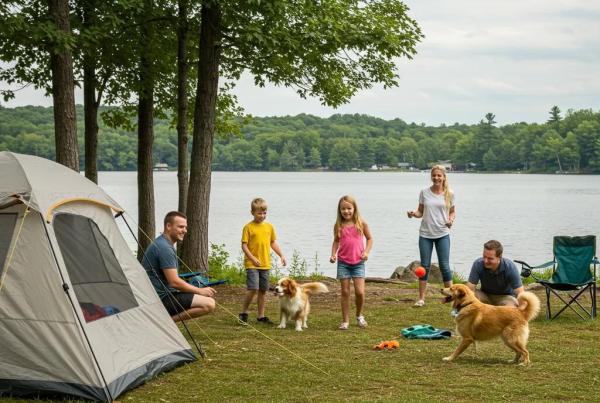
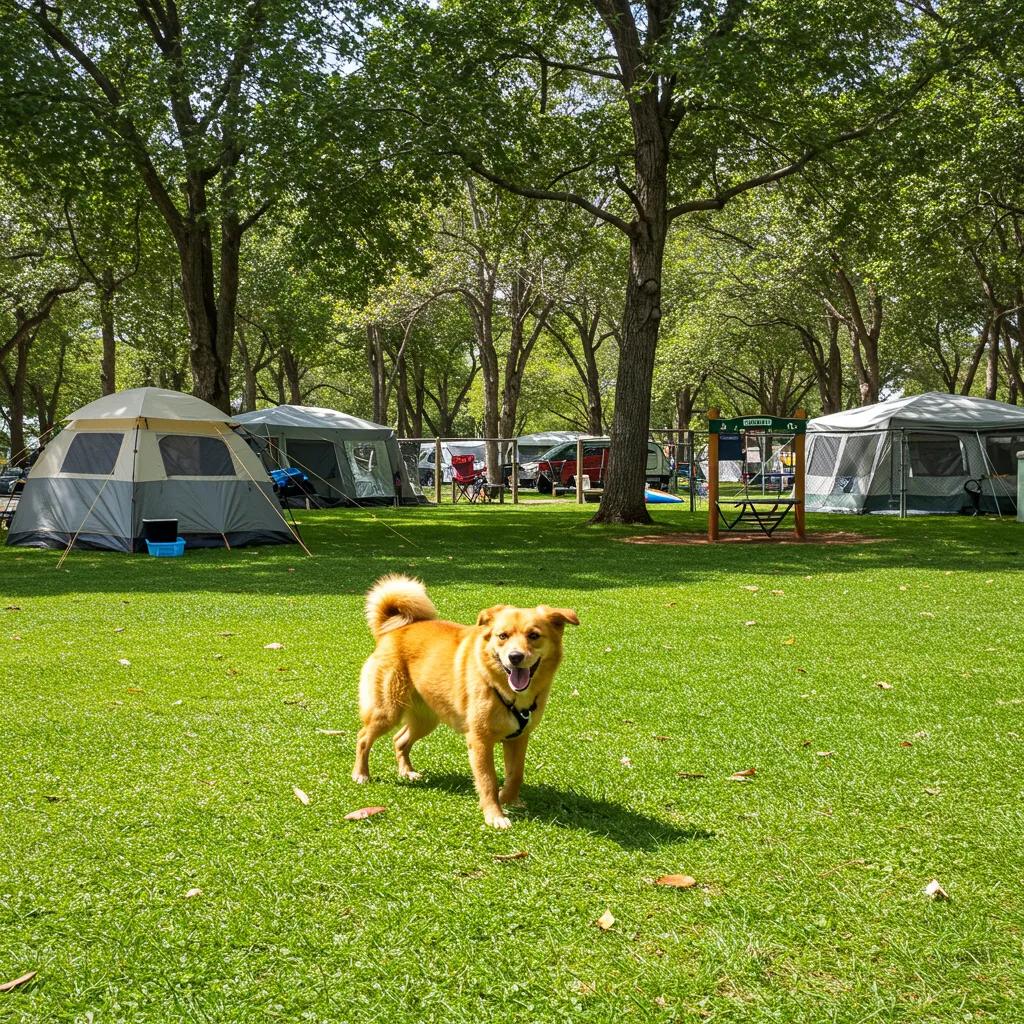
Dog-friendly campgrounds with nearby dog parks offer the perfect blend of secure off-leash fun and traditional camping comforts, making your outdoor adventures stress-free for both you and your canine companion. This guide will walk you through what makes a campground truly dog-friendly, why having an on-site dog park is a game-changer, and how to find those prime Michigan spots with spacious dog parks. We know that balancing pet safety, campground rules, and essential amenities can be a challenge when planning family trips with your furry friends. That’s why we’ve put together practical solutions, from checklists for pet policies to handy packing and reservation tips. You’ll discover the key campground features to look for, how to compare RV, tent, and cabin options, and which activities and waterways are welcoming to your four-legged family members. Dive into the sections below to learn what makes a campground dog-friendly, where to find top Michigan properties with large dog parks, common pet policies, nearby dog-friendly activities including Shiawassee River access, and step-by-step planning tips for a successful dog-friendly camping trip.
What Makes Michigan Dog-Friendly Campgrounds Ideal for Camping With Pets?
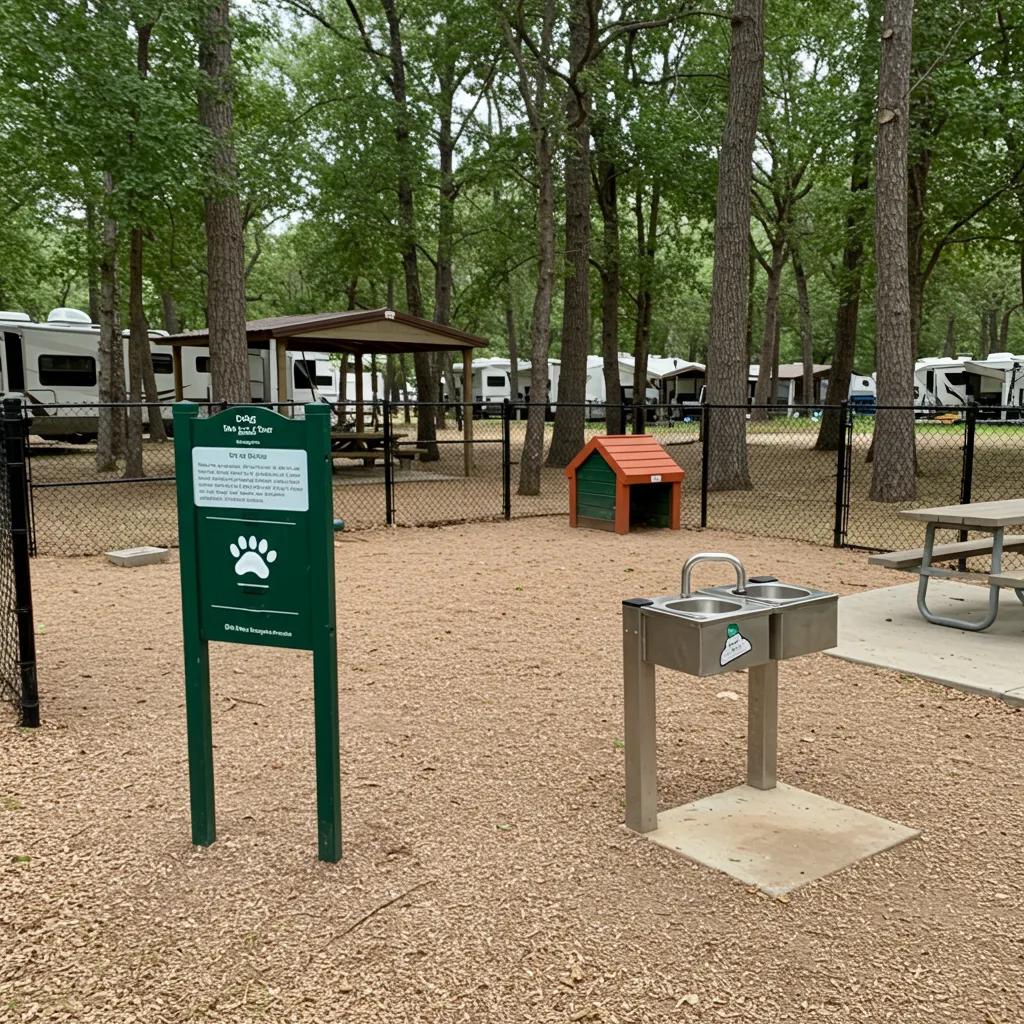
Dog-friendly campgrounds go the extra mile to ensure both your pet’s well-being and your convenience by providing secure off-leash areas, clear pet policies, and on-site pet services that simplify your stay. These thoughtful features work together to keep your dogs healthy, allow for proper socialization, and make supervision a breeze for you. The result? A safer, more enjoyable camping experience for the whole family. Campgrounds that invest in fenced dog runs, convenient water stations, and shaded spots offer tangible benefits for active dogs, providing them with much-needed exercise and stress relief. Understanding these core attributes will help you choose campgrounds that truly support both safety and recreation for pets and people alike.
When evaluating campgrounds, pay attention to physical amenities, the clarity of their policies, and their proximity to trails or water. The list below highlights the primary on-property features to look for when researching campgrounds with dog parks.
- Fenced, designated off-leash areas that keep playtime separate from campsites and traffic.
- Multiple waste stations and access to potable water, conveniently located inside or near the dog park.
- Shaded seating, dog wash or rinse stations, and clear signage outlining owner responsibilities.
These features significantly reduce common camping hassles and directly enhance the experience for both dogs and families. Next, a handy table compares typical dog park amenity components you should prioritize when selecting a Michigan campground.
Different dog park amenities play a crucial role in ensuring safety and comfort.
Which Features Define a Dog-Friendly Campground?
A dog-friendly campground is defined by concrete, repeatable features that actively support your pet’s health, safety, and overall enjoyment during your outdoor stay. This includes well-maintained fenced off-leash areas, clear pet policies that mandate vaccinations and leash compliance outside designated zones, and practical on-site amenities like readily available water, shade, and waste disposal stations. Campgrounds that go the extra mile by providing dog wash stations, separate areas for small and large dogs, and visible signage demonstrate a genuine commitment to pet welfare and owner guidance. Assessing these features against your dog’s specific temperament will help you determine if a campsite or cabin is the right fit for your trip.
How Do Dog Parks Enhance the Camping Experience for Pets and Owners?
Dog parks at campgrounds elevate the camping experience by offering a dedicated space for structured off-leash exercise, safe socialization opportunities, and a reliable outlet for dogs to expend energy before returning to the campsite. This mechanism not only reduces potential campsite disturbances but also alleviates separation-related stress for dogs, leading to calmer nights and happier owners. Dog parks also foster social connections among owners through peer interaction and shared supervision, often leading to informal exchanges of tips about local trails and services. When parks are equipped with water access and shaded seating, the practical convenience is amplified, allowing for longer, more enjoyable play sessions without compromising safety.
Why Choose Campgrounds With Dog Runs and Pet Amenities in Michigan?
Opting for campgrounds with dedicated dog runs and pet amenities is a smart, proactive strategy to safeguard your dog’s health and maximize your trip’s enjoyment through convenient features and predictable rules. Properties that focus on pet amenities often provide clearer booking guidance, structured events, and on-site services that streamline the logistics of camping with dogs. For families, these campgrounds minimize potential friction—fewer surprises regarding noise rules or pet fees—and offer safer play spaces for energetic or social dogs. Prioritizing such properties significantly increases your chances of a relaxed, repeatable vacation routine with your beloved pet.
Where Can You Find the Best Dog-Friendly Campgrounds With Large Dog Parks in Michigan?
Discovering top campgrounds with large dog parks in Michigan is best achieved through targeted searches using keywords like “campgrounds with dog parks nearby Michigan” and applying filters for fenced parks and pet-friendly cabins. When browsing directories, keep an eye out for properties that specifically mention off-leash areas, pet amenities, and proximity to trails or waterways. Below is a curated list to help you prioritize your options and what to confirm before booking.
- Search for listings that specifically mention “large dog park” or “fenced dog run” in their amenities.
- Confirm the types of accommodation available (RV, tent, cabins) and whether the dog park is located directly on the property or nearby.
- Check for family-friendly programming and water access if you’re looking for combined dog and kid activities.
To help you quickly compare typical accommodation types and their pet rules, use the table below before you call or book.
A quick comparison of common accommodations and their pet policy patterns helps set expectations.
What Are the Top Pet-Friendly RV Parks and Campgrounds in Michigan?
Top pet-friendly RV parks and campgrounds prioritize spacious hookups, easy access to the dog park, and clear pet policies that ensure a predictable and enjoyable stay. When vetting RV parks, always check the quality of hookups, the spacing of sites from common areas, and the dog park’s distance from RV loops. Opt for parks that advertise family events and ample open space, ensuring both dogs and children have plenty of room to roam safely. Verifying these attributes before your arrival will help minimize surprises and enhance the overall family camping experience.
Which Campgrounds Offer Dog-Friendly Cabins and Tent Sites?
Campgrounds that offer pet-friendly cabins and tent sites often have varying rules—some permit dogs only in designated cabins, while others welcome pets at tent sites with minimal fees. Expect per-pet fees or per-stay charges, and be aware that some properties may have breed or size restrictions for enclosed units. When booking, inquire about any applicable cleaning fees or deposits and the proximity of the nearest dog park to your cabin or tent site. Choosing the right unit type ultimately depends on your dog’s comfort level with enclosed spaces and your willingness to manage additional fees.
How Does Walnut Hills Family Campground Stand Out for Dog-Friendly Camping?
Walnut Hills Family Campground, operated by GatherGrounds Resorts and nestled in Durand, Michigan, serves as a prime local example of a property boasting a large on-site dog park and a wealth of family-oriented amenities. Key highlights of the property include an expansive fenced dog park, a Wibit water park and swimming lake, recently renovated facilities, and frequent family-friendly weekend events that warmly welcome pets in designated areas. Walnut Hills also offers a variety of accommodation options, including RV sites, tent sites, cabins, and seasonal sites, along with convenient river access for nearby canoeing adventures. For those considering a Michigan getaway with exceptional pet amenities, Walnut Hills presents a practical and appealing choice, seamlessly combining on-site dog play areas with diverse family recreation.
What Are the Essential Pet Policies and Rules at Dog-Friendly Campgrounds?
Essential pet policies are designed to establish predictable behavior expectations and protect both guests and local wildlife by enforcing clear rules regarding vaccinations, leash use, and waste disposal. Typical mechanisms include requiring dogs to be leashed outside of designated off-leash zones, ensuring up-to-date vaccinations and licensing, and mandating immediate waste removal. These policies are crucial for reducing the risk of disease transmission and minimizing neighborly conflicts. Clear enforcement, visible signage, and owner accountability are common policy features that collectively ensure parks remain safe and enjoyable for everyone. Below is a structured table to clarify typical campground pet policy items and their underlying purpose.
Common policy items explain why rules exist and how they protect everyone.
Understanding these rules before your arrival will help prevent issues during your stay. The following paragraphs detail typical enforcement practices and practical booking considerations.
What Are Typical Pet Rules for Camping With Dogs in Michigan?
Typical pet rules at Michigan campgrounds generally require dogs to be leashed when outside designated areas, to have current vaccinations, and to exhibit responsible behavior to prevent excessive noise or aggressive incidents. These rules are effective because they create uniform expectations that campground staff can enforce to protect guests, pets, and local wildlife. Many campgrounds also impose limits on the number of pets allowed per site and may request proof of vaccination upon check-in. Familiarizing yourself with and adhering to these rules before your arrival will significantly reduce the chance of incurring fines or being asked to leave.
How Does Walnut Hills Manage Pet Safety and Etiquette in Their Dog Park?
Walnut Hills Family Campground prioritizes pet safety and etiquette within its dog park through a combination of owner supervision, designated fenced off-leash play areas, and strategically placed waste stations. These operational measures effectively reduce the likelihood of escape incidents and encourage prompt cleanup, thereby preserving the park’s condition for all guests. The campground’s thoughtful inclusion of visible signage and dedicated water sources supports longer, safer play sessions for active dogs. Owners are encouraged to diligently follow posted rules and supervise their pets closely to maintain a positive and enjoyable dog park environment for everyone.
What Should You Know About Fees and Restrictions for Pets at Campgrounds?
Campground pet fees commonly manifest as per-pet, per-night charges or as flat, per-stay fees. Some properties may also require deposits or additional cleaning charges, particularly for cabin accommodations. Restrictions can include breed or size limitations, a maximum number of pets allowed per site, and specific rules about where pets are permitted to roam on the property. It is crucial to confirm the fee structure and any applicable restrictions when making your reservation to avoid unexpected costs. Inquiring about the site’s location relative to the dog park and potential additional charges will help ensure the chosen site aligns perfectly with your plans.
Which Dog-Friendly Activities and Amenities Can You Enjoy Near Campgrounds With Dog Parks?
Campgrounds featuring dog parks often serve as central hubs for a variety of dog-friendly activities, including on-site play sessions, designated walking loops, nearby hiking trails, and gentle water access for supervised swims or floats. These amenities significantly enhance the variety of activities available for both dogs and their owners, and they are most effective when combined with robust pet safety measures like life vests and easy shore-entry points. Highlighting the available activities before your arrival will help you plan daily routines that perfectly match your dog’s energy level and abilities. The list below outlines typical on-site and nearby offerings to consider when selecting your campground.
- On-site dog park playtime and supervised pet-friendly events.
- Campground walking loops and family-friendly trails located close to the property.
- Water activities such as supervised swims, canoeing, or gentle river floats where dogs are permitted.
These amenities provide multiple opportunities for exercise and bonding time with your dog while camping. The following section delves into on-site examples and nearby trail options in more detail.
What On-Site Dog-Friendly Activities Are Available at Campgrounds Like Walnut Hills?
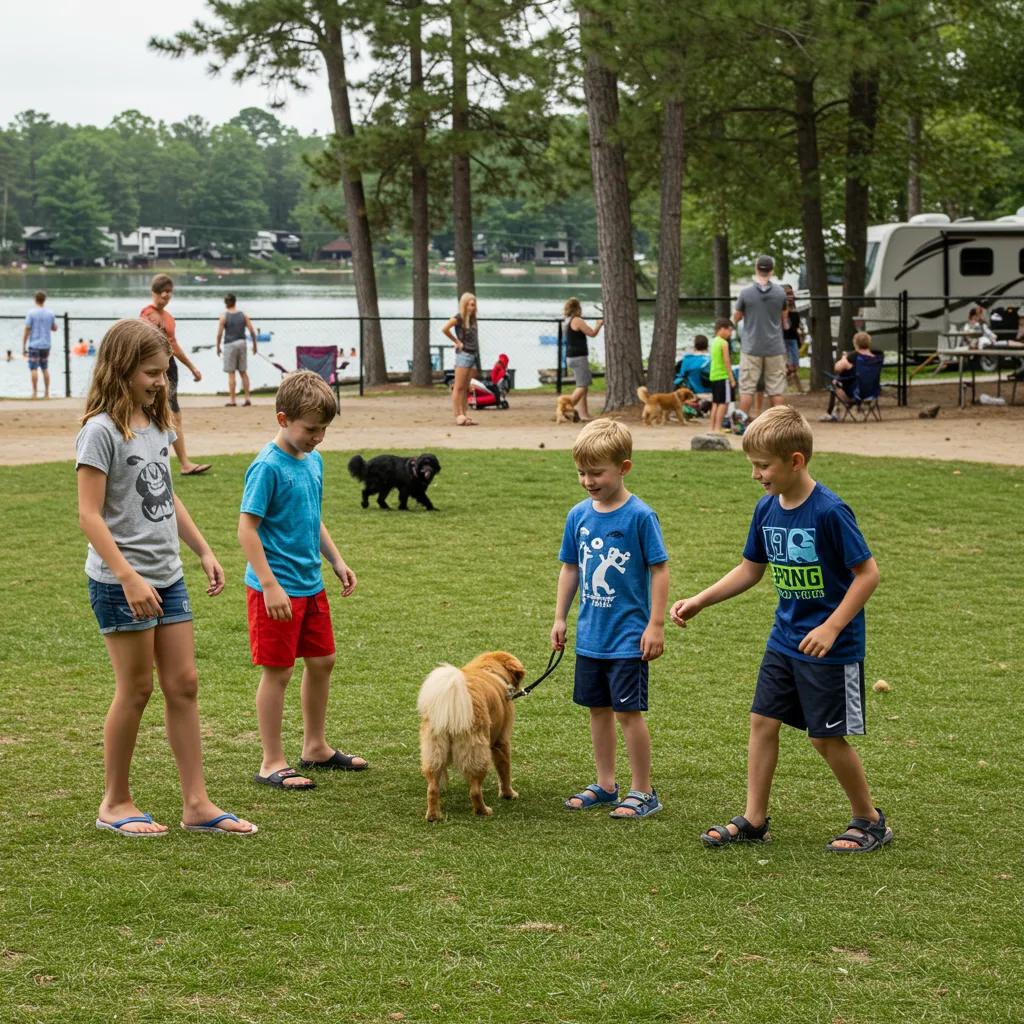
On-site activities at properties like Walnut Hills are designed to delight both pets and their families. These include expansive dog park play areas, engaging family events that accommodate well-behaved dogs in designated zones, and ample open space perfect for leash walks and short runs. Ancillary amenities, such as the Wibit water park and a refreshing swimming lake, create fantastic opportunities for combined family-and-dog recreation when managed with safety as a top priority. These on-property offerings allow families to easily rotate activities—kids can enjoy the water features while dogs make the most of the fenced park—effectively reducing supervision overlap. Always confirm which event areas permit dogs and diligently follow property-specific safety guidelines.
Where Are Nearby Dog-Friendly Trails and Parks for Hiking and Exploring?
Nearby dog-friendly trails and parks can vary significantly by county, with most requiring leashes and some offering designated off-leash zones. It’s advisable to estimate travel times by consulting property maps and local recreation guides. Prioritize trails with shaded routes and water access if your dog is prone to overheating, and select loop trails that align with your dog’s stamina. Bringing a portable water bowl and waste bags will make trail visits more comfortable and ensure compliance with local regulations. Mapping out your chosen trails in advance guarantees you select routes that are well-suited to your dog’s fitness level and temperament.
How Can You Experience Dog-Friendly Water Activities on the Shiawassee River?
Dogs can often join in on canoe or kayak trips on calm river stretches, provided owners use canine life jackets, acclimate their pets to boats beforehand, and choose days with gentle currents for their outings. Cheff’s Canoe Rental is a noted local resource offering access to the Shiawassee River, presenting an excellent option for river-based adventures that can include dogs when appropriate safety measures are in place. Prioritize shallow launch points, pack plenty of fresh water for your dog, and plan for shore breaks to allow pets to stretch during longer floats. Comprehensive safety planning—including life vests, shaded breaks, and easy access to shore—is key to ensuring river activities remain enjoyable for both dogs and owners.
How Do You Plan a Successful Dog-Friendly Camping Trip in Michigan?
Planning a successful dog-friendly camping trip hinges on a concise checklist: confirm pet policies and fees before booking, pack essential dog-specific gear for safety and comfort, and take basic health precautions such as ensuring up-to-date vaccinations and parasite prevention. This structured approach minimizes last-minute surprises and ensures your dog maintains consistent routines for feeding, exercise, and rest throughout the trip. Reserving sites conveniently located near the dog park or selecting cabin units with easier access to pet areas can further reduce logistical friction. Below are targeted lists to streamline your reservations, packing, and health preparations.
Essential packing items make outdoor stays manageable and safe.
- Portable water and food bowls, plus extra food and treats for the duration of the trip.
- Leash, harness, identification tags, and a sturdy, foldable lead for campsite control.
- First-aid basics, tick prevention, and a canine life jacket for any water outings.
These items are crucial for keeping dogs comfortable and minimizing risks. Next, practical reservation steps will clarify how to secure the perfect site.
What Are the Must-Have Packing Essentials for Camping With Dogs?
Packing essentials include ample water and travel bowls, familiar bedding, secure leashes and harnesses, and a compact first-aid kit specifically curated for dogs. Don’t forget parasite prevention treatments and copies of vaccination records, as some campgrounds may request proof upon check-in. Including a portable shade canopy, plenty of waste bags, and dog towels or rinse supplies for water activities will help keep both your campsite and your dog clean. These items are vital for supporting your dog’s health, comfort, and compliance with campground rules.
How Do You Make Reservations for Pet-Friendly Sites and Cabins?
When making reservations, be sure to search for or inquire about pet-friendly filters, and confirm the dog park’s location relative to your chosen site, any applicable per-pet fees, and any breed or size restrictions before finalizing your booking. Call the campground directly or use their online reservation portal to verify all details and request pet-friendly cabin units or sites situated near the dog park whenever possible. For instance, Walnut Hills Family Campground in Durand, Michigan, operated by GatherGrounds Resorts, prominently features on-site dog amenities including a large dog park and offers RV, tent, and cabin options—always confirm specific details directly with the property to secure a suitable site. Clear pre-arrival communication is key to preventing surprises and ensuring aligned expectations for both parties.
What Health and Safety Tips Should You Follow When Camping With Your Dog?
Prioritize vaccinations, flea and tick prevention, and basic first-aid readiness to ensure your dog remains protected throughout your outdoor adventures. Keep your dog well-hydrated, provide ample shaded rest periods, and closely monitor them for any signs of overheating or exhaustion during active days. It’s also wise to know the location of the nearest veterinary clinic and carry emergency contact information in case rapid care is needed. These proactive precautions significantly increase the likelihood of a safe and enjoyable trip for both dogs and their owners.
Frequently Asked Questions
What should I consider when choosing a dog-friendly campground in Michigan?
When selecting a dog-friendly campground in Michigan, consider factors such as the availability of fenced off-leash areas, clear pet policies, and proximity to trails or water. Look for amenities like waste stations, water access, and shaded areas to ensure your dog’s comfort and safety. Additionally, check for any breed or size restrictions, as well as the campground’s overall pet-friendly reputation. Reading reviews from other pet owners can also provide valuable insights into the campground’s suitability for your furry friend.
Are there specific dog breeds that are not allowed at campgrounds?
Many campgrounds have specific breed restrictions, often due to insurance policies or safety concerns. Commonly restricted breeds may include those considered aggressive or large, such as Pit Bulls, Rottweilers, and Doberman Pinschers. It’s essential to check the campground’s pet policy before booking to ensure your dog is welcome. If you have a breed that is typically restricted, consider contacting the campground directly to discuss your situation and see if exceptions can be made.
How can I ensure my dog is safe while camping?
To ensure your dog’s safety while camping, always keep them leashed outside of designated off-leash areas and supervise them closely. Bring a first-aid kit specifically for pets, and ensure your dog is up-to-date on vaccinations and flea/tick prevention. Hydration is crucial, so provide fresh water regularly, especially during hot weather. Familiarize yourself with the campground layout, including the nearest veterinary clinic, and have emergency contact information handy in case of any issues.
What activities can I do with my dog while camping?
While camping, you can engage in various activities with your dog, such as hiking on nearby trails, swimming in dog-friendly lakes or rivers, and enjoying playtime in on-site dog parks. Many campgrounds also host pet-friendly events, allowing for socialization with other dogs and their owners. Always check the campground’s rules regarding pet activities and ensure your dog is comfortable with the planned activities to enhance your camping experience together.
What are the best times of year to camp with dogs in Michigan?
The best times to camp with dogs in Michigan are typically late spring through early fall, when the weather is mild and outdoor activities are plentiful. Late spring (May to June) offers blooming landscapes and fewer crowds, while early fall (September to October) provides beautiful foliage and cooler temperatures. Avoiding peak summer heat is crucial for your dog’s comfort, so plan your trips during these shoulder seasons for a more enjoyable experience.
How can I prepare my dog for a camping trip?
Preparing your dog for a camping trip involves several steps. Start by ensuring they are comfortable with being outdoors and around other dogs. Take them on practice hikes and introduce them to camping gear, such as tents and portable water bowls. Pack familiar items like their bed, toys, and food to create a sense of security. Additionally, ensure they are up-to-date on vaccinations and have a collar with ID tags. Gradually acclimating your dog to the camping environment will help reduce anxiety during your trip.
What should I do if my dog gets lost while camping?
If your dog gets lost while camping, remain calm and start searching the immediate area. Call their name and use familiar commands or sounds to attract their attention. Inform campground staff and fellow campers about the situation, as they can help keep an eye out. Utilize social media or local lost pet groups to spread the word. To prevent this situation, ensure your dog is microchipped and wears a collar with an ID tag that includes your contact information.
Conclusion
Choosing dog-friendly campgrounds with nearby dog parks in Michigan ensures a stress-free and enjoyable experience for both pets and their owners. These campgrounds provide essential amenities that promote safety, exercise, and socialization, making outdoor adventures more fulfilling. By prioritizing properties with clear pet policies and ample recreational options, you can create lasting memories with your furry companions. Start planning your next camping trip today and discover the perfect spot for you and your dog!