What to Expect at Pet-Friendly Campgrounds in Michigan: Amenities, Rules, and Activities
Planning a pet-friendly camping trip in Michigan means balancing outdoor adventure with clear rules and sensible preparation, so your dog stays safe and your trip stays stress-free. This article explains what pet-friendly campgrounds in Michigan typically provide, why those amenities matter, and how local rules and activities shape a smooth stay. You will learn practical policy expectations, the kinds of on-site amenities that support pets, nearby dog-friendly activities like river floats and hikes, and a focused packing and safety checklist for Michigan conditions. The guidance here references local campground practices and highlights how a family campground model supports pet travel while showing examples from a GatherGrounds Resorts property in Durand, Michigan. Read on for leash and waste rules, dog park features, activity planning for the Shiawassee River area, a compact packing table, and step-by-step booking tips for pet-friendly campsites.
What Are the Key Pet Policies at Michigan Campgrounds Like Walnut Hills?
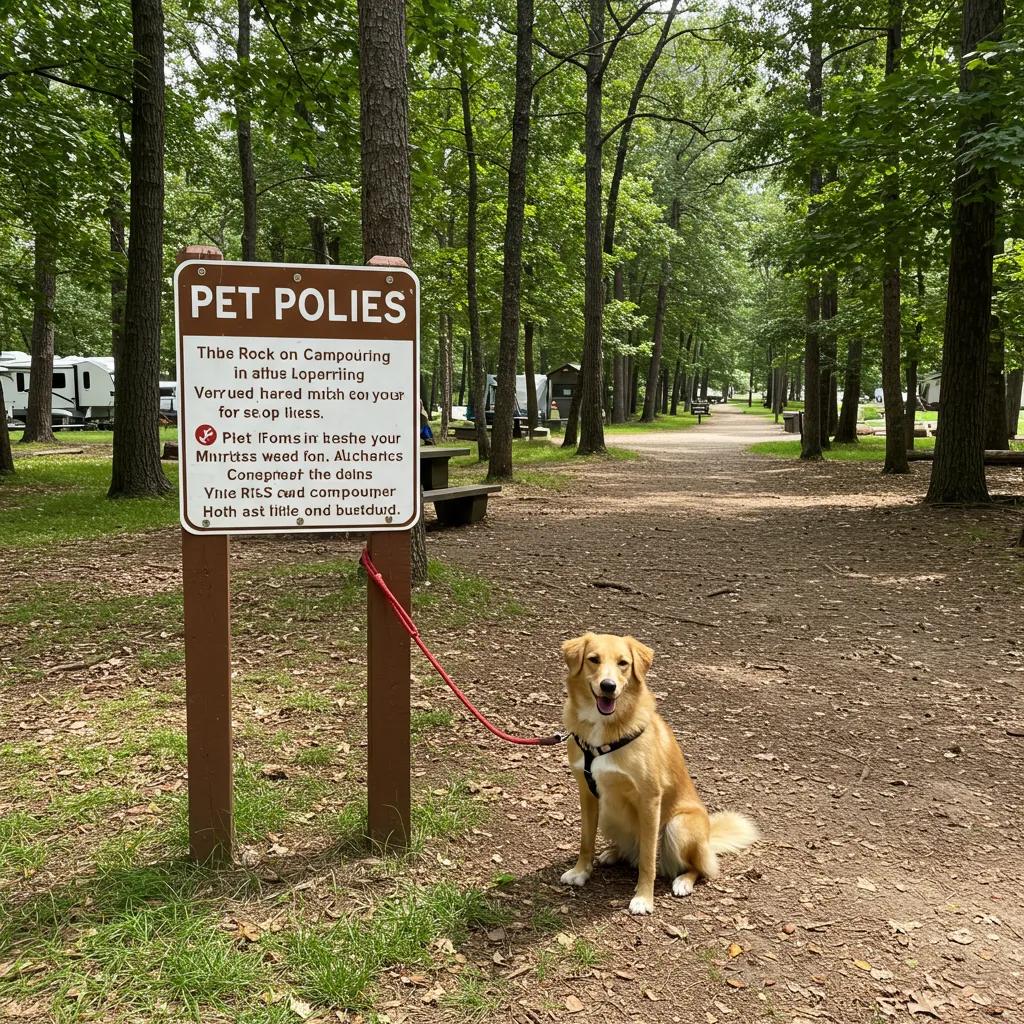
Pet policies at Michigan campgrounds define how pets interact with other guests by specifying leashing, waste disposal, and behavior expectations to protect animals and people. These rules work by creating clear boundaries—pets must remain under control to reduce conflicts, disease spread, and wildlife disturbance—so compliance results in safer, more enjoyable stays for everyone. Camp operators typically post leash expectations, locate waste stations near common areas, and enforce quiet hours to preserve the family-friendly atmosphere. Understanding these core policy areas reduces surprises at check-in and helps owners plan for proper containment and cleanup.
What Leash and Waste Rules Should Pet Owners Follow?
Leash and waste rules require owners to control pets and remove their waste promptly to prevent environmental contamination and discomfort for other campers. Common practice is to keep dogs leashed except in designated fenced areas, carry spare bags, and use on-site pet waste stations placed near popular loops and the campground store. Bringing a clip or stake lets owners secure a short tether for brief sit periods while maintaining direct oversight; this prevents roaming and wildlife interactions. Following these practices keeps sites clean and reduces conflicts, which in turn preserves access to shared spaces and off-leash areas.
Are There Breed or Size Restrictions for Pets?
Many campgrounds set breed or size policies to manage liability and safety, though specifics vary and should be confirmed before arrival to prevent surprises. Some properties restrict certain breeds or require advanced notification for large dogs, while others accept pets of all sizes with standard rules about control and behavior. When policies are unclear, contacting the campground in advance and requesting any written rules is the best practice to ensure your dog is welcome and you meet any special requirements. Verifying restrictions ahead of time reduces last-minute cancellations and ensures you can choose the right accommodation type for your pet.
Early research into campground regulations and user experiences can provide valuable insights into managing expectations and ensuring a smooth trip.
Campground Usage and User Attitudes in Michigan
ABSTRACT: SQUIRE, GREGG R.Western Michigan University ProQuest Dissertations & Theses, 1973. 1305245.
CampGROUND USAGE AND USER ATTITUDES IN THE ALLEGAN STATE GAME AREA, ALLEGAN COUNTY, MICHIGAN., 1973
What Are Quiet Hours and Behavior Expectations for Pets?
Quiet hours and behavior expectations protect rest periods and family time by limiting excessive barking and disruptive behavior during set campground hours. Owners are expected to manage barking, keep dogs from wandering into neighboring sites, and respond quickly to complaints through quieting techniques or temporary containment. Proactive measures—such as evening exercise, crate training for travel, and alerting staff to behavioral sensitivities—help avoid escalations and possible removal for non-compliance. Being mindful of neighbors’ rest leads to a more relaxed atmosphere and preserves pet-friendly privileges for future visits.
What Pet-Friendly Amenities Can You Find at Michigan Campgrounds?
Pet-friendly amenities at Michigan campgrounds include dedicated dog spaces, wash stations, water access, and accommodation options tailored for pets to support comfort and hygiene. These features function by reducing logistical burdens—on-site dog areas provide secure exercise space, wash stations aid cleanup after water or muddy hikes, and pet-friendly accommodations limit cross-contamination in communal buildings. Campgrounds that invest in pet amenities tend to create a more welcoming experience for families traveling with dogs and make daily routines easier during multi-day stays. Amenities also integrate with onsite activities, allowing owners to plan exercise, cleaning, and relaxation close to their site.
What Features Does Walnut Hills’ Dog Park Offer?
A well-equipped dog park gives dogs off-leash exercise in a controlled environment, typically defined by fencing, clear entry/exit points, and separate areas for small and large dogs to reduce mismatches. Maintenance and available agility equipment—or simply open space—encourage safe play and socialization, while posted rules and supervision expectations keep interactions positive and orderly. At family-focused campgrounds in Michigan, a large fenced dog park is frequently paired with nearby pet waste stations and seating for owners, making it practical for daily play sessions. Using the dog park responsibly enhances your pet’s vacation experience and helps maintain the facility for all guests.
Are Pet Wash Stations and Water Access Available?
Pet wash stations and reliable water access let owners rinse off mud, reduce ticks, and keep dogs comfortable after river swims or muddy hikes, which supports animal health and campsite cleanliness. Wash stations commonly include hoses or shallow rinse areas near loops or the bathhouse, and nearby lakes or river access points provide play opportunities where pets can safely swim under supervision. Owners should rinse and dry dogs thoroughly to prevent skin irritation and bring towels and quick-dry gear for comfort. Locating wash stations before your first outing streamlines post-activity cleanup and helps prevent mud tracked into cabins or vehicles.
Which Pet-Friendly Accommodation Types Are Offered?
Different accommodation types—RV sites, tent sites, and cabins—offer varying benefits for pet owners based on space, proximity to amenities, and containment options that affect pet comfort and management. RV sites often provide more space and privacy for pets to rest near the vehicle; tent sites can vary in proximity to common areas; pet-friendly cabins offer enclosed shelter and sometimes easier access for dogs with mobility needs.
Introductory comparison of accommodation types to guide pet owners choosing a site.
This comparison helps match your dog’s needs to the right site type so you can plan a comfortable stay.
What Dog-Friendly Activities Are Available at Michigan Campgrounds?

Michigan campgrounds near rivers and trails offer dog-friendly activities such as river floats, hiking on nearby trails, and visits to pet-friendly beaches, each providing structured ways to exercise and bond with your dog. These activities work best when paired with appropriate safety measures—life jackets for water, leash control on trails, and cleanup supplies at beaches—to reduce risks and comply with local rules. Planning a day that sequences a morning hike, afternoon river float, and evening dog park visit balances stimulation and rest for pets. Local activity planning enriches the camping experience and leverages nearby natural assets for pet-friendly family outings.
How Can You Enjoy River Float Trips with Your Pet?
Enjoying a river float with a pet requires life jacket use, calm-launch strategies, and secure transport to and from launch points to protect animals from currents and fatigue. Select a sturdy float, acclimate your dog on land first, and use a properly fitted canine life jacket to maintain buoyancy and visibility; practice short floats if your dog is new to the water. Choose launch and retrieval points with gentle slopes and minimal boat traffic, and keep a towel and freshwater available for rinsing after the trip. These precautions reduce stress and create a fun, safe river experience for both dog and owner.
What Nearby Hiking Trails and Parks Welcome Dogs?
Nearby trails and parks that welcome dogs typically have clear leash rules, varied terrain, and accessible parking that make planning easier for pet owners seeking day hikes. When selecting a trail, consider distance, elevation changes, and shade availability to match your dog’s fitness level, and carry water and a collapsible bowl for frequent hydration stops. Short pre-hike acclimation walks help prevent overheating and overexertion, while checking trail rules ahead of time ensures compliance with leash, seasonal, or wildlife restrictions. Choosing trails that fit your dog’s abilities leads to more enjoyable outings with fewer safety concerns.
Understanding the historical context of recreational planning in Michigan can offer valuable insights into the development and management of its natural resources for public use.
Recreational Planning for Michigan State Forest Campgrounds
ABSTRACT: KREBS, CHARLES FREDERIC.University of Michigan ProQuest Dissertations & Theses, 1967. 1301427.
Factors Relevant To More Efficient Recreational Planning And Design For Michigan’s State Forest Campgrounds., 1967
Are There Pet-Friendly Beaches and Other Attractions?
Pet-friendly beaches and local attractions provide off-leash or leash-based play opportunities depending on seasonal regulations and town ordinances, offering a variety of settings for dogs to swim and socialize. Some beaches allow dogs during certain hours or seasons, while parks may have permanent leash requirements; planning around those rules ensures uninterrupted access. Bring shade, fresh water, and attention to paw care for hot sand or rocky shorelines, and always follow posted restrictions to avoid fines or temporary bans. Knowing seasonal considerations and on-site rules helps owners pick appropriate destinations for safe beach days.
What Should You Pack and Prepare for Camping with Pets in Michigan?
Packing thoughtfully for pet camping protects animals against local hazards like ticks, changing weather, and water conditions while ensuring comfort and regulatory compliance. A concise checklist focuses on food and bowls, leashes and harnesses, identification and medical records, tick prevention, first-aid supplies, and cleanup gear—items that reduce emergency visits and keep campsites sanitary. Preparing for weather shifts in Michigan means packing insulating bedding for cool nights and shade options for hot afternoons; this reduces stress and prevents temperature-related health issues. Having these items organized before departure streamlines arrival and reduces last-minute runs to the store.
Introductory checklist to prepare pet owners for a safe, organized trip.
This packing table prioritizes essential items and practical tips so pet owners arrive prepared for common Michigan camping scenarios.
What Are the Essential Items for Your Pet’s Camping Checklist?
A compact checklist helps you pack efficiently and includes core items that address feeding, safety, and comfort to reduce stress on trips. Bring sufficient food and measured portions, multiple water bowls, secure leashes and harnesses, visible ID tags, a basic first-aid kit, tick/flea prevention products, and familiar bedding to reduce anxiety. Also include cleanup supplies like waste bags and a dedicated towel for drying after water activities. Packing these essentials reduces the risk of emergencies and supports a predictable routine that keeps pets calm during a campsite stay.
How Can You Ensure Pet Safety and Emergency Preparedness?
Ensuring pet safety requires pre-trip planning for emergencies, including identifying nearby veterinary options, carrying a pet first-aid kit, and knowing basic triage steps for common issues such as heat stress, cuts, or tick-borne concerns. Keep vaccination records and any medication organized in a waterproof pouch and establish transport plans in case a pet needs veterinary care. Preventative measures like up-to-date parasite control and visible identification significantly reduce long-term risks. These preparations let owners respond quickly to incidents and maintain calm care under pressure.
How Do You Book a Pet-Friendly Stay at Michigan Campgrounds Like Walnut Hills?
Booking a pet-friendly stay begins by checking campground pet policies, choosing the right accommodation type, noting pet counts and needs, and confirming reservation rules to avoid surprises at arrival. The typical booking flow is: verify pet acceptance and restrictions, select a site suited to your dog, note any fees or deposit requirements, and confirm special requests in reservation notes. Clear communication about pet behavior and needs helps staff prepare an appropriate site and prevents misunderstandings at check-in. Following these steps simplifies arrivals and contributes to a well-managed, pet-friendly visit.
What Are the Pet Fees and Reservation Policies?
Pet fees and reservation policies vary by campground and often include per-pet or per-stay charges, refundable cleaning deposits, or limits on the number of animals per site; always confirm current terms before finalizing your booking. Asking about additional costs, cancellation rules, and what constitutes a service animal exception prevents unexpected charges at check-in. For properties that list policy highlights online, review the reservation terms to ensure compliance with leash and behavior rules. Confirming these details ahead of time reduces the risk of extra fees and supports a smooth check-in experience.
How Can You Make Online Reservations for Pet-Friendly Sites?
Making online reservations typically involves filtering for pet-friendly sites, selecting a suitable site type, indicating the number and size of pets, and adding notes about special needs to ensure staff can accommodate you on arrival. Review the booking confirmation for any stated pet rules, fees, or additional instructions and save that confirmation for check-in reference. If questions remain, contact the campground reservation team before travel to clarify expectations and avoid surprises. Completing these steps secures a compliant reservation and sets clear expectations for a pet-friendly stay.
- Confirm Pet Policy: Verify leash, waste, and behavior rules before booking.
- Choose Site Type: Match RV, tent, or cabin to your dog’s needs.
- Note Pet Details: Enter pet count and any special requests when reserving.
These booking steps help you secure the right site and avoid issues during arrival at a Michigan pet-friendly campground.
For specific examples of a family-focused campground with pet amenities and activities—such as a large fenced dog park, on-site river float options on the Shiawassee River, and a variety of RV, tent, and cabin accommodations—consider checking property reservation pages or contacting the campground directly to confirm current pet policies and availability.
Frequently Asked Questions
What Should I Do If My Pet Has Special Needs?
If your pet has special needs, it’s essential to communicate these requirements to the campground staff during the booking process. Many campgrounds are willing to accommodate pets with specific needs, such as mobility issues or dietary restrictions. Ensure you bring any necessary supplies, such as special food, medications, or comfort items. Additionally, consider the accessibility of the campground facilities and nearby activities to ensure a comfortable experience for both you and your pet.
Are There Any Local Regulations for Pets in Michigan Campgrounds?
Yes, local regulations for pets in Michigan campgrounds can vary by location. Some areas may have specific leash laws, designated off-leash zones, or restrictions on certain breeds. It’s crucial to check the campground’s website or contact them directly for detailed information on local pet regulations. Being aware of these rules helps ensure compliance and a hassle-free camping experience, allowing you to enjoy your time with your pet without unexpected fines or restrictions.
How Can I Keep My Pet Safe from Wildlife While Camping?
To keep your pet safe from wildlife while camping, always supervise them and keep them on a leash, especially in areas known for wildlife activity. Avoid leaving food or trash outside, as this can attract animals. Additionally, educate yourself about local wildlife and their behaviors, and be prepared to react calmly if you encounter any. Bringing a pet first-aid kit and knowing basic emergency procedures can also help you respond effectively to any wildlife-related incidents.
What Are the Best Times of Year to Camp with Pets in Michigan?
The best times to camp with pets in Michigan are typically late spring through early fall, when the weather is mild and outdoor activities are plentiful. Late spring (May to June) offers blooming landscapes and fewer bugs, while early fall (September to October) provides beautiful foliage and cooler temperatures. However, always check the specific campground’s policies and weather conditions, as some may have seasonal restrictions or amenities that vary throughout the year.
Can I Leave My Pet Unattended at the Campsite?
Leaving your pet unattended at the campsite is generally discouraged, as it can lead to stress for your pet and potential disturbances for other campers. If you must leave your pet alone, ensure they are secured in a safe area, such as a crate, and provide them with water and comfort items. Consider bringing a friend or family member to keep them company or look into pet-sitting services available at the campground. Always check the campground’s specific policies regarding unattended pets.
What Should I Do If My Pet Gets Lost While Camping?
If your pet gets lost while camping, remain calm and start searching the immediate area. Call their name and use familiar sounds, like a whistle or treat bag, to attract them. Inform campground staff and fellow campers about your lost pet, as they can help keep an eye out. It’s also wise to have your pet microchipped and wear a collar with an ID tag that includes your contact information. Preparing a lost pet plan before your trip can help you act quickly in such situations.
Are There Any Pet-Friendly Events or Gatherings at Campgrounds?
Many campgrounds host pet-friendly events or gatherings, such as dog parades, training sessions, or social hours for pet owners. These events provide opportunities for socialization and fun activities for both pets and their owners. Check the campground’s event calendar or inquire with the staff about any upcoming pet-related activities during your stay. Participating in these events can enhance your camping experience and help you connect with other pet owners.
Conclusion
Planning a pet-friendly camping trip in Michigan offers numerous benefits, from dedicated amenities to engaging activities that enhance the experience for both pets and their owners. Understanding campground policies and preparing adequately ensures a smooth and enjoyable stay, allowing families to focus on creating lasting memories. To make the most of your adventure, explore our comprehensive guides and resources tailored for pet owners. Start planning your perfect getaway today!