

Why Choose Family Campgrounds With Cabins for Unforgettable Family Fun
Dreaming of a family getaway that blends outdoor adventure with comfortable, low-stress lodging? Cabin camping does exactly that: it pairs sheltered, home-like amenities with on-site activities so families can focus on play and bonding rather than logistics.
This article explains why cabin camping is ideal for families, especially those searching for the best campgrounds with cabins near me or looking into family cabin camping benefits Michigan. You’ll learn the core advantages cabins deliver, which on-site amenities amplify family fun, how cabins compare to tents and hotels, practical booking and packing tips, and what families typically report after a cabin stay. Along the way we’ll reference relevant options like Walnut Hills Family Campground (operated by GatherGrounds Resorts) and nearby activity offerings to show real-world examples without distracting from practical, broadly useful guidance.
What Are the Key Benefits of Cabin Camping for Families?
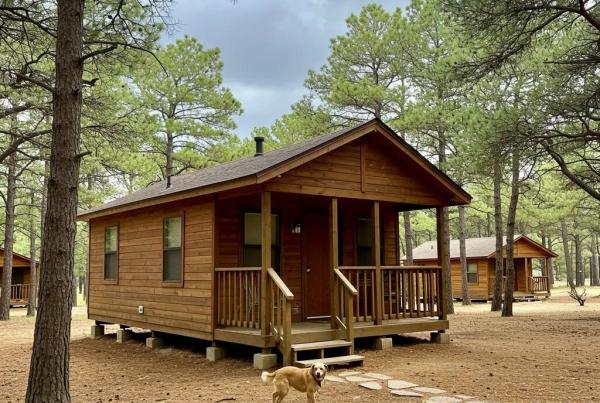
Cabin camping gives families immediate shelter, creature comforts, and direct access to outdoor recreation, which reduces planning stress and improves sleep quality. The mechanism is simple: cabins provide structured indoor space, core amenities, and protection from weather, so parents can supervise and rest while kids explore nearby activities. Families gain practical benefits like fewer packing needs and extended-season camping because cabins shield from rain and cold. The combination of comfort and easy access to play areas encourages repeating trips and stronger family memories.
How Do Cabins Provide Comfort and Convenience Compared to Tent Camping?
Cabins replace inflatable pads and tents with stable beds, electricity, and secure storage, which improves sleep and reduces nightly disruptions. This mechanism lowers parental stress by offering predictable routines—children sleep in familiar beds and devices can recharge indoors.
Families with infants or grandparents especially benefit from private bathrooms and sheltered common areas that simplify caregiving tasks.
These comforts shorten setup time and let families spend more of their holiday on activities and bonding.
Why Are Cabins Ideal for Family Bonding and Quality Time?

Cabins create centralized common space—porches, kitchenettes, and living areas—that gather multiple generations for shared meals and games. The mechanism is environmental: shared indoor zones reduce screen fragmentation and encourage conversation, crafts, and joint planning of outdoor outings. Families report deeper interactions when they have a cozy base to return to between activities, and children often associate the cabin as “home base” for exploration. This concentrated togetherness supports lasting memories and easy coordination of day plans.
Research indicates that co-created camping experiences, where families engage in shared activities and decision-making, can significantly strengthen family bonds and foster a sense of belonging.
Co-Created Camping Experiences: Enhancing Family Cohesion and Resilience
The study explores the dynamics of co-created camping experiences, focusing on how co-production influences family cohesion and resilience through place identity. Findings suggest that engaging in shared activities and decision-making during camping trips can strengthen family bonds and foster a sense of belonging to the camping location.
Unveiling the dynamics of co-created camping experiences: Influence of co-production on family cohesion and resilience via place identity, YD Dai, 2024
How Do Cabins Offer Safety and Peace of Mind for Parents?
A cabin’s solid structure and proximity to facilities reduce exposure to weather and wildlife, which directly lowers safety risks compared with remote tent sites. The mechanism includes locked doors, close access to renovated bathrooms, and more reliable lighting for night supervision. Parents gain peace of mind from having contained sleeping quarters and quicker routes to on-site staff or the campground store. Choosing cabins near activity hubs further simplifies supervision and enhances child safety during busy weekends.
Before the table below, this mapping shows how cabin features connect to direct family benefits and clarifies practical trade-offs families consider when choosing lodging.
This table highlights feature-to-benefit links that help families prioritize which cabin attributes matter most when booking.
Which Family-Friendly Amenities and Activities Enhance Cabin Camping Experiences?
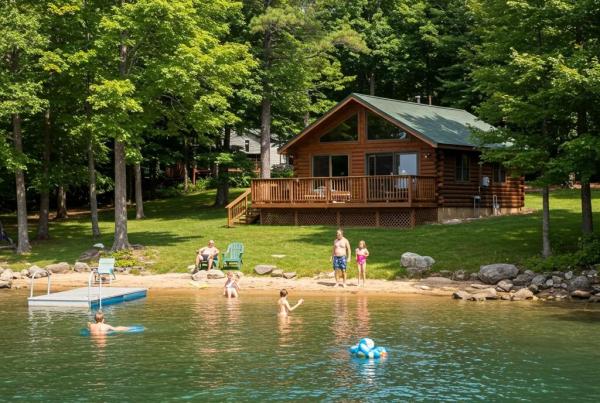
On-site amenities convert cabin stays from quiet shelter to full-family adventures by offering age-appropriate play and structured activities. The mechanism is proximity: when water parks, playgrounds, and guided floats sit steps from cabins, families can alternate rest and activity without long drives. Key attractions like an inflatable Wibit water park and swimming lake create repeated daily play opportunities, while river float trips add gentle adventure that complements a calm cabin base. These amenities increase value for families seeking kid friendly campgrounds with cabins and water parks.
The camping and outdoor hospitality industry is adapting to meet family needs, with many parks now offering a diverse range of accommodations and activities to ensure a comfortable and engaging experience for all ages.
Family Camping Trends: Diverse Accommodations and Amenities
Commercial parks offering camping and outdoor hospitality facilities are increasingly catering to families, with many providing amenities and activities designed to appeal to all ages. This includes offering a range of accommodation options, from traditional tent sites to more comfortable cabins, safari tents, yurts and other unique accommodations. This trend towards diverse lodging options reflects a growing demand for flexible and comfortable camping experiences that can accommodate different preferences and needs.
Trends in camping and outdoor hospitality—An international review, E Brooker, 2013
What Makes the Wibit Water Park and Swimming Lake Perfect for Kids?
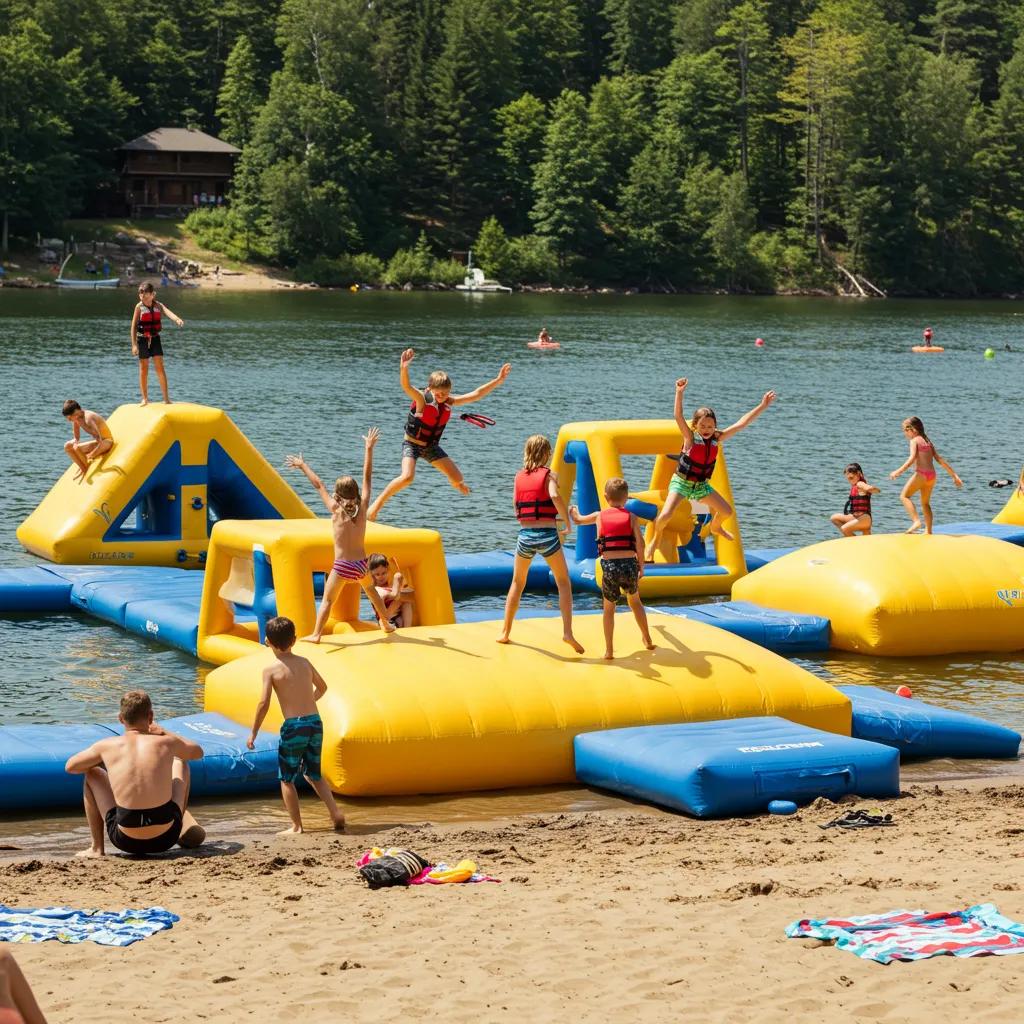
Inflatable water parks in a supervised lake setting offer active play that builds confidence and social skills through cooperative obstacles. The mechanism combines buoyant challenge and shallow beach zones that accommodate a range of ages and supervision styles. Parents often appreciate close sightlines from beaches and nearby cabin areas that simplify watching small children. For families seeking Wibit water park Walnut Hills style fun, this setup maximizes splash time while preserving caregiver convenience.
Before the activity table, note that mapping ages and benefits helps families choose which activities match their children’s development and energy levels.
This table clarifies which activities suit different ages so families can plan days that mix relaxation and excitement.
How Do River Float Trips and Outdoor Adventures Add to Family Fun?
River float trips deliver scenic, low-effort adventure that suits mixed-age families and pairs well with cabin-based relaxation. The mechanism is turnkey access: rentals and guided floats reduce gear needs and allow parents to focus on supervision and storytelling rather than navigation. Families gain flexible half-day excursions that feel adventurous without exertion, and canoe/kayak rental partners simplify logistics. For those seeking Shiawassee River float trips, combining a calm cabin base with a float day makes a balanced family itinerary.
What Organized Events and Sports Are Available for Families at Campgrounds?
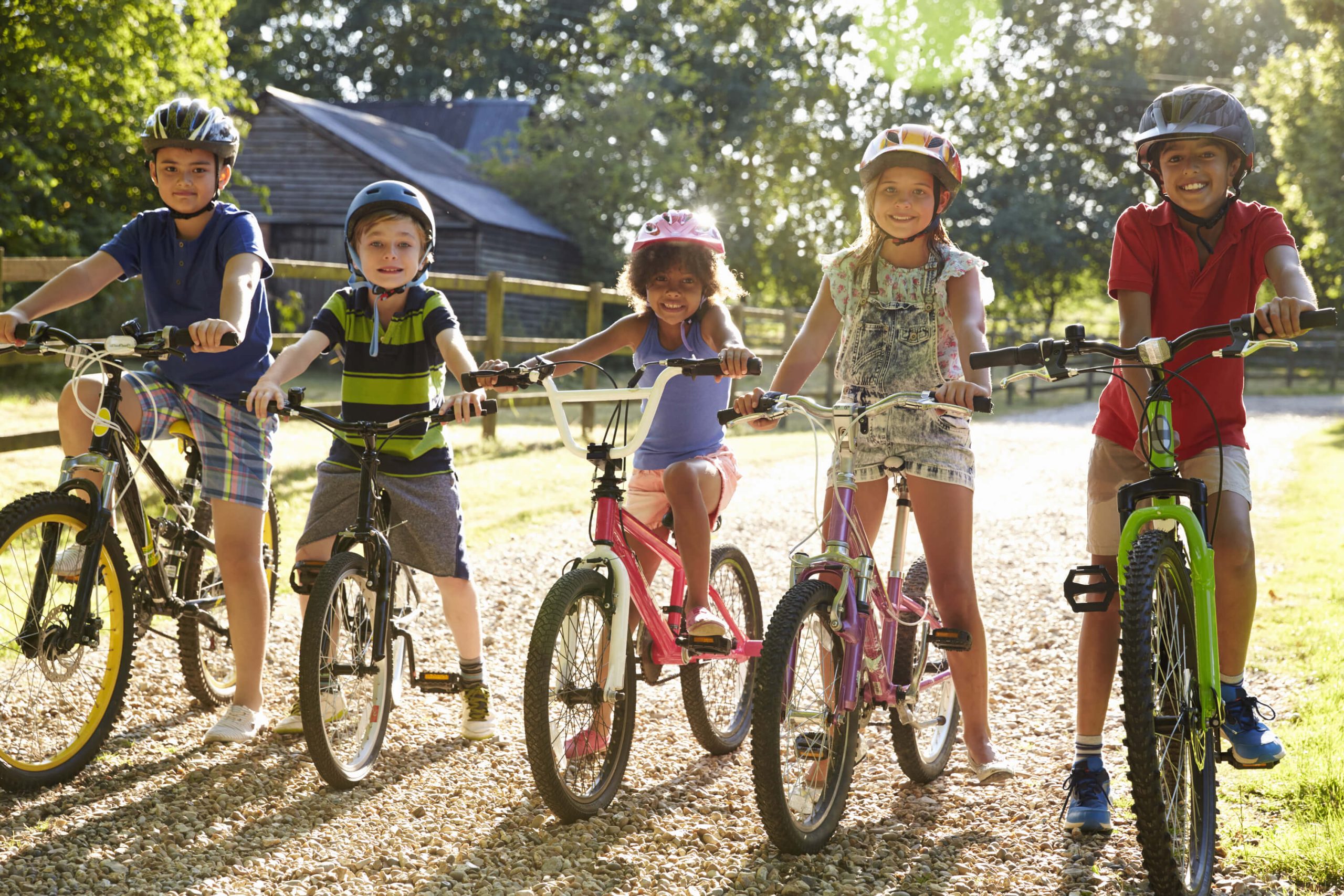
Organized weekend events and sports create social opportunities and predictable entertainment that reduces parental planning load. Mechanisms include scheduled crafts, themed weekends, and casual leagues—these foster peer play and structured downtime. Families benefit when children make friends through activities like sand volleyball, gaga ball, or scheduled crafts, which gives parents windows for rest. Campground stores and staffed events further support convenience and on-site engagement.
- Typical family events include craft hours, themed weekends, and kids’ games.
- Sports options often cover sand volleyball, basketball, and open-field play.
- On-site staff coordinate schedules that families can consult on arrival.
These lists show common organized options families can expect and how they support relaxation and socializing.
How Do Campgrounds With Cabins Compare to Other Lodging Options for Families?
Cabins combine outdoor immersion with household comforts, creating a middle ground between exposed tent camping and impersonal hotels. The mechanism fuses lodging solidity with site-based recreation, delivering nature access plus amenities like kitchenettes that hotels may lack. For budget-conscious families, cabins often offer better value than multiple hotel rooms while providing more shelter than tents. Comparing cabins to tents and hotels clarifies when each option best serves family needs.
What Are the Advantages of Cabin Camping Over Hotels and Tent Camping?
Cabins give direct outdoor access without sacrificing sleep quality and reduce packing because kitchenettes and bathrooms are often available. The mechanism is resource consolidation: a single cabin can house gear, food prep, and restful sleep under one roof. Families choosing cabins gain proximity to playgrounds and water features that hotels typically lack, while enjoying more protection from weather than tents. These advantages make cabins especially effective for multi-gen groups and families with young children.
Before the comparison table, this quick mapping contrasts cabins, tents, and hotels on core family attributes.
The table helps families weigh trade-offs by matching accommodation attributes to family priorities.
How Does Glamping in Cabins Enhance the Family Camping Experience?
Glamping cabins retain an outdoor setting while elevating comfort through real beds, electricity, and sometimes private bathrooms and kitchenettes. The mechanism removes common barriers to camping—limited sleep quality and excessive gear—so newcomers and older relatives can join easily. Families benefit because glamping increases trip accessibility and encourages longer stays without sacrificing outdoor engagement. This approach often converts hesitant families into repeat campers.
Camping offers a unique opportunity for families to step away from daily routines, fostering relaxation, learning, and the creation of lasting memories.
Camping as a Family Life Experience for Bonding and Memories
The less developed campground stated: Camping just adds one more family life experience. Camping is a way to get away from the routine of everyday life and to spend time with family. Camping can be a way to relax and to recharge. Camping can also be a way to learn new things and to experience new things. Camping can be a way to bond with family and to create memories.
Exploring early twenty-first century developed forest camping experiences and meanings, BA Garst, 2009
How Can Families Plan and Book Their Cabin Camping Getaway?
Effective planning reduces stress and ensures the right cabin type, timing, and gear for a family’s needs. The mechanism is checklisting: matching occupancy, amenities, and activity schedules to family profiles prevents surprises on arrival. Consider peak weekends, events, and whether you need kitchen access or pet-friendly rules. For families interested in specific properties, Walnut Hills Family Campground (operated by GatherGrounds Resorts) lists cabins alongside RV & Tent Sites and activity options; families can follow the campground’s booking flow to reserve suitable lodging.
What Cabin Types and Features Should Families Consider When Booking?
Choose cabin occupancy and layout that avoid overcrowding and match bathroom and kitchen needs to your self-catering plans. The mechanism is alignment: matching family size to bed counts prevents last-minute bedding shortages and extra fees. Consider accessibility, storage space, and whether a kitchenette or private bathroom will save time and expense during multi-day stays. This alignment makes daily routines smoother and supports varied family profiles from parents with toddlers to multi-generational groups.
What Are Essential Tips for a Stress-Free Family Cabin Camping Trip?
Practical preparation keeps the trip enjoyable: pack familiar sleep items, a basic first-aid kit, activity-appropriate clothing, and a small toolkit for quick fixes. The mechanism is redundancy: bringing a few home comforts reduces meltdowns and helps kids adapt quickly. Check the campground’s amenities—like renovated bathrooms, a campground store, and organized events—so you can offload bulky items. Leave buffer time in your schedule for rest and spontaneous play to make the most of your cabin stay.
- Pack familiar bedding and sleep aids for children.
- Bring weather-ready clothing and layered options.
- Prepare simple meal plans that use a kitchenette if available.
These checklist items streamline arrival and daily routines so families can focus on fun rather than logistics.
What Do Families Say About Their Cabin Camping Experiences?
Families commonly praise cabin stays for enabling quality time, offering kid-friendly amenities, and reducing the friction of traditional camping. The mechanism behind these reviews is repeatable value: reliable beds, accessible water play, and organized activities produce positive outcomes that reviewers mention repeatedly. Reviews and testimonials often highlight cleanliness, helpful staff, and proximity to attractions as decision drivers for return visits. For families comparing options, this aggregated feedback can guide choices about which campground and cabin features matter most.
How Do Reviews and Testimonials Highlight the Benefits of Cabin Camping?
Review themes frequently center on convenience, restful nights, and abundant kid activities that allowed parents to relax while children played. The mechanism is experiential confirmation: firsthand accounts validate that cabin features translate into easier caregiving and more shared family time. Common practical takeaways include favoring cabins with kitchenettes, choosing locations near beaches or Wibit parks, and confirming bathroom renovations for comfort. These themes help new planners prioritize features that drive positive family experiences.
Why Is Walnut Hills Family Campground a Top Choice for Family Cabin Rentals in Michigan?
Walnut Hills combines cabins with a Wibit water park, a swimming lake, river float opportunities, renovated bathrooms, and a campground store—amenities that directly support family convenience and on-site fun. The mechanism is bundled offering: having multiple family attractions and practical facilities in one place reduces transit and planning friction. Families looking for glamping cabins near Durand Michigan or affordable family cabin rentals with activities will find this type of integrated campground model aligns with common family priorities. For more details on cabin types and availability, use the campground’s official booking flow to confirm options and dates.
Frequently Asked Questions
What should families consider when choosing a cabin campground?
When selecting a cabin campground, families should evaluate factors such as location, available amenities, and the types of activities offered. Consider proximity to attractions like water parks or hiking trails, as well as the cabin’s features, such as kitchenettes and private bathrooms. Additionally, check for family-friendly events and organized activities that can enhance the experience. Reading reviews from other families can also provide insights into the campground’s suitability for your specific needs and preferences.
How can families ensure a smooth cabin camping experience?
To ensure a smooth cabin camping experience, families should plan ahead by creating a checklist of essential items to pack, including familiar bedding, weather-appropriate clothing, and basic cooking supplies. It’s also helpful to familiarize yourself with the campground’s amenities and rules before arrival. Setting a flexible schedule that allows for both planned activities and downtime can help reduce stress and enhance enjoyment. Lastly, involving all family members in the planning process can create excitement and anticipation for the trip.
What types of activities are typically available at family campgrounds?
Family campgrounds often offer a variety of activities designed to engage all ages. Common options include organized sports like volleyball and basketball, arts and crafts sessions, and themed weekends that encourage participation. Many campgrounds also provide access to outdoor adventures such as hiking, fishing, and swimming. Additionally, some locations feature unique attractions like inflatable water parks or guided river floats, ensuring that families have plenty of opportunities for fun and bonding during their stay.
Are there any tips for first-time cabin campers?
First-time cabin campers should start by researching different cabin types and their amenities to find the best fit for their family. It’s advisable to book early, especially during peak seasons, to secure preferred accommodations. Packing light but smart is key; bring essentials and a few comforts from home to ease the transition. Familiarize yourself with the campground layout and available activities upon arrival, and don’t hesitate to ask staff for recommendations or assistance to enhance your experience.
How can families maximize their time at a cabin campground?
To maximize time at a cabin campground, families should prioritize activities that everyone enjoys and create a flexible itinerary that allows for spontaneous fun. Take advantage of on-site amenities to minimize travel time and maximize playtime. Engaging in group activities, such as cooking meals together or participating in organized events, can strengthen family bonds. Lastly, ensure to schedule downtime for relaxation, which can help everyone recharge and enjoy the overall experience more fully.
What are the benefits of booking a cabin with a kitchenette?
Booking a cabin with a kitchenette offers numerous benefits for families, including the ability to prepare meals and snacks, which can save money and cater to dietary preferences. Having a kitchenette allows for more flexible meal planning, reducing the need to dine out. It also provides a convenient space for family bonding over cooking and sharing meals together. Additionally, access to kitchen facilities can make it easier to manage food storage and hygiene, enhancing the overall camping experience.
Conclusion
Choosing family campgrounds with cabins offers a unique blend of comfort and adventure, making it easier for families to bond and create lasting memories. The convenience of on-site amenities and activities enhances the overall experience, allowing families to focus on fun rather than logistics. By exploring options like Walnut Hills Family Campground, families can find the perfect setting for their next getaway. Start planning your unforgettable cabin camping trip today!