
Discover Hidden Campgrounds in Michigan With Your Map: Find Secluded Family Camping Spots and Remote Sites
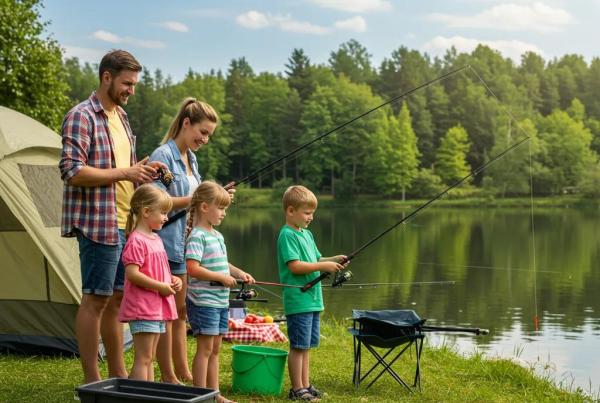
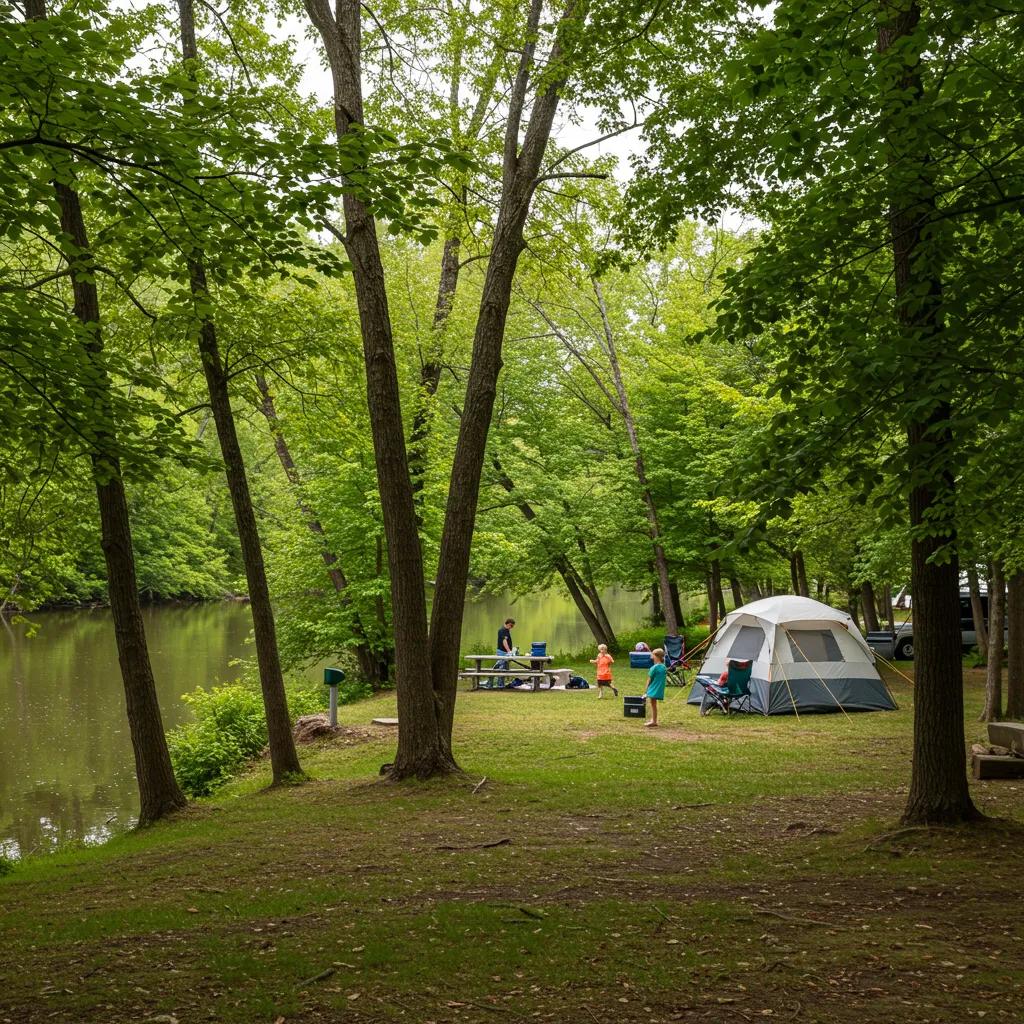
Tucked away in Michigan’s forests, along river corridors, or on private land, hidden campgrounds offer families a more peaceful outdoor escape. This guide shows you how to use a map-first strategy—leveraging satellite views, road layers, and amenity filters—to uncover Michigan’s secluded camping spots, quiet family campgrounds, and those hard-to-find remote sites travelers love. Many families crave restful time in nature without long drives or crowded spaces. A good Michigan camping map can pinpoint tree cover, access roads, and nearby waterways, saving you time and revealing those perfect remote spots. Here, you’ll find out where to look for hidden and secluded campgrounds, how to read map clues for family-friendly seclusion, the best camping types for these locations, and a straightforward planning and booking checklist. We’ll cover practical examples like finding family campgrounds near Durand, Michigan, and how even private sites with great amenities can feel wonderfully tucked away. Throughout, we’ll use keywords like “campgrounds in Michigan map” and “Michigan camping with river access” to help you plan your secluded family getaway.
Where Are the Best Hidden and Secluded Campgrounds in Michigan?
Michigan’s hidden and secluded campgrounds are often defined by their natural buffers, limited road access, and fewer sites, all contributing to a sense of privacy and quiet. These remote spots are ideal for family camping, especially when they also offer safe amenities and nearby water access. Your map is your key: look for areas with dense tree cover, single-track access roads, and a good distance from major highways to find the most secluded options.
What Defines a Hidden or Secluded Campground in Michigan?
A secluded campground is all about distance from neighbors, ample tree cover, and access roads that limit through-traffic and noise. A satellite view will reveal the canopy and how sites are spaced, while road layers show if access is paved or unpaved, hinting at the level of solitude you can expect. These map indicators help families pinpoint quiet family campgrounds across Michigan, moving beyond just relying on reviews or site descriptions.
Campground Usage and User Attitudes in Michigan’s Allegan State Game Area
ABSTRACT: SQUIRE, GREGG R.Western Michigan University ProQuest Dissertations & Theses, 1973. 1305245.
CAMPGROUND USAGE AND USER ATTITUDES IN THE ALLEGAN STATE GAME AREA, ALLEGAN COUNTY, MICHIGAN., 1973
Which Michigan Regions Offer Remote and Quiet Camping Experiences?
Regions rich in inland forests, state forest lands, and river corridors typically offer quieter campsites due to natural buffers that minimize visibility and noise. Visiting during the shoulder seasons—spring and fall—can also mean fewer crowds, enhancing seclusion even in popular areas. When you’re scanning a Michigan camping map, prioritize areas with dense landcover and river corridors for reliably quiet stays, and try to plan your visits outside of peak holiday weekends.
How Does Walnut Hills Family Campground Provide a Unique Hidden Gem Experience?
Walnut Hills Family Campground by GatherGrounds masterfully blends wooded sites and Shiawassee River access with family-friendly amenities, creating a secluded feel that doesn’t compromise on comfort. The campground offers a range of options, including RV sites, tent sites, and cabin rentals, plus on-site fun like a Wibit water park and river float trips to keep the whole family entertained right at their doorstep. As a prime example near Durand, Michigan, Walnut Hills shows how a private family campground can feel wonderfully tucked away while still providing modern conveniences that make secluded camping accessible for families of all ages.
How Can You Use a Michigan Camping Map to Find Secluded and Family-Friendly Sites?
Your Michigan camping map transforms into a powerful decision-making tool when you combine satellite imagery, terrain data, and amenity filters. This allows you to easily spot tree cover, road density, and proximity to water—all key indicators of family-friendly seclusion. This visual approach works because map layers reveal site spacing and natural buffers much faster than text-based listings. Use these layers to compare how easy access is with the availability of nearby services, striking the perfect balance between solitude and convenience.
What Features Should You Look for on a Secluded Camping Map?
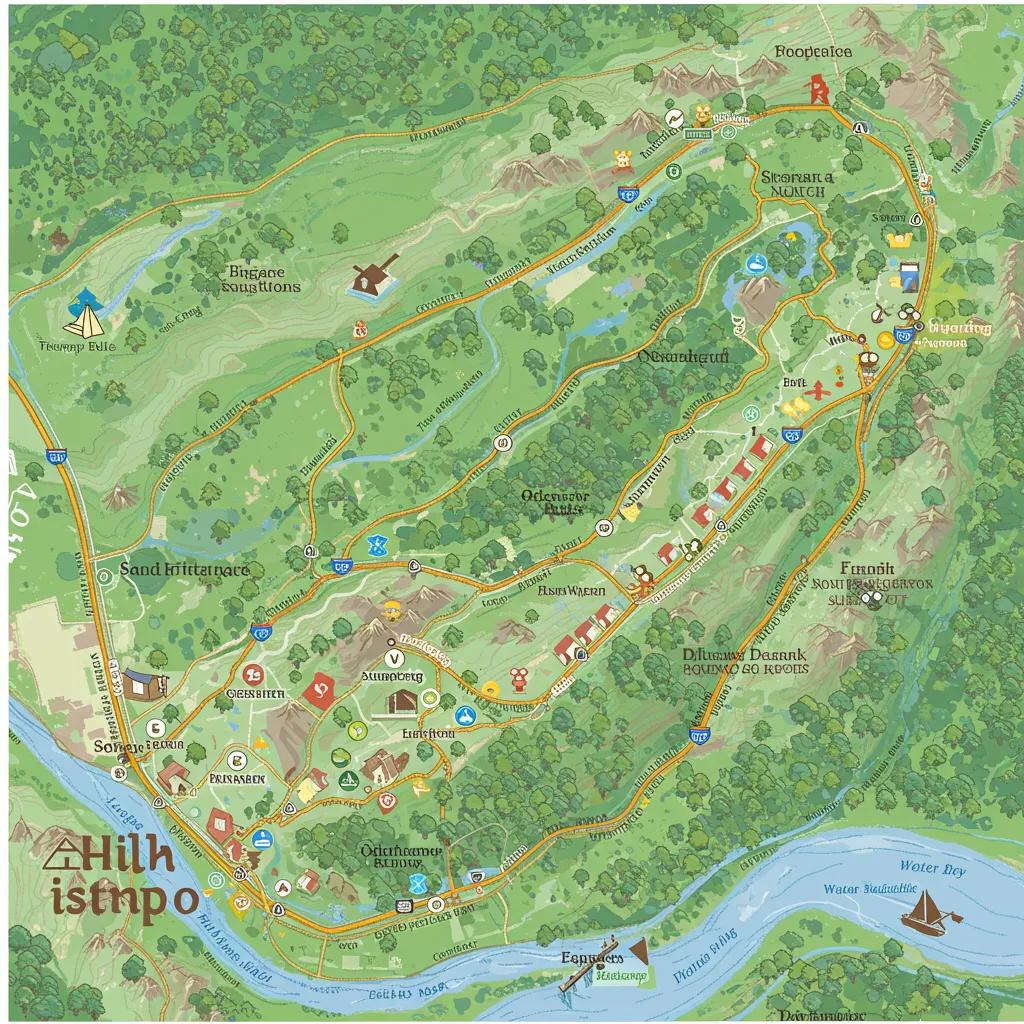
Key map features that signal seclusion include dense canopy, low road density, and distance from commercial hubs. For family-friendliness, look for nearby playgrounds, restrooms, and water access icons. Satellite imagery is your best bet for assessing tree cover and site spacing, while road layers help you gauge traffic and access type. If your family loves paddling or floating, prioritize sites with clear river or lake access.
- Use satellite view to confirm tree cover and spacing around potential sites.
- Check road density and surface type to estimate traffic and noise levels.
- Look for amenity icons that indicate family facilities close to your site.
These quick checks help you distinguish truly secluded options from those that might just sound quiet, guiding you to the next step: pinpointing specific campgrounds on your map.
How to Locate Walnut Hills Family Campground and Nearby Hidden Spots on Your Map
To find Walnut Hills Family Campground by GatherGrounds and other low-density areas nearby, search for the exact campground name or simply look for Durand, Michigan, and zoom in on the Shiawassee River corridor. Use satellite and street-level views to confirm wooded buffers and on-site features like the Wibit water park or cabin clusters. Layering in nearby public access points and trailheads can help you plan quieter side trips and identify ideal spots for river floats.
This table is your guide to interpreting map signals, helping you find secluded, family-friendly campgrounds and plan enjoyable day activities nearby.
Which Nearby Attractions Enhance Your Michigan Camping Adventure?
Opportunities for river floats, exploring charming small towns, and short hiking trails can significantly enhance a secluded camping trip by offering engaging day trips without disrupting the peace at your campsite. Identify put-in and take-out points along rivers, nearby nature centers, and low-traffic trails on your map to plan safe, short excursions. The Shiawassee River near Durand is a perfect example of a river corridor that can easily add canoeing and float options to your camping itinerary.
Efficient Recreational Planning for Michigan State Forest Campgrounds
ABSTRACT: KREBS, CHARLES FREDERIC.University of Michigan ProQuest Dissertations & Theses, 1967. 1301427.
Factors Relevant To More Efficient Recreational Planning And Design For Michigan’s State Forest Campgrounds., 1967
What Types of Camping Are Available at Hidden Campgrounds in Michigan?
Hidden campgrounds commonly offer RV camping, tent camping, and cabin rentals, each providing a different balance of solitude and comfort. Comparing these options helps families decide what best suits their tolerance for remoteness and their need for amenities. When looking at a Michigan camping map, consider hookups, privacy, and family suitability when choosing your site type.
How Does RV Camping Compare to Tent Camping in Secluded Michigan Locations?
RV camping offers comfort and hookups, but it often requires road conditions suitable for larger vehicles, which can limit access to the most remote sites. Tent camping, on the other hand, opens up more site options because tents can fit into smaller clearings and are easier to set up on more varied terrain, increasing your chances of finding true solitude. Families should weigh the convenience of RV hookups against the immersive experience of tent camping when selecting secluded sites.
This comparison should help clarify which camping type best aligns with your family’s goals for seclusion and comfort.
What Are the Benefits of Cabin Rentals for Family Camping in Michigan?
Cabins offer a fantastic bridge between rustic seclusion and modern convenience. They provide comfortable beds, shelter, and sometimes kitchenettes, all while being situated in wooded or river-adjacent parcels. For families with young children or mixed-age groups, cabins simplify packing and offer excellent weather resilience. Look for cabins in secluded clusters on your map to maintain privacy while still enjoying creature comforts.
How Do Amenities Like Wibit Water Parks and River Access Enhance Hidden Campgrounds?

Amenity features like a Wibit water park and safe river float trips add significant family entertainment without requiring guests to leave the campground. This helps preserve the secluded feel by keeping activities centered within the property. These features—playgrounds, bathhouses, water attractions—cater to family needs and reduce the need for travel during the day. When you see these amenity clusters on a map, they can help families choose campgrounds that perfectly balance seclusion with on-site fun.
How Do You Plan and Book Your Stay at Hidden Campgrounds in Michigan?
Planning and booking a secluded family campsite begins with creating a shortlist on a “campgrounds in Michigan map,” followed by verifying access, amenities, and reservation policies before confirming your dates. This systematic approach minimizes surprises and ensures your chosen site truly matches your family’s needs for seclusion and comfort. Follow this checklist to move smoothly from map discovery to a confirmed reservation.
What Are the Steps to Reserve a Site at Walnut Hills Family Campground?
To book your stay at Walnut Hills Family Campground by GatherGrounds, simply search for the campground name, select your preferred site type (RV site, tent site, or cabin rental), check for available dates and amenities like the Wibit water park and river float trips, and then complete the online reservation process provided by the campground. Before finalizing, be sure to verify site size, hookup availability, and the cancellation policy. Think of this example as a model for booking at other private family campgrounds.
This EAV-style checklist is designed to help families efficiently move from discovery to a confirmed booking.
What Should Families Pack for a Secluded Camping Trip in Michigan?
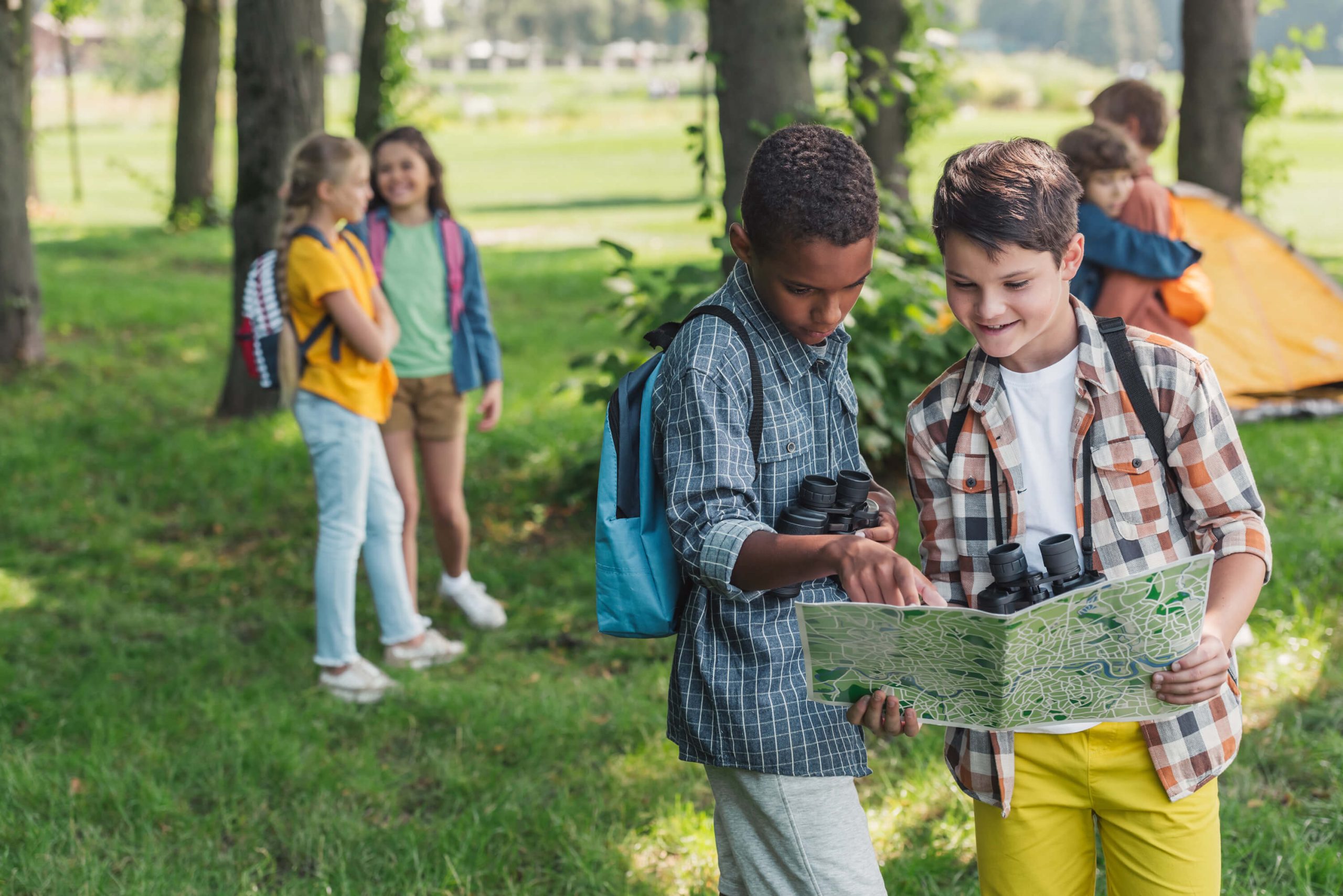
Pack layered clothing, a comprehensive first-aid kit, life vests for any river activities, and plenty of entertainment for the kids to ensure comfort during your secluded stay. Don’t forget navigation tools, a headlamp for each person, and water-treatment options if you’re heading to more rustic sites. Prioritize child safety gear, especially flotation devices and sun protection, if river access is part of your plan.
- Layered clothing suitable for Michigan’s variable weather.
- Essential safety items: a well-stocked first-aid kit, life vests, and a weather radio.
- Comfort items for the family: games, portable chargers, and gear for the kids.
These packing choices will help make your secluded camping trip safer and more enjoyable for everyone.
How Can You Ensure a Safe and Enjoyable Outdoor Experience?
Prioritize water safety when you’re near rivers, secure your food from wildlife, and keep a close eye on weather forecasts to ensure your family’s safety at secluded campgrounds. Teach your children river safety rules and always supervise activities like using the Wibit or going on float trips. Having an emergency plan in place, including the location of the nearest town and access routes, can significantly reduce risks during your remote stay.
What Are Common Questions About Secluded and Family Campgrounds in Michigan?
Common questions often revolve around dispersed camping availability, whether hidden campgrounds with modern amenities exist, and where to find kayak or canoe access near secluded sites. Clear answers can help families decide between state-managed dispersed options and private, amenity-rich campgrounds that still offer that sought-after hidden feel.
Where Can I Find Dispersed Camping Options in Michigan’s Lower and Upper Peninsulas?
Dispersed camping typically takes place on state forest lands, and you’ll need to consult official Michigan DNR resources for specific regulations and locations. These dispersed sites generally lack developed amenities but offer a high degree of seclusion. Families seeking facilities should compare these dispersed options with private campgrounds that provide restrooms and managed activities. Always check authoritative state resources to identify legal dispersed areas before you plan your trip.
Are There Hidden Campgrounds with Modern Amenities in Michigan?
Absolutely! Private family campgrounds can be designed to feel secluded through thoughtful layouts with wooded sites and river buffers, while still offering modern amenities like playgrounds, bathhouses, and rental cabins. Walnut Hills Family Campground by GatherGrounds is a prime example of an amenity-rich campground that maintains a hidden-feel with its wooded sites, cabin rentals, and family activities.
Where Can I Go Kayaking or Canoeing Near Hidden Michigan Campgrounds?
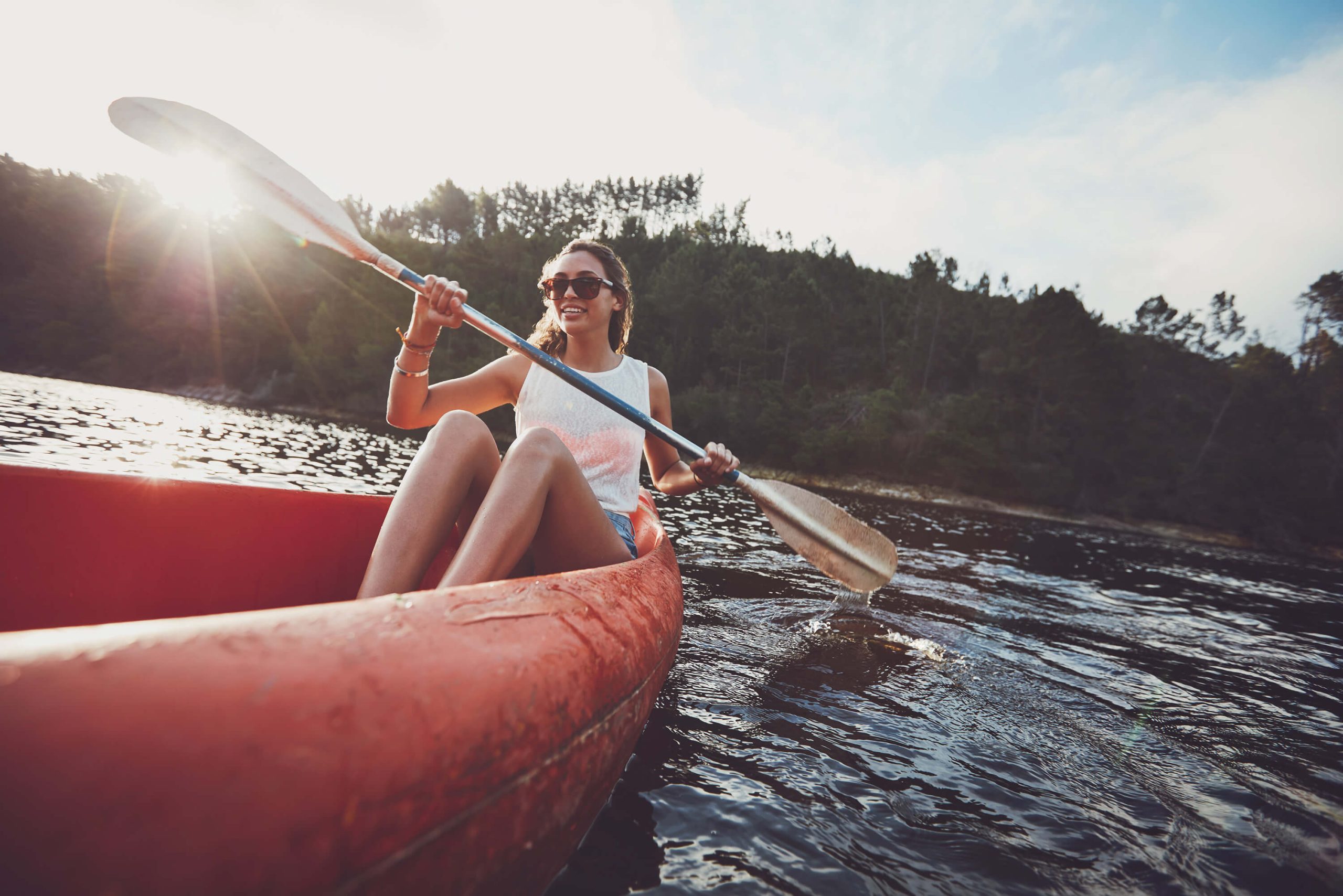
To find great spots for kayaking or canoeing, look for rivers and lakes on your camping map and identify public put-ins, portages, and low-traffic launch points for safe family paddling. The Shiawassee River near Durand is an excellent example of a river corridor offering float trip opportunities and is conveniently located near family campgrounds.
Frequently Asked Questions
What Should I Consider When Choosing a Secluded Campground in Michigan?
When you’re picking a secluded campground in Michigan, think about how easy it is to get to, what amenities are available, and the natural surroundings. Look for spots with limited road access and plenty of trees for privacy. Also, check if there are nearby water sources for fun activities. It’s important to see what facilities the campground offers, like restrooms and playgrounds, to make sure they fit your family’s needs. Visiting during off-peak times can also help you enjoy a more peaceful experience by avoiding crowds.
How Can I Ensure My Family’s Safety While Camping in Secluded Areas?
To keep your family safe while camping in secluded areas, preparation and awareness are key. Get familiar with the terrain and weather conditions before you go. Always pack a thorough first-aid kit, navigation tools, and emergency supplies. Teach your children about safety around water and wildlife, and set clear rules for exploring the area. It’s also a good idea to let someone know your camping plans and when you expect to return. Having a well-thought-out emergency plan can make a big difference in ensuring your family’s safety during your outdoor adventure.
What Are the Best Times of Year to Camp in Secluded Areas of Michigan?
The best times to camp in Michigan’s secluded areas are during the shoulder seasons: late spring (May to early June) and early fall (September to October). These periods usually offer pleasant weather and fewer people, leading to a more peaceful experience. Summer can get busy, especially in popular spots, while winter camping offers a unique adventure for those prepared for colder temperatures. Always check the local weather forecasts to ensure your trip is safe and enjoyable.
Are There Any Regulations for Dispersed Camping in Michigan?
Yes, dispersed camping in Michigan comes with specific regulations, particularly on state forest lands. Campers must follow guidelines set by the Michigan Department of Natural Resources (DNR), which include rules about where campfires can be built, how to dispose of waste, and where you can set up camp. It’s crucial to check the DNR’s official resources for the most current regulations and designated areas for dispersed camping. Adhering to these rules helps protect the natural environment and ensures a safe experience for everyone.
What Activities Can Families Enjoy Near Secluded Campgrounds?
Families can enjoy a wide range of activities near secluded campgrounds, including hiking, fishing, kayaking, and wildlife watching. Many secluded spots are located close to rivers and lakes, offering great opportunities for canoeing and paddleboarding. Nature trails often lead to beautiful viewpoints and perfect picnic spots. Some campgrounds even offer organized activities like guided nature walks or educational programs. Planning a mix of relaxing at your campsite and exploring nearby attractions can really enhance the overall camping experience for families.
How Do I Find Hidden Campgrounds with Specific Amenities?
To find hidden campgrounds that have the specific amenities you’re looking for, use detailed camping maps that highlight features like restrooms, playgrounds, and water access. Online resources and campground directories often have filters that can help you narrow down your choices. Reading reviews and checking campground websites can give you a good idea of the facilities available. You can also reach out to campground managers directly to confirm what amenities are offered, ensuring you pick a site that perfectly meets your family’s needs.
Conclusion
Discovering hidden campgrounds in Michigan offers families a wonderful way to enjoy serene outdoor experiences away from the hustle and bustle, deepening your connection with nature and enhancing relaxation. Using a map-first approach not only makes finding secluded sites easier but also helps ensure you have access to the amenities you need for a comfortable stay. By exploring options like Walnut Hills Family Campground, families can find that perfect balance between seclusion and modern conveniences, making their camping trip enjoyable for everyone, no matter their age. Start planning your next adventure today by checking out our curated list of secluded campgrounds in Michigan.