Indian Creek Campground vs. Other Michigan Parks — A Practical Family Camping Comparison
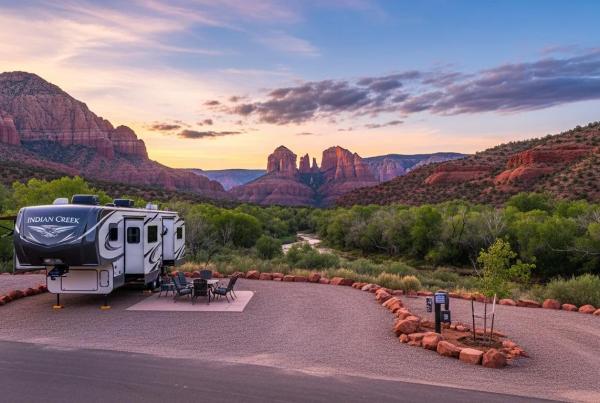
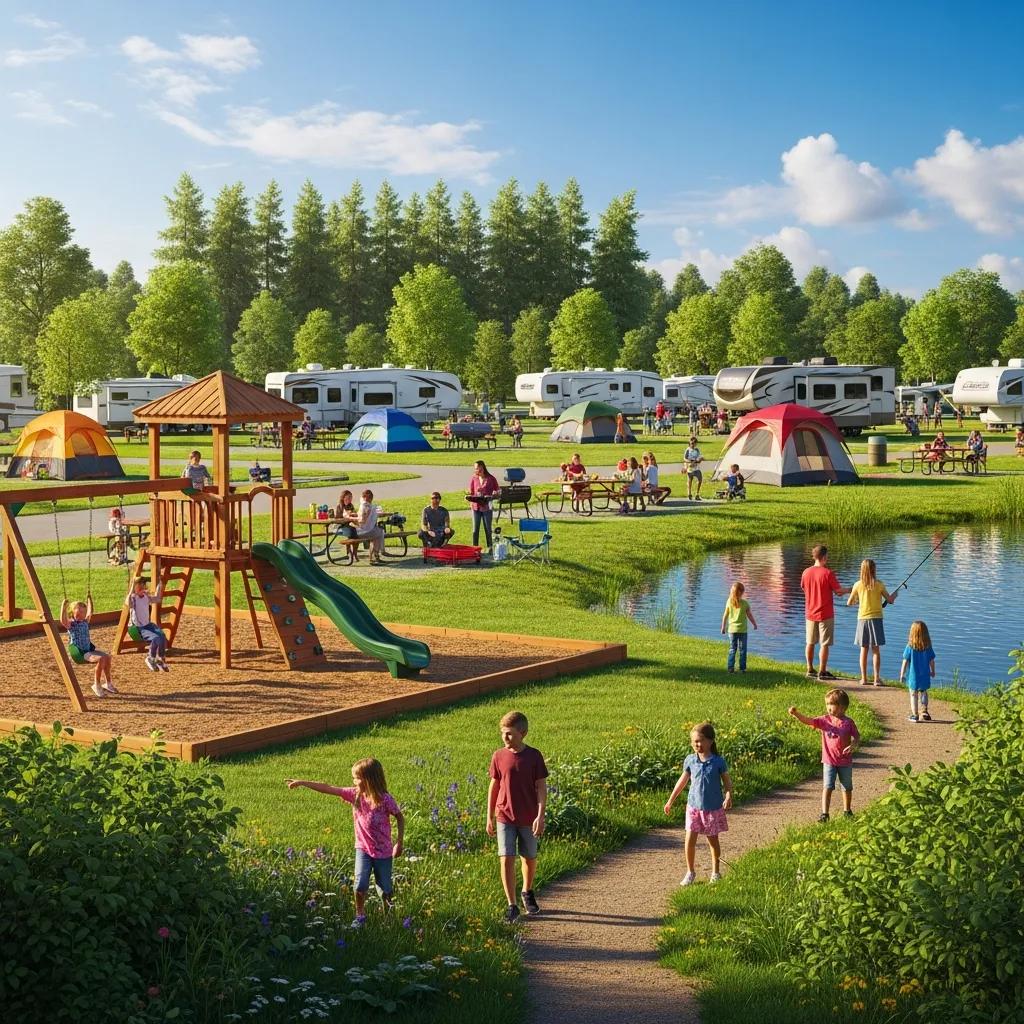
Picking the right family campground in Michigan comes down to a few key trade-offs: amenities, location, safety, and how a site fits a weekend or a longer trip. This guide compares Indian Creek Campground with other Michigan parks across amenity groups, family programming, drive times from major metros, site types and seasons, common review themes, plus practical reservation and packing tips. You’ll learn which amenity clusters matter most for families, how water features and trail systems differ, and reservation strategies that help you avoid holiday sold-outs. Along the way we’ll call out confirmed offerings at The Oaks Campground by GatherGrounds Resorts — a 160‑acre, family-focused property near Waterloo State Recreation Area with playgrounds, a large fishing pond, about 120 acres of golf-cart riding trails, pavilions, planned weekend events, and a planned Wibit water park coming in 2026 — while keeping the comparison useful for typical Michigan campground choices. Use this guide to weigh Indian Creek vs. The Oaks Campground, scope campgrounds near Detroit or Ann Arbor, and prepare your family for a camping trip with realistic expectations about sites, seasons, and on-site programs.
What Are the Key Amenities at Indian Creek Campground Compared to Other Michigan Parks?
To compare Indian Creek Campground with other Michigan parks, group amenities into a few practical categories: water access, playgrounds and family programming, trail systems and off-road options, site hookups and restroom facilities, and shared infrastructure like pavilions and event schedules. These categories make it easier to see how parks meet family needs: water features enable swim and splash play, trails open up golf-cart or hiking options, and hookup types determine RV comfort. Framing comparisons this way helps families prioritize what matters most — from water safety to whether a park supports golf-cart-friendly exploration. Below we break down water and recreation differences, then highlight the family-oriented amenities confirmed at The Oaks Campground as an example of a resort-style option that complements regional parks.
Many Michigan campgrounds offer similar building blocks, but scale and programming create meaningful differences. That distinction helps families choose between a rustic state-park visit and a resort-style stay with events and facilities on site.
How Do Water Features and Recreational Activities Differ Among Campgrounds?
Water features and recreation vary by type, season, and management. Some sites center on natural lakes or rivers where fishing and swimming are possible when conditions allow; others provide man-made ponds, pools, or splash pads with set hours and staff oversight. Seasonality matters: natural swimming is weather-driven and usually unsupervised, while pools and water parks follow posted schedules and safety rules you should confirm before arrival. Recreational programming — from kids’ crafts and guided hikes to rentals like kayaks and paddleboards — depends on the operator and whether the campground focuses on family events or a minimalist outdoor experience. Planning around seasonal windows and safety protocols reduces risk and helps match activities to your family’s supervision style and comfort level.
What Unique Amenities Does The Oaks Campground Offer for Families?
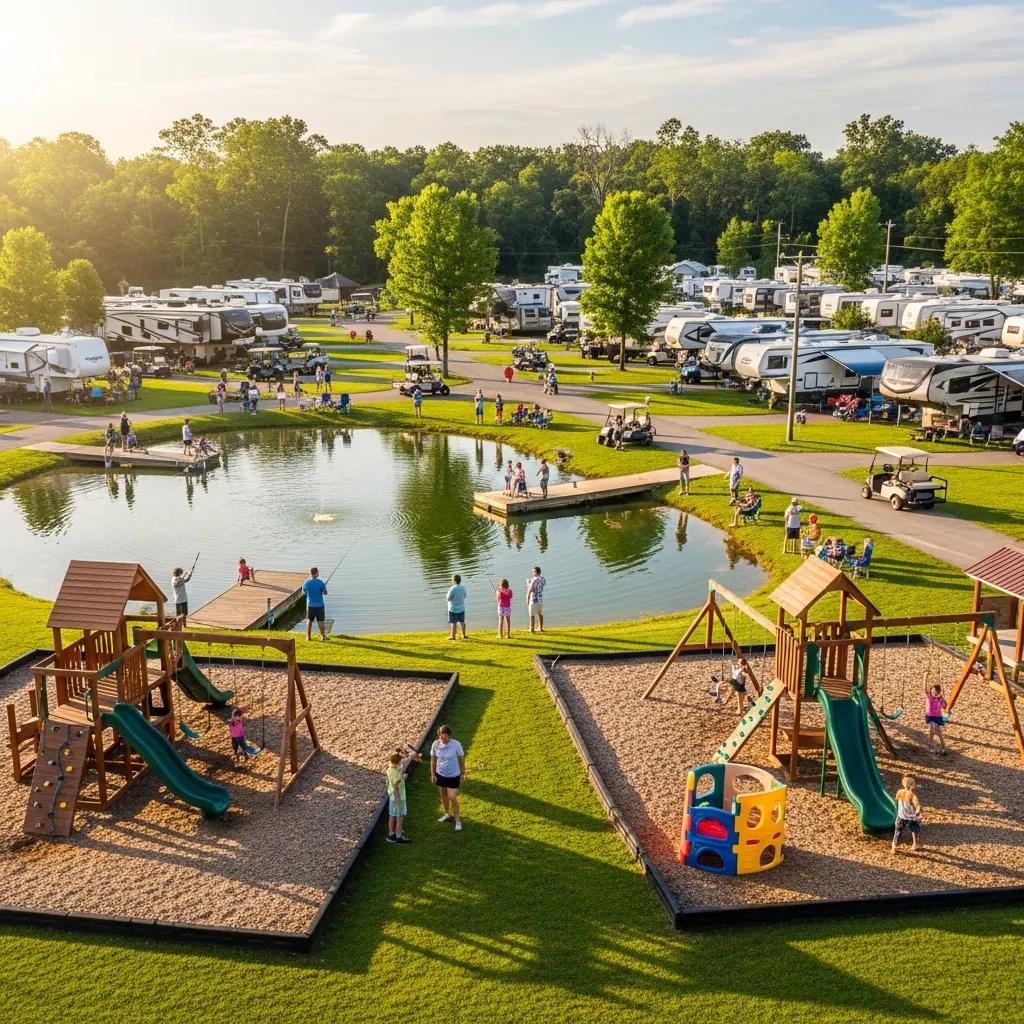
The Oaks Campground by GatherGrounds Resorts brings a clear family focus to a 160‑acre property. Confirmed amenities include a large fishing pond for casual angling, roughly 120 acres of golf-cart riding trails that let families explore without long hikes, playgrounds and pavilions for day programming and gatherings, and planned weekend events to create on-site activity. The Oaks is also planning a Wibit water park for 2026, which will add a resort-style aquatic attraction that sets it apart from more rustic parks. Those confirmed features position The Oaks as a resort-style campground that pairs structured recreation with outdoor access.
Before you book, weigh the draw of on-site programming and conveniences against the quieter, nature-first experience you’ll find at many state and county parks.
Different amenity emphases create different family experiences:
- Natural parks: focus on trails, primitive campsites, and dispersed water access.
- Resort-style campgrounds: emphasize on-site events, play areas, and structured water attractions.
- Hybrid options: combine maintained facilities with access to larger nearby recreation areas.
These contrasts lead into the next section on family programming and safety considerations.
Introductory comparison table: shared amenity classes across representative entities.
How Does Family-Friendly Camping at The Oaks Campground Compare to Indian Creek and Other Michigan Parks?
Family-friendly camping is best judged by on-site activities, safety infrastructure, conveniences for caregivers, and how often organized events occur. A family-focused campground delivers predictable programming, safe play areas, and small conveniences that reduce travel friction for parents. The Oaks Campground’s mix of playgrounds, pavilions, planned weekend events, a large fishing pond, and expansive golf-cart trails shows a resort-style approach — one that emphasizes on-site engagement alongside outdoor exploration. In the following sections we break down kid-approved activities and safety features, then point to campgrounds near Ann Arbor and Detroit that balance drive time with family priorities.
Many families choose campgrounds based on how easy it is to supervise kids while enjoying outdoor amenities. The next subsection details the kid-friendly features and safety measures to watch for.
What Kid-Approved Activities and Safety Features Are Available?
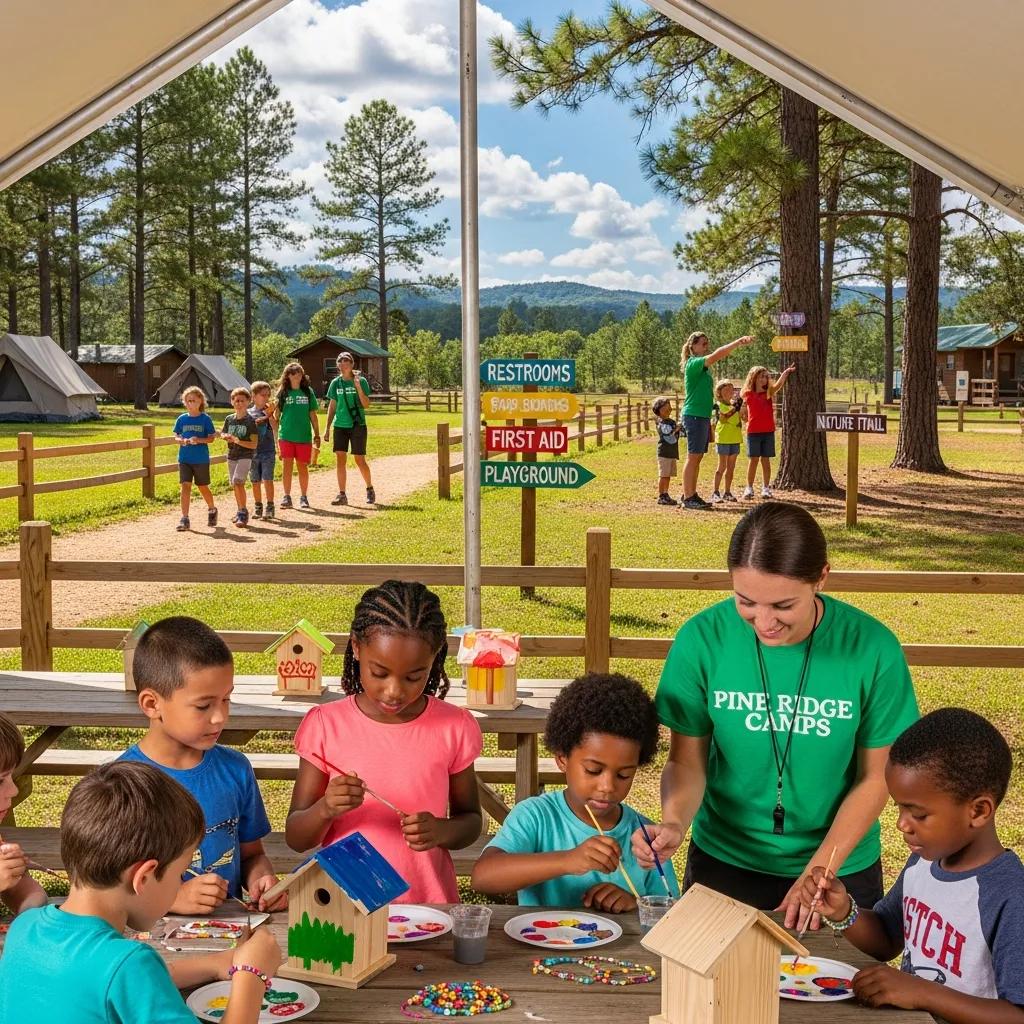
Kid-friendly activities and safety features vary across park types and are central to family comfort. Look for fenced playgrounds with age-appropriate equipment, designated swim areas with posted rules, and restrooms and changing facilities that are easy to reach from family sites. On-site staff and organized weekend programs add structured options and help parents find supervised social time for kids. Proximity to emergency services and clear signage for trail difficulty and water safety also matter. When comparing properties, prioritize visible supervision, child-focused facilities, and clear safety communication to match your family’s comfort with independence and adventure.
These features will determine which campgrounds feel right for families with young children. Below are three safety features to prioritize:
- Clear, posted water-safety rules and designated swim areas with supervision where available.
- Restrooms and changing facilities within a short walk of family sites.
- Play areas and shallow activity zones with sightlines that let caregivers see children easily.
Prioritizing these features cuts down on stress and helps create a more relaxed family outing.
Which Campgrounds Near Ann Arbor and Detroit Are Best for Family Fun?
When choosing campgrounds near Ann Arbor and Detroit, weigh drive time against on-site amenities and trip length. For weekend trips with young kids, drives under 90 minutes usually work best; longer drives open access to larger state recreation areas for multi-day stays. The Oaks Campground’s location in Munith positions it well for families coming from either metro area who want resort-style amenities plus proximity to Waterloo State Recreation Area. Nearby campgrounds may focus more on lake access, hiking, or primitive camping if you prefer a quieter, nature-centered trip. Balance convenience against the level of on-site programming you want when selecting a family destination.
Drive time and amenity priorities will shape whether you plan a short, activity-packed weekend or a longer, immersive outdoor retreat.
What Are the Differences in Location and Accessibility Between Indian Creek Campground and Other Michigan Parks?
Location and accessibility shape campground choice through drive time, weekend crowding, and access to nearby attractions. Campgrounds closer to Detroit or Ann Arbor often see more weekend demand from quick getaways, which can affect availability and noise. Remote parks trade convenience for solitude and larger natural areas. Accessibility also includes on-site vehicle rules, parking, and whether low-speed vehicles like golf carts are allowed — these details affect how families move around a property and how freely kids can explore. The paragraphs that follow analyze proximity to major cities and list nearby natural attractions around The Oaks and regional recreation areas that add value to a stay.
Knowing these trade-offs helps families find a campground that balances drive time, quiet, and access to extra recreation.
How Does Proximity to Major Cities Affect Campground Choice?
Proximity to major cities matters mainly for drive time, weekend crowding, and last-minute bookings. Families with school-aged children often prefer shorter drives (45–90 minutes) to reduce travel fatigue, while those planning longer stays may accept extended drives for more remote scenery. Campgrounds near metros can fill quickly on weekends, making it harder to reserve preferred site types or quiet spots. Proximity also affects access to emergency services and places to resupply; closer campgrounds make quick errands and medical trips easier — a big consideration when traveling with young children. Those trade-offs will guide whether your family prioritizes convenience or deeper nature immersion when choosing between Indian Creek and other Michigan parks.
These proximity factors tie directly to nearby attractions you might add to your trip itinerary.
What Natural Attractions Are Near The Oaks and Indian Creek Campgrounds?
Nearby natural attractions — state recreation areas, hiking trails, lakes, and streams — extend what you can do from a campground base. For example, Waterloo State Recreation Area is a major draw near Munith, with long trail networks, lakes, and multi-use recreation that pairs well with a nearby campground. These nearby assets let families mix on-site activities with day hikes, fishing trips, and scenic drives. Map local attractions and estimate travel time from camp so you can plan each day effectively; choosing a campground close to the outdoor activities you enjoy adds flexibility and variety to a stay.
Matching campground location to your broader recreation goals makes each day easier to plan and more rewarding.
How Do Site Types and Seasonal Camping Options Compare Across Michigan Campgrounds?
Site types and seasonality determine who a campground fits and when to visit. Common options include pull-through or back-in RV sites with full or partial hookups, tent sites with varying privacy and pad quality, and occasional cabins or glamping units for families who want fewer logistics. Peak-season windows and rates vary by region and by whether a campground is privately run or part of the state system; holiday weekends often book far in advance. Understanding site categories and reservation practices — deposit rules and cancellation policies — helps families plan for peak and shoulder seasons and choose the right site for comfort and budget. Below we compare RV and tent site amenities and explain seasonal rates and reservation tips, including specific guidance for The Oaks.
After site types, we’ll share a compact reservation checklist you can use to lock in the right spot.
What RV and Tent Site Amenities Are Offered at The Oaks and Indian Creek?
Common amenities for RV and tent sites include electrical hookups (30A or 50A), wastewater/sewer connections for RVs, picnic tables, fire rings, level pads, shade, and proximity to restrooms and showers. At resort-style properties like The Oaks, site layouts often give space for family activities, easy access to golf-cart trails, and nearby playgrounds or pavilions for group gatherings. Tent sites can range from open, sunny pads to shaded, secluded sites for quieter evenings. When comparing campgrounds, confirm hookup types, site dimensions, and distance from restrooms to avoid surprises and make late-night trips easier on caregivers. These details directly affect comfort and logistics for family camping.
Ask about hookup specs, site size, and shore-power compatibility before you arrive to make sure your equipment fits and everyone sleeps well.
Introductory EAV table comparing site types:
How Do Seasonal Rates and Reservation Processes Differ?
Seasonal rates and reservation rules differ notably between private resort-style campgrounds and state or county parks. Summer weekends and federal holidays usually bring higher rates and stricter minimum-night rules; shoulder seasons are cheaper and more flexible. Reservation platforms vary — state park systems, third-party booking services, or direct booking with private campgrounds — and each has its own deposit rules, cancellation windows, and change policies. For private properties like The Oaks, check the reservation process and season policies early and plan for holiday stays well in advance. Knowing deposit, minimum-stay, and calendar-opening rules helps you secure preferred dates and site types.
Good reservation planning reduces last-minute stress and increases the odds of getting the family site you want on busy weekends.
List of reservation planning tips:
- Book peak-season weekend nights early, especially around holidays and school breaks.
- Confirm deposit, minimum-stay, and cancellation policies before you reserve to avoid surprises.
- Verify hookup specs and site dimensions for RVs to ensure compatibility with your rig.
Following these steps makes it easier to lock in the right site and avoid last-minute disappointments with a family in tow.
What Do Reviews and Testimonials Reveal About The Oaks Campground Versus Indian Creek and Other Parks?
Reviews and testimonials tend to highlight recurring themes: cleanliness, family programming, access to nearby attractions, and how crowded it gets in peak season. Pulling those themes together sets realistic expectations: families who want structured on-site activities usually praise resort-style campgrounds for events and kid amenities, while people who value solitude prefer the quieter, more primitive feel of state parks. When you read reviews for Indian Creek or other Michigan parks, watch for repeated mentions of the same pros or cons — those patterns are more telling than a single glowing note. The table below summarizes typical review themes and sentiments to help you interpret aggregated feedback and decide whether a place fits your trip goals.
After the summary table, we describe common camper experiences and show how guest stories emphasize family appeal.
Introductory review-synthesis table:
What Are Common Camper Experiences and Ratings?
Review patterns usually reflect a balance between on-site programming and natural features. Guests who value kid activities rate resort-style campgrounds highly when playgrounds and scheduled events are available; visitors chasing solitude rate state parks higher for trail quality and water access. Typical reviewer clusters show that convenience and predictable family amenities drive high satisfaction for family-friendly sites, while primitive seekers focus on trail options and lower crowding. When you scan reviews, prioritize repeated notes about cleanliness, staff responsiveness, and whether facilities meet family needs — those consistent signals predict the likely experience for your group.
These patterns help families read review scores with more nuance than a star number alone.
How Do Guest Stories Highlight Unique Features and Family Appeal?
Guest stories bring a campground’s features to life: catching a first fish at a communal pond, evening rides on golf-cart trails, or a community event that became a family memory. These anecdotes show how amenities translate into real moments — easy supervision while kids play near a pavilion, or short walks to restrooms from family sites. Individual stories are subjective, but recurring anecdotes reinforce a campground’s strengths and indicate consistent operations. Scan guest narratives for practical details that matter to you — site spacing, noise after dark, and how staff handle problems — to turn anecdotal charm into confident bookings.
When positive review themes match your priorities (family programming, trail access, pond fishing), you can usually secure a good weekend by following the campground’s reservation guidance and booking early. For reservations at The Oaks Campground by GatherGrounds Resorts, check the property’s reservation page and approved booking channels to confirm site types and event schedules; the property’s family-focused amenities and planned improvements are designed to support comfortable family stays.
Why Choose The Oaks Campground Over Indian Creek and Other Michigan Parks for Your Next Family Camping Trip?
The Oaks Campground is a strong choice for families who want on-site programming, broad golf-cart trails, a large fishing pond, and resort-style conveniences near regional recreation areas. Its confirmed features — a 160‑acre property with playgrounds, pavilions, about 120 acres of golf-cart riding trails, a large fishing pond, planned weekend events, and a planned Wibit water park for 2026 — make it an alternative to more rustic park options. For families seeking predictable activities, easier supervision, and event-driven weekends, these amenities reduce logistics and expand daily entertainment. Below we list The Oaks’ key selling points and a step-by-step reservation and prep checklist to simplify your planning.
These unique value points and practical steps help families decide if a resort-style campground fits their priorities compared with more primitive park choices.
What Are The Oaks’ Unique Selling Points and Planned Enhancements?
The Oaks Campground’s selling points come from confirmed infrastructure and planned attractions that appeal to families: playgrounds and pavilions for gatherings, a large fishing pond for easy angling, roughly 120 acres of golf-cart riding trails for family exploration with less hiking strain, and planned weekend events that add supervised entertainment. The planned Wibit water park (2026) will bring a notable aquatic attraction to the property, boosting its resort-style appeal for families who want structured water play. Together, these elements create a turnkey family experience that reduces the need to travel off-site for daily activities.
Match these selling points to your appetite for solitude, wilderness access, or minimalist camping to decide the best fit.
List of The Oaks’ primary family-oriented selling points:
- Playgrounds and pavilion spaces that support gatherings and supervised child play.
- Large fishing pond with easy angling opportunities for beginner youth anglers.
- Extensive golf-cart riding trails (approximately 120 acres) for family exploration with less hiking strain.
- Planned Wibit water park (2026) and scheduled weekend events to broaden on-site recreational choices.
These points reflect The Oaks’ positioning as a family-focused, resort-style campground suitable for mixed-age groups.
How Can You Make Reservations and Prepare for Your Stay?
Reserve and prepare for a family stay with a simple sequence that reduces last-minute stress and ensures the right site and amenities. First, pick your site type (RV hookup, tent pad, or family-friendly space near playgrounds) and choose dates outside peak holidays if you prefer quieter weekends. Second, read reservation policies — deposits, cancellation windows, and minimum-night rules — and for The Oaks, review the property’s reservation process and event calendar to match dates with on-site programming. Third, pack with kids in mind: extra clothing layers, swim-supervision gear, basic first aid, and portable shade for tent sites. Finally, plan arrival logistics like check-in time and vehicle access so your first day is smooth.
Numbered booking and preparation steps:
- Choose site type and dates; book early for holiday weekends.
- Review deposit, cancellation, and minimum-stay rules to avoid surprises.
- Confirm on-site programming and facility availability for your dates.
- Pack child-focused essentials and plan arrival logistics to speed setup.
Following these steps helps your family get to the fun faster and avoids common logistical headaches.
Practical reminder: The Oaks Campground by GatherGrounds Resorts is located in Munith, Michigan (7800 Cutler Rd, Munith, MI 49259). The property lists proximity to Waterloo State Recreation Area and confirmed on-site amenities to support family stays. Use this address to plan driving time and coordinate day trips to nearby natural attractions during your visit.
Final comparative sentiment table — review-derived themes to inform expectations:
1. Plan early for peak periods and match site type to family needs.
2. Prioritize safety features and convenient facilities to lower supervision load.
3. Choose the campground’s amenity focus—resort-style or rustic—based on the experience your family wants.
These closing recommendations bring together the guide’s comparisons and give a clear path to choosing between Indian Creek, The Oaks Campground, and other Michigan parks for a family camping trip.
Frequently Asked Questions
What are the best times to visit Michigan campgrounds for family camping?
Late spring and early fall — roughly May to June and September to October — are often the sweet spots. The weather is usually pleasant, bugs are fewer than midsummer, and campsites are less crowded than peak summer. If you want quieter weekends, avoid major holiday periods and school breaks when demand spikes.
Are there any specific safety tips for camping with children?
Safety first: supervise children around water, review basic rules (no running near shorelines), and pack a well-stocked first-aid kit. Set clear boundaries for where kids can explore and give them a reliable way to signal for help (a whistle works well). Teach simple wildlife and plant-safety basics, and know the nearest medical facility’s location before you go.
What should families pack for a camping trip?
Bring the camping basics — tent, sleeping bags, cooking gear — plus weather-appropriate clothing layers and rain protection. Don’t forget sunscreen, bug spray, toiletries, and any medications. For kids, pack comfort items and a few favorite toys, plus outdoor games to keep them busy. A short family-focused checklist can save time at camp and reduce stress.
How can families find campgrounds that cater specifically to children?
Start with online campground directories and local tourism sites that tag family-friendly amenities. Look for playgrounds, organized activities, and supervised swim areas. Read family reviews for practical details like site spacing and staff helpfulness. If a campground posts a calendar of events, that’s a strong sign it caters to kids.
What are the benefits of choosing a resort-style campground over a rustic one?
Resort-style campgrounds deliver conveniences and programmed activities that make family trips easier: predictable events, play areas, pools or water features, and nearby restroom and shower facilities. That structure helps parents relax and gives kids more supervised entertainment options. Rustic parks, by contrast, offer solitude and a more hands-on outdoor experience.
How do families ensure they get the best campsite for their needs?
Plan ahead: decide whether you want a quiet, secluded site or one close to amenities. Study the campground map for site locations, check proximity to restrooms and water, and book early for busy dates. Read recent reviews for practical details, and confirm site specs (hookups, pad size) before you arrive.
Conclusion
Choosing the right campground makes a big difference for family time outdoors. The Oaks Campground is built around on-site programming and family conveniences, while many Michigan parks offer quieter, nature-focused experiences. By comparing amenities, safety features, programming, and location, you can pick the type of trip your family will enjoy most. Ready to plan? Start by matching your priorities — convenience versus solitude, programmed activities versus independent exploration — and book early for popular weekends.