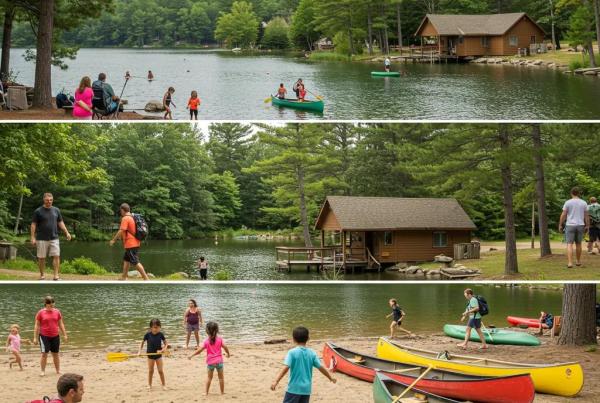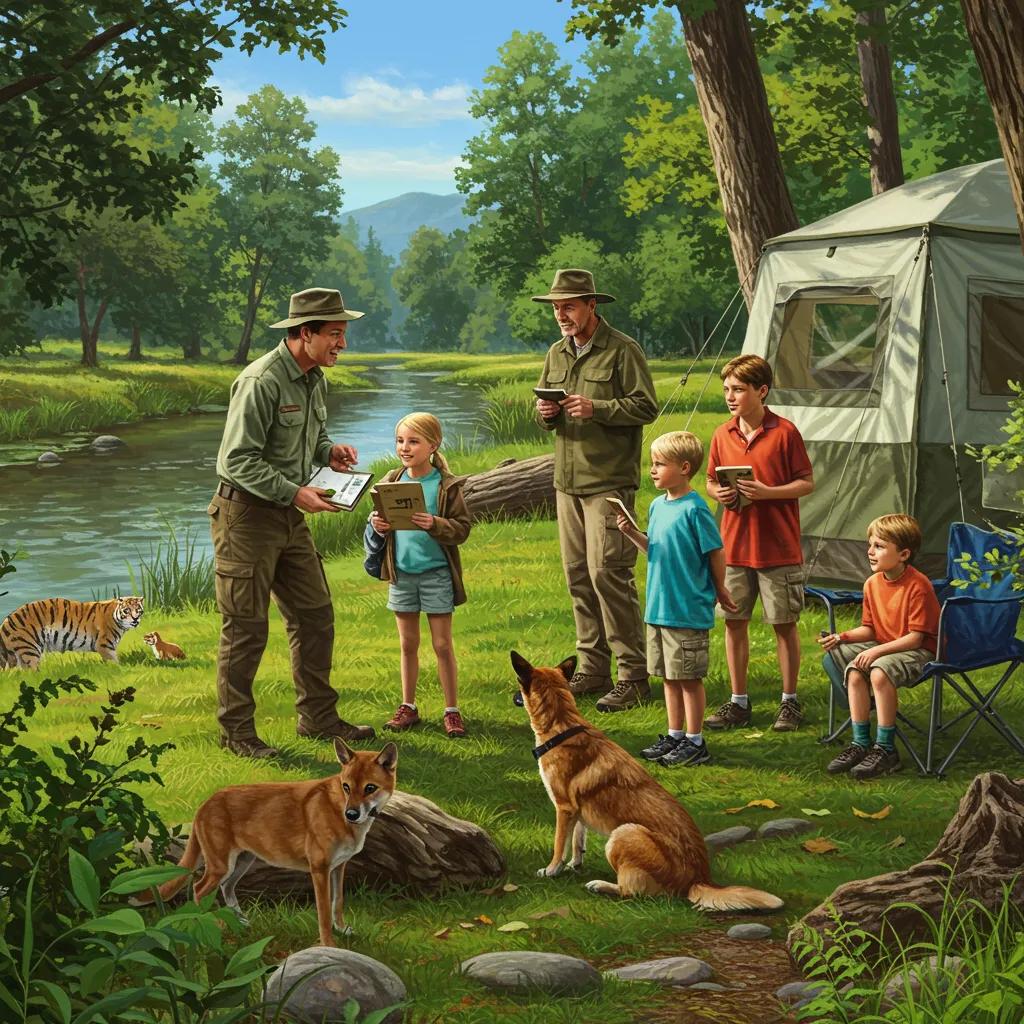
Discover Nature Tours at Campgrounds: Guided Walks, Wildlife Viewing, and Family Fun
Embark on guided nature tours at our campgrounds for an immersive outdoor adventure! These experiences lead you through local ecosystems, wildlife habitats, and river corridors, helping you discover more about the natural world around you. Our tours combine expert insights with safe access to natural wonders and activity-specific gear, ensuring you and your family have a memorable encounter with local flora and fauna. You’ll love the benefits, like spotting more wildlife, engaging kids in hands-on learning, and enjoying easy access to water activities right here on-site. We know planning outdoor fun can be a challenge, so this guide is here to help. We’ll cover tour types, how to prepare, what wildlife to expect, the educational perks, and tips for booking. Get ready to explore the beauty of the local river and enjoy easy, guided outdoor experiences designed for families.
What Kinds of Nature Tours Can You Find at Campgrounds?
Our campgrounds offer a variety of nature tours, each designed to suit different group sizes, ages, and interests. These tours blend fascinating commentary with access to scenic trails and waterways, helping you focus on specific natural wonders like birds, plants, or river life. You’ll leave with new knowledge and better observation skills, making nature accessible and enjoyable for everyone, from families to seasoned naturalists. Here are some popular tour types and why campers love them:
You can typically join:
- Guided Nature Walks: Enjoy leisurely strolls where you’ll learn to identify local species, understand the ecosystem, and practice safe trail etiquette.
- Float Trips (Canoe/Kayak/Tube): Explore the river corridor from the water for a unique perspective on wildlife and scenery.
- Family Programs: Fun, short activities like nature scavenger hunts or crafts designed to introduce kids to the wonders of natural history.
These options offer a great balance of ease and immersion, letting you choose a gentle learning experience or a more active adventure.
Which Guided Nature Walks Are Available for Campers?
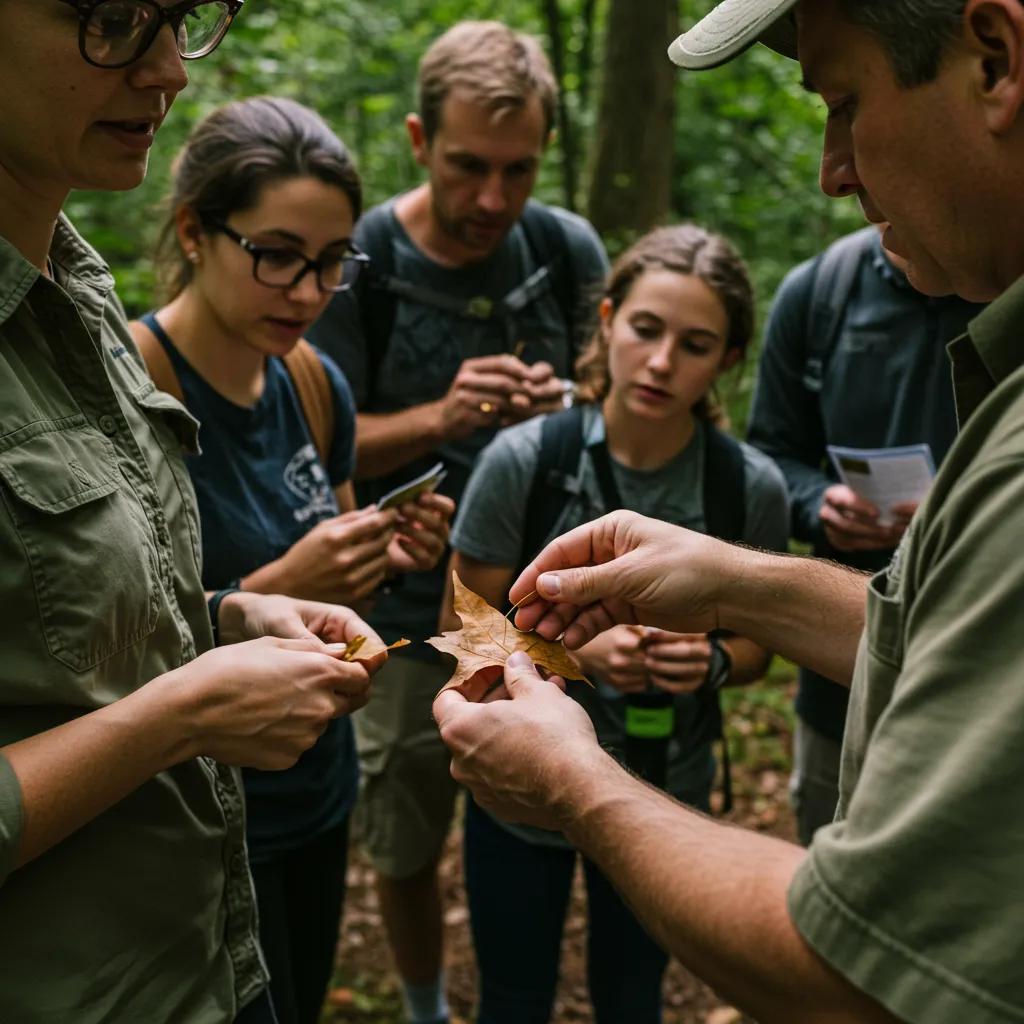
Our guided nature walks are short, engaging outings led by knowledgeable naturalists. They’ll help you discover local plants, animal tracks, and how everything in nature connects. Walks usually last between 30 minutes and two hours, with a focus on hands-on learning, like identifying leaves, recognizing bird songs, or exploring stream life. You’ll pick up practical skills, such as how to use field guides and the best techniques for quiet observation to increase your chances of spotting wildlife. These walks often lead directly to nearby trails and riverbanks, preparing you for more adventurous river-based exploration.
These walks are perfect for beginners and families. Guides can adjust the pace and theme to suit strollers or keep young attention spans engaged. They use captivating stories and simple demonstrations to teach about conservation and responsible wildlife viewing. This approach naturally leads into the joy of experiencing the same beautiful landscapes from the water during a float trip.
The Role of Interpretation in Nature Walks for Visitor Experience
Interpretive nature walks are an important tool for conservation organizations, which use them to educate, and to connect visitors with their sites. Interpretive studies often focus on program outcomes. However, less research exists on how the experience itself is perceived by visitors. Is it primarily a learning process? What role does the guide play, and how does the process of interpretation affect the visitor experience?
Making Meaning Together: The role of interpretation during a short-term nature excursion, 2016
How Do Shiawassee River Float Trips Enhance Your Nature Exploration?
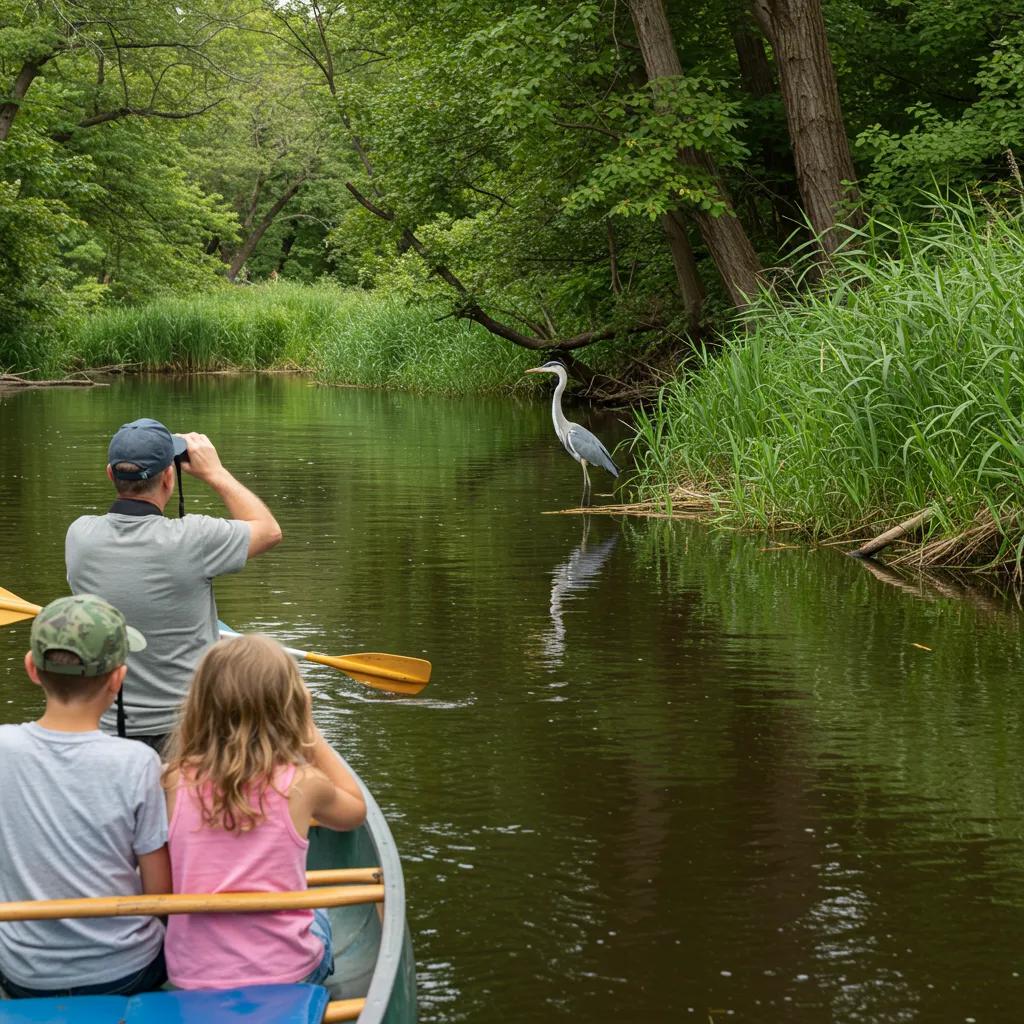
Float trips offer a unique way to experience river habitats, revealing different species and behaviors than you might see from land. Enjoy a peaceful vantage point for observing shoreline birds, mammals, and aquatic life. Your choice of vessel—canoe, kayak, or tube—influences stability, speed, and group dynamics, affecting how close you can get to wildlife without disturbing them. We offer convenient Shiawassee River float trips right here, with Cheff’s Canoe Rental providing canoe, kayak, and tube rentals for easy access to river-based nature tours. From the water, you’ll have a great chance to spot river otters, wading birds, and turtles that tend to avoid noisy shorelines.
Selecting the right boat depends on what you want: canoes are ideal for families and carrying gear, kayaks offer nimble maneuverability for solo explorers, and tubes provide a relaxed way to simply drift and enjoy the scenery. Understanding these differences helps you choose the craft that best suits your wildlife viewing goals and comfort.
This comparison helps you see how your choice of boat can shape your float trip experience and the kinds of wildlife encounters you might have.
How Can You Get Ready for Nature Tours at Our Campgrounds?
Getting ready for nature tours is all about having the right gear, planning for safety, and choosing the best time to go, so you can maximize your sightings and comfort while staying safe. Proper preparation means packing smart, following water and trail safety rules, and checking the conditions before you head out. A good packing list and adherence to safety guidelines make tours accessible and enjoyable for families and new explorers alike. Here’s a handy packing checklist and safety advice for both walks and float trips.
Don’t forget to bring these essentials:
- Water and Snacks: Stay hydrated and energized during your walks or floats.
- Sun Protection: A hat, sunscreen, and sunglasses will protect you from the sun, especially on the water.
- Sturdy Footwear: Closed-toe shoes are a must for trails and safe river launches.
- Quick-Dry Layers: Lightweight clothing that dries fast if you get splashed or caught in a brief shower.
These basics will keep you comfortable and safe, and they complement any gear provided by tour operators.
What Essential Gear and Safety Tips Do You Need to Know?
The gear you need is slightly different for walks versus float trips, but the focus is always on safety and comfort. For water activities, life vests are crucial for safety and are usually included with rentals from local providers like Cheff’s Canoe Rental. For trail activities, prioritize footwear, water, and insect protection to avoid common issues. Key safety rules include wearing life vests on the river, staying with your group, letting someone know your plans, and checking river conditions before you launch.
Following these practices minimizes risks and can actually improve wildlife viewing by keeping encounters calm and respectful. Knowing that life vests and basic safety equipment are available through our on-site rental services makes planning lighter, safer trips easier and encourages everyone to join our river-based tours.
This packing table helps you prioritize items that will make your walks and float trips safer and more enjoyable.
When Are the Best Times for Wildlife Viewing and Float Trips?
Seeing wildlife and enjoying comfortable floats really depends on the season and the time of day. Spring is great for bird migration, early summer for nesting, and fall offers beautiful colors and active mammals preparing for winter. Generally, early mornings and late afternoons are when wildlife is most active and the water is calmer, giving you more chances to see animals and less direct sun, especially in summer. Weather plays a big role too: light winds and moderate water levels make floats safer and viewing easier, while strong currents or storms might mean river access is closed for your safety. Planning your visit during these ideal windows means better sightings and a more pleasant, safe experience.
Your timing choices also influence what you’ll see: birds are usually most active at dawn, amphibians come out in the damp evening hours, and fall brings stunning scenery and increased mammal activity as they get ready for winter. Knowing these natural cycles helps you pick the perfect time for your tour based on your interests.
What Wildlife and Natural Features Can You Expect to See?
Our campground nature tours showcase a variety of habitats, from riverbanks and wetlands to wooded areas, offering diverse opportunities to see plants and animals along trails and the water’s edge. These environments are home to many birds, small mammals, amphibians, and native plants that you can spot during guided walks and float trips. Knowing the common species and where they like to hang out will increase your chances of sightings and make your tours even more educational. Here’s a handy guide to common species, their habitats, and the best times to spot them.
Keep an eye out for these common species:
- Wading Birds (Herons, Egrets): Look along slow river bends and shallow areas in the morning.
- Songbirds (Warblers, Sparrows): You’ll find them in shrubs along trails and at the edges of forests, especially at dawn.
- Turtles and Water Reptiles: Often seen basking on logs or sunny banks during warm afternoons.
This wildlife checklist helps you know where and when to look for some of the most common and fascinating local species during your tours.
Which Local Flora and Fauna Are Commonly Spotted?
The plants and animals you’ll see here reflect our campground’s diverse habitats and riverside setting. Our tours often highlight easily observable species that illustrate broader ecological patterns. You can expect to see common riverside trees and shrubs, beautiful native wildflowers when they’re in season, and indicator species like songbirds and turtles that signal a healthy environment. Guides love to point out how plants and animals interact, such as pollinators visiting flowers or birds nesting in specific shrubs. Seeing these connections firsthand gives families concrete examples of how ecosystems work and why conservation is important.
Recognizing a few common species makes the experience more engaging and supports hands-on learning for both kids and adults. These familiar sights also provide a great starting point for deeper discussions about ecology during our educational programs.
How Can You Spot Wildlife During River Float Trips and Nature Walks?
To spot wildlife effectively, move quietly, scan likely spots carefully, and be patient. On the water, scanning shorelines and slow-moving river bends will help you notice subtle movements. Move slowly, keep noise to a minimum, and use your peripheral vision to catch motion along the banks, then focus your binoculars on promising areas. Remember to view wildlife ethically: keep a respectful distance, avoid sudden movements, and never feed the animals, as this can disrupt their natural behavior. Safety is also key: stay seated in your boat, wear your life vest, and keep your hands inside the vessel when near wildlife to avoid startling them.
Using these techniques will increase your chances of seeing animals and help preserve their natural behaviors for future visitors, reinforcing the principles of stewardship that our guided walks and floats teach.
How Do Educational Nature Programs Enhance Your Camping Experience?
Our educational programs turn passive observation into active learning. They pair age-appropriate activities with engaging interpretation to spark curiosity and foster a sense of responsibility. Through hands-on formats like scavenger hunts, guided demonstrations, and short talks, you’ll explore core concepts such as food webs, habitat needs, and the impact of human activities. These experiences make ecological principles easy to grasp for kids and create lasting memories for families. The structured nature of our programs also helps convey important conservation messages and encourages a deeper connection with our local natural areas.
Well-designed programs match activity difficulty to age groups and offer ideas that families can use on future outings. This practical learning approach complements guided walks and river trips by reinforcing observation skills and stewardship practices.
What Outdoor Education Opportunities Are Available for Kids?
Our kids’ outdoor programs feature short, interactive activities designed to teach observation, identification, and basic ecology in fun ways suitable for various ages. You might find scavenger hunts for natural shapes and colors, simple species identification challenges, or hands-on crafts that explain life cycles. Programs are typically designed for ages from preschool through early teens, with adult supervision and clear safety rules. The main goals are to encourage curiosity, teach basic species recognition, and promote responsible outdoor behavior that children can practice with their families.
These offerings make nature approachable for young campers and help instill early stewardship habits that can last a lifetime. Participating in these activities also prepares children for longer guided walks or supervised float trips.
Family Learning Outdoors: Guided Nature Walks
Family learning outdoors: Guided participation on a nature walk
Family learning outdoors: Guided participation on a nature walk, HT Zimmerman, 2016
How Do Guided Walks Teach About Local Ecology and Conservation?
Guided walks use engaging interpretation techniques like storytelling, demonstrations, and species identification to teach about ecological relationships and conservation principles in memorable ways. Guides connect what you observe—like a bird feeding its young or how a plant gets pollinated—to bigger ideas like habitat connectivity and watershed health. Demonstrations and simple citizen-science prompts invite you to share your observations, fostering stewardship through active participation. The result is an experience that links local natural history to practical actions you can take to help protect ecosystems.
This teaching method builds both knowledge and a desire to act, so you’ll leave feeling inspired to reduce your impact and support local conservation efforts.
How Can You Book and Plan Your Nature Tour at Our Campgrounds?
Booking and planning your nature tours is a simple process that helps you secure your spot, choose your vessel, and confirm safety equipment, making it quick to reserve guided walks or river rentals. Campgrounds with on-site river access simplify things by coordinating rentals and providing activity schedules, so you can easily fit tours into your stay. For instance, campers at Walnut Hills Family Campground can arrange Shiawassee River float trips directly through the local provider and rental service operating on-site. Clear planning steps reduce any guesswork and help you choose the best options before you even arrive.
Follow these easy steps to book your float trip or guided nature activity:
- Choose your dates and number of participants: Check availability for your group size.
- Select your activity and vessel: Decide between a canoe, kayak, or tube for your float.
- Provide participant details: Include ages and any special needs for safety planning.
- Confirm equipment and waiver requirements: Make sure life vests are reserved if they are supplied.
What Is the Online Reservation Process for Nature Activities?
Our online reservation system typically asks for your dates, the number of participants, and the type of activity you’re interested in. This helps us allocate the right boats and staff and ensure all safety requirements are met. You’ll usually select your date and time, choose your canoe, kayak, or tube option for float trips, enter participant ages, and acknowledge safety waivers and rules. We recommend booking early for weekends and special events to secure your preferred vessel types and guide slots. Be sure to check what safety gear is included with rentals and note any cancellation or waiver policies from the provider.
Completing these steps in advance takes the stress out of last-minute planning and increases your chances of booking guided or rented nature activities, especially during peak season.
Are There Package Options or Themed Weekend Events?
Many of our campgrounds offer special package options or themed weekends that combine your accommodation with guided nature activities, making planning easier and adding extra value for families. Popular packages include family nature weekends, introductory float-and-hike bundles, and kid-focused education weekends with guided walks and craft sessions. These packages can save you time and sometimes include priority reservations for on-site services. Check the campground’s activity calendar and book packages early to secure coordinated experiences that match your interests and schedule.
Packages are especially great for groups and families who prefer a ready-made itinerary rather than coordinating separate bookings for lodging and activities.
Frequently Asked Questions
What should I wear for nature tours at campgrounds?
When you join our nature tours, it’s best to wear comfortable clothing that suits the weather. We recommend quick-dry fabrics, especially for float trips, and suggest layering so you can adjust to temperature changes. Sturdy, closed-toe shoes are essential for both walking and water activities to keep your feet protected. Don’t forget sun protection like a hat and sunscreen, plus insect repellent to ward off bugs. Dressing appropriately will make your tour much more comfortable and safe.
Are nature tours suitable for young children?
Absolutely! Our nature tours are designed for families and can easily accommodate young children. Many of our guided walks and family programs feature interactive activities like scavenger hunts and crafts to keep kids engaged. Our guides are skilled at adapting the pace and content for younger participants, ensuring they have a fun and safe experience. These tours not only introduce children to nature but also help foster their curiosity and a sense of responsibility towards the environment.
How can I ensure a good wildlife viewing experience?
To make the most of your wildlife viewing opportunities during nature tours, try to go early in the morning or late in the afternoon when animals are typically most active. Move quietly and slowly, and use binoculars to scan likely habitats without disturbing the wildlife. Patience is key; sometimes, it takes a little while to spot animals. It also helps to learn about the types of wildlife you might see and where they prefer to be.
What are the safety guidelines for float trips?
Safety is our top priority on float trips. Always wear a life vest, which is usually provided with your rental. Stay seated in your vessel to maintain balance and prevent accidents. Let someone know your plans and when you expect to return. Be aware of the weather and river conditions, as strong currents can be dangerous. Also, remember not to approach wildlife too closely, as this can disrupt their natural behavior and compromise safety for everyone.
Can I bring my own equipment for nature tours?
While we provide equipment like canoes, kayaks, and safety gear for our nature tours, you’re welcome to bring your own if it meets safety standards. Please check with the campground beforehand to confirm our policies on personal equipment. Bringing your own gear can enhance your experience, especially if you have specific preferences or items you’re comfortable using. Just ensure it’s suitable for the planned activities.
What educational resources are available during nature tours?
Our nature tours often include helpful educational resources such as field guides, informative brochures, and hands-on activities led by our knowledgeable guides. These resources help you learn about local plants and animals, how ecosystems work, and conservation efforts. Many tours also feature interactive elements, like challenges to identify species or discussions about environmental stewardship, making the learning experience engaging and memorable for all ages.
Are there any age restrictions for participating in nature tours?
Most nature tours at our campgrounds are designed to be inclusive and welcome participants of all ages, from young children to adults. However, some specific activities, particularly float trips, might have minimum age or size requirements for safety reasons. It’s always a good idea to check with the tour provider for any age-related guidelines to ensure a safe and enjoyable experience for everyone in your group.
Conclusion
Joining a nature tour at our campgrounds offers a fantastic way for families and individuals to connect with local ecosystems and sharpen their outdoor skills. These guided adventures not only deepen your appreciation for wildlife but also provide educational insights you can share across generations. By planning your next getaway and booking a nature tour, you’re setting the stage for a memorable and enriching experience for everyone. Come explore the variety of tours we offer and begin your journey into nature today!