
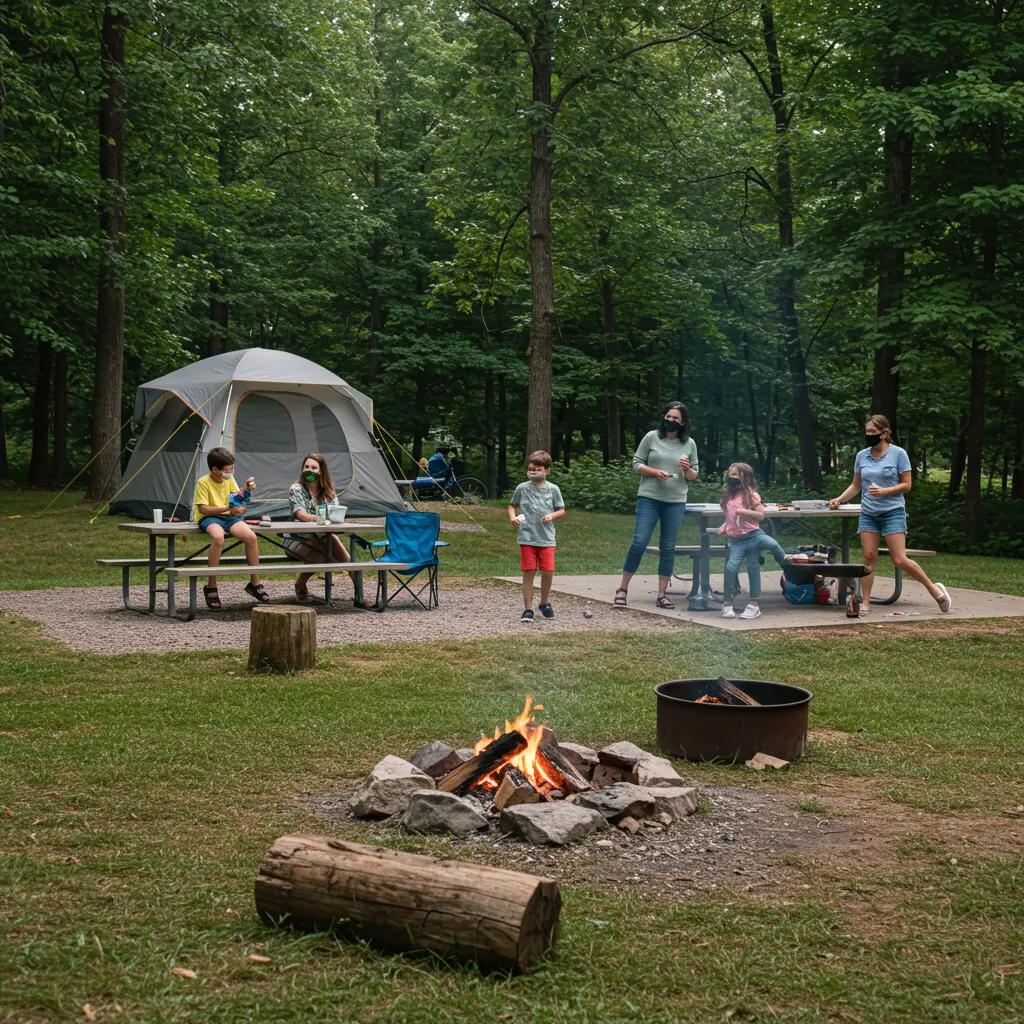
Safe Camping in Ohio: Essential Pandemic Protocols for a Worry-Free Getaway
Embrace the great outdoors in Ohio with confidence! Camping can still be a fantastic, low-risk escape, especially when campgrounds like Ridge Ranch Campground by GatherGrounds implement and uphold clear safety measures. This guide breaks down the essential safety concepts—what they are, why they matter, and how they keep your family protected—so you can plan your next adventure with peace of mind. Discover the COVID-19 safety protocols common in Ohio campgrounds, learn how rigorous cleaning and staff training minimize transmission risks, and find out how you can contribute to a safe environment. We’ll connect state health guidance from the Ohio Department of Health and Ohio Department of Natural Resources to practical on-site actions, outline flexible booking options to reduce planning stress, and point you to resources for the latest health updates. Each H2 section tackles a key question, with H3 details offering actionable advice on social distancing, sanitation, booking flexibility, and on-site expectations. Throughout, you’ll find relevant keywords like “Ohio campground social distancing,” “pandemic-era camping tips Ohio,” and “Ridge Ranch enhanced cleaning” to help you find trusted, local information for safe family camping in Ohio.
What Are the Key COVID-19 Safety Protocols at Ohio Campgrounds?

Ohio campgrounds employ a layered approach to COVID-19 safety. These protocols—masking, social distancing, enhanced cleaning, capacity limits, and staff health monitoring—work together to reduce transmission by addressing both airborne and surface risks. Each measure is designed to limit close contact or minimize the presence of the virus on shared surfaces, ultimately creating safer and more predictable stays for families and groups. Campgrounds adopt these practices to safeguard guests and staff while ensuring continued access to cherished outdoor recreation spaces and amenities. Below, we concisely list the main protocols so you can easily recognize them upon arrival and understand their purpose.
Campground operators typically focus on visible and enforceable protocols to ensure guests know what to expect and can comply with ease. This leads into specific examples of how a particular campground translates state guidance into its daily operations.
- Face coverings in indoor common areas and crowded outdoor settings to curb respiratory spread.
- Social distancing through staggered activities and spaced campsites to minimize close interactions.
- Enhanced cleaning of high-touch surfaces, restrooms, and rental equipment to reduce surface transmission risks.
- Capacity controls and reservation requirements to manage visitor density and facilitate contact tracing if needed.
- Staff health checks, training, and use of personal protective equipment (PPE) to maintain consistent, safe operations.
These core elements align with recommendations from the Ohio Department of Health and the Ohio Department of Natural Resources, forming the baseline practices you should expect when planning your safe family camping trip in Ohio.
Intro to comparison table: The table below compares each core protocol with Ohio guidance and a practical example of its implementation at Ridge Ranch Campground, allowing you to see policy in action.
This comparison illustrates how statewide recommendations translate into on-site actions and what guests can expect upon arrival, offering clarity between policy and practice.
How Does Ridge Ranch Campground Implement COVID-19 Guidelines?
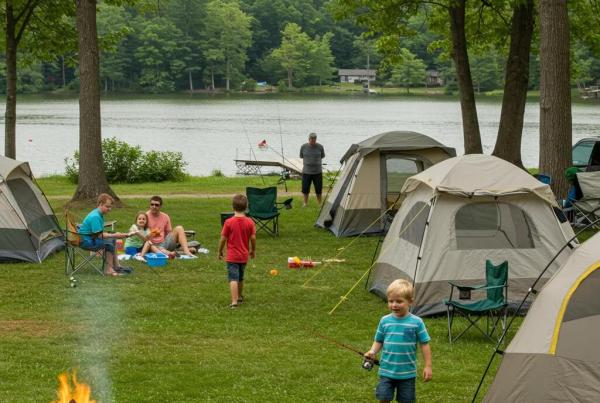
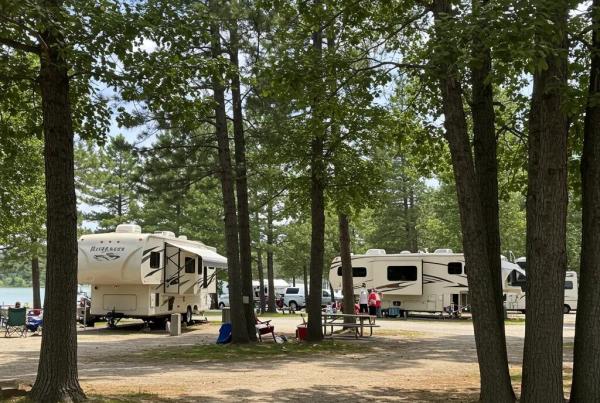
Ridge Ranch Campground by GatherGrounds puts COVID-19 guidelines into practice through visible operational changes that align with Ohio recommendations and enhance the guest experience. Staff undergo training on sanitation checklists and guest interaction protocols to ensure consistent application of procedures. Sanitation stations are strategically placed near high-traffic areas to encourage their use. Campsite layouts are thoughtfully arranged to promote social distancing between RV and tent sites, reducing close contact during busy periods. These on-site measures demonstrate how policy becomes reality and help guests identify compliant facilities before booking their RV and tent camping sites.
Ridge Ranch’s visible commitment also includes clear signage outlining expectations and staff performing routine health checks to ensure safe operations continue smoothly. Observing these measures upon arrival provides campers with immediate reassurance and helps establish behavioral norms for their stay. The connection between trained staff and visible sanitation closes any operational gaps that might otherwise leave visitors uncertain about what to expect.
What Ohio Department of Health Recommendations Are Followed?
Ohio Department of Health (ODH) recommendations emphasize a multi-layered approach to reducing community transmission, focusing on mask use, distancing, hand hygiene, and cleaning. Campgrounds translate these recommendations into their daily operations. For instance, ODH guidance encouraging masks in indoor public spaces and crowded outdoor settings is implemented at campgrounds through signage, staff reminders, and policy statements for communal areas. Similarly, the Ohio Department of Natural Resources (ODNR) advises spacing and limiting group activities in outdoor recreation settings to prevent crowding while keeping parks accessible.
Campgrounds adhere to these state recommendations by updating on-site signage, adjusting event schedules, and increasing the frequency of cleaning for shared facilities. Connecting state guidance to everyday guest expectations clarifies what visitors should observe and do, and it helps camp operators maintain compliant protocols through documented procedures. Understanding this connection prepares campers to align their behavior with local public health measures during their visit.
Which Face Covering and Mask Policies Are in Place?
Face-covering policies at Ohio campgrounds generally require masks in indoor common areas and recommend them in any situation where social distancing is challenging, striking a balance between protection and the enjoyment of outdoor recreation. Masks are most commonly expected in restrooms, enclosed rental areas, and during close interactions with staff. Outdoor activities where physical distance is maintained typically do not require masks. Campgrounds remain flexible to adapt to evolving local mandates and promptly communicate any changes to guests, ensuring expectations are always current.
Guests should come prepared with appropriate face coverings and be ready for staff to offer reminders and model proper use in higher-risk settings. When masks are recommended rather than mandated, camp staff encourage voluntary compliance through signage, readily available sanitizer, and consistent messaging, which effectively reduces transmission risk in mixed-use facilities. Clear contingency plans for policy updates help guests adapt their behavior during their visit.
How Are Enhanced Cleaning and Sanitation Practices Ensured at Ohio Campgrounds?
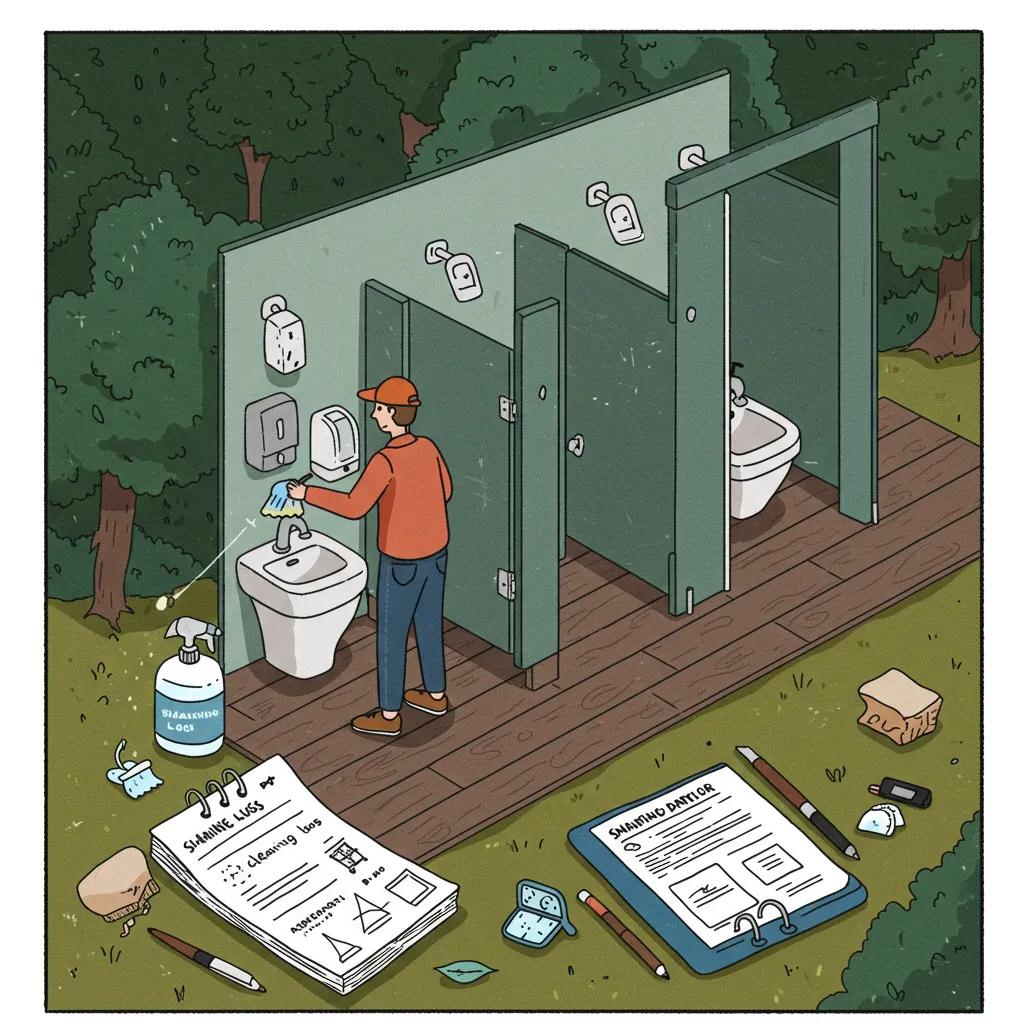
Enhanced cleaning and sanitation at Ohio campgrounds involve increased cleaning frequency, targeted disinfection of high-touch surfaces, and documented checklists to ensure consistent execution and accountability. These practices minimize environmental contamination and provide guests with confidence that restrooms, shower facilities, rental equipment, and common surfaces are managed proactively. Using approved disinfectants and ensuring staff are trained in correct application techniques guarantees that sanitization is effective. The combined benefit is a reduced risk of surface transmission and greater guest confidence when using shared amenities.
Campgrounds commonly post cleaning schedules and use visible logs to display recent cleaning activity, offering tangible proof for guests to see at restrooms and rental stations. This approach builds trust and helps visitors plan their use of facilities during less busy times. Next, we detail specific sanitation targets for facilities and rental gear, followed by an explanation of the staff training that supports these practices.
Intro to sanitation table: The following table outlines common areas and the cleaning protocols or frequency you can expect at well-managed campgrounds.
This table helps you understand what to look for and how routine sanitation compares across shared assets, empowering you to make informed decisions about using facilities.
What Sanitation Protocols Are Used for Restrooms and Shower Facilities?
Sanitation protocols for restrooms and shower facilities prioritize frequency, visibility, and readily available supplies to maintain hygiene throughout operating hours. Facilities are typically cleaned on a scheduled rotation, with additional touchpoint wipes performed between deep cleans. Managers post cleaning logs so guests can verify recent activity. Hand soap, paper towels or hand dryers, and hand sanitizer dispensers are kept consistently stocked as visible hygiene support. Some sites also manage simultaneous user numbers to prevent crowding. These measures collectively reduce surface contamination and lower transmission risk in enclosed spaces.
Guests who observe posted cleaning logs and stocked supplies can time their restroom visits for quieter periods, further minimizing exposure. Clear signage instructs guests on maximum occupancy and encourages hand hygiene to complement facility cleaning. Such transparency reinforces safe usage patterns and prepares visitors for the next steps in shared equipment sanitation.
How Are Common Areas and Rental Equipment Sanitized?
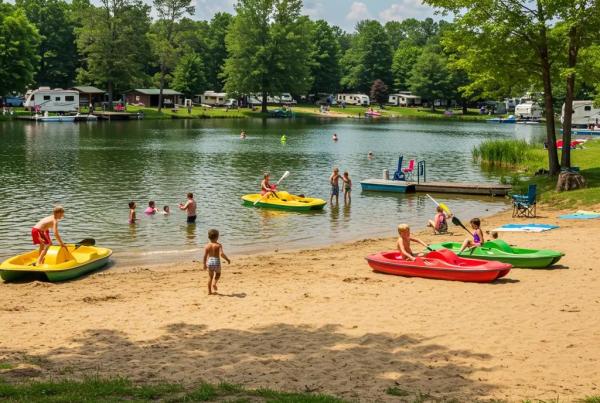
Sanitization of common areas and rental equipment relies on disinfection before and after use, staff oversight, and guest cooperation to minimize shared-surface risks. Rental items—such as paddleboats, canoes, and paddles—are disinfected after each use with EPA-approved products, and staff typically document this cleaning in a guest-visible log. Common seating areas, railings, and picnic spots receive scheduled cleanings, with increased focus during peak occupancy. Beach access points and playgrounds are also included in routine cleaning cycles. Guests are encouraged to wipe down high-touch surfaces before use when feasible and to practice hand hygiene after handling equipment.
This shared responsibility model—where staff sanitizes and guests maintain hygiene—creates a robust defense that is more effective than either step alone. Guests can expect clearly labeled, cleaned gear and staff presence during high-demand periods to manage turnover safely. These practices keep recreational amenities available while addressing surface-related concerns for families.
What Staff Training Supports Enhanced Hygiene Standards?
Staff training is crucial for upholding enhanced hygiene standards. It covers consistent cleaning techniques, correct PPE usage, symptom recognition, and effective communication with guests about safety policies. Onboarding typically includes instruction on disinfectant types, appropriate dwell times for surface disinfectants, and checklist completion standards to ensure every team member applies protocols uniformly. Regular refreshers and supervisory inspections validate compliance and update staff on any changes in state guidance or campground policy. Training also incorporates customer-facing communication strategies, enabling staff to calmly explain expectations and manage non-compliance constructively.
Documented training records and ongoing supervision ensure hygiene practices remain consistent over time, and visible staff competence builds guest trust. Training that emphasizes both technique and communication bridges the gap between policy and visitor behavior, preparing staff to handle evolving situations and keep facilities safe and operational.
What Social Distancing and Group Activity Policies Are Enforced at Ohio Campgrounds?
Social distancing and group activity policies at Ohio campgrounds are designed to adapt physical layouts, event scheduling, and reservation systems to reduce close contacts while ensuring continued access to recreational offerings. The underlying principle is simple: fewer close interactions mean a lower chance of respiratory transmission. Operational tactics like spaced campsites, staggered events, and capped registration put this principle into practice. These policies create safer opportunities for families to use amenities without encountering large crowds, allowing for a predictable return to outdoor recreation. Effective distancing measures are supported by signage and staff enforcement to make compliance straightforward.
Campgrounds often reconfigure seating arrangements, implement one-way traffic flow markers, and limit simultaneous use of indoor spaces to maintain manageable densities. Next, we’ll explore how campsites are arranged, how events are modified, and how capacity is controlled to ensure safe circulation.
The following checklist highlights common distancing strategies you’ll encounter:
- Spaced Campsites: Sites are adjusted to increase separation between RV and tent camping sites.
- Directional Signage: One-way paths are established in crowded areas to minimize close encounters.
- Staggered Event Times: Activities are scheduled in smaller groups to reduce peak crowding.
These practical steps make it easier for families to enjoy amenities safely and reduce uncertainty about what to expect on-site.
How Are Campsites and Common Areas Arranged for Social Distancing?
Campsites and common areas are arranged to enhance physical separation by increasing distances between sites, repositioning picnic tables, and reducing seating density in shared spaces. Typical measures include leaving buffer sites empty between groups whenever possible and arranging benches to face away from high-traffic lanes to discourage congregation. Managers also use visual markers and ropes to delineate pathways and seating zones, guiding guests to naturally maintain distance. These physical adjustments lower transmission risk while keeping outdoor experiences accessible.
Guests will notice these arrangements upon arrival and can select quieter areas of the park when booking RV and tent camping sites. Visible layout changes guide behavior and reduce the need for constant staff intervention, making distancing a more passive and comfortable experience for visitors.
What Modifications Are Made to Group Events and Recreational Activities?
Group events are modified by limiting capacity, requiring pre-registration, offering family-only sessions, and implementing staggered start times to control the number of simultaneous attendees. Organizers may opt for outdoor alternatives to indoor gatherings, move demonstrations to open-air spaces, or pause high-contact activities entirely when risk levels are elevated. For participatory recreational activities like paddleboat rentals, timed reservations and thorough cleaning between uses help maintain safety while preserving guest access. These event-level adjustments help organizers manage cohort sizes and contact durations effectively.
When activities are limited, campgrounds often provide alternative low-contact options to keep families engaged, such as self-guided nature trails or scheduled, small-group lake times. Clear instructions on how to sign up and arrive at specific times reduce confusion and help guests enjoy events without feeling crowded.
How Are Capacity Limits and Visitor Flow Managed?
Capacity limits and visitor flow are managed through reservation controls, timed entries, posted occupancy limits, and directional signage designed to reduce congestion at key points. Reservation systems enable camp managers to cap the number of active guests, collect contact information for tracing purposes, and schedule facility access windows to smooth out peak demand. On-site staff guide movement with clear signage and, when necessary, implement short-term access limits for busy amenities like beaches or rental docks. These combined measures regulate density and maintain safe circulation throughout the campground.
Guests utilizing reservation-based capacity systems can plan for quieter periods and avoid peak congestion by selecting off-peak arrival times. Predictable flow management minimizes unexpected crowding and helps everyone maintain safe distances while accessing shared areas.
How Do Flexible Booking and Cancellation Policies Provide Peace of Mind for Campers?
Flexible booking and cancellation policies reduce the financial and planning risks associated with last-minute illness or changing public health guidance, allowing guests to reschedule or cancel without significant penalties. These policies, which permit date changes, offer credits, or provide refundable options, lower the barrier to making a reservation during uncertain times. This practical flexibility supports public health goals by encouraging symptomatic individuals to stay home rather than traveling while unwell. Clear communication of policies at booking and check-in reassures families that making health-conscious decisions won’t come with undue financial cost.
This table clarifies how policy language translates into tangible benefits for campers and supports safe planning during the pandemic.
What Are Ridge Ranch Campground’s Reservation and Cancellation Options?
Ridge Ranch Campground by GatherGrounds provides reservation and modification options designed to accommodate changes due to health concerns while encouraging advance planning for RV and tent camping sites. Guests typically reserve specific site types and can modify bookings through the campground’s online reservation system. For health-related changes, staff offer guidance on available modification windows and credit options. The campground highlights these flexible choices during the booking process so visitors understand how to reschedule or request adjustments if exposure or illness impacts their travel plans.
Clearly presenting policy options during the reservation process reduces last-minute stress and aligns guest behavior with safety goals—when rescheduling is easy, individuals experiencing symptoms are far more likely to change their plans and protect the wider community. For the most current policy details, guests should consult Ridge Ranch’s reservation information before their trip.
How Do These Policies Support Safe and Stress-Free Planning?
Flexible policies promote safe planning by removing financial disincentives that might otherwise compel ill guests to travel. They also create straightforward pathways for families to adjust plans responsibly. Practical examples include moving a reservation to a nearby date without penalty or receiving a credit for future stays instead of an immediate refund; both approaches preserve customer value and reduce administrative friction during challenging times. These options empower guests to prioritize health without fearing disproportionate financial loss. By promoting clear, compassionate policy application, campgrounds encourage safe decision-making among visitors.
Best practices for guests include reviewing modification timelines at booking, documenting any communication with reservations staff, and choosing refundable or credit-friendly options if travel uncertainties exist. These steps make planning more resilient and align booking behavior with public health objectives.
What Guest Responsibilities for Maintaining Safety at Ohio Campgrounds?
Guest responsibilities are fundamental to maintaining safety. They include staying home when symptomatic, following posted hygiene guidance, wearing face coverings when required, and respecting physical distancing and staff instructions. The mechanism is cooperative risk reduction: campground measures protect the shared environment, but individual behavior ultimately determines actual exposure risk. By adhering to clear rules and utilizing provided sanitation resources, guests help sustain safe operations for everyone. Next, we outline when to reschedule, expected hygiene practices, and how guests can actively support distancing efforts.
- Stay home if you are experiencing symptoms or have had a known exposure.
- Bring your own personal hygiene supplies and utilize campground sanitation stations.
- Follow posted signage, event registration rules, and staff directions.
- Schedule your use of shared facilities during off-peak times whenever possible.
When Should Campers Stay Home or Reschedule?
Campers should stay home or reschedule if they exhibit COVID-19 symptoms, have received a positive test, or have had close contact with someone who tested positive within a recommended exposure window. The reason is straightforward: travel and group activities increase the potential for onward transmission. Postponing your trip helps protect community health and ensures the smooth operation of campground facilities. If symptoms arise before your arrival, please contact reservations to discuss modification options and follow the campground’s guidance for illness-related changes. Clear communication assists the campground in managing occupancy and supports contact tracing if necessary.
Proactive rescheduling protects vulnerable visitors and prevents disruptions that occur when symptomatic individuals arrive on-site. Guests who follow conservative health guidance contribute directly to safer stays for all.
What Personal Hygiene Practices Are Expected?
Personal hygiene expectations include frequent handwashing with soap and water, using hand sanitizer when handwashing is not available, and regularly wiping down personal high-touch items and shared surfaces after use. These practices are effective because they reduce the viral load on hands and surfaces, lowering risk during interactions with communal amenities. Guests are encouraged to pack small bottles of hand sanitizer, disinfectant wipes, and extra masks to supplement on-site resources and to incorporate a sanitizing routine into their daily camp habits. Consistent personal hygiene complements facility cleaning and reduces cumulative transmission risk.
Adopting these habits makes communal areas safer and demonstrates respect for fellow campers and staff, fostering a cooperative safety culture across the campground.
How Can Campers Support Social Distancing and Sanitation Efforts?
Campers can support distancing and sanitation efforts by respecting site spacing, staggering their use of amenities, following one-way signage, and cooperating with staff requests to limit numbers in enclosed areas. Practical on-site behaviors include scheduling restroom visits during quieter times, choosing family-only activity slots when available, and cleaning rental equipment before and after use when requested. These actions reduce simultaneous contacts and complement staff sanitation routines. Communicating any special needs or scheduling preferences with staff early on also helps managers coordinate safe access to facilities.
When guests actively participate in operational safety, campgrounds can maintain more amenities with fewer disruptions, enhancing the experience for everyone and preserving safe access amidst evolving public health conditions.
What Health and Wellness Resources Are Available for Campers at Ohio Campgrounds?
Health and wellness resources for campers include authoritative public health guidance, on-site first-aid support, and campground communication channels that provide timely updates on policies and local conditions. Knowing where to find current state guidance and what on-site support to expect helps campers prepare and make informed decisions about their travel and on-site behavior. Campgrounds often post links to state health pages and summarize local advisories in pre-arrival communications, allowing guests to check conditions before they leave home. This combination of external resources and on-site support aids safe trip planning and response.
Where Can Campers Find Updated COVID-19 and Health Guidelines?
Campers should consult primary authoritative sources such as the Ohio Department of Health and the Ohio Department of Natural Resources for updated COVID-19 guidance, including masking advisories and local case trends that may influence campground operations. These agencies publish recommendations that inform campground policies on masking, cleaning, and event modifications, making them the most reliable sources for evolving rules. Checking these resources before travel allows guests to anticipate policy shifts and pack or plan accordingly. Additionally, campers can verify campground updates posted by their selected property for on-the-ground operational implications of state guidance.
Using these authoritative pages in conjunction with campground communications provides the clearest, most timely picture for safe travel planning and on-site expectations.
What On-Site Health Services or Support Are Provided?
On-site health support at campgrounds typically includes basic first-aid supplies, staff trained to respond to minor injuries or illnesses, and established procedures for escalating to local medical services when necessary. It’s important to note that campgrounds are not substitutes for professional medical care. Staff can assist with transportation guidance, help locate nearby emergency services, and provide isolation recommendations if a guest becomes ill during their stay. Clear emergency procedures and signage help campers access support quickly when needed. Understanding the limitations of on-site care encourages guests to prepare with personal medical plans and supplies for extended stays.
Knowing what to expect regarding first-aid and escalation pathways helps campers balance self-sufficiency with reliance on staff assistance when health issues arise.
How Does Ridge Ranch Campground Ensure a Safe and Enjoyable Stay During the Pandemic?
Ridge Ranch Campground by GatherGrounds ensures a safe and enjoyable experience by integrating visible measures—such as sanitation stations, spaced RV and tent camping sites, and posted cleaning logs—with proactive communication and flexible booking options that ease planning stress. These combined practices allow families to enjoy the 17-acre lake, playgrounds, and recreational courts with reduced risk, as operational adjustments minimize contacts and support hygiene. Staff training and routine cleaning keep amenities available while maintaining a family-friendly atmosphere that prioritizes health. The result is a campground experience designed to balance safety with the outdoor recreation benefits guests seek.
What Are the Visible Safety Measures Campers Will Experience?
Upon arrival at Ridge Ranch, campers will notice visible safety measures such as posted cleaning logs at restroom entrances, hand-sanitizer stations at high-traffic areas, staff wearing PPE during check-in, and deliberately spaced RV and tent camping sites to reduce neighbor-to-neighbor contact. These indicators signal ongoing sanitation efforts and set expectations for guest behavior. Photographs and clear alt-text on property listings can reinforce these observations remotely, allowing guests to know what to expect before they arrive. Visible measures build confidence that the campground applies consistent, documented procedures to protect families during their stay.
Observing these practices in action helps guests quickly orient their behavior and choose quieter times for facility use, fostering a cooperative safety environment.
How Does Ridge Ranch Communicate Safety Updates to Guests?
Ridge Ranch communicates safety updates through its website, Google Business Profile, pre-arrival emails, and on-site signage, ensuring guests receive current information before and during their stay. Regular updates summarize policy changes, event modifications, and expectations for facility use, helping visitors adapt their plans as conditions evolve. Staff also provide check-in briefings that highlight important procedures and answer guest questions about sanitation, distancing, and reservation flexibility. Timely, multi-channel communication ensures that operational changes reach guests quickly and minimizes confusion upon arrival.
Encouraging guests to review pre-arrival notices and on-site signage reduces last-minute friction and supports adherence to safety practices throughout their visit.
How Can Campers Book Their Safe Getaway Online?
Campers can book RV and tent camping sites through Ridge Ranch Campground’s online reservation system. This system displays site options, availability, and the campground’s reservation and modification policies, allowing visitors to choose the level of flexibility that best suits their plans. The booking process typically involves selecting a site type, choosing dates, and reviewing safety policies and modification windows before confirming. Guests who anticipate potential changes are advised to select refundable or flexible options when available and to note any special needs in their reservation comments. Clear steps during booking reduce uncertainty and align guest expectations with on-site practices for a safe, enjoyable stay.
By combining informed booking with on-site safety measures, Ridge Ranch supports families seeking pandemic-era outdoor recreation without compromising on health-conscious precautions.
Infection Control Protocol Effectiveness for COVID-19 at Summer Camps
The testing and cohorting protocol successfully prevented the spread of COVID-19 among campers and staff. During the first summer session, there were zero positive cases of COVID-19 among 257 campers and 127 staff. During the second summer session, compliance with the protocol limited the spread of COVID-19 to just three individuals of 266 campers and 129 staff. Maintaining cohorts at arrival li
Evaluation of an infection control protocol to limit COVID-19 at residential summer camps in 2021, K Smith, 2021
The success of infection control protocols in controlled environments like summer camps highlights the importance of layered safety measures in reducing transmission.
COVID-19 Safety Protocols in Ontario Parks: Employee Experiences
The COVID-19 pandemic has created a wide range of public health challenges for park management and staff in Ontario. Green spaces have become a source of resilience during the spread of the virus, partly due to their proven positive impacts on social, mental and physical well-being. With the introduction of social distancing protocols, utilization of Personal Protective Equipment (PPE), and standardizing constant sanitation efforts, park employees are more responsible than ever for the daily implementation of rules governing park safety and security. At the same time, increased visitor numbers and continually changing government protocols that varied between regional jurisdictions have made the work of park employees more challenging. Employees must be the face of parks while dealing with communication discrepancies, overcrowded parks, staff shortages, inconsiderate visitor behaviors, as well as adjusting to COVID-19 protocols and PPE requirements, and protecting themselves.
Evaluating employees’ experiences in implementing COVID-19 Safety Protocols in Ontario parks, 2021
The experiences of park employees in Ontario underscore the complex operational challenges and the critical role of staff in implementing and enforcing safety protocols amidst evolving public health guidance and increased visitor engagement.
Frequently Asked Questions
What should I do if I feel unwell before my camping trip?
If you’re feeling unwell or showing any COVID-19 symptoms before your camping trip, please stay home and postpone your travel. Contact the campground to discuss your situation and explore rescheduling or cancellation options. Most campgrounds, including Ridge Ranch, offer flexible policies that allow for modifications without severe penalties, ensuring you can prioritize your health and the safety of others.
Are there any specific health resources available at Ohio campgrounds?
Ohio campgrounds typically provide basic health resources, such as first-aid kits and staff trained to assist with minor injuries or illnesses. Many campgrounds also share links to local health department guidelines and updates regarding COVID-19. This information helps campers stay informed about safety protocols and any changes that might affect their stay, contributing to a safer camping experience.
How can I ensure my family follows safety protocols while camping?
To ensure your family adheres to safety protocols while camping, communicate the importance of following guidelines like wearing masks in crowded areas, practicing social distancing, and maintaining personal hygiene. Encourage everyone to use hand sanitizer frequently and to respect posted signage. Planning activities during off-peak times can also help minimize exposure to larger groups, making your camping experience safer and more enjoyable.
What should I bring to support my family’s hygiene while camping?
When camping, it’s essential to pack personal hygiene supplies to support your family’s health. Bring hand sanitizer, disinfectant wipes, and extra masks to ensure everyone can maintain cleanliness. Consider packing personal items like soap, towels, and any necessary medications. Having these supplies readily available will help you adhere to hygiene protocols and contribute to a safer camping environment for your family and fellow campers.
How are group activities modified to ensure safety at campgrounds?
Group activities at campgrounds are modified to ensure safety by limiting participant numbers, requiring pre-registration, and staggering event times. Many campgrounds also move activities outdoors or offer family-only sessions to reduce close contact. These adjustments help maintain a safe environment while still providing opportunities for recreation and social interaction among campers, allowing families to enjoy their time together safely.
What are the consequences of not following safety protocols at campgrounds?
Failure to follow safety protocols at campgrounds can increase the risk of COVID-19 transmission, potentially leading to stricter rule enforcement or even removal from the campground. Campgrounds prioritize the health and safety of all guests, and non-compliance can disrupt the experience for others. It is crucial to adhere to guidelines to ensure a safe and enjoyable environment for everyone.
How can I stay updated on the latest health guidelines while camping?
To stay updated on the latest health guidelines while camping, regularly check the Ohio Department of Health and Ohio Department of Natural Resources websites for current information. Additionally, review any communications from your chosen campground, as they often provide updates on policies and safety measures. Staying informed will help you prepare for your trip and ensure compliance with any new regulations that may arise.
Conclusion
Camping in Ohio can be a safe and enjoyable experience when you follow the implemented COVID-19 safety measures. By understanding and adhering to protocols such as social distancing, enhanced cleaning, and flexible booking options, families can confidently enjoy the great outdoors. Ridge Ranch Campground exemplifies these practices, ensuring a perfect balance between safety and recreation. Plan your next camping trip today and experience the peace of mind that comes with informed choices.