Ohio’s Best Camping Seasons: What Campers Really Say

Camping in Ohio truly shines when you pick the right season, and camper reviews consistently highlight weather, activities, and how busy it gets as the main factors. This guide pulls together what real campers are saying so you can choose months that fit your vibe—whether you’re after lakeside fun, stunning fall colors, peaceful solitude, or wildlife spotting. You’ll get the inside scoop on the best months for weather, how each season stacks up, and smart tips for booking and packing, all based on what campers have shared. Many campers find it tricky to time their trips for peak colors, open amenities, or fewer crowds. This guide sorts that out with month-by-month breakdowns, easy-to-read tables, and season-specific checklists. We’ll cover the top times to camp based on reviews, why summer is fantastic for families, why fall often steals the show for leaf-peepers, what winter camping is really like, the perks of spring, the quiet joys of the off-season, and how to plan it all, even mentioning great spots like Ridge Ranch Campground. We’ve woven in keywords like “best time to camp Ohio reviews,” “Ohio camping seasons guide,” and “lakeside camping Ohio best months” to make sure you get practical advice you can use right away.

What’s the Top Time to Camp in Ohio, According to Campers?

When campers rave about the best time to visit Ohio, it boils down to three things: great weather, fun seasonal activities, and available campsites. Most reviews give high marks to late spring through early fall because the warmer temps mean more daylight for swimming, boating, and exploring. Late September and October also get top scores for their beautiful scenery and milder conditions. The practical takeaway for you is a clear season-by-season comparison that helps you match your preferences—water sports, fall colors, peace and quiet, or budget—with the months that campers have historically loved the most. Here’s a quick rundown of the seasons, typical weather, and how campers rate them, to help you decide when to go.

This seasonal snapshot helps you prioritize your months and expectations. Next, we’ll dive into which specific months offer the most pleasant camping weather.

Which Months Are Best for Weather When Camping in Ohio?

The sweet spots for camping weather in Ohio generally fall into three windows: late May to June, July to August, and September to October. Each has its own charm. Late May and June offer warming temperatures and less humidity, which campers appreciate for comfortable hiking and early dips in the water. July and August are the warmest, perfect for full-on lakeside fun, though expect more company. September and October bring cool, crisp days with stunning fall colors and fewer campers, making them ideal for scenery and hiking. Campers often mention that early spring (March-April) can be muddy and unpredictable, which isn’t ideal for tent camping but is great for spotting wildlife. Knowing these monthly patterns helps you pick the months that best suit your priorities and gear.

How Do Camper Experiences Change Throughout Ohio’s Camping Seasons?

Camper reviews consistently show distinct themes for each season. Summer reviews often focus on family-friendly amenities and water activities. Fall reviews highlight the stunning foliage and hiking opportunities. Spring reviews frequently mention wildlife and the changeable weather, while winter reviews tend to praise the solitude and fewer services. Families love summer for its organized activities and beaches, while leaf-peepers give autumn rave reviews for its trails and views. Spring campers often note muddy conditions and staggered opening of facilities, which can affect satisfaction. Winter visitors appreciate the quiet but need to be more self-sufficient. These patterns reveal how activities and facility availability shape the overall experience, guiding you to choose the season that matches what you’re looking for, whether that’s crowds or quiet.

What Are the Busiest and Quietest Camping Times in Ohio?

Ohio’s peak camping season typically runs from Memorial Day weekend through Labor Day, with July and August being the busiest months. The off-peak times are generally late fall through early spring, excluding holiday weekends. Campers report that during peak months, you’ll need to book well in advance and might encounter more noise and activity. Off-peak visits offer more privacy and lower prices, but with fewer amenities available. For booking, plan to reserve summer weekend spots 2–6 months ahead, and fall foliage weekends 1–3 months in advance. Off-peak bookings can often be made with less notice. Understanding these busy vs. quiet patterns helps you pick the timing that works best for you. Now, let’s look at how summer specifically enhances family camping.

Season / MonthsTypical Weather (by month)Camper Rating / Suitability
Late spring (May–June)Mild temps, chance of rainGreat for hiking, moderate crowds
Summer (July–August)Warm to hot, humidIdeal for water fun, peak crowds
Early fall (Sept–Oct)Cool days, crisp nights, peak foliageExcellent for scenery, fewer crowds
Late fall–winter (Nov–Feb)Cold, possible snow and freezingGood for prepared campers seeking solitude
Early spring (Mar–Apr)Cool, wet, muddyOkay for wildlife, amenities can be hit or miss

This table summarizes the months and camper-rated suitability, helping you match your goals to the right time. The next section dives deeper into summer camping for families.

How Does Summer Camping in Ohio Make Family Trips Better?

Summer camping in Ohio is fantastic for families thanks to the warm weather, easy access to water, and plenty of kid-friendly amenities that make for a fun-filled trip. Reviews often highlight how lakeside spots, beaches, and swimming areas provide endless entertainment for kids, while camp stores and playgrounds add convenience. The biggest plus is concentrated family fun with simple access to boating, fishing, and organized events, which means less planning stress and more happy campers. Here’s a table showing popular summer activities and the best season for them, followed by activity lists and packing tips.

What Activities and Amenities Do Summer Campers Love Most?

Summer campers usually go for swimming, boating, fishing, playground time, and on-site events. Reviews show that campgrounds with easy beach access and spaces designed for kids get the highest marks. Popular amenities that really boost a stay include sandy beaches, swimming decks, boat launches, playgrounds, and well-stocked camp stores – these cut down on travel time and keep everyone entertained right at the campsite. Safety features like life jackets, shaded areas, and supervised swimming zones are also frequently mentioned in reviews as key to a great family experience. These trends in activities can help you decide what to pack and where to book. Next, we’ll explore why lakeside spots are so popular in the summer.

Here are some common summer activities campers love:

  • Swimming: Warm water and beach access mean daily fun for the whole family and high satisfaction.
  • Boating and paddling: Calm lakes offer easy water adventures perfect for families.
  • Fishing: Simple access from the shore or a dock makes for a flexible activity for all ages.
ActivityBest SeasonFacilities / Tips
SwimmingSummer (July–Aug)Sandy beach, swimming deck, lifeguard or supervised areas
Boating / PaddlingSummer / Late springBoat launch, calm lakes, life jackets for kids
Playground & EventsSummerShade, scheduled family activities, camp store for supplies

This table connects activities with practical facilities and tips, helping families pick spots with the right setup. After looking at summer’s perks, let’s see why lakeside camping is a summer winner.

Why Is Summer the Perfect Time for Lakeside and Water Camping in Ohio?

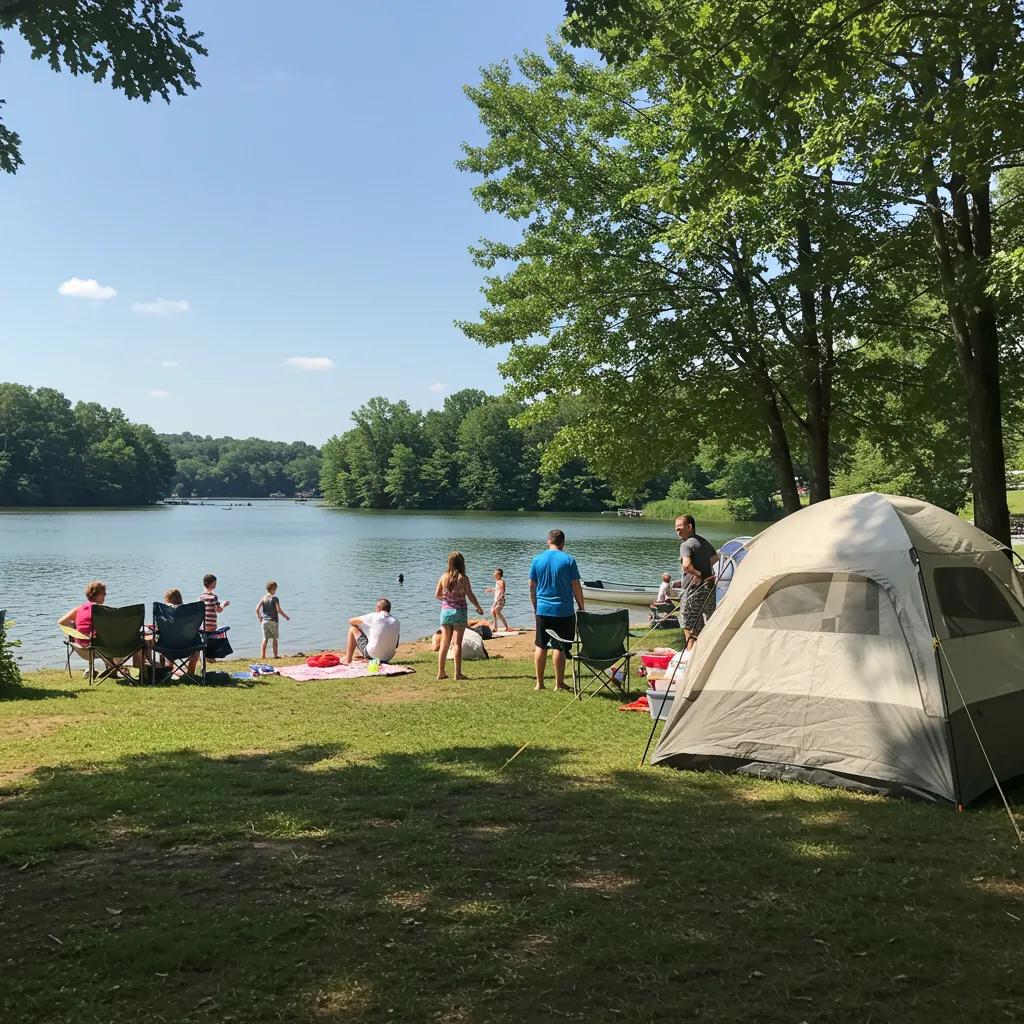
Summer is the ultimate season for lakeside camping because the warm weather and long daylight hours make the most of water features and encourage outdoor socializing. Campers consistently point to these conditions as major reasons for their satisfaction. Lakes offer a constant stream of activities—swimming, canoeing, and shoreline games—that keep families entertained without needing to travel far, creating a smooth daily rhythm. Enhanced safety and comfort features like sandy beaches and swimming decks make it easier for younger kids to join in. Plus, camp stores and nearby facilities simplify logistics. Seeing examples of great lakeside spots can help you picture your ideal trip, and the next paragraph highlights a specific Ohio gem that many campers mention for its family-friendly lakeside experience.

When families search for a lakeside campground example, Ridge Ranch Campground, part of the GatherGrounds Resorts family, often comes up in review summaries. It boasts a 17-acre lake with a sandy beach and swimming deck, offering RV sites and tent camping as part of its seasonal camping experiences. Planned upgrades, like a renovated swimming beach and new playgrounds, are set to make it even more appealing for families and offer more activity options.

How Do Families Rate Summer Camping at Ohio State Parks?

Families give high marks to summer camping at Ohio state parks when they combine safe water access, clean restrooms, and engaging family programs, according to camper feedback that links amenities to satisfaction. Positive reviews often praise clean beaches, lifeguards or supervised swim areas, and nearby trails suitable for all ages. Negative feedback frequently mentions overcrowding, noisy sites, or lack of shade. To make the most of a family summer trip, campers suggest booking popular summer weekends early, choosing sites with shade and close to restrooms, and packing plenty of sun protection and fun gear. These tips naturally lead into the distinct advantages of fall, which we’ll explore next.

What Makes Fall the Top Season for Camping in Ohio State Parks?

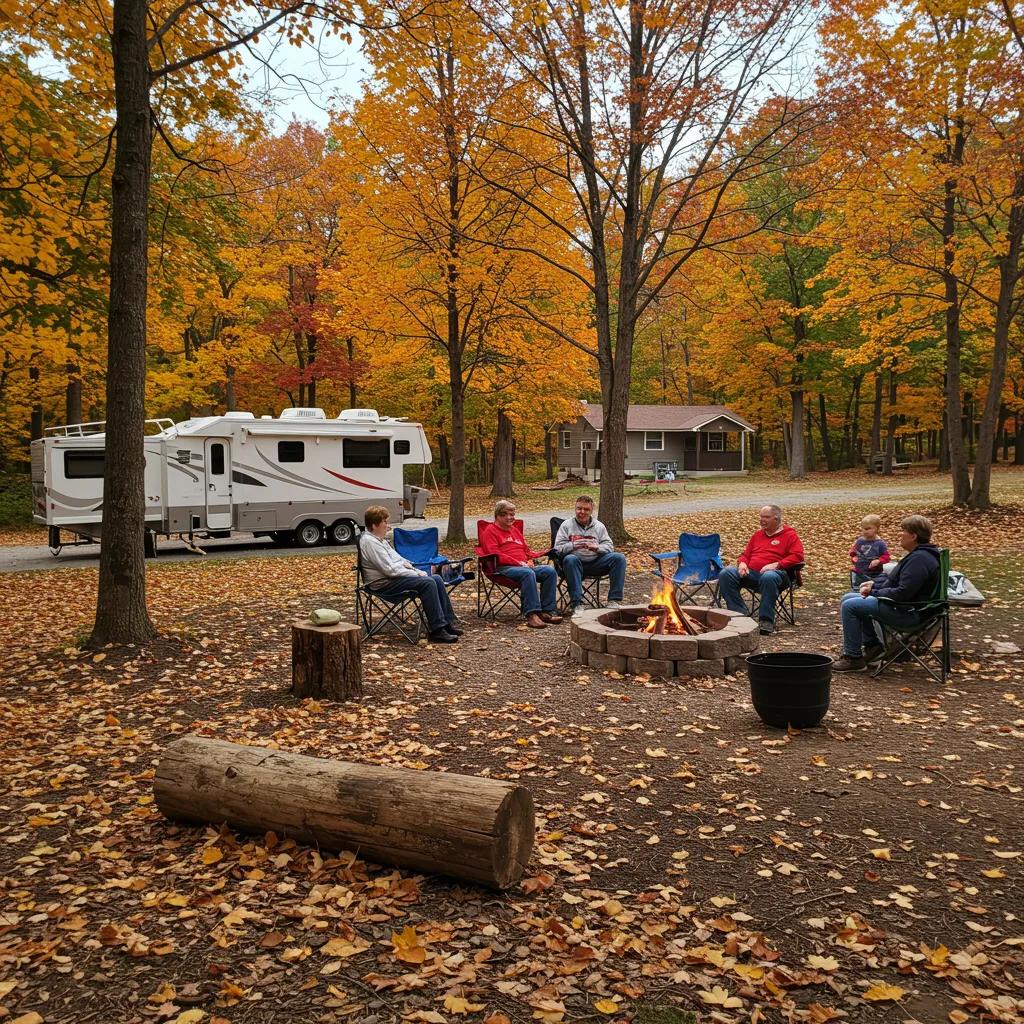
A cozy campsite in Ohio during autumn, surrounded by vibrant fall foliage and a crackling campfire

Fall often stands out as the prime season for camping in Ohio state parks because the cooler temperatures, reliable weather, and stunning foliage lead to high camper satisfaction, especially for hikers and photographers. The reduced humidity and warm days followed by crisp nights extend comfortable outdoor time, perfect for longer hikes and enjoyable campfire evenings. Campers love the visual feast of the changing leaves combined with fewer crowds than summer, offering a great sense of value. The following sections will cover how foliage timing affects your trip, the best fall activities and events, and how campgrounds gear up for autumn stays.

How Do Fall Colors and Weather Affect Camping Experiences?

Peak fall colors in Ohio usually hit from late September through mid-October, appearing a bit earlier in higher elevations and western areas. Campers often plan their trips around this window to catch the best foliage. Cooler daytime highs and chilly nights mean you’ll need layers, and campers appreciate sites with sheltered fire rings and wind protection. The striking visual contrast and pleasant temperatures of fall days make for fantastic photo opportunities and hiking, encouraging longer explorations. Knowing when the colors are expected to peak in different regions helps you time your visit for the most spectacular show.

What Are the Best Fall Camping Activities and Events in Ohio?

Camper reviews frequently mention leaf-peeping hikes, harvest festivals, scenic drives, guided nature walks, and family-friendly fall events as top activities. Areas like Hocking Hills and the Lake Erie region are often cited for their amazing views and nearby events, which pair perfectly with a camping trip. Campers suggest combining day hikes with evening campfire programs or local festival visits to get the most out of the fall season. Timing your stay with specific events can increase your chances of finding organized activities that campers rate highly for family engagement.

Here are the top fall activities campers often mention:

  • Leaf-peeping hikes: Trails offering stunning overlooks of the seasonal colors.
  • Harvest and autumn festivals: Local events that add a festive touch to your camping trip.
  • Guided ranger programs: Educational opportunities that receive frequent praise in reviews.

How Do Campgrounds Prepare for Fall Camping?

Campgrounds adjust for fall by changing amenity schedules, getting heating systems ready or winterizing them, and cutting back hours for seasonal services—changes that campers pay close attention to when planning. Many parks keep essential facilities like bathrooms, trails, and main roads open through fall, but services like lifeguards, boat rentals, or playground staffing might wind down after summer. Campers advise confirming facility hours and available services before booking to avoid surprises and appreciate campgrounds that clearly communicate these seasonal changes. Knowing these adjustments helps you set realistic expectations for fall amenities.

ActivityBest SeasonFacilities / Tips
Leaf-peeping hikesEarly fall (Sept–Oct)Trails, overlooks, ranger maps; arrive early for parking
Harvest festivalsMid-late fallCheck local event calendars and plan day trips
Ranger-led programsFallConsult campground schedules for guided walks and talks

This table links fall activities to practical facility considerations and suggests checking schedules before booking. The next section looks at whether winter camping is a viable option, based on camper feedback.

Can You Camp in Ohio During Winter? What Do Campers Say?

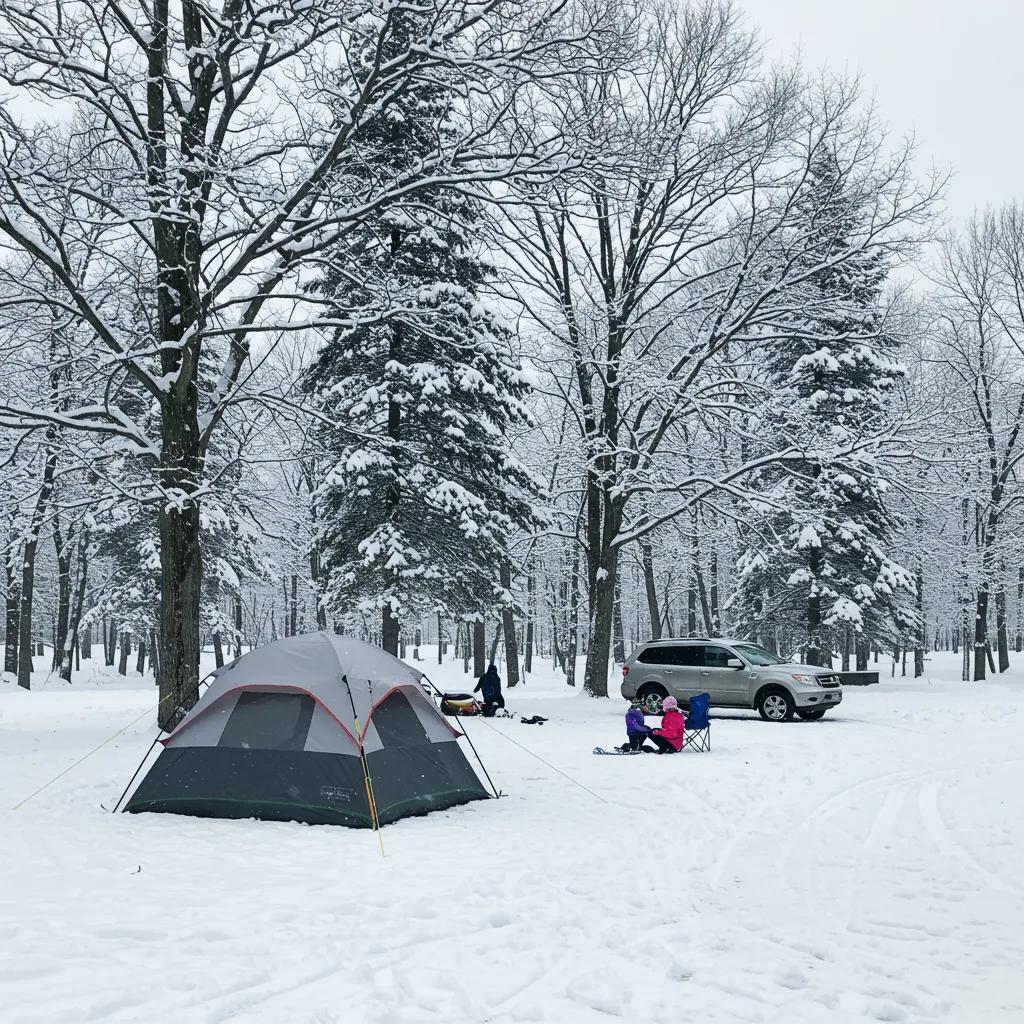
A snow-dusted campsite in Ohio during winter, featuring a tent and a family enjoying the crisp air

Yes, campers report that winter camping in Ohio is definitely doable if you’re prepared for the cold, limited services, and potentially icy conditions. Reviews that favor winter often highlight the solitude, stark beauty, and cost savings. On the flip side, critical feedback points to closed facilities, frozen water sources, and tricky access on unplowed roads. The key benefit for you is understanding the conditions and how to handle them—proper insulation, reliable heating in RVs or cabins, and careful vehicle preparation—which separates a great winter trip from a risky one. The following sections will cover the challenges and benefits, what makes a campground good for winter, and how winter experiences compare to other seasons.

What Are the Challenges and Benefits of Winter Camping in Ohio?

Winter camping offers solitude, lower fees, and unique winter landscapes as its main draws, according to campers. However, it also comes with challenges like extreme cold, ice, limited on-site services, and the need for specialized winter gear. Campers who enjoy winter emphasize the importance of thermal sleeping systems, insulated tents or heated RVs, and backup heat sources. Those with less positive experiences often lacked the right gear or encountered unexpected service closures. The reviews suggest winter camping is rewarding for self-sufficient individuals but less ideal for families seeking full amenities. Proper planning bridges the gap between the benefits and risks of winter camping.

Which Ohio Campgrounds Are Best Suited for Winter Camping?

Campers recommend choosing campgrounds that offer winterized facilities, reliable road access, and clear seasonal policies. Key criteria include maintained access roads, available heated restrooms or showers, and clear communication from staff about service availability. Ridge Ranch Campground’s options, like RV sites and tent camping, are typical choices that campers should verify for winter availability. Its broader “seasonal camping experiences” offering means you’ll need to confirm which specific services run in winter. Looking for sites that explicitly welcome winter campers increases your chances of a successful trip and helps you plan the right gear and booking timing.

How Do Winter Camping Experiences Differ From Other Seasons?

Winter experiences are mainly different in terms of available activities, crowd levels, and the overall atmosphere. Trails are quieter, water activities are usually off-limits or unsafe, and wildlife sightings shift to species active in the cold, according to camper comparisons. While summer is about social activities and lakeside fun, winter is about solitude, cross-country skiing or snowshoeing (if conditions allow), and quiet contemplation outdoors. Campers advise adjusting expectations—fewer amenities and more self-reliance—but note that the scenic rewards and lower costs often make winter trips worthwhile for those who are prepared. Understanding these differences helps you choose the season that best fits your desired trade-offs.

BenefitAttributeCamper Notes
SolitudeFewer campersCampers report quieter sites and better wildlife viewing opportunities
Cost savingsLower off-peak feesCampers mention lower nightly rates and midweek discounts
Scenic clarityCrisp air and lightPhotographers appreciate winter landscapes despite shorter days

This table compares off-season/winter benefits with their attributes and camper observations. Next, we’ll explore spring’s advantages as a lead-in to planning for the peak season.

How Does Spring Camping in Ohio Prepare You for the Season Ahead?

Spring camping in Ohio acts as a wonderful transition period, with increased wildlife activity and milder days making it a prime time for birdwatching and early explorations, as shared in camper stories. As temperatures rise, spring triggers migratory and breeding behaviors in wildlife, offering abundant nature observation opportunities that campers frequently highlight. For families and outdoor lovers, spring means fewer crowds and a chance to test out gear before the summer rush, though you’ll need to be ready for mud and variable amenity availability. The following sections will cover the top spring activities, how campground conditions change, and why spring is perfect for practice runs and learning.

What Are the Best Spring Activities and Wildlife Viewing Opportunities?

Campers often value spring activities like birdwatching, wildflower walks, early fishing seasons, and guided nature programs focused on migration and breeding. These activities are appealing because they involve fewer crowds and often happen during cool, pleasant daylight hours, which makes observation easier. Campers suggest bringing binoculars, field guides, and waterproof footwear for spring outings to maximize sightings and comfort. These nature-focused pursuits help families and beginners get ready for busier summer activities by building outdoor skills and observational habits.

How Do Weather and Campground Conditions Affect Spring Camping?

Spring’s unpredictable weather—frequent rain, thawing ground, and fluctuating temperatures—impacts campsite conditions by creating mud, affecting trail accessibility, and leading to staggered amenity openings. Campers often mention these factors when reviewing their spring stays. Campgrounds might hold off on opening boat or swim facilities until warmer weather arrives, and some services only resume on specific dates, so it’s crucial to check ahead. Campers recommend packing waterproof gear, sturdy footwear for slippery conditions, and keeping your schedule flexible to handle sudden weather changes. Being prepared for variable conditions ensures a productive spring trip and sets the stage for more ambitious summer adventures.

What Makes Spring Camping Ideal for Families and Outdoor Enthusiasts?

Spring is ideal because it offers a great combination of fewer crowds, educational nature experiences, and easier exploration for children on cooler days—features many campers praise for family trips. Families appreciate the reduced noise and more open trails for learning about natural history, while enthusiasts enjoy seeing new growth and active wildlife. Spring trips serve as low-pressure practice sessions for setting up tents, navigating, and managing gear with kids before the peak season hits. These advantages naturally lead into a discussion about the benefits and trade-offs of the off-season, which many campers consider when planning year-round.

Here’s a list of recommended spring packing items based on camper suggestions:

  • Waterproof footwear: Essential for muddy trails and campsites.
  • Lightweight layers: Perfect for adapting to changing daytime and nighttime temperatures.
  • Binoculars and field guide: Great for birding and spotting wildlife.

Packing smart for spring helps campers enjoy the season’s advantages and get ready for summer demands. Next, we’ll explore the broader benefits of off-season camping.

What Are the Benefits of Off-Season Camping in Ohio?

Off-season camping in Ohio offers a fantastic trifecta of privacy, cost savings, and unique scenic beauty, as many camper reviews attest, praising quieter trails and lower nightly rates. The reason for these perks is simple: less demand outside the peak times means more campsite choices and less competition for amenities, though the trade-off often includes fewer services and less programming. For you, off-season trips provide high-value experiences if you’re willing to prepare for potential closures and cooler weather. The following sections will break down camper feedback on privacy and cost, amenity availability, and essential preparation checklists.

How Do Off-Season Campers Rate Privacy and Cost Savings?

Campers who venture out in the off-season consistently give high marks for privacy and cost savings. They often mention fewer neighbors, better campsite selection, and frequently lower fees or midweek discounts in their reviews. Many campers describe peaceful mornings and undisturbed trails as key reasons they return during the off-season, and they point to direct savings on nightly rates and reduced spending on extras. However, the value is really tied to your personal comfort with limited services, and planning for reduced amenity access becomes crucial when prioritizing cost and privacy. These trade-offs help determine if off-season conditions align with your comfort level and gear readiness.

What Amenities and Services Are Available During Off-Season?

Amenity availability during the off-season varies quite a bit. Core facilities like roads and main restrooms might stay open, but seasonal services such as lifeguards, boat rentals, and some camp stores often have reduced hours or close completely—a pattern campers frequently note. Campgrounds may also post seasonal calendars showing which facilities remain operational, and campers appreciate clear communication from hosts about closures. Confirming service availability before you arrive and choosing sites with essential services still running reduces the chance of unmet expectations. The summary table below outlines common amenity availability patterns campers have observed.

AmenityTypical Off-Season StatusCamper Notes
Restrooms / Vault toiletsOften open year-roundCampers value well-maintained sanitation facilities
Camp store / ArcadeReduced hours or closedCheck ahead for supplies; campers warn of limited on-site purchases
Beaches / LifeguardsClosed outside summerSwimming is generally not advised in the off-season
Shower buildingsMay be winterizedCampers recommend confirming hot water availability

How Can Campers Prepare for Off-Season Weather and Conditions?

Smart off-season preparation involves insulating your sleeping setup, picking sheltered or low-exposure campsites, bringing backup heat sources, and packing for wind and rain—strategies that campers credit for comfortable off-peak stays. Tips for site selection include finding spots with natural windbreaks, easy road access, and proximity to any remaining open facilities. A checklist approach helps ensure you’re ready: review layered clothing options, thermal sleeping gear, extra fuel, and contingency communication plans. These preparations maximize the benefits of the off-season while minimizing the common risks campers describe.

Here’s an off-season preparation checklist based on camper recommendations:

  1. Thermal sleeping gear: Rated for temperatures below what you expect.
  2. Wind and rain protection: Tarps, sturdy tent stakes, and weatherproof clothing.
  3. Backup heat and fuel: For RVs or camp stoves when services are limited.

Prepared campers truly get the most out of the off-season. In the final section, we’ll cover how to plan your trips seasonally using review patterns and booking strategies.

How Can You Plan Your Ohio Camping Trip Based on Seasonal Camper Reviews?

Planning your Ohio camping trip using seasonal camper reviews means aligning your booking times, packing list, and campsite choices with the patterns campers have identified: book early for peak times, pack for variable weather in spring and fall, and choose winter-ready campgrounds if you’re after solitude. The strategy is straightforward: use aggregated camper feedback to anticipate amenity availability and crowd levels, leading to smoother trips with fewer surprises. The following sections will provide booking lead-time recommendations, explain how events influence your choices, and offer a clear reason for choosing Ridge Ranch Campground for your seasonal stays.

What Are the Best Tips for Reserving Campsites in Different Seasons?

Reservation tactics differ by season. For summer weekends, book 3–6 months in advance. For fall foliage weekends, aim for 2–4 months ahead. During off-peak months, you can often book with shorter notice, but keep an eye on cancellation policies. Campers suggest booking midweek stays for less noise and better site selection, and recommend setting up alerts or checking regularly for cancellations that might open up desirable spots. For families, choosing sites close to restrooms and beaches can make daily logistics much easier. These scheduling strategies increase your chances of getting your preferred site and reduce arrival stress.

  1. Book summer weekends 3–6 months ahead to snag prime lakeside and family-friendly spots.
  2. Reserve fall foliage weekends 2–4 months ahead to secure great trail access and overlooks.
  3. Keep an eye on cancellation windows and midweek availability for potential last-minute opportunities.

How Do Seasonal Events and Amenities Influence Camping Choices?

Seasonal festivals, ranger programs, and amenity schedules play a big role in campsite selection because they shape the daily activities that campers use to evaluate their trips. Timing your visit with local events can really enhance your trip, while going during non-event times might mean prioritizing solitude over structured activities. Campers advise checking campground event calendars and regional listings for places like Hocking Hills, the Lake Erie region, or state park programs to make sure your plans align with your interests. Factoring event timing into your reservations helps you avoid disappointment and choose sites that match the experiences you’re looking for.

Why Choose Ridge Ranch Campground for Seasonal Camping in Ohio?

Ridge Ranch Campground, managed by GatherGrounds Resorts, offers features that campers commonly praise for seasonal stays. It’s a spacious property with a 17-acre lake, a sandy beach, and a swimming deck, perfect for lakeside fun. Its range of seasonal camping experiences, including RV sites and tent camping, along with planned upgrades like a renovated swimming beach, new playgrounds, and improved store and arcade facilities, suggest future enhancements that campers expect to boost family visits. For campers seeking a lakeside, family-oriented option with evolving amenities and planned improvements, Ridge Ranch’s profile aligns well with many camper preferences for seasonal camping experiences.

Here’s a list of final planning steps based on our review synthesis:

  • Decide your priority: Do you want water recreation, fall foliage, solitude, or wildlife viewing?
  • Choose your months: Match your priority with the season summaries provided earlier.
  • Book wisely: Use the reservation lead-time tips to secure the right site.

These steps turn camper insights into a practical plan, helping you translate advice into successful trips.

Frequently Asked Questions

What should I pack for a camping trip in Ohio during different seasons?

When packing for a camping trip in Ohio, think about the season. For summer, bring light clothing, swimwear, and sun protection. In fall, pack layers for changing temperatures and hiking gear for leaf-peeping. For winter, make sure you have thermal sleeping bags, insulated clothing, and gear rated for cold weather. Spring calls for waterproof footwear and binoculars for wildlife watching. Always check the weather forecast before you go to fine-tune your packing list.

Are there specific campgrounds in Ohio that cater to families?

Yes, several campgrounds in Ohio are particularly family-friendly. Ridge Ranch Campground is often mentioned for its amenities, including a sandy beach, swimming deck, and organized activities for kids. Other family-oriented campgrounds might offer playgrounds, fishing spots, and educational programs. When choosing a campground, look for places that provide safe water access and family-focused facilities to make your camping trip even better.

How can I find out about local events during my camping trip?

To discover local events during your Ohio camping trip, check campground websites and local tourism boards for event calendars. Many state parks and nearby towns host seasonal festivals, guided nature programs, and community events that can add a lot to your camping experience. You can also find updates on local happenings through social media and community boards, ensuring you don’t miss out on unique activities.

What are the best practices for winter camping in Ohio?

Winter camping in Ohio requires careful preparation. Ensure you have a well-insulated tent or RV, thermal sleeping bags, and backup heating options. Choose campgrounds with winterized facilities and well-maintained access roads. Campers suggest packing extra fuel, waterproof gear, and food supplies, as services can be limited. Always check weather conditions and campground policies before you leave to ensure a safe and enjoyable winter camping experience.

How do I ensure a successful camping trip during the off-season?

To make your off-season camping trip a success, plan ahead by confirming campground availability and service hours, as many amenities might be scaled back. Pack for cooler weather, including thermal gear and wind protection. Arrive early to snag a good campsite, as fewer campers mean more choices. Lastly, be prepared for fewer activities and consider bringing your own entertainment, like games or books, to enhance your stay.

What wildlife can I expect to see while camping in Ohio?

Ohio’s diverse natural environments offer chances to see various wildlife while camping. In spring, look for migratory birds and mammals waking up from hibernation. Summer brings sightings of deer, raccoons, and many bird species. Fall is a great time to observe animals getting ready for winter, while winter camping might reveal tracks in the snow from animals like foxes. Always keep a safe distance and respect wildlife habitats during your encounters.

How can I make the most of my camping experience in Ohio?

To get the most out of your Ohio camping experience, plan your trip around seasonal highlights, like fall foliage or summer activities. Participate in local events and guided programs to deepen your connection with the area. Pack appropriately for the season and stay flexible with your itinerary to adapt to weather changes. Finally, take time to explore nearby attractions and natural wonders to enrich your overall adventure.

Conclusion

Knowing the best seasons to camp in Ohio empowers you to make smart choices that elevate your outdoor adventures. By using camper reviews, you can align your trips with ideal weather, activities, and crowd levels, ensuring memorable experiences. Whether you’re dreaming of vibrant fall colors or sunny summer days by the lake, the insights here will guide your planning. Start exploring your perfect Ohio camping season today and make the most of the state’s natural beauty!