Explore Pet-Friendly Campgrounds With Dog Parks in Michigan for Your Next Outdoor Adventure

Discovering Michigan campgrounds with dedicated dog parks means picking spots where your pets can roam leash-free, mingle safely, and your family can truly unwind without the constant worry of leash management. This guide dives into what makes Michigan’s pet-friendly campgrounds perfect for dog owners, the must-have features for dog parks, and the range of pet-welcoming accommodations, from RV sites to cozy cabins. We know many pet parents struggle with vague rules, inconsistent amenities, or cabins that just aren’t built for dogs; this article cuts through that confusion with clear checklists, easy comparisons, and smart planning tips. You’ll get practical advice on dog park etiquette, essential packing lists for tent camping with your dog in Michigan, and how to scout out campgrounds near scenic spots like the rivers and trails around Durand. We’ve broken it down into five key areas: the perks of pet-friendly campgrounds, essential dog run features, accommodation options that welcome pets, trip planning and packing essentials, and where to find the top dog-friendly campgrounds in Michigan.

What Makes Dog-Friendly Campgrounds in Michigan Ideal for Pet Owners?

Michigan’s dog-friendly campgrounds blend secure off-leash zones, convenient facilities, and easy access to nature to create relaxed getaways for both pets and their people. A thoughtfully designed dog park minimizes leash conflicts by offering fenced areas and supervised play, which naturally leads to better exercise and socialization for your dogs. The outcome? A more peaceful camping experience for everyone, as your pets get structured activity and you gain more time to enjoy the other campground offerings. Understanding these benefits is key to selecting sites that perfectly balance your pet’s freedom with safety and convenience for all.

Dog parks provide that crucial off-leash playtime that’s vital for your dog’s physical health and social development. This structured activity often results in calmer behavior back at the campsite, making the stay more enjoyable for everyone and setting the stage for our next topic: what specific physical and support features make a dog run truly effective.

Dog parks offer three main advantages for pet owners:

  • Safe off-leash exercise: Secure fencing and double-gate entry systems mean your dogs can run freely with a much lower risk of escape.
  • Convenient pet care: On-site water stations and readily available waste disposal make managing your pet’s needs a breeze.
  • Social opportunities: Supervised play areas, sometimes separated by size, encourage healthy and positive interactions between dogs.

These advantages are precisely why off-leash dog areas often become the deciding factor for families searching for the perfect pet-friendly campgrounds in Michigan.

What Are the Key Features of Michigan Campgrounds With Dog Runs?

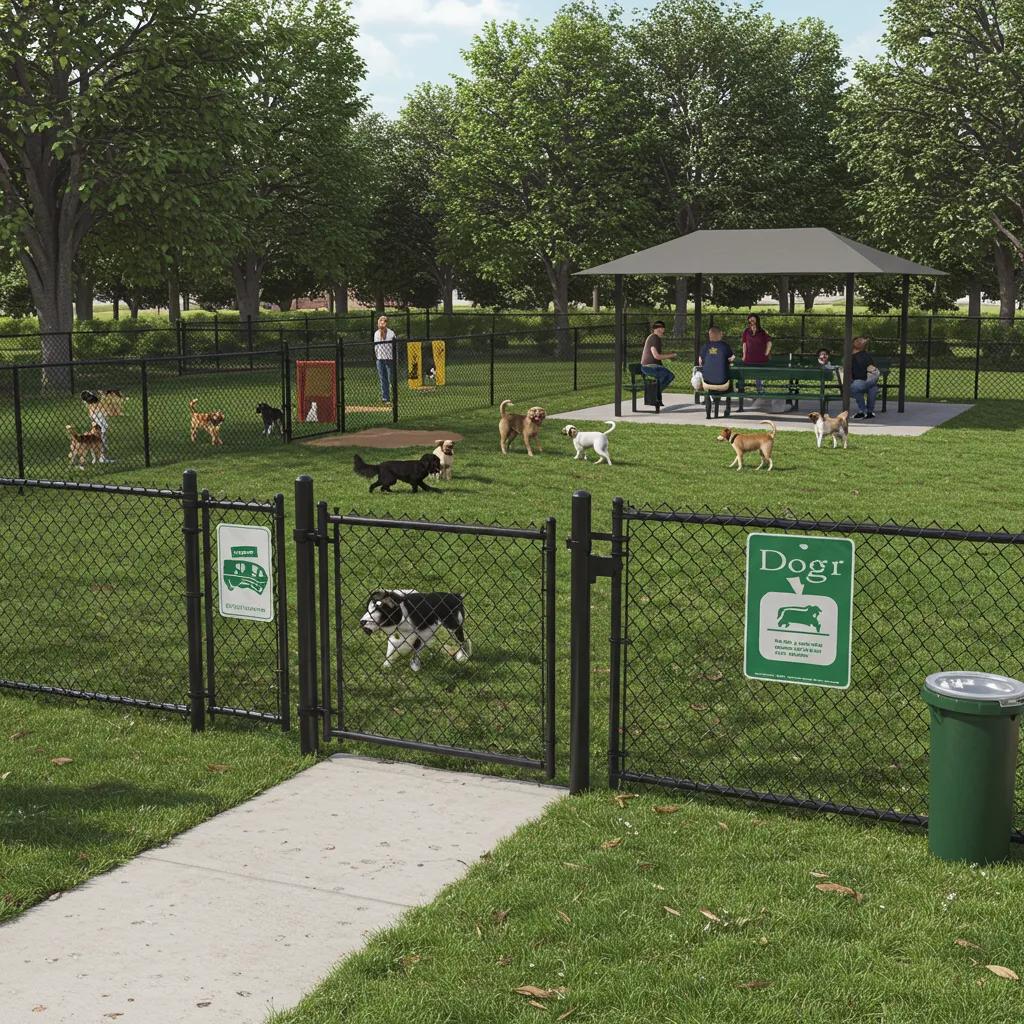
Key features of a dog park at a Michigan campground, including fencing and water access

Effective dog runs are defined by features like robust fencing, ample space for running, accessible potable water, and well-maintained waste management systems, all working together to keep the area clean and secure. These elements are crucial: fencing keeps pets contained, water stations ensure they stay hydrated during play, and disposal stations help prevent the spread of disease. When a campground integrates these features thoughtfully, the dog run becomes a valuable amenity rather than an afterthought, significantly enhancing both pet well-being and site cleanliness.

Before you dive into the comparison table below, here’s a quick rundown of the essential dog park amenities you should expect at well-equipped campgrounds.

  • Fenced perimeter with safe height: This is non-negotiable for preventing escapes and managing interactions.
  • Double-gated entry: Creates a secure buffer zone for safely entering and exiting the off-leash area.
  • Water stations and shade: Essential for keeping your dogs hydrated and comfortable, especially during warmer weather.
  • Waste bag dispensers and disposals: Crucial for promoting cleanliness and minimizing health risks.

These amenities form the baseline for evaluating off-leash areas and lead directly into a straightforward comparison of typical expectations versus features you might find at a local example.

Here’s a quick look at common dog park features, what owners typically look for, and the value each brings. This table helps you quickly scan features and identify what matters most when evaluating campgrounds.

Dog Park FeatureExpected CharacteristicValue / Presence
FencingSecure perimeter with double-gatePresent at well-managed parks
Water accessDog fountains or refill stationsEssential for hot-weather use
Waste managementBag dispensers and trash binsStandard expectation
Size & separationLarge area, sometimes small/large zonesPreferred for varied dog needs

This comparison helps you quickly assess features and formulate questions to ask a campground before you book. The next section will cover how rules contribute to safety and why they’re so important for group camping.

What Amenities Should You Expect in a Large Dog Park?

A spacious dog park typically includes convenient potable water stations, durable surfacing materials, comfortable shaded seating for owners, and clearly posted rules to guide behavior. These amenities work in harmony: water stations keep dogs hydrated, benches allow for relaxed supervision, and surface choices (like grass or woodchips) impact paw comfort and drainage. You should also look for double-gated entries and signage indicating whether areas are separated by dog size or activity level to minimize mismatches. Knowing these amenities helps you prioritize campgrounds that offer reliable pet care and comfort.

These specific amenities often reflect a campground’s operational standards and tie directly into the governance we’ll discuss next: how rules ensure safety and enjoyment for everyone.

How Do Dog Park Rules Ensure Safety and Fun for All Visitors?

Clear dog park rules—like requiring supervision, mandating vaccinations, and enforcing cleanup—establish predictable conditions that significantly reduce conflicts and health risks. Supervision ensures owners are in control of their dogs’ interactions, vaccination requirements help prevent disease transmission, and cleanup policies keep the area usable and pleasant for all guests. Enforcement, whether through staff reminders or posted penalties, encourages compliance and helps maintain quieter campground hours. When clear rules are paired with visible, well-maintained amenities, the result is a safer, more enjoyable environment for dogs, their owners, and neighboring campers.

Understanding these rules prepares you to choose a campground that strikes the right balance between freedom and responsibility, leading us naturally into the types of accommodations that commonly welcome pets.

Which Pet-Friendly Accommodations Are Available at Michigan Campgrounds?

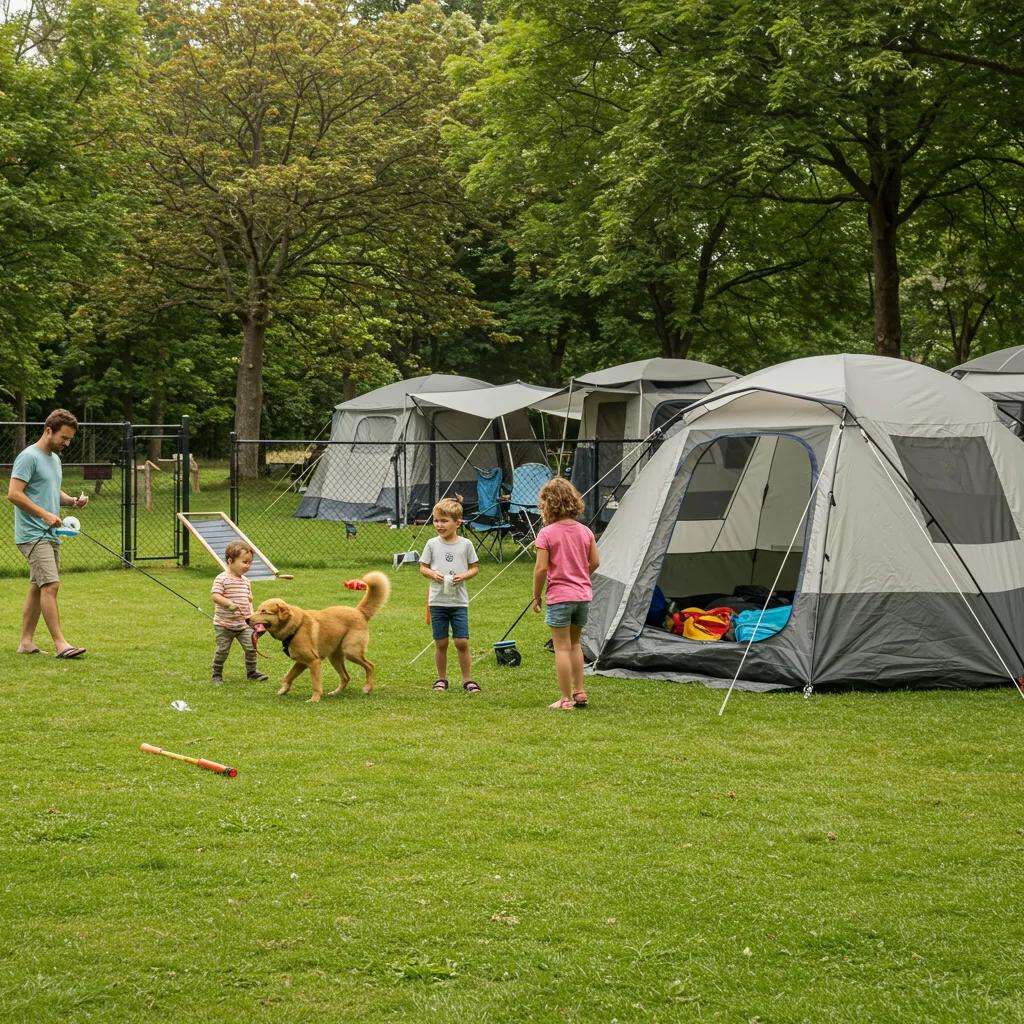
Pet-friendly cabin accommodations at a Michigan campground, designed for dogs

Pet-friendly accommodations in Michigan range from basic tent sites and RV sites that welcome dogs to specially designed pet-friendly cabins featuring durable surfaces and easy outdoor access. Each type caters to different travel styles: tent camping with pets offers an immersive nature experience, RV camping with dogs provides the comforts of home on the road, and pet-friendly cabins can offer a contained, secure space for older or more anxious dogs. The best accommodation choice will depend on your pet’s mobility, noise tolerance, and your household’s specific rules, ensuring a smooth and enjoyable stay for everyone.

Here’s a quick comparison of typical accommodation types, highlighting the attributes pet owners most frequently check before booking.

Accommodation TypePets Allowed / Typical LimitsOn-site Pet Amenities
Tent SiteYes / variable per site rulesProximity to dog park, shade
RV SiteYes / often with hookupsClose parking, easy access to runs
CabinYes / possible pet fee or restrictionsDurable flooring, outdoor access

This table helps clarify which site type best aligns with your trip priorities and sets the stage for practical tips on selecting individual sites and cabins.

What Are the Options for RV and Tent Sites That Welcome Dogs?

RV and tent sites that welcome dogs typically prioritize proximity to dog runs, level ground for tents, shaded areas, and clear guidelines on the number or size of pets allowed per site. Choosing a site near a dog park significantly reduces walking time and helps keep your dogs active without lengthy treks across the campground. It’s wise to confirm surface types, nearby amenities, and whether campsites permit multiple dogs to plan effectively. Your site selection directly influences your daily routines, making it a crucial planning decision for pet-friendly camping.

Selecting the right site type naturally leads into examining cabin accommodations for pets.

How Do Pet-Friendly Cabins Accommodate Canine Companions?

Pet-friendly cabins often feature durable flooring, designated outdoor exits, and clear cleaning policies designed to protect both the cabin and future guests. These cabins might have restrictions on furniture access, require a pet deposit, or limit the number of pets to maintain hygiene and minimize wear and tear. Owners should come prepared with portable bedding and crate options to respect cabin rules and ease the transition for dogs who may be unfamiliar with indoor spaces. Thoughtful cabin policies help ensure comfortable stays while minimizing potential conflicts with other visitors.

How Can You Plan a Perfect Pet-Friendly Camping Trip in Michigan?

Planning a successful pet-friendly camping trip in Michigan involves understanding campground pet policies, packing all the necessary supplies, and booking sites conveniently located near amenities like dog parks and trails. Clear policies—covering leashes, vaccinations, and quiet hours—help avoid surprises, while a well-organized packing plan ensures your canine companions are safe and comfortable. Booking a spot near water access or shaded dog runs simplifies daily logistics and supports plenty of active outdoor time. These planning steps translate into smoother travel, happier pets, and more enjoyable family adventures.

Before we get to the packing table, here’s a concise checklist outlining the key planning steps to get you ready for a pet-friendly trip.

  1. Confirm pet policies: Always check leash rules, vaccination requirements, and any associated pet fees.
  2. Book near amenities: Reserve sites that are close to dog parks and trails for maximum convenience.
  3. Prepare paperwork: Have vaccination records and ID tags ready for a smooth check-in process.

These planning steps pave the way for the practical packing guide presented in the table below.

Packing ItemWhy It’s NeededTip / Example
Food & bowlsMaintains routine and nutritionPack measured portions and a spill-proof bowl
First-aid kitTreats minor injuries in the fieldInclude tick removal tools and bandages
ContainmentEnsures safety at the campsiteBring leash, harness, and a crate or tie-out

This packing table helps owners prioritize items that directly impact pet health and campsite harmony, bridging the gap between planning and selecting local campgrounds.

What Are the Essential Pet Policies and Guidelines to Know?

Essential pet policies include clear leash rules outside of designated dog parks, proof of up-to-date vaccinations, adherence to quiet hours, and mandatory waste cleanup to protect public health and ensure campground enjoyment for everyone. Leash rules are crucial for controlling interactions in shared spaces, while vaccination and licensing requirements help minimize disease transmission among animals. Quiet hours are important for maintaining neighborly relations and often govern pet behavior in the evenings, and strict cleanup policies prevent the fouling of shared facilities. Familiarizing yourself with these rules helps you avoid penalties and ensures a respectful experience for all campers.

Keeping these policies in mind makes packing and site selection more effective, which ties directly into the next checklist for what to bring.

What Should You Pack for Camping With Your Dog?

A comprehensive packing checklist covers the essentials: food and water, first-aid supplies, containment tools, comfortable bedding, and cleanup supplies to keep pets happy and campsites tidy. Each item serves a specific purpose: food sustains energy levels, first-aid kits address potential injuries, and containment prevents escapes. Packing durable bedding and engaging toys can help ease stress for dogs in unfamiliar surroundings, and having plenty of waste bags makes complying with cleanup rules straightforward. This checklist helps minimize on-site friction, allowing owners to focus more on recreation.

Where Can You Find the Best Dog-Friendly Campgrounds in Michigan?

To find the best dog-friendly campgrounds in Michigan, prioritize those with dedicated dog parks, proximity to trails, transparent pet policies, and amenities that cater to both families and pets. Utilize directories and local guides to filter for off-leash areas, then confirm specifics like fencing, water availability, and waste stations. Evaluating campgrounds based on these attributes significantly increases your chances of selecting a site that perfectly meets both your pet’s and your family’s needs. For travelers seeking a concrete example of a family-focused, pet-accommodating destination, consider local options that combine dog parks with excellent family amenities.

How Does Walnut Hills Family Campground Stand Out With Its Dog Park?

Walnut Hills Family Campground in Durand, Michigan, is a prime example of a campground that excels by offering a large, dedicated dog park alongside family-friendly amenities and modern facilities. This site pairs a spacious off-leash area with convenient features like water access and waste stations, aligning perfectly with expectations for a high-quality dog run. Walnut Hills also provides the kind of pet-friendly camping experiences many families seek—offering RV sites, tent sites, and cabins that welcome dogs—making it a practical benchmark when comparing campgrounds. If a large dog park and abundant family activities are high on your list for your Michigan camping trip, Walnut Hills perfectly illustrates that combination.

This local example demonstrates how a campground can successfully integrate pet amenities with family recreation and also highlights nearby trail options for active days.

What Nearby Dog-Friendly Trails and Attractions Can You Explore?

From your campground base, you can explore regional dog-friendly trails, scenic river float opportunities, and nearby family attractions that welcome pets, provided they are leashed and adhere to seasonal restrictions. Trails situated near rivers offer picturesque walks and comfortable exercise for dogs, while local recreation areas often permit leashed dogs on marked paths. Always check campground notices and local signage for seasonal rules and operating hours, and plan your outings during the cooler parts of the day to protect your pet’s paws and overall well-being. Mapping out a few short hikes or river-access points can significantly enhance the value of your pet-friendly campsite.

Walnut Hills and similar Michigan campgrounds offer convenient access to these types of trails and water-based recreation, perfectly complementing the time spent enjoying their dog parks.

For a truly family-friendly, pet-accommodating stay, consider booking your next pet-friendly camping experience at a campground that features a large, dedicated dog park, clear pet policies, and ample family amenities—these factors simplify planning and significantly enhance the enjoyment for both dogs and people alike.

Frequently Asked Questions

What should I consider when choosing a dog-friendly campground in Michigan?

When selecting a dog-friendly campground in Michigan, consider factors such as the presence of secure dog parks, proximity to trails, and the campground’s pet policies. Look for amenities like fenced areas, water stations, and waste disposal facilities. Additionally, check the rules regarding leash requirements, vaccination policies, and any potential pet fees. Evaluating these aspects ensures a safe and enjoyable experience for both you and your pet during your camping trip.

Are there specific dog breeds that are better suited for camping?

While most dogs can enjoy camping, certain breeds may adapt better to outdoor adventures. Active breeds like Labrador Retrievers, Border Collies, and Australian Shepherds thrive in environments where they can run and explore. Smaller or less active breeds may require more supervision and comfort considerations. Regardless of breed, ensure your dog is well-socialized, comfortable with new environments, and has the stamina for outdoor activities to enhance the camping experience.

How can I ensure my dog is safe while camping?

To keep your dog safe while camping, always supervise them, especially in off-leash areas. Ensure they are up-to-date on vaccinations and flea/tick prevention. Bring a first-aid kit tailored for pets, and pack familiar items like their bed or toys to reduce anxiety. Additionally, keep your dog hydrated and avoid leaving them in hot vehicles. Familiarize yourself with the campground layout and any potential hazards, such as wildlife or water bodies, to ensure a secure environment.

What are the best practices for cleaning up after my dog at campgrounds?

Cleaning up after your dog is essential for maintaining campground hygiene and respecting fellow campers. Always carry waste bags and dispose of them in designated trash bins. If your dog has an accident outside of designated areas, clean it up immediately to prevent health risks and maintain a pleasant environment. Familiarize yourself with the campground’s specific cleanup policies, and consider bringing extra bags in case of unexpected messes to ensure compliance and courtesy.

Can I leave my dog unattended at the campground?

Leaving your dog unattended at a campground is generally not recommended. Dogs can become anxious or stressed in unfamiliar environments, leading to barking or destructive behavior. If you need to leave your dog for a short period, ensure they are in a secure area, such as a crate or a pet-friendly cabin. Always check the campground’s policies regarding unattended pets, as some may have specific rules to ensure the safety and comfort of all guests.

What should I do if my dog gets lost while camping?

If your dog gets lost while camping, remain calm and start searching the immediate area. Call their name and use familiar commands to encourage them to return. Inform campground staff and fellow campers about your lost dog, as they can help keep an eye out. It’s also helpful to have your dog microchipped and wear a collar with an ID tag that includes your contact information. Consider bringing a favorite toy or treat to lure them back if they are hesitant.

Are there any seasonal considerations for camping with dogs in Michigan?

Yes, seasonal considerations are important when camping with dogs in Michigan. In warmer months, ensure your dog stays hydrated and avoid hiking during peak heat to protect their paws. In colder months, be mindful of frostbite and provide appropriate gear, such as dog jackets or booties. Additionally, check for seasonal campground rules, as some areas may have restrictions on pet access during certain times of the year, especially during wildlife breeding seasons or hunting seasons.

Conclusion

Choosing a pet-friendly campground in Michigan with dedicated dog parks enhances your outdoor experience by providing safe spaces for your furry friends to play and socialize. With clear pet policies, essential amenities, and nearby trails, these campgrounds ensure a stress-free adventure for both pets and their owners. By planning ahead and selecting the right accommodations, you can create lasting memories with your family and pets. Start exploring our recommended campgrounds today to find the perfect spot for your next adventure!