

How Rifle River Flow Levels Shape Your Kayak and Family Float
Checking Rifle River flow before you launch keeps your trip safer and more fun. Flow determines which stretches suit kids, which need more skill, and when it’s best to go. Below we explain how to check flows, what common levels mean for safety and route choice, and how Walnut Hills Family Campground can simplify a river day.
Current Rifle River Flow: What to Watch For
River flow varies with weather, season, and recent rain. A quick pre-trip check is one of the easiest ways to avoid surprises on the water.
How to Check Real-Time River Flow Before You Paddle
Before you head out, use one or more of these checks to confirm conditions:
- River-condition websites: Trusted sites list live flow numbers and basic safety guidance for local rivers.
- Mobile apps: Apps provide live updates and alerts so you can check flows from your phone before leaving.
- Local weather and river stations: Nearby stations report recent rainfall and river readings—use them when planning your route.
Newer tools — like small IoT sensors — are improving the speed and accuracy of river monitoring, helping paddlers get timely data.
IoT River Flow Monitoring for Kayaking Safety
River flow measurements were also gathered using downstream GPS drifters to validate the system in faster-moving channels.
RiverCore: IoT device for river water level monitoring over cellular communications, 2019
Which Flow Levels Are Safe for Families and Beginner Kayakers?
Use these general brackets to match a stretch to your group’s experience:
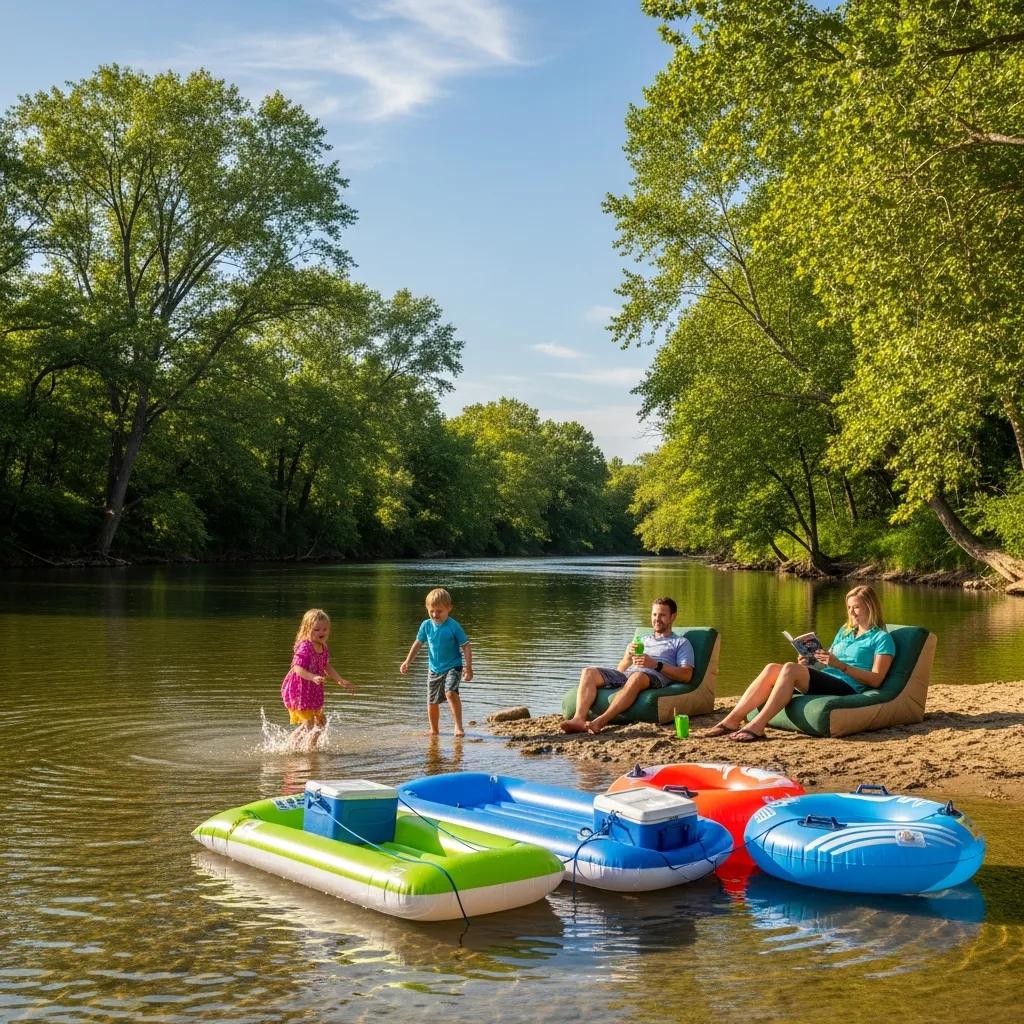
- Low Flow (0–300 CFS): Gentle current — ideal for family floats and beginners.
- Moderate Flow (300–600 CFS): Faster, suitable for paddlers with some experience; supervise children closely.
- High Flow (600+ CFS): Strong, swift water — avoid with inexperienced paddlers or children.
How Flow Level Changes Affect Safety on the Rifle River
Higher flows strengthen currents and shorten reaction time. Stretches that are easy at low water can become hazardous in higher flows, especially around bends, rocks, and fallen trees.
Also remember: moving water can boost confidence; stay realistic about skills and conditions.
Kayaking Risk Perception and River Flow Safety
The feeling of being “in flow” can reduce a kayaker’s perception of risk. Kayaking provides a useful context for studying how flow influences risk assessment because the sport requires careful reading of environmental conditions.
Flow impairs risk perception in kayakers, J Schüler, 2011
Safety Steps to Take Based on River Currents
Plan ahead and follow these essentials:
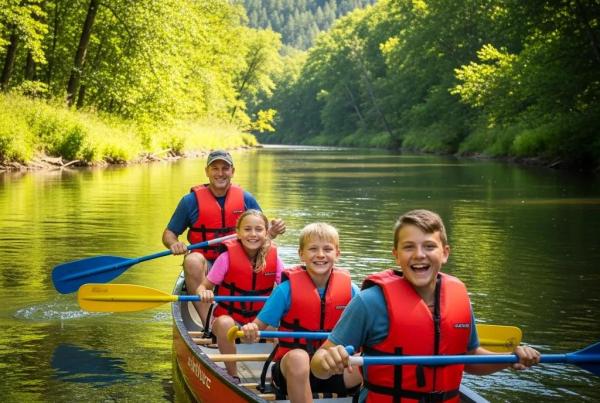
- Wear a life jacket: Everyone should use a properly fitted PFD.
- Check forecasts: Weather and flows can change quickly—confirm conditions before you launch.
- Go with others: Paddling with a group adds safety and helps handle surprises.
How Current Changes Your Paddling Experience
Flow influences effort, risk, and fun. Stronger currents require more skill and stamina, can hide hazards, and may push you toward obstacles. Match the stretch and timing to your ability.
- More effort: Strong currents need more paddling power and control.
- More hazards: Higher water can conceal rocks, snags, and other obstacles.
- Match skill to conditions: Beginners should choose calmer stretches; experienced paddlers can consider moderate flows.
Best Times to Paddle the Rifle River Based on Flow
Season and recent weather drive flows—pick the season that fits your group’s comfort and skill.
Seasonal Flow Patterns and Activity Fit
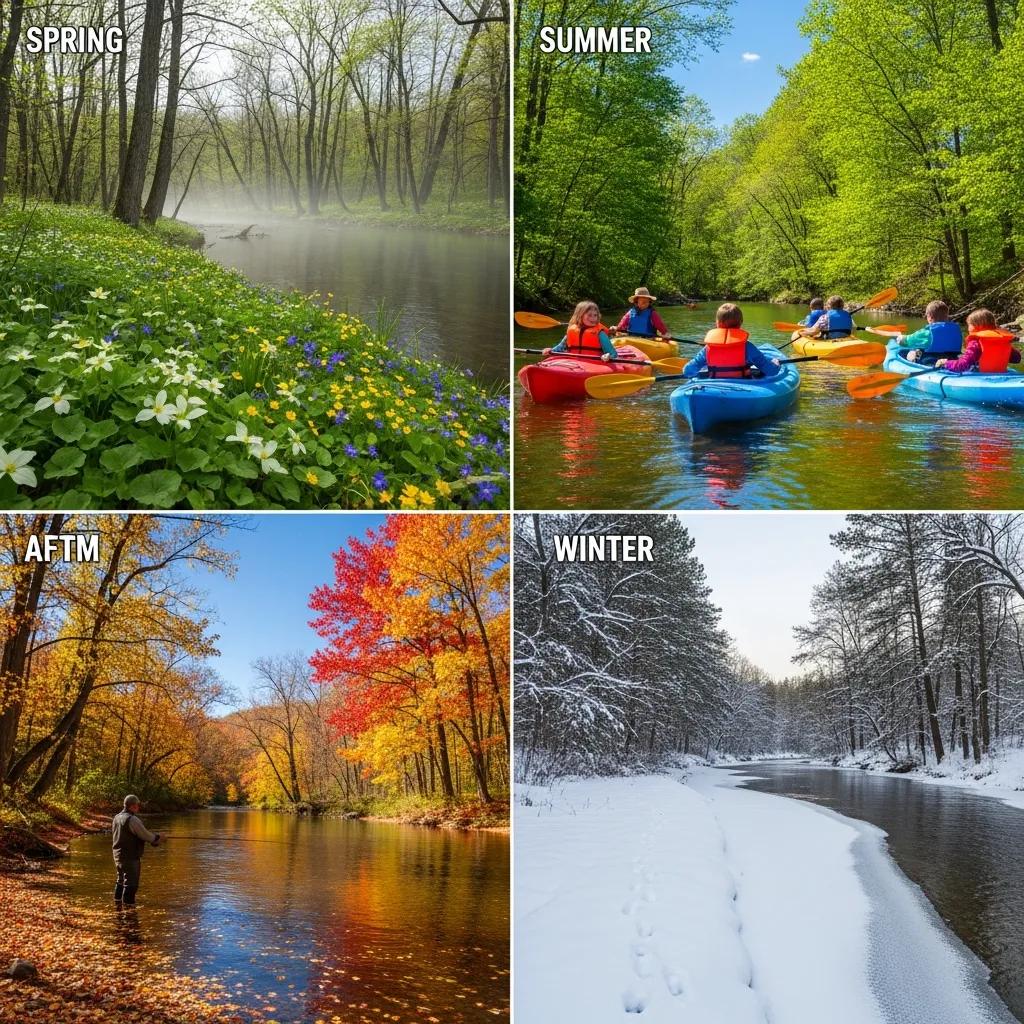
Quick seasonal guide:
- Spring: Higher flows from snowmelt and rain—better for experienced paddlers.
- Summer: Lower, calmer flows—best for family floats.
- Fall: Often stable and scenic—good for relaxed trips.
Family-Friendly Routes for Different Flow Conditions
Choose reaches that match flow:
- Low flows: Lower sections and gentle stretches for families.
- Moderate flows: Mid-river reaches can be enjoyable for families with some experience.
- High flows: Reserved for skilled paddlers; avoid with children.
Walnut Hills Family Campground: River Access and On-Site Services
Walnut Hills Family Campground offers an on-site canoe livery, Cheff’s Canoe Rental. They rent canoes and kayaks for Shiawassee River floats with flexible lengths and shuttle options for convenient pick-up or drop-off.
How the Campground Helps You Enjoy the River Safely
Cheff’s Canoe Rental simplifies river days: equipment, flexible float lengths, and shuttle service remove logistics so you can focus on safety and fun.
Reserve Your Rental and Prepare to Paddle
To reserve kayaks or canoes, call Walnut Hills Family Campground or use their online booking. Cheff’s handles boats and shuttles—check the campground site or contact the office for current availability and pricing.
This table gives a quick reference to match flows with safety and activity so you can plan an appropriate trip.
Check conditions, pick a route that fits your group, and use campground services for an easier day on the water. With basic preparation, the Rifle River can provide a safe, memorable family outing.
Frequently Asked Questions
What should I do if river flow levels increase suddenly during my trip?
If flows increase unexpectedly, prioritize safety: reassess conditions, look for the nearest safe exit, and head ashore if the water exceeds your comfort or skills. Know exit points before launching, keep communication devices handy, and stay together while leaving the water.
Are certain times of day better for paddling the Rifle River?
Yes. Early mornings usually bring calmer water and fewer people—ideal for families and beginners. Late afternoons can be lovely but monitor weather and ensure you have daylight to return. Always check forecasted conditions before you go.
What gear is essential for a safe paddle?
Bring a properly fitted life jacket for every paddler, a suitable paddle and boat, a whistle, a small first-aid kit, and a dry bag for phones and keys. Sunscreen and appropriate clothing are important; use a helmet if you expect rocky or fast sections.
How can I be ready for changing weather while on the river?
Check the forecast before you go and watch weather during your trip. Dress in layers, bring waterproof gear, and have a plan to seek shelter if storms or high winds develop. Keep a charged phone or radio for updates and emergencies.
What are good practices for paddling with kids?
Prioritize safety: every child should wear a fitted life jacket, stay on calm stretches, and paddle with experienced adults nearby. Teach basic paddling and safety, keep trips short, and plan breaks so kids stay comfortable and engaged.
How do I pick the right kayak for my experience level?
Beginners should choose wider, stable kayaks for easy balance. Recreational kayaks suit calm rivers; touring or performance boats fit stronger currents and longer trips. Sit-on-top models are good for casual summer paddling; sit-inside boats work better in cooler or rougher conditions.
Ready to Plan Your Next River Day?
Watch river flow and match it to your group’s skill level to keep your day safe and enjoyable. Use the checks and tips above, consider Cheff’s Canoe Rental at Walnut Hills Family Campground for easy access and support, and pick a Rifle River stretch that fits your crew. Pack smart, confirm conditions, and enjoy the river.