Top Accessible Family Campgrounds Near You With Stunning Views and Fun Activities
Discovering campgrounds that blend inclusive accessibility, breathtaking scenic views, and engaging family activities can truly elevate a weekend getaway into a cherished multigenerational escape. This guide will walk you through what makes a family campground genuinely accessible and enjoyable for everyone, how to identify spots boasting spectacular lake, river, and rolling hill vistas, and which activities promise maximum fun for both kids and adults. You’ll gain practical insights into accessibility checklists, scenic viewing tips, guidance on activity suitability, and a clear, step-by-step plan for reserving accessible sites and cabins. We’ll highlight examples of lodging and amenities—like RV and tent sites, cabins, and updated bathrooms and showers—that enhance family comfort, with campground examples serving as supplementary illustrations. Expect concise comparison tables, actionable planning lists, and specific local examples that showcase how accessibility and scenic beauty harmoniously combine when selecting your perfect camping destination.
What Makes a Family Campground Accessible and Enjoyable for Everyone?
An accessible family campground is designed with clear pathways, convenient facilities, and lodging options that minimize barriers, making outdoor recreation a pleasure for individuals of all mobility levels and ages. Accessibility is achieved by removing physical obstacles—think paved paths, ramps, and accessible restrooms—so families can concentrate on creating shared memories rather than navigating logistical challenges. The outcome is greater inclusion, enhanced safety, and the ability for grandparents, parents, and children to participate together in every activity. Below, you’ll find a practical checklist and a reference table that maps features to their benefits, enabling quick decision-making.
This accessibility checklist highlights key features to confirm before you book.
- Accessible Restrooms and Showers: Verify that modern, accessible stalls and shower spaces are available to ensure hygiene and dignity.
- Paved Pathways and Ramps: Ensure routes to essential areas like the lake, playgrounds, and cabins are smooth and level.
- Accessible Campsites and Cabins: Look for level pads, ramped entrances, and interior spaces that comfortably accommodate mobility aids.
These elements help reduce stress upon arrival and support inclusive family plans.
Introducing our accessibility features table: the table below maps common accessibility elements to their specific benefits for families.
Collectively, these features cultivate environments where families can spend less time managing logistics and more time savoring shared activities. Verifying facility specifics naturally leads to questions about which lodging type best suits your family’s needs.
Which Accessibility Features Should You Look for in Campgrounds?
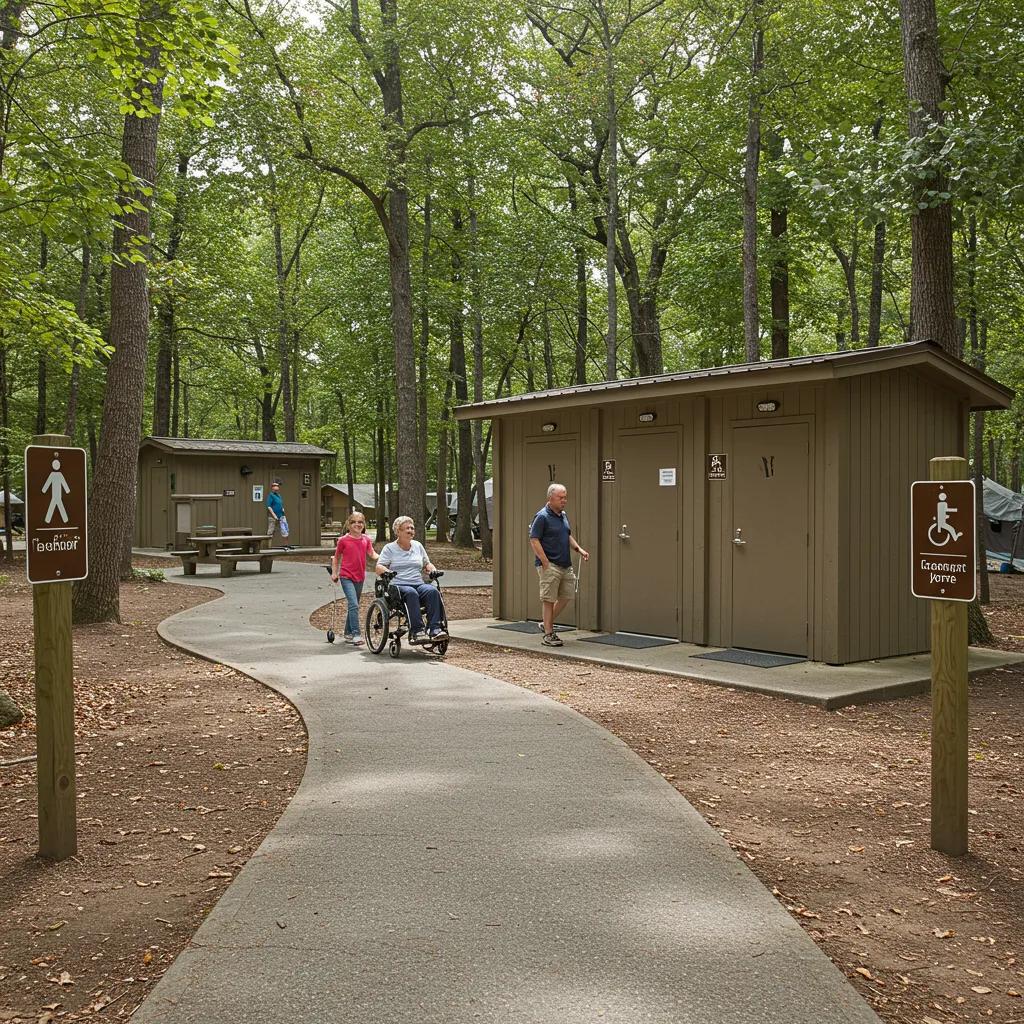
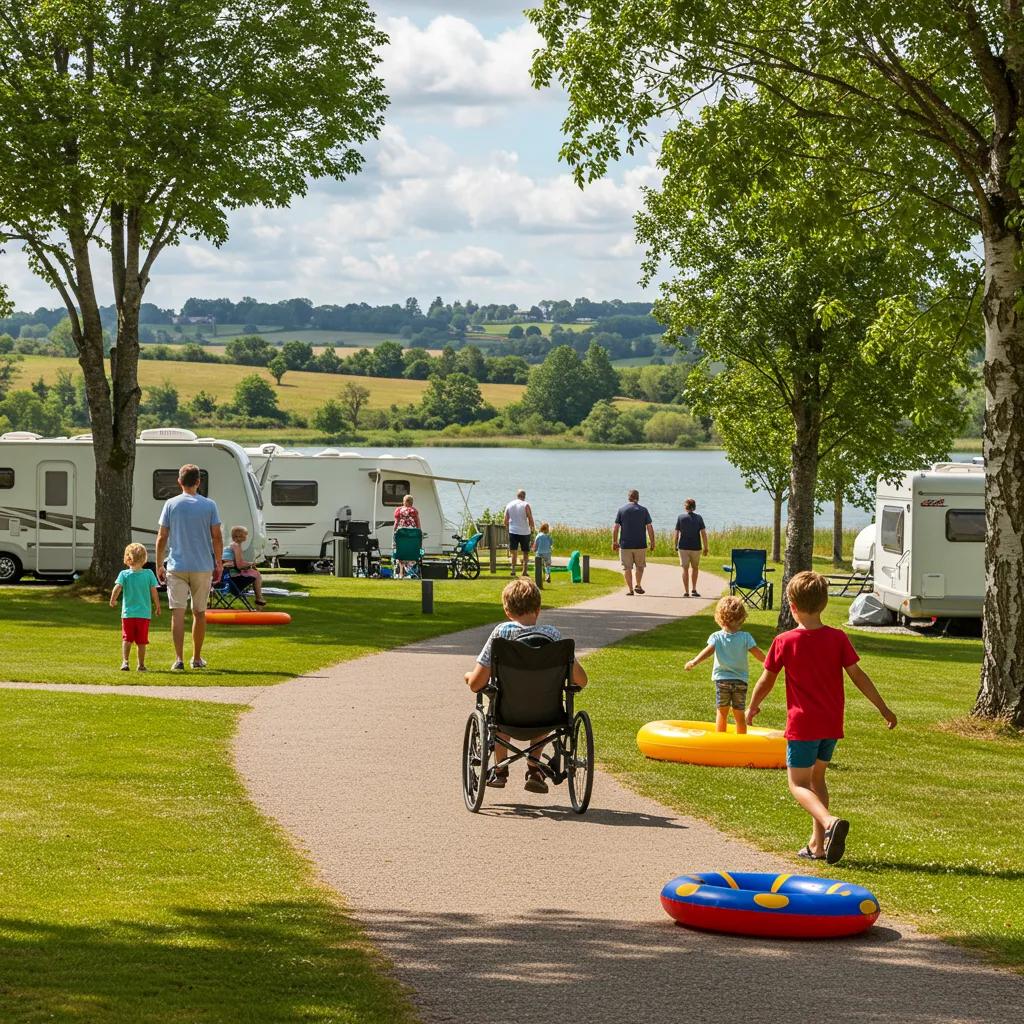
Accessible campgrounds focus on routes, restrooms, and lodging modifications designed to eliminate common barriers to outdoor enjoyment. Specifically, look for paved access from parking areas to main gathering spots, clear signage, and accessible restroom stalls equipped with grab bars and roll-in showers. Confirm that campsites offer hard pad parking, short ramps, and interior door widths compatible with mobility devices. Photos and facility descriptions are invaluable verification tools, and don’t hesitate to ask staff for specific details to ensure the site perfectly matches your family’s mobility requirements.
How Do Accessible Campgrounds Enhance Family Camping Experiences?
Accessible features significantly boost inclusion by enabling all family members to participate in core activities, thereby enriching intergenerational bonding and easing the burden on caregivers. For instance, paved access to the lake allows grandparents to fish or watch children at the Wibit water park without navigating uneven terrain. Accessibility also enhances safety by minimizing trip hazards and providing sanitary facilities suitable for children and seniors. These practical advantages translate into more relaxed and memorable stays for everyone.
What Are the Best Accessible Camping Options: RV Sites, Tent Sites, or Cabins?
Different lodging types offer distinct accessibility advantages, depending on your priorities for mobility and comfort. RV sites often feature level hard pads and full hookups, simplifying setup and providing convenient indoor bathrooms. Cabins offer step-free entrances and indoor climate control, making them an excellent choice for families seeking minimal setup and guaranteed accessible amenities. Tent sites can be made accessible but require careful selection for level ground and proximity to facilities. Your choice among RV, tent, or cabin will depend on your family’s needs for independence, space, and convenient access to accessible restrooms.
Where Can You Find Campgrounds With Stunning Scenic Views Near You?
Scenic campgrounds combine captivating topography with water features—such as lakes, rivers, and rolling hills—to craft memorable visual experiences that enhance outdoor relaxation and photography. Scenic value is maximized by providing optimal vantage points, ideal lighting conditions, and accessible routes that highlight natural beauty, especially during sunrise or sunset. The benefits include more profound restorative experiences, superior family photos, and diverse activity options like swimming or river floats. Below, you’ll find a brief guide to landscape types, a table mapping view types to the best viewing times, and an example of a local scenic property.
Common landscape types that offer the most spectacular vistas include lakes, river corridors, and rolling hills.
- Lake Views: The tranquil reflections on calm water at sunrise and the soft evening light enhance family swim times and photo opportunities.
- River Corridors: Meandering river vistas provide dynamic scenery and delightful opportunities for float trips.
- Rolling Hills and Ridgelines: Elevated vantage points offer panoramic views and perfect spots for picnics.
These landscape types will help you determine the best location for your campsite to capture optimal views.
Introducing our view-type table: this table links view types to ideal viewing spots and times for maximum family enjoyment.
Utilizing photographs, map previews, and guest captions can help confirm scenic claims. As a nearby example, a family campground spread across 42 acres of rolling hills with a swimming lake beautifully illustrates how terrain and water converge to create striking views for guests.
What Types of Natural Landscapes Offer the Best Camping Views?

Certain landscapes consistently deliver memorable views due to their unique shapes, the presence of water, or their varied elevations. Lakes offer reflective surfaces perfect for serene photos, rivers create linear vistas enhanced by changing light, and rolling hills provide layered depths and ridge-line panoramas. Each landscape suggests different activities—swimming at lakes, floating on rivers, or hiking ridge trails—helping families select campsites that align with both their accessibility needs and visual preferences.
How Do Scenic Views Enhance Your Camping Experience?
Scenic views significantly boost mood, promote relaxation, and serve as beautiful backdrops for family memories and photography. Visual access to water and expansive horizons reduces stress and encourages outdoor play and quiet contemplation. Practical benefits include safe swimming areas at lakes and accessible overlooks that allow non-hikers to still enjoy the vistas. Choosing campsites near well-photographed viewpoints maximizes these emotional and practical rewards.
Which Campgrounds in Michigan Feature Picturesque Water and Hill Views?
Local examples that combine rolling hills, lakes, and river access offer diverse scenic opportunities all in one place. When searching for Michigan campgrounds, prioritize properties that mention acreage, lakes, or river frontage in their facility descriptions, and examine photos for accessible routes to viewpoints. One nearby family campground example spans 42 acres of rolling hills with a swimming lake and river float access, demonstrating how topography and water deliver varied family experiences and easy scenic enjoyment.
What Family-Friendly Activities and Amenities Are Available at Top Campgrounds?
Top family campgrounds provide structured activities and amenities that appeal to multiple age groups, creating layers of entertainment throughout your stay. Activities work by offering safe, supervised play zones, scheduled events, and partner services that lower the barrier to trying new outdoor pursuits. The benefits include engaged children, relaxed parents, and reliable options for filling days with age-appropriate fun. Below is a table comparing major activities and a quick activity list families can use when packing or booking.
These activities add variety to a family stay and often require advance booking or planning for supervision.
- Wibit Water Park: An inflatable course on a swimming lake that encourages active play under supervision.
- River Float Trips: Leisurely floats that combine scenic relaxation with gentle adventure for families.
- Playgrounds and Weekend Events: Scheduled games, themed weekends, and play structures designed to keep kids engaged.
How Does a Wibit Water Park Add Fun to Family Camping?
A Wibit water park is an inflatable chain of obstacles anchored in a swimming lake, promoting active play and friendly competition. Children and teens find it particularly engaging because it offers climbing, sliding, and balance challenges that differ from typical beach activities. Safety relies on lifeguard presence and parental supervision, and its seasonal availability means families should check event schedules and booking windows. When available, a Wibit significantly enhances the aquatic element of a camping trip and becomes a central focus for daily family activities.
What River Adventures Can Families Enjoy Near Campgrounds?
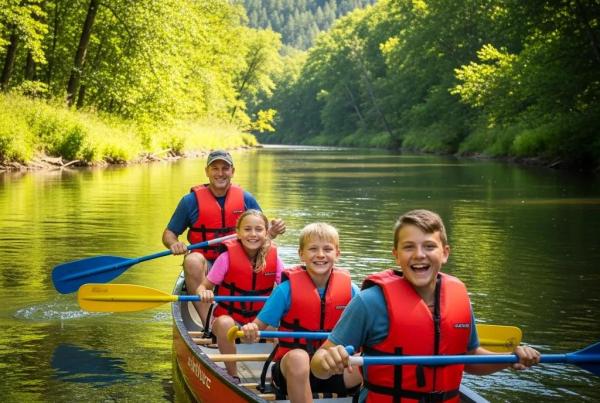
River adventures encompass guided floats, canoe or kayak rentals, and gentle paddles suitable for various family skill levels. On-site rental partners simplify logistics by providing craft and lifejackets, making river exploration accessible even for novices. Local canoe rental services facilitate float trips that blend scenery with mild exertion, and planning around water levels and safety briefings ensures a secure family outing. These river options connect families with riparian wildlife, tranquil scenery, and cooperative outdoor recreation.
Which Weekend Events and Playground Options Are Popular for Families?
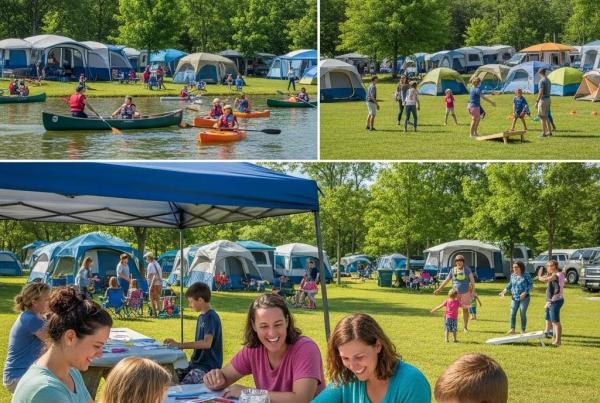
Weekend events frequently feature themed activities, family games, and community gatherings that foster social bonds among campers. Playgrounds with age-specific zones, shaded seating, and nearby paved access enhance usability for diverse families. Event calendars and simple onsite announcements help families plan around key activities, and knowing playground layouts in advance improves supervision routines. Regular weekend programming transforms a campground into a vibrant community hub for family-friendly entertainment.
How Can You Plan an Easy and Accessible Camping Trip for Your Family?
Planning an accessible, family-focused camping trip hinges on clear reservation steps, tailored packing, and proactive safety checks to ensure a smooth arrival and enjoyable stay. The process is straightforward: confirm accessibility details, reserve suitable lodging, and prepare gear that supports mobility and water safety. The reward is reduced stress, inclusive activities, and confident family participation in outdoor experiences. Below are step-by-step reservation actions and a concise packing checklist for families to follow before departure.
Reservation steps to secure accessible sites and cabins:
- Search for accessible site options: Filter listings for accessible cabins, designated campsites, or RV sites with level pads.
- Confirm features: Inquire about renovated bathrooms and showers, paved pathways, and ramp availability for specific sites.
- Make the reservation online and note special requests: Use online reservation availability to select dates, then record any accessibility needs or equipment requests.
- Follow up with staff: Verify arrival logistics and onsite services to ensure expectations are aligned.
These steps streamline the booking process and minimize last-minute surprises, all while emphasizing inclusive needs.
Packing and preparation checklist for accessible family camping:
- Mobility aids and chargers, essential medical supplies, and secure swimming gear.
- Sun protection, layered clothing, and child-safe flotation devices.
- Pet supplies if bringing animals, and information on designated pet areas like a large dog park.
What Are the Steps to Reserve Accessible Campsites and Cabins Online?
Reserving accessible accommodations begins with using search filters for accessible cabins or designated campsites and carefully reading amenity descriptions. Confirm renovated bathrooms and showers, paved pathways, and ramp details in facility notes, and utilize any online reservation notes field to request specific site features. After booking, follow up to reconfirm accessibility needs and arrival assistance if required. This sequence ensures your reservation accurately reflects real-world accessibility expectations.
How Do Campgrounds Cater to Families With Pets and Special Needs?
Pet-friendly campgrounds typically offer spacious dog parks, convenient pet waste stations, and clear leash policies that facilitate the safe inclusion of animals. For guests with special needs, campgrounds may provide accessible parking, assistance at check-in, and information about nearby medical services; always request accommodations in advance. Clear policies regarding pets and support procedures help prevent surprises and allow families to plan recreational timing around care requirements. Proactive communication with staff is the most reliable way to confirm individualized arrangements.
What Should Families Know About Accessibility and Safety at Campgrounds?
Families should prioritize water safety—ensuring lifejackets for floats and supervised swimming in designated areas—and assess terrain hazards such as steep paths or uneven ground near campsites. Check for sanitary, renovated bathrooms and showers to support hygiene for children and seniors. Verify emergency procedures and accessible evacuation routes during check-in. These precautions are essential for maintaining both inclusivity and safety during outdoor stays.
Why Choose Top Rated Family Camping Resorts in Michigan for Your Next Getaway?
Top-rated family resorts consistently offer excellent amenities, well-organized activities, and reliable accessibility features, making planning and execution simpler for families seeking high-value outdoor time. High-quality properties combine scenic views, on-site activities, and modern facilities to reduce planning friction and increase the likelihood of a restful stay. When comparing options, prioritize accessibility details, scenic access, and specific amenity offerings that align with your family’s priorities. Below is a focused look at one nearby property and a quick comparison checklist families can use.
What Unique Features Set Walnut Hills Family Campground Apart?
Walnut Hills Family Campground, operated by GatherGrounds Resorts, stands as a prime example of a family-oriented property, boasting 42 acres of rolling hills, a swimming lake with a Wibit water park, and Shiawassee River float trips supported by on-site Cheff’s Canoe Rental. Modern conveniences such as renovated bathrooms and showers, multiple playgrounds, and a large dog park enhance comfort and inclusivity for multi-generational stays. Weekend events foster community engagement, and the variety of RV and tent sites plus cabins provides diverse accommodation options catering to different accessibility and comfort needs. These features make the campground a practical illustration of how amenities and accessibility work together to serve family priorities.
How Do Campgrounds Compare on Accessibility, Views, and Activities?
A straightforward comparison framework can help families weigh their priorities: accessibility features, scenic vantage points, and activity variety. Rate each campground on these three criteria and prioritize whichever aligns best with your group’s mobility, photography, and entertainment goals. For example, a campground with paved lake access and scheduled family events would score highly for inclusive fun, while a hilltop site with limited restroom access might be more suited for experienced hikers. Use this framework to make an objective choice that balances comfort and experience.
What Do Families Say About Their Experiences at Accessible Campgrounds?
Guest feedback frequently highlights clean, renovated facilities, friendly staff, and memorable activities as primary positive themes. Families consistently praise campgrounds that successfully combine safe water features, accessible routes, and reliable event programming. To validate your expectations, consult verified reviews and recent photos that showcase current accessibility and amenity conditions before booking. These indicators help families select properties that consistently deliver dependable, inclusive memories.
Frequently Asked Questions
What should families consider when choosing a campground for children with special needs?
When selecting a campground for children with special needs, families should prioritize accessibility features such as paved pathways, accessible restrooms, and safe play areas. It’s also important to consider the availability of trained staff who can assist with specific needs. Additionally, families should look for campgrounds that offer structured activities tailored to various abilities, ensuring that all children can participate and enjoy their time outdoors. Communication with campground management about specific requirements can further enhance the experience.
Are there any specific safety measures families should take while camping?
Safety measures for families while camping include ensuring that children wear life jackets during water activities and that adults supervise them at all times. It’s also crucial to familiarize everyone with the campground’s emergency procedures and evacuation routes. Families should check for potential hazards in the area, such as steep terrain or wildlife, and ensure that first aid kits are readily available. Additionally, keeping a close eye on weather conditions can help prevent accidents and ensure a safe camping experience.
How can families ensure they have a comfortable camping experience?
To ensure a comfortable camping experience, families should plan ahead by reserving accessible accommodations that meet their needs. Packing essential items such as mobility aids, medical supplies, and comfortable clothing is vital. Families should also consider bringing along familiar items from home, like favorite blankets or toys, to create a sense of comfort. Additionally, checking the campground’s amenities in advance, such as laundry facilities and dining options, can help families prepare for a more enjoyable stay.
What types of activities are typically available for families at campgrounds?
Campgrounds often offer a variety of family-friendly activities, including swimming, hiking, fishing, and organized games. Many locations feature playgrounds, sports courts, and scheduled events like movie nights or themed weekends. Some campgrounds also provide guided outdoor adventures, such as canoeing or nature walks, which can be tailored to different age groups and abilities. Engaging in these activities fosters family bonding and creates lasting memories during the camping trip.
How can families find campgrounds that cater to their specific needs?
Families can find campgrounds that cater to their specific needs by researching online through campground directories and review sites that filter for accessibility features. Reading guest reviews and checking photos can provide insights into the actual conditions and amenities available. Additionally, reaching out directly to campground staff can clarify any questions regarding accessibility, safety, and available activities. Local camping groups or forums can also offer recommendations based on personal experiences.
What are the benefits of camping in a family-oriented campground?
Camping in a family-oriented campground offers numerous benefits, including access to amenities designed for all ages, such as playgrounds, organized activities, and family-friendly events. These campgrounds often prioritize safety and accessibility, ensuring that everyone can participate in outdoor fun. The community atmosphere fosters social interactions among families, enhancing the overall experience. Additionally, family-oriented campgrounds typically provide a range of accommodations, making it easier for families to find suitable lodging that meets their needs.
Conclusion
Choosing accessible family campgrounds that offer stunning views and engaging activities guarantees a memorable outdoor experience for every member of your family. By prioritizing accessibility features, families can enjoy seamless participation in shared adventures, fostering deeper connections and creating lasting memories. Explore our curated list of top-rated campgrounds to discover the perfect spot for your next getaway. Begin planning your inclusive camping trip today and create unforgettable moments with your loved ones!