Best Campgrounds With Pets Near Me: Find Top Pet-Friendly Camping Options in Michigan
Finding a truly pet-friendly campground can transform a family getaway into a stress-free adventure for both people and dogs. This guide explains what “pet-friendly” means for campgrounds allowing pets near me, why amenities and clear policies matter, and how to choose and book the right site in Michigan. Readers will learn which amenities to prioritize, practical packing and safety steps for camping with dogs, how pet policies affect costs and access, and where to find pet-friendly campgrounds near Durand and the Shiawassee River. The article covers local examples, reservation tactics, and quick checklists designed to make pet friendly camping Michigan searches more effective. By the end, you’ll have clear criteria, packing lists, and booking steps to reserve a pet-friendly spot that fits your needs and your dog’s routine.
What Makes a Campground Pet Friendly in Michigan?
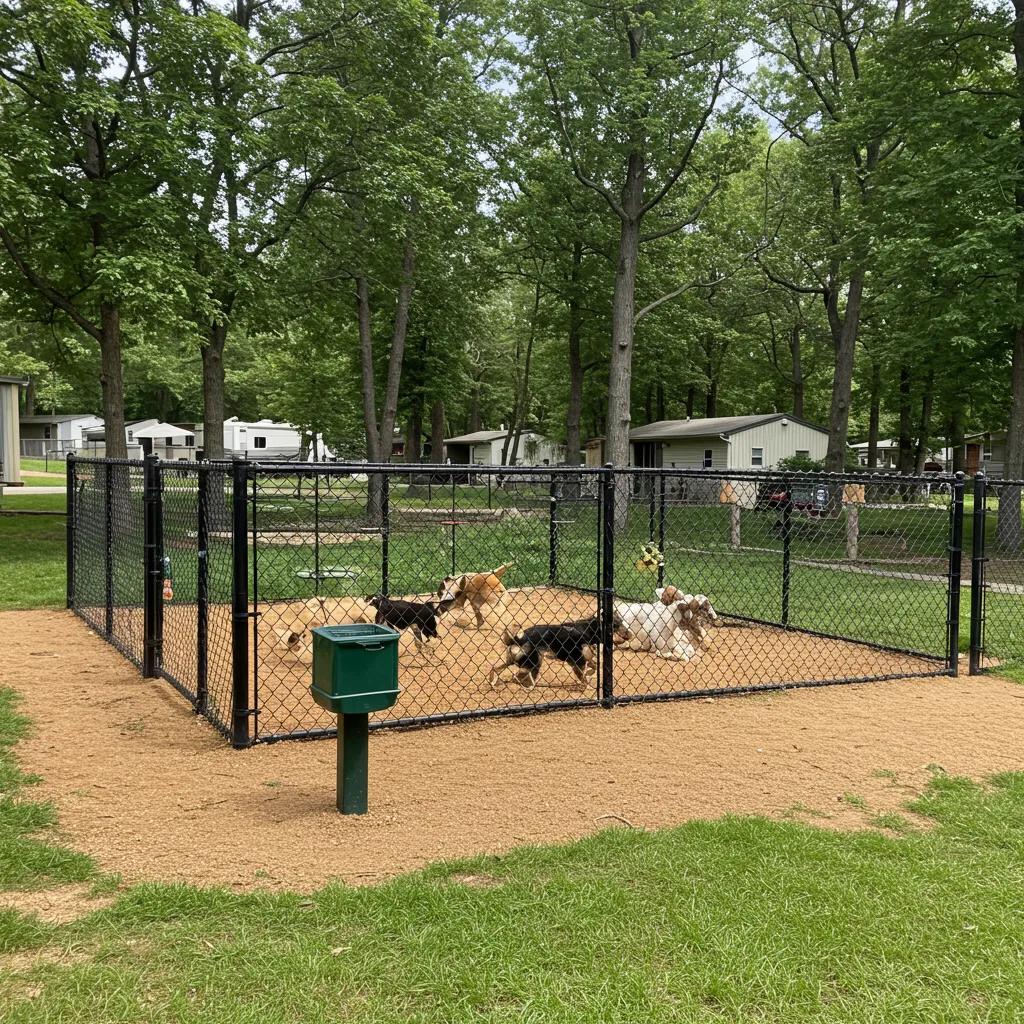
A pet-friendly campground provides dedicated amenities plus sensible rules that protect animals and other guests. These features work by creating safe spaces, waste management, and explicit site-level permissions that reduce surprises at check-in. The result is easier exercise, socialization, and safer interactions near water or trails when camping with dogs. Below are the core amenity and policy categories to evaluate when searching for campgrounds allowing pets near me.
Which Pet Amenities Should You Look For?
Look for amenities that support exercise, hygiene, and comfort during a stay with a dog. A proper dog park offers secure fencing and space for off-leash play, while waste stations and dog wash areas simplify cleanup and hygiene. Water access and shaded resting areas keep pets safe in summer. Confirming these amenities ahead of time reduces on-site stress and improves daily routines while camping.
Pet amenities checklist and why each matters:
- Fenced dog park: Enables safe off-leash exercise and socialization.
- Pet waste stations: Keeps campsites clean and reduces disease risk.
- Dog wash or rinse area: Removes river or trail grime quickly and safely.
These amenities directly improve pet comfort and guest experience, which leads to fewer conflicts and better campground compliance.
What Are Common Pet Policies at Michigan Campgrounds?
Common pet policies outline leash rules, registration, and restricted zones to protect wildlife and ensure hygiene. Typical mechanisms include leash-length limits, required vaccination proof, and mandatory registration at check-in that helps staff manage on-site pet populations. The benefit is predictable access and reduced risk of fines or removal for noncompliance. Understanding common rules helps you pick the right accommodation type and plan activities.
Typical pet rules often include:
- Leash requirements: Short leashes in shared areas, longer in designated zones.
- Registration and vaccination: Proof requested at check-in for safety.
- Restricted areas: Pools, some beaches, and indoor facilities often disallow pets.
Knowing these rules before arrival prevents surprises and preserves access to nearby trails and river activities.
How Do Pet-Friendly Accommodations Vary?
Accommodation types differ in space, privacy, and typical pet allowances, affecting comfort and logistics for pets. RV sites usually allow pets and offer space for crates and gear, while tent sites provide close outdoor access but less protection from weather. Cabins sometimes disallow pets or limit sizes, so policy verification matters. Choosing the correct accommodation type preserves convenience and minimizes policy conflicts during a stay.
Accommodation comparison table:
This comparison helps prioritize site selection based on pet needs and policy constraints.
Where Are the Best Pet-Friendly Campgrounds in Michigan?
Pet-friendly campgrounds cluster around recreational corridors, lakes, and river systems that welcome dogs on trails and in designated areas. Regional clusters near popular water features and family amenities often invest in dog parks and waste infrastructure to serve pet-owning guests. For local searches, focus on campgrounds that publish clear pet policies and list dog-park features to narrow options quickly. The next subsection highlights a nearby example that illustrates what to look for.
What Features Does Walnut Hills Family Campground Offer for Pets?
Walnut Hills Family Campground by GatherGrounds Resorts is a family-oriented campground and RV resort located at 7685 Lehring Road, Durand, MI 48429-9424. The campground features a dog park, allowing pets to roam off-leash in a secure area. However, pets are not permitted in the cabins. Additionally, pets must be kept on a leash no longer than 6 feet when outside your vehicle. The campground offers various family-focused events and amenities, including a beach, Wibit water park, river float trips, playgrounds, basketball court, sand volleyball, and a gaga ball pit. Guests have reported mixed experiences regarding the campground’s facilities and management.
Which Michigan Campgrounds Have Dedicated Dog Parks?
Dedicated dog parks at campgrounds provide controlled off-leash play and socialization, and they vary by size, fencing, and separate small-dog areas. To find parks, check campground amenity lists or map filters that highlight fenced dog areas. Prioritize parks with water access, shade, and waste stations for safety and hygiene. Confirming dog-park hours and rules ahead of time prevents conflicts and improves daily planning.
How to Find Local Pet-Friendly Camping Near Durand and Shiawassee River?
Local discovery works best by filtering local listings for pet-friendly amenities and reading site policy pages for the Durand area and Shiawassee River corridor. Use official business profiles and reservation systems to verify on-site dog parks and nearby leash-required trails. Calling ahead or checking recent guest photos can clarify seasonal restrictions for river floats and beaches. These verification steps reduce surprises and secure the best pet-appropriate sites.
How Can You Prepare for Camping With Your Dog?

Preparation reduces risk and increases enjoyment when camping with dogs by ensuring health, safety, and comfort on site. Start with vaccination checks and a focused packing list. A small trial run of crate and leash routines at home helps dogs adapt to campsite rhythms. The following subsections provide practical packing, safety, and etiquette guidance to streamline trips.
What Are Essential Packing Tips for Camping With Pets?
Pack items that cover feeding, shelter, and emergency needs for your dog. Include food, measured portions, water and bowls, medications, ID tags, and a basic pet first-aid kit. Bring bedding and a familiar blanket to reduce anxiety and a sturdy leash and harness for walks. Planning gear ahead keeps routines steady and minimizes last-minute stress at check-in.
Essential packing checklist:
- Food and bowls: Bring measured portions and water bowls.
- Medications and records: Pack meds and vaccination notes.
- Shelter and bedding: Include crate, blanket, and weather layers.
These items address feeding, health, and comfort needs during the stay.
How to Ensure Pet Safety and Comfort While Camping?
Monitor temperature and hydration closely, and provide shade during hot afternoons to prevent heat stress. Keep pets contained at night and use secure leashes during wildlife-prone walks. Carry a basic first-aid kit and know your nearest vet contact before travel. These precautions maintain pet health and allow smoother responses to incidents.
What Are Best Practices for Pet Etiquette at Campgrounds?
Respect shared spaces by keeping dogs leashed where required and quiet during designated quiet hours. Always pick up waste promptly and use provided disposal stations to maintain cleanliness. Avoid bringing dogs into restricted indoor areas like pool facilities and follow staff guidance to prevent fines or removal. Good etiquette preserves campground access for all guests.
How Do Pet Policies Affect Your Camping Experience?
Pet policies shape where you can go on a property, what accommodations are available, and how much you will pay. Clear rules streamline arrival and daily routines by specifying allowed areas, required registration, and fee expectations. Understanding these policy impacts reduces surprises and supports responsible pet ownership. The next subsections outline fees, restricted areas, and compliance tips that affect planning.
What Are Typical Pet Fees and Registration Requirements?
Many campgrounds charge nightly pet fees or a flat per-stay fee and request registration at check-in to record vaccinations and contact info. Fees offset cleaning and wear and tear, and registration enforces accountability. Always confirm whether fees are per pet and whether refunds apply if plans change. Checking fee structures before booking prevents unexpected charges.
Accommodation-type pet policy mapping:
This table clarifies where fees and restrictions commonly appear and helps with upfront budgeting.
Which Areas Are Off-Limits to Pets at Campgrounds?
Common off-limits zones include pools, certain beaches, indoor recreation buildings, and some trails during nesting or high-use seasons. Restrictions protect wildlife, ensure sanitation, and comply with local regulations. When pets are restricted, alternate options often exist such as designated beach times or companion areas. Planning around these limits allows access to most outdoor amenities without conflict.
How to Comply With Leash and Waste Rules at Pet-Friendly Sites?
Follow leash-length guidelines, typically short in shared areas and longer in designated off-leash zones, to maintain control and safety. Carry waste bags and use disposal stations rather than leaving waste on site. If you encounter wildlife or an aggressive dog, remove your pet calmly and report incidents to staff. These compliance steps prevent fines and preserve community goodwill.
How to Book Your Pet-Friendly Camping Stay in Michigan?
Booking systems and on-site policies determine the ease of reserving pet-friendly RV and tent sites, and clear verification prevents surprises. Use reservation filters and site policy pages to confirm pet allowances, then verify fees and registration requirements before payment. The subsections below provide site-selection criteria, reservation steps, and where to check guest photos and reviews.
What Are the Best Pet-Friendly RV and Tent Sites to Reserve?
Choose sites near dog parks, trails, or open grassy areas for quick exercise and convenience. Prefer sites with shade and easy vehicle access for loading gear and pets. Consider privacy and distance from high-traffic loops to reduce noise stress for dogs. Prioritize sites that list pet amenities and waste stations on their descriptions to ensure smoother stays.
How to Use Online Reservations for Pet-Friendly Campgrounds?
Filter reservation systems for “pet-friendly” options and read the site-specific pet policy before you select dates. Confirm where pet fees are displayed and whether registration requirements are noted on the booking page. If details remain unclear, contact the campground to confirm pet allowances. These steps reduce booking friction and protect against unexpected restrictions.
Reservation visibility table:
This table helps you know where pet details typically appear during booking so you can verify them before paying.
Where Can You Find Guest Reviews and Pet Photo Galleries?
Guest reviews and recent photos reveal real-world pet experiences and facility conditions. Check official business profiles and review platforms for recent mentions of dog-park quality, cleanliness, and enforcement of rules. Look for multiple recent photos of dog areas and campsites to validate claims. Using reviews this way reduces uncertainty and helps choose a campground aligned with your pet’s needs.
Frequently Asked Questions
What should I do if my dog has special needs while camping?
If your dog has special needs, it’s crucial to communicate these requirements to the campground staff before your arrival. Many campgrounds can accommodate specific requests, such as providing a quieter area or ensuring access to necessary facilities. Additionally, bring any special equipment your dog may need, such as a ramp or special bedding. Always have a plan for emergencies, including knowing the location of the nearest veterinary clinic, to ensure your pet’s safety and comfort during your stay.
Are there any specific health precautions I should take for my dog while camping?
Yes, ensuring your dog’s health while camping involves several precautions. First, make sure your dog is up-to-date on vaccinations, especially for diseases prevalent in outdoor environments. Bring a first-aid kit tailored for pets, including items like antiseptic wipes, bandages, and any medications your dog may need. Monitor your dog for signs of heat stress, dehydration, or insect bites, and provide plenty of fresh water and shade. Familiarize yourself with local wildlife to prevent encounters that could harm your pet.
How can I find out about local pet-friendly events during my camping trip?
To discover local pet-friendly events during your camping trip, check the campground’s website or social media pages for announcements. Local tourism boards often list events, including pet parades, dog-friendly hikes, or training sessions. Additionally, apps and websites dedicated to pet owners can provide information on nearby activities. Engaging with local pet communities online can also yield recommendations for fun events that welcome dogs, ensuring a memorable experience for both you and your furry friend.
What should I do if my dog misbehaves at the campground?
If your dog misbehaves at the campground, it’s essential to address the behavior calmly and promptly. First, remove your dog from the situation to prevent further issues. Assess the cause of the behavior—whether it’s fear, excitement, or overstimulation—and try to mitigate those triggers. Use positive reinforcement to encourage good behavior, and consider taking breaks away from crowded areas. If problems persist, consult with campground staff for guidance on how to manage your pet’s behavior while respecting other guests.
Can I leave my dog unattended at the campsite?
Leaving your dog unattended at the campsite is generally not recommended. Many campgrounds have policies against leaving pets alone, as it can lead to barking, anxiety, or escape attempts. If you must leave your dog, ensure they are in a secure area, such as a crate, and provide them with toys and water. Consider bringing a friend or family member to supervise your pet while you are away. Always check the campground’s specific rules regarding unattended pets to avoid potential fines or issues.
What are the best times of year to camp with pets in Michigan?
The best times to camp with pets in Michigan are typically late spring through early fall, when temperatures are mild and outdoor activities are plentiful. Late spring (May to June) offers blooming landscapes and fewer bugs, while early fall (September to October) provides beautiful foliage and cooler weather. Avoid peak summer months if your dog is sensitive to heat, and always check the campground’s policies regarding seasonal pet restrictions. Planning your trip during these times can enhance your camping experience with your furry friend.
Conclusion
Choosing a pet-friendly campground in Michigan ensures a memorable and enjoyable experience for both you and your furry companion. By understanding essential amenities, policies, and preparation tips, you can create a stress-free environment that caters to your dog’s needs. Take the next step in planning your adventure by exploring our curated list of top pet-friendly campgrounds. Start your journey today and make unforgettable memories with your pet in the great outdoors!