Top 10 Campgrounds That Welcome Pets: Policies, Amenities, and Booking Tips for Pet-Friendly Camping
Bringing your dog or cat along for your camping trip can transform a simple getaway into a cherished family memory, but only if you select a spot that genuinely embraces pets and understands the logistics involved. This guide will walk you through what makes a campground truly pet-friendly, compare the common pet policies you’ll encounter, and provide practical booking and preparation advice so your family can find and secure the perfect campsite for your dogs and other animal companions. Many pet owners face challenges with vague rules, unexpected charges, and a lack of amenities that would make outdoor stays more comfortable for their pets. That’s why this article breaks down leash and waste regulations, fee structures, and the amenities that truly matter. You’ll find actionable steps for reserving sites that allow pets, a comprehensive checklist for getting your pet ready, and clear indicators to look for when evaluating campgrounds for dog-friendly trails, dedicated dog parks, and convenient water access. Dive in for policy comparisons, amenity checklists, booking workflows, and a spotlight on a local gem—Walnut Hills Family Campground in Durand, Michigan—so you can book a safe, enjoyable trip with your pet.
What Are the Common Pet Policies at Top Pet-Friendly Campgrounds?

Pet-friendly campgrounds typically strike a balance between allowing pets freedom and ensuring community safety by implementing leash rules, setting behavior expectations, and managing waste. These measures work together to minimize conflicts and preserve shared spaces for everyone. These policies are effective because they clearly define acceptable pet conduct (like leash lengths and noise limits) and establish accountability (through fees or fines), ensuring pets can join the fun without detracting from other guests’ experiences. Understanding these common rules will help you compare different sites quickly and avoid any surprises at check-in, allowing you to focus on leash requirements, breed or size restrictions, and pet fee models. Below is a concise overview of typical policy elements you’ll find at pet-welcoming campgrounds, followed by a quick comparison table to help you scan the differences.
Campground pet policies compared:
What Leash and Behavior Rules Should Pet Owners Know?
Leash and behavior regulations are designed to create safe interaction zones by requiring owners to keep pets leashed in shared areas and under control at all times. This protects both wildlife and fellow campers. A common standard is a six-foot leash in public campground areas, with off-leash activities typically restricted to fenced dog parks or designated zones. Be prepared for rules regarding barking and aggressive behavior, and remember that quiet hours usually apply to pets just as they do to people. Consistent enforcement helps reduce conflicts and encourages responsible pet ownership. Familiarizing yourself with leash and behavior rules before you arrive will make it easier to plan exercise times and select sites that are conveniently located near appropriate off-leash spaces for supervised play.
Are There Breed, Size, or Fee Restrictions for Pets?
Many campgrounds implement size or breed guidelines and charge either a per-pet nightly fee or a one-time pet deposit to cover additional cleaning or potential damage. This helps parks manage their resources and liability effectively. Fees can vary significantly; some establishments charge a modest nightly rate, while others prefer a refundable deposit. Budgeting for these pet charges in advance will prevent unexpected expenses at check-in. Breed or size restrictions are less common than general behavior standards, but certain parks or private resorts may limit larger breeds or specific types. Therefore, confirming policy details before you book can help you avoid last-minute cancellations. Checking the terms for fees and refunds, and asking how charges are applied, will ensure clear expectations as you finalize your reservations.
How Do Campgrounds Handle Pet Waste and Cleanliness?
Campgrounds manage pet waste by providing dedicated pet waste stations, bag dispensers, and clearly marked disposal bins to maintain sanitary conditions in shared areas and minimize environmental impact. This helps preserve the quality of trails and water sources. Enforcement often includes fines for non-compliance and reminders from staff during busy periods, reinforcing the expectation that owners pack out or properly dispose of waste. Best practices include carrying extra waste bags, utilizing designated disposal points, and adhering to posted signage that protects both other visitors and local wildlife. Keeping your campsite clean directly influences whether a park continues to welcome pets, so good waste management habits support broader pet-friendly access for all campers.
Which Amenities Make Campgrounds Truly Pet Friendly?
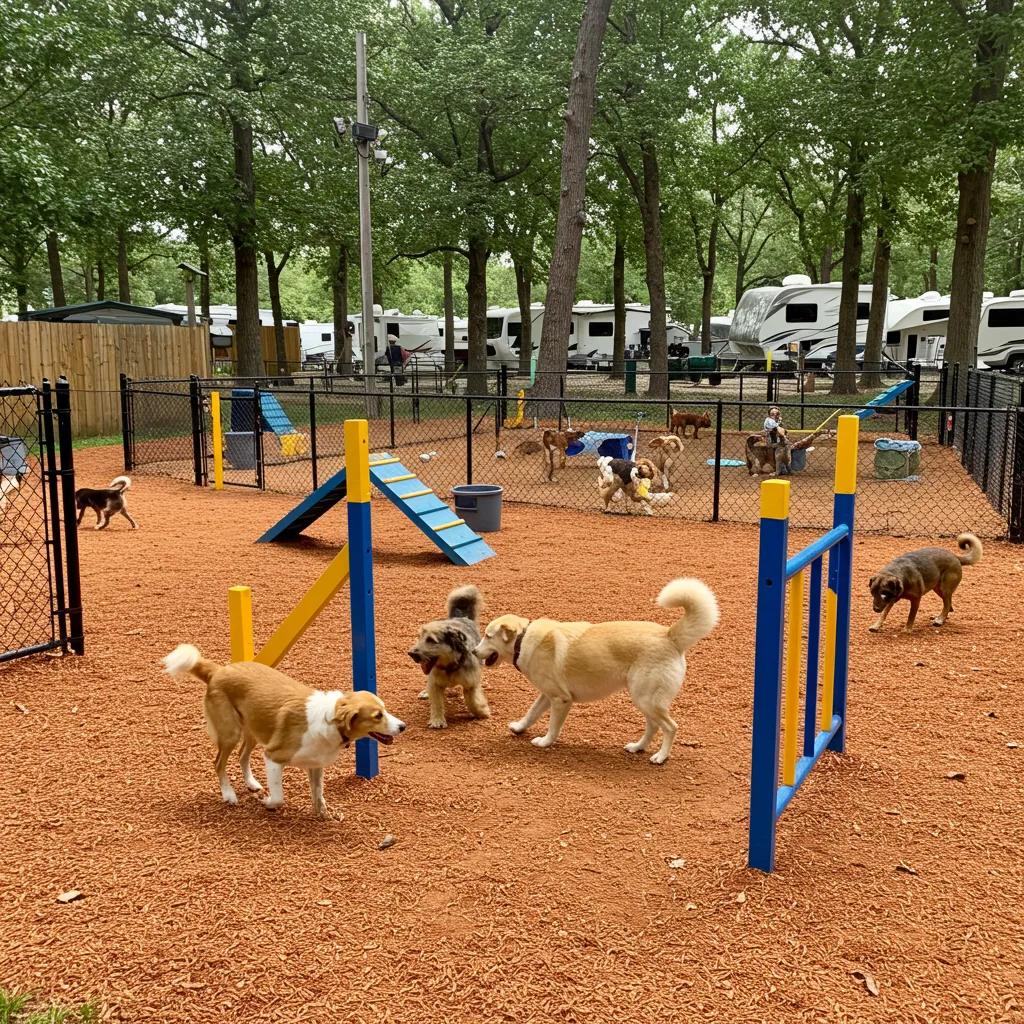
Pet-friendly amenities elevate a permissive campground into an inclusive and comfortable destination for both animals and their owners by offering secure spaces and pet-centric services that reduce friction and add significant value. Key amenities include fenced dog parks for controlled off-leash play, designated pet-friendly trails and water access for exercise and enrichment, and practical facilities like dog wash stations and onsite pet supply sales that can reduce the amount of gear you need to pack. These features enhance safety and enjoyment by addressing exercise, hygiene, and socialization needs, and they often signal a campground’s genuine commitment to welcoming animals, rather than merely tolerating them. Below are the types of amenities to prioritize, along with a short checklist table to help you compare sites efficiently.
Common pet amenities and availability:
Pet amenities checklist:
- Fenced dog park: A secure off-leash area minimizes conflicts and provides essential exercise.
- Trails with water access: River or lake access allows dogs to swim and cool off.
- Dog wash and supplies: Onsite wash stations and gear simplify post-adventure cleanup.
These amenities are particularly beneficial when planning your activities and can reduce the amount of gear you need to pack. This leads us into how to select sites based on your pet’s specific needs and practical booking considerations. As a prime example, Walnut Hills Family Campground in Durand, Michigan, features a brand-new dog park and convenient lake access, illustrating how specific facilities can significantly enhance the camping experience for both pets and families. An image ALT referencing Walnut Hills’ dog park could visually showcase its fenced layout and play features to visitors.
How Can You Book a Pet-Friendly Campsite: Tips and Best Practices?
Booking a pet-friendly campsite involves taking proactive steps: search for listings that explicitly state they are pet-friendly, thoroughly read the campground’s pet policy, disclose your pets when making a reservation, and confirm any associated fees. This approach helps you avoid surprises and ensures the site truly meets your pet’s needs. This systematic process reduces the likelihood of cancellations and last-minute denials because you’ll verify rules on leash length, breed restrictions, and available off-leash areas before committing financially. Budgeting for pet fees and deposits also prevents cost-related frustrations at check-in. Furthermore, contacting staff to confirm the site’s proximity to dog parks or water access ensures a good match for your pet’s preferences. Below is a concise, numbered booking workflow designed to address your “how-to” search intent and provide a dependable reservation routine.
Steps to reserve a pet-friendly site:
- Filter search results for campgrounds that explicitly state pet-friendly or list pet amenities.
- Read the pet policy for leash, breed, and waste requirements before selecting dates.
- Disclose pets during reservation and ask about per-pet fees or deposits.
- Confirm site specifics such as proximity to dog park, trails, or water and check-in procedures.
What Are the Steps to Reserve a Pet-Friendly Site?
Securing the right site means matching the site type with your pet’s needs, such as choosing a spot near a fenced dog park or a campsite with extra space for a crate, which helps minimize on-site stress. Begin by filtering listings for pet-friendly attributes, then review recent guest feedback that specifically mentions pets to assess policy enforcement and amenity quality. Be sure to disclose your pets during booking to avoid policy violations and inquire about any required forms or vaccination proof, which some campgrounds request for safety reasons. Confirming these details when you make your reservation reduces the chance of being reassigned upon arrival and ensures your pet’s comfort throughout the stay.
How Do Pet Fees and Deposits Affect Your Reservation?
Pet fees and deposits can impact your overall trip cost and, in some cases, the refundability of your reservation. Understanding when and under what conditions charges are applied will help you budget effectively and avoid unexpected expenses. Some parks charge a modest nightly fee per pet, while others require a flat, non-refundable fee or a refundable deposit that is contingent on the property’s condition. Inquire about how and when fees are charged, and whether cleaning or damage deductions apply, as this will affect your total trip cost and your decisions about site selection. Clear disclosure of fees at the time of booking allows you to compare the true costs across different campgrounds and choose the best value for your family and pet.
Where Can You Find Reliable Information on Pet-Friendly Campgrounds?
Reliable information typically originates from official campground websites, verified local tourism sites, and Google Business Profiles featuring recent reviews that mention pets. These sources collectively provide detailed policy information and insights into real visitor experiences. While third-party listings can be helpful, prioritize official sources and recent guest comments that explicitly address pet rules and amenity quality to avoid outdated or incomplete information. If policy language seems ambiguous, it’s best to call the campground directly to confirm the rules rather than making assumptions; direct confirmation prevents surprises and clarifies enforcement, especially during peak seasons. Having a clear, confirmed policy in writing before your arrival sets expectations for both owners and staff, which naturally leads into selecting standout pet-friendly properties.
After following these booking steps, consider campgrounds that are designed to streamline arrival for pet owners. Walnut Hills Family Campground, operated by GatherGrounds Resorts in Durand, Michigan, emphasizes a no-wait check-in process and offers site types that accommodate RVs, tents, and cabin stays—features that reduce travel stress for families with pets and simplify arrival logistics.
Why Choose Walnut Hills Family Campground for Your Pet-Friendly Adventure?
Walnut Hills Family Campground serves as a prime example of a campground that expertly combines policies, amenities, and booking convenience to create truly pet-friendly stays for families. This demonstrates how specific site choices can significantly enhance pet comfort and provide owners with greater peace of mind. The campground offers pet-focused facilities, including a brand-new dog park and direct lake access on the Shiawassee River, alongside family attractions like a Wibit water park. This blend ensures activities that can include pets in many of the outdoor experiences. Walnut Hills welcomes pets across its RV sites, tent camping options, and cabin rentals, with clear expectations regarding leash use and waste management. Their streamlined arrival policies minimize time spent at check-in, allowing you to settle in quickly. Below is a concise reference table summarizing Walnut Hills’ features and related policies to help pet owners evaluate its suitability for their next trip.
Walnut Hills feature summary:
What Pet Policies Does Walnut Hills Enforce for a Safe Stay?
Walnut Hills enforces leash and behavior expectations and places a strong emphasis on waste cleanliness to protect guests, their pets, and the campground environment, thereby maintaining a welcoming atmosphere for families. Expect leash rules to be in effect in shared areas, with designated off-leash opportunities exclusively within the fenced dog park. Staff actively encourage prompt cleanup and provide waste stations to support hygiene. These measures are crucial for reducing conflicts and protecting the water quality in nearby Shiawassee River areas, while also ensuring that social pets have a safe place to exercise. Understanding these policies before your arrival will help families prepare the appropriate gear and plan activities around leash and quiet-hour rules.
Which Dog-Friendly Amenities Does Walnut Hills Offer?
Walnut Hills provides a comprehensive suite of dog-friendly amenities, most notably a brand-new dog park, swimming lake access, and a canoe livery on the Shiawassee River. These features significantly expand the activity options for active pets and their families. The fenced dog park offers a controlled environment for off-leash exercise and socialization, while the lake and river access enable supervised swimming and paddling adventures that can include dogs. Additional family amenities, such as a Wibit water park, further enhance recreational choices, allowing households with and without pets to enjoy complementary activities. An image ALT describing Walnut Hills’ dog park should reference the fenced play area and nearby walking paths to visually communicate the campground’s pet-friendly layout.
How Does Walnut Hills Make Booking Easy for Pet Owners?
Walnut Hills simplifies the booking and arrival process with a no-wait check-in system and clear site information, which minimizes the time spent at the office and maximizes the time you can spend enjoying the campground with your pets. This efficient check-in, combined with explicit policy guidance on leash rules and waste expectations, reduces uncertainty for owners and helps pets settle into their campsite more quickly. When making your reservation, be sure to ask specifically about pet fees or deposits and whether your chosen site is conveniently located near the dog park or water access to best suit your pet’s exercise needs. These conveniences effectively remove friction from your travel day, allowing families to focus on enjoying outdoor activities together.
What Are Essential Tips for a Smooth Pet-Friendly Camping Trip?
Properly preparing your pet for camping significantly enhances safety and enjoyment by addressing their health, behavior, and gear needs before you even arrive, which helps reduce stress and prevent common issues like escapes or illness. Key steps include a pre-trip veterinary check to confirm vaccinations and overall health, updating ID tags and microchip information, and practicing crate and leash routines so your pet feels comfortable in new settings. Packing essential supplies—food, familiar bedding, first-aid items, waste bags, and potable water—will prepare you for both routine care and minor emergencies. Below are practical checklists and etiquette reminders to ensure a positive shared experience for all campers.
Essential pre-trip checklist:
- Vet check & vaccinations: Confirm pet health and required vaccinations before travel.
- ID & microchip: Update tags and contact info; verify microchip registration details.
- Gear & supplies: Pack leash, crate, food, medications, extra waste bags, and a portable water bowl.
These preparation steps reduce potential risks and improve your pet’s comfort, and adhering to clear etiquette at campsites ensures that other guests also enjoy their stay.
How Should You Prepare Your Pet for Camping?
Preparing your pet involves health assessments, acclimating them to their gear, and gradually exposing them to new stimuli so they can better tolerate travel and campsite routines. This approach helps prevent stress-related behaviors. Schedule a veterinary visit to confirm vaccinations are up-to-date and discuss preventive measures for fleas, ticks, and heartworms, especially if you’re traveling to wooded areas. Practice crate time and leash walks in the weeks leading up to your departure. Bring familiar items like bedding and toys to help reduce anxiety, and pack straightforward feeding and grooming supplies to maintain their routine. These preparations contribute to a smoother arrival and support a calm campsite environment for everyone.
What Etiquette Should Pet Owners Follow at Campgrounds?
Campground etiquette is fundamentally about respect: control your pets on a leash in shared areas, adhere to posted quiet hours, and promptly remove waste to keep common spaces pleasant for all guests. Maintain supervision when animals are off-leash in designated dog parks, and ensure that aggressive or overly vocal pets are separated to prevent incidents. Complying with these rules helps preserve pet-friendly access at campgrounds and demonstrates responsible stewardship, which benefits future visitors and assists campgrounds in maintaining their pet policies. Observing these etiquette guidelines helps the campground community function harmoniously and naturally leads into important safety precautions for outdoor activities.
How Can You Ensure a Fun and Safe Experience for Your Pet Outdoors?
Ensure your pet’s safety by planning for adequate hydration, implementing tick and flea prevention, and providing appropriate supervision around water and wildlife. This approach minimizes injuries and health risks during outdoor activities. Always bring fresh water and a collapsible bowl for hikes, use life vests for dogs on boats if necessary, and thoroughly check for ticks after trail walks to prevent vector-borne illnesses. Have contingency plans in place for lost pets, including recent photos and contact information for local veterinarians or boarding facilities, and keep emergency supplies readily accessible. These precautions protect your pet’s health and allow you to focus on enjoying your time together in nature.
Frequently Asked Questions
What should I consider when choosing a pet-friendly campground?
When selecting a pet-friendly campground, consider the specific pet policies, available amenities, and the campground’s overall environment. Look for details on leash requirements, breed restrictions, and waste management practices. Additionally, check for pet-friendly amenities like dog parks, trails, and water access. It’s also important to read reviews from other pet owners to gauge their experiences. Ensuring the campground aligns with your pet’s needs will enhance your camping experience and help avoid any surprises during your stay.
Are there specific health preparations needed for pets before camping?
Yes, it’s essential to prepare your pet’s health before camping. Schedule a vet visit to ensure vaccinations are up to date and discuss preventive measures for fleas, ticks, and heartworms, especially if you’re heading to wooded areas. Additionally, practice acclimating your pet to their gear, such as crates and leashes, to reduce anxiety. Bringing familiar items like bedding and toys can also help your pet feel more comfortable in a new environment, making the trip smoother for both of you.
What are the best practices for pet waste management at campgrounds?
Effective pet waste management is crucial for maintaining cleanliness and ensuring a pleasant experience for all campers. Always carry waste bags and promptly clean up after your pet. Use designated waste stations when available, and follow campground rules regarding disposal. Educating yourself on the campground’s waste policies can help prevent fines and ensure a responsible camping experience. Good waste management practices not only keep the area clean but also support the campground’s ability to remain pet-friendly.
How can I find pet-friendly activities near the campground?
To find pet-friendly activities near your campground, start by researching local attractions and parks that allow pets. Websites, social media groups, and local tourism boards often provide valuable information on nearby trails, dog parks, and pet-friendly events. Additionally, consider asking campground staff for recommendations, as they may have insights into the best local spots for outdoor activities with your pet. Planning ahead ensures you and your furry friend can enjoy a variety of experiences during your trip.
What should I do if my pet gets lost while camping?
If your pet goes missing while camping, remain calm and act quickly. Start by searching the immediate area, calling your pet’s name, and checking nearby trails or common areas. Having recent photos of your pet can help others assist in the search. Additionally, inform campground staff and fellow campers about your lost pet. It’s also wise to have a plan in place before your trip, including local vet contacts and boarding facilities, to ensure you can act swiftly if needed.
What are some common pet-friendly camping etiquette tips?
Practicing good camping etiquette is essential for a harmonious experience. Always keep your pet on a leash in shared areas and respect quiet hours to avoid disturbing other guests. Promptly clean up after your pet and ensure they are supervised, especially in off-leash areas. If your pet is prone to barking or aggressive behavior, take steps to manage these issues to prevent conflicts. Following these guidelines helps maintain a welcoming environment for all campers and supports the continuation of pet-friendly policies.
Conclusion
Choosing a pet-friendly campground enhances your outdoor experience by ensuring your furry family members are welcomed and comfortable. Understanding policies, amenities, and booking tips empowers you to make informed decisions that lead to memorable adventures. By prioritizing campgrounds like Walnut Hills Family Campground, you can enjoy a seamless trip that caters to both pets and their owners. Start planning your next pet-friendly getaway today and create lasting memories with your beloved companions.